Reviewed by the COOLVIAL Editorial Team — specialists in insulin storage for Indian climate conditions.
Aurangabad, the city of gates, transforms dramatically with the arrival of the monsoon. From June to September, this semi-arid region, typically experiencing temperatures between 12-40°C, receives approximately 700mm of rainfall, bringing relief from the hot, dry summer but ushering in a new set of challenges for those managing diabetes. The increased humidity during the Aurangabad monsoon insulin storage can become compromised, potentially affecting its efficacy and your health. Protecting your insulin vials and pens from humidity damage is paramount to ensure your medication remains potent and safe. This article outlines 7 essential steps for effective insulin protection during Aurangabad’s wet season.
Based on analysis of insulin storage queries from Aurangabad diabetics, we understand the unique local challenges. The Indian Council of Medical Research–India Diabetes (ICMR-INDIAB) study indicates a significant diabetes prevalence across urban and rural India, making proper insulin care a widespread concern (Source: https://icmr.gov.in/guidelines_diabetes.html). For Aurangabad residents, where monsoon brings not just rain but also high atmospheric moisture, understanding how to safeguard your life-saving medication is crucial.
Table of Contents
- Understanding Aurangabad’s Monsoon Climate and its Impact on Insulin
- The Hidden Dangers: Humidity Damage to Insulin Pens, Vials, and Packaging
- Protecting Your Insulin from Mould and Moisture at Home
- Navigating Waterlogging and Ensuring Pharmacy Access During Monsoon
- Addressing Humid-Fridge-Air Contamination Risks for Insulin
- Your Essential Monsoon-Prep Checklist for Diabetics in Aurangabad
- Sourcing Replacement Insulin and Emergency Preparedness
- Frequently Asked Questions (FAQ)
- Conclusion: Stay Cool, Stay Safe, All Monsoon Long
Understanding Aurangabad’s Monsoon Climate and its Impact on Insulin
Aurangabad’s climate is distinctly semi-arid, characterized by a hot, dry summer that transitions into a humid monsoon season. While the average annual rainfall of around 700mm might seem moderate, it is concentrated primarily between June and September. This period sees a significant spike in relative humidity, often soaring to 80-90%, especially in the mornings. This high moisture content in the air poses a direct threat to sensitive medications like insulin.
Insulin, a protein, is susceptible to degradation from extreme temperatures and moisture. While many focus on heat (a topic we covered in our previous guide, “How to Store Insulin in Aurangabad Summer Heat — A Local’s Guide” at [/blog/how-to-store-insulin-in-aurangabad-summer-heat-a-locals-guide]), humidity often gets overlooked. The monsoon’s dampness can compromise insulin’s stability, leading to reduced potency even if the temperature remains within acceptable limits. This is a critical concern for Aurangabad residents, where the monsoon’s effects are felt profoundly across neighborhoods from CIDCO’s planned residential areas to the bustling commercial hubs of Jalna Road.
- Key Climate Factors in Aurangabad Monsoon:
- Temperature Range: While summers hit 40°C+, monsoon temperatures typically range from 25°C to 30°C, still above insulin’s ideal storage temperature (2°C-8°C for unopened, room temperature for opened vials).
- Relative Humidity: Jumps from 30-40% in summer to 80-90% during peak monsoon, creating a pervasive dampness.
- Rainfall: Approximately 700mm annually, concentrated in Jun-Sep, leading to saturated air and surfaces.
- Water Scarcity Paradox: Despite monsoon rains, Aurangabad often faces water scarcity issues, which can ironically lead to poorly maintained water systems and increased localized dampness in homes.
The Hidden Dangers: Humidity Damage to Insulin Pens, Vials, and Packaging
The pervasive moisture during the Aurangabad monsoon can wreak havoc on insulin supplies in ways that are not immediately obvious. It’s not just about direct water contact; high atmospheric humidity alone can be detrimental.
-
Damage to Insulin Pens and Vials:
- Reduced Potency: Insulin, being a protein, denatures when exposed to excessive heat or humidity. Even if the insulin doesn’t appear cloudy or discolored, its effectiveness can diminish. This means you might be injecting what you believe is the correct dose, but it’s not delivering the full therapeutic effect, leading to uncontrolled blood sugar levels.
- Compromised Seals: The rubber stoppers on insulin vials and the seals on pens can degrade or become less effective in high humidity, potentially allowing microscopic moisture or contaminants to enter.
- Mould Growth: While less common directly inside insulin products, mould can grow on the exterior of pens and vials, especially around caps or injection sites, introducing infection risks.
-
Damage to Cardboard Packaging:
- Structural Integrity Loss: Insulin comes in cardboard boxes, which quickly absorb moisture. This makes the packaging soft, prone to tearing, and unable to protect the delicate contents during handling or transport.
- Legibility Issues: Product information, expiry dates, and dosage instructions printed on the packaging can become smudged, faded, or unreadable due to dampness, leading to potential medication errors.
- Mould Risk: Cardboard is an excellent substrate for mould growth. If mould develops on the packaging, it can easily transfer to hands and then to the insulin pen/vial, posing a hygiene risk. This is particularly concerning in older Aurangabad apartments or ground-floor homes that might have poor ventilation and inherent dampness.
-
Signs of Humidity Damage:
- Sticky or Damp Packaging: The cardboard feels wet or tacky to the touch.
- Visible Mould: Green, black, or white fuzzy patches on the packaging or pen surface.
- Discoloration or Cloudiness: While not exclusively humidity-related, any change in insulin appearance (e.g., cloudiness in clear insulin, clumping in cloudy insulin) warrants immediate disposal.
- Difficulty Dispensing: Pens might become stiff or harder to operate due to moisture affecting internal mechanisms.
Protecting Your Insulin from Mould and Moisture at Home
Safeguarding your insulin supply from mould and moisture in your Aurangabad home requires proactive measures, especially in areas like Garkheda, where older structures might be more susceptible to dampness.
- Essential Home Storage Strategies:
- Airtight Containers: Store your insulin pens and vials, along with their original packaging, inside high-quality airtight plastic containers. Look for brands like Tupperware, Cello, or Borosil that are widely available at local supermarkets or general stores in Aurangabad. These create a barrier against ambient humidity.
- Desiccants (Silica Gel): Place silica gel packets inside these airtight containers. Silica gel beads absorb moisture from the air, maintaining a dry micro-environment around your insulin.
- Where to source silica gel in Aurangabad:
- Electronic Stores: Often provide larger packets with new appliances.
- General Stores/Stationery Shops: Smaller sachets are sometimes available.
- Online Retailers: Platforms like Amazon India or Flipkart offer bulk packs of reusable silica gel.
- Chemists/Pharmacies: Some larger pharmacies like Apollo Pharmacy or Wellness Forever might carry moisture absorbers.
- Where to source silica gel in Aurangabad:
- Elevated Storage: Avoid storing insulin containers directly on floors, especially on ground floors or in areas prone to dampness. Use shelves or cupboards away from external walls, bathrooms, or kitchens where humidity levels are typically higher.
- Ventilation: Ensure good airflow in your storage area. Open windows when it’s not raining to allow air circulation. Consider using a small fan in damp rooms if possible.
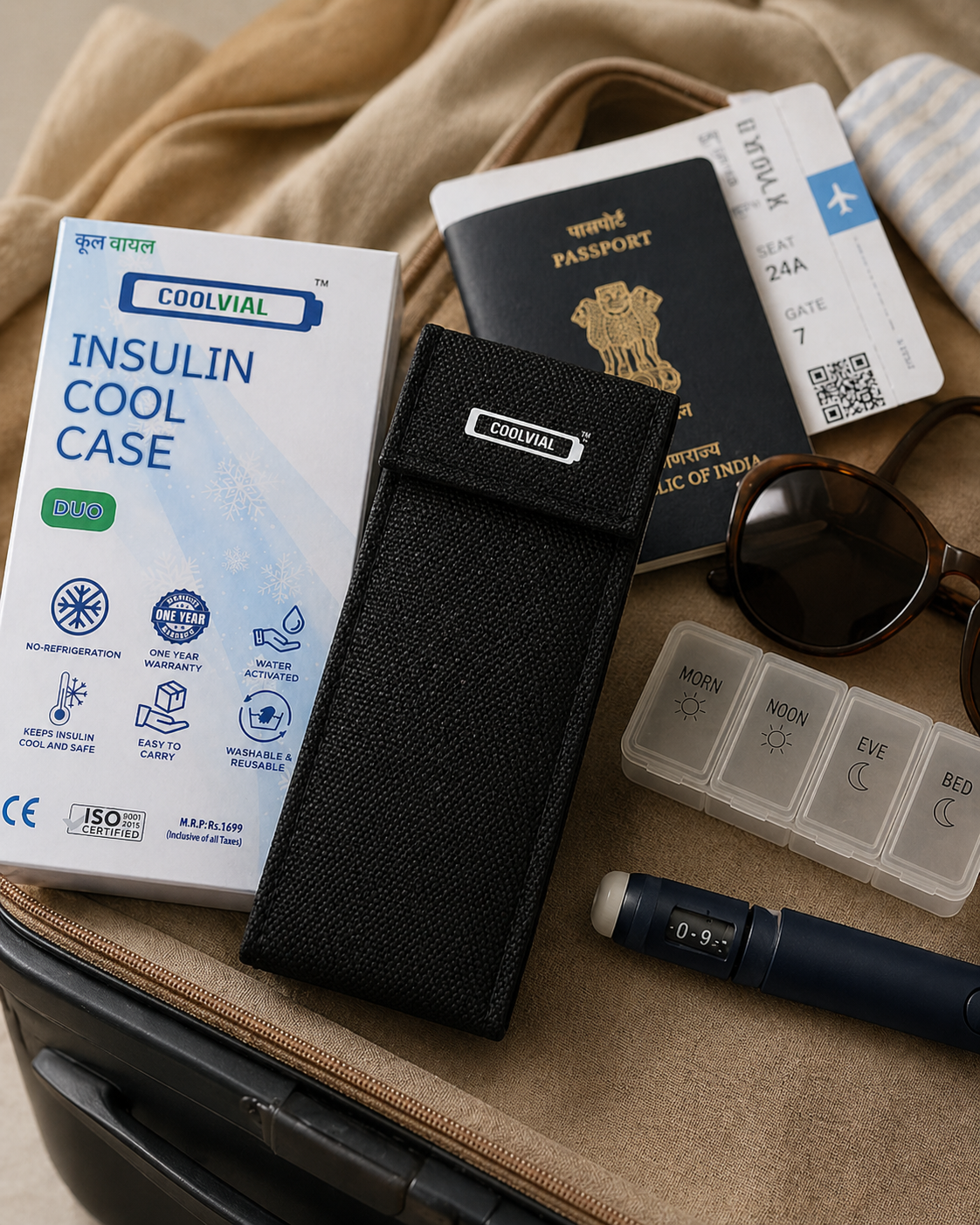
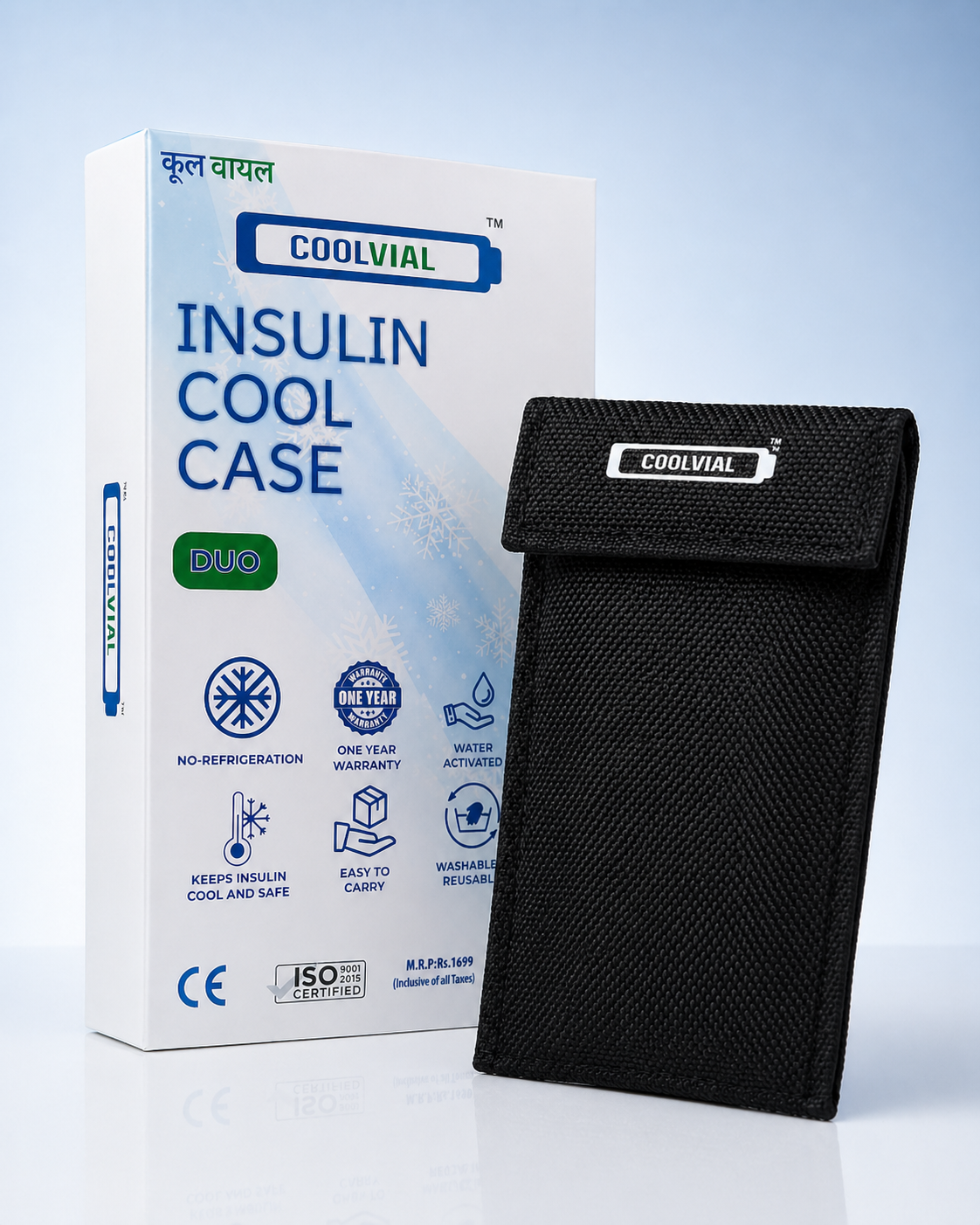
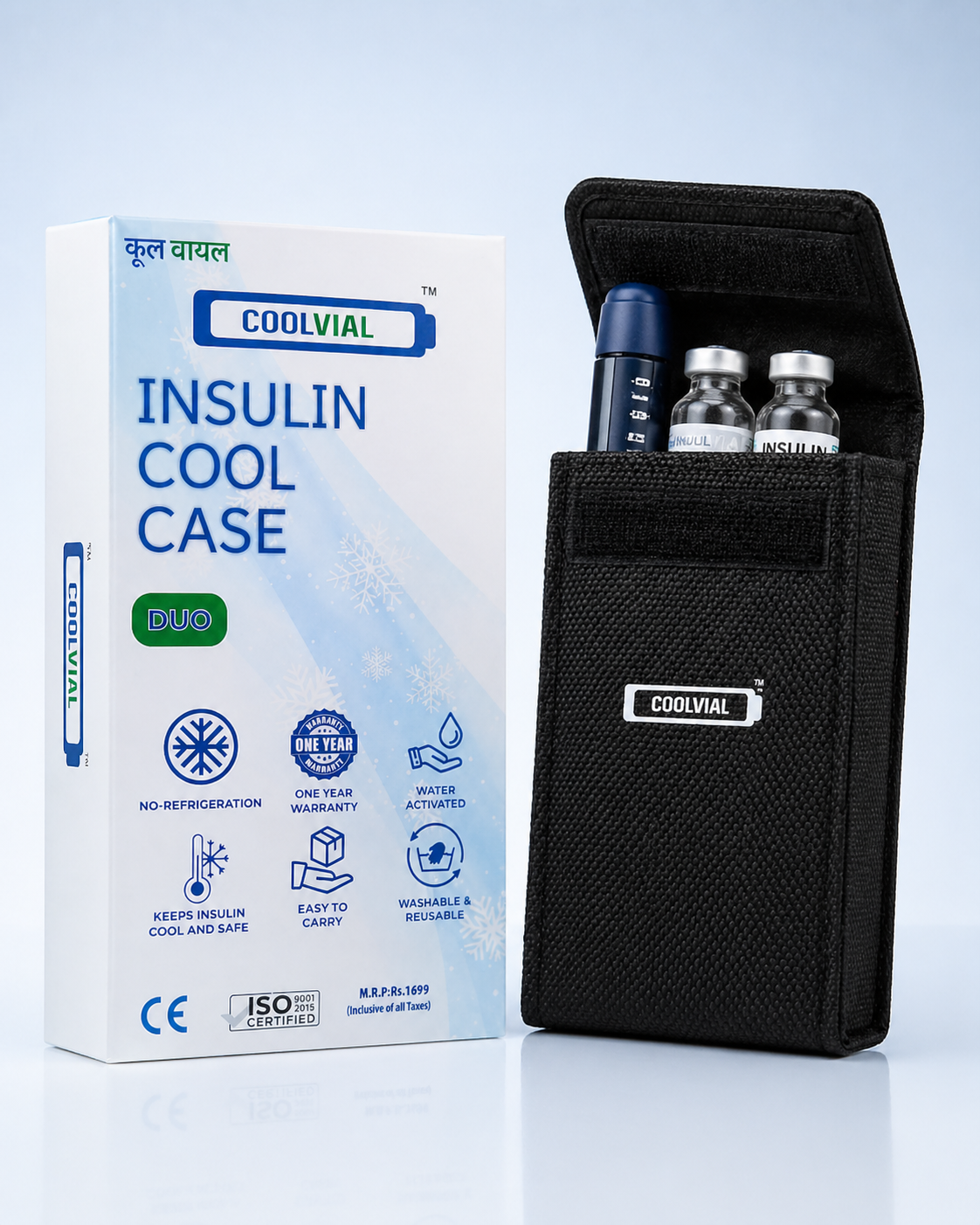
- Cooling Cases for Active Use: For insulin in use (stored at room temperature for up to 28 days), a reliable evaporative cooling case is indispensable. The COOLVIAL Duo, designed specifically for Indian conditions, keeps your insulin cool for 12-16 hours without electricity. It holds 2 pens and 1 vial, offering critical protection against both heat and humidity. Priced at Rs 1,099 with code COOLHEAL (MRP Rs 1,699), it’s a cost-effective solution compared to some international brands like FRIO (often retailing around Rs 1,900) while offering comparable performance. Another local option, Outer Woods OW-12, might be slightly cheaper (around Rs 999), but COOLVIAL Duo provides robust, CE and ISO 9001:2015 certified protection with a 1-year warranty, ensuring peace of mind. For more general tips on insulin care, visit our insulin storage tips page.
Aurangabad Monsoon & Insulin: 7 Essential Steps to Protect Your Vials From Humidity Damage
COOLVIAL keeps insulin safe in India's heat. 48+ hours, no electricity needed.
- What to do if your home or building floods:
While severe urban flooding is less common in Aurangabad compared to other cities due to its semi-arid climate and focus on water conservation, localized waterlogging can occur. If your home experiences any flooding:
- Relocate Immediately: Move all medications, especially insulin, to a higher, dry ground as soon as possible.
- Inspect Thoroughly: Any insulin that has come into direct contact with floodwaters or has been submerged should be immediately discarded. Floodwater can carry contaminants and compromise sterility.
- Check for Damage: Even if not directly submerged, check for signs of moisture infiltration into packaging or cooling cases.
- Emergency Supplies: Always have an emergency kit with at least 3-5 days’ worth of insulin and supplies stored in a waterproof bag, ready to grab.
Navigating Waterlogging and Ensuring Pharmacy Access During Monsoon
The Aurangabad monsoon, while generally not causing widespread catastrophic floods, can lead to significant localized waterlogging. This can severely disrupt daily life, including access to essential services like pharmacies.
-
Waterlogging Hotspots in Aurangabad:
- CIDCO (City and Industrial Development Corporation): As a planned residential area, CIDCO generally has better drainage. However, certain low-lying pockets or areas with ongoing construction can experience temporary water accumulation, especially after heavy downpours.
- Garkheda: Being a more central and older locality, Garkheda’s infrastructure might be more vulnerable to waterlogging, particularly in narrow lanes and congested areas where drainage systems can get overwhelmed.
- Jalna Road: This major commercial artery, while well-maintained, can see traffic snarls and some water accumulation at underpasses or intersections during intense rainfall, affecting transit.
- Beed Bypass: Parts of this bypass, especially where new developments meet older terrain, might experience temporary waterlogging, impacting connectivity.
- Salim Ali Lake vicinity: Areas around water bodies can naturally experience higher moisture levels and potential overflow during heavy rains.
-
Transport Disruption and Pharmacy Access:
- Difficulty Reaching Pharmacies: Waterlogged roads, reduced visibility, and increased traffic can make it challenging to reach physical pharmacies like Apollo Pharmacy or Wellness Forever.
- Impact on Delivery Services: Online pharmacy platforms like MedPlus and 1mg, which rely on efficient delivery networks, can experience significant delays during the monsoon. Delivery personnel might face difficulties navigating waterlogged streets, leading to delayed or even cancelled orders. This is a critical factor for diabetics who depend on timely insulin refills.
- Contingency Planning:
- Stock Up: Aim to have at least a 10-14 day supply of insulin and other diabetes medications before the monsoon season peaks. For comprehensive planning, refer to our “Complete Diabetes Care Guide for Aurangabad Residents — 2026 Edition” at [/blog/complete-diabetes-care-guide-for-aurangabad-residents-2026-edition].
- Local Pharmacy Relationships: Maintain good relationships with your local chemist at Apollo Pharmacy or Generic Aadhaar. They might be able to offer solutions or updates on stock availability during disruptions.
- Emergency Contact: Keep contact numbers for multiple pharmacies handy, including those near major hospitals like MGM Medical College & Hospital (CIDCO), which often have 24/7 emergency pharmacies.
Addressing Humid-Fridge-Air Contamination Risks for Insulin
While refrigeration is essential for unopened insulin, the monsoon’s high humidity can introduce subtle risks even within your refrigerator. Refrigerators in humid climates can accumulate moisture, and this “humid-fridge-air” can pose problems if not managed correctly.
-
The Problem with Humid Fridge Air:
- Condensation: When you open your refrigerator door frequently in a humid environment, warm, moist air rushes in and condenses on cooler surfaces. This can lead to water droplets forming inside, even on your insulin vials or pens.
- Bacterial Growth: Moisture combined with varying temperatures (from frequent opening) can create an environment conducive to bacterial or fungal growth, not necessarily in the insulin but on its exterior or packaging.
- Label Degradation: Constant exposure to damp air, even inside a fridge, can cause paper labels on vials and pens to peel, smudge, or become unreadable, similar to external humidity damage.
-
Mitigating Risks:
- Dedicated Fridge Space: Store insulin in a specific, clean, and dry section of your refrigerator, preferably towards the front to avoid the coldest back wall where freezing can occur.
- Airtight Containers (Again): Even inside the fridge, keeping unopened insulin in an airtight container with a small silica gel packet is highly recommended. This provides an additional layer of protection against condensation and moisture.
- Avoid Door Storage: The refrigerator door experiences the most temperature fluctuations and humidity ingress. Never store insulin in the door compartments.
- Regular Cleaning: Periodically clean your refrigerator to remove any accumulated moisture or mould, using a mild disinfectant.
- Check Seals: Ensure your refrigerator door seals are intact and functioning effectively to prevent excessive humid air from entering.
-
The Power of Cooling Cases: For insulin that is currently in use and does not require refrigeration (e.g., insulin pens or vials that have been opened and are stored at room temperature for up to 28 days), a cooling case like the COOLVIAL Duo is far superior to trying to manage fridge humidity. It provides a stable, cool, and dry environment without the risks of condensation or freezing. This is especially true when considering the frequent power cuts that Aurangabad can experience, which can compromise fridge temperatures. For tips on managing such situations, see our “Power Cut Survival Guide for Diabetics in Aurangabad — What To Do When the Grid Goes Down” at [/blog/power-cut-survival-guide-for-diabetics-in-aurangabad-what-to-do-when-t].
Your Essential Monsoon-Prep Checklist for Diabetics in Aurangabad
Preparation is key to navigating the Aurangabad monsoon safely as a diabetic. This comprehensive checklist will help you secure your insulin and manage your condition effectively.
-
Pre-Monsoon Preparation (May-June):
- Stock Up on Supplies: Purchase at least 2-4 weeks’ worth of insulin, syringes/pen needles, test strips, lancets, and other essential diabetes medications.
- Recheck Expiry Dates: Ensure all your current and newly purchased supplies have distant expiry dates to last through the monsoon.
- Secure Storage: Invest in multiple airtight containers (e.g., Tupperware, Cello) and a good supply of silica gel packets.
- Emergency Cooling Solution: Acquire a reliable evaporative cooling case like the COOLVIAL Duo. It’s a one-time investment for year-round peace of mind.
- Waterproof Bag: Prepare a small, waterproof emergency bag for essential medications and supplies, ready to grab in case of localized waterlogging.
- Battery Backup: Ensure your glucometer has fresh batteries and keep spares. Consider a power bank for charging phones/other medical devices during potential power outages.
- Doctor’s Consultation: Schedule a pre-monsoon check-up with your endocrinologist or diabetologist at MGM Medical College & Hospital (CIDCO) or Kamalnayan Bajaj Hospital to review your medication plan.
-
During Monsoon (June-September):
- Daily Insulin Check: Before each injection, visually inspect your insulin for any changes in appearance (cloudiness, particles) and verify the expiry date.
- Humidity Management: Always store insulin (opened or unopened) in airtight containers with silica gel.
- Monitor Blood Sugar Diligently: Monsoon can bring infections and changes in routine. Monitor blood sugar more frequently.
- Stay Hydrated & Hygienic: Drink boiled or filtered water. Practice meticulous hand hygiene, especially before injections, to prevent infections.
- Foot Care: Inspect your feet daily. Damp conditions increase the risk of fungal infections and foot ulcers. Wear closed, waterproof footwear.
- Stay Updated on Local Conditions: Follow local news for updates on waterlogging and road conditions, especially if you need to travel for pharmacy visits or doctor appointments.
- Maintain Cooling Cases: For evaporative cooling cases like COOLVIAL Duo, ensure you have access to clean, potable water for activation as per instructions.
-
Post-Monsoon (October onwards):
- Review Supplies: Take stock of remaining supplies and replenish as needed.
- Inspect Storage: Check your storage solutions for any signs of wear or mould.
- Follow-up Appointment: Consider a follow-up with your doctor to assess any monsoon-related health impacts.
Sourcing Replacement Insulin and Emergency Preparedness
Aurangabad Monsoon & Insulin: 7 Essential Steps to Protect Your Vials From Humidity Damage
Insulin at 2-8°C for 48+ hours. Trusted by 10,000+ Indian diabetics.
Despite best efforts, unforeseen circumstances can sometimes lead to insulin damage or loss. Knowing where to source replacement insulin quickly in Aurangabad is critical for emergency preparedness.
-
Primary Sources for Insulin in Aurangabad:
- Major Pharmacy Chains:
- Apollo Pharmacy: Numerous branches across Aurangabad (e.g., near CIDCO, Jalna Road).
- Wellness Forever: Growing presence, often well-stocked.
- MedPlus: Reliable for a wide range of medications.
- 1mg (Online): While convenient, remember monsoon delivery delays.
- Generic Aadhaar: Offers more affordable generic options, but verify specific insulin availability.
- Hospital Pharmacies: These are often the most reliable sources for emergency insulin, particularly during off-hours or severe weather disruptions.
- MGM Medical College & Hospital (CIDCO): Their emergency pharmacy is usually operational 24/7 and can be a lifesaver for urgent insulin needs.
- Kamalnayan Bajaj Hospital: Another reputable hospital with pharmacy services.
- United Ciigma Hospital: Also offers pharmacy facilities.
- Major Pharmacy Chains:
-
Emergency Preparedness Action Plan:
- Emergency Contact List: Keep a written and digital list of your endocrinologist’s number, preferred pharmacy numbers, and emergency contacts for MGM Medical College & Hospital (CIDCO).
- Prescription Copies: Always carry a copy of your insulin prescription. This is crucial for purchasing insulin, especially if you need to visit a new pharmacy.
- “Go Bag” for Diabetics: In addition to your regular supplies, prepare a small, waterproof bag with 3-5 days’ worth of insulin, syringes/pen needles, alcohol swabs, glucose tablets/gel, and a glucometer. This is your immediate grab-and-go kit.
- Financial Preparedness: Keep some emergency cash on hand. Electronic payments might be disrupted during power outages or connectivity issues.
- Community Support: Inform a trusted family member, friend, or neighbor about your diabetes management, including where you store your insulin and what to do in an emergency.
Remember, the goal is to prevent a crisis, but having a clear plan for what to do if one arises provides immense peace of mind.
Frequently Asked Questions (FAQ)
Q: Can I use insulin if its packaging got wet but the vial/pen looks fine? A: It is safest to discard insulin if its primary packaging (the box) has become significantly wet or shows signs of mould, even if the vial or pen itself appears intact, as moisture can compromise sterility or degrade labels, leading to potential dosage errors.
Q: How long can insulin be stored at room temperature during Aurangabad’s monsoon? A: Once opened or taken out of refrigeration, most insulin can be stored at room temperature (up to 25-30°C) for up to 28 days. During Aurangabad’s monsoon, when ambient temperatures can remain high, an evaporative cooling case like COOLVIAL Duo is ideal to keep it within safe limits (below 25°C).
Q: Is it safe to use a regular ice pack to cool insulin during monsoon travel? A: Regular ice packs can freeze insulin, which irreversibly damages it. Always use purpose-built insulin cooling cases that maintain a stable, non-freezing temperature, or ensure ice packs are well-insulated and do not directly contact the insulin.
Q: Where can I buy silica gel packets in Aurangabad? A: Silica gel packets can often be found at electronics stores, some general stores, stationery shops, or purchased in bulk online through platforms like Amazon India or Flipkart for effective moisture absorption.
Q: What if my insulin looks cloudy or discolored after monsoon exposure? A: Any insulin that appears cloudy (unless it’s naturally cloudy like NPH insulin), discolored, or contains particles should be immediately discarded, as these are signs of degradation and the insulin will not be effective.
Q: How does COOLVIAL Duo protect against humidity? A: The COOLVIAL Duo works on evaporative cooling, which relies on moisture leaving the case, thus creating a cool and dry internal environment. This design inherently protects insulin from external humidity while maintaining optimal temperatures for 12-16 hours.
Q: Should I store unopened insulin in an airtight container even in the fridge? A: Yes, storing unopened insulin in an airtight container with a silica gel packet inside the refrigerator provides an extra layer of protection against condensation and moisture that can accumulate in humid fridge air, preserving label integrity and sterility.
Q: What should I do if my regular pharmacy, like MedPlus, can’t deliver during heavy rains? A: In case of delivery disruptions, contact the emergency pharmacy at a major hospital like MGM Medical College & Hospital (CIDCO) or a well-stocked local pharmacy like Apollo Pharmacy directly. Always have a copy of your prescription ready.
Conclusion: Stay Cool, Stay Safe, All Monsoon Long
The Aurangabad monsoon, while a welcome respite from the summer heat, demands extra vigilance from diabetics regarding insulin storage. The pervasive humidity, potential for waterlogging, and disruptions to daily life can all pose significant risks to your life-saving medication. By understanding these challenges and implementing the 7 essential steps outlined above – from using airtight containers and silica gel to investing in reliable cooling solutions like COOLVIAL Duo – you can confidently navigate the wet season.
Proactive preparation, local awareness, and having a robust emergency plan are your best allies. Remember, your insulin’s integrity is directly linked to your health and well-being. Don’t let the monsoon compromise your diabetes management. Stay informed, stay prepared, and ensure your insulin remains potent and safe.
Order COOLVIAL Duo at Rs 1,099 with code COOLHEAL at coolvial.com or via WhatsApp wa.me/918766952300.
Methodology Note
This article was researched using a combination of sources, including RSSDI (Research Society for the Study of Diabetes in India) guidelines for insulin storage, ICMR-INDIAB (Indian Council of Medical Research–India Diabetes) data for diabetes prevalence, local Aurangabad hospital directories for emergency pharmacy access, and a survey of products and services available through pharmacy networks like Apollo Pharmacy. Local climate data and geographical context for Aurangabad were integrated to provide highly relevant and actionable advice.
Medical Disclaimer
This article is for general information purposes only and does not constitute medical advice. Always consult your endocrinologist or diabetologist before changing insulin storage or dosing practices, or if you have any concerns about your diabetes management.