Reviewed by the COOLVIAL Editorial Team — specialists in insulin storage for Indian climate conditions.
Surat, the vibrant Diamond City of Gujarat, is a bustling hub of commerce and culture, but like many urban centres in India, it faces a growing challenge: diabetes. For the nearly 8.9% of Gujarat’s adult population living with diabetes (Source: ICMR-INDIAB study, 2021), managing this condition effectively requires access to quality healthcare, reliable medication, and an understanding of local environmental factors. This complete diabetes care guide for Surat residents in 2026 is designed to be your definitive resource, offering actionable insights and local wisdom to navigate your diabetes journey with confidence. Based on analysis of insulin storage queries from Surat diabetics, we understand the unique challenges posed by the city’s hot, humid climate.
From identifying the best hospitals and pharmacies to understanding Surat’s unique climate, food culture, and potential flood risks, this guide covers every aspect of living well with diabetes in Surat. We’ll explore how to keep your insulin safe in temperatures frequently reaching 35-40°C, what to do during power cuts, and where to find the best support.
Table of Contents
- Diabetes Prevalence in Gujarat and Surat: Understanding the Local Landscape
- Top Hospitals for Diabetes Care in Surat
- Navigating Surat’s Pharmacy Network for Diabetes Medications
- Surat’s Climate Reality and Essential Insulin Storage Strategies
- Power and Utility Challenges for Diabetics in Surat
- Transporting Insulin Safely in Surat’s Urban Environment
- Embracing Surat’s Food Culture with Diabetes in Mind
- Diabetes Support Groups and Community in Surat
- Understanding Insurance and Government Schemes for Diabetes in Surat
- Surat-Specific Challenges for Diabetes Management
- Frequently Asked Questions (FAQ)
- How We Researched This
- Conclusion and Your Next Steps
1. Diabetes Prevalence in Gujarat and Surat: Understanding the Local Landscape
Gujarat, a state known for its entrepreneurial spirit and rich heritage, also faces a significant public health challenge in the form of diabetes. Recent data from the Indian Council of Medical Research–India Diabetes (ICMR-INDIAB) study indicates that the prevalence of diabetes in Gujarat stands at approximately 8.9% among adults, a figure that is concerning and highlights the need for robust healthcare infrastructure and awareness campaigns. While specific city-level data for Surat can vary, it is generally observed that urban centres tend to have higher prevalence rates due to lifestyle changes, dietary habits, and reduced physical activity.
Surat, being one of India’s fastest-growing cities, is no exception. The rapid urbanisation, changing dietary patterns towards processed foods, and often sedentary lifestyles contribute to the rising incidence of both Type 1 and Type 2 diabetes among its residents. Awareness of these statistics is the first step in effective management and prevention. Understanding the local context helps tailor healthcare strategies and personal care plans.
Key statistics and facts:
- Gujarat Diabetes Prevalence: Approximately 8.9% of the adult population (Source: ICMR-INDIAB study, 2021).
- National Average: The national average for diabetes prevalence in India is estimated to be around 11.4% (Source: IDF Diabetes Atlas, 10th edition). While Gujarat is below the national average, the sheer population size means a substantial number of people are affected.
- Urban vs. Rural: Diabetes prevalence is typically higher in urban areas like Surat compared to rural areas, often by several percentage points.
- Impact on Healthcare: The high prevalence places a significant demand on Surat’s healthcare system, necessitating specialised diabetology and endocrinology services.
This data underscores the importance of a proactive approach to diabetes care in Surat. For a deeper understanding of medical professionals, refer to our guide on [/blog/best-diabetologists-endocrinologists-in-surat-2026-guide](Best Diabetologists & Endocrinologists in Surat — 2026 Guide).
2. Top Hospitals for Diabetes Care in Surat
Access to quality medical care is paramount for managing diabetes effectively. Surat boasts a range of hospitals, from large multi-speciality institutions to government-run facilities, offering comprehensive diabetes care. These hospitals provide a spectrum of services, including diagnosis, treatment, dietary counselling, and management of diabetes-related complications. When choosing a hospital, consider factors like the availability of endocrinologists, dietitians, and advanced diagnostic facilities.
Here’s a look at some of the leading hospitals in Surat known for their diabetes care:
- Sunshine Global Hospital (Dumas Road):
- Specialisation: Known for its multi-speciality approach, including dedicated departments for endocrinology and diabetology. They offer comprehensive care, from routine check-ups to managing complex diabetes complications like diabetic foot and nephropathy.
- Location Advantage: Situated on Dumas Road, it’s easily accessible for residents in West Surat (Vesu, Athwagate, Piplod) and surrounding areas.
- Services: Advanced diagnostics, insulin pump therapy guidance, diabetic retinopathy screening, and patient education programs.
- BAPS Pramukh Swami Hospital (Adajan):
- Specialisation: A well-regarded hospital offering a holistic approach to healthcare, including a strong focus on chronic disease management. Their internal medicine department often works closely with specialists to provide integrated diabetes care.
- Location Advantage: Located in Adajan, it serves residents in Central Surat and provides good connectivity.
- Ethos: Known for its patient-centric approach and modern facilities.
- Mahavir Hospital (Athwagate):
- Specialisation: A trusted name in Surat healthcare, Mahavir Hospital provides a range of medical services. Their general medicine department handles a significant number of diabetes cases, often referring to specialists within their network.
- Location Advantage: Positioned at Athwagate, it’s convenient for those in West Surat.
- Reputation: Established reputation for reliable medical care.
- Surat Civil Hospital:
- Specialisation: A large government hospital providing affordable and accessible healthcare. It plays a crucial role in public health, offering basic to advanced diabetes care, especially for economically weaker sections.
- Services: Outpatient clinics, emergency care, and various speciality departments.
- Tristar Hospital:
- Specialisation: A growing multi-speciality hospital that aims to provide advanced medical care across various disciplines, including diabetes management.
- Lotus Hospital:
- Specialisation: Often focuses on specific specialities or offers a broad range of services. [Verify in 2026] its current diabetology services.
When seeking specialised care, it’s always advisable to consult your primary physician for a referral to the best diabetologist or endocrinologist tailored to your specific needs.
3. Navigating Surat’s Pharmacy Network for Diabetes Medications
Reliable access to insulin, oral medications, and diabetes supplies (like glucometers, test strips, and lancets) is non-negotiable for effective diabetes management. Surat boasts a well-established network of pharmacies, ranging from large retail chains to independent local chemists, ensuring that residents can procure their essential medications conveniently. Understanding this network is a vital part of your complete diabetes care guide.
Here are the prominent pharmacy options in Surat:
- Retail Pharmacy Chains:
- Apollo Pharmacy: One of India’s largest pharmacy chains, Apollo Pharmacy has numerous outlets across Surat, including key areas like Vesu, Adajan, and Ring Road. They are known for their wide range of medications, health and wellness products, and often offer discounts. Many branches provide cold storage for insulin.
- Wellness Forever: A growing chain focusing on health and wellness products alongside medicines. They often have a good stock of chronic disease medications.
- MedPlus: Another popular pharmacy chain with a strong presence, MedPlus offers competitive pricing and a broad inventory.
- Local & Generic Pharmacies:
- Generic Aadhaar: This chain focuses on providing affordable generic medicines, which can be a significant cost-saving for long-term diabetes management. [Verify in 2026] specific locations in Surat.
- Trust Chemist: Local, independent chemists like Trust Chemist are often found in neighbourhood markets (e.g., Athwagate, Varachha). They often provide personalised service and can be a reliable source for regular medication.
- Online Pharmacies:
- Online platforms like Netmeds, PharmEasy, and Apollo 24/7 have expanded their services to Surat, offering home delivery of medications. This can be particularly convenient for those with mobility issues or during challenging weather conditions like the monsoon. Ensure that insulin ordered online is delivered with proper cold chain management.
Tips for Pharmacy Use:
- Check for 24-hour Services: For emergencies, knowing which pharmacies operate 24/7 is crucial. Our guide on [/blog/24hour-pharmacies-in-surat-for-insulin-emergencies-updated-list](24-Hour Pharmacies in Surat for Insulin Emergencies — Updated List) provides an updated list.
- Insulin Storage: Always confirm that the pharmacy stores insulin and other temperature-sensitive medications under proper refrigeration.
- Prescription Management: Keep your prescriptions updated and carry a copy, especially for insulin and controlled medications.
- Bulk Buying & Discounts: Inquire about discounts for bulk purchases or loyalty programs offered by larger chains.
For those looking to purchase an insulin cooler locally, our guide [/blog/where-to-buy-an-insulin-cooler-in-surat-top-stores-pharmacies-online-d](Where to Buy an Insulin Cooler in Surat — Top Stores, Pharmacies & Online Delivery) offers specific recommendations.
4. Surat’s Climate Reality and Essential Insulin Storage Strategies
Surat’s climate presents unique challenges for insulin users. The city is characterised by a hot and humid coastal climate, with temperatures frequently ranging between 22°C and 40°C for much of the year. The southwest monsoon season, from June to September, brings heavy rainfall (averaging ~1200mm annually) and even higher humidity, creating an environment where insulin can easily degrade if not stored correctly. This section is critical to your complete diabetes care guide.
Insulin, being a protein, is highly sensitive to temperature fluctuations. Exposure to temperatures above 25-30°C can significantly reduce its potency, rendering it less effective and potentially leading to dangerously high blood sugar levels. Freezing temperatures are equally damaging.
Understanding Surat’s Climate Impact on Insulin:
- Summer Heat (March-June): Daily temperatures often soar past 35°C, sometimes touching 40°C. Insulin stored at room temperature in such conditions can quickly lose efficacy within days or even hours.
- Monsoon Humidity (June-September): While temperatures might dip slightly, the extreme humidity can make it feel hotter and also contribute to wear and tear on packaging or cooling devices. Monsoon disruptions can also impact electricity supply, posing a risk to refrigerated insulin.
- Coastal Proximity: The proximity to the Arabian Sea contributes to the high humidity throughout the year, making natural cooling less effective.
Essential Insulin Storage Strategies for Surat:
- Refrigeration is Key: Unopened insulin vials and pens should always be stored in a refrigerator, ideally between 2°C and 8°C. Avoid placing them near the freezer compartment to prevent accidental freezing.
- In-Use Insulin: Once opened, insulin can generally be kept at room temperature (below 25-30°C) for 28 days. However, in Surat’s climate, “room temperature” often exceeds this safe limit. Therefore, active cooling for in-use insulin is often necessary.
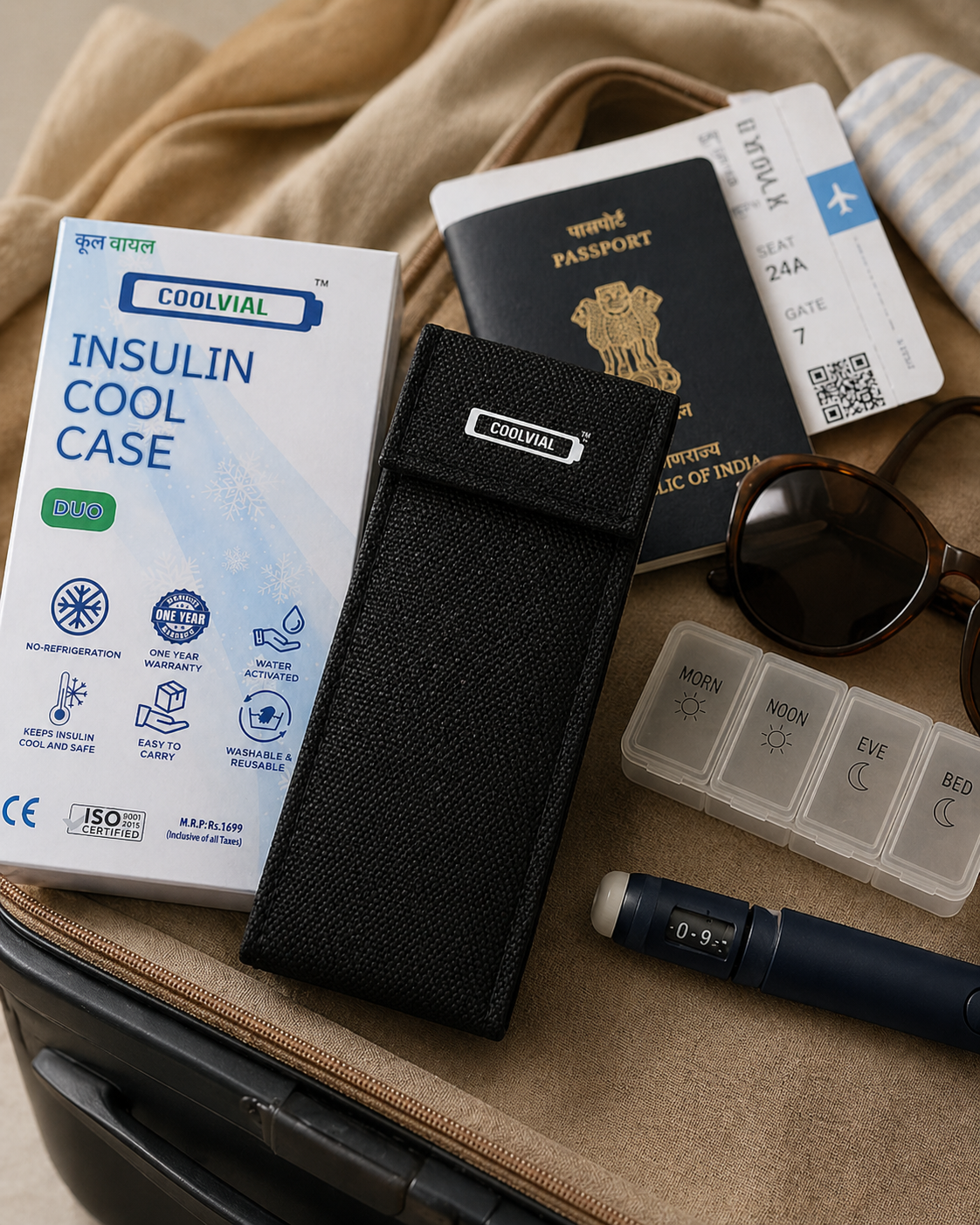
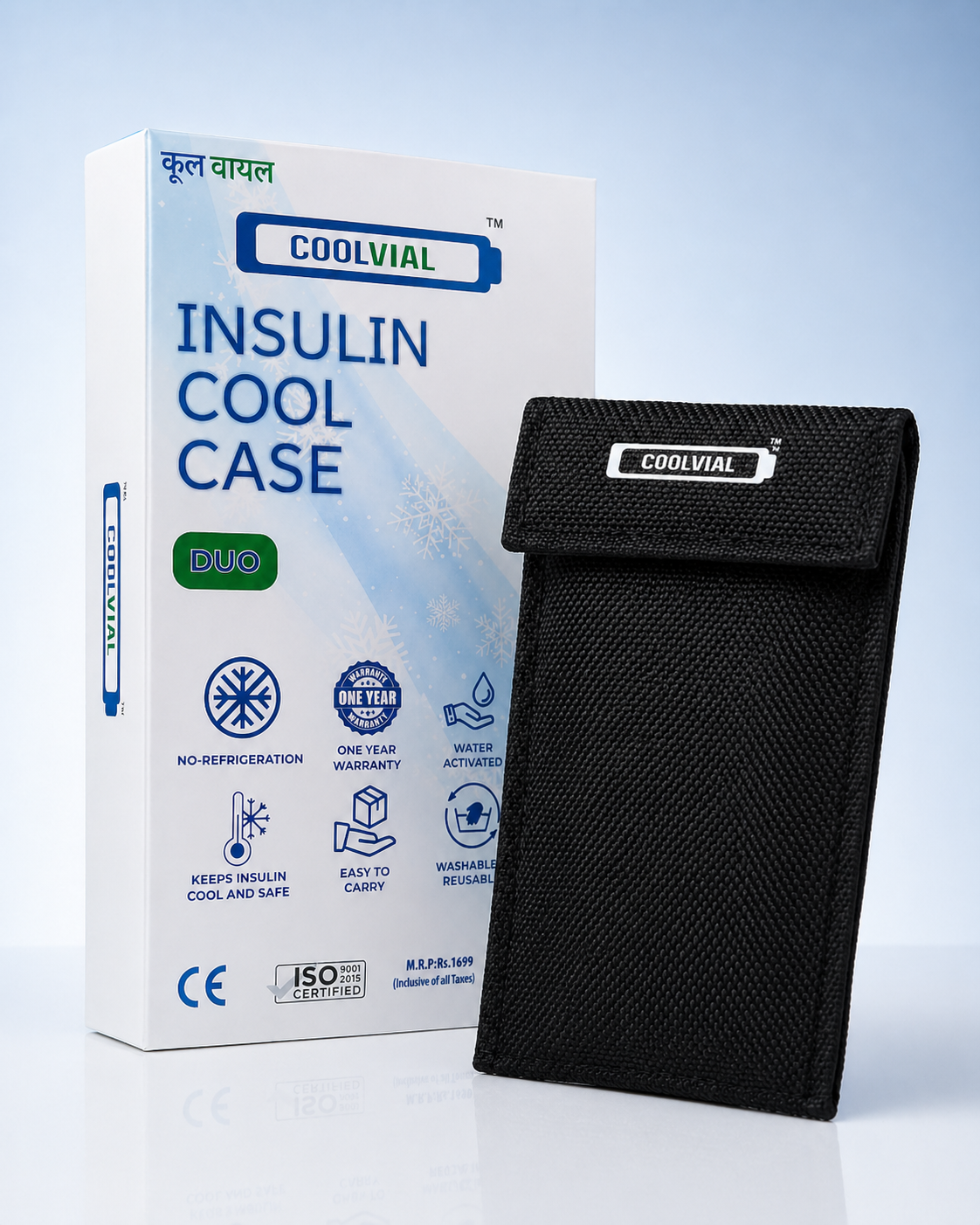
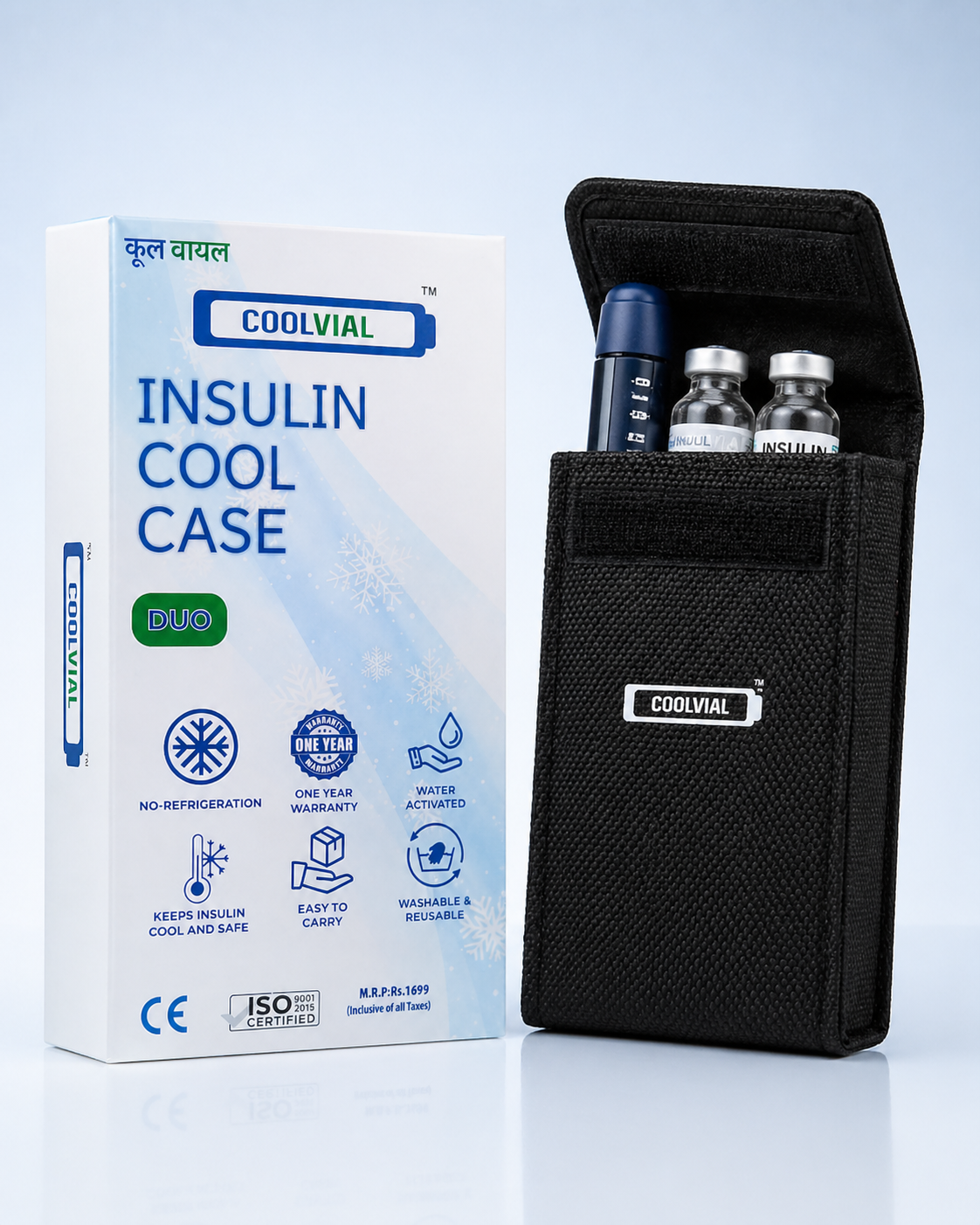
- Water-Activated Cooling Cases: This is where solutions like the COOLVIAL Duo become indispensable. Unlike ice packs that can freeze insulin or bulky electric coolers, water-activated evaporative cooling cases keep insulin at a safe temperature (typically 18-26°C) for extended periods without electricity.
- The COOLVIAL Duo is specifically designed for the Indian climate. It holds 2 pens and 1 vial, keeping insulin cool for 12-16 hours. Priced at just Rs 1,099 with code COOLHEAL (MRP Rs 1,699), it offers an affordable and reliable solution. It’s CE certified, ISO 9001:2015 compliant, and comes with a 1-year warranty. Made in India, it’s built for local conditions.
- Compared to alternatives like FRIO (typically ~Rs 1,900 for similar capacity) or Outer Woods OW-12 (~Rs 999, which might be a simpler insulated pouch without evaporative cooling), COOLVIAL Duo offers a balance of advanced cooling technology and value, making it an excellent choice for Surat residents.
- Avoid Direct Sunlight and Heat Sources: Never leave insulin in a car, near windows, or close to appliances that generate heat.
- Monitor Temperature: Consider using a small fridge thermometer to ensure your refrigerator maintains the correct temperature.
For more detailed advice, check out our guide on [/blog/how-to-store-insulin-in-surat-summer-heat-a-locals-guide](How to Store Insulin in Surat Summer Heat — A Local’s Guide) and [/blog/surat-monsoon-insulin-protecting-your-vials-from-humidity-damage](Surat Monsoon & Insulin — Protecting Your Vials From Humidity Damage). Remember, proper insulin storage is a cornerstone of effective diabetes management in Surat.
Complete Diabetes Care Guide for Surat Residents — 2026 Edition
COOLVIAL keeps insulin safe in India's heat. 48+ hours, no electricity needed.
5. Power and Utility Challenges for Diabetics in Surat
Living in Surat, like many parts of India, means occasionally contending with power outages, especially during peak summer or the monsoon season. For individuals with diabetes who rely on electricity for insulin refrigeration, this can pose a significant challenge. Understanding Surat’s power landscape and preparing for disruptions is a crucial aspect of a complete diabetes care guide.
Surat’s electricity supply is managed by Dakshin Gujarat Vij Company Limited (DGVCL) for residential and commercial areas. While infrastructure has improved, load shedding and unscheduled power cuts can still occur. The “inverter culture” is prevalent in many Surat households, where inverters provide backup power for essential appliances during outages.
Impact of Power Cuts on Insulin Storage:
- Refrigerator Failure: Prolonged power cuts can cause refrigerator temperatures to rise above the safe range for insulin (2-8°C), potentially compromising its efficacy.
- Reliance on Backup: If you rely solely on refrigerator storage, a power cut means your insulin is at risk.
Strategies for Managing Power Outages:
- Invest in a Reliable Inverter: Many homes in Surat already have inverters. Ensure yours is well-maintained and can power your refrigerator for several hours. [Verify in 2026] typical load shedding patterns in specific Surat neighbourhoods.
- Backup Cooling Solutions: This is where a non-electric insulin cooling case like the COOLVIAL Duo becomes invaluable. It doesn’t rely on electricity, offering peace of mind during power cuts. You can transfer your in-use insulin to it, knowing it will stay cool for 12-16 hours.
- Insulated Bags with Gel Packs (Caution!): While useful for short durations, traditional insulated bags with gel packs require pre-freezing and can accidentally freeze insulin if not used carefully. Always wrap insulin in a cloth before placing it next to a frozen gel pack.
- Emergency Preparedness Kit:
- Keep a pre-activated COOLVIAL Duo ready.
- Maintain a stock of insulin vials/pens sufficient for at least a week, some stored in the fridge, some in your cooling case.
- Have a charged power bank for your phone to stay informed about power restoration.
- Keep a copy of your prescriptions handy.
- Monitor Power Schedules: DGVCL sometimes publishes scheduled load shedding information. Stay informed through local news or their official channels.
Our detailed guide on [/blog/power-cut-survival-guide-for-diabetics-in-surat-what-to-do-when-the-gr](Power Cut Survival Guide for Diabetics in Surat — What To Do When the Grid Goes Down) provides more in-depth advice on this critical topic. Being prepared for power disruptions is a vital part of your diabetes management plan in Surat.
6. Transporting Insulin Safely in Surat’s Urban Environment
Surat is a city on the move, with a growing public transport network and a vibrant auto-rickshaw culture. Whether you’re commuting to work, visiting family across town, or embarking on a longer journey from Surat, safely transporting your insulin is a key consideration. This section of your complete diabetes care guide will help you navigate the city’s transport options while keeping your insulin protected.
Surat’s transport infrastructure includes city buses, a developing Metro system, auto-rickshaws, and share rickshaws. Each mode presents its own set of challenges regarding temperature control and security for sensitive medications like insulin.
Transport Options and Insulin Safety:
- Surat Metro (Under Construction): Once fully operational, the Metro will offer a fast and potentially temperature-controlled environment for travel between major hubs. However, the journey to and from stations, and potential delays, still require careful insulin storage.
- City Buses (AMTS & BRTS): Surat’s bus network is extensive. While many buses are air-conditioned, direct exposure to sunlight through windows or prolonged waits at non-AC bus stops can expose insulin to high temperatures.
- Auto-Rickshaws & Share Rickshaws: These are common for short to medium distances. While convenient, they offer no temperature control and expose you and your insulin directly to the city’s heat and humidity.
- Personal Vehicles: Cars can become extremely hot when parked in the sun. Never leave insulin in an unattended vehicle.
Tips for Daily Commute and Travel with Insulin:
- Always Use a Cooling Case: For any journey longer than 15-20 minutes in Surat’s climate, a reliable insulin cooling case is essential. The COOLVIAL Duo, with its 12-16 hour cooling duration, is ideal for daily commutes, errands, or even longer day trips within or outside the city. It’s compact enough to fit in a bag and doesn’t require electricity, making it perfect for unpredictable journeys.
- Avoid Direct Sunlight: Regardless of your mode of transport, keep your insulin cooling case out of direct sunlight.
- Plan Ahead for Longer Journeys: If travelling by train or bus for several hours, ensure your cooling case has sufficient cooling capacity for the entire trip.
- Airport & Station Security: When travelling by air or train, keep your insulin and cooling case in your hand luggage. Inform security personnel about your medical supplies.
- Stay Hydrated: While not directly related to insulin storage, staying well-hydrated is crucial for diabetics, especially during travel in hot weather.
For detailed advice on inter-city or air travel, refer to our guide on [/blog/travelling-from-surat-with-insulin-airport-station-taxi-tips](Travelling From Surat With Insulin — Airport, Station & Taxi Tips). For daily commutes, our article [/blog/daily-commute-with-insulin-in-surat-tips-for-metro-bus-auto](Daily Commute With Insulin in Surat — Tips for Metro, Bus & Auto) offers specific tips for Surat’s local transport. Prioritising safe insulin transport ensures your medication remains effective wherever your day takes you in Surat.
7. Embracing Surat’s Food Culture with Diabetes in Mind
Surat is a foodie’s paradise, famous for its unique and delicious Gujarati cuisine. From savoury snacks to rich sweets, the city’s culinary landscape is diverse. However, for individuals managing diabetes, navigating this rich food culture requires mindful choices. This part of your complete diabetes care guide helps you enjoy Surat’s flavours responsibly.
Surati cuisine is often characterised by its sweet and spicy notes, frequent use of oil, and reliance on grains like rice and wheat. While many traditional dishes are vegetarian, their preparation can sometimes be high in carbohydrates and fats, which need careful monitoring for diabetes management.
Iconic Surati Dishes and Diabetic Considerations:
- Surti Locho: A steamed, savoury snack made from gram flour (besan). While high in carbohydrates, it’s steamed and relatively low in fat. Enjoy in moderation, perhaps with a smaller portion.
- Undhiyu: A mixed vegetable casserole, often made with root vegetables and legumes. This seasonal dish can be very nutritious. Be mindful of versions that use excessive oil or added sugar. Focus on the vegetable content.
- Surti Khaman: Similar to locho, this steamed, fermented gram flour snack is light and savoury. Often tempered with mustard seeds and curry leaves. Again, portion control is key due to its carbohydrate content.
- Ghari: A rich, sweet dish made from milk solids (mawa), ghee, and sugar, often consumed during festivals. Ghari is extremely high in sugar and fat and should be consumed sparingly, if at all, for individuals with diabetes.
- Dhokla, Khandvi, Handvo: Other popular steamed Gujarati snacks that can be enjoyed in controlled portions.
Tips for Diabetic-Friendly Eating in Surat:
- Portion Control: Even healthy foods can impact blood sugar if consumed in large quantities. Practise mindful eating.
- Prioritise Vegetables and Protein: Opt for dishes rich in non-starchy vegetables and lean protein sources.
- Ask for Customisation: When eating out, don’t hesitate to ask for less oil, less sugar, or more vegetables in your dishes. Many restaurants are accommodating.
- Hydration: Drink plenty of water, especially in Surat’s warm climate, and avoid sugary beverages.
- Healthy Alternatives: Explore healthier versions of your favourite Surati snacks. Many modern eateries now offer diabetic-friendly options.
- Home Cooking: Preparing meals at home gives you full control over ingredients and cooking methods, making it easier to manage your diet.
For a curated list of eateries that cater to diabetic needs, check out our guide on [/blog/diabeticfriendly-restaurants-cafes-in-surat-where-to-eat-safely](Diabetic-Friendly Restaurants & Cafes in Surat — Where to Eat Safely). Enjoying Surat’s culinary delights is possible with careful planning and awareness.
8. Diabetes Support Groups and Community in Surat
Living with diabetes can sometimes feel isolating, but connecting with others who share similar experiences can provide invaluable emotional support, practical advice, and motivation. Surat has a growing community of individuals and organisations dedicated to supporting diabetics. This section of your complete diabetes care guide highlights these crucial resources.
Support groups offer a safe space to discuss challenges, share coping strategies, and learn from both peers and healthcare professionals. They can be particularly beneficial for newly diagnosed individuals, those struggling with specific aspects of management, or parents of children with Type 1 diabetes.
Key Support Group Resources in Surat:
- Diabetes India Chapter (Surat Branch): Diabetes India is a national organisation with local chapters that organise awareness programs, patient education camps, and support meetings. [Verify in 2026] the current activities and contact details of the Surat chapter.
- Defeat Diabetes Foundation (DDF): A non-profit organisation working towards diabetes awareness, prevention, and support. They might have local initiatives or partner with hospitals in Surat. [Verify in 2026] their presence and programs in Surat.
- Local Type 1 Diabetes Groups: Often, informal groups are formed by parents of children with Type 1 diabetes or by adults living with Type 1. These groups provide highly specific support regarding insulin management, school challenges, and new technologies. Inquire with local endocrinologists or hospitals like Sunshine Global for information on such groups.
- Hospital-Based Support Programs: Many hospitals, including Sunshine Global Hospital and BAPS Pramukh Swami Hospital, run patient education programs or support groups facilitated by their diabetology or dietetics departments. These can offer structured learning and professional guidance.
- Online Communities: Beyond local groups, joining national or international online diabetes communities can provide a broader network of support, especially for specific issues or rare complications.
Benefits of Joining a Support Group:
Complete Diabetes Care Guide for Surat Residents — 2026 Edition
Insulin at 2-8°C for 48+ hours. Trusted by 10,000+ Indian diabetics.
- Emotional Support: Reduces feelings of isolation and provides a sense of community.
- Shared Experiences: Learn from others’ challenges and successes in managing diabetes.
- Practical Tips: Gain insights on diet, exercise, medication adherence, and new technologies.
- Motivation: Stay motivated to adhere to your treatment plan.
- Advocacy: Collectively advocate for better healthcare policies and resources.
Connecting with a support system is a powerful tool in your diabetes management arsenal. It reinforces the idea that you are not alone in your journey and that a complete diabetes care guide extends beyond medical treatment to include community well-being.
9. Understanding Insurance and Government Schemes for Diabetes in Surat
Managing diabetes is a lifelong commitment that often involves significant medical expenses, including regular consultations, medications, diagnostic tests, and sometimes hospitalisation. Understanding the available insurance options and government schemes is crucial for ensuring financial security and uninterrupted care in Surat. This section provides a comprehensive overview for your complete diabetes care guide.
Both central and state government initiatives, alongside a robust private insurance sector, offer various coverage options that can alleviate the financial burden of diabetes management.
Government Schemes:
- Ayushman Bharat Pradhan Mantri Jan Arogya Yojana (PMJAY): This flagship national health protection scheme provides health coverage up to Rs 5 lakh per family per year for secondary and tertiary care hospitalisation. Many public and empanelled private hospitals in Surat (including some mentioned earlier) accept Ayushman Bharat. It covers various diabetes-related complications and hospitalisations.
- Gujarat State Schemes:
- Mukhyamantri Amrutam (MA) Yojana & MA Vatsalya Yojana: These state-specific schemes in Gujarat provide coverage for catastrophic illnesses, including certain diabetes-related complications requiring hospitalisation, for families below the poverty line or with lower-middle-class incomes. [Verify in 2026] the latest eligibility criteria and coverage details.
- Rashtriya Bal Swasthya Karyakram (RBSK): Focuses on health screening and early intervention for children up to 18 years, which can include diagnosis and initial management of Type 1 diabetes in children.
Private Health Insurance:
Several private insurers offer health policies that cover diabetes, though terms and conditions can vary significantly.
- Key Private Insurers with a Presence in Surat:
- HDFC ERGO
- Star Health and Allied Insurance
- Bajaj Allianz General Insurance
- ICICI Lombard
- Apollo Munich (now HDFC ERGO Health Insurance)
- Max Bupa (now Niva Bupa)
- Considerations for Diabetics:
- Waiting Periods: Most policies for pre-existing conditions like diabetes will have a waiting period (often 2-4 years) before diabetes-related claims can be made.
- Pre-Policy Check-ups: Insurers often require medical check-ups before issuing a policy to individuals with diabetes.
- Specific Diabetes Plans: Some insurers offer specialised plans designed for diabetics, which may have shorter waiting periods or broader coverage, albeit at a higher premium.
- Outpatient Department (OPD) Cover: Standard health insurance usually covers hospitalisation. Look for plans that include OPD expenses (consultations, diagnostics, medications) if you want comprehensive cover for routine diabetes management.
- Renewability: Ensure the policy offers lifelong renewability.
Recommendations:
- Compare Plans: Thoroughly compare different insurance policies, paying close attention to premiums, coverage limits, waiting periods, exclusions, and network hospitals in Surat.
- Read the Fine Print: Understand all terms and conditions, especially regarding pre-existing conditions.
- Consult an Advisor: Consider speaking with a financial advisor or insurance agent who specialises in health insurance for chronic conditions.
Securing appropriate insurance or enrolling in government schemes is a proactive step towards ensuring a secure and complete diabetes care guide in Surat.
10. Surat-Specific Challenges for Diabetes Management
While Surat offers excellent healthcare facilities and a vibrant lifestyle, certain local factors present unique challenges for individuals managing diabetes. Being aware of these specific issues is vital for proactive and effective disease management, making it an essential part of this complete diabetes care guide.
From environmental risks to logistical hurdles, understanding these Surat-specific challenges allows you to build resilience into your diabetes care plan.
Surat-Specific Challenges:
- Flood Risk:
- High Vulnerability: Surat is highly prone to flooding, particularly due to its location on the banks of the Tapi River and its proximity to the coast. The city has experienced severe floods, notably the devastating 2006 Tapi river overflow, which significantly impacted areas like Adajan and Udhna.
- Impact on Diabetics: Floods can disrupt access to hospitals and pharmacies, contaminate water sources (leading to infections), damage insulin refrigerators, and make travel impossible. Insulin supplies can be lost or compromised.
- Preparedness:
- Keep an emergency diabetes kit ready, including extra insulin stored in a waterproof, temperature-controlled case like the COOLVIAL Duo.
- Have a few days’ supply of oral medications.
- Know evacuation routes and designated shelters.
- Keep important documents (prescriptions, ID) in a waterproof bag.
- Ensure your blood glucose meter and strips are easily accessible and protected.
- Air Quality:
- Industrial Influence: As an industrial hub, Surat can sometimes experience periods of compromised air quality, especially in industrial zones like Pandesara or Udhna.
- Health Impact: Poor air quality can exacerbate respiratory issues and potentially increase inflammation, which can indirectly impact blood sugar control for some individuals.
- Mitigation: Monitor air quality indices, especially if you have respiratory comorbidities. Limit outdoor activity on high pollution days.
- Monsoon Disruption:
- Beyond Floods: Even without severe floods, the heavy monsoon rains (June-September) can cause waterlogging, traffic jams, and power outages.
- Logistical Challenges: Getting to doctor appointments or pharmacies can become difficult. Humidity can also affect test strip accuracy if not stored properly.
- Preparedness: Stock up on medications before the monsoon, ensure your insulin cooling case is always ready, and have backup battery power for your glucometer.
- Heat Stress and Dehydration:
- Persistent Threat: Surat’s hot and humid climate (22-40°C) means a constant risk of heat stress and dehydration, which can significantly affect blood sugar levels. Dehydration can lead to higher blood glucose.
- Management: Stay well-hydrated by drinking plenty of water, especially when outdoors. Avoid strenuous activity during peak heat hours (11 AM - 4 PM). Wear light, breathable clothing.
By acknowledging and preparing for these Surat-specific challenges, diabetics can minimise risks and maintain consistent management of their condition. A well-prepared individual is better equipped to handle any situation, ensuring a complete diabetes care guide that truly serves local needs.
Frequently Asked Questions (FAQ)
Q: What is the average cost of insulin in Surat? A: The cost of insulin in Surat varies significantly based on the type (e.g., rapid-acting, long-acting), brand, and whether it’s a vial or pen. A typical 10ml vial can range from Rs 200 to Rs 1,000+, while pre-filled pens might be Rs 500 to Rs 1,500+ per pen.
Q: How often should I check my blood sugar in Surat’s climate? A: Your doctor will provide personalised guidance, but in Surat’s challenging climate, more frequent monitoring may be necessary, especially during periods of high heat, humidity, or illness, to detect fluctuations quickly.
Q: Are there any specific diabetic dietitians in Surat I can consult? A: Yes, most major hospitals in Surat like Sunshine Global Hospital and BAPS Pramukh Swami Hospital have qualified dietitians on staff who specialise in diabetes management and can offer culturally relevant dietary advice. You can also find independent dietitians in the city.
Q: What should I do if my insulin gets exposed to high temperatures during a power cut in Surat? A: If your insulin has been exposed to temperatures above its recommended range (typically 25-30°C) for an extended period, it may lose potency. Discard it if it looks cloudy, discoloured, or has particles. Always consult your doctor for advice and do not use insulin you suspect is compromised.
Q: Can I get free or subsidised diabetes medication in Surat? A: Under government schemes like Ayushman Bharat or Gujarat’s state health programs, eligible individuals may receive free or subsidised treatment for diabetes-related hospitalisations. For regular medications, government hospitals or Generic Aadhaar pharmacies offer more affordable options.
Q: How can I protect my insulin during Surat’s monsoon season? A: During Surat’s monsoon, store insulin in a waterproof, temperature-controlled cooling case like the COOLVIAL Duo. Ensure your blood glucose meter and test strips are kept dry, as high humidity can affect their accuracy.
Q: Is it safe to eat Surti street food with diabetes? A: While Surat’s street food is tempting, it’s generally high in carbohydrates, fats, and sometimes sugar. It’s best to consume street food sparingly and in very small portions, always monitoring your blood sugar closely afterward. Prioritise steamed options like locho or khaman over fried snacks.
Q: What is the best way to travel with insulin from Surat to other cities? A: When travelling from Surat, always carry your insulin in your hand luggage within a reliable, non-electric cooling case like the COOLVIAL Duo. This protects it from extreme temperatures and ensures you have access to it at all times. Inform airport or railway security about your medical supplies.
How We Researched This
This complete diabetes care guide for Surat residents has been meticulously compiled using a combination of authoritative medical guidelines and local insights. Our research methodology included:
- RSSDI (Research Society for the Study of Diabetes in India) Guidelines: We referenced national clinical practice guidelines for diabetes management in India.
- ICMR-INDIAB Data: Utilised data from the Indian Council of Medical Research–India Diabetes study for prevalence statistics.
- Local Surat Hospital Directories: Information on hospitals like Sunshine Global Hospital (Dumas Road), BAPS Pramukh Swami Hospital (Adajan), and Mahavir Hospital (Athwagate) was gathered from their official websites and public directories.
- Pharmacy Network Analysis: Data on major pharmacy chains such as Apollo Pharmacy, Wellness Forever, and MedPlus was collected from their regional presence and online platforms.
- Gujarat State Health Department Resources: Reviewed information on state-specific health schemes.
- Local Discom Data & News Reports: General understanding of load shedding patterns and flood risks was informed by publicly available data from DGVCL and historical news reports about Surat’s climate challenges.
This comprehensive approach ensures that the information provided is accurate, relevant, and tailored to the unique context of Surat.
Conclusion and Your Next Steps
Navigating life with diabetes in a dynamic city like Surat requires a blend of excellent medical care, informed personal choices, and preparedness for local challenges. This complete diabetes care guide aims to empower you with the knowledge and resources needed to manage your condition effectively, ensuring your well-being despite Surat’s unique climate, infrastructure, and culinary delights. From understanding local prevalence and accessing top-tier hospitals to mastering insulin storage in the face of heat, humidity, and power cuts, we’ve covered the essentials.
Remember, consistent monitoring, adherence to medication, a balanced diet, regular physical activity, and proactive planning are the cornerstones of successful diabetes management. Leveraging local resources, from reliable pharmacies to supportive community groups, will significantly enhance your journey.
One of the most critical aspects of diabetes care in Surat’s climate is ensuring your insulin remains potent. The COOLVIAL Duo is engineered to provide peace of mind, keeping your vital medication safe and effective without electricity, making it an indispensable tool for every Surat diabetic.
Take control of your diabetes care today.
Order your COOLVIAL Duo at Rs 1,099 with code COOLHEAL at coolvial.com or via WhatsApp wa.me/918766952300.
Medical Disclaimer: This article is for general information purposes only and is not a substitute for professional medical advice, diagnosis, or treatment. Always consult your endocrinologist or diabetologist before changing insulin storage or dosing practices, or making any decisions about your health.