
Reviewed by the COOLVIAL Editorial Team — specialists in insulin storage for Indian climate conditions.
For residents of Jamshedpur, the Steel City, daily life often involves navigating bustling streets and extended commutes, especially from residential hubs like Sonari or Kadma to commercial centers like Bistupur or industrial zones in Adityapur. These journeys, often lasting 60-90 minutes, become a critical challenge when managing health conditions like diabetes, particularly for those who rely on insulin. With average summer temperatures soaring to 38-42°C and high humidity during the monsoon (June-September), ensuring your insulin remains potent and safe during your daily commute with insulin is not just a convenience, but a necessity. Based on analysis of insulin storage queries from Jamshedpur diabetics, we’ve identified key strategies.
This comprehensive guide provides 5 essential tips to help you protect your vital medication from heat degradation, ensuring its efficacy and your peace of mind.
Table of Contents
- Understanding Jamshedpur’s Climate and Its Impact on Insulin
- Navigating Jamshedpur’s Public Transport with Insulin
- The Danger of Two-Wheeler Dickeys and Unprotected Bags
- Smart Insulin Storage for Your Workplace and Educational Institutions
- Your Essential Daily Insulin Cooling Routine for Jamshedpur
- Comparing Insulin Cooling Solutions for Jamshedpur Commuters
- Frequently Asked Questions (FAQ)
- How We Researched This
- Conclusion
Understanding Jamshedpur’s Climate and Its Impact on Insulin
Jamshedpur’s climate, characterized by its hot and humid conditions for much of the year, poses a significant threat to insulin’s stability. While an unopened vial or pen should be stored in a refrigerator (2-8°C), once opened, it can typically be kept at room temperature (below 25-30°C) for 28-30 days, depending on the manufacturer. However, “room temperature” in Jamshedpur often far exceeds this limit.
Typical Temperature Ranges in Jamshedpur:
- Summer (March - June): Daytime temperatures frequently hit 38-42°C, with heatwaves pushing it even higher. Humidity levels are also significant.
- Monsoon (June - September): While temperatures might drop slightly, humidity skyrockets, making the “real feel” temperature very high. Heavy rainfall (around 1400mm annually) can also cause transport delays.
- Winter (November - February): Pleasantly cool, 12-25°C, but still requires attention as indoor temperatures might fluctuate.
Why Heat is an Enemy to Insulin:
- Protein Denaturation: Insulin is a protein. High temperatures cause its molecular structure to break down, rendering it less effective or even inactive.
- Loss of Potency: Even if not completely denatured, prolonged exposure to temperatures above 25-30°C can significantly reduce insulin’s potency, meaning you’d need more units to achieve the same blood sugar control. This can lead to unexplained high blood sugar levels.
- Visible Changes: In some cases, heat-damaged insulin might appear cloudy, discolored, or have particles floating in it. However, sometimes damage is invisible.
Therefore, when planning your daily commute with insulin, especially in a city like Jamshedpur, proactive measures to maintain a cool temperature are non-negotiable. According to the Research Society for the Study of Diabetes in India (RSSDI) guidelines, maintaining insulin’s integrity is crucial for effective diabetes management (Source: RSSDI Publications).
Navigating Jamshedpur’s Public Transport with Insulin
Jamshedpur’s public transport system, primarily consisting of city buses, auto-rickshaws, e-rickshaws, and share autos, offers varied levels of protection from the elements. Unlike metropolitan cities, Jamshedpur does not have a metro system, making road transport the backbone of daily travel.
Challenges in Jamshedpur’s Public Transport:
- Non-AC City Buses: Most city buses are non-AC, meaning internal temperatures during peak summer can mirror or even exceed the outside ambient temperature of 38-42°C. Direct sunlight through windows can further exacerbate this.
- Auto-rickshaws: While offering some shade, autos are open-sided, exposing insulin to ambient heat and dust. Sitting on the side exposed to direct sun can be particularly problematic during a long commute from Sonari to Bistupur.
- E-rickshaws: Similar to autos but often slower, increasing exposure time.
- Share Autos: These are often overcrowded, leading to less airflow and higher internal temperatures due to body heat. There’s also a prevalent “AC denial culture” in ride-sharing services, where drivers might refuse to turn on the AC to save fuel, even if the vehicle has one. This is a critical factor for those using app-based cabs for longer distances.
Tips for Each Mode of Transport:
- City Buses:
- Try to secure a window seat away from direct sunlight.
- Keep your insulin cooling case close to your body, perhaps under a jacket or scarf, to shield it further.
- Avoid placing your bag on the floor, which can absorb heat from the road.
- Auto-rickshaws & E-rickshaws:
- Request the driver to choose shaded routes if possible, especially during mid-day.
- Hold your cooling case on your lap, ensuring it’s not exposed to direct sun coming from the sides.
- Consider a slightly longer route with more shade if time permits.
- Share Autos/Cabs:
- Always carry your insulin in a reliable cooling case.
- If using an AC cab, politely request the driver to turn on the AC. If denied, ensure your cooling solution is robust enough for the journey.
- For longer commutes, such as from Adityapur to a corporate park near Dimna Lake, the consistent cooling provided by an active cooling case is paramount.
Regardless of your chosen mode, a dedicated, reliable insulin cooling solution is your best defense against Jamshedpur’s challenging climate.
The Danger of Two-Wheeler Dickeys and Unprotected Bags
Many Jamshedpur residents rely on two-wheelers for their daily commute. While convenient, storing insulin in a two-wheeler dickey (under-seat storage) is an absolute NEVER. The confined space, combined with engine heat and direct sun exposure, can turn the dickey into an oven, with temperatures easily soaring past 60°C. This extreme heat will almost certainly degrade insulin within minutes, rendering it useless.
Insulin Survival in Various Bags:
- Office Bag/Laptop Sleeve: A typical office bag or laptop sleeve offers minimal insulation. In Jamshedpur’s peak summer, a 60-90 minute commute from Sonari to Bistupur can raise the internal temperature of such a bag to 40-50°C. Insulin pens or vials placed directly inside will quickly exceed safe storage temperatures.
- School Bag (Type 1 Children): Children, especially those with Type 1 diabetes attending schools like DBMS English School, Loyola School, or Kerala Samajam Model School, often carry their insulin in school bags. These bags are rarely insulated. A 30-45 minute walk or bus ride to school can expose insulin to damaging heat.
- College Backpack: College students commuting to institutions like National Institute of Technology Jamshedpur (NIT Jamshedpur) or Karim City College face similar risks. Backpacks, while offering slightly more volume, still do not provide adequate thermal protection.
Consequences of Improper Storage:
- Reduced Effectiveness: The most immediate consequence is that your insulin won’t work as expected, leading to high blood sugar levels.
- Wasted Medication: Heat-damaged insulin must be discarded, leading to financial loss and potential scarcity.
- Health Risks: Uncontrolled blood sugar due to ineffective insulin can lead to acute complications like diabetic ketoacidosis (DKA) or long-term complications.
For those on two-wheelers, consider a small, insulated pouch worn on your person or attached securely to the bike in a manner that shields it from direct sun and engine heat. Even then, an evaporative cooling case is highly recommended.
Smart Insulin Storage for Your Workplace and Educational Institutions
Your daily commute with insulin doesn’t end when you reach your destination. What happens to your insulin during the 8-9 hours you spend at work or college in Jamshedpur is equally important.
Workplace Solutions:
- Office Refrigerators: If your office has a refrigerator, this is the ideal place to store your backup insulin vials or pens. Ensure they are clearly labeled and stored in a protective container to prevent accidental disposal or contamination.
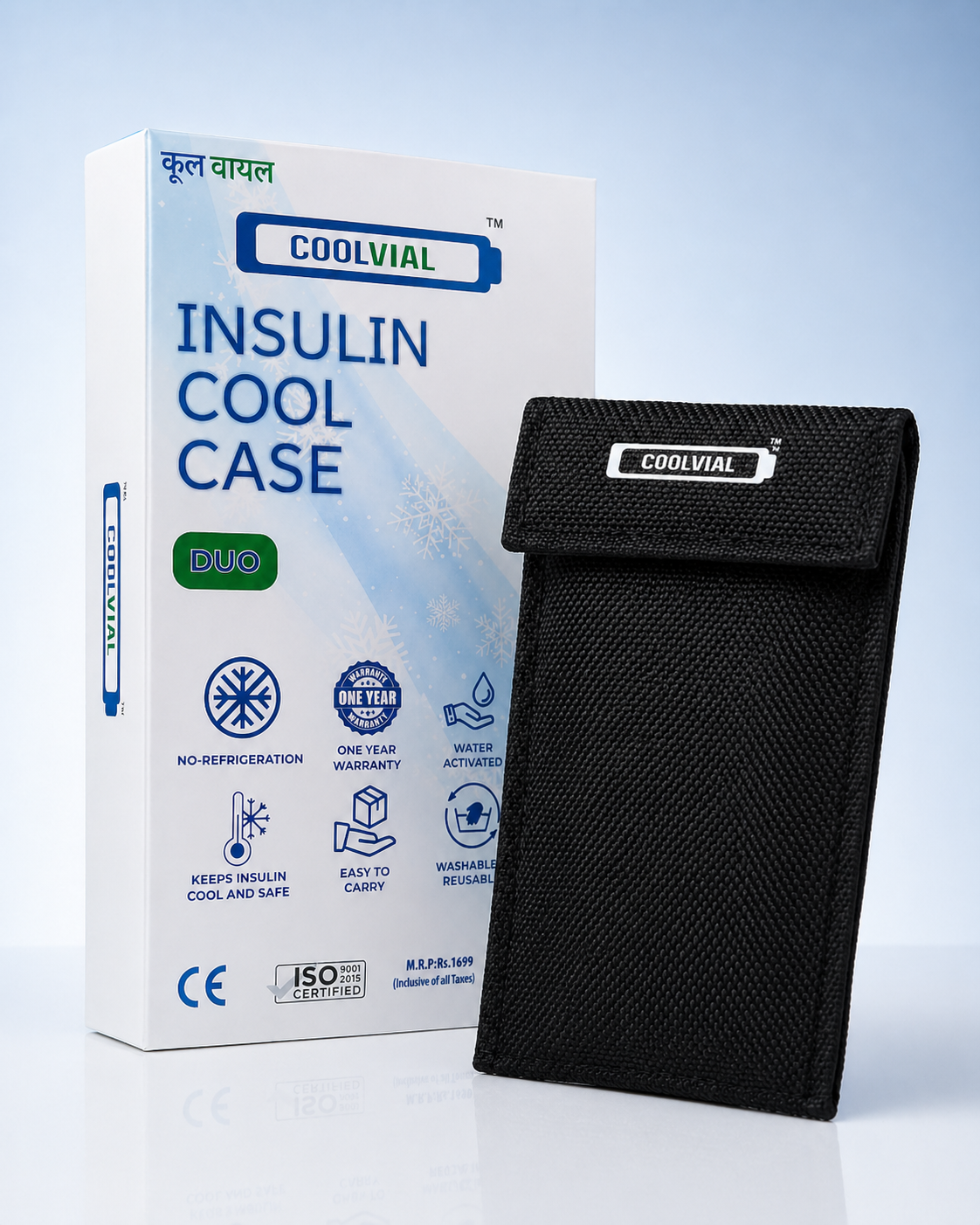
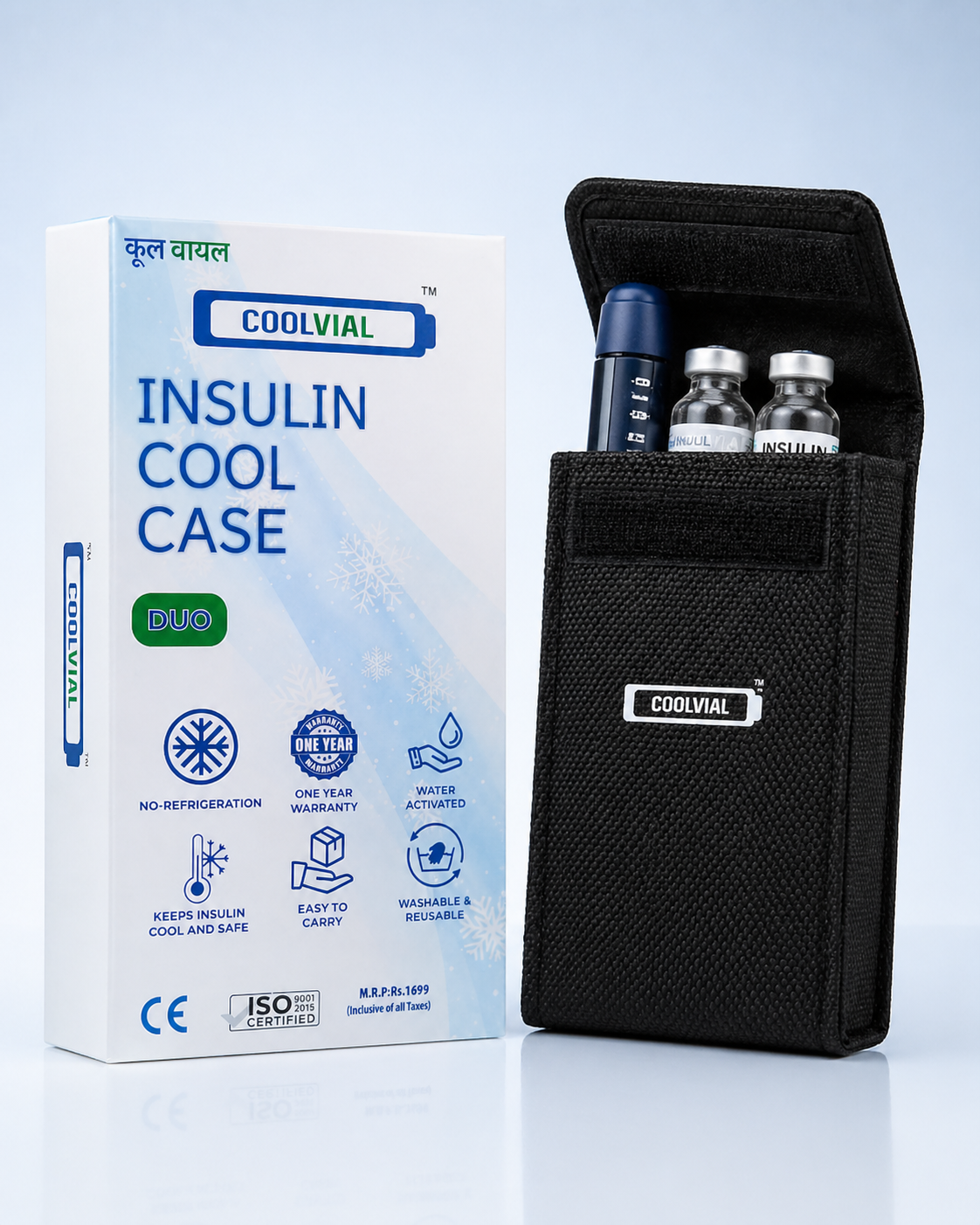
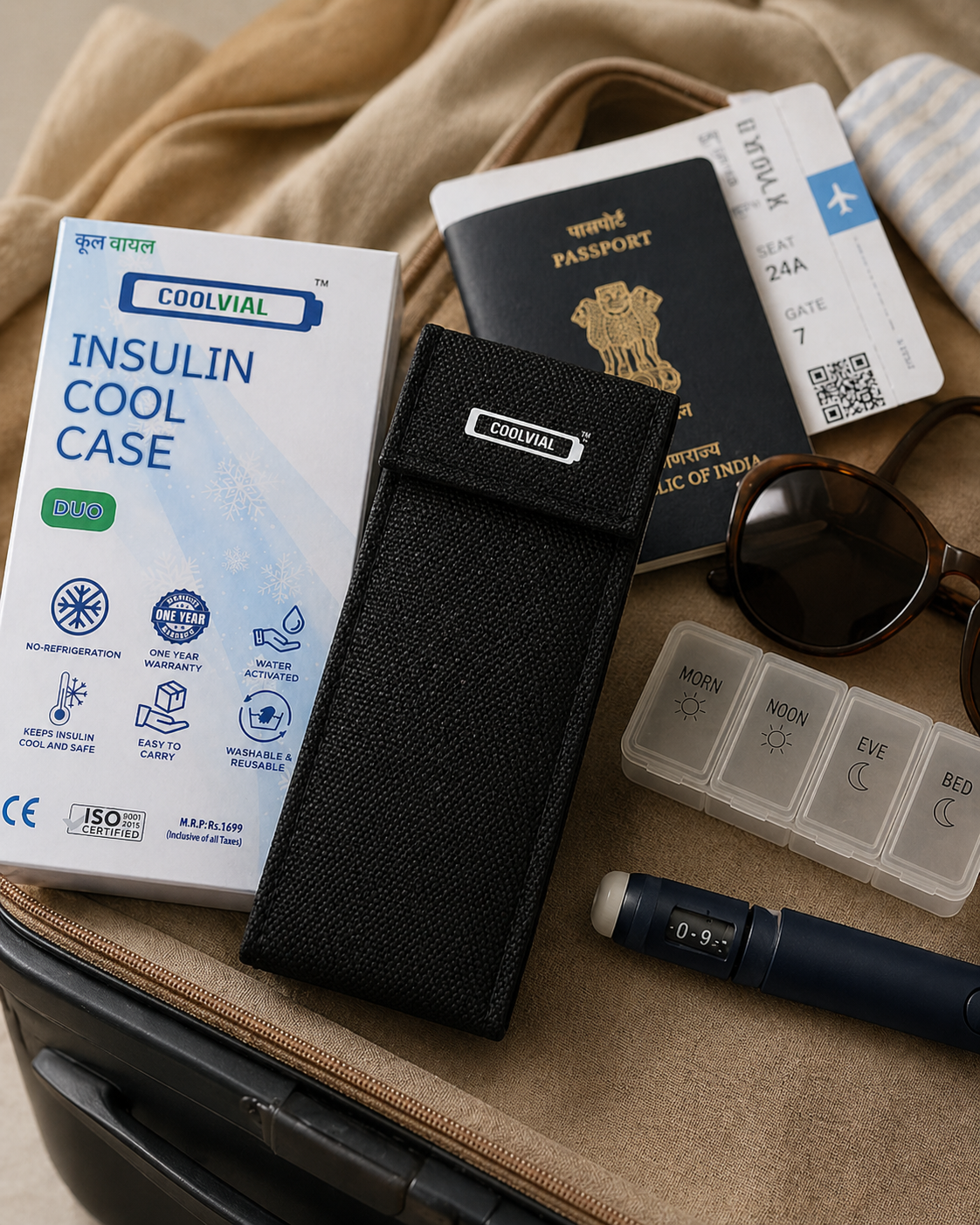
- Personal Cooling Cases: For your daily dose, keep your insulin in your personal cooling case like the COOLVIAL Duo. The COOLVIAL Duo, designed for Indian climates, keeps insulin cool for 12-16 hours without electricity, making it perfect for a full workday. It can comfortably hold 2 pens and 1 vial, ensuring you have enough for your daily needs and a buffer.
- Lunch Storage: If your office is in one of the corporate parks near Dimna Lake or within the vast Tata Steel Plant complex, where access to a personal fridge might be limited, a reliable cooling case is crucial. Store your lunch in a separate insulated bag, but keep your insulin in its dedicated cooler.
- Avoid Desk Drawers: Desk drawers or cabinets offer no temperature control and can get surprisingly warm, especially if near a window or electronic equipment.
School and College Tips for Jamshedpur’s Major Institutions:
- Communicate with School/College Staff: For children attending schools like Sacred Heart Convent School or Mount Litera Zee School, parents should communicate with the school nurse or administration about insulin storage. Most institutions are accommodating.
- Dedicated Storage Spot: Request a designated, cool, and secure spot for insulin, ideally in a staff room refrigerator.
- Educate Peers and Teachers: For college students at NIT Jamshedpur or Jamshedpur Co-operative College, educating close friends and professors about your diabetes and insulin storage needs can be beneficial in case of an emergency.
- Personal Cooling Case is Key: Even with school support, a personal insulin cooling case is essential for the commute and for immediate access during the day. The COOLVIAL Duo is compact enough for a school or college backpack while providing ample protection.
- Emergency Kit: Always have a small emergency kit with glucose tablets and a backup insulin pen/vial (in its cooling case) that can be accessed quickly.
Your Essential Daily Insulin Cooling Routine for Jamshedpur
A consistent morning prep ritual can make all the difference in safeguarding your insulin throughout your Jamshedpur commute and workday.
Morning Prep Ritual for Insulin:
- Retrieve from Refrigerator: Take your insulin pen or vial from the refrigerator.
- Activate Your Cooling Case:
- For the COOLVIAL Duo, simply immerse the inner pouch in cool water for a few minutes (check product instructions for exact time, usually 5-10 minutes). The crystals inside will activate, creating a cooling gel.
- Wipe off any excess water and place your insulin pens/vials into the activated pouch, then slide it into the outer cover. This simple water-activated evaporative cooling mechanism keeps insulin at a safe temperature (typically 18-26°C) even when ambient temperatures are much higher.
- Pack Your Insulin: Place the charged COOLVIAL Duo, with your insulin, into your office bag, school bag, or backpack. Ensure it’s not squashed or subjected to direct pressure.
- Check Your Supplies: Double-check that you have enough insulin, fresh needles, alcohol swabs, and a blood glucose meter with strips.
- Stay Hydrated: While not directly related to insulin storage, staying hydrated helps manage blood sugar, especially in Jamshedpur’s heat.
This routine, taking just a few minutes each morning, provides continuous protection for 12-16 hours, covering even the longest commutes and workdays. For more comprehensive tips on managing diabetes in the region, consider reading our Complete Diabetes Care Guide for Jamshedpur Residents — 2026 Edition.
5 Essential Tips for a Safe Daily Commute With Insulin in Jamshedpur
COOLVIAL keeps insulin safe in India's heat. 48+ hours, no electricity needed.
Comparing Insulin Cooling Solutions for Jamshedpur Commuters
When it comes to protecting your insulin during your daily commute with insulin in Jamshedpur, several options exist, but not all are created equal for the local climate and daily grind.
1. COOLVIAL Duo (Rs 1,099 with code COOLHEAL)
- Technology: Water-activated evaporative cooling.
- Capacity: Holds 2 pens + 1 vial.
- Cooling Duration: 12-16 hours.
- Pros:
- Indian Climate Optimized: Specifically designed to perform well in high heat and humidity, which is crucial for Jamshedpur.
- No Electricity Needed: Only requires water for activation, making it ideal for travel and power cuts.
- Compact & Discreet: Fits easily into bags without drawing attention.
- Affordable: At Rs 1,099 (with code COOLHEAL), it offers excellent value.
- Certifications: CE certified, ISO 9001:2015, 1-year warranty. Made in India.
- Cons: Requires re-activation with water, not suitable for sub-zero temperatures (not relevant for Jamshedpur).
2. FRIO Cooling Wallet (~Rs 1,900)
- Technology: Water-activated evaporative cooling.
- Capacity: Varies by model (e.g., pen wallet for 1-2 pens).
- Cooling Duration: Up to 45 hours (manufacturer claim, actual duration varies with ambient temperature).
- Pros: Long-standing brand, good reputation.
- Cons: Higher price point for similar technology, smaller capacity in some models, can feel bulky when activated.
3. Outer Woods OW-12 (~Rs 999)
- Technology: Insulated pouch (often uses gel packs or ice packs).
- Capacity: Varies.
- Cooling Duration: Typically 4-8 hours with ice packs, less with gel packs.
- Pros: Lower initial cost.
- Cons:
- Limited Duration: Requires frequent re-freezing of gel/ice packs, which is impractical for a full day’s commute and work in Jamshedpur.
- Condensation: Ice/gel packs can cause condensation, potentially damaging insulin labels or pens.
- Bulkier: Can be bulkier and heavier than evaporative coolers.
- Temperature Control: Less precise temperature control, risk of freezing insulin if direct contact with ice.
Why COOLVIAL Duo is an Ideal Choice for Jamshedpur:
The COOLVIAL Duo strikes an excellent balance between performance, convenience, and affordability for Jamshedpur’s unique climate. Its water-activated system means no reliance on electricity or refrigeration during the day, a huge advantage during commutes. The 12-16 hour cooling duration is perfectly suited for a typical workday and commute, ensuring your insulin stays within the safe 18-26°C range even when outside temperatures are scorching. Its capacity for 2 pens and 1 vial covers most daily needs. For more general insulin storage tips, visit our insulin storage tips page.
For those planning longer trips outside Jamshedpur, such as by train or flight, specific considerations apply, which are detailed in our article on Travelling From Jamshedpur With Insulin — Airport, Station & Taxi Tips.
Frequently Asked Questions (FAQ)
Q: How long can insulin be safely out of the fridge in Jamshedpur’s summer heat? A: Once opened, most insulin pens and vials can be stored at room temperature (below 25-30°C) for 28-30 days, but in Jamshedpur’s summer, ambient temperatures often exceed 38-42°C, meaning a cooling case like COOLVIAL Duo is essential for safe storage outside the fridge.
Q: Can I store my insulin in a regular lunch bag with an ice pack? A: A regular lunch bag with an ice pack offers limited protection for insulin; ice packs can cause condensation and may freeze the insulin if in direct contact, while their cooling duration is typically only 4-8 hours, which is insufficient for Jamshedpur’s long commutes and workdays.
Q: Is it safe to carry insulin in my pocket during my daily commute with insulin? A: No, carrying insulin directly in your pocket is not safe as body heat can raise its temperature above safe limits, and it offers no protection against ambient heat during Jamshedpur’s hot commutes.
Q: What is the ideal temperature range for storing opened insulin? A: The ideal temperature range for storing opened insulin is typically between 18-26°C, as recommended by manufacturers, to maintain its potency for up to 28-30 days.
Q: How do I know if my insulin has gone bad due to heat exposure? A: Heat-damaged insulin might appear cloudy, discolored, or contain particles, but sometimes the damage is invisible, leading to reduced effectiveness and unexplained high blood sugar levels.
Q: Can I use an AC car for my daily commute with insulin in Jamshedpur to protect insulin? A: While an AC car helps, it’s not always guaranteed, especially with the “AC denial culture” in some ride-sharing services; a dedicated cooling case like COOLVIAL Duo provides continuous protection even if the AC is off or unreliable.
Q: What should I do if my child with Type 1 diabetes needs to carry insulin to school in Jamshedpur? A: For a child with Type 1 diabetes attending school in Jamshedpur, ensure they carry their insulin in a reliable cooling case like COOLVIAL Duo and communicate with school staff about safe storage options like a staff room refrigerator.
How We Researched This
This article is crafted based on a thorough review of medical guidelines for insulin storage, including recommendations from the Research Society for the Study of Diabetes in India (RSSDI) and data from the Indian Council of Medical Research - India Diabetes (ICMR-INDIAB) study. We also consulted local Jamshedpur hospital directories (Tata Main Hospital (TMH), Brahmananda Narayana Multispeciality, Tinplate Hospital) and pharmacy networks (Apollo Pharmacy, MedPlus, Frank Ross) to understand local healthcare infrastructure. Climate data for Jamshedpur was cross-referenced with general weather patterns for the region. Practical advice is informed by common commuting scenarios and insulin storage queries reported by diabetics in similar Indian Tier 2 cities.
Conclusion
Managing diabetes in Jamshedpur, with its unique blend of industrial pace and tropical climate, requires a proactive approach to insulin storage, especially during the daily commute. From the sweltering heat inside a non-AC city bus to the unexpected warmth of a two-wheeler dickey, your insulin faces numerous threats that can compromise its effectiveness. By understanding these challenges and implementing smart storage solutions, you can safeguard your vital medication and maintain consistent blood sugar control.
Embrace a simple morning ritual, invest in a reliable cooling solution like the COOLVIAL Duo, and stay informed about the best practices for your specific commute. Your health and peace of mind are worth this small but significant effort.
Order COOLVIAL Duo at Rs 1,099 with code COOLHEAL at coolvial.com or via WhatsApp wa.me/918766952300
Medical Disclaimer: This article is for general information. Always consult your endocrinologist or diabetologist before changing insulin storage or dosing practices.
5 Essential Tips for a Safe Daily Commute With Insulin in Jamshedpur
Insulin at 2-8°C for 48+ hours. Trusted by 10,000+ Indian diabetics.