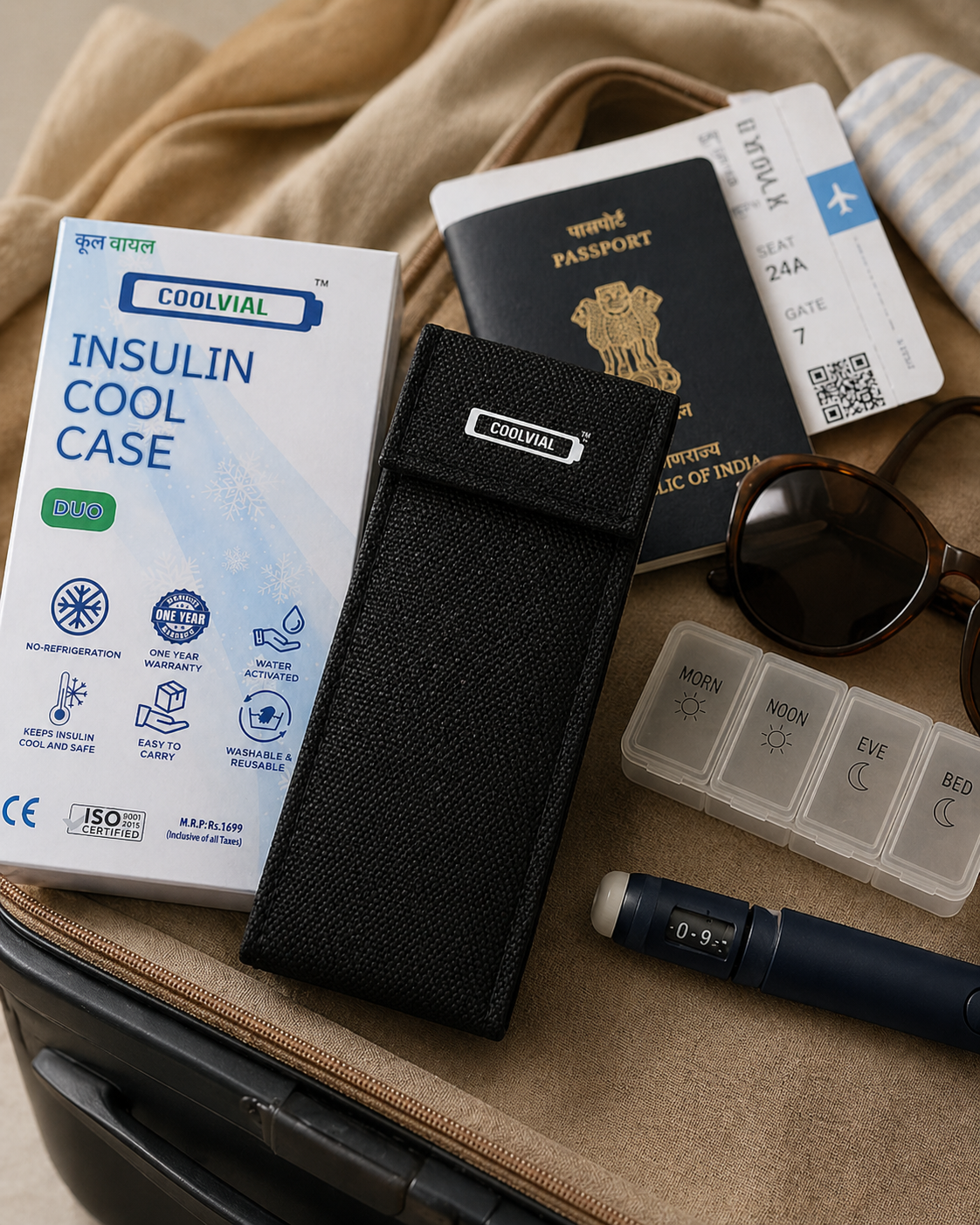
Reviewed by the COOLVIAL Editorial Team — specialists in insulin storage for Indian climate conditions.
Mysuru, with its salubrious climate, iconic Mysore Palace, and serene Brindavan Gardens, offers a charming lifestyle. However, for the thousands of residents managing diabetes with insulin, the daily commute with insulin presents unique challenges. Even in Mysuru’s mild outdoor temperatures, which typically range from 14-34°C year-round, the interiors of KSRTC city buses, autorickshaws, and even parked cars can soar to 38-42°C during peak summer hours. This article provides 10 essential tips for ensuring your insulin remains potent and safe during your daily commute in Mysuru, whether you’re heading from Kuvempunagar to Vontikoppal, or attending classes at JSS College. Insulin, a life-saving medication, can lose its efficacy significantly if exposed to temperatures above 25°C for more than 2-3 hours, making careful storage paramount. Based on analysis of insulin storage queries from Mysuru diabetics, we delve into practical solutions for safe daily commute with insulin.
Table of Contents
- Understanding Mysuru’s Commute Climate and Insulin Sensitivity
- The Perils of Heat: How Long Does Insulin Last Without Proper Cooling?
- Navigating Mysuru’s Public Transport with Insulin
- KSRTC City Buses
- Autorickshaws and E-rickshaws
- App-based Cabs (Ola/Uber)
- Mysuru Metro Considerations (Future/Bengaluru Commute)
- Insulin Storage at Work, School & College in Mysuru
- Office Environments: Chamundi Hill & Brindavan Gardens Corporate Parks
- Schools for Type 1 Children
- Colleges and Universities
- Your Daily Carry Companion: The COOLVIAL Duo
- Your Morning Prep Ritual for a Cool Commute
- Essential Safety Tips for Mysuru Diabetics
- Frequently Asked Questions (FAQ)
- Conclusion
- Medical Disclaimer
- How We Researched This
Understanding Mysuru’s Commute Climate and Insulin Sensitivity
While Mysuru is known for its relatively pleasant weather compared to many other Indian cities, the perception of “mild climate” can be misleading when it comes to insulin storage. The city experiences monsoons from June to October with approximately 800mm of rainfall, leading to high humidity. Even on cooler days, enclosed spaces like vehicles, especially during peak traffic hours, can trap significant heat. Insulin is a protein that is sensitive to temperature extremes. It must be stored between 2°C and 8°C (refrigerated) until opened, and then can be kept at room temperature (below 25°C) for a specific period, usually 28 days, depending on the manufacturer. Exceeding these temperatures, even for short durations, can lead to degradation, rendering the insulin less effective or even completely ineffective.
Consider these factors during your Mysuru commute:
- Internal Vehicle Temperatures: A non-AC KSRTC bus or an autorickshaw parked in the sun can reach internal temperatures of 38-42°C in minutes, even when the ambient temperature is a comfortable 28-30°C.
- Commute Duration: A typical commute from residential areas like Kuvempunagar to commercial hubs like Vontikoppal or V V Mohalla can easily take 60-90 minutes during peak hours. This prolonged exposure to heat is detrimental to insulin.
- Humidity: High humidity during the monsoon season can also exacerbate the feeling of heat, making conditions inside vehicles even more uncomfortable and potentially harmful for insulin.
The Perils of Heat: How Long Does Insulin Last Without Proper Cooling?
Without adequate protection, insulin’s potency can diminish rapidly when exposed to heat. This is a critical concern for anyone managing their diabetes in Mysuru, from students carrying insulin in their college backpacks to professionals with an office bag.
Here’s a breakdown of how quickly insulin can be compromised:
- Above 25°C: Insulin can start losing potency within 2-3 hours if consistently exposed to temperatures above 25°C. This is a critical threshold often crossed in bags and vehicles.
- Direct Sunlight: Direct exposure to sunlight, even through a window, can heat insulin rapidly, causing degradation in less than an hour.
- Two-wheeler Dickey (NEVER!): Storing insulin in a two-wheeler’s dickey or under the seat is extremely dangerous. These compartments can reach scorching temperatures, often exceeding 60°C, due to engine heat and direct sun exposure. Insulin placed here can be rendered useless in a matter of minutes.
- Laptop Sleeves/Bags: While a laptop sleeve might offer some insulation, it’s not designed for temperature control. The heat generated by a laptop, combined with ambient temperatures, can quickly create an environment above 25°C.
- School Bags (Type 1 Children): Children often leave bags unattended in sun-exposed areas or in hot classrooms. This is a significant risk for Type 1 children who rely on daily insulin injections.
The International Diabetes Federation (IDF) highlights that proper insulin storage is a global challenge, with temperature fluctuations being a major concern for people with diabetes, especially in warmer climates. (Source: IDF Diabetes Atlas 10th edition)
Navigating Mysuru’s Public Transport with Insulin
Mysuru’s public transport system, primarily KSRTC city buses and autorickshaws, alongside app-based cabs, requires careful planning for insulin storage.
KSRTC City Buses
KSRTC city buses are the backbone of Mysuru’s public transport. While affordable, most are non-AC and can become extremely hot and crowded, particularly during peak hours (8-10 AM and 5-7 PM). Commutes from areas like Kuvempunagar to Saraswathipuram or Vontikoppal can be lengthy.
- Challenges:
- High Internal Temperatures: Often 38-42°C in summer.
- Lack of Airflow: Crowded buses can limit air circulation.
- Direct Sunlight Exposure: Sitting by a window can expose your bag to direct sun.
- Tips for Bus Commuters:
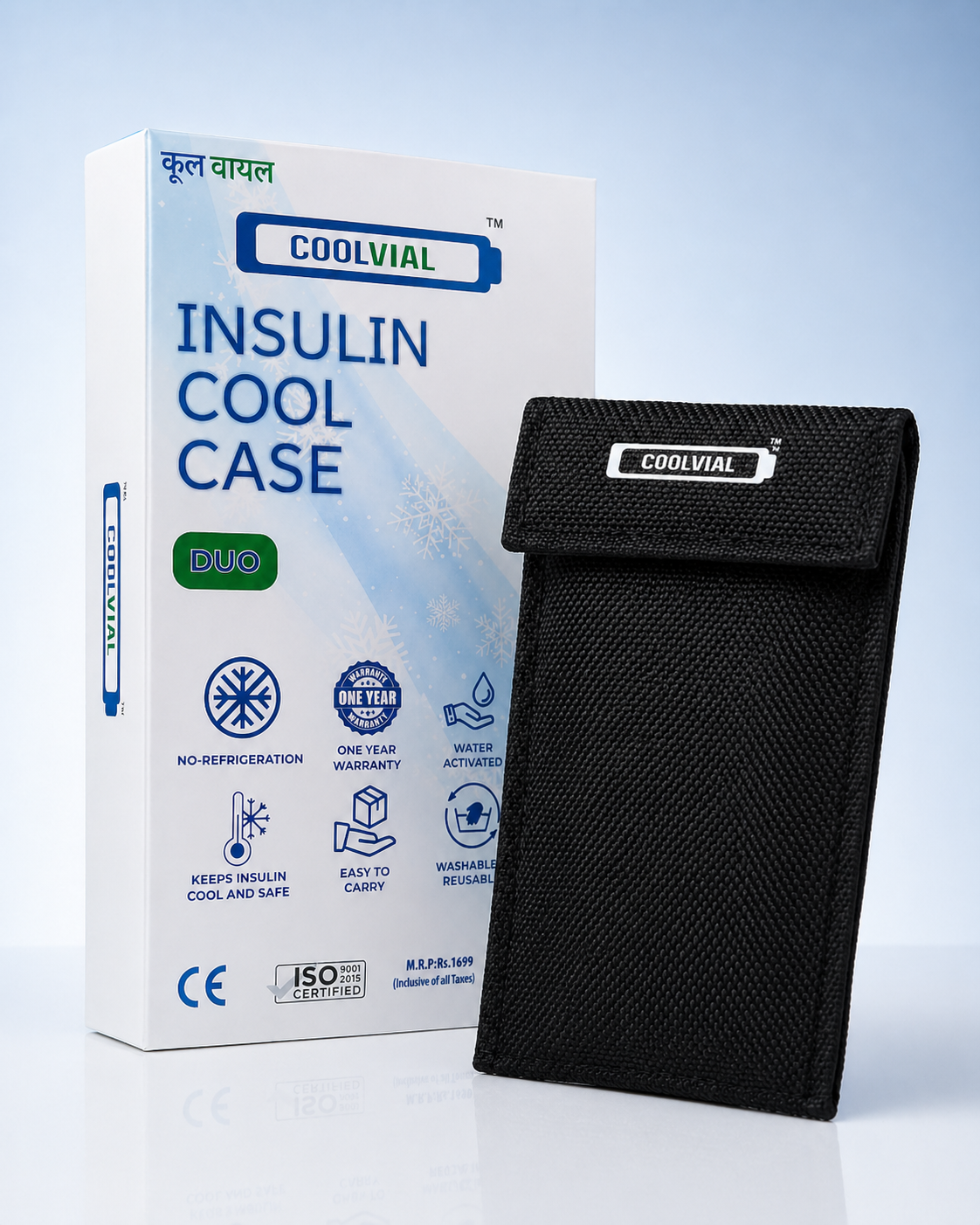
- Always use an evaporative cooling case: A solution like the COOLVIAL Duo is essential.
- Choose a shaded seat: If possible, sit away from direct sunlight.
- Keep your bag on your lap: Avoid placing it on the floor or in overhead compartments where heat might accumulate.
- Consider off-peak travel: If your schedule allows, travel during cooler, less crowded times.
Autorickshaws and E-rickshaws
Autorickshaws offer a quick way to navigate Mysuru’s streets, but they are open-air and can expose insulin to varying conditions. E-rickshaws are emerging as an eco-friendly alternative.
10 Essential Tips for a Safe Daily Commute with Insulin in Mysuru — Metro, Bus & Auto
- Challenges:
- Direct Sun Exposure: Depending on the direction of travel and time of day, your bag can be directly in the sun.
- Radiant Heat: The road surface and engine can radiate significant heat.
- Tips for Auto Commuters:
- Keep your insulin cooler inside your main bag: This provides an extra layer of insulation.
- Position your bag strategically: Shield it with your body from direct sun.
- Short trips are less risky: For short hops, the heat exposure is brief, but a cooling case is still recommended for consistency.
App-based Cabs (Ola/Uber)
While many app-based cabs offer AC, there can be an “AC denial culture” where drivers might hesitate to turn on the AC to save fuel, especially for shorter rides, or if not explicitly requested.
- Challenges:
- Inconsistent AC: AC might not be on, or set to a high temperature.
- Direct Sun Through Windows: Even with AC, window-side areas can heat up.
- Tips for Cab Commuters:
- Politely request AC: Don’t hesitate to ask the driver to turn on the AC.
- Keep your insulin bag on your lap: This helps monitor its condition and keeps it away from potentially hot seats or floor.
- Utilize the AC vents: If AC is on, position your bag near a vent for cooler air circulation.
Mysuru Metro Considerations (Future/Bengaluru Commute)
Mysuru currently does not have a metro system. However, for residents who frequently commute to Bengaluru, which boasts the Namma Metro, or in anticipation of any future advanced public transport developments in Mysuru, understanding metro-specific challenges is vital.
- Challenges in Metro Systems (General):
- Platform Temperatures: Metro platforms, especially underground ones, can sometimes be surprisingly warm due to poor ventilation or heat from trains.
- Seat-side Temperatures: Even in AC coaches, seats near windows can absorb and radiate heat, especially if the train is stationary in the sun.
- AC Reliability: While metro AC is generally reliable, occasional breakdowns or inconsistent cooling can occur.
- Tips for Metro Commuters (Applicable to Bengaluru Namma Metro or future Mysuru developments):
- Use a reliable cooling case: This is non-negotiable for consistent temperature control.
- Avoid direct sun near windows: Even through glass, UV rays and heat can penetrate.
- Stay in the central parts of the coach: These areas tend to have more consistent cooling than near doors or windows.
- Be aware of platform wait times: Extended waits on warm platforms mean your insulin is exposed longer.
Insulin Storage at Work, School & College in Mysuru
Beyond the commute, how you store your insulin once you reach your destination is equally important.
Office Environments: Chamundi Hill & Brindavan Gardens Corporate Parks
Mysuru is home to several corporate offices, especially near landmarks like Chamundi Hill and Brindavan Gardens. Office workers often need to store insulin throughout the day.
- Challenges:
- Desk Drawer Temperatures: A closed desk drawer can become surprisingly warm, especially if near a window or heat-emitting equipment.
- Lunch Bag Storage: Standard lunch bags offer minimal insulation against heat.
- Refrigerator Access: Not all offices have readily accessible, reliable refrigerators for personal use.
- Tips for Office Workers:
- Keep your insulin in your personal cooling case: Do not rely on desk drawers or generic lunch bags.
- If using an office fridge: Ensure it’s not too cold (freezing damages insulin) and that your insulin is clearly labelled and protected from food contamination.
- Avoid leaving insulin near windows: Even inside an office, direct sun can be an issue.
- Communicate with HR: Inform your HR department about your medical needs for insulin storage, especially regarding fridge access.
Schools for Type 1 Children
Managing Type 1 diabetes for children in Mysuru’s schools, whether it’s a prominent institution like JSS Public School or St. Philomena’s High School, requires careful planning and communication.
- Challenges:
- Unsupervised Storage: Children might leave their bags in classrooms, playgrounds, or school buses where temperatures can fluctuate wildly.
- Lack of Awareness: School staff might not always be fully aware of insulin storage requirements.
- Playtime Exposure: During sports or recess, insulin might be left in a hot bag.
- Tips for Parents and Children:
- Invest in a child-friendly cooling case: A compact, durable case like the COOLVIAL Duo is ideal for school bags.
- Educate school staff: Inform teachers, the school nurse, and relevant administrative staff about your child’s diabetes and insulin storage needs.
- Teach your child: Empower your child to understand the importance of keeping their insulin cool and where to store it safely.
- Pack a small, insulated lunch bag: If insulin is part of a lunch kit, ensure the entire kit is insulated and kept cool.
Colleges and Universities
College students in Mysuru, attending institutions like Mysore University or JSS College, have active schedules that often involve moving between different buildings, labs, and social spaces.
- Challenges:
- Varied Environments: From AC libraries to hot classrooms and bustling canteens.
- Locker/Backpack Storage: Lockers or backpacks left in common areas can get warm.
- Social Activities: Picnics at Karanji Lake or study sessions at local cafes might mean prolonged outdoor exposure.
- Tips for College Students:
- Always carry your insulin in a cooling case: Make it as routine as carrying your phone or wallet.
- Utilize campus facilities: Check if the campus medical center or specific departments have a refrigerator where you can temporarily store your insulin if needed.
- Be mindful during outdoor activities: If spending time at Brindavan Gardens or Chamundi Hill, keep your cooling case in the shade.
- Plan for longer days: If you have an all-day schedule, ensure your cooling case can maintain temperature for the entire duration.
Your Daily Carry Companion: The COOLVIAL Duo
10 Essential Tips for a Safe Daily Commute with Insulin in Mysuru — Metro, Bus & Auto
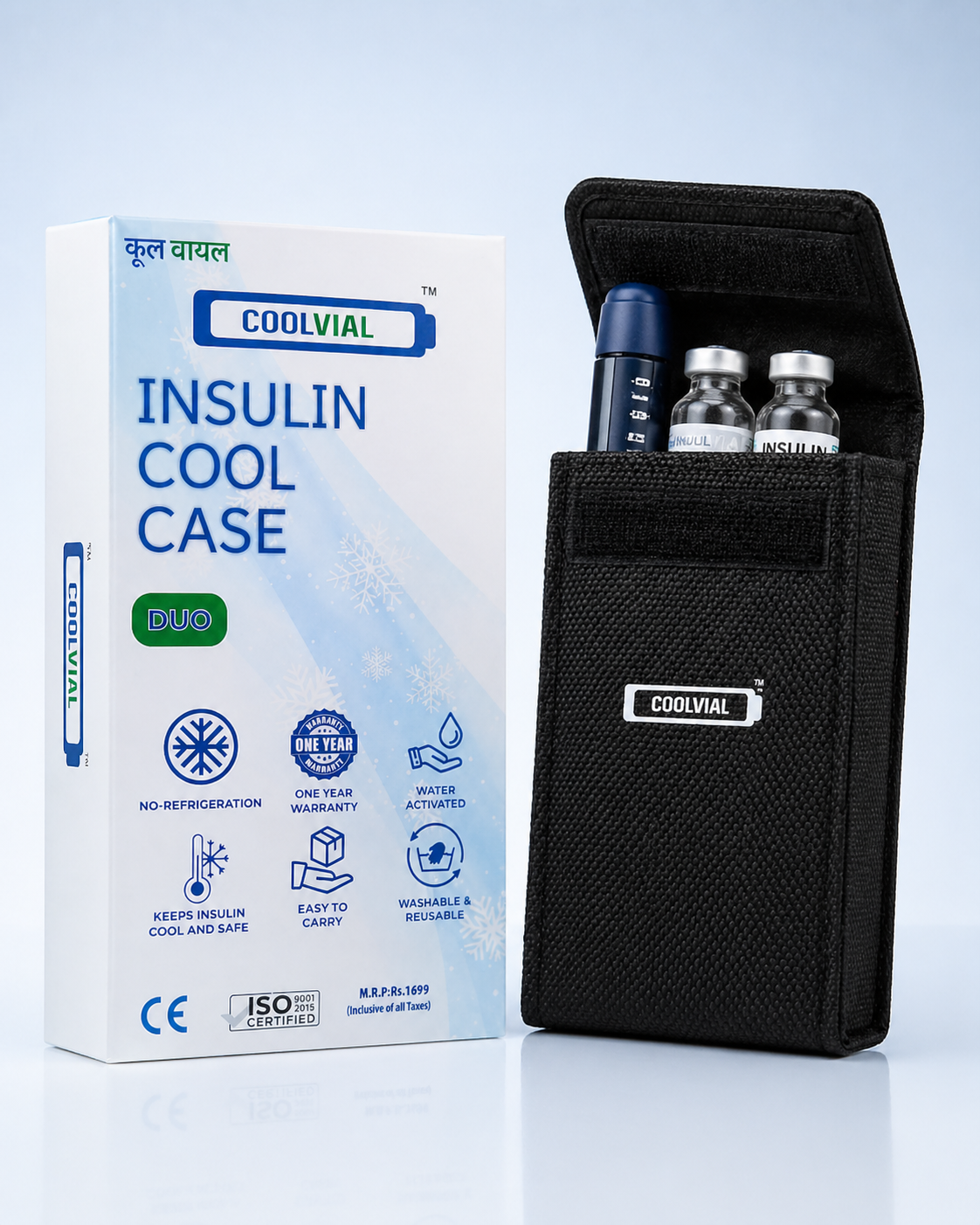
48+ hours at 2-8°C. No electricity. CE certified. Free delivery across India.
Order on WhatsApp — ₹1,099🛒 Buy Now — ₹1,099Given Mysuru’s climate and the realities of daily commutes, a reliable insulin cooling case is not a luxury, but a necessity. The COOLVIAL Duo is specifically designed to meet the demands of Indian conditions, offering robust protection for your insulin without needing electricity.
Here’s why the COOLVIAL Duo stands out for your daily commute with insulin:
- Water-Activated Evaporative Cooling: Unlike ice packs that require refrigeration and can freeze insulin, the COOLVIAL Duo uses a simple water-activated evaporative cooling mechanism. Just soak it in water for a few minutes, and it provides 12-16 hours of cooling. This makes it incredibly convenient for Mysuru residents, where reliable refrigeration on the go is often unavailable.
- Optimal Capacity: The COOLVIAL Duo holds 2 insulin pens and 1 vial, offering ample space for your daily insulin needs, plus a backup. This means you can carry your essential insulin for multiple doses without worry.
- Certified Quality: With CE certification and ISO 9001:2015 standards, you can trust the quality and safety of COOLVIAL Duo. It’s also proudly Made in India, ensuring it’s designed with local conditions in mind.
- Cost-Effective Solution: Priced at just Rs 1,099 with the code COOLHEAL (MRP Rs 1,699), the COOLVIAL Duo offers exceptional value. When compared to international brands like FRIO, which can cost upwards of Rs 1,900, or other Indian options like Outer Woods OW-12 (~Rs 999) that might offer less capacity or shorter cooling duration, COOLVIAL Duo strikes an excellent balance of quality, capacity, and price. It’s an investment in your health that pays dividends in peace of mind.
- Durability and Warranty: Built to last, the COOLVIAL Duo comes with a 1-year warranty, giving you confidence in its long-term performance.
For comprehensive insulin storage tips, visit our mission page.
Your Morning Prep Ritual for a Cool Commute
Make insulin cooling a seamless part of your morning routine to ensure a stress-free daily commute with insulin in Mysuru.
- Activate Your COOLVIAL Duo: First thing in the morning, soak your COOLVIAL Duo inner pouch in cold water for 5-10 minutes as per instructions. Squeeze out excess water gently.
- Pack Your Insulin: Carefully place your insulin pens and/or vials into the activated COOLVIAL Duo pouch.
- Place in Outer Cover: Insert the inner pouch into its protective outer cover.
- Integrate into Your Bag: Place the COOLVIAL Duo into your office bag, school bag, or college backpack. Position it in a way that it’s not directly exposed to sunlight if your bag is thin or translucent.
- Check Your Supply: Before leaving, quickly double-check that you have enough insulin for the day, along with any other diabetes essentials like glucose tablets or your glucometer.
- Stay Hydrated: Carry water, especially during hot days. While not directly for insulin, staying hydrated helps you manage your diabetes better.
This simple ritual takes just a few minutes but provides 12-16 hours of continuous cooling, protecting your insulin throughout your busy day.
Essential Safety Tips for Mysuru Diabetics
Beyond cooling cases, adopting certain habits can further enhance insulin safety during your daily commute in Mysuru.
- Never Leave Insulin Unattended in Vehicles: Whether it’s a car, bike, or auto, never leave your insulin in a parked vehicle, even for a short time. Temperatures can rise rapidly and damage the insulin.
- Carry a Doctor’s Note: Especially for longer travels (though this article focuses on daily commute, it’s a good habit), carry a doctor’s note explaining your need for insulin and syringes. While less critical for daily city travel, it can be useful in unexpected situations. Learn more about travelling from Mysuru with insulin.
- Know Your Local Pharmacies: Familiarize yourself with nearby pharmacies like Apollo Pharmacy, MedPlus, Netmeds, 1mg, or Davaindia, especially near your workplace or school, in case of an emergency or if you need to quickly replace insulin.
- Monitor Insulin Appearance: Always check your insulin before injecting. If it looks cloudy (unless it’s supposed to be), has particles, or changes color, do not use it.
- Educate Your Companions: Inform family, friends, or colleagues about your diabetes and how to handle your insulin in an emergency.
- Plan Your Meals: Mysuru offers many diabetic-friendly options. Plan your meals to coincide with your insulin schedule. Explore diabetic-friendly restaurants & cafes in Mysuru.
- Regular Check-ups: Ensure you have regular consultations with your endocrinologist or diabetologist at hospitals like Apollo BGS Hospitals (Kuvempunagar), Columbia Asia Hospital Mysore, or JSS Hospital (Ramanuja Road). For a broader overview, check our complete diabetes care guide for Mysuru residents.
Frequently Asked Questions (FAQ)
Q: Can I store my insulin in a regular lunch bag with an ice pack for my daily commute in Mysuru? A: A regular lunch bag with an ice pack is generally not recommended for insulin. Ice packs can freeze insulin, which damages its protein structure, rendering it ineffective. A specialized evaporative cooling case, like the COOLVIAL Duo, is designed to keep insulin within its safe temperature range (below 25°C) without freezing.
Q: How do I know if my insulin has gone bad due to heat exposure during my commute? A: Insulin exposed to excessive heat may change color, become cloudy (unless it’s a naturally cloudy formulation), or develop particles or crystals. If you notice any of these changes, or if your blood sugar levels are unexpectedly high after injection, discard the insulin and use a fresh pen or vial.
Q: Is it safe to carry insulin in my two-wheeler’s dickey or under the seat in Mysuru? A: No, it is absolutely not safe to carry insulin in a two-wheeler’s dickey or under the seat. These compartments can reach extremely high temperatures (often exceeding 60°C) due to engine heat and direct sun exposure, which will rapidly degrade your insulin and make it unusable.
Q: What if I forget my cooling case and have to commute in a hot bus or auto in Mysuru? A: If you find yourself in this situation, try to keep your insulin as cool as possible. Keep it in the coolest part of your bag, shielded from direct sunlight and away from your body heat. Seek shade immediately upon arrival at your destination and transfer it to proper storage. However, prolonged exposure even once can affect potency, so it’s best to always use a cooling case.
Q: Can children with Type 1 diabetes carry their insulin to school in Mysuru safely? A: Yes, children with Type 1 diabetes can safely carry their insulin to school in Mysuru. It is crucial to use a reliable, compact insulin cooling case like the COOLVIAL Duo, and to educate the child and school staff (teachers, nurse) on proper storage and handling to ensure insulin remains effective throughout the school day.
Q: How often should I reactivate my COOLVIAL Duo for my daily commute? A: The COOLVIAL Duo provides 12-16 hours of cooling per activation. For daily commutes, reactivating it every morning by soaking it in water is sufficient to ensure your insulin stays cool throughout your day.
Conclusion
Managing diabetes in Mysuru, a city that beautifully blends heritage with modern living, requires a proactive approach to insulin storage, especially during your daily commute. The mild outdoor climate can mask the intense heat that can build up inside vehicles, bags, and even office spaces. By understanding these thermal realities and adopting smart storage practices, you can ensure your life-saving insulin remains potent and effective. Embracing a reliable cooling solution like the COOLVIAL Duo is not just a convenience; it’s an essential step towards safeguarding your health and maintaining consistent blood sugar control. Make the smart choice for your daily commute with insulin, and live your life in Mysuru with confidence and peace of mind.
Order your COOLVIAL Duo today and experience the freedom of worry-free insulin storage. Order COOLVIAL Duo at Rs 1,099 with code COOLHEAL at coolvial.com or via WhatsApp wa.me/918766952300
Medical Disclaimer
This article is for general information purposes only and does not constitute medical advice. Always consult your endocrinologist or diabetologist before changing insulin storage or dosing practices, or if you have any concerns about your diabetes management.