
Reviewed by the COOLVIAL Editorial Team — specialists in insulin storage for Indian climate conditions.
As the monsoon clouds gather over Gurugram, bringing a welcome respite from the scorching summer heat, they also usher in a unique set of challenges for residents, especially those managing diabetes. The characteristic high humidity and intermittent heavy rainfall of the Gurugram monsoon can pose a significant threat to insulin, potentially compromising its efficacy and safety. With an estimated 1 in 10 adults in urban Haryana, including Gurugram, living with diabetes (Source: ICMR-INDIAB study for urban areas), understanding proper insulin storage during this season is not just a recommendation—it’s an essential aspect of health management. This article, based on analysis of insulin storage queries from Gurugram diabetics, will guide you through 10 essential ways to protect your insulin pens and vials from humidity damage, mould, and the disruptions brought by the city’s wet season.
Table of Contents
- Gurugram’s Monsoon Reality: Understanding the Climate Threat
- Humidity’s Silent Threat: Damage to Insulin Pens and Packaging
- Mould Risk in Gurugram Homes: A Hidden Danger
- Preparing for Flooding: What to Do When Water Rises
- Navigating Waterlogged Gurugram: Impact on Essential Access
- The Humid-Fridge-Air Contamination Risk
- Practical Solutions for Humidity Control
- Emergency Insulin Procurement in Gurugram
- Monsoon Preparedness Checklist for Diabetics
- The COOLVIAL Advantage: Reliable Insulin Cooling & Protection
1. Gurugram’s Monsoon Reality: Understanding the Climate Threat
Gurugram, part of the National Capital Region (NCR), experiences a climate defined by extremes. While we often talk about the scorching summers, where temperatures can soar to 40-46°C, and the cold winters, the monsoon season presents its own formidable challenges. From July to September, the city transforms, with lush greenery emerging, but also with a dramatic increase in atmospheric moisture. Average relative humidity during the monsoon can frequently exceed 85-95%, a stark contrast to the dry heat of May and June. This high humidity, combined with sporadic heavy rainfall, creates an environment where sensitive medications like insulin are particularly vulnerable.
The NCR climate’s characteristic severity means that the infrastructure, while modern in many parts of Gurugram, can still be overwhelmed. This leads to issues like waterlogging, power cuts, and reduced accessibility, all of which indirectly impact insulin storage and procurement.
- Key Monsoon Characteristics in Gurugram:
- High Humidity: Relative humidity often above 85%, fostering mould and moisture damage.
- Heavy Rainfall: Intense, short bursts of rain causing rapid water accumulation.
- Temperature Fluctuations: While cooler than summer, temperatures remain warm (25-35°C), still requiring careful insulin storage.
- Air Pollution (Post-Monsoon): While not a direct monsoon threat, the severe Oct-Feb air pollution follows, reminding us of the region’s climatic extremes and the need for year-round health vigilance.
2. Humidity’s Silent Threat: Damage to Insulin Pens and Packaging
Insulin, whether in vials or pre-filled pens, is a delicate protein that requires precise storage conditions. While most people are aware of the temperature requirements (refrigerated between 2-8°C for unopened, room temperature up to 25-30°C for opened, depending on brand), the impact of high humidity is often overlooked. This is especially critical in a city like Gurugram, where monsoon humidity can be relentless.
High moisture levels primarily affect insulin in several ways:
- Cardboard Packaging Degradation: The outer cardboard boxes of insulin pens and vials are designed to protect the contents and provide essential information. In high humidity, these boxes absorb moisture, leading to:
- Softening and warping, making them difficult to handle.
- Ink smudging, obscuring critical details like expiry dates and batch numbers.
- Weakening of the structure, offering less physical protection.
- Pen Mechanism Issues: Insulin pens contain delicate plastic mechanisms for dosing and delivery. Prolonged exposure to humidity can:
- Cause internal components to swell or become sticky, affecting the smooth operation of the dose dial or plunger.
- Lead to condensation inside the pen, potentially affecting the insulin or causing malfunctions.
- Compromise the integrity of rubber seals, increasing the risk of leakage or contamination.
- Insulin Efficacy: While direct humidity damage to the insulin molecule itself is less common than temperature excursions, the compromised packaging and pen mechanisms indirectly increase risks. A damaged pen might deliver an incorrect dose, or a compromised vial might introduce contaminants.
It’s crucial to remember that insulin, once exposed to adverse conditions, cannot be “saved.” Prevention is the only way to ensure its potency and your safety.
3. Mould Risk in Gurugram Homes: A Hidden Danger
Gurugram’s high monsoon humidity, combined with the city’s specific housing characteristics, creates an ideal breeding ground for mould. This is a significant concern for residents, particularly those living in ground-floor homes or older apartments in areas like Sector 14/15 (old Gurgaon) or even some of the newer, densely packed residential complexes along Sohna Road.
Mould spores thrive in moisture-rich environments, and they can quickly colonize surfaces that remain damp. This includes:
- Walls and Ceilings: Especially in corners, behind furniture, or in bathrooms and kitchens.
- Wardrobes and Cupboards: Where air circulation is often poor and clothes can trap moisture.
- Storage Areas: Basements, utility rooms, or any space where medical supplies might be kept.
- Cardboard Boxes and Paper: Including insulin packaging, which can become a food source for mould.
How Mould Affects Insulin Storage:
- Direct Contamination: Mould spores can settle on insulin vials or pens, particularly if their outer packaging is compromised. While the insulin itself is sealed, external mould can be unhygienic and a health risk, especially for individuals with compromised immunity.
- Packaging Damage: Mould growth on cardboard packaging can further degrade its structure, obscuring labels and making it difficult to identify the product or expiry date.
- Allergic Reactions: For individuals with mould allergies, a mouldy environment can trigger respiratory issues, which can complicate diabetes management, especially if access to medical care is disrupted during heavy rains.
To combat this, maintaining good ventilation, using dehumidifiers, and storing insulin in sealed, moisture-proof containers are paramount.
4. Preparing for Flooding: What to Do When Water Rises
Gurugram is no stranger to urban flooding. The infamous 2016 ‘Gurujam’ flood brought the city to a standstill, with critical junctions like Hero Honda Chowk and parts of Sohna Road experiencing severe waterlogging. Even today, heavy monsoon downpours can quickly overwhelm the drainage systems, especially in low-lying areas or construction zones. For a diabetic, this presents a critical challenge: protecting essential medication from water damage.
If your home or building is at risk of flooding, immediate action is necessary to safeguard your insulin supply.
- Flood Preparedness Checklist for Insulin:
- Elevate Your Insulin: Store all insulin, pens, vials, and related supplies (syringes, test strips, glucometer) on high shelves or upper floors, well above potential flood levels.
- Waterproof Storage: Place insulin and supplies in robust, waterproof containers or dry bags. Ensure these containers are airtight and can float if necessary.
- Emergency Kit: Prepare a dedicated emergency kit containing at least a 3-5 day supply of insulin, syringes/pens, test strips, and a glucometer. This kit should be easily portable and kept in an accessible, elevated location.
- Know Your Building’s Flood Risk: Residents in ground-floor homes or apartments, particularly in older neighborhoods like Sector 14/15 or areas prone to waterlogging like Sohna Road/Sector 47-67, should be extra vigilant.
- Backup Plan: Identify a safe, accessible location (friend’s house on a higher floor, relative’s home outside Gurugram’s flood zones) where you can temporarily store insulin if your home becomes unsafe.
- Emergency Contacts: Keep a list of emergency contacts, including your doctor, pharmacy, and local disaster management services, readily available.
Remember, even brief contact with floodwaters can compromise insulin, leading to spoilage. It’s better to be over-prepared than to risk your health.
5. Navigating Waterlogged Gurugram: Impact on Essential Access
The Gurugram monsoon doesn’t just threaten your insulin at home; it severely impacts your ability to access new supplies. Waterlogging hotspots across the city can disrupt transport, making travel to pharmacies difficult or impossible, and affecting critical delivery services.
Key Waterlogging Hotspots in Gurugram:
- Cyber Hub/DLF Phases (Corporate Hub): While modern, severe rainfall can lead to water accumulation on roads leading to and within these corporate areas, affecting daily commutes and deliveries.
- Sector 14/15 (Old Gurgaon): Older infrastructure and narrower lanes make these areas particularly vulnerable to waterlogging and traffic jams.
- Sohna Road/Sector 47-67 (South Gurugram): Rapid development has often outpaced drainage improvements, making many stretches of Sohna Road and the surrounding sectors prone to significant waterlogging. Hero Honda Chowk remains a notorious bottleneck.
- Golf Course Road: Despite its luxury status, certain underpasses and low-lying sections can still experience waterlogging, affecting connectivity.
- MG Road Metro Stations: While metro itself is unaffected, access roads and surrounding areas can waterlog, making last-mile connectivity challenging.
Impact on Pharmacy Access:
- Physical Pharmacies: Reaching pharmacies like Apollo Pharmacy, MedPlus, or 98.4 Pharmacy can become a monumental task during heavy rainfall and waterlogging. Travel times can increase exponentially, and some areas may become completely inaccessible.
- Online Deliveries: Services like 1mg and Healthkart, which many Gurugram residents rely on for convenience, often face severe delays or even cancellations during monsoon downpours. Delivery personnel may struggle to navigate flooded streets, leading to critical shortages for patients.
Strategies for Maintaining Access:
- Advance Stocking: Aim to have at least a 2-4 week supply of insulin and other essential diabetes medications before the monsoon season intensifies.
- Multiple Pharmacy Options: Identify several pharmacies in different parts of the city that you can potentially reach, or that offer reliable delivery even in challenging conditions. Keep their contact numbers handy.
- Emergency Contact: Have a family member or trusted friend who can assist with pharmacy runs if you are unable to travel.
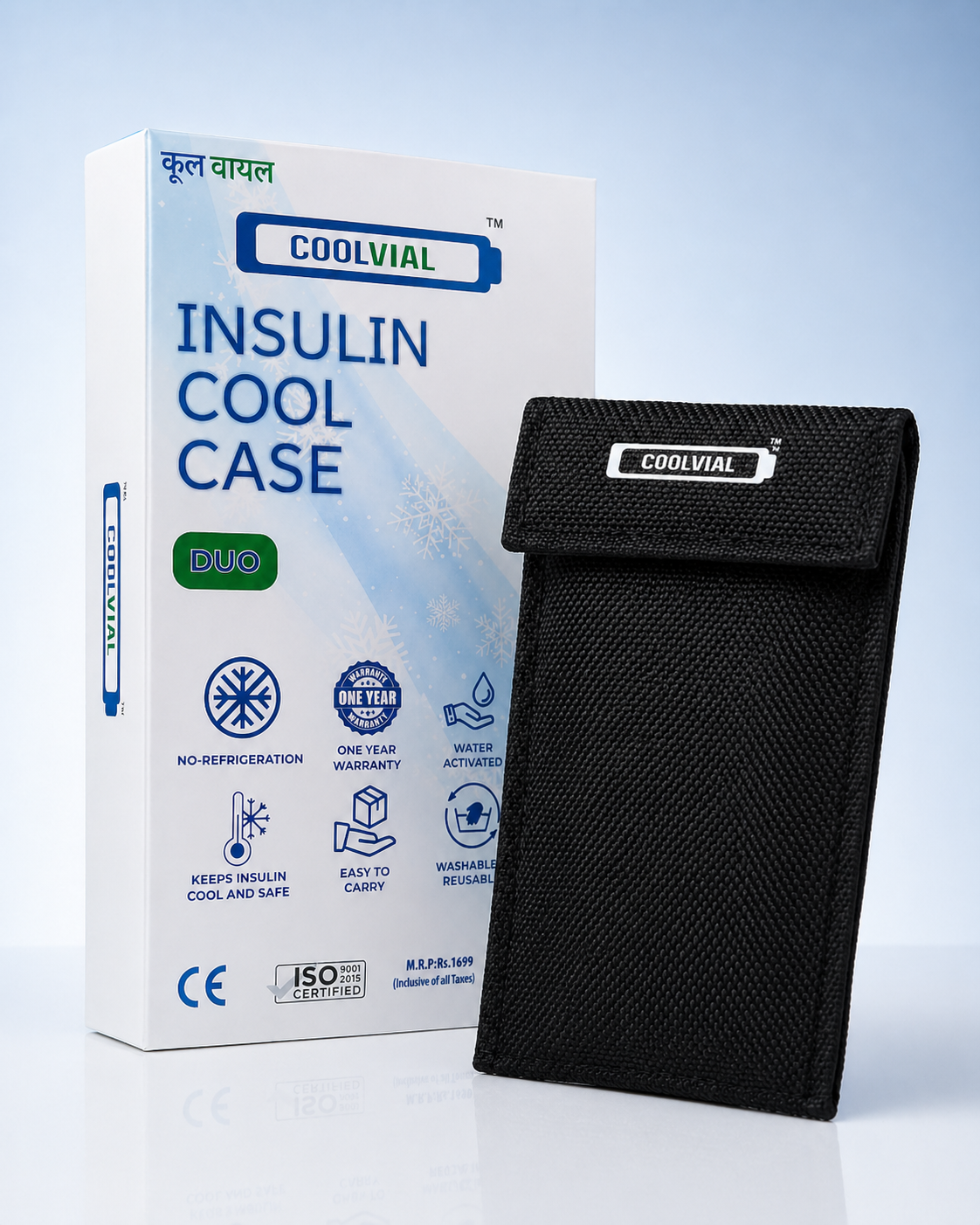
- Portable Cooling: For short trips to the pharmacy, or in case of power cuts, a reliable, non-electric cooling solution like the COOLVIAL Duo is indispensable. It keeps your insulin cool for 12-16 hours, ensuring safe transport even if you get stuck in monsoon traffic.
6. The Humid-Fridge-Air Contamination Risk
While refrigeration is crucial for unopened insulin, the very act of opening your refrigerator in Gurugram’s high monsoon humidity can introduce a subtle but significant risk: humid-fridge-air contamination.
Here’s how it works:
- Opening the Fridge: When you open your refrigerator door in a humid environment, the cooler, drier air inside mixes with the warmer, moisture-laden air outside.
- Condensation: As the humid air enters the cold interior, the moisture in it rapidly condenses into tiny water droplets, which can settle on cold surfaces, including your insulin vials or pens.
- Moisture Accumulation: Over time, repeated exposure to this condensation can lead to moisture accumulation on the outer surfaces of your insulin packaging and devices.
Why this is a risk:
- Packaging Degradation: Even if the insulin itself is sealed, constant moisture on the outer cardboard can accelerate its degradation, making it soggy, prone to tearing, and obscuring labels.
- Mould Growth: The dampness creates an ideal microclimate for mould to grow on the packaging, as discussed earlier.
- Hygiene Concerns: Any external moisture can also attract dust and other contaminants, compromising the sterility of the packaging before use.
- Pen Malfunction: Moisture can seep into the fine mechanisms of insulin pens, potentially causing them to stick or malfunction, especially if the seals are not perfectly airtight.
Mitigation Strategies:
- Quick Access: Minimize the time the refrigerator door is open.
- Airtight Containers: Store your insulin (even inside the fridge) in an additional airtight, waterproof container. This acts as a barrier, protecting it from direct condensation. Brands like Tupperware, Cello, or Borosil offer various options readily available in Gurugram at stores like Apollo Pharmacy or local supermarkets.
- Silica Gel Packs: Consider placing a small, food-safe silica gel packet inside the airtight container with your insulin (ensuring it doesn’t touch the insulin directly). These desiccants absorb moisture from the air within the container. You can find silica gel packets at stationery stores, electronic shops, or online platforms in Gurugram.
- Dedicated Fridge Space: Designate a specific, easily accessible spot for insulin in the fridge to reduce rummaging time.
7. Practical Solutions for Humidity Control
Beyond just refrigeration, active humidity control is vital for insulin during the Gurugram monsoon. Integrating these practical solutions into your daily routine can significantly extend the life and efficacy of your insulin.
- Airtight Containers: This is your first line of defense.
- Availability in Gurugram: You can easily find a wide range of airtight containers at local supermarkets (e.g., Easyday, Reliance Fresh), department stores, or even online. Popular brands include Tupperware, Cello, Borosil, and Milton. Look for food-grade, opaque containers to protect insulin from light as well.
- Usage: Place your insulin pens and vials, still in their primary packaging, into these larger airtight containers. Ensure the lid forms a tight seal.
- Silica Gel Packs: These small desiccant packets are highly effective at absorbing moisture.
- Sourcing in Gurugram:
- Pharmacies: Check with larger pharmacies like Apollo Pharmacy or MedPlus, as some may stock moisture absorbers.
- Stationery/Book Stores: Many stationery shops in markets like Sector 14, Sadar Bazaar, or even larger stores in malls often sell silica gel packets, especially those used for protecting documents or electronics.
- Online Platforms: Amazon India, Flipkart, and other e-commerce sites offer various sizes and types of silica gel packets, often with indicating beads that change colour when saturated.
- Electronic Stores: Stores selling cameras or electronics might also have larger silica gel packs.
- Usage: Place a few silica gel packets inside your airtight insulin storage container. Replace them when they change colour (if indicating type) or every few weeks, especially during peak monsoon. Many are reusable; you can dry them in a microwave or oven to reactivate them.
- Sourcing in Gurugram:
- Dehumidifiers: For larger areas or homes particularly prone to dampness.
- Availability: Electronic appliance stores in Gurugram, and online retailers, offer various types of dehumidifiers.
- Usage: While not for direct insulin storage, a room dehumidifier can lower the overall humidity in your living space, benefiting not just insulin but also preventing mould growth on furniture and walls.
- Ventilation: Simple but effective.
- Usage: Open windows and doors during dry spells to allow air circulation. Use exhaust fans in bathrooms and kitchens.
8. Emergency Insulin Procurement in Gurugram
Despite all precautions, unforeseen circumstances can lead to insulin loss or damage. Knowing where to source replacement insulin quickly in Gurugram is critical, especially during the monsoon when transport can be challenging.
- Medanta The Medicity (Sector 38): This multi-specialty hospital is a crucial resource. Its 24/7 emergency pharmacy is known to stock a wide range of medications, including various types of insulin. In an emergency, it’s often the most reliable option, especially if your regular pharmacy is inaccessible.
- Location: Sector 38, Gurugram. Easily accessible from NH-48.
- Contact: It’s advisable to call ahead to confirm availability and current stock, especially for specific insulin brands or types. [Verify in 2026 for specific contact number].
- Artemis Hospital (Sector 51) and Fortis Memorial Research Institute (Sector 44): These are other major hospitals in Gurugram with well-stocked pharmacies that can serve as backup options in an emergency. Their strategic locations might make them more accessible depending on where you are in the city and the extent of waterlogging.
- Large Pharmacy Chains:
- Apollo Pharmacy: With numerous branches across Gurugram (e.g., in DLF Phases, Sohna Road, Sector 56), Apollo Pharmacy typically maintains good stock levels. Use their app or call specific branches to check availability before travelling.
- MedPlus: Another reliable chain with multiple outlets.
- 98.4 Pharmacy: Known for its extensive range, though its delivery services might be impacted by monsoon.
- Prescription: Always carry your prescription or a clear picture of it on your phone. In an emergency, some pharmacies might dispense insulin based on a clear record, but a physical prescription is always best.
- Doctor’s Contact: Keep your endocrinologist’s or diabetologist’s contact information handy. They can provide an emergency prescription or guide you to the nearest available stock. Consider having your doctor’s details on your phone and a physical copy in your emergency kit.
10 Essential Ways to Protect Your Insulin During Gurugram Monsoon
COOLVIAL keeps insulin safe in India's heat. 48+ hours, no electricity needed.
In a crisis, the ability to quickly procure insulin can be life-saving. Knowing your options beforehand is part of responsible diabetes management. You can find more comprehensive information on local healthcare resources in our Complete Diabetes Care Guide for Gurugram Residents — 2026 Edition.
9. Monsoon Preparedness Checklist for Diabetics
Being proactive is key to managing diabetes effectively during the Gurugram monsoon. This checklist will help you cover all bases.
- Insulin Storage & Supply:
- Stock Up: Ensure you have at least a 2-4 week supply of insulin, test strips, and other medications.
- Airtight Containers: Store all insulin (refrigerated or opened) in robust, airtight, waterproof containers.
- Silica Gel: Place food-safe silica gel packets inside storage containers and replace them regularly.
- Elevate Supplies: Keep all diabetes supplies on high shelves, away from potential floodwaters.
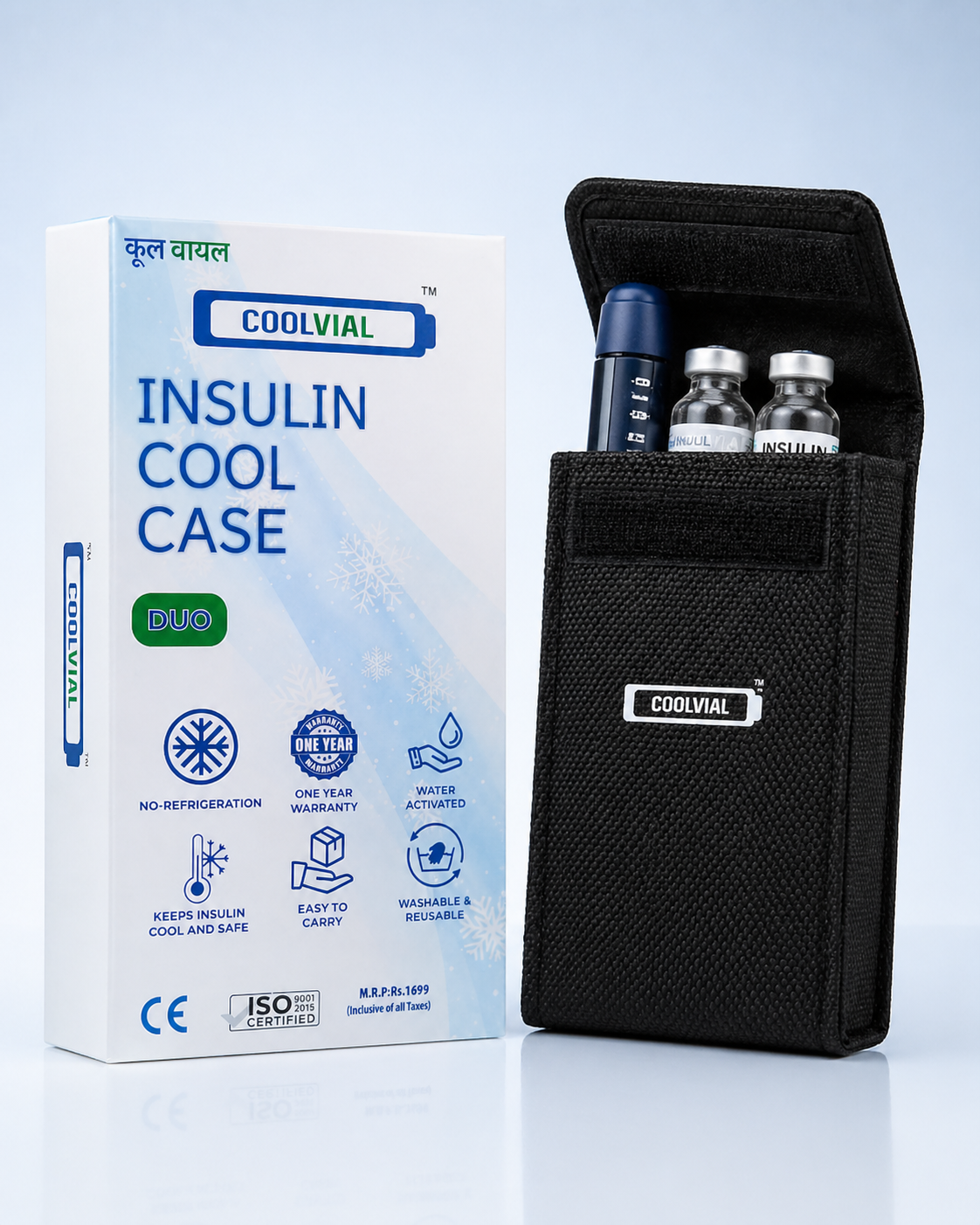
- Portable Cooling Solution: Invest in a reliable non-electric cooling case like the COOLVIAL Duo. It holds 2 pens + 1 vial and keeps insulin cool for 12-16 hours without electricity. This is vital for power cuts or travel.
- Comparison: While FRIO cases are popular, they typically cost around Rs 1,900. Outer Woods OW-12 is around Rs 999. The COOLVIAL Duo offers a competitive price point at Rs 1,099 with code COOLHEAL, along with CE certification and a 1-year warranty, making it a value-for-money, Made in India choice.
- Emergency Kit (Go-Bag):
- Small Insulin Supply: 3-5 days’ worth of insulin and syringes/pens.
- Glucometer & Strips: Fully charged glucometer with extra batteries and sufficient test strips.
- Quick-Acting Glucose: Glucose tablets or juice for hypoglycemia.
- Identification: Diabetes ID card/bracelet.
- Medication List: Current medication list with dosages.
- Doctor’s Contacts: Endocrinologist, diabetologist, and emergency contacts.
- Waterproof Bag: Store everything in a waterproof, easily accessible bag.
- Home & Environment:
- Ventilation: Improve air circulation in your home to reduce humidity.
- Dehumidifier: Consider using a dehumidifier in damp areas.
- Mould Check: Regularly inspect walls, cupboards, and storage areas for mould growth.
- Travel & Accessibility:
- Monitor Weather: Stay updated on Gurugram monsoon forecasts and traffic advisories.
- Alternative Routes: Plan alternative routes to pharmacies and hospitals.
- Pharmacy Contacts: Keep a list of local pharmacy numbers (Apollo Pharmacy, MedPlus, 98.4 Pharmacy) to call ahead.
- Online Delivery Status: Check the status of online pharmacy deliveries (1mg, Healthkart) during heavy rains.
- General Health:
- Foot Care: Keep feet dry and clean to prevent infections, which are common in wet conditions.
- Hydration: Stay hydrated, even if temperatures are lower.
- Diet: Maintain a healthy diet, as stomach infections are more common during monsoon.
For guidance on managing your diabetes in Gurugram’s other climatic challenges, refer to our articles on How to Store Insulin in Gurugram Summer Heat — A Local’s Guide and Power Cut Survival Guide for Diabetics in Gurugram — What To Do When the Grid Goes Down.
10. The COOLVIAL Advantage: Reliable Insulin Cooling & Protection
When it comes to insulin storage, especially during the challenging Gurugram monsoon, reliable cooling and protection from humidity are non-negotiable. This is where products like the COOLVIAL Duo step in as essential tools for any diabetic.
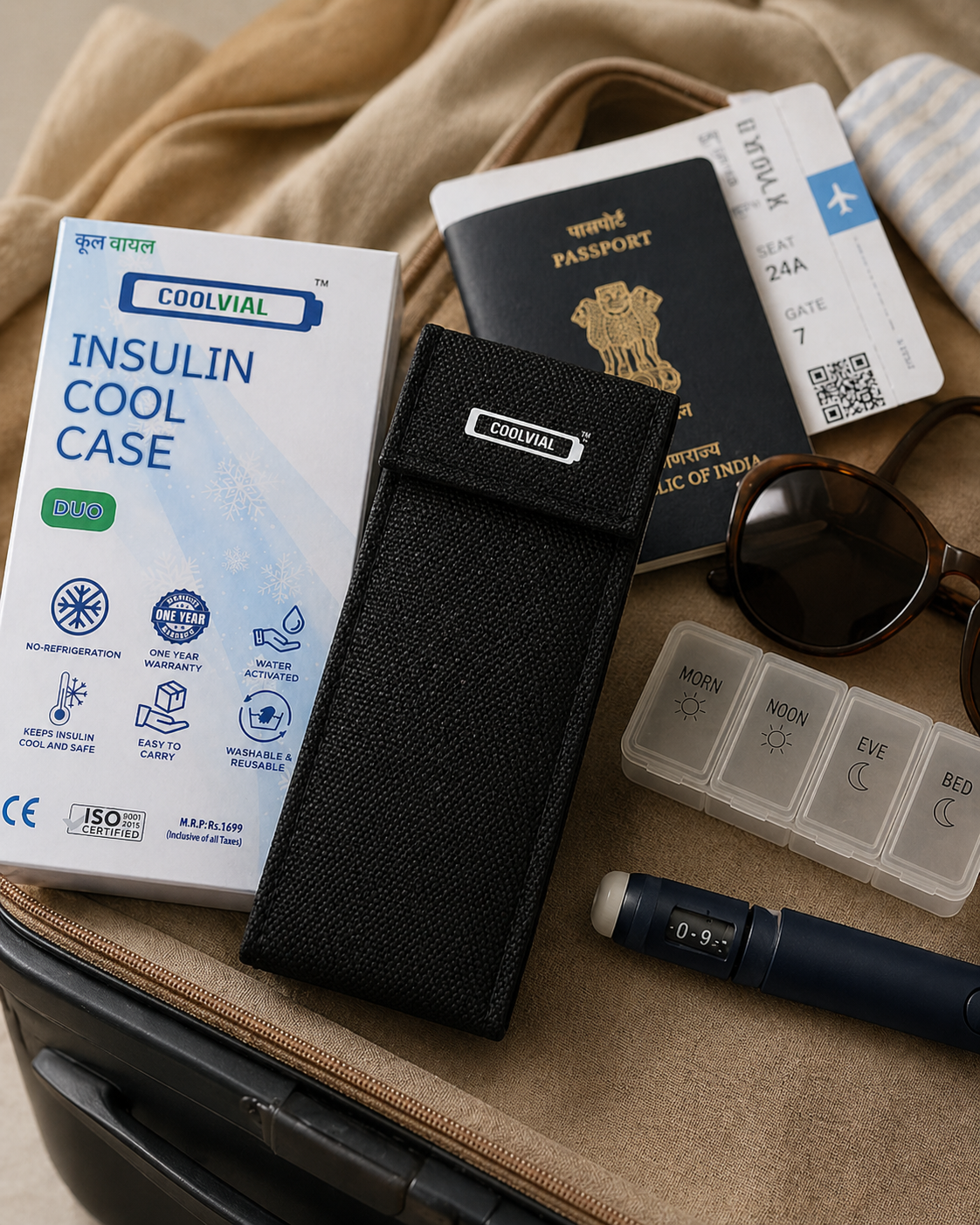
The COOLVIAL Duo is a water-activated evaporative cooling case designed specifically for insulin. It offers a practical, electricity-free solution to keep your insulin cool and safe, even when you’re on the go or facing power outages, which are frequent during the monsoon.
- Key Features and Benefits of COOLVIAL Duo:
- Sustained Cooling: Keeps insulin cool for 12-16 hours at safe temperatures (typically below 25°C), significantly longer than many basic insulated pouches.
- Humidity Protection: The evaporative cooling mechanism naturally helps protect insulin from ambient humidity by maintaining a slightly drier microclimate inside the case, reducing the risk of moisture damage to pens and vials.
- Capacity: Designed to hold 2 insulin pens + 1 vial, making it versatile for most users.
- Ease of Use: Simply activate with water – no refrigeration, ice packs, or electricity required. Ideal for travel, daily commutes, or during Gurugram’s infamous power cuts.
- Certifications: CE certified and ISO 9001:2015 compliant, ensuring quality and safety standards.
- Made in India: A product designed and manufactured for Indian conditions, understanding local climate challenges.
- Warranty: Comes with a 1-year warranty for peace of mind.
Why COOLVIAL Duo is ideal for Gurugram Monsoon:
The high humidity and potential for waterlogging mean you need a solution that is not only effective at cooling but also resilient. The COOLVIAL Duo’s design helps mitigate the effects of ambient moisture, providing a protective barrier for your vital medication. Whether you’re commuting through Cyber Hub, running errands in Sector 14, or simply worried about prolonged power cuts at home, the COOLVIAL Duo ensures your insulin remains at its optimal temperature and protected from humidity.
Comparison with Alternatives:
- FRIO Cooling Cases: A well-known global brand, FRIO cases operate on a similar evaporative cooling principle. However, they typically retail for around Rs 1,900 in India.
- Outer Woods OW-12: Another option, often priced around Rs 999, which may offer basic insulation.
- COOLVIAL Duo: At Rs 1,099 with code COOLHEAL (MRP Rs 1,699), COOLVIAL Duo provides a compelling balance of performance, features, and affordability, specifically tailored for the Indian climate. Its CE and ISO certifications, coupled with being Made in India, offer strong reassurance.
Investing in a reliable cooling case like the COOLVIAL Duo is a smart decision for maintaining consistent insulin storage conditions, especially when Gurugram’s monsoon weather throws its challenges your way. For more general insulin storage tips, visit our insulin storage tips page.
Frequently Asked Questions (FAQ)
Q: Can high humidity directly spoil insulin? A: While extreme temperatures are the primary cause of insulin spoilage, high humidity can indirectly compromise insulin by degrading its packaging and affecting the delicate mechanisms of insulin pens, leading to potential dosage inaccuracies or contamination risks.
Q: How can I protect my insulin pens from mould during the monsoon? A: To protect insulin pens from mould, store them in airtight containers with silica gel packets in a well-ventilated area of your home. Regularly check for any signs of dampness or mould growth on packaging and surfaces.
Q: What should I do if my home floods and my insulin gets wet? A: If your insulin gets wet due to flooding, it is best to assume it has been compromised and should not be used. Contact your doctor immediately and head to the nearest emergency pharmacy, such as Medanta The Medicity (Sector 38), for a replacement supply.
Q: Are online pharmacy deliveries reliable during heavy Gurugram monsoon rains? A: Online pharmacy deliveries (e.g., 1mg, Healthkart) in Gurugram can experience significant delays or cancellations during heavy monsoon rains and severe waterlogging, making it crucial to have an emergency stock of insulin on hand.
Q: How does the COOLVIAL Duo protect insulin from humidity? A: The COOLVIAL Duo uses an evaporative cooling process that not only keeps insulin at a safe temperature but also creates a slightly drier microclimate within the case, offering an additional layer of protection against ambient humidity and moisture damage.
Q: Where can I buy silica gel packets in Gurugram? A: Silica gel packets can be purchased from stationery stores, electronic shops, larger pharmacies like Apollo Pharmacy, or online platforms such as Amazon India and Flipkart in Gurugram.
Q: What is the recommended temperature for storing opened insulin during monsoon? A: Once opened, most insulin should be stored at room temperature (typically below 25-30°C, depending on the brand) and used within a specific timeframe (e.g., 28 days). During monsoon, ensure this room temperature is maintained and protect it from high humidity using airtight containers.
Conclusion
The Gurugram monsoon, while a relief from the heat, brings with it a unique set of challenges for individuals managing diabetes. The omnipresent threat of high humidity, coupled with the risks of waterlogging, power cuts, and disrupted access to pharmacies, demands a proactive and well-prepared approach to insulin storage. By understanding the specific impacts of moisture on your insulin pens and vials, implementing practical solutions like airtight containers and silica gel, and having a robust emergency plan, you can safeguard your vital medication and ensure uninterrupted diabetes management.
Remember, your health is paramount. Don’t let the monsoon catch you off guard. Equip yourself with the knowledge and tools to protect your insulin effectively. For reliable, electricity-free cooling and protection against Gurugram’s challenging climate, consider the COOLVIAL Duo.
Order COOLVIAL Duo at Rs 1,099 with code COOLHEAL — coolvial.com or via WhatsApp wa.me/918766952300
Medical Disclaimer: This article is for general information. Always consult your endocrinologist or diabetologist before changing insulin storage or dosing practices.
How We Researched This: This article leverages insights from RSSDI guidelines for diabetes management in India, ICMR-INDIAB data on diabetes prevalence, local Gurugram hospital directories (Medanta The Medicity, Artemis Hospital, Fortis Memorial Research Institute), and information from established pharmacy networks like Apollo Pharmacy to provide accurate and locally relevant advice.
10 Essential Ways to Protect Your Insulin During Gurugram Monsoon
Insulin at 2-8°C for 48+ hours. Trusted by 10,000+ Indian diabetics.