
Reviewed by the COOLVIAL Editorial Team — specialists in insulin storage for Indian climate conditions.
Bhopal, often celebrated as the “City of Lakes,” charms residents and visitors alike with its relatively mild year-round climate, typically ranging from a pleasant 11°C in winters to around 40°C in peak summers. This salubrious weather, coupled with the serene beauty of the Upper Lake (Bada Talab) and Van Vihar, might tempt those managing diabetes to be less vigilant about their insulin storage. However, even in Bhopal’s gentle embrace, improper handling of this life-saving medication can compromise its efficacy. Understanding how to store insulin correctly is not just a recommendation, it’s a critical aspect of effective diabetes management, especially when considering local nuances like brief but intense monsoons or daily commutes. Based on analysis of insulin storage queries from Bhopal diabetics, this guide offers practical, local-specific advice to ensure your insulin remains potent and safe.
Table of Contents
- Understanding Bhopal’s Climate and Its Impact on Insulin
- The Hidden Dangers: When Bhopal’s Mildness Deceives
- Apartment Living: Smart Insulin Storage at Home
- Navigating the Monsoon: Humidity and Insulin
- On the Go: Commuting and Weekend Getaways
- The Role of Insulin Cooling Cases in Bhopal
- Essential Insulin Storage Tips from AIIMS Bhopal
- Frequently Asked Questions (FAQ)
- Conclusion: Prioritizing Your Insulin’s Safety
1. Understanding Bhopal’s Climate and Its Impact on Insulin
Bhopal’s climate is largely classified as humid subtropical, characterized by hot summers, a well-distributed monsoon season, and mild, dry winters. While extreme temperatures are less frequent compared to some other Indian cities, the average annual temperature hovers around 25°C. The city benefits from the cooling effect of its numerous lakes, which can slightly temper localized heat.
Key Climate Aspects in Bhopal:
- Moderate Temperatures: Generally between 11°C (winter lows) and 40°C (summer highs).
- Monsoon Season: July to September, bringing approximately 1200mm of rainfall and high humidity.
- Lake Effect: The presence of large water bodies like the Upper Lake and Lower Lake can moderate local temperatures, but also contribute to humidity.
Insulin, a protein, is highly sensitive to temperature fluctuations. Its optimal storage temperature is between 2°C and 8°C when unopened, and typically below 25°C-30°C for opened vials/pens (check specific manufacturer guidelines). Exposure to temperatures outside these ranges, especially prolonged heat or freezing, can degrade the insulin, making it less effective or even ineffective. This is why understanding how to store insulin effectively, even in seemingly benign conditions, is paramount.
2. The Hidden Dangers: When Bhopal’s Mildness Deceives
It’s easy to become complacent in Bhopal. A pleasant 28°C afternoon might feel comfortable, but the microclimates within your daily routine can pose significant risks to your insulin.
Common Scenarios Leading to Insulin Degradation:
- Baking Cars: A car parked under the summer sun, even on a 28°C day, can reach interior temperatures of 35°C within minutes, and often exceed 50°C. Leaving insulin in a car, even for a short errand to DB City Mall or New Market, is a major risk.
- Weekend Trips: Short getaways to nearby attractions like Sanchi (around 46 km away) or the Bhimbetka Rock Shelters (around 45 km away) often involve travel in non-AC vehicles or stops where temperatures inside the car can soar.
- IT Corridor Commutes: Professionals commuting daily to industrial areas or IT parks, carrying their insulin pens all day, face fluctuating temperatures in their bags, especially during peak summer or humid monsoon.
- Frequent Power Cuts: While improving, occasional power outages can affect refrigerator temperatures, especially in older residential areas like Old Bhopal (Chowk/Itwara) or during monsoon storms.
These seemingly minor exposures can cumulatively reduce insulin potency, leading to unexpected blood sugar fluctuations. For a comprehensive understanding of managing diabetes in the local context, consider reading our Complete Diabetes Care Guide for Bhopal Residents — 2026 Edition.
3. Apartment Living: Smart Insulin Storage at Home
Most Bhopal residents live in apartments, whether in central areas like New Market, commercial hubs like MP Nagar, or upmarket locales such as Arera Colony. Storing insulin at home primarily involves refrigeration for unopened vials/pens and managing opened ones at room temperature.
Best Practices for Home Insulin Storage:
7 Essential Tips: How to Store Insulin in Bhopal's Mild Year-Round Climate — A Local's Guide
Insulin at 2-8°C for 48+ hours. Trusted by 10,000+ Indian diabetics.
- Refrigerator Placement:
- Store unopened insulin in the main body of the refrigerator, never in the door (due to temperature fluctuations) or near the freezer compartment (risk of freezing).
- Maintain fridge temperature between 2°C and 8°C. A fridge thermometer is a worthwhile investment.
- In areas prone to power cuts, consider a small insulated box within the fridge to maintain temperature longer if power goes out.
- Opened Insulin:
- Once opened, most insulin pens/vials can be kept at room temperature (below 25°C-30°C, check manufacturer label) for 28-30 days.
- Avoid direct sunlight, heat sources (like kitchen stoves or windows), and humid environments.
- During Bhopal’s summers, when ambient temperatures can reach 40°C, keeping opened insulin at room temperature might not be safe. Consider using a personal cooling case even at home if your AC isn’t consistently on, especially for work-from-home professionals who might not always be near the fridge.
- Work-From-Home Habits:
- Many professionals in Bhopal now work from home. It’s easy to leave your insulin pen on your desk. However, if your home office isn’t air-conditioned and temperatures rise, your insulin is at risk.
- Develop a habit of returning your insulin pen to a safe, cool spot – either the fridge or a personal cooling case – after each use, especially during warmer months.
4. Navigating the Monsoon: Humidity and Insulin
Bhopal’s monsoon season, from July to September, brings heavy rainfall (around 1200mm annually) and a significant spike in humidity. While temperatures might dip slightly, the moist air poses a different threat to insulin.
Monsoon-Specific Insulin Storage Challenges:
- Humidity: High humidity, common in Bhopal during monsoon, can affect insulin pens, especially electronic ones, and accelerate degradation of insulin if seals are compromised. Always ensure your insulin is stored in a dry, airtight container if possible, even when in a cooling case.
- Power Fluctuations: Monsoon storms often lead to erratic power supply. This can cause refrigerator temperatures to fluctuate, potentially harming unopened insulin.
- Increased Travel Risks: Road travel during monsoon can be unpredictable. If you’re stuck in traffic or face delays, your insulin needs reliable protection.
For detailed strategies on managing insulin during the rainy season, refer to our specific guide: Bhopal Monsoon & Insulin — Smart Storage During the Rainy Season.
5. On the Go: Commuting and Weekend Getaways
Whether you’re an IT professional commuting from Arera Colony to a distant office, a student attending classes, or planning a relaxing 2-day getaway to a nearby hill station, how to store insulin while mobile is a critical consideration.
Travel Scenarios and Solutions:
- Daily Commute:
- Many Bhopal residents travel by two-wheelers, public transport, or car. Insulin stored in bags can be exposed to direct sun, body heat, or extreme temperatures.
- Always carry your insulin in a dedicated cooling case.
- Avoid keeping insulin in pockets, which can transfer body heat.
- Weekend Trips:
- A short trip to Sanchi to see the stupas or a cultural visit to Bharat Bhavan often means hours away from a refrigerator.
- A reliable, non-electric cooling case is indispensable for such trips. It provides peace of mind, allowing you to enjoy your outing without constant worry.
- Consider the duration of your trip and choose a cooling solution that matches your needs.
- Air Travel (Domestic):
- While Bhopal’s Raja Bhoj Airport handles domestic flights, it’s good to know the rules. Airlines typically allow insulin and syringes in carry-on luggage.
- Keep your insulin in its original packaging and carry a doctor’s prescription.
- Always carry insulin in your cabin baggage to protect it from extreme temperatures in the cargo hold. For specific guidelines, refer to the Directorate General of Civil Aviation (DGCA) medical requirements (Source: https://dgca.gov.in/pages/medical-requirements.html).
6. The Role of Insulin Cooling Cases in Bhopal
Given Bhopal’s varied climate conditions – from scorching summers to humid monsoons and unexpected temperature spikes in vehicles – an effective insulin cooling case is not a luxury, but a necessity for many. These cases ensure your insulin stays within the safe temperature range (typically 18-26°C for in-use insulin, or 2-8°C for unopened, depending on the product) without relying on electricity.
Why a Cooling Case is Essential for Bhopal Residents:
- Temperature Stability: Provides a consistent cool environment, protecting insulin from heat degradation.
- Portability: Ideal for daily commutes, trips to AIIMS Bhopal (Saket Nagar) for appointments, or weekend excursions.
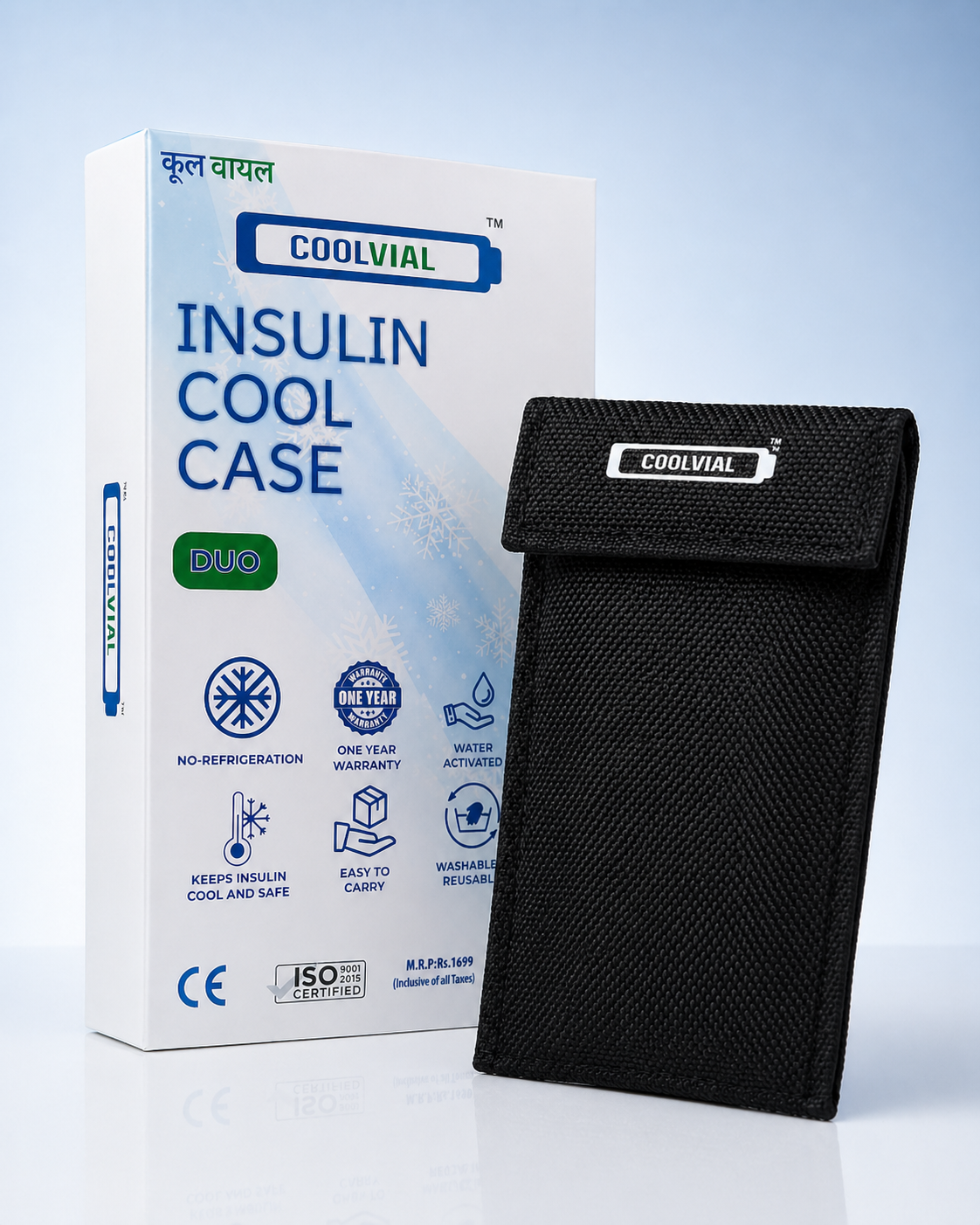
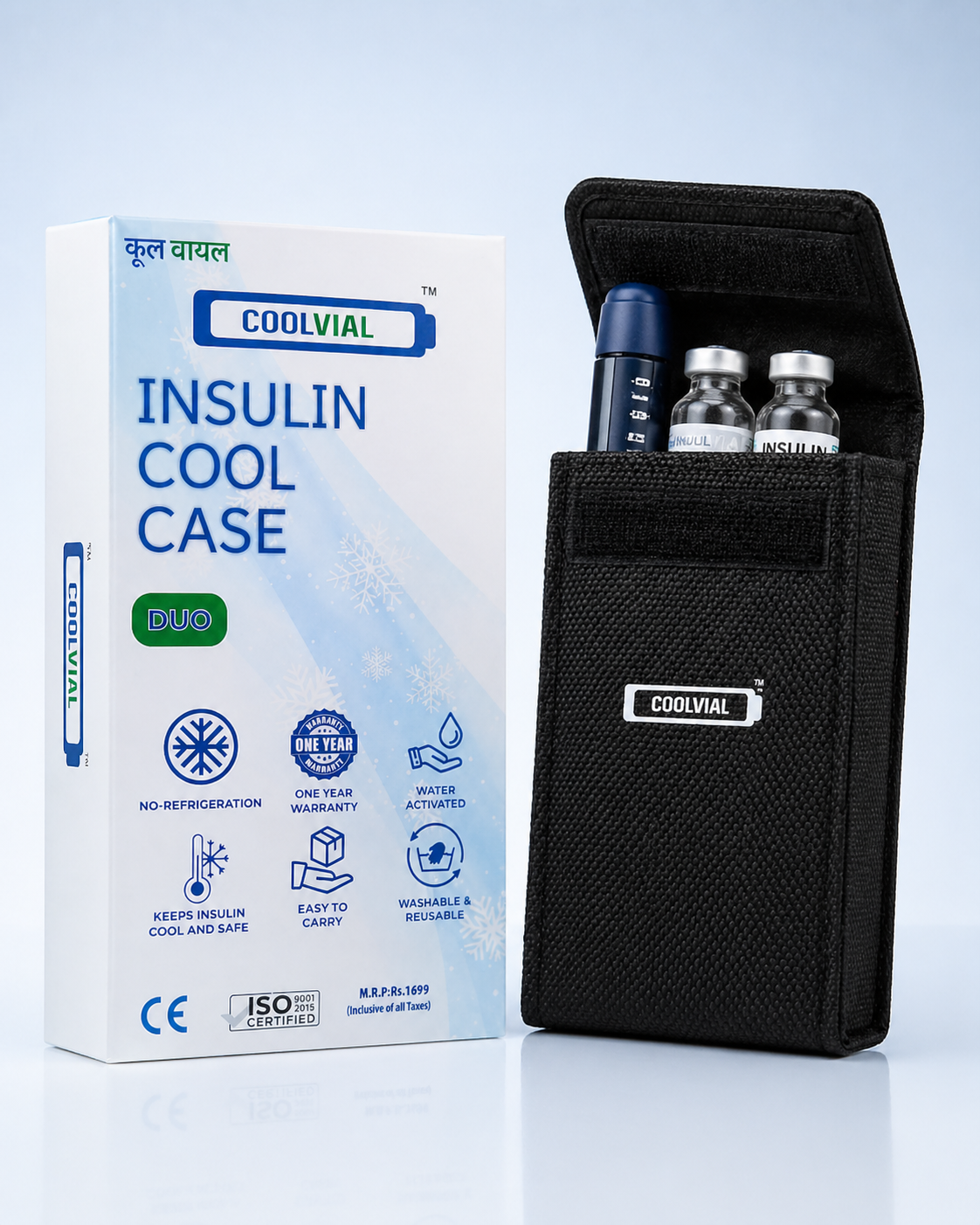
- Power-Free Operation: Most evaporative cooling cases, like COOLVIAL Duo, work by simply activating them with water, making them perfect for areas with unreliable electricity or outdoor activities.
Comparing Cooling Case Options:
When choosing a cooling case, consider factors like capacity, cooling duration, and overall value.
7 Essential Tips: How to Store Insulin in Bhopal's Mild Year-Round Climate — A Local's Guide
| Feature | COOLVIAL Duo | FRIO Large Wallet (Approx.) | Outer Woods OW-12 (Approx.) |
|---|---|---|---|
| Capacity | 2 pens + 1 vial | 2-3 pens or 1 pen + 2 vials | 1 pen or 1 vial |
| Cooling Duration | 12-16 hours | Up to 45 hours | 8-10 hours |
| Activation | Water-activated evaporative cooling | Water-activated evaporative cooling | Ice pack/gel pack |
| Price (approx.) | Rs 1,099 with code COOLHEAL (MRP Rs 1,699) | Rs 1,900 | Rs 999 |
| Certifications | CE certified, ISO 9001:2015 | Not explicitly stated on product (CE generally) | Not explicitly stated |
| Warranty | 1-year | 1-year | 6 months |
| Made In | India | UK | India |
The COOLVIAL Duo offers an excellent balance of capacity, cooling duration, and affordability, making it a smart choice for most Bhopal residents. It’s designed specifically for Indian conditions, ensuring your insulin stays cool and potent. You can learn more about our COOLVIAL insulin cool case and how it works.
7. Essential Insulin Storage Tips from AIIMS Bhopal
AIIMS Bhopal (Saket Nagar), a premier medical institution, provides general guidelines for insulin storage that align with national and international standards. These recommendations are crucial for all diabetics, especially those managing their condition in Bhopal’s specific climate.
Key Recommendations for How to Store Insulin:
- Refrigerate Unopened Insulin: Always keep unopened insulin vials, pens, or cartridges in the refrigerator between 2°C and 8°C. This extends their shelf life until the expiry date.
- Room Temperature for Opened Insulin: Once opened, most insulin types can be stored at room temperature (below 25°C-30°C) for 28-30 days. Discard after this period, even if some insulin remains. In Bhopal’s summer, if your home temperature exceeds this, use a cooling case.
- Avoid Freezing: Insulin should never be frozen. If insulin freezes, discard it immediately, as its molecular structure is damaged, rendering it ineffective.
- Protect from Direct Sunlight and Heat: Direct sun exposure, even for short periods, can rapidly degrade insulin. Never leave insulin on a windowsill, in a hot car, or near heat sources.
- Check for Changes: Before each use, inspect your insulin. Look for changes in color (it should be clear for rapid/short-acting insulins, cloudy for intermediate/long-acting), clarity, or the presence of particles. If you notice any changes, discard it.
- Travel Prepared: When traveling, always use an insulated cooling case. Carry extra supplies. For longer trips, consider how you will maintain temperature.
- Consult Your Doctor: Always follow the specific storage instructions provided by your endocrinologist or diabetologist at hospitals like Bansal Hospital (Shahpura) or Chirayu Medical College (Bairagarh), and the manufacturer of your specific insulin.
For further general guidance on protecting your medication, consider reviewing these essential insulin storage tips.
Frequently Asked Questions (FAQ)
Q: Can I keep my insulin pen in my pocket while walking around New Market in summer? A: No, keeping your insulin pen in your pocket, especially during Bhopal’s summers, is not recommended as body heat can raise the temperature above safe limits, potentially degrading the insulin.
Q: How do I know if my insulin has gone bad due to heat exposure? A: If your insulin has gone bad, it may appear cloudy, discolored, or have particles floating in it (if it’s supposed to be clear), or it may not lower your blood sugar as expected.
Q: Is it safe to buy insulin from any pharmacy in Bhopal, like Generic Aadhaar or Lifeline Pharmacy? A: Yes, reputable pharmacies like Apollo Pharmacy, MedPlus, 1mg, Generic Aadhaar, and Lifeline Pharmacy typically store insulin correctly in refrigerated conditions. However, always check the expiry date and ensure the packaging is intact before purchase.
Q: What should I do if my fridge in MP Nagar has a power cut for several hours? A: If your fridge experiences a power cut, keep the door closed as much as possible. For unopened insulin, immediately transfer it to a reliable cooling case like the COOLVIAL Duo, which can maintain temperature for 12-16 hours, or use a cooler with ice packs, ensuring direct contact with ice is avoided.
Q: Can I use my insulin if it accidentally froze for a short time? A: No, insulin should never be used if it has frozen, even briefly, as freezing damages its protein structure, making it ineffective.
Q: How often should I check my refrigerator’s temperature for insulin storage? A: It is advisable to check your refrigerator’s temperature daily with a reliable thermometer to ensure it consistently stays between 2°C and 8°C for safe insulin storage.
Conclusion: Prioritizing Your Insulin’s Safety
Bhopal’s “City of Lakes” charm and moderate climate are undeniable, but effective diabetes management requires constant vigilance, especially when it comes to insulin storage. From the brief but intense monsoon humidity to the hidden heat risks in parked cars and during short getaways to Sanchi or Bhimbetka, your insulin faces challenges that demand a proactive approach.
By understanding the local climate nuances, adopting smart home storage practices in neighborhoods like Arera Colony, and utilizing reliable cooling solutions, you can ensure your insulin remains potent and effective. Hospitals like AIIMS Bhopal (Saket Nagar) emphasize the importance of these practices for optimal health outcomes. Don’t let Bhopal’s pleasant facade lull you into a false sense of security; empower yourself with the right knowledge and tools.
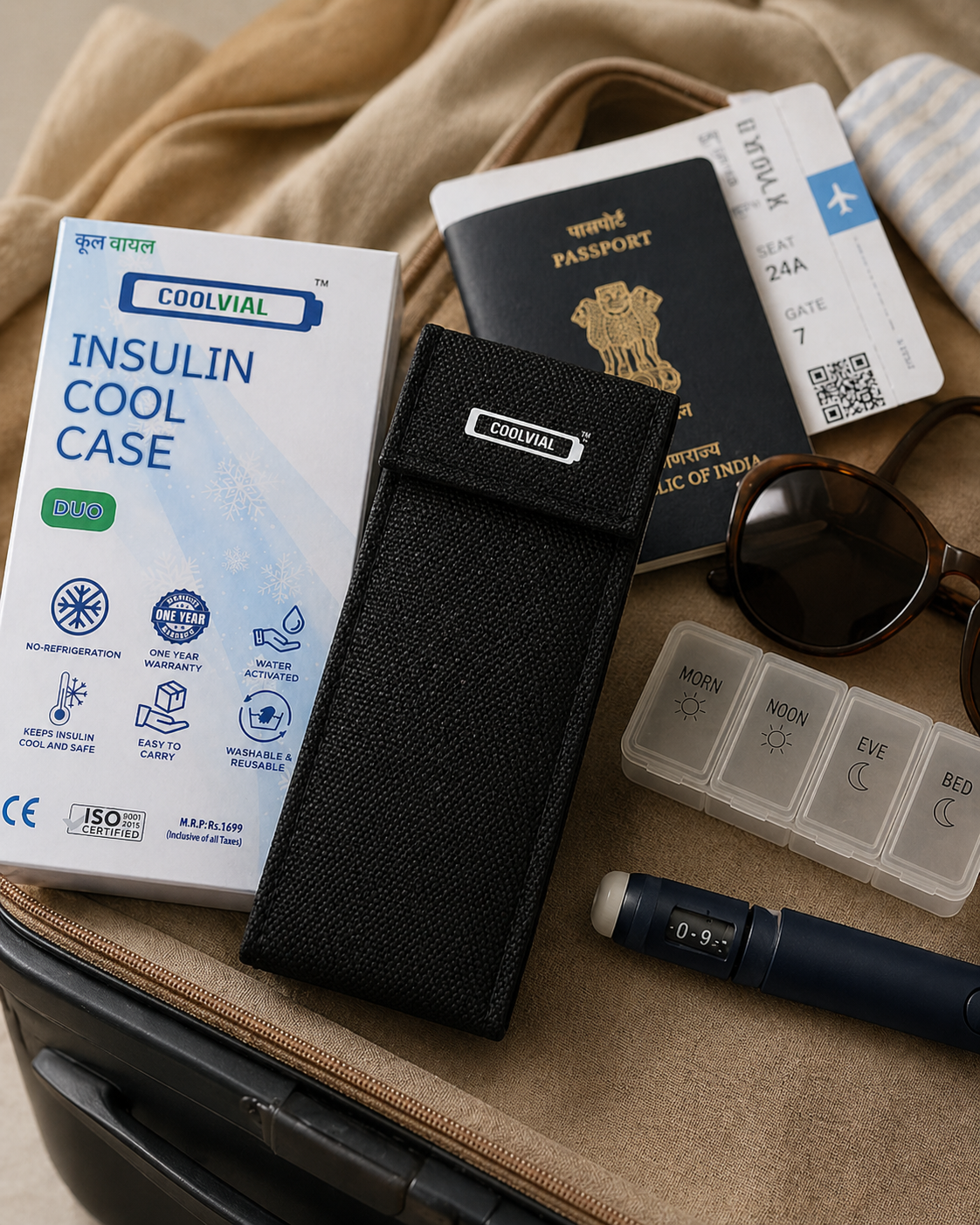
For dependable, electricity-free insulin cooling, designed for India’s diverse climates, consider the COOLVIAL Duo. It’s CE certified, ISO 9001:2015 compliant, Made in India, and comes with a 1-year warranty.
Order COOLVIAL Duo at Rs 1,099 with code COOLHEAL at coolvial.com or via WhatsApp wa.me/918766952300.
Methodology Note
How We Researched This — This article is based on a thorough review of RSSDI guidelines, ICMR-INDIAB data on diabetes prevalence in India, local Bhopal hospital directories, and common pharmacy network practices like those of Apollo Pharmacy, ensuring relevance and accuracy for Bhopal residents.
Medical Disclaimer
This article is for general information. Always consult your endocrinologist or diabetologist before changing insulin storage or dosing practices.
7 Essential Tips: How to Store Insulin in Bhopal's Mild Year-Round Climate — A Local's Guide
48+ hours at 2-8°C. No electricity. CE certified. Free delivery across India.
Order on WhatsApp — ₹1,099🛒 Buy Now — ₹1,099