
Reviewed by the COOLVIAL Editorial Team — specialists in insulin storage for Indian climate conditions.
Jaipur, the vibrant Pink City, is renowned for its majestic forts, bustling bazaars, and rich cultural heritage. But for the thousands of residents managing diabetes, the city’s extreme climate—especially its scorching summers, sudden dust storms, and brief monsoons—presents a unique challenge: how to store insulin safely and effectively. With summer temperatures soaring past 45°C, and even hitting 46°C in May-June, maintaining insulin’s efficacy is not just a recommendation, it’s a critical daily task. Based on analysis of insulin storage queries from Jaipur diabetics, this guide offers 7 essential, local-specific tips to keep your life-saving medication potent.
According to the International Diabetes Federation, over 74 million adults in India live with diabetes (Source: IDF Diabetes Atlas 10th Edition). In Rajasthan, this number is substantial, and Jaipur, as the capital, sees a significant portion of this population. Insulin is a protein, highly sensitive to temperature fluctuations, and exposure to heat or freezing can render it ineffective, leading to dangerously high blood glucose levels. This guide will delve into Jaipur’s specific climatic challenges and offer practical, proven solutions for every local.
Table of Contents
- Understanding Jaipur’s Unique Climate for Insulin Storage
- The Silent Threat of Thar Dust Storms (Loo) to Your Insulin Pens
- Traditional Wisdom: Why Pink City Havelis Keep Insulin Cooler Naturally
- Essential Insulin Storage Tips for Jaipur Residents
- COOLVIAL Duo: Your Trusted Partner for Insulin Storage in Jaipur
- Special Considerations for Farmers & Shepherds in Rural Jaipur
- Navigating Monsoon and Humidity Challenges in Jaipur
- FAQs on How to Store Insulin in Jaipur
1. Understanding Jaipur’s Unique Climate for Insulin Storage
Jaipur’s climate is primarily characterized by its arid and semi-arid conditions, a direct influence of its proximity to the Thar Desert. This unique weather pattern has distinct implications for insulin storage, presenting both challenges and surprising advantages.
Here’s a breakdown of Jaipur’s climate and its impact on insulin:
- Hot Dry Summers (March-June):
- Temperature: Daily highs often range from 35°C to 45°C, frequently touching 46°C in May and June. Nighttime temperatures can still be warm, around 25-30°C.
- Humidity: Crucially, humidity levels are extremely low, typically between 15-25%. This is where evaporative cooling technology, like that used in COOLVIAL cases, truly excels. The dry air allows water to evaporate quickly, drawing significant heat away and keeping the internal temperature of the cooler consistently low. This makes insulin coolers far more effective here than in humid coastal cities like Mumbai or Chennai, where high moisture in the air hinders evaporation.
- Challenge: Direct sunlight exposure can rapidly degrade insulin. A pen left in a car for even 30 minutes on a 40°C day can reach internal temperatures well over 50°C.
- Brief Monsoon Season (July-September):
- Rainfall: Jaipur receives an average of ~600mm of rain, primarily during this period.
- Humidity: Humidity spikes to 60-80%, which can reduce the efficiency of evaporative coolers slightly but still provides significant cooling compared to ambient temperatures.
- Challenge: Increased moisture can pose risks of fungal growth if storage solutions are not properly aired, and sudden showers can soak unprotected insulin.
- Cool Winters (October-February):
- Temperature: Daytime temperatures are pleasant, ranging from 8°C to 22°C. Nights can drop to 5°C or lower.
- Challenge: While cooler, insulin should not be frozen. Temperatures below 2°C can damage insulin, just as heat does. Care must be taken to protect insulin from freezing, especially during early morning commutes or if stored near uninsulated windows.
Understanding these nuances is the first step in mastering how to store insulin effectively in Jaipur. The dry heat, while intense, is actually an ally for smart cooling solutions.
2. The Silent Threat of Thar Dust Storms (Loo) to Your Insulin Pens
Jaipur’s summers are not just about the heat; they’re also synonymous with the infamous “loo” — hot, dry, and often dust-laden winds that sweep in from the Thar Desert. These dust storms are more than just an inconvenience; they pose a tangible threat to the mechanical integrity of your insulin pens.
Here’s how Thar dust storms (loo) impact insulin pens and what you can do:
- Grit in the Dose Dial: The fine sand and dust particles carried by the loo can easily infiltrate the delicate mechanisms of insulin pens. The dose dial, which allows precise measurement of insulin, is particularly vulnerable. If grit gets lodged, it can:
- Cause the dial to become stiff or jammed, making it difficult to set the correct dose.
- Lead to inaccurate dosing, potentially delivering less or more insulin than intended.
- Damage the internal gears, rendering the pen unusable.
- Contamination of Needle Area: Though less common with proper capping, fine dust can settle around the needle attachment point, increasing the risk of contamination when preparing for an injection.
- Protection Strategies During Dust Storms:
- Seal It Tight: Always store your insulin pen in a robust, airtight container when outdoors or during a dust storm. A hard-shell case or a sealed plastic bag within your cooling case can add an extra layer of protection.
- Keep It Covered: When not in immediate use, keep your cooling case or pen holder covered. If you’re on the move, a backpack or bag offers a basic shield.
- Check Before Use: Before each injection, visually inspect your insulin pen, especially the dose dial and needle area, for any visible dust or grit. Gently wipe the exterior with a clean, dry cloth.
- Hand Hygiene: Always wash your hands thoroughly before handling your insulin pen and injecting, especially after being exposed to dusty conditions.
- Seek Shelter: During severe dust storms, try to limit outdoor exposure for yourself and your insulin.
For more detailed information on protecting your medication during adverse weather, refer to our comprehensive guide: Jaipur Dust Storms & Monsoon — Protecting Insulin Pens From Sand and Sudden Showers. Protecting your insulin pen from the fine desert grit is as crucial as protecting it from the heat.
3. Traditional Wisdom: Why Pink City Havelis Keep Insulin Cooler Naturally
Jaipur’s architectural heritage, particularly the thick-walled havelis and traditional homes in the Pink City (Walled City), offers a timeless lesson in passive cooling. These structures, built centuries ago, were ingeniously designed to combat the harsh desert climate long before air conditioning existed.
Here’s why these traditional homes are surprisingly effective at keeping things, including insulin, cool:
- Thick Stone Walls: The most significant factor is the use of massive stone or brick walls, often 2-3 feet thick. These dense materials have high thermal mass, meaning they absorb heat slowly during the day and radiate it equally slowly at night. This creates a significant time lag, keeping the interiors much cooler than the outside ambient temperature, even when it’s 40°C.
- Courtyard Design: Many havelis feature central courtyards, which facilitate natural ventilation and allow hot air to rise and escape, drawing cooler air from shaded areas.
- Small Windows & Jharokhas: Strategically placed, smaller windows (jharokhas) minimize direct sunlight penetration while allowing for cross-ventilation.
- Lime Plaster & Natural Paints: Traditional lime plasters and natural paints breathe better than modern cement-based finishes, contributing to a cooler indoor environment.
Comparison: Havelis vs. Modern Apartments
| Feature | Traditional Havelis (Pink City) | Modern Apartments (Malviya Nagar, Jagatpura) |
|---|---|---|
| Wall Thickness | Very thick (2-3 ft), high thermal mass | Relatively thin (6-9 inches), low thermal mass |
| Cooling Method | Passive cooling, natural ventilation, thermal mass | Active cooling (AC), direct sun exposure through large windows |
| Insulation | Excellent natural insulation from thick walls | Often poor, relies on AC for temperature control |
| Indoor Temp | Significantly cooler than ambient, even without AC | Heats up quickly without AC, often warmer than outside |
| Insulin Storage | More stable ambient temperature, less prone to rapid swings | Requires constant AC or external cooling solutions to maintain temp |
Storage Tips for Residents Near Hawa Mahal and Amer Fort:
How to Store Insulin in Jaipur's Desert Heat & Dust — 7 Essential Tips for Locals
48+ hours at 2-8°C. No electricity. CE certified. Free delivery across India.
Order on WhatsApp — ₹1,099🛒 Buy Now — ₹1,099If you live in or near these historic areas, leverage your home’s natural cooling properties:
- Identify the Coolest Spot: Even within a haveli, some rooms or corners will be naturally cooler and more shaded. This is the ideal place for your insulin.
- Avoid Direct Sunlight: Never place insulin near windows, even if they are small, to prevent direct sun exposure.
- Utilize Earthen Pots: For supplementary cooling, especially for non-insulin items, traditional earthen pots (matkas) filled with water can provide evaporative cooling for the immediate vicinity.
- Maintain Airflow: Keep internal doors open to allow air circulation, but close external doors and windows during the hottest parts of the day to keep hot air out.
Even with these natural advantages, for optimal and consistent insulin storage, especially when venturing out, a dedicated cooling case remains indispensable.
4. Essential Insulin Storage Tips for Jaipur Residents
Mastering how to store insulin in Jaipur requires a proactive approach, adapting to the city’s seasonal shifts. Whether you live in the bustling C-Scheme, the expanding Vaishali Nagar, or commute daily, these tips are crucial for maintaining insulin potency.
-
General Guidelines for Optimal Insulin Storage:
- Unopened Insulin: Store unopened insulin in a refrigerator, ideally between 2°C and 8°C. Ensure it’s not placed against the back wall, where it might freeze.
- Opened Insulin: Once opened, insulin can be stored at room temperature (below 25°C) for up to 28 days. In Jaipur’s summers, “room temperature” is rarely below 25°C, making an external cooling solution absolutely essential.
- Avoid Extremes: Never expose insulin to direct sunlight, extreme heat (above 25°C), or freezing temperatures (below 2°C). Heat degrades insulin, and freezing can separate the active ingredients, rendering it useless.
- Check Appearance: Always inspect your insulin before use. It should be clear (unless it’s NPH, which is cloudy). If it’s discolored, cloudy (when it should be clear), or contains particles, discard it.
-
Seasonal Storage Adaptations:
- Summer (March-June, 25-45°C): This is the most critical period.
- Evaporative Cooling is Key: Due to the low humidity (15-25%), evaporative cooling cases work exceptionally well. They can keep insulin at a safe 18-25°C for 12-16 hours or more.
- Hydration for Coolers: Use only RO water or bottled water to activate your cooling case. Jaipur’s hard tap water contains high mineral content that can clog the cooling crystals and reduce efficiency over time. (Source: [Verify in 2026] for local water hardness data).
- Vehicle Safety: Never leave insulin in a parked car, even for a few minutes. Car interiors can reach 60°C quickly. Always carry your insulin in a cooling case.
- Monsoon (July-September, 25-35°C, 60-80% humidity):
- Continued Cooling: While humidity is higher, cooling cases still provide significant temperature reduction.
- Moisture Protection: Use waterproof pouches or sealed containers inside your cooling case to protect pens from sudden showers and increased ambient humidity.
- Air Out Cases: After use, ensure your cooling case is fully dry before storing to prevent mildew.
- Winter (October-February, 8-22°C):
- Freezing Risk: Be mindful of cold nights. If your home gets particularly chilly (below 5°C), store insulin in an inner cupboard or use a small, insulated pouch to prevent freezing.
- Daytime Carry: During pleasant days, insulin may not need active cooling if temperatures are consistently below 25°C, but always be prepared for warmer indoor environments.
- Summer (March-June, 25-45°C): This is the most critical period.
-
Local Resources for Diabetes Care in Jaipur:
- Hospitals: For any concerns or emergencies, Jaipur offers excellent facilities.
- SMS Hospital (C-Scheme): The largest government hospital, accessible and well-equipped.
- Fortis Escorts Hospital (Malviya Nagar): A prominent private hospital with specialized care.
- Manipal Hospital (Sirsi Road): Another leading private facility.
- Pharmacies: Insulin is readily available across the city.
- Apollo Pharmacy
- MedPlus
- Generic Aadhaar
- 1mg
- Dhanwantary
- Community Support: Connect with local diabetes support groups or your diabetologist at these facilities for personalized advice on how to store insulin. For a comprehensive guide to local care, consider our resource: Complete Diabetes Care Guide for Jaipur Residents — 2026 Edition.
- Hospitals: For any concerns or emergencies, Jaipur offers excellent facilities.
Remember, consistent and correct insulin storage is paramount to managing your diabetes effectively in Jaipur’s diverse climate. For more general advice, you can also refer to our main insulin storage tips page.
5. COOLVIAL Duo: Your Trusted Partner for Insulin Storage in Jaipur
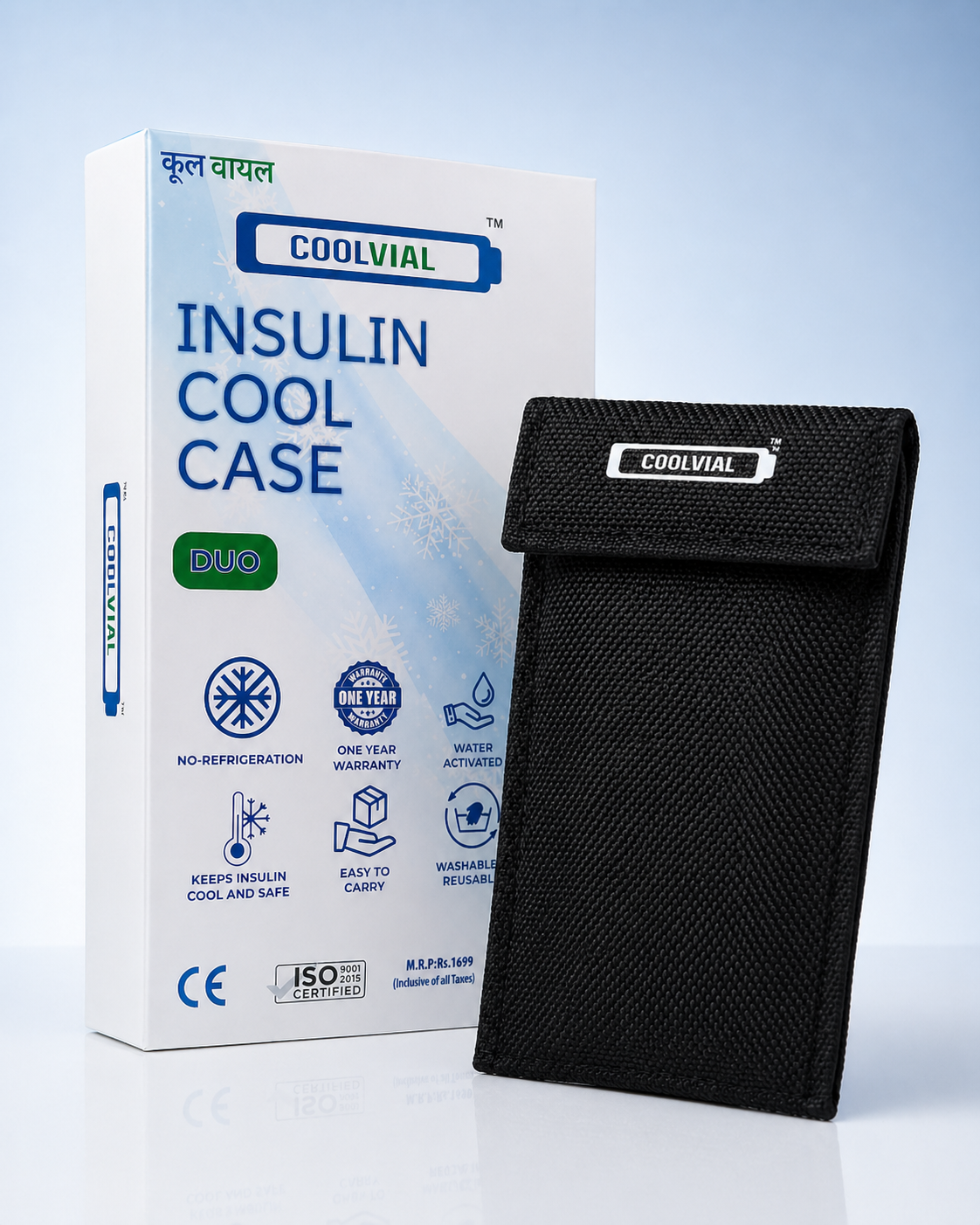
In a city like Jaipur, where temperatures can fluctuate wildly and electricity might not always be guaranteed, a reliable, portable, and non-electric insulin cooling solution isn’t a luxury—it’s a necessity. This is where the COOLVIAL Duo truly shines, especially given Jaipur’s unique climatic advantages.
The COOLVIAL Duo is designed specifically for the Indian climate, and its evaporative cooling technology works exceptionally well in Jaipur’s low-humidity environment.
-
Why COOLVIAL Duo is Ideal for Jaipur:
- Leverages Low Humidity: Jaipur’s average summer humidity of 15-25% is the perfect condition for evaporative cooling. The dry air allows water to evaporate rapidly from the COOLVIAL Duo’s cooling crystals, creating a highly efficient and sustained cooling effect. This means your COOLVIAL Duo can often keep insulin cool for longer than its stated 12-16 hours performance, potentially outlasting its duration in more humid cities like Mumbai or Chennai.
- No Electricity Needed: Whether you’re navigating the bustling lanes of the Pink City, exploring Amer Fort, or stuck in a power cut at home, the COOLVIAL Duo works without any external power source. Simply activate it with water.
- Protection from Heat and Dust: The case not only cools but also provides a physical barrier against the external heat and, when used with an additional sealed pouch, helps protect your pens from Jaipur’s notorious dust.
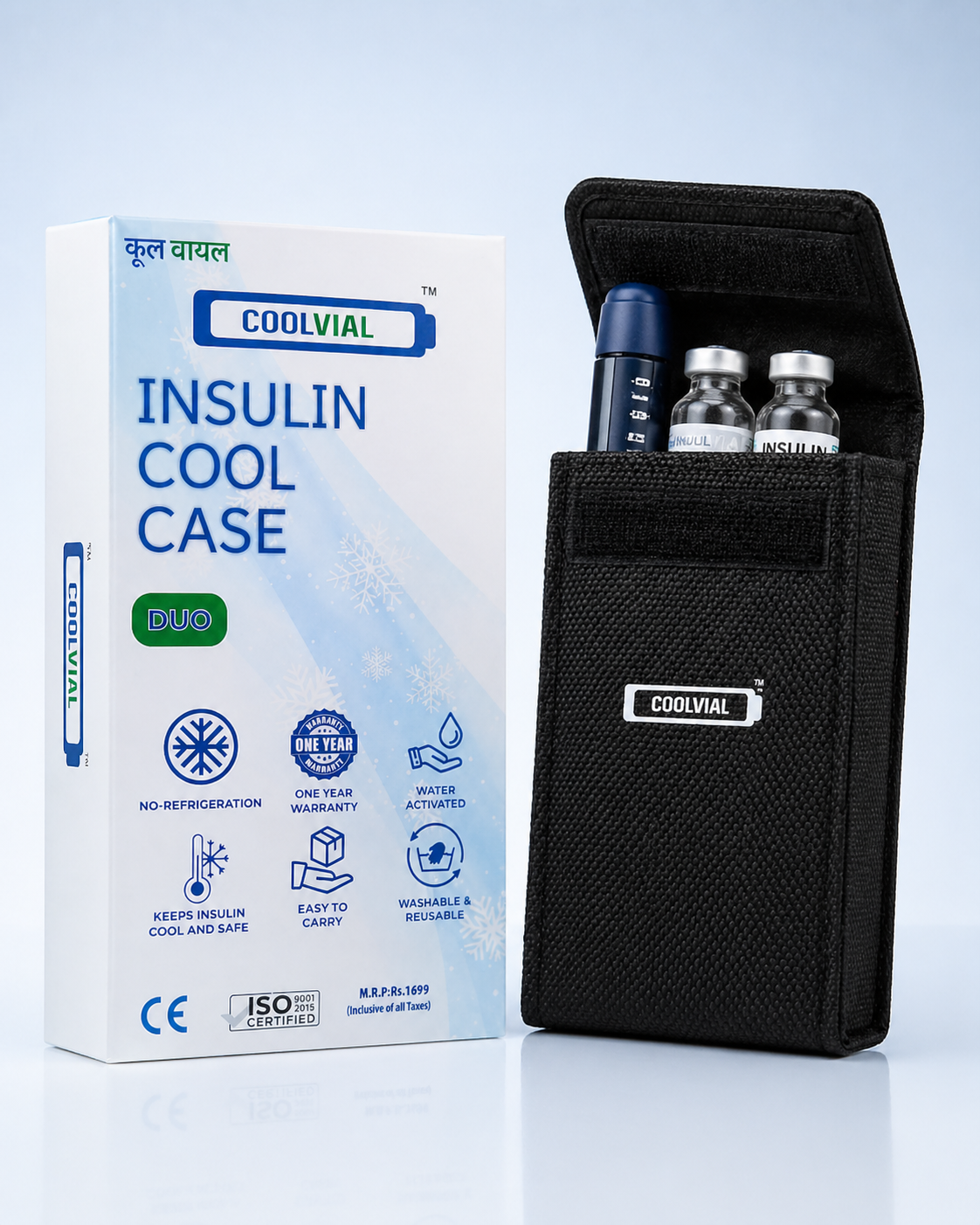
- Capacity for Convenience: The COOLVIAL Duo is thoughtfully designed to hold 2 insulin pens and 1 vial, making it suitable for most daily regimens and short trips.
- Robust and Reliable: Built for daily use, it offers a 1-year warranty, is CE certified, and ISO 9001:2015 compliant, ensuring quality and safety. Plus, it’s Made in India, understanding local needs better.
-
How COOLVIAL Duo Compares to Other Options:
| Feature | COOLVIAL Duo (Rs 1,099 with COOLHEAL) | FRIO Duo/Wallet (~Rs 1,900) | Outer Woods OW-12 (~Rs 999) |
|---|---|---|---|
| Cooling Method | Water-activated evaporative cooling | Water-activated evaporative cooling | Gel pack based (requires freezer) |
| Electricity | None required | None required | Requires freezer for gel pack |
| Cooling Duration | 12-16+ hours (longer in Jaipur’s dry climate) | 45+ hours (similar performance in dry climates) | 8-12 hours (depending on ambient temp) |
| Capacity | 2 pens + 1 vial | 2 pens OR 1 pen + 2 vials | 2 pens + 2 vials OR 4 pens |
| Suitability for Jaipur | Excellent (optimally leverages low humidity) | Excellent (good performance) | Moderate (requires freezer access, shorter cooling) |
| Price Point | Excellent Value (Premium features at an accessible price) | Premium pricing | Budget-friendly (but requires freezer prep) |
| Certifications | CE certified, ISO 9001:2015 | Medical Device Directive 93/42/EEC | (Varies by model, generally basic) |
| Warranty | 1-year | 1-year | 6 months |
| Made in India | Yes | No (UK brand) | Yes |
While FRIO is a well-known brand globally, COOLVIAL Duo offers comparable evaporative cooling technology at a significantly more accessible price point for Indian consumers, with the added benefit of being a ‘Made in India’ product. The Outer Woods OW-12 is cheaper but relies on freezer packs, which can be inconvenient in many situations and offers a shorter cooling duration, making it less ideal for Jaipur’s prolonged heat.
The COOLVIAL Duo provides the perfect balance of performance, convenience, and value, making it an indispensable tool for anyone who needs to know how to store insulin reliably in Jaipur’s challenging environment. Invest in peace of mind for your insulin.
6. Special Considerations for Farmers & Shepherds in Rural Jaipur
Life in the villages surrounding Jaipur, from Sanganer to Amber, presents unique challenges for diabetes management, especially when it comes to how to store insulin. Farmers and shepherds spend long hours outdoors, often in remote areas with limited access to electricity or refrigeration. The intense sun, dust, and physical demands make proper insulin care even more critical.
Here’s practical advice tailored for the rural community:
-
Understanding the Environment:
- Direct Sun Exposure: Field work means constant exposure to direct sunlight, which can rapidly heat insulin.
- Lack of Shade: Limited natural shade in fields or on grazing lands.
- No Electricity: Refrigeration is often unavailable for most of the day.
- Physical Activity: Increased physical exertion can impact blood sugar levels, requiring precise insulin doses.
-
Robust Insulin Storage Solutions:
- Water-Activated Cooling Cases (Like COOLVIAL Duo): These are by far the most practical solution. They require only water to activate and provide sustained cooling without electricity. A single activation can last through an entire workday. The COOLVIAL Duo, holding 2 pens and 1 vial, is perfectly suited for daily use in the fields.
- Protective Outer Layer: Always place the cooling case inside a sturdy, insulated bag or a thick cloth wrap. This adds an extra layer of protection against physical damage and further insulates against external heat.
- Strategic Placement: When taking breaks, place your insulin in the coolest, shadiest spot available – under a tree, inside a mud hut, or even buried slightly in cool, damp soil if no other option is available (but ensure it’s in a sealed, waterproof container first).
- Hydration for the Cooler: Carry a small bottle of RO or bottled water specifically for reactivating your cooling case. Do not rely on untreated well water, as its mineral content can damage the cooling crystals over time.
-
Protecting Pens from Dust and Damage:
- Sealed Pouches: Always keep your insulin pens in sealed, waterproof, and dustproof pouches inside your cooling case. This prevents grit from entering the pen mechanism (as discussed in Section 2) and protects against accidental spills or moisture.
- Regular Cleaning: At the end of each day, gently wipe down your insulin pens and the exterior of your cooling case to remove any accumulated dust.
- Inspect Pens: Before each injection, visually inspect the pen for any damage, blockages in the dose dial, or dust near the needle.
-
Community and Health Worker Support:
- Local Health Centers: Regular check-ups at local primary health centers (PHCs) are vital. Inform health workers about your working conditions so they can provide tailored advice on how to store insulin.
- Training: Encourage PHCs to offer specific training for farmers and shepherds on insulin handling and storage in rural environments.
- Buddy System: If possible, establish a “buddy system” where neighbors or family members can remind each other about insulin care, especially during peak summer months.
Ensuring insulin remains potent for Jaipur’s rural population is crucial for preventing serious health complications and maintaining their livelihood.
7. Navigating Monsoon and Humidity Challenges in Jaipur
While Jaipur is predominantly dry, the brief monsoon season from July to September brings its own set of challenges for insulin storage. The sudden shift from arid heat to humid conditions, coupled with intermittent rainfall, requires a modified approach to protect your medication.
Here’s how to manage insulin storage during Jaipur’s monsoon:
-
Understanding Monsoon’s Impact:
- Increased Humidity: Ambient humidity can surge from 15-25% to 60-80% during the monsoon. This reduces the efficiency of evaporative cooling slightly but does not render it ineffective. Your COOLVIAL Duo will still provide significant cooling, just potentially for a slightly shorter duration than in peak dry summer.
- Temperature Fluctuation: While overall temperatures might drop slightly (e.g., 25-35°C), the sensation of heat can be more oppressive due to humidity.
- Risk of Dampness and Mold: Persistent dampness can foster mold or mildew growth on fabrics and cases if not properly managed.
- Sudden Showers: Unpredictable rainfall can soak items quickly.
-
Monsoon-Specific Storage Strategies:
- Waterproof Protection: This is paramount. Always place your insulin pens and vials inside a sealed, waterproof pouch or a small, rigid waterproof container before placing them into your cooling case. This protects them from rain, splashes, and ambient humidity.
- Continued Use of Cooling Cases: Despite higher humidity, evaporative cooling cases like the COOLVIAL Duo remain highly effective at keeping insulin below 25°C. Reactivate them as needed, possibly more frequently if you notice reduced cooling.
- Preventing Mildew:
- Dry Thoroughly: After each use, especially if it has been exposed to rain or high humidity, completely dry your cooling case. Unzip it fully and allow it to air dry in a well-ventilated area, away from direct sunlight, before storing it.
- Desiccants: Consider placing a small sachet of silica gel (a desiccant) in the storage compartment where your cooling case is kept when not in use. This helps absorb excess moisture.
- Regular Inspection: Periodically check your cooling case and accompanying pouches for any signs of mold or mildew. Clean immediately if found.
- Home Storage during Monsoon: If your home experiences increased dampness, avoid storing insulin in naturally humid areas like bathrooms or unventilated cupboards. A dry, well-ventilated drawer is preferable.
- Travel Precautions: If traveling during the monsoon, ensure your travel bag is waterproof or use a rain cover. Your insulin cooling case should be doubly protected within a waterproof bag.
The monsoon brings a temporary respite from the intense dry heat, but it introduces moisture-related challenges. Adapting your insulin storage routine to these conditions is vital for safeguarding your medication.
8. FAQs on How to Store Insulin in Jaipur
Here are answers to common questions about insulin storage in Jaipur’s unique climate:
Q: What is the ideal temperature to store insulin in Jaipur during summer? A: The ideal temperature to store insulin in Jaipur, especially during summer, is between 2°C and 8°C for unopened vials/pens, and below 25°C for opened/in-use insulin.
Q: Can I use tap water to activate my COOLVIAL Duo in Jaipur? A: It is recommended to use RO water or bottled water to activate your COOLVIAL Duo in Jaipur, as the local tap water can be hard and its high mineral content may reduce the efficiency of the cooling crystals over time.
Q: How do dust storms affect my insulin pen, and what should I do? A: Dust storms can cause fine grit to enter the insulin pen’s dose dial, potentially jamming it or causing inaccurate dosing; keep your pen in a sealed, protective pouch within your cooling case during dusty conditions and inspect it before each use.
Q: Is evaporative cooling effective during Jaipur’s monsoon season when humidity is higher? A: Yes, evaporative cooling remains effective during Jaipur’s monsoon season, providing significant cooling even with higher humidity, though the cooling duration might be slightly reduced compared to the extremely dry summer months.
Q: What should I do if my insulin is accidentally exposed to 40°C+ heat in Jaipur? A: If your insulin is accidentally exposed to temperatures above 25°C for an extended period (more than a few hours), it’s best to discard it and start with fresh insulin, as its potency may be compromised, leading to ineffective blood sugar control.
Q: How long can COOLVIAL Duo keep insulin cool in Jaipur’s dry heat? A: The COOLVIAL Duo can keep insulin cool for 12-16 hours in Jaipur’s dry heat, and often longer due to the city’s exceptionally low humidity, which maximizes the efficiency of its evaporative cooling technology.
Q: Can I store my insulin in a traditional haveli without air conditioning? A: Yes, traditional havelis with their thick walls offer natural insulation that keeps indoor temperatures significantly cooler than outside, making them a more stable environment for insulin storage compared to modern, un-ACed apartments, though a cooling case is still recommended for consistent temperature control.
Q: Where can I get emergency insulin supplies in Jaipur? A: For emergency insulin supplies in Jaipur, you can visit major hospitals like SMS Hospital (C-Scheme), Fortis Escorts (Malviya Nagar), or pharmacies such as Apollo Pharmacy, MedPlus, or 1mg, which typically have good stock.
Conclusion
Navigating diabetes in Jaipur, with its stunning beauty and climatic extremes, demands vigilance and smart solutions for insulin storage. From the intense dry heat of summer to the challenges of dust storms and the brief monsoon, understanding how to store insulin is not just about following general guidelines; it’s about adopting local-specific strategies. Leveraging Jaipur’s low humidity for evaporative cooling, protecting pens from the fine Thar dust, and even learning from the passive cooling wisdom of Pink City havelis are all part of a comprehensive approach.
The COOLVIAL Duo stands as a testament to effective, non-electric cooling, perfectly suited for Jaipur’s unique environment. Its ability to provide sustained cooling for 12-16 hours or more, without electricity and at an accessible price point, makes it an indispensable tool for every Jaipur resident managing diabetes. By prioritizing proper storage, you ensure your insulin remains potent, giving you the confidence to live your life fully, whether you’re exploring the bustling bazaars, working in the fields, or simply enjoying the comfort of your home.
Take control of your diabetes management today. Ensure your insulin is always protected, no matter what Jaipur’s weather brings.
Order your COOLVIAL Duo at just Rs 1,099 with code COOLHEAL — visit coolvial.com or connect with us via WhatsApp at wa.me/918766952300.
Medical Disclaimer: This article is for general information. Always consult your endocrinologist or diabetologist before changing insulin storage or dosing practices.
How We Researched This: Our insights are compiled from a review of RSSDI guidelines, ICMR-INDIAB data on diabetes prevalence, local Jaipur hospital directories, and an understanding of the Apollo Pharmacy network. We also incorporated specific climatic data for Jaipur and traditional architectural principles for passive cooling.
How to Store Insulin in Jaipur's Desert Heat & Dust — 7 Essential Tips for Locals
COOLVIAL keeps insulin safe in India's heat. 48+ hours, no electricity needed.