
Reviewed by the COOLVIAL Editorial Team — specialists in insulin storage for Indian climate conditions.
Kanpur, the industrial heartland of Uttar Pradesh, is renowned for its vibrant culture, iconic landmarks like Z Square Mall, and unfortunately, its notoriously harsh summers. As temperatures soar to a blistering 46°C, managing diabetes, especially keeping insulin potent, becomes a critical challenge for thousands of residents. Based on analysis of insulin storage queries from Kanpur diabetics, many struggle to maintain the delicate temperature balance required for this life-saving medication amidst frequent power cuts and sweltering indoor conditions. So, how to store insulin effectively in Kanpur’s scorching summer heat? The key lies in understanding the local climate realities and adopting smart, reliable storage solutions that work even when the electricity fails.
This comprehensive guide offers Kanpur locals a practical, 7-step approach to safeguard their insulin, ensuring its efficacy and your peace of mind throughout the summer months. From navigating indoor temperatures that often hit 33-38°C even at night in non-AC homes during April-June, to choosing the right evaporative cooling case, we cover everything you need to know to store insulin safely.
Table of Contents
- Kanpur’s Climate Reality: A Local Perspective
- The Critical Temperature Range for Insulin
- Navigating Power Cuts and Fridge Instability in Kanpur
- The Science of Evaporative Cooling in Kanpur’s Humidity
- Water Quality for Insulin Cooling Cases: What Kanpur Locals Need to Know
- Storage Realities: Civil Lines vs. Govind Nagar/Kakadeo
- The Smart Solution: COOLVIAL Duo for Kanpur’s Heat
- Practical Tips for Daily Insulin Management in Kanpur
- When to Seek Medical Advice in Kanpur
- Frequently Asked Questions (FAQ)
- Conclusion
- How We Researched This
Kanpur’s Climate Reality: A Local Perspective
Kanpur’s climate presents a unique set of challenges for insulin storage. The city experiences extreme temperatures, fluctuating from a cold winter (6-22°C) to a scorching summer (24-46°C). This dramatic shift, combined with high humidity during the monsoon (July-September, averaging ~825mm rainfall), means that a “one-size-fits-all” approach to insulin storage simply won’t work here.
During the peak summer months of April to June, even non-air-conditioned homes in Kanpur frequently see indoor temperatures ranging from 33°C to 38°C, often persisting throughout the night. This is well above the 25°C maximum recommended for in-use insulin, making ambient storage a high-risk gamble. The polluted air adds another layer of concern, though its direct impact on insulin potency is less about storage temperature and more about overall health.
Key Climate Challenges for Insulin Storage in Kanpur:
- Extreme Summer Heat: Outdoor temperatures consistently exceeding 40°C, peaking at 46°C.
- High Indoor Temperatures: Non-AC homes can remain at 33-38°C, day and night.
- Monsoon Humidity: High humidity (July-September) can affect certain cooling methods.
- Dust and Pollution: While not directly affecting temperature, ambient conditions can impact overall well-being.
The Critical Temperature Range for Insulin
Insulin is a temperature-sensitive medication. Its effectiveness hinges on being stored within specific temperature parameters. Exposing insulin to temperatures outside this range can lead to its degradation, making it less potent or even completely ineffective. This is a crucial aspect of managing diabetes, as ineffective insulin can lead to dangerously high blood sugar levels.
Understanding these ranges is the first step in learning how to store insulin safely. Unopened insulin, typically stored in a refrigerator, has a stricter requirement than insulin that is currently in use. Always check the specific manufacturer guidelines for your insulin brand, as there can be slight variations.
Insulin Storage Temperature Guidelines:
- Unopened Insulin: Must be stored in a refrigerator between 2°C and 8°C. Do not freeze it.
- In-Use Insulin (Vials, Pens): Can be stored at room temperature, but typically not exceeding 25°C. Some manufacturers allow up to 30°C for a limited period, but 25°C is the safer upper limit. Once in use, it usually lasts for 28-30 days.
- Freezing: Never allow insulin to freeze. Freezing can destroy the insulin protein, rendering it useless.
- Direct Sunlight: Avoid direct exposure to sunlight or extreme heat, as this can rapidly degrade insulin.
| Insulin State | Recommended Temperature Range | Duration | Notes |
|---|---|---|---|
| Unopened | 2°C - 8°C (Refrigerated) | Until Expiry Date | Do NOT freeze. |
| In-Use | 2°C - 25°C (Room Temp) | 28-30 days | Check specific manufacturer guidelines. Avoid direct heat/sunlight. |
Navigating Power Cuts and Fridge Instability in Kanpur
One of the most significant challenges for how to store insulin in Kanpur is the unpredictable nature of electricity supply. Power cuts are a common occurrence, especially during the peak summer months, and can last for several hours. This directly impacts the stability of refrigerator temperatures, which are often relied upon for storing unopened insulin.
In areas like Govind Nagar and Kakadeo in western Kanpur, residents might experience more frequent and prolonged power outages compared to central, more affluent areas like Civil Lines, where backup generators are more common. A refrigerator, once power is lost, can only maintain its internal temperature for a few hours before it starts rising above the safe 8°C threshold for insulin. This instability poses a serious risk to insulin potency.
Tips for Power Cut Preparedness:
- Monitor Fridge Temperature: Use a simple refrigerator thermometer to keep track of the internal temperature, especially during and after power cuts.
- Limit Door Openings: During an outage, keep your refrigerator and freezer doors closed as much as possible to retain cold air.
- Use Ice Packs/Frozen Water Bottles: If power cuts are frequent, keep a few frozen water bottles or ice packs in your freezer. You can transfer them to the fridge section during an outage to help maintain cooler temperatures for a short period.
- Consider a Backup: For critical medications like insulin, having a reliable, non-electric cooling solution is essential. This is where products like the COOLVIAL Duo become invaluable.
- Stay Informed: Keep an eye on local power distribution company (e.g., KESCO) updates for planned outages in your area. [Verify in 2026]
The Science of Evaporative Cooling in Kanpur’s Humidity
Evaporative cooling is a simple yet highly effective method for keeping insulin cool without electricity. This technology relies on the principle of evaporation, where water evaporating from a surface draws heat away, thereby cooling the object. This is the same natural process that cools our bodies when we sweat.
For an evaporative cooling case, you simply activate it by soaking it in water. The water is absorbed into special crystals or gel within the case, which then slowly evaporates, creating a cool environment. This method is particularly beneficial in temperatures up to 38°C, making it highly suitable for Kanpur’s challenging indoor summer temperatures. While high ambient humidity (as seen during Kanpur’s monsoon season) can slightly reduce the efficiency of evaporative cooling, it still provides a significantly cooler environment than ambient air and often remains effective enough to keep insulin below 25°C.
Benefits of Evaporative Cooling for Insulin:
- No Electricity Required: Works completely off-grid, ideal for power cuts and travel.
- Reliable Temperature Control: Maintains insulin within the safe 2-25°C range, even when ambient temperatures are much higher.
- Lightweight and Portable: Easy to carry, making it perfect for daily commutes, outings to Moti Jheel, or long-distance travel.
- Reusable: Most cases are designed for repeated use, offering a sustainable and cost-effective solution.
- Effective in Indian Climates: Specifically designed to perform in the high ambient temperatures common across India.
Water Quality for Insulin Cooling Cases: What Kanpur Locals Need to Know
Activating an evaporative cooling case typically involves soaking it in water. While tap water might seem convenient, Kanpur’s water quality, often characterized by hardness and mineral content, can be a concern. Hard water contains high levels of dissolved minerals like calcium and magnesium.
Over time, repeatedly soaking your cooling case in hard water can lead to mineral buildup within the fabric or gel material. This residue can potentially reduce the efficiency of the evaporative cooling process, shortening the duration for which the case can keep your insulin cool. To ensure optimal performance and longevity of your cooling case, it’s advisable to use purified water.
Water Quality Best Practices for Cooling Cases:
- Use Bottled or RO Water: For activating your evaporative cooling case, always opt for bottled drinking water or water from a reverse osmosis (RO) purification system. This minimizes mineral residue.
- Avoid Direct Tap Water: Especially in areas known for hard water, like many parts of Kanpur, direct tap water should be avoided for activation if possible.
- Check Local Pharmacy Availability: Bottled water is readily available at local pharmacies such as Apollo Pharmacy, MedPlus, 1mg, Generic Aadhaar, and Sushrut Pharmacy across Kanpur.
- Regular Cleaning: If your cooling case allows for gentle cleaning, follow manufacturer instructions to remove any potential mineral buildup over time.
Storage Realities: Civil Lines vs. Govind Nagar/Kakadeo
The reality of insulin storage in Kanpur can vary significantly depending on where you live. The city’s diverse neighborhoods present different challenges and resources. Understanding these local nuances is key to implementing the most effective storage strategy.
Civil Lines: As an upmarket central neighborhood, Civil Lines often boasts better infrastructure. Residents here are more likely to have:
- Air-conditioned homes: Maintaining cooler indoor temperatures consistently.
- Reliable power backup: Inverters or generators are common, mitigating the impact of power cuts on refrigerator stability.
- Access to amenities: Pharmacies and modern facilities are usually within easy reach.
Govind Nagar/Kakadeo (and other western/southern areas like Kalyanpur): These areas, while bustling, may face more pronounced challenges:
- Non-AC homes: Higher reliance on natural ventilation, leading to indoor temperatures mirroring the scorching outdoor heat (33-38°C).
- More frequent and prolonged power cuts: Greater risk of refrigerator temperatures rising above safe limits for insulin.
- Varied housing conditions: Some homes may struggle to provide any form of consistent cool storage.
Regardless of your neighborhood, the fundamental need for stable, cool insulin storage remains. While Civil Lines residents might have more options, even they benefit from a portable, non-electric solution for travel or unexpected outages. For residents in Govind Nagar, Kakadeo, or Kalyanpur, a reliable off-grid cooling case becomes an absolute necessity for daily life.
Storage Considerations by Neighborhood:
| Neighborhood | Typical Environment | Power Reliability | Recommended Strategy |
|---|---|---|---|
| Civil Lines | AC homes, stable power | High | Fridge for bulk, portable cooler for daily use/travel. |
| Govind Nagar/Kakadeo | Non-AC homes, frequent power cuts | Low | Essential: Reliable non-electric cooling case for all insulin. |
| General Kanpur | Extreme summer heat | Variable | Portable cooling solution is crucial for all. |
The Smart Solution: COOLVIAL Duo for Kanpur’s Heat
Given Kanpur’s challenging climate, a robust and reliable insulin cooling solution is not just a convenience—it’s a necessity. This is where the COOLVIAL Duo steps in as an ideal companion for every diabetic in Kanpur. Designed specifically for Indian conditions, it offers a practical, portable, and electricity-free way to keep your insulin safe.
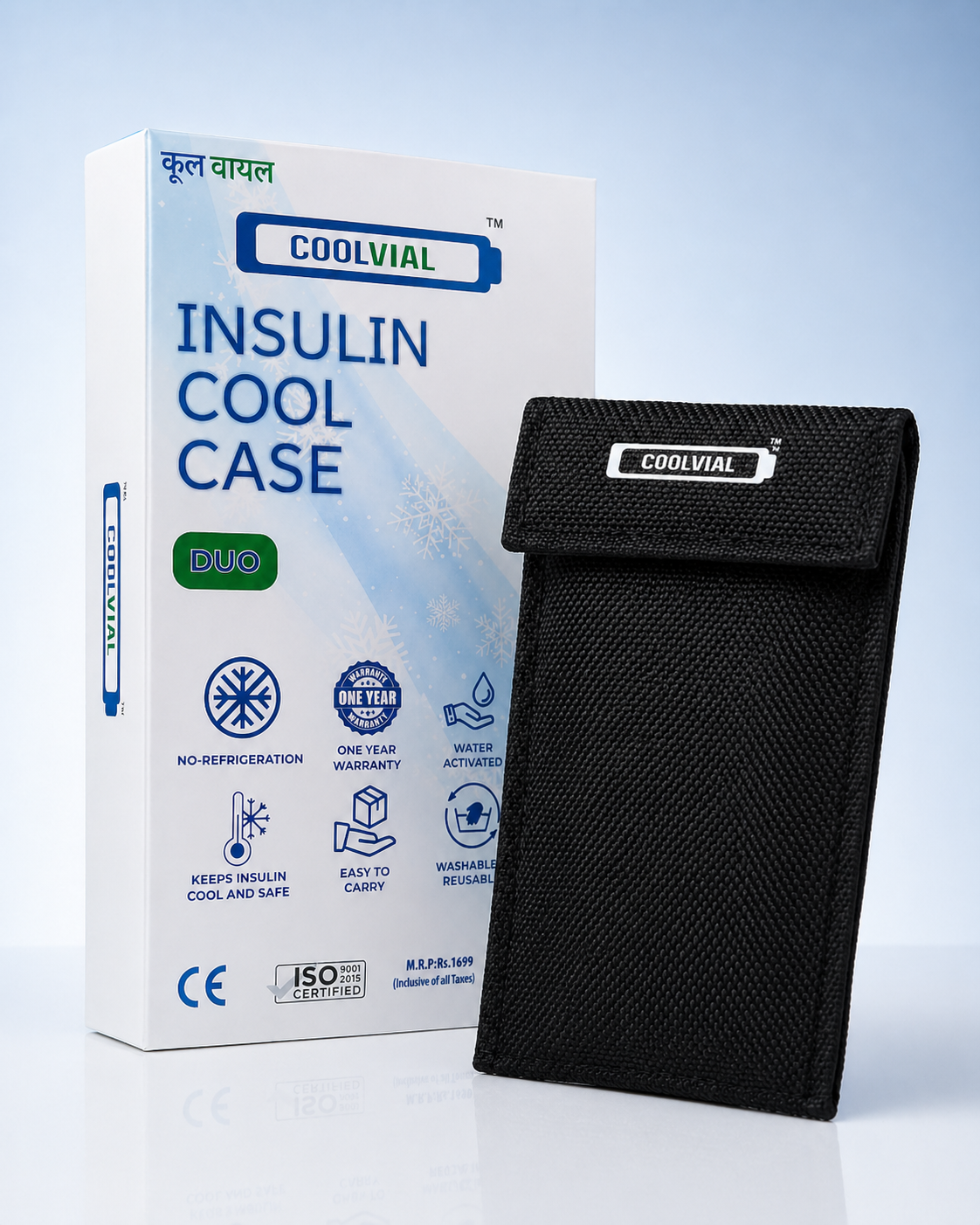
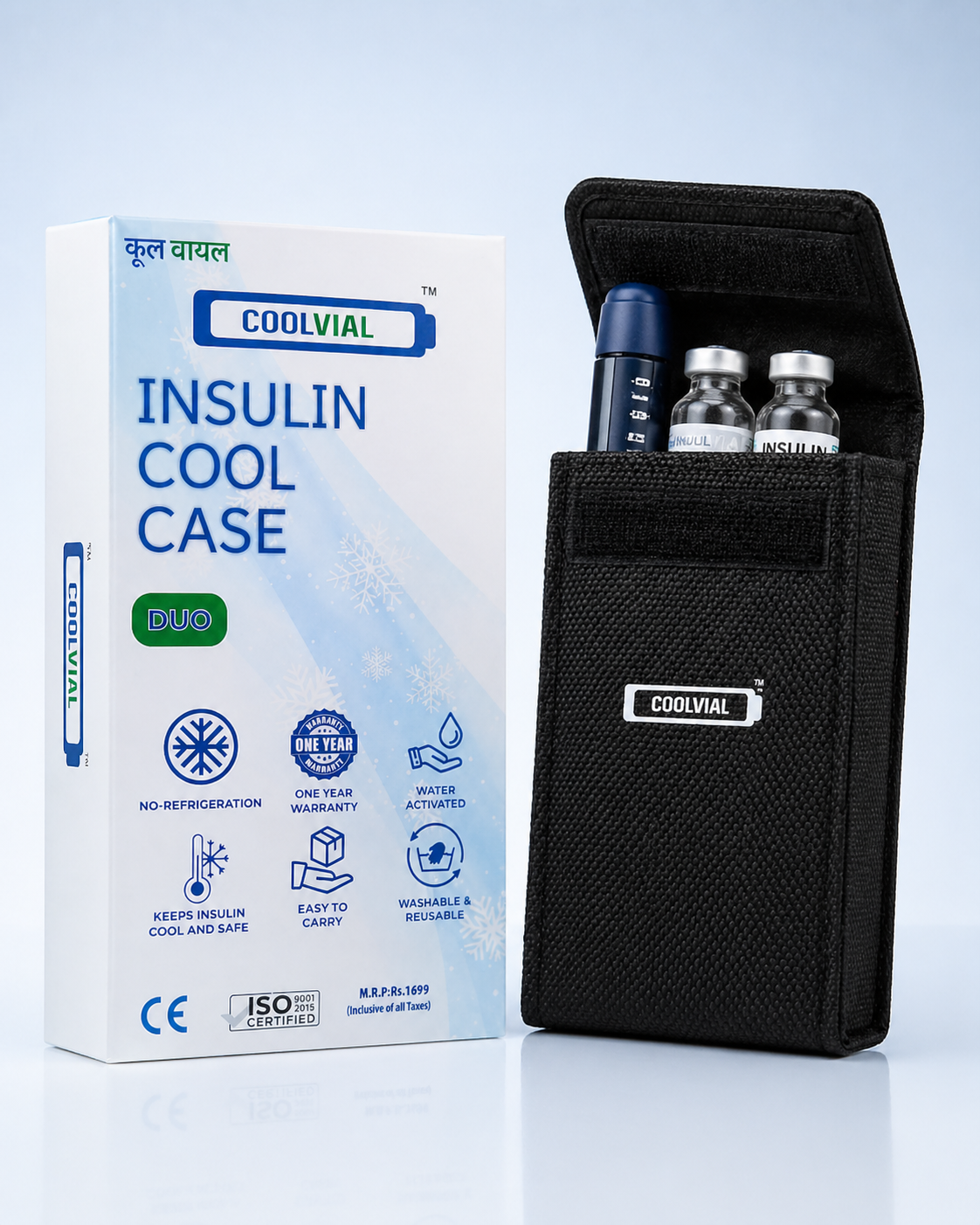
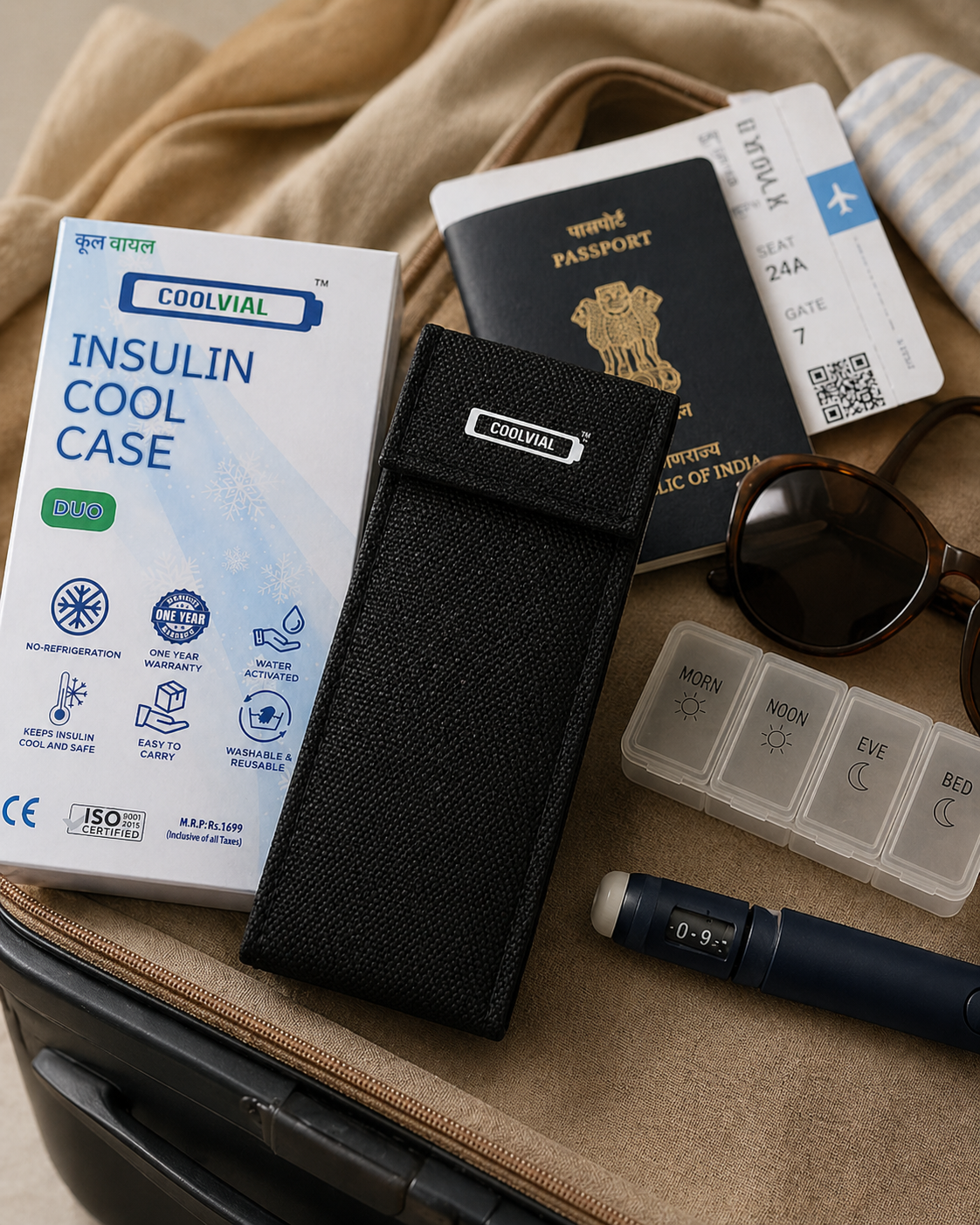
The COOLVIAL Duo is a water-activated evaporative cooling case that can hold 2 insulin pens and 1 insulin vial, making it versatile for most insulin regimens. It maintains insulin at a safe temperature (between 2°C and 25°C) for an impressive 12-16 hours without needing any electricity, batteries, or refrigeration. This extended cooling duration is critical for navigating long summer days, unexpected power cuts, or even a day out at Allen Forest Zoo or Phool Bagh.
Why COOLVIAL Duo is ideal for Kanpur:
- Reliable During Power Cuts: Its electricity-free operation means your insulin stays cool even when the lights go out, a common scenario in Kanpur.
- Effective in High Temperatures: Proven to work in ambient temperatures up to 38°C, making it perfectly suited for Kanpur’s extreme summer indoor heat.
- Portable and Discreet: Lightweight and compact, it fits easily into a bag, allowing you to carry your insulin safely wherever you go in Kanpur, be it to LLR Hospital or Z Square Mall.
- Certified Quality: The COOLVIAL Duo is CE certified and ISO 9001:2015 compliant, assuring you of its quality and safety standards. Plus, it comes with a 1-year warranty, providing peace of mind.
- Made in India: Built with local needs in mind, understanding the specific climate challenges and user requirements in cities like Kanpur.
How COOLVIAL Duo Compares:
While there are other cooling solutions available, COOLVIAL Duo strikes an excellent balance of performance and value. For instance, brands like FRIO offer similar evaporative cooling technology but often come at a higher price point (around Rs 1,900 for comparable capacity). On the other hand, some budget options like Outer Woods OW-12 (~Rs 999) might not always offer the same certification, warranty, or the specific capacity for both pens and vials that the COOLVIAL Duo provides.
At Rs 1,099 with code COOLHEAL (MRP Rs 1,699), the COOLVIAL Duo offers premium features and reliability at a competitive price, making it an accessible and smart investment for your health. To learn more about how it works and to see our range of products, visit our COOLVIAL insulin cool case page.
Why COOLVIAL Duo is Your Kanpur Summer Essential:
- Unaffected by Power Outages: Keeps insulin safe when your fridge fails.
- Maintains Optimal Temperature: Ensures insulin potency in temperatures up to 38°C.
- Convenient for Travel & Daily Use: Perfect for carrying insulin to work, school, or while visiting family.
- Cost-Effective: A one-time investment for long-term protection, especially compared to the cost of spoiled insulin.
The Complete 7-Step Guide: How to Store Insulin in Kanpur Summer Heat
COOLVIAL keeps insulin safe in India's heat. 48+ hours, no electricity needed.
Practical Tips for Daily Insulin Management in Kanpur
Beyond using a reliable cooling case, incorporating smart daily habits can significantly enhance the safety of your insulin in Kanpur’s heat. These tips are crucial for everyone, whether you’re a long-time resident of Swaroop Nagar or new to Kalyanpur.
Daily Habits for Safe Insulin Storage:
- Never Leave Insulin in a Parked Car: Car interiors can reach extreme temperatures (well over 50°C) very quickly, even on a moderately warm day. This is one of the fastest ways to degrade insulin. Always take your insulin with you or store it in your COOLVIAL Duo.
- Use a Cooler for Outings: If you’re heading out for a picnic at Phool Bagh or a day trip, always use a cooler with ice packs for other temperature-sensitive items, but ensure your insulin in its COOLVIAL Duo is protected from direct contact with ice to prevent freezing.
- Plan for Travel: Whether it’s a short trip across the city or a longer journey, always pack your insulin in a dedicated cooling case. Consider how long you’ll be away from a refrigerator and choose a cooling solution that matches that duration. You can find more comprehensive advice on our insulin storage tips page.
- Keep a Thermometer Handy: A small, inexpensive thermometer in your fridge can help you verify its temperature, especially after power fluctuations. For your cooling case, while not always necessary, being aware of ambient temperatures helps in understanding its performance.
- Educate Family and Friends: Ensure your immediate family members and close friends understand the importance of proper insulin storage, especially if they might need to handle your medication.
When to Seek Medical Advice in Kanpur
Even with the best storage practices, it’s vital to be aware of the signs that your insulin might have been compromised by heat exposure. Using degraded insulin can lead to uncontrolled blood sugar levels, which can be dangerous.
If you suspect your insulin has been exposed to extreme temperatures, or if you notice any changes in its appearance or your blood sugar control, it’s crucial to seek medical advice promptly.
Signs of Potentially Spoiled Insulin:
- Change in Appearance: Clear insulin becoming cloudy, clumpy, discolored, or showing particles. Cloudy insulin (like NPH) becoming clear or developing clumps.
- Reduced Effectiveness: Your blood glucose levels are consistently higher than usual, even though you are taking your insulin as prescribed and following your diet.
- Unusual Odor: A strange or strong odor coming from the insulin.
If you experience any of these signs, do not use that insulin. Contact your healthcare provider immediately. In Kanpur, you can consult endocrinologists or diabetologists at:
- LLR Hospital/GSVM Medical College
- Regency Hospital (Sarvodaya Nagar)
- Madhuraj Hospital (Civil Lines)
These hospitals have specialists who can assess your situation and provide guidance on replacing your insulin and adjusting your treatment plan if necessary. Remember, your health is paramount, and it’s always better to be safe than sorry when it comes to insulin potency.
Frequently Asked Questions (FAQ)
Q: Can I store insulin in the fridge during Kanpur power cuts? A: During Kanpur power cuts, a fridge can maintain a safe temperature (below 8°C) for only a few hours. For prolonged outages, relying solely on the fridge is risky, and a non-electric cooling case like COOLVIAL Duo is recommended to keep insulin safe.
Q: Is evaporative cooling effective during Kanpur monsoon? A: Evaporative cooling remains effective during Kanpur’s monsoon, though very high humidity might slightly reduce its cooling duration. It still provides a significantly cooler environment than ambient air, keeping insulin below 25°C, which is crucial for in-use pens and vials.
Q: What if my insulin gets too hot in Kanpur summer? A: If your insulin gets too hot (above 25°C for in-use, or 8°C for unopened refrigerated insulin), it may degrade and lose potency. You might notice changes in its appearance or experience higher blood sugar levels. It is best to discard it and use fresh, properly stored insulin after consulting your doctor.
Q: Can I use tap water to activate my cooling case in Kanpur? A: Kanpur’s tap water can be hard and contain minerals. Using bottled or RO water to activate your cooling case is recommended to prevent mineral buildup, which can reduce the case’s efficiency over time and ensure optimal performance.
Q: How long can COOLVIAL Duo keep my insulin cool in Kanpur’s 40°C heat? A: The COOLVIAL Duo is designed to keep insulin cool (between 2°C and 25°C) for 12-16 hours, even when ambient temperatures reach up to 38°C. This makes it highly effective for protecting insulin during Kanpur’s scorching summer days.
Q: Where can I buy a COOLVIAL Duo in Kanpur? A: You can conveniently order the COOLVIAL Duo directly from coolvial.com or via WhatsApp. While not available at local pharmacies like Apollo Pharmacy or MedPlus, online ordering ensures direct delivery to your doorstep in Kanpur.
Q: How can I tell if my insulin has gone bad from heat exposure? A: Signs of spoiled insulin include changes in appearance (cloudiness, clumps, discoloration for clear insulin), a strange odor, or consistently high blood sugar levels despite proper dosing. If you observe these, discard the insulin and consult your doctor.
Conclusion
Managing insulin in Kanpur’s extreme summer heat demands vigilance and the right tools. From the sweltering indoor temperatures of 33-38°C in non-AC homes to the frequent power cuts that destabilize refrigerators, every diabetic in Kanpur faces unique challenges in keeping their life-saving medication potent. This guide has provided a complete 7-step framework, emphasizing the critical temperature ranges, the effectiveness of evaporative cooling even in monsoon humidity, and the importance of using purified water for your cooling cases.
By understanding the local climate realities and adopting smart storage solutions, you can protect your insulin and maintain optimal diabetes control. Whether you reside in Civil Lines or Govind Nagar, a reliable, non-electric cooling solution is an indispensable asset.
Make the smart choice for your health and peace of mind. Order the COOLVIAL Duo at Rs 1,099 with code COOLHEAL today and navigate Kanpur’s summer with confidence. Visit coolvial.com or connect with us via WhatsApp at wa.me/918766952300.
Medical Disclaimer
This article is for general information purposes only and should not be considered medical advice. Always consult your endocrinologist or diabetologist before changing insulin storage or dosing practices.
How We Researched This
This article is based on a thorough review of established guidelines for insulin storage, including recommendations from the Research Society for the Study of Diabetes in India (RSSDI) and data from the Indian Council of Medical Research–India Diabetes (ICMR-INDIAB) study (Source: https://icmr.gov.in/guidelines_diabetes.html). We also referenced local Kanpur hospital directories (LLR Hospital/GSVM Medical College, Regency Hospital, Madhuraj Hospital) and the network presence of prominent pharmacies (Apollo Pharmacy, MedPlus) to provide context and specific local advice relevant to Kanpur residents. Local climate data and common residential conditions were also factored in for accurate local specificity.
The Complete 7-Step Guide: How to Store Insulin in Kanpur Summer Heat
Insulin at 2-8°C for 48+ hours. Trusted by 10,000+ Indian diabetics.