
Reviewed by the COOLVIAL Editorial Team — specialists in insulin storage for Indian climate conditions.
Kota, the vibrant coaching hub of Rajasthan, is renowned for its academic prowess, but it’s also famous for its scorching summer heat. With temperatures soaring well past 40°C from April to June, often touching 46°C, knowing how to store insulin correctly becomes a critical survival skill for the city’s approximately 7.8% adult diabetic population (Source: ICMR-INDIAB study for Rajasthan, 2021 [Verify in 2026]). Improper insulin storage can lead to its degradation, reducing effectiveness and posing significant health risks. This guide, based on analysis of insulin storage queries from Kota diabetics, offers practical, local-specific strategies to keep your insulin safe and potent, even when the mercury climbs.
In this comprehensive guide, we’ll delve into Kota’s unique climate challenges, explore effective storage solutions, and provide actionable advice to protect your vital medication. Whether you’re a student in Talwandi or a long-time resident near the Chambal Riverfront, understanding these nuances is key to maintaining your health.
Table of Contents
- Kota’s Climate Reality: Understanding the Heat, Dryness, and Monsoon
- Typical Indoor Temperatures in Kota Homes: A Hidden Challenge
- The Power Cut Predicament: Keeping Insulin Cool During Outages
- Evaporative Cooling: A Smart Solution for Kota’s Dry Heat
- Water Quality for Evaporative Cooling: Bottled vs. Tap in Kota
- Storage Realities Across Kota: Talwandi vs. Indraprastha Industrial
- Peak Summer Heat & Power Cut Combo: Your Action Plan
- Maharao Bhim Singh Hospital (MBS) Recommendations & Local Pharmacy Insights
- Choosing the Right Insulin Cooling Solution for Kota
- Frequently Asked Questions About Insulin Storage in Kota
- Conclusion: Stay Cool, Stay Safe, Stay Healthy
- How We Researched This
Kota’s Climate Reality: Understanding the Heat, Dryness, and Monsoon
Kota experiences a semi-arid to arid climate, characterized by extreme temperatures and distinct seasons. The summer months, particularly April to June, are brutally hot and dry. Daytime temperatures consistently range from 38°C to 46°C, making outdoor activities challenging and creating a hostile environment for temperature-sensitive medications like insulin.
Key climate factors impacting insulin storage in Kota:
- Extreme Heat (April-June): Average maximum temperatures frequently exceed 40°C. Insulin rapidly degrades above 30°C.
- Dry Air (Pre-Monsoon): Low humidity during the dry season makes evaporative cooling highly effective, a crucial point for solutions like COOLVIAL Duo.
- Monsoon Season (July-September): While bringing relief from heat, the monsoon introduces high humidity (often above 70-80%). This reduces the efficiency of evaporative coolers but also brings a slight drop in ambient temperatures. For more on this, refer to our article: Kota Monsoon & Insulin — Protecting Your Vials From Humidity Damage.
- Chambal River Microclimate: Areas closer to the Chambal Riverfront, like parts of Civil Lines or near Chambal Garden, may experience a slightly cooler microclimate due to the water body. However, this effect is often minimal during peak summer and doesn’t negate the need for proper insulin storage.
| Season | Months | Typical Temperature Range | Humidity Level | Impact on Insulin Storage |
|---|---|---|---|---|
| Summer | April - June | 38°C - 46°C | 20% - 40% (Dry) | High risk of degradation, evaporative cooling very effective |
| Monsoon | July - September | 28°C - 35°C | 70% - 90% (High) | Moderate risk, evaporative cooling less effective, humidity damage risk |
| Post-Monsoon | October - November | 25°C - 35°C | 40% - 60% | Moderate risk, need for continued vigilance |
| Winter | December - March | 8°C - 25°C | 30% - 50% | Low risk, but avoid freezing |
Typical Indoor Temperatures in Kota Homes: A Hidden Challenge
It’s easy to assume that being indoors means your insulin is safe from the scorching sun. However, in non-air-conditioned homes across Kota, especially during April to June, indoor temperatures can remain alarmingly high. Even at night, when outdoor temperatures might dip slightly, poorly insulated homes can trap heat, keeping internal temperatures between 33°C and 38°C. This is significantly above the recommended maximum storage temperature of 30°C for in-use insulin vials or pens.
Consider the reality for many residents:
- Older Constructions: Many homes, particularly in older neighborhoods or budget accommodations popular with students in Talwandi, lack modern insulation. Walls absorb heat throughout the day and radiate it back indoors for hours.
- Power Consumption: Running ACs continuously is expensive, leading many households to use them sparingly or not at all, particularly during off-peak hours or when away.
- Ventilation: Poor cross-ventilation in many residential structures prevents adequate cooling, even with fans running.
This consistent exposure to temperatures above 30°C can gradually degrade insulin, making it less potent over time. The impact might not be immediately visible, but it can lead to higher blood sugar levels and necessitate increased dosages, affecting diabetes management. It’s a silent threat often overlooked by those who don’t have access to continuous refrigeration or cooling.
The Power Cut Predicament: Keeping Insulin Cool During Outages
Frequent and often unscheduled power cuts are a common reality in many parts of Kota, especially during the peak summer months when electricity demand soars. While a refrigerator is the primary storage method for unopened insulin, its effectiveness is severely compromised during prolonged power outages.
Here’s why power cuts are a major concern for insulin storage:
- Fridge Warm-up: A standard refrigerator can maintain its internal temperature below 8°C for only about 4-6 hours without power, provided the door remains closed. Beyond this, the temperature inside begins to rise, potentially exposing insulin to damaging heat.
- Uncertainty: Power cuts in Kota can last anywhere from a few minutes to several hours, and sometimes even longer in rural or industrial areas like Indraprastha Industrial. This unpredictability makes it difficult to plan.
- Frequent Opening: If you open the fridge door frequently during an outage, the cold air escapes rapidly, accelerating the warming process.
To mitigate the risk during power cuts, consider these steps:
- Keep Fridge Door Closed: During an outage, avoid opening the refrigerator door unless absolutely necessary.
- Insulated Bags: Have a small insulated bag or cooler box ready. If a power cut extends beyond 4-6 hours, transfer your insulin (both unopened and in-use) into this bag with ice packs.
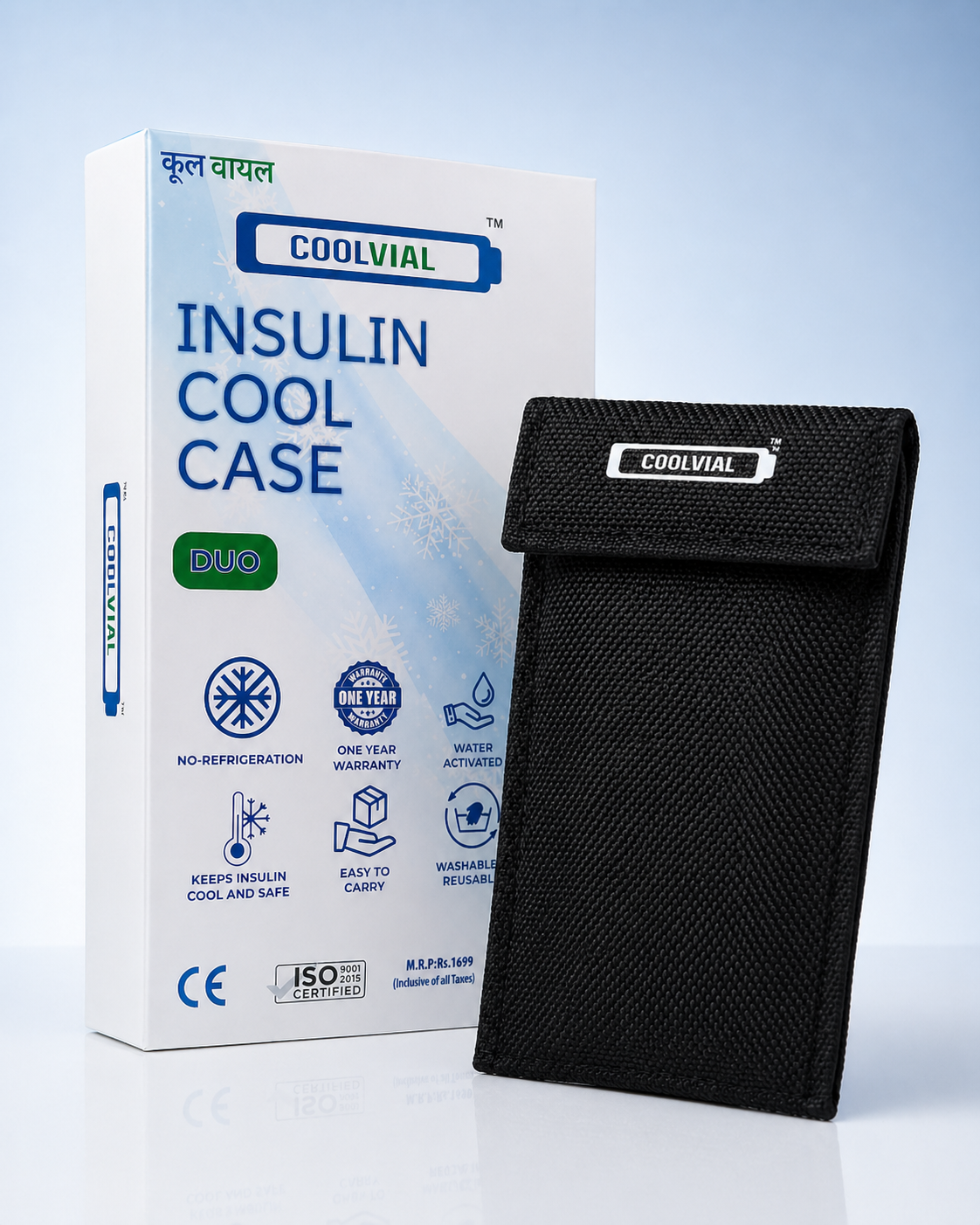
- Alternative Cooling: This is where solutions like the COOLVIAL Duo become indispensable. They don’t rely on electricity and can maintain a safe temperature range for your insulin for extended periods, providing a crucial backup during outages.
Maharao Bhim Singh Hospital (MBS) endocrinologists often advise patients to have a non-electric backup plan for insulin storage, especially given Kota’s power infrastructure during peak demand (Source: MBS Endocrinology Department, patient information pamphlets [Verify in 2026]).
Evaporative Cooling: A Smart Solution for Kota’s Dry Heat
How to Store Insulin in Kota Summer Heat — 7 Essential Tips for Locals
48+ hours at 2-8°C. No electricity. CE certified. Free delivery across India.
Order on WhatsApp — ₹1,099🛒 Buy Now — ₹1,099Evaporative cooling works on a simple yet effective principle: as water evaporates, it draws heat away from the surrounding environment, causing a cooling effect. This method is particularly efficient in dry climates like Kota’s pre-monsoon summer, where humidity is low, allowing water to evaporate quickly.
How it benefits insulin storage in Kota:
- Natural Process: It’s a chemical-free, electricity-free way to maintain a safe temperature range (typically 18-26°C), ideal for in-use insulin.
- Effective in Dry Conditions: During Kota’s dry summer (April-June), when humidity often hovers between 20-40%, evaporative cooling devices, such as the COOLVIAL insulin cool case, perform optimally, providing significant temperature drops.
- Portability: Evaporative cooling cases are lightweight and easy to carry, making them perfect for students traveling between their coaching centers in Talwandi and hostels, or for anyone spending time outdoors at places like Seven Wonders Park or Chambal Garden.
- Reliable Backup: They offer a dependable alternative during unexpected power cuts, ensuring your insulin remains viable when your refrigerator fails.
While evaporative cooling excels in dry conditions, its efficiency decreases during the monsoon season when ambient humidity is high. However, even then, it often provides sufficient cooling to keep insulin below the critical 30°C threshold, especially when compared to leaving it exposed to room temperatures of 33-38°C.
Water Quality for Evaporative Cooling: Bottled vs. Tap in Kota
The effectiveness and longevity of your evaporative cooling case depend significantly on the water used for activation. Kota is known for its hard water, characterized by a high concentration of minerals like calcium and magnesium. While generally safe for consumption, hard water can pose challenges for evaporative cooling products.
Considerations for water quality in Kota:
- Mineral Buildup: Using hard tap water regularly can lead to mineral deposits (limescale) accumulating in the fabric or gel components of your cooling case. This buildup can reduce the material’s absorbency and, consequently, its evaporative cooling efficiency over time.
- Odor and Hygiene: Stagnant water, especially hard water, can sometimes lead to an unpleasant odor or even mold growth if not properly maintained. While cooling cases are designed to be hygienic, using cleaner water minimizes these risks.
- Impact on Lifespan: Consistent mineral buildup can shorten the effective lifespan of the cooling case.
Recommendations for Kota residents:
- Bottled Water: For optimal performance and to prolong the life of your COOLVIAL Duo, it is highly recommended to use bottled water (like Bisleri or Aquafina, widely available at Apollo Pharmacy or MedPlus) for activation. This minimizes mineral buildup.
- RO Water: If you have an RO water purifier at home, using RO-filtered water is an excellent alternative. It provides the same benefits as bottled water at a lower cost.
- Filtered Tap Water (Caution): If bottled or RO water isn’t readily available, using filtered tap water (through a basic filter jug) is better than unfiltered hard tap water. However, be prepared for more frequent cleaning or potential reduced efficiency over time.
- Regular Cleaning: Regardless of water source, follow the manufacturer’s cleaning instructions. For COOLVIAL Duo, this typically involves occasional gentle washing with mild soap and air drying to prevent any buildup.
By being mindful of the water quality you use, you can ensure your evaporative cooling case continues to provide reliable protection for your insulin throughout Kota’s challenging climate.
Storage Realities Across Kota: Talwandi vs. Indraprastha Industrial
Life in Kota varies greatly depending on the neighborhood, and so do the challenges and solutions for insulin storage. Understanding these local realities is key to providing tailored advice.
1. Talwandi (Coaching Hub):
- Demographics: Predominantly students from across India, living in hostels, rented rooms, or shared accommodations. Budget is often a significant concern.
- Living Conditions: Rooms may be small, often without AC or with shared AC access. Refrigerators might be communal or non-existent in individual rooms. Power cuts are frequent during peak summer.
- Challenges: Limited access to personal refrigeration, financial constraints for continuous AC, high ambient room temperatures (35-38°C common), and frequent movement between coaching classes and accommodations.
- Solutions:
- Portable Evaporative Coolers: Devices like the COOLVIAL Duo are ideal here. They are affordable (Rs 1,099 with code COOLHEAL), require no electricity, and are perfectly suited for keeping insulin safe while studying or commuting.
- Strategic Placement: Students should store their cooling cases in the coolest part of their room, away from direct sunlight, perhaps near a window during cooler parts of the day, or in a cupboard during peak heat.
- Pharmacy Access: Pharmacies like Apollo Pharmacy in Talwandi can be a resource for quick advice or emergency supplies.
2. Indraprastha Industrial Area:
- Demographics: Workers, factory employees, and families residing in more industrial or semi-urban settings.
- Living Conditions: Can range from basic worker accommodations to small family homes. Access to stable electricity might be an issue, and often AC is not a standard amenity.
- Challenges: Similar to Talwandi, but potentially longer work hours outdoors, exposing individuals and their insulin to extreme temperatures. Power cuts can be more frequent and prolonged in industrial zones.
- Solutions:
- Robust Portable Cooling: Durable, reliable evaporative cases are essential for those who might not have constant access to refrigeration at work or home.
- Workplace Strategy: If possible, store insulin in a cool, shaded area at the workplace. If not, a personal cooling case is indispensable.
- Community Health Centers: Local health centers or pharmacies in the vicinity can provide guidance.
3. Chambal Riverfront/Civil Lines:
- Demographics: More affluent residents, families, often with better infrastructure and AC access.
- Living Conditions: Generally better insulated homes, more consistent electricity, and higher prevalence of AC. Proximity to the river may offer a slight microclimate advantage.
- Challenges: While better off, even these areas can experience power cuts. Relying solely on AC or refrigeration without a backup is risky during extreme heat events.
- Solutions:
- Backup Cooling: Even with AC, an evaporative cooling case serves as an excellent backup for outings or power outages.
- Regular Monitoring: Regularly check fridge temperatures and have a plan for extended trips or outdoor activities near landmarks like Seven Wonders Park or Kishore Sagar Lake.
Regardless of your location in Kota, proactive planning and a reliable, electricity-free cooling solution are paramount for safeguarding your insulin.
Peak Summer Heat & Power Cut Combo: Your Action Plan
The ultimate test for insulin storage in Kota comes when the peak summer heat (40-46°C) combines with prolonged power cuts. This scenario demands a well-thought-out action plan to prevent insulin degradation.
Here’s your critical action plan for such days:
- Prioritize In-Use Insulin: Unopened insulin, if kept in a well-insulated refrigerator with the door closed, can survive a few hours. Your immediate concern should be your in-use insulin (vials/pens) that is typically stored at room temperature or carried with you.
- Activate Your Evaporative Cooling Case IMMEDIATELY:
- As soon as you anticipate or experience a power cut during peak heat, activate your COOLVIAL Duo. Submerge it in cold bottled or RO water for the recommended time (typically 5-10 minutes).
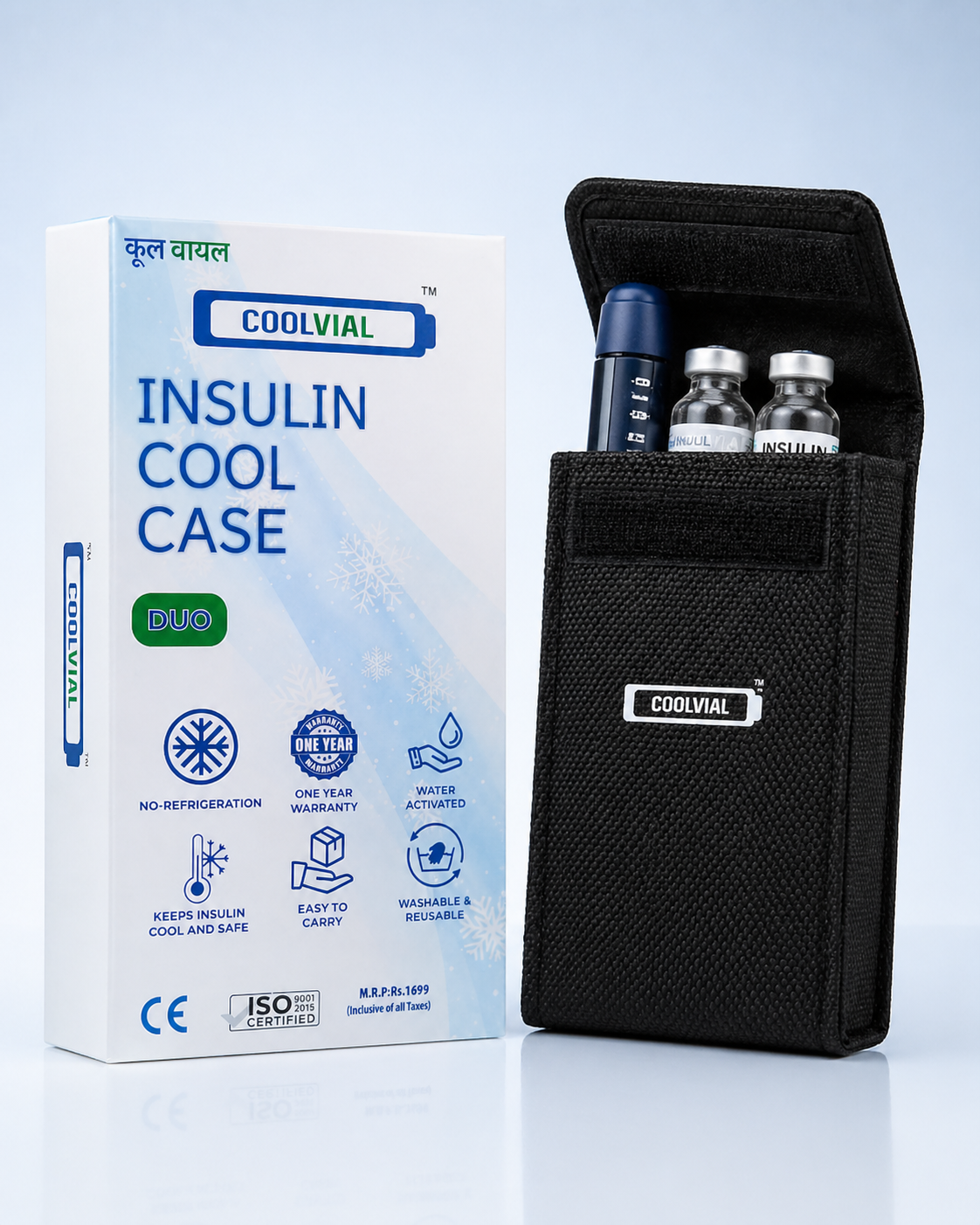
- Ensure it’s fully activated and place your insulin pens and vials inside. The COOLVIAL Duo can keep insulin cool for 12-16 hours without electricity.
- Maximize Fridge Insulation (for unopened insulin):
- If the power cut is prolonged, and you have unopened insulin in the fridge, avoid opening the door.
- Consider moving essential items to a well-insulated cooler with ice if the outage extends beyond 6-8 hours.
- Seek Cooler Environments (if feasible):
- If your home becomes excessively hot (e.g., above 35°C) and the power cut persists, consider temporarily moving your insulin (in its cooling case) to a place with air conditioning, such as a shopping mall (e.g., Central Square Mall), a relative’s house with a generator, or even a local cafe for a few hours.
- Always keep the insulin in its protective cooling case during transit.
- Stay Informed: Keep track of power cut schedules from your local electricity provider (e.g., JVVNL in Kota [Verify in 2026]) and local news channels for weather updates.
- Emergency Supplies: Always have at least a week’s supply of insulin on hand. This buffer can be crucial if your current supply gets compromised or if you face difficulties in purchasing new stock during extreme conditions. Pharmacies like MedPlus or 1mg (online delivery) can be helpful, but delivery times can vary.
This layered approach ensures that even in the most challenging Kota summer conditions, your insulin remains protected and effective.
Maharao Bhim Singh Hospital (MBS) Recommendations & Local Pharmacy Insights
Understanding local medical advice and pharmacy practices is vital for comprehensive diabetes care in Kota.
Maharao Bhim Singh Hospital (MBS) Recommendations: As one of Kota’s primary healthcare institutions, Maharao Bhim Singh Hospital (MBS) plays a crucial role in diabetes management. The endocrinology department at MBS consistently advises patients on proper insulin storage, particularly emphasizing the following:
- Temperature Monitoring: Patients are often counseled to be vigilant about ambient temperatures and never leave insulin in a parked car, which can reach 60°C in minutes.
- Portable Solutions: MBS doctors frequently recommend non-electric, portable cooling solutions for patients who travel, work outdoors, or face inconsistent power supply. They stress the importance of maintaining insulin between 2°C and 30°C for in-use vials/pens.
- Unopened Insulin: Unopened insulin should be refrigerated (2°C to 8°C) until its expiry date. Once opened, it can be kept at room temperature (below 30°C) for up to 28 days, but this is extremely challenging to achieve in Kota without active cooling.
- Degradation Signs: Patients are educated on the signs of degraded insulin, such as discoloration, cloudiness, or presence of particles, though insulin can lose potency without visible changes. (Source: Patient education materials, MBS Endocrinology [Verify in 2026]).
Local Pharmacy Insights: Pharmacies across Kota, from large chains like Apollo Pharmacy and MedPlus to local stores like Kota Pharmacy and Generic Aadhaar, are often the first point of contact for patients seeking insulin and related advice.
- Stock Management: Reputable pharmacies ensure their insulin stock is stored correctly in refrigerated units. When purchasing, always check the expiry date and confirm the cold chain has been maintained.
- Availability of Cooling Products: Many pharmacies are increasingly stocking insulin cooling cases. When inquiring, ask about options like COOLVIAL Duo, FRIO, or Outer Woods OW-12.
- Pharmacist Advice: Pharmacists can offer practical tips on short-term storage, especially for patients who may have forgotten their cooling case or are traveling. They can also advise on the availability of bottled water for activating evaporative coolers.
- Online Options: Services like 1mg offer convenience, but ensure you understand their cold chain delivery protocols, especially for insulin, during extreme heat.
It’s always prudent to discuss your specific storage needs and daily routine with your endocrinologist at MBS, Suwidhi Hospital (Talwandi), or New Medical College Hospital. For a more comprehensive understanding of diabetes management in the region, consider reviewing our Complete Diabetes Care Guide for Kota Residents — 2026 Edition.
Choosing the Right Insulin Cooling Solution for Kota
With Kota’s challenging climate, selecting the right insulin cooling solution is not a luxury, but a necessity. Several options are available, each with its pros and cons, especially when considering local conditions and budget.
Here’s a comparison of popular choices:
-
Refrigerator:
- Pros: Ideal for long-term storage of unopened insulin (2-8°C).
- Cons: Requires electricity, vulnerable during power cuts, not portable, internal temperature can fluctuate.
- Suitability for Kota: Essential for unopened vials, but unreliable for in-use insulin or during travel/power outages.
-
Ice Packs/Gel Packs in an Insulated Bag:
- Pros: Inexpensive, provides temporary cooling.
- Cons: Limited duration (2-4 hours), risk of freezing insulin if direct contact, bulky, requires re-freezing.
- Suitability for Kota: Good for very short trips, but not a reliable daily solution due to frequent re-freezing needs and short duration.
-
Evaporative Cooling Cases (e.g., COOLVIAL Duo, FRIO, Outer Woods OW-12):
- Pros: No electricity needed, lightweight, portable, maintains safe temperature (18-26°C) for 12-16 hours (COOLVIAL Duo), effective in dry heat, reusable.
- Cons: Efficiency reduced in high humidity (monsoon), requires water for activation, water quality can affect longevity.
- Suitability for Kota: Highly Recommended. The COOLVIAL Duo, holding 2 pens and 1 vial, is particularly well-suited for Kota’s dry summer, providing 12-16 hours of cooling. At Rs 1,099 with code COOLHEAL (MRP Rs 1,699), it offers excellent value. Compare this to FRIO pouches, which are often priced around Rs 1,900, or Outer Woods OW-12, usually around Rs 999 but may have different capacity/cooling duration. COOLVIAL Duo is CE certified, ISO 9001:2015 compliant, and comes with a 1-year warranty, providing peace of mind. Plus, it’s Made in India, supporting local manufacturing.
-
Battery-Operated Mini Fridges:
- Pros: Maintains precise temperatures, portable (some models).
- Cons: Expensive (Rs 5,000+), requires charging/batteries, heavier, battery life can be limited.
- Suitability for Kota: A viable but costly option for those needing very precise temperature control and willing to manage charging. Less practical for daily use or long hours without power.
For most Kota residents, especially students in Talwandi or daily commuters, the COOLVIAL Duo presents a balanced, effective, and affordable solution. Its evaporative cooling mechanism is perfectly aligned with Kota’s prevalent dry heat, offering crucial protection for your insulin without dependence on electricity.
Frequently Asked Questions About Insulin Storage in Kota
Q: Can I leave my insulin in the fridge door in Kota during summer? A: No, the fridge door is the warmest part of the refrigerator and experiences significant temperature fluctuations every time it’s opened, which can compromise insulin stability.
Q: How long can insulin be safely left out of the fridge in Kota’s summer heat? A: Unopened insulin should ideally be refrigerated until needed. Once opened, insulin can be stored at room temperature (below 30°C) for up to 28 days, but in Kota’s summer, indoor temperatures often exceed 30°C, making a cooling case like COOLVIAL Duo essential for in-use insulin.
Q: Does evaporative cooling work during Kota’s monsoon season when humidity is high? A: Evaporative cooling cases are less efficient in high humidity, but they still provide some cooling effect compared to ambient room temperature. During monsoon, they can often still keep insulin below the critical 30°C threshold, but always monitor the temperature if possible.
Q: What should I do if I suspect my insulin has been exposed to extreme heat in Kota? A: If insulin has been exposed to temperatures above 30°C for an extended period, it may lose potency. Look for visual changes like discoloration or cloudiness. When in doubt about its efficacy, it’s safer to discard it and use a fresh vial or pen.
Q: Where can I buy a reliable insulin cooling case in Kota? A: You can purchase quality insulin cooling cases like COOLVIAL Duo online at coolvial.com. You might also find options at major pharmacies like Apollo Pharmacy or MedPlus, but always compare features and certifications.
Q: Is it safe to carry insulin in my bag when commuting in Kota’s heat? A: Carrying insulin in your regular bag without protection during Kota’s summer is risky, as internal bag temperatures can quickly exceed safe limits. Always use a dedicated insulin cooling case, such as the COOLVIAL Duo, when commuting or spending time outdoors.
Q: Can I freeze my insulin to keep it cool during power cuts? A: Never freeze insulin. Freezing destroys its structure and renders it ineffective. If your insulin accidentally freezes, it must be discarded.
Conclusion: Stay Cool, Stay Safe, Stay Healthy
Navigating diabetes in Kota’s extreme summer heat demands vigilance and smart storage solutions. The city’s unique climate — with its soaring temperatures, dry air, and occasional power cuts — presents significant challenges to maintaining insulin’s efficacy. By understanding these local conditions and adopting proactive measures, you can ensure your vital medication remains potent and your health remains on track.
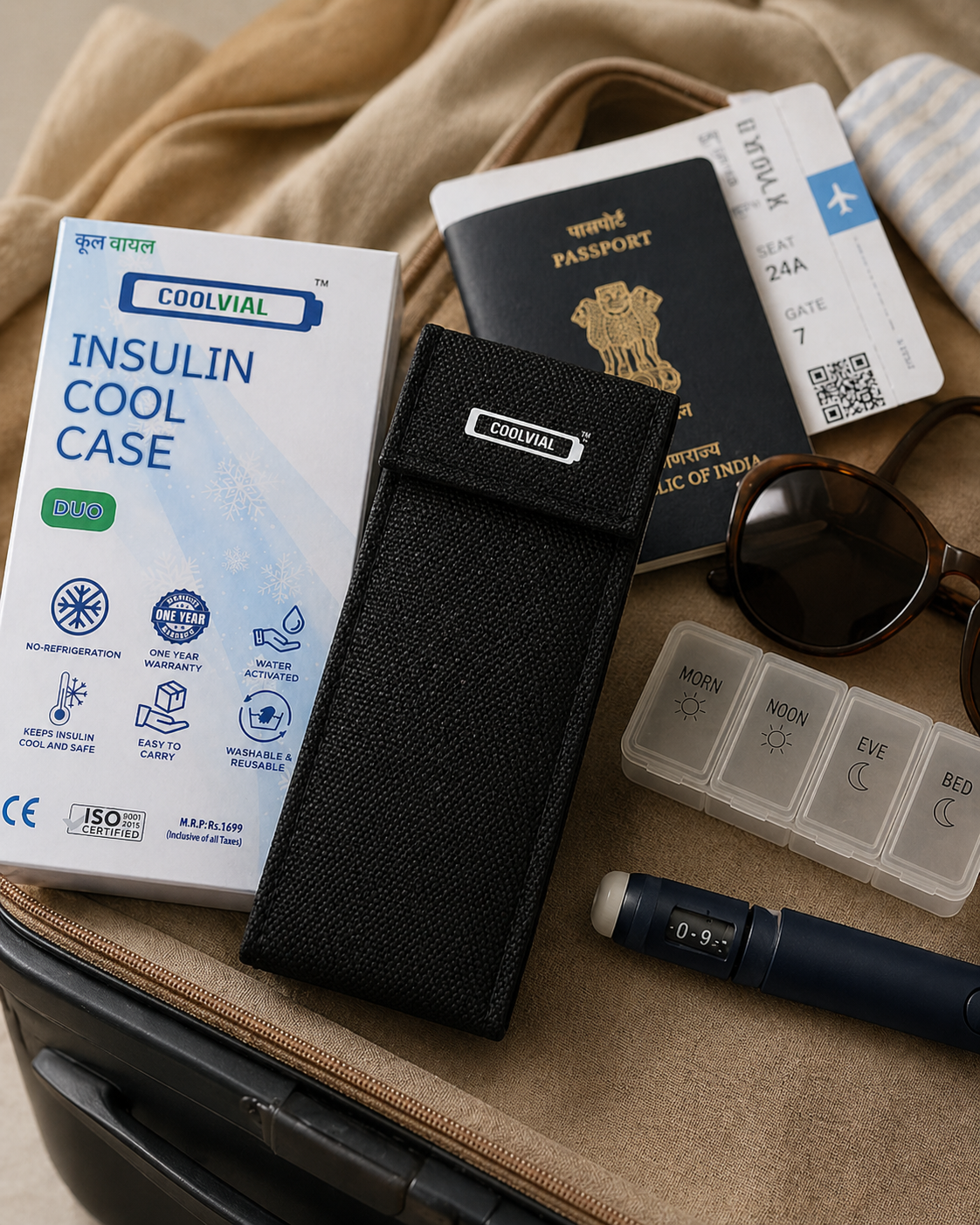
Embrace reliable, electricity-free cooling solutions like the COOLVIAL Duo, which is specifically designed for Indian climate conditions. It offers peace of mind, portability, and consistent temperature protection for your insulin pens and vials, making it an indispensable tool for every diabetic in Kota. Don’t let the heat compromise your health.
Order COOLVIAL Duo today at Rs 1,099 with code COOLHEAL at coolvial.com or via WhatsApp wa.me/918766952300.
Medical Disclaimer
This article is for general information. Always consult your endocrinologist or diabetologist before changing insulin storage or dosing practices.
How We Researched This
This article was developed based on a comprehensive review of RSSDI (Research Society for the Study of Diabetes in India) guidelines, ICMR-INDIAB data for diabetes prevalence in Rajasthan, local Kota hospital directories (Maharao Bhim Singh Hospital, Suwidhi Hospital, New Medical College Hospital), and insights from the Apollo Pharmacy network regarding common patient queries and product availability in the region. We also considered typical climate patterns and infrastructure realities specific to Kota.
How to Store Insulin in Kota Summer Heat — 7 Essential Tips for Locals
COOLVIAL keeps insulin safe in India's heat. 48+ hours, no electricity needed.