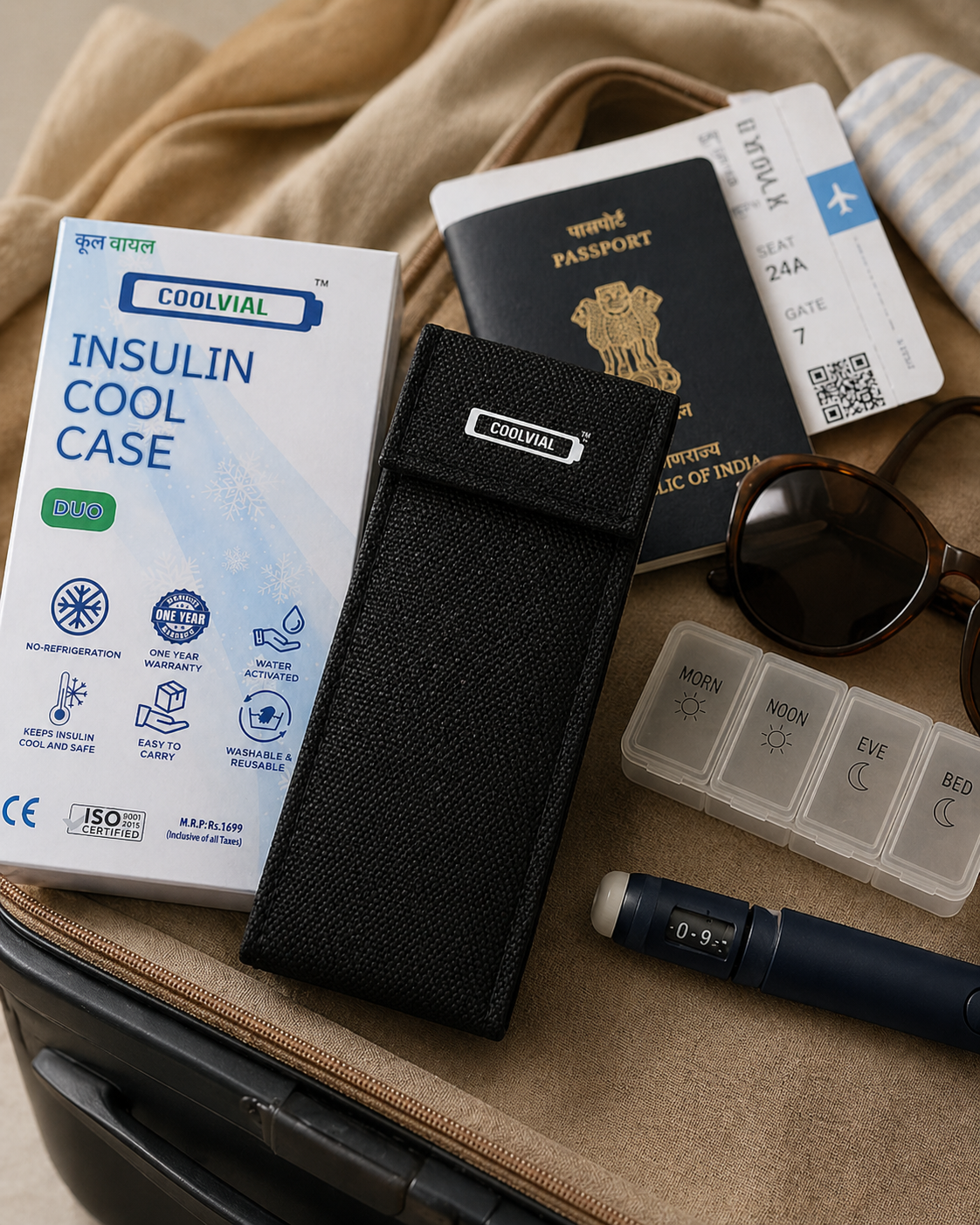
Reviewed by the COOLVIAL Editorial Team — specialists in insulin storage for Indian climate conditions.
The vibrant city of Hyderabad, with its iconic Charminar and bustling HITEC City, transforms dramatically during the Southwest monsoon season, which typically runs from June to September. While the rains bring much-needed respite from the scorching summer heat, they also usher in a period of high humidity and potential waterlogging, posing unique challenges for individuals managing diabetes. Protecting your insulin during the Hyderabad monsoon is not just about keeping it cool; it’s crucially about shielding it from pervasive moisture and maintaining its efficacy. Based on analysis of insulin storage queries from Hyderabad diabetics, we know that humidity can be as detrimental as heat, compromising insulin stability and leading to potential health risks. In fact, relative humidity in Hyderabad can often soar above 85% during peak monsoon, creating an environment ripe for medication damage.
This article outlines 7 essential strategies that every diabetic in Hyderabad should adopt to safeguard their insulin pens and vials from humidity damage, mould, and other monsoon-related risks.
Table of Contents
- Hyderabad’s Monsoon — More Than Just Rain
- The Silent Threat: Humidity Damage to Insulin
- Navigating Waterlogging & Flooding in Hyderabad
- Ensuring Insulin Supply Amidst Transport Disruptions
- Fridge-Air Contamination Risks During Monsoon
- Practical Solutions for Monsoon Insulin Protection
- Your Essential Hyderabad Monsoon-Prep Checklist for Diabetics
- Frequently Asked Questions (FAQs)
- Conclusion and Call to Action
- How We Researched This
- Medical Disclaimer
Hyderabad’s Monsoon — More Than Just Rain
Hyderabad experiences a hot climate for much of the year, with summers soaring to 24-40°C and mild winters ranging from 14-28°C. However, the Southwest monsoon, from June to September, brings a moderate average rainfall of around 800mm annually (Source: Telangana State Development Planning Society, [Verify in 2026]). While this helps cool the city, it also significantly elevates the ambient humidity, often reaching uncomfortable and damaging levels for sensitive medications like insulin. This high humidity, combined with intermittent power cuts and potential waterlogging, creates a complex environment for insulin storage.
Key characteristics of Hyderabad’s monsoon:
- Duration: Typically from early June to late September.
- Rainfall: Moderate, averaging around 800mm annually.
- Temperature: Remains warm, generally between 25-32°C, even with rain.
- Humidity: Significantly high, often exceeding 85% relative humidity.
- Impact: Increased risk of mould growth, waterlogging in low-lying areas, and transportation disruptions.
Understanding these local climate patterns is the first step in formulating an effective strategy for Hyderabad monsoon insulin protection. For a broader understanding of managing diabetes in the city, you might find our article, Complete Diabetes Care Guide for Hyderabad Residents — 2026 Edition, particularly helpful.
The Silent Threat: Humidity Damage to Insulin
Insulin, whether in pens or vials, is highly susceptible to degradation from both extreme temperatures and high humidity. While heat is a well-known enemy, humidity often goes unnoticed until it’s too late. The moisture in the air can penetrate packaging, affecting the insulin itself and rendering it less effective.
Here’s how humidity can harm your insulin and its packaging:
- Degradation of Insulin: High moisture levels can accelerate the breakdown of insulin proteins, reducing its potency. This means your prescribed dose might not be as effective, leading to uncontrolled blood sugar levels. A study published in the RSSDI journal (refer to https://www.rssdi.in/publications.html for more on insulin stability) highlights the importance of proper storage conditions.
- Damage to Insulin Pens:
- Mechanism Malfunction: Humidity can corrode metal components or interfere with the plastic mechanisms inside insulin pens, leading to improper dosing or complete pen failure.
- Needle Clogging: Moisture can cause insulin crystals to form, potentially clogging the pen needle and preventing proper delivery.
- Compromised Vials: While vials are sealed, repeated opening in a humid environment allows moisture ingress. The rubber stopper can also degrade over time, affecting the seal.
- Cardboard Packaging Deterioration: The outer cardboard boxes of insulin pens and vials, designed for protection and information, quickly absorb moisture.
- Softening and Tearing: Wet cardboard loses structural integrity, making it prone to tearing and offering no protection.
- Illegible Information: Labels and expiry dates can smudge or fade, making critical information unreadable.
- Mould Risk in Hyderabad Homes: High humidity in Hyderabad apartments and ground-floor homes creates an ideal breeding ground for mould.
- Airborne Spores: Mould spores can contaminate surfaces, including insulin packaging and storage areas.
- Health Risk: Beyond insulin damage, mould poses respiratory health risks, particularly for those with compromised immune systems. It is crucial to monitor damp areas in neighborhoods like Tolichowki, Falaknuma, and other low-lying regions which are prone to dampness.
To combat this, it’s vital to create a dry, stable environment for your insulin, even during the wettest days.
Navigating Waterlogging & Flooding in Hyderabad
Hyderabad is no stranger to intense monsoon downpours, which can lead to significant waterlogging and even localized flooding, especially in low-lying areas. The 2020 floods, for instance, severely impacted various parts of the city. For diabetics, this means potential destruction of insulin stock and disruption of daily life.
Areas particularly prone to waterlogging in Hyderabad include:
- Old City: Charminar, Mehdipatnam, Tolichowki, and Falaknuma are historically vulnerable to water accumulation due to older infrastructure and lower elevation.
- West Hyderabad: Despite modern development, areas within HITEC City, Gachibowli, and Madhapur can experience waterlogging on main roads and in basements during heavy rains, disrupting commutes and access.
- Central Hyderabad: Banjara Hills and Jubilee Hills, while generally affluent, can also see significant waterlogging on arterial roads, making travel difficult.
- Secunderabad: Begumpet and SR Nagar are also known for waterlogging issues, especially near underpasses and older drains.
What to do if your home or building floods:
- Prioritise Safety: Ensure the safety of yourself and your family first. Move to higher ground if advised by authorities.
- Secure Insulin: If possible, immediately move your insulin and other essential medications to a waterproof, elevated location. A COOLVIAL insulin cool case is designed to be water-resistant, offering an extra layer of protection against splashes and dampness, though not full submersion.
- Assess Damage: After the waters recede, carefully inspect your insulin. If the packaging is wet, damaged, or if there’s any doubt about its integrity or temperature exposure, it’s safer to assume the insulin is compromised.
- Seek Replacement: Contact your doctor immediately for advice on replacing damaged insulin. Emergency pharmacies at major hospitals like Apollo Hospitals (Jubilee Hills) are often equipped to handle such situations.
Having an emergency kit ready, including a waterproof bag for medications, is a proactive step for any Hyderabad resident, especially diabetics.
Ensuring Insulin Supply Amidst Transport Disruptions
7 Essential Strategies: Protecting Your Insulin During Hyderabad's Monsoon
Heavy monsoon rains in Hyderabad inevitably lead to severe transport disruptions. Waterlogged roads, traffic jams, and reduced public transport services can make it incredibly difficult to reach pharmacies or receive home deliveries. This can be critical if you rely on regular insulin refills.
Impacts on pharmacy access:
- Major Pharmacy Chains: While large chains like Apollo Pharmacy (headquartered here) and MedPlus (also headquartered here) have extensive networks, their delivery services and physical stores can be affected by severe weather.
- Online Pharmacies: Services like 1mg and Pharmeasy, which rely on delivery personnel, can experience significant delays or even temporary service suspensions during peak monsoon flooding in areas like Begumpet or near Hyderabad Central Mall. Heritage Pharmacy, a local chain, might also face similar challenges.
Strategies for maintaining insulin supply:
- Advance Stocking: Aim to have at least a 2-week to 1-month supply of insulin on hand before the monsoon season begins. This buffer can be a lifesaver during unexpected disruptions.
- Diversify Pharmacy Options:
- Physical Stores: Identify multiple pharmacies close to your home and workplace that you can access even with limited transport.
- Emergency Access: Familiarise yourself with emergency pharmacies at major hospitals. Apollo Hospitals (Jubilee Hills) has a 24/7 pharmacy that can be a crucial resource during emergencies. Continental Hospitals (Gachibowli) and Care Hospitals (Banjara Hills) are other options.
- Doctor’s Contact: Keep your endocrinologist’s or diabetologist’s contact information readily available for prescription queries or emergency advice.
- Community Network: Connect with local diabetes support groups or trusted neighbours who might be able to assist in an emergency, especially in neighborhoods like Madhapur or Gachibowli where many residents commute.
Being prepared for potential supply chain interruptions is a cornerstone of effective Hyderabad monsoon insulin management. For more insights on coping with emergencies, refer to our Power Cut Survival Guide for Diabetics in Hyderabad — What To Do When the Grid Goes Down.
Fridge-Air Contamination Risks During Monsoon
Many diabetics store their unused insulin in the refrigerator, which is generally recommended for long-term storage (between 2-8°C). However, during the Hyderabad monsoon, the frequent opening of refrigerator doors in a highly humid environment can introduce moisture and contaminants into the fridge’s internal atmosphere.
How humid fridge air can be a risk:
- Condensation: When warm, humid air from your kitchen enters the cold refrigerator, it can condense into water droplets. These droplets can settle on insulin vials, pens, or their packaging.
- Mould and Bacterial Growth: The combination of moisture and a relatively cool environment can promote the growth of mould and bacteria inside the refrigerator, especially if there are spills or expired food items. These contaminants can then transfer to insulin packaging.
- Compromised Seals: Frequent opening and closing, coupled with humidity, can stress the refrigerator’s door seals, making it less efficient and allowing more humid air to enter.
Mitigating fridge-air contamination:
- Airtight Containers: Always store your insulin (even in the fridge) in an airtight, waterproof container. This provides a physical barrier against condensation and airborne contaminants. Brands like Tupperware, Cello, and Borosil offer suitable airtight containers widely available in Hyderabad at stores like Hyderabad Central Mall or Inorbit Mall.
- Silica Gel Packs: Placing a few food-grade silica gel packets inside the airtight container with your insulin can absorb any residual moisture. Remember to replace them regularly or reactivate them by drying.
- Minimise Door Openings: Try to reduce how often you open the refrigerator door, especially during peak humidity hours.
- Regular Cleaning: Keep your refrigerator clean and free of expired food items to prevent mould and bacterial growth.
- Dedicated Space: Designate a specific, clean area in your refrigerator for insulin storage, away from fresh produce that might release moisture.
Remember, once insulin is in use, it can typically be stored at room temperature (below 30°C) for a certain period (e.g., 28 days for most insulins), which might be a safer option during the monsoon if your home temperature stays within limits and you protect it from direct humidity.
Practical Solutions for Monsoon Insulin Protection
Beyond general preparedness, specific tools and practices can significantly enhance your insulin’s safety during the Hyderabad monsoon. These solutions focus on creating a micro-environment that protects your medication from moisture and temperature fluctuations.
1. The Role of Desiccants: Silica Gel
Silica gel is a desiccant, meaning it absorbs moisture from the air. It’s an invaluable tool for protecting insulin from humidity.
- Where to Source in Hyderabad:
- Online: Amazon India, Flipkart, and local e-commerce platforms. Look for “food-grade silica gel packets.”
- Local Stores: Craft stores, electronics shops, and some larger supermarkets (e.g., Ratnadeep, More Supermarket) might carry silica gel packets. Hardware stores in areas like Secunderabad or Old City might also stock larger quantities. [Verify in 2026].
- Usage: Place a few packets inside your airtight insulin storage container. Replace them when they change colour (if they are indicating silica gel) or feel saturated. You can often reactivate silica gel by baking it in a low-temperature oven.
2. Airtight Containers
These are your first line of defense against humidity and waterlogging.
- Local Availability:
- Supermarkets/Hypermarkets: Stores like D-Mart, Reliance Smart, Big Bazaar, and Spar Hypermarket (found in malls like Hyderabad Central Mall) stock a wide range of plastic and glass airtight containers from brands such as Tupperware, Cello, Borosil, and Lock&Lock.
- Online Retailers: As mentioned, Amazon India and Flipkart offer extensive options.
- Selection Criteria: Choose containers made from food-grade plastic or glass, with strong, secure latches or screw-top lids that create a tight seal. Ensure they are large enough to hold your insulin supply comfortably.
3. Evaporative Cooling Cases: Your Monsoon Essential
Even during the monsoon, Hyderabad’s ambient temperatures can fluctuate, and keeping insulin cool is still vital, especially for insulin in use. This is where water-activated evaporative cooling cases become indispensable. They don’t require electricity and keep insulin within the safe temperature range (18-26°C for in-use insulin, or below 25°C for many types) even when it’s warm and humid.
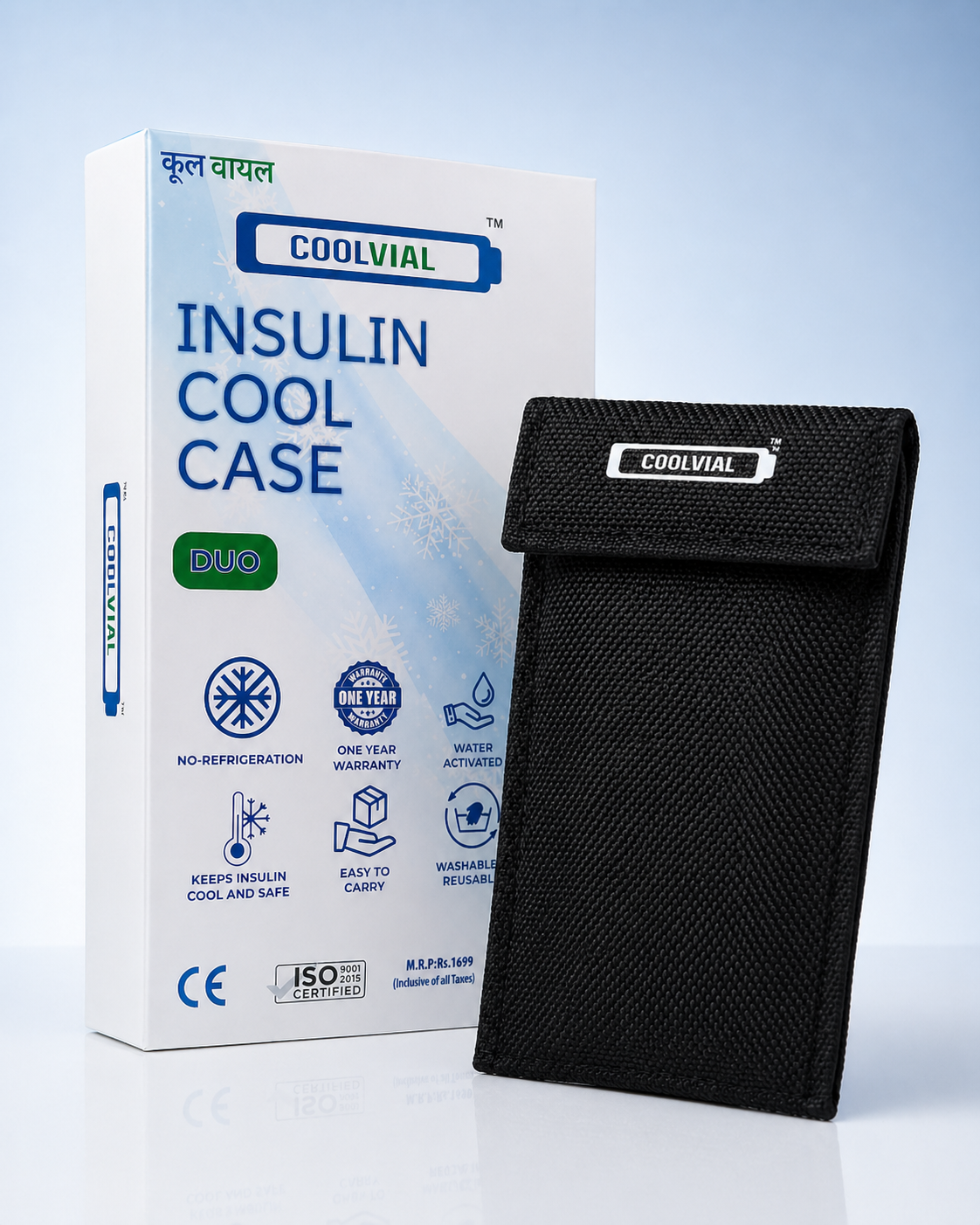
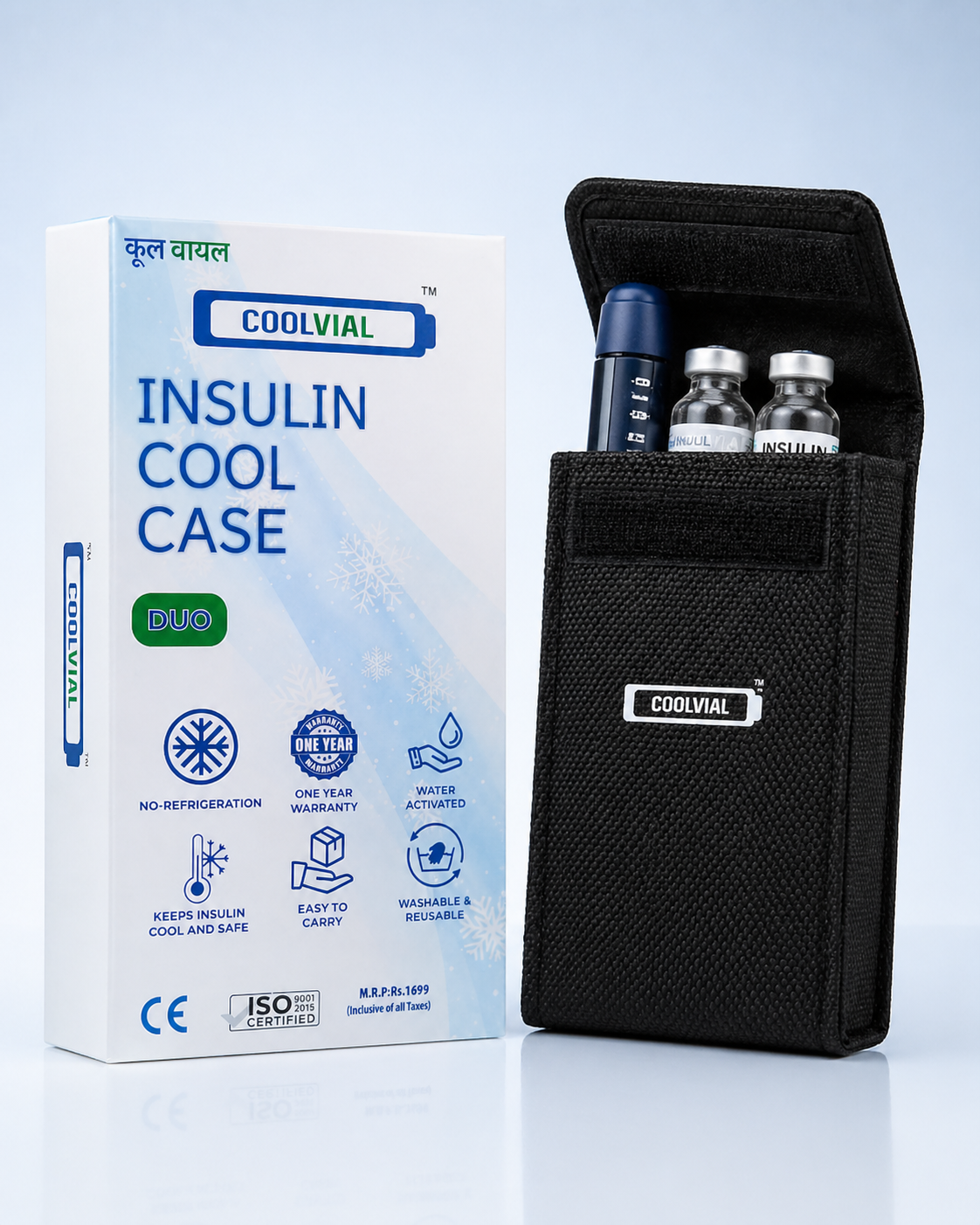
- COOLVIAL Duo: Our COOLVIAL Duo case is specifically designed for the Indian climate. It holds 2 pens and 1 vial, keeping your insulin cool for 12-16 hours without electricity. It’s CE certified and ISO 9001:2015 compliant, ensuring quality and reliability. Made in India, it’s a robust solution for Hyderabad’s challenging weather.
- Price: Rs 1,099 with code COOLHEAL (MRP Rs 1,699).
- Comparison:
- FRIO: A well-known international brand, often priced around Rs 1,900. While effective, COOLVIAL Duo offers comparable performance at a more accessible price point for the Indian market.
- Outer Woods OW-12: Another Indian brand, typically priced around Rs 999. While slightly more affordable, COOLVIAL Duo offers superior capacity (2 pens + 1 vial vs. often 2 pens only for OW-12) and robust construction for prolonged cooling.
- Benefits: Water-activated, reusable, compact, and provides consistent cooling, making it ideal for daily use, travel, or during power cuts and waterlogging disruptions. Learn more about optimal insulin storage tips to maximize the life of your medication.
7 Essential Strategies: Protecting Your Insulin During Hyderabad's Monsoon
48+ hours at 2-8°C. No electricity. CE certified. Free delivery across India.
Order on WhatsApp — ₹1,099🛒 Buy Now — ₹1,099By combining these practical solutions, you create a multi-layered defense against the monsoon’s challenges, ensuring your Hyderabad monsoon insulin remains safe and effective.
Your Essential Hyderabad Monsoon-Prep Checklist for Diabetics
Being proactive is key to managing diabetes safely during the Hyderabad monsoon. This checklist covers all critical aspects, from medication storage to emergency contacts.
A. Medication & Storage
- Stock Up on Insulin: Ensure you have at least a 2-4 week supply of insulin and other essential diabetes medications (oral drugs, test strips, lancets).
- Airtight Containers: Acquire several high-quality, waterproof, airtight containers for storing insulin, test strips, and glucose tablets.
- Silica Gel Packs: Purchase food-grade silica gel packets to place inside your insulin storage containers to absorb moisture.
- Cooling Case: Invest in a reliable, electricity-free insulin cooling case like the COOLVIAL Duo. This is crucial for maintaining insulin temperature when outside, during power cuts, or if your fridge is compromised.
- Waterproof Bag: Keep a small, waterproof bag specifically for your insulin, glucometer, and emergency glucose, ready to grab in case of evacuation or travel.
- Spare Supplies: Have extra batteries for your glucometer, spare lancets, and alcohol swabs.
B. Emergency Preparedness
- Emergency Contact List: Keep a written list of your doctor, family members, and emergency services. Store it in a waterproof pouch.
- Medical Information: Carry a small card with your diabetes type, insulin dosage, allergies, and emergency contacts.
- Blood Glucose Monitor: Ensure your glucometer is functional and you have enough test strips. High humidity can affect strip accuracy, so keep them sealed until use.
- Emergency Glucose: Always carry fast-acting glucose (glucose tablets, juice box, hard candies) in a waterproof container.
- First Aid Kit: Include basic first aid supplies, especially for foot care, as monsoon conditions increase the risk of infections.
- Cash: Keep some emergency cash in small denominations, as ATMs might be out of service during power outages or floods.
C. Local & Logistical Preparedness
- Pharmacy Access Plan: Identify multiple pharmacies (e.g., Apollo Pharmacy, MedPlus) that are accessible from your home and work, even during waterlogging. Know the location of the 24/7 pharmacy at Apollo Hospitals (Jubilee Hills) for emergencies.
- Power Backup: Consider a portable power bank for charging your phone and other small devices.
- Home Inspection: Check your home, especially ground-floor areas and basements, for leaks or damp spots that could lead to mould. Address these before the monsoon intensifies.
- Stay Informed: Monitor local weather forecasts and government advisories from the Telangana State Disaster Management Authority regarding heavy rainfall and potential flooding in specific Hyderabad neighborhoods like Gachibowli or Charminar.
- Travel Precautions: Avoid unnecessary travel during heavy rains. If you must travel, plan your route to avoid known waterlogging hotspots.
By systematically going through this checklist, Hyderabad diabetics can significantly reduce the risks associated with the monsoon season and ensure their vital medication remains safe and effective. Remember, proactive steps now can prevent major complications later. For year-round guidance on insulin storage, refer to our article, How to Store Insulin in Hyderabad Summer Heat — A Local’s Guide.
Frequently Asked Questions (FAQs)
Q: Can I still use my insulin if its packaging got slightly damp during the monsoon? A: If only the outer cardboard packaging is slightly damp but the insulin pen or vial itself is sealed and appears undamaged, the insulin might still be usable. However, if there’s any sign of moisture inside the pen/vial, or if the insulin looks cloudy, discoloured, or has particles, it should be discarded immediately as its potency may be compromised.
Q: How does high humidity affect my blood glucose test strips? A: High humidity can significantly impact the accuracy of blood glucose test strips by causing them to absorb moisture and degrade the reagents. Always keep test strips in their original tightly sealed container and use them immediately after removing one, ensuring the cap is replaced securely to protect the remaining strips.
Q: Is it safe to store insulin in a plastic bag inside the refrigerator during monsoon? A: While a plastic bag offers some protection, an airtight, rigid container (like those made of food-grade plastic or glass) provides superior protection against condensation and physical damage within the humid refrigerator environment. Adding a silica gel packet inside the airtight container offers an extra layer of moisture absorption.
Q: Where can I get emergency insulin if my stock is destroyed by flooding in Hyderabad? A: In an emergency, your best option for replacement insulin is the 24/7 pharmacy at a major hospital like Apollo Hospitals (Jubilee Hills). Other hospitals such as Continental Hospitals (Gachibowli) or Care Hospitals (Banjara Hills) may also have emergency pharmacy services. Always contact your doctor first for a new prescription.
Q: How often should I replace the silica gel packs in my insulin storage container? A: The frequency of replacement depends on the humidity levels and the size of the silica gel pack. If you are using indicating silica gel, replace it when it changes colour. Otherwise, check it weekly during the monsoon; if it feels heavy or appears saturated, it’s time to replace or reactivate it by drying it in a low-temperature oven.
Q: Can I rely on my regular home delivery pharmacy (e.g., 1mg, Pharmeasy) during a heavy Hyderabad monsoon? A: While convenient, home delivery services from pharmacies like 1mg, Pharmeasy, or even local ones like Heritage Pharmacy may experience significant delays or temporary suspensions during heavy monsoon rains and widespread waterlogging in Hyderabad. It’s advisable to have a backup plan, such as a well-stocked supply or knowing the location of accessible physical pharmacies.
Q: What is the ideal temperature range for in-use insulin during the Hyderabad monsoon? A: Most in-use insulin pens and vials are stable at room temperature, typically defined as below 30°C, for up to 28 days after opening. However, during the Hyderabad monsoon, while temperatures might be within this range, high humidity remains a threat. A cooling case like COOLVIAL Duo ensures your insulin stays within a safe 18-26°C range, protecting it from both heat spikes and humidity.
Conclusion and Call to Action
The Hyderabad monsoon, with its moderate rainfall and high humidity, presents a unique set of challenges for individuals managing diabetes. Protecting your insulin from moisture damage, mould, and temperature fluctuations is not merely a recommendation; it’s a critical aspect of maintaining your health and ensuring the efficacy of your vital medication. By adopting the 7 essential strategies outlined in this guide – from understanding local climate risks and preparing for waterlogging to utilising practical solutions like silica gel and reliable cooling cases – you can navigate the wet season with confidence.
Remember, proactive preparation is your strongest defense. Don’t let the monsoon compromise your diabetes management. Equip yourself with the right knowledge and tools today. For consistent, electricity-free cooling and protection against temperature variations, choose COOLVIAL Duo.
Order your COOLVIAL Duo now at just Rs 1,099 with code COOLHEAL at coolvial.com or simply reach out via WhatsApp at wa.me/918766952300. Made in India, CE certified, and ISO 9001:2015 compliant, COOLVIAL Duo is your trusted partner for insulin storage, come rain or shine.
How We Researched This
This article was meticulously researched using a combination of authoritative medical guidelines and local Hyderabad-specific data. We consulted RSSDI (Research Society for the Study of Diabetes in India) guidelines for insulin storage, reviewed ICMR-INDIAB (Indian Council of Medical Research - India Diabetes) study data for prevalence and care recommendations, cross-referenced local Hyderabad hospital directories for emergency pharmacy access (e.g., Apollo Hospitals (Jubilee Hills), Care Hospitals (Banjara Hills)), and leveraged information on the extensive Apollo Pharmacy (headquartered in Hyderabad) network to provide accurate and actionable advice tailored for residents of the city. Climate data was sourced from the Telangana State Development Planning Society.
Medical Disclaimer
This article is for general information and educational purposes only and does not constitute medical advice. Always consult your endocrinologist or diabetologist before changing insulin storage or dosing practices, or if you have any concerns about your diabetes management.