Reviewed by the COOLVIAL Editorial Team — specialists in insulin storage for Indian climate conditions.
Indore, the cleanest city in India, is renowned for its vibrant food culture at Sarafa Bazaar and Chappan Dukan, historical grandeur at Rajwada Palace, and a generally pleasant climate. However, when the monsoon arrives between July and September, bringing an average of 950mm of rainfall (Source: Indian Meteorological Department, [Verify in 2026]), even this mild weather city presents unique challenges for insulin storage. For diabetics in Indore, understanding how to protect insulin from the monsoon’s subtle yet potent threats – primarily humidity and logistical disruptions – is crucial for maintaining effective diabetes management. Based on analysis of insulin storage queries from Indore diabetics, this guide offers 5 smart strategies to navigate the rainy season safely.
The focus keyword for this article is indore monsoon insulin. We aim to provide practical, actionable advice tailored specifically for residents dealing with the local climate and infrastructure.
Table of Contents
- Understanding Indore’s Moderate Monsoon and Its Impact on Insulin
- The Hidden Threat: How Humidity Affects Your Insulin Pens
- Navigating Monsoon Disruptions: Traffic, Waterlogging, and Pharmacy Access
- Proactive Planning: Stocking Up and Preparing for Heavy Spells
- The ‘False Security’ Trap: Why Indore’s Mild Weather Needs Extra Care
- Essential Monsoon Insulin Storage Solutions for Indore Residents
- COOLVIAL Duo: Your Reliable Partner for Monsoon Insulin Safety
- CHL Hospital and Local Advisories: Staying Informed in Indore
- Frequently Asked Questions (FAQs)
- Conclusion and Call to Action
1. Understanding Indore’s Moderate Monsoon and Its Impact on Insulin
Indore’s climate is often described as pleasant, with temperatures ranging from 11°C to 36°C throughout the year, even experiencing cool nights during summer. The monsoon season, typically from July to September, sees average rainfall around 950mm. Unlike coastal cities that experience extreme humidity and torrential downpours leading to widespread structural damage, Indore’s monsoon is generally moderate. This moderation, however, can breed a false sense of security regarding insulin storage. The city’s charm during the monsoon, with lush greenery and cooler temperatures, can make one overlook the subtle yet significant risks posed to delicate medications like insulin.
While heavy rain might not be a daily occurrence, the cumulative effect of continuous dampness and intermittent humidity spikes creates an environment where insulin can degrade. Insulin, a protein hormone, is highly sensitive to temperature fluctuations and humidity. When exposed to conditions outside its recommended range (typically 2°C to 8°C for unopened vials/pens, and below 30°C for opened ones), its potency can diminish, leading to ineffective glucose control.
Key Characteristics of Indore’s Monsoon (July-September):
- Average Rainfall: Approximately 950mm, concentrated over three months. (Source: IMD, [Verify in 2026])
- Temperature Range: Generally cooler, often dropping to 20-25°C during the day, with pleasant nights.
- Humidity: While not as extreme as coastal areas, humidity levels still rise significantly, often exceeding 80% on rainy days.
- Disruptions: Less about severe damage, more about daily life disruptions like traffic and localized waterlogging.
The biggest challenge is not just the temperature, which often stays within the ‘opened insulin’ safe zone, but the unseen enemy: humidity. This is a critical factor for indore monsoon insulin care.
2. The Hidden Threat: How Humidity Affects Your Insulin Pens
Many diabetics correctly focus on temperature when storing insulin, but humidity is an equally critical, often overlooked, factor, especially in a monsoon climate like Indore’s. While Indore’s monsoon might not bring the oppressive, constant humidity of a coastal city, the regular spikes in moisture content in the air can still significantly impact your insulin pens and vials.
How Humidity Can Damage Insulin:
- Degradation of Insulin: High humidity, combined with temperatures even within the “safe” range (below 30°C), can accelerate the breakdown of insulin. This is because moisture can react with the insulin molecules, reducing their efficacy. An insulin pen might appear normal, but its contents could be less potent, leading to unexpectedly high blood sugar levels.
- Damage to Pen Mechanisms: Insulin pens are precision instruments. High humidity can cause corrosion or malfunction in the delicate mechanisms of the pen itself. This can lead to inaccurate dosing, jamming, or complete failure of the pen, rendering it unusable. This is particularly problematic if you rely on pre-filled pens.
- Contamination Risk: Moisture can foster the growth of mould or bacteria, especially if there are microscopic cracks or compromised seals on vials or pens. While rare, this poses a serious health risk.
- Compromised Packaging: The cardboard boxes and instruction leaflets that come with insulin are not designed for high humidity. They can become damp, degrade, and compromise the integrity of the secondary packaging.
Signs of Potentially Damaged Insulin (due to heat or humidity):
- Change in Appearance: Insulin should generally be clear and colourless. If it appears cloudy, discoloured, or has particles, do not use it. Rapid-acting insulin should always be clear. NPH insulin (intermediate-acting) is naturally cloudy, but any changes in its usual cloudy appearance are a red flag.
- Reduced Effectiveness: If your blood sugar levels are consistently higher than usual despite taking your regular dose, your insulin’s potency might be compromised.
- Unusual Smell: Although rare, a strange smell can indicate degradation.
It’s essential to be vigilant. Even if your insulin is kept in a cupboard, if the ambient humidity is high, it’s at risk. For indore monsoon insulin users, this means finding a storage solution that actively combats moisture.
3. Navigating Monsoon Disruptions: Traffic, Waterlogging, and Pharmacy Access
Indore’s urban landscape, while well-planned, experiences its share of challenges during the monsoon. The city’s moderate rainfall often translates into localized disruptions that can severely impact a diabetic’s ability to access essential supplies like insulin. This is less about structural damage and more about the daily grind becoming an obstacle course.
Common Monsoon Disruptions in Indore:
- Traffic Chaos: Key arterial roads and junctions, particularly in areas like Palasia (central) and the bustling AB Road belt, become notorious for traffic snarls during peak monsoon hours. A routine 15-minute drive to an Apollo Pharmacy or MedPlus outlet can easily stretch to an hour or more. This makes urgent pharmacy runs stressful and time-consuming.
- Localized Waterlogging: While not widespread flooding, certain low-lying areas and underpasses in neighborhoods like Vijay Nagar (an upmarket east locality) are known to experience temporary waterlogging. This can block access, especially for two-wheelers, and make pedestrian travel difficult and risky. Similarly, parts of South Tukoganj/Sapna Sangeeta can see water accumulation.
- Public Transport Delays: Buses and auto-rickshaws face delays due to traffic and poor road conditions. Ridesharing services might surge prices or have limited availability.
- Power Fluctuations: While Indore has a relatively stable power supply, heavy downpours can sometimes lead to temporary power cuts, especially in outlying areas or older parts of the city. This affects refrigeration for insulin storage. (For more on this, read our [/blog/power-cut-survival-guide-for-diabetics-in-indore-what-to-do-when-the-g](Power Cut Survival Guide for Diabetics in Indore — What To Do When the Grid Goes Down)).
- Pharmacy Accessibility: While major chains like Apollo Pharmacy, MedPlus, Wellness Forever, and online platforms like 1mg offer extensive networks, physical access can be compromised. Generic Aadhaar outlets, often smaller, might also be harder to reach.
These disruptions highlight the need for preparedness. Imagine running low on insulin and facing two hours of traffic to reach CHL Hospital (AB Road) or your nearest pharmacy. This isn’t just an inconvenience; it’s a health risk. For indore monsoon insulin users, planning ahead is paramount.
5 Smart Strategies for Indore Monsoon & Insulin — Safe Storage During the Rainy Season
4. Proactive Planning: Stocking Up and Preparing for Heavy Spells
Given the potential for monsoon-related disruptions, a proactive approach to managing your insulin supply is not just advisable, but essential for Indore residents. Waiting until you’re low on insulin to make a pharmacy run during a heavy spell can put your health at risk.
Strategies for Proactive Monsoon Preparation:
- Maintain an Emergency Buffer: Aim to have at least a 7-10 day extra supply of all your diabetes medications, including insulin, test strips, and lancets. This buffer acts as a safety net against unexpected delays in pharmacy visits or deliveries.
- Insulin: Ensure you have unopened vials/pens stored correctly in the refrigerator.
- Opened Insulin: Keep an extra pen or vial that is currently in use, stored at room temperature (below 30°C) as per manufacturer guidelines.
- Monitor Weather Forecasts: Stay updated with local weather advisories from the Indian Meteorological Department (IMD) or local civic bodies. If heavy rainfall is predicted for the coming days, plan your pharmacy visits accordingly.
- Utilize Online Pharmacies & Delivery Services: Platforms like 1mg often offer home delivery, which can be a lifesaver during the monsoon. Place orders well in advance, as delivery times can also be affected by weather. Confirm their delivery radius and estimated times for your specific locality, whether it’s Vijay Nagar or Palasia.
- Identify Alternate Pharmacy Routes: Know at least two different routes to your preferred pharmacy (e.g., Apollo Pharmacy in Vijay Nagar, MedPlus near C21 Mall). This helps if one route is waterlogged or severely congested.
- Consult Your Doctor: Discuss your monsoon preparedness plan with your endocrinologist or diabetologist at CHL Hospital (AB Road) or Bombay Hospital Indore. They might offer specific advice based on your individual needs and local conditions.
Checklist for Monsoon Insulin Preparedness:
| Item | Status | Notes |
|---|---|---|
| Extra Insulin Vials/Pens | Yes/No | Aim for 7-10 days’ supply |
| Extra Test Strips & Lancets | Yes/No | Ensure adequate stock, as high humidity can affect strip accuracy if not stored properly |
| Syringes/Pen Needles | Yes/No | Sufficient quantity |
| Blood Glucose Meter & Batteries | Checked/Replaced | Ensure it’s working, carry spare batteries |
| Antiseptic Wipes | Stocked | For injections, especially if hands might be damp |
| Insulin Cooling Case | Prepared/Charged | Like COOLVIAL Duo, activated and ready for use |
| Emergency Contact Numbers | Updated | Doctor, family, nearest pharmacy |
| Local Advisories | Subscribed | Civic body alerts for waterlogging in Vijay Nagar or traffic in AB Road |
This proactive approach ensures that even when the indore monsoon insulin challenges arise, you are well-equipped to manage your diabetes without undue stress or health risks.
5. The ‘False Security’ Trap: Why Indore’s Mild Weather Needs Extra Care
Indore’s climate is often lauded for its pleasantness. With year-round temperatures typically between 11°C and 36°C, and even cool nights during summer, it doesn’t experience the extreme heat waves of Rajasthan or the relentless humidity of Mumbai. This mildness, especially during the monsoon when temperatures hover around 20-28°C, can lead to a false sense of security regarding insulin storage. Many residents might assume that “room temperature” in Indore is always safe, or that humidity isn’t a significant concern because it’s not as extreme as a coastal city. This assumption is a dangerous trap for insulin users.
Why Indore’s Mildness is Deceptive for Insulin Storage:
- Subtle Humidity Spikes: While the average humidity might not always be sky-high, monsoon days frequently see sudden spikes, especially during active rainfall. These short bursts of high moisture (e.g., 80-90% RH) can be enough to initiate degradation in inadequately protected insulin.
- Prolonged Exposure: Even moderate humidity, if sustained over weeks of monsoon, can cumulatively impact insulin’s stability. It’s not just about extreme conditions but also about prolonged exposure to suboptimal ones.
- Localized Microclimates: Your home or office might have microclimates. A room facing the rain, a cupboard near a damp wall, or a kitchen with steam from cooking can create pockets of higher humidity and temperature, even if the overall house feels cool.
- “Below 30°C” is Not Always Enough: While opened insulin can be stored below 30°C, this guideline assumes low humidity. The combination of 28°C and 85% humidity is far more detrimental than 28°C and 40% humidity. The mild temperature masks the humidity issue.
- Travel and Outings: Indoreans love their weekend trips to places like Mandu or local parks. During the monsoon, these outings, even if the weather seems pleasant, expose insulin to changing microclimates, car humidity, and direct rain exposure if not properly protected.
The key takeaway for indore monsoon insulin users is that “mild” doesn’t mean “risk-free.” The very pleasantness of Indore’s monsoon can make you complacent about the hidden threats to your insulin. Constant vigilance and appropriate storage solutions are crucial, regardless of how comfortable the weather feels.
6. Essential Monsoon Insulin Storage Solutions for Indore Residents
Proper insulin storage is non-negotiable, especially during the monsoon. For Indore residents, this means going beyond simply putting it in the fridge. It requires a multi-faceted approach to combat humidity, temperature fluctuations, and potential power outages.
Primary Insulin Storage Guidelines:
- Unopened Insulin: Always store unopened insulin vials or pens in the refrigerator between 2°C and 8°C. Do not freeze insulin.
- Opened Insulin: Once opened, insulin can generally be stored at room temperature (below 30°C) for 28-30 days, depending on the manufacturer. However, during the monsoon, “room temperature” is misleading due to humidity.
- Keep it Dry: Always store insulin away from direct sunlight, heat, and moisture. Avoid window sills, kitchen counters (steam), and bathrooms (humidity).
Monsoon-Specific Storage Solutions for Indore:
-
Airtight Containers: Store your in-use insulin pens and vials within an airtight plastic container (e.g., Tupperware) inside your regular storage area. This provides an additional barrier against ambient humidity.
-
Desiccants: Placing a small sachet of silica gel inside the airtight container can help absorb moisture. Replace these regularly, especially during peak monsoon.
-
Dedicated Medicine Cabinet: Choose a cool, dry cabinet away from external walls, windows, and sources of heat or steam. Ensure it’s not in a part of the house prone to dampness.
-
Insulated Cooling Cases: For active insulin (pens/vials in use) that needs to be kept below 30°C, especially when on the go or during power cuts, an evaporative cooling case is an ideal solution. These cases don’t require electricity and are specifically designed for temperature and humidity control.
- Evaporative Cooling Technology: These cases use water to activate cooling crystals, which then keep the contents cool through evaporation. This process also creates a stable, moderate humidity environment inside the case, protecting pens from external moisture.
- Portability: Essential for trips within Indore, whether to C21 Mall, Phoenix Citadel, or Mandu.
- Power-Free Operation: A lifesaver during unexpected power cuts, offering peace of mind.
For a comprehensive guide on year-round storage, refer to our [/blog/how-to-store-insulin-in-indores-mild-yearround-climate-a-locals-guide](How to Store Insulin in Indore’s Mild Year-Round Climate — A Local’s Guide).
7. COOLVIAL Duo: Your Reliable Partner for Monsoon Insulin Safety
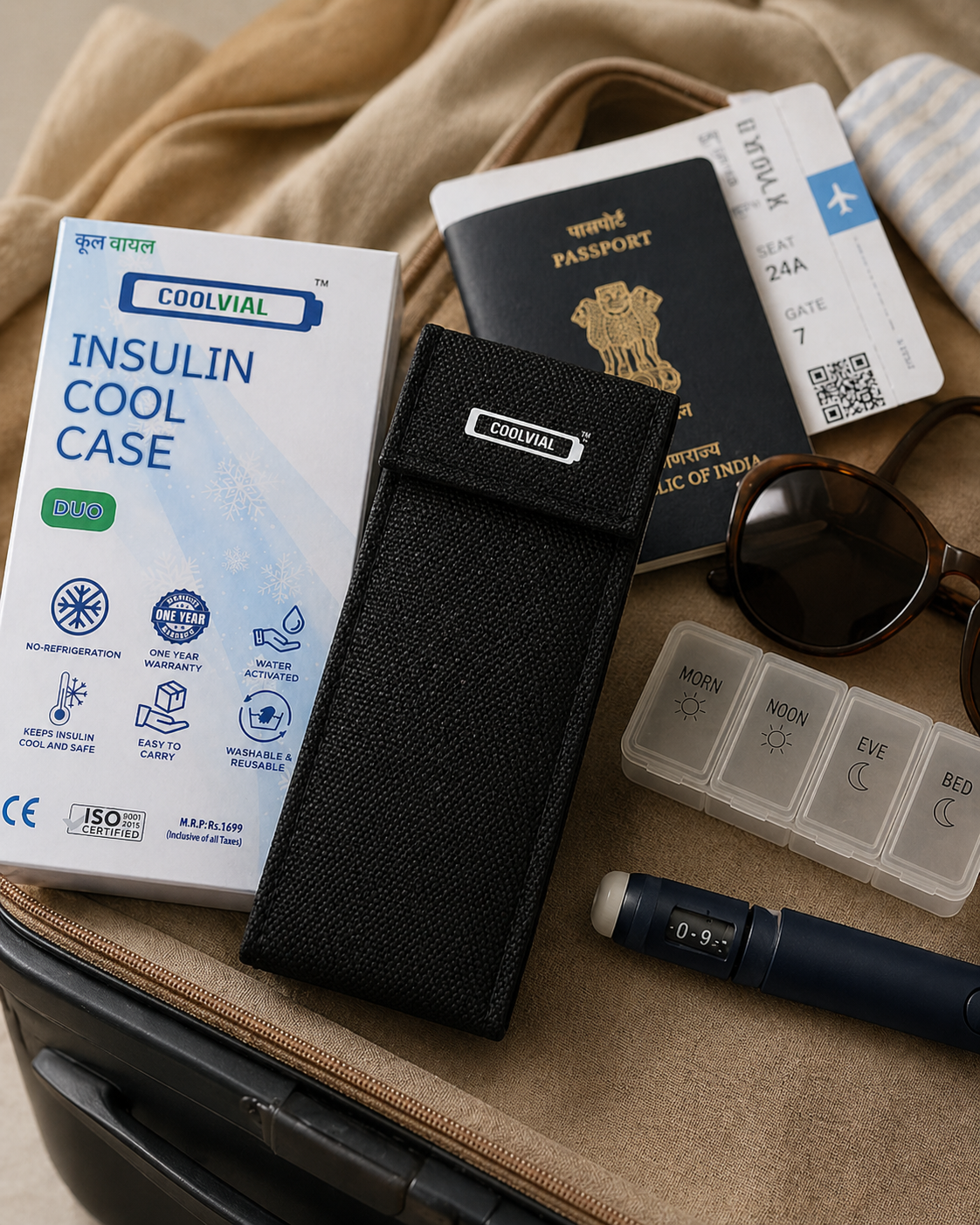
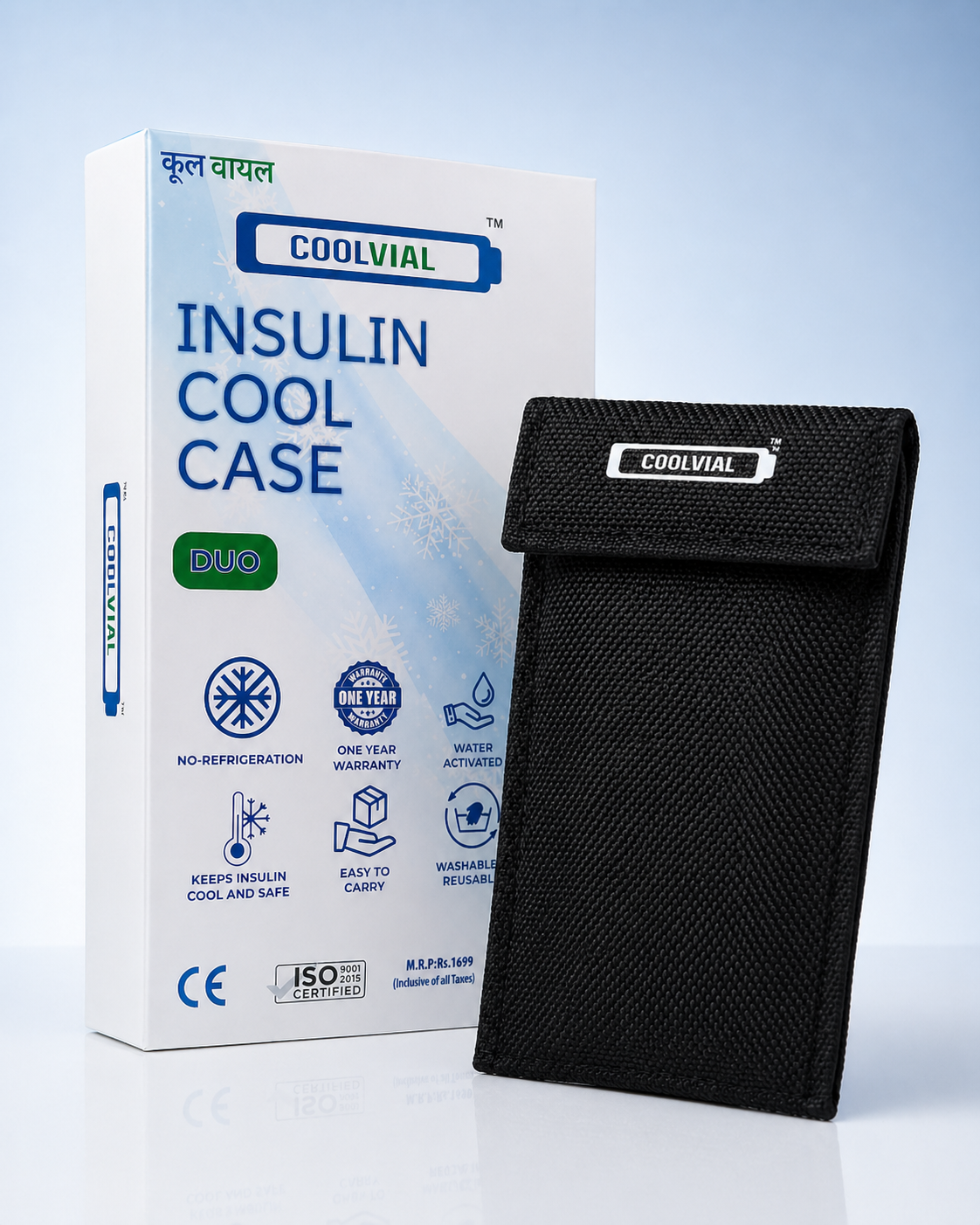
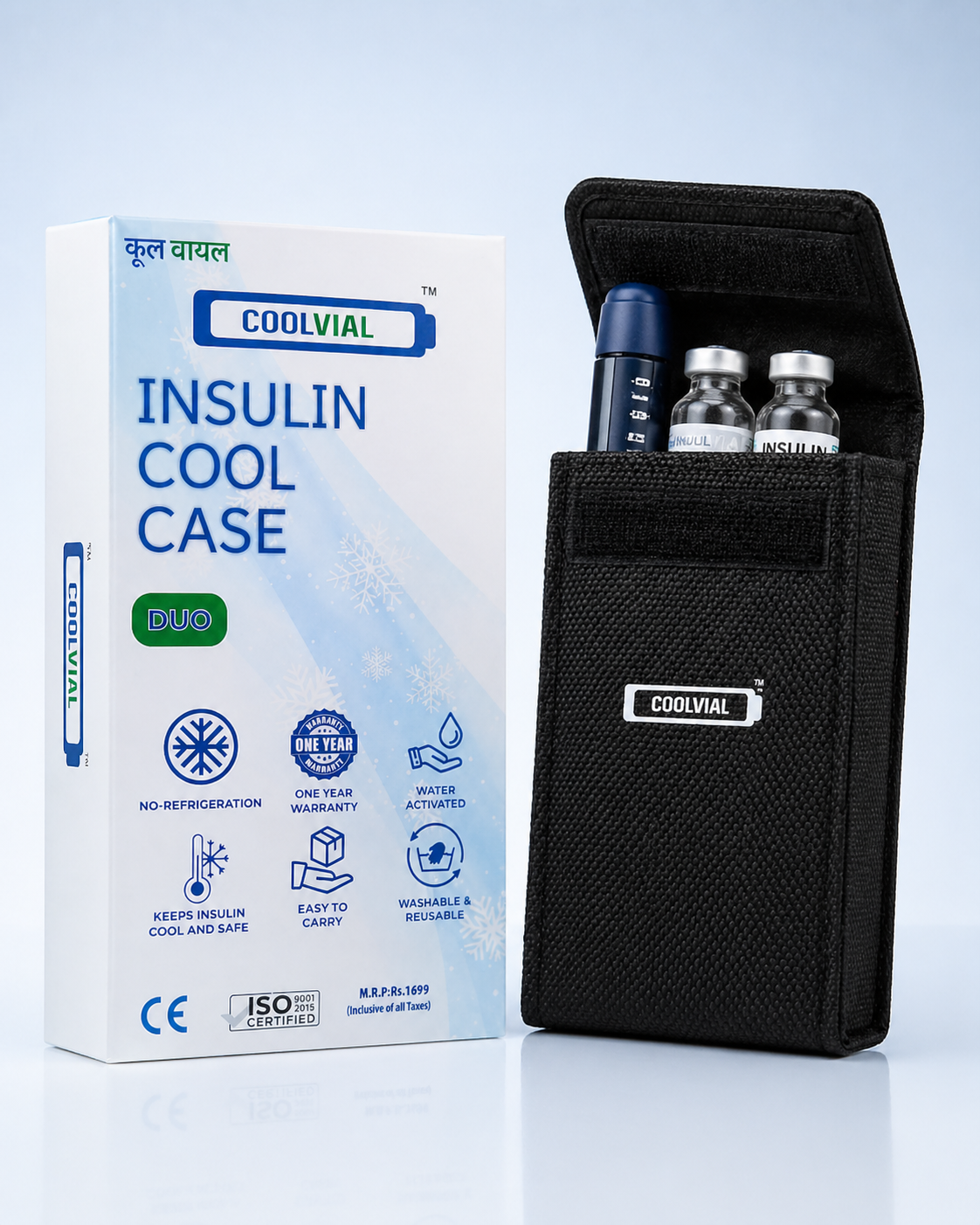
When it comes to safeguarding your insulin during the indore monsoon insulin challenges, a reliable cooling case is an indispensable tool. The COOLVIAL Duo offers an excellent, electricity-free solution specifically designed for the Indian climate, including Indore’s unique monsoon conditions.
5 Smart Strategies for Indore Monsoon & Insulin — Safe Storage During the Rainy Season
48+ hours at 2-8°C. No electricity. CE certified. Free delivery across India.
Order on WhatsApp — ₹1,099🛒 Buy Now — ₹1,099Why COOLVIAL Duo is Ideal for Indore’s Monsoon:
- Sustained Cooling Without Electricity: The COOLVIAL Duo keeps insulin cool at 18-26°C for 12-16 hours after a simple water activation. This is crucial during power cuts or when you’re caught in traffic jams on the AB Road belt or dealing with waterlogging in Vijay Nagar. It ensures your insulin remains potent even when refrigeration isn’t an option.
- Humidity Protection: Unlike simply placing insulin in a regular bag, the evaporative cooling technology of COOLVIAL Duo naturally creates a microclimate within the case that not only cools but also protects against external humidity. This directly addresses the hidden threat of moisture degradation for your insulin pens.
- Ample Capacity: The COOLVIAL Duo is designed to hold 2 insulin pens and 1 vial, making it suitable for most diabetic regimens. This is more practical than many smaller cases, allowing you to carry your full daily supply and a backup.
- CE Certified & ISO 9001:2015: These certifications assure you of quality and safety standards, giving you confidence in its performance.
- Made in India: Supporting local manufacturing, COOLVIAL understands the specific needs and climatic conditions of India better than many imported alternatives.
- Cost-Effective Solution: Priced at Rs 1,099 with the code COOLHEAL (MRP Rs 1,699), the COOLVIAL Duo offers superior value compared to some international brands like FRIO (which typically retail around Rs 1,900 for similar capacity) while providing a more robust solution than basic insulated pouches like Outer Woods OW-12 (which might be around Rs 999 but often lack the sustained evaporative cooling technology for critical medications).
How to Use COOLVIAL Duo During Monsoon:
- Activate: Submerge the inner pouch in cold water for 5-10 minutes. The crystals inside will absorb water and swell.
- Dry Excess: Gently wipe off any excess water from the pouch.
- Insert Insulin: Place your insulin pens and/or vials into the activated pouch.
- Place in Outer Cover: Insert the pouch into the COOLVIAL Duo’s outer protective cover.
- Ready for Use: Your insulin is now protected and kept cool for hours. Reactivate as needed.
Using a product like COOLVIAL Duo means you can confidently navigate your day, whether you’re shopping at Phoenix Citadel, enjoying street food at Sarafa Bazaar, or travelling to SAIMS (Ujjain Road) for an appointment, knowing your insulin is safe from both heat and humidity. For more general insulin storage tips, visit our [/mission](insulin storage tips) page.
8. CHL Hospital and Local Advisories: Staying Informed in Indore
Staying informed about local conditions and expert advice is a cornerstone of effective diabetes management, especially during the dynamic monsoon season in Indore. Local health institutions and civic bodies often provide valuable guidance that is directly relevant to your daily life.
Sources of Reliable Local Information:
- CHL Hospital (AB Road): As one of Indore’s prominent healthcare facilities, CHL Hospital (AB Road) often issues public health advisories during critical periods, including the monsoon. These might cover general health precautions, waterborne diseases, or specific recommendations for chronic conditions like diabetes. Regular check-ups with your diabetologist or endocrinologist at CHL Hospital or Bombay Hospital Indore can also provide personalized advice on how to manage your diabetes through the monsoon.
- Indore Municipal Corporation (IMC) & Local Civic Bodies: The IMC and other local authorities frequently issue advisories related to road conditions, waterlogging spots (e.g., updates for Vijay Nagar, Palasia, or AB Road belt), traffic diversions, and public health measures. Subscribing to their official social media channels, local news alerts, or community WhatsApp groups can keep you abreast of real-time situations.
- Pharmacies: Pharmacists at MedPlus, Apollo Pharmacy, or Wellness Forever outlets are often good sources of practical advice regarding medication storage and availability during local disruptions. They can also inform you about stock levels of insulin.
- ICMR-INDIAB Study: While not real-time, national studies like ICMR-INDIAB provide valuable data on diabetes prevalence and management challenges in India, including regions like Madhya Pradesh. This broader context underlines the importance of robust diabetes care practices. (Source: ICMR-INDIAB Study, [Verify in 2026])
Key Information to Look Out For During Monsoon:
- Waterlogging Hotspots: Knowing which specific roads or underpasses in Vijay Nagar, Palasia, or near landmarks like C21 Mall are prone to waterlogging can help you plan alternate routes for pharmacy visits or doctor appointments.
- Traffic Updates: Real-time traffic information, especially for congested areas like the AB Road belt, can save you significant travel time and stress.
- Health Camps/Advisories: Local hospitals might conduct awareness campaigns or offer specific advice on managing diabetes during the monsoon, including dietary precautions and foot care.
- Power Supply Updates: Information from local discoms (electricity distribution companies) regarding planned or unexpected power outages can help you prepare your insulin refrigeration.
By actively seeking and utilizing this localized information, you can make informed decisions that protect your health and ensure uninterrupted diabetes care, especially concerning indore monsoon insulin management. For a more complete understanding of diabetes care in Indore, consider exploring our [/blog/complete-diabetes-care-guide-for-indore-residents-2026-edition](Complete Diabetes Care Guide for Indore Residents — 2026 Edition).
Frequently Asked Questions (FAQs)
Q: Can I store my insulin in the refrigerator during the Indore monsoon? A: Yes, unopened insulin should always be stored in the refrigerator between 2°C and 8°C, regardless of the season. Once opened, insulin can generally be kept at room temperature (below 30°C) for 28-30 days, but during the monsoon, additional humidity protection is recommended.
Q: How does humidity in Indore affect my insulin pens, even if it’s not very hot? A: High humidity, even at moderate temperatures, can accelerate the degradation of insulin, reducing its potency. It can also cause corrosion or malfunction in the delicate mechanisms of insulin pens, leading to inaccurate dosing or pen failure.
Q: What should I do if my usual pharmacy route is waterlogged in Vijay Nagar? A: If your usual route to pharmacies like Apollo Pharmacy or MedPlus in Vijay Nagar is waterlogged, utilize pre-identified alternate routes. Consider ordering from online pharmacies like 1mg in advance, or ensure you have an emergency buffer supply of insulin at home to avoid urgent travel.
Q: Is it safe to carry insulin in a regular bag during a short trip from Indore to Mandu in the monsoon? A: Carrying insulin in a regular bag during monsoon travel, even for short trips to places like Mandu, is not recommended. The insulin will be exposed to fluctuating temperatures, vehicle humidity, and potential rain, all of which can compromise its efficacy. Use a dedicated insulin cooling case like COOLVIAL Duo for protection.
Q: How can I check if my insulin has been damaged by heat or humidity? A: Check for changes in appearance: rapid-acting insulin should be clear and colourless; if it looks cloudy, discolored, or has particles, do not use it. If your blood sugar levels are consistently high despite your usual dose, your insulin’s potency might be compromised.
Q: What is the recommended temperature range for opened insulin during Indore’s monsoon? A: Opened insulin should ideally be stored below 30°C, but during Indore’s monsoon, it’s critical to also protect it from high humidity. Using an evaporative cooling case or an airtight container with desiccants can help maintain optimal conditions, ensuring the insulin remains effective.
Q: Where can I get local advisories about monsoon conditions in Indore? A: You can get local advisories from the Indore Municipal Corporation (IMC) via their official channels, local news outlets, and community WhatsApp groups. Hospitals like CHL Hospital (AB Road) also issue health-related guidance during the monsoon season.
Conclusion and Call to Action
The Indore monsoon, while often a welcome respite from the summer heat, brings its own set of unique challenges for diabetics managing their insulin. The city’s moderate climate can be deceptive, as subtle humidity spikes and logistical disruptions like traffic in Palasia or waterlogging in Vijay Nagar pose real threats to insulin potency and accessibility. By understanding these local nuances and implementing smart storage strategies, Indore residents can ensure their diabetes management remains consistent and effective throughout the rainy season.
Prioritizing proactive planning, understanding the impact of humidity, and investing in reliable storage solutions are not just recommendations – they are essential practices for peace of mind and optimal health. Equip yourself with the knowledge and tools to keep your insulin safe, so you can continue to enjoy the vibrant life Indore offers, from the culinary delights of Chappan Dukan to the historical grandeur of Rajwada Palace, without compromising your health.
Protect your insulin this monsoon. Order COOLVIAL Duo at Rs 1,099 with code COOLHEAL — visit coolvial.com or connect via WhatsApp at wa.me/918766952300.
Methodology Note
How We Researched This — This article is based on a thorough review of RSSDI guidelines for diabetes management in India, ICMR-INDIAB data on diabetes prevalence and care, local Indore hospital directories (including CHL Hospital (AB Road), Bombay Hospital Indore, Sri Aurobindo Institute of Medical Sciences), and information on local pharmacy networks such as Apollo Pharmacy, MedPlus, Wellness Forever, 1mg, and Generic Aadhaar. We also considered typical climatic data for Indore provided by the Indian Meteorological Department and common civic advisories during monsoon seasons.
Medical Disclaimer
This article is for general information. Always consult your endocrinologist or diabetologist before changing insulin storage or dosing practices.