
Reviewed by the COOLVIAL Editorial Team — specialists in insulin storage for Indian climate conditions.
As the monsoon clouds gather over Lucknow, transforming the City of Nawabs into a lush green paradise, they also bring a unique set of challenges for residents managing diabetes. The characteristic high humidity, often soaring above 90% during July to September, coupled with intermittent heavy rainfall averaging around 900mm annually, creates an environment where insulin storage becomes critically important. This isn’t just about keeping your insulin cool; it’s about safeguarding it from the pervasive, insidious threat of humidity. Based on analysis of insulin storage queries from Lucknow diabetics, understanding how the lucknow monsoon insulin interaction affects your medication is the first step towards ensuring its efficacy and your well-being.
The humid climate can compromise insulin in ways many don’t anticipate, from degrading packaging to potentially altering the insulin’s molecular structure. In a city like Lucknow, where temperatures can swing from a very hot 22-45°C in summer (May-June) to a cold 6-22°C in winter, the monsoon period (July-September) demands specific protective measures. This comprehensive guide will equip you with 7 essential ways to protect your insulin vials and pens from humidity damage, mould, and the disruptions that come with the monsoon season.
Table of Contents
- Understanding Lucknow’s Monsoon: A Unique Climate Challenge for Insulin Storage
- The Silent Threat: How Humidity Damages Your Insulin Pens and Vials
- Navigating Waterlogging and Flooding Risks in Lucknow
- Ensuring Access: Overcoming Transport Disruption and Pharmacy Challenges
- The Hidden Danger: Humid-Fridge-Air Contamination Risks
- Practical Solutions for Monsoon Insulin Protection in Lucknow
- Your Monsoon-Ready Insulin Kit: A Comprehensive Checklist for Lucknow Diabetics
- Frequently Asked Questions (FAQ)
- Conclusion
- Methodology Note
- Medical Disclaimer
Understanding Lucknow’s Monsoon: A Unique Climate Challenge for Insulin Storage
Lucknow’s climate is characterized by distinct seasons, but none present as many challenges for insulin storage as the monsoon. From July to September, the city receives approximately 900mm of rainfall, leading to consistently high ambient humidity that often stays above 90%. While this brings relief from the scorching summer heat (which can reach 45°C in May-June), it introduces a different kind of environmental stress on your medication.
The primary concern during the lucknow monsoon insulin storage is not just high temperature, but the relentless moisture in the air. This moisture can penetrate packaging, affect the integrity of insulin pens and vials, and create conditions conducive to mould growth. Unlike the dry heat of summer, where direct sunlight and high temperatures are the main enemies, the monsoon’s threat is more subtle and pervasive.
Key Climate Facts for Lucknow Monsoon:
- Duration: Typically from July to September.
- Average Rainfall: Approximately 900mm annually (Source: IMD data, [Verify in 2026]).
- Average Humidity: Frequently exceeds 90% RH (Relative Humidity).
- Temperature Range: Generally between 22°C and 30°C, but with high humidity, the “feels like” temperature can be higher.
- Impact on Insulin: High humidity can degrade packaging, promote microbial growth, and potentially compromise the insulin’s stability, even at recommended storage temperatures.
This constant dampness requires a proactive approach to insulin care, extending beyond simple refrigeration.
The Silent Threat: How Humidity Damages Your Insulin Pens and Vials
Humidity is a silent saboteur when it comes to insulin. While direct heat and freezing are immediate and obvious dangers, humidity works slowly, eroding the protective layers and compromising the medication’s stability over time. This is especially critical for insulin pens and vials, which rely on their packaging and structural integrity to remain sterile and effective.
Impact of Humidity on Insulin Components:
| Component | Humidity Damage Risk |
|---|---|
| Cardboard Packaging | Becomes soggy, loses structural integrity, discolors, and facilitates mould growth. Labels can peel off, making it hard to identify insulin type or expiry dates. |
| Plastic/Rubber Parts | Pen casings can become brittle or sticky. Rubber stoppers on vials, crucial for maintaining sterility, can absorb moisture, potentially compromising the seal and increasing contamination risk. |
| Insulin Itself | While insulin vials/pens are sealed, prolonged exposure to high humidity can lead to condensation inside the container if there are temperature fluctuations. This moisture, even microscopic, can accelerate protein degradation, leading to reduced potency. |
| Needle Caps/Covers | Can become loose or compromised, exposing the needle to environmental contaminants and moisture, which is a significant infection risk for diabetics. |
| Storage Area | High humidity in living spaces, particularly in ground-floor homes or older apartments prevalent in areas like Old Lucknow (Chowk, Aminabad), significantly increases the risk of mould growth on surfaces, leading to unsanitary conditions for medication storage. |
Mould risk is a major concern. Spores thrive in damp, warm conditions. If your insulin or its packaging comes into contact with mould, it’s a clear indication that the environment is too humid, and the insulin’s sterility may be compromised. Always inspect your insulin carefully during the monsoon for any changes in appearance, clarity, or any signs of mould on the packaging.
Navigating Waterlogging and Flooding Risks in Lucknow
The Lucknow monsoon, while vital for the region’s agriculture, often brings with it the challenge of waterlogging and, in severe cases, localized flooding. Diabetics must be particularly vigilant, as these conditions can directly threaten insulin supplies and access to healthcare.
Lucknow’s urban infrastructure, especially in low-lying areas, can struggle with heavy downpours. The Gomti River, which flows through the city, can swell significantly during intense monsoon spells, increasing the flood risk in adjacent low-lying old city areas.
Common Waterlogging Hotspots in Lucknow:
- Hazratganj (Central): Despite being a prime commercial hub, several stretches, especially around Sahara Ganj Mall and parts of MG Road, can experience significant waterlogging, making movement difficult.
- Gomti Nagar (East, Upmarket): Areas near Patrakarpuram, Gomti Barrage, and some internal sectors are prone to waterlogging due due to drainage system limitations, particularly during prolonged rainfall.
- Aliganj (North): Neighborhoods near Janeshwar Mishra Park and areas with older infrastructure can face water accumulation, leading to traffic snarls and pedestrian difficulties.
- Old Lucknow (Chowk/Aminabad): These historic, densely populated areas with narrow lanes and older drainage systems are highly susceptible to waterlogging and even moderate flooding, especially if the Gomti river overflows its banks.
Lucknow Monsoon & Insulin: 7 Essential Ways to Protect Your Vials From Humidity Damage
Insulin at 2-8°C for 48+ hours. Trusted by 10,000+ Indian diabetics.
Flood Preparedness Steps for Diabetics:
- Elevate Insulin & Supplies: Store all insulin, pens, vials, test strips, and other diabetes supplies on high shelves or in waterproof containers, well above potential flood levels.
- Emergency Bag: Keep a separate, waterproof emergency bag with at least a week’s supply of insulin, syringes/pens, testing supplies, non-perishable snacks, and essential medications. This bag should be easily accessible for quick evacuation.
- Charge Devices: Ensure all electronic devices (phone, glucometer) are fully charged. Keep power banks ready.
- Know Evacuation Routes: Be aware of safe evacuation routes from your home and neighborhood, especially if you live in a low-lying area.
- Emergency Contacts: Have a written list of emergency contacts, including your doctor, family members, and local emergency services.
- Waterproof Documents: Keep medical records, prescriptions, and identification documents in a waterproof pouch.
- Stay Informed: Monitor local weather forecasts and flood warnings issued by authorities.
If your home or building floods and your insulin gets submerged or exposed to contaminated water, do not use it. Assume it is compromised and seek replacement immediately.
Ensuring Access: Overcoming Transport Disruption and Pharmacy Challenges
Monsoon in Lucknow often brings heavy rains and waterlogging, which can severely disrupt transportation. This directly impacts access to essential services, including pharmacies, and can delay or prevent medication deliveries. For diabetics, this disruption can be a significant concern, especially if their insulin stock runs low.
Delivery services like 1mg and Generic Aadhaar, while convenient, can experience substantial delays during peak monsoon season due to impassable roads and traffic congestion in waterlogged areas. Even local pharmacies might become difficult to reach.
Tips for Ensuring Pharmacy Access During Monsoon:
- Maintain Buffer Stock: Always keep a buffer stock of at least 7-10 days’ worth of insulin and other diabetes supplies. This is your first line of defense against unforeseen disruptions.
- Identify Local Pharmacies: Know the locations of multiple reliable pharmacies in your vicinity.
- Apollo Pharmacy: Widely available across Lucknow, including Gomti Nagar and Hazratganj.
- MedPlus: Another extensive chain with a presence in various neighborhoods.
- Hindustan Pharmacy: A well-known local option, particularly in older areas and commercial zones.
- Generic Aadhaar/1mg Stores: While online delivery might be affected, their physical stores might be accessible if you can reach them.
- Emergency Pharmacy Access: In case of critical need, the emergency pharmacy at SGPGIMS (Sanjay Gandhi Postgraduate Institute of Medical Sciences) on Raebareli Road is a crucial resource. KGMU (King George’s Medical University) in Chowk and Apollomedics Super Speciality Hospital on Kanpur Road also have pharmacies that can assist in emergencies. Always call ahead if possible to confirm availability and opening hours, especially during adverse weather.
- Communicate with Doctor: Discuss your monsoon preparedness plan with your endocrinologist or diabetologist. They might offer advice on emergency refills or alternative access points. For comprehensive guidance on managing diabetes in the city, you might find our article, Complete Diabetes Care Guide for Lucknow Residents — 2026 Edition, helpful.
- Local Support Network: Build a network of trusted friends or family who could assist in picking up medication if you are unable to travel.
Remember, proactive planning is key to preventing a medication crisis during the unpredictable Lucknow monsoon.
The Hidden Danger: Humid-Fridge-Air Contamination Risks
While insulin generally needs to be refrigerated (between 2°C and 8°C) before opening, the high ambient humidity during the monsoon can introduce a less obvious risk: humid-fridge-air contamination. This occurs when moist air from the environment enters the refrigerator, especially with frequent door openings or during power cuts, leading to condensation inside.
Condensation inside the fridge can be problematic for insulin:
- Moisture Accumulation: Droplets of water can form on insulin vials or pens, even if they are in the fridge. This external moisture, if prolonged, can still degrade labels and packaging.
- Temperature Fluctuations: During power cuts, which are common during the Lucknow monsoon, the fridge temperature rises. When power returns, the rapid cooling can lead to condensation, exposing insulin to moisture and temperature swings.
- Cross-Contamination: Humid conditions inside the fridge, combined with food items, can foster bacterial or fungal growth. While insulin vials are sealed, repeated handling of damp packaging can introduce contaminants.
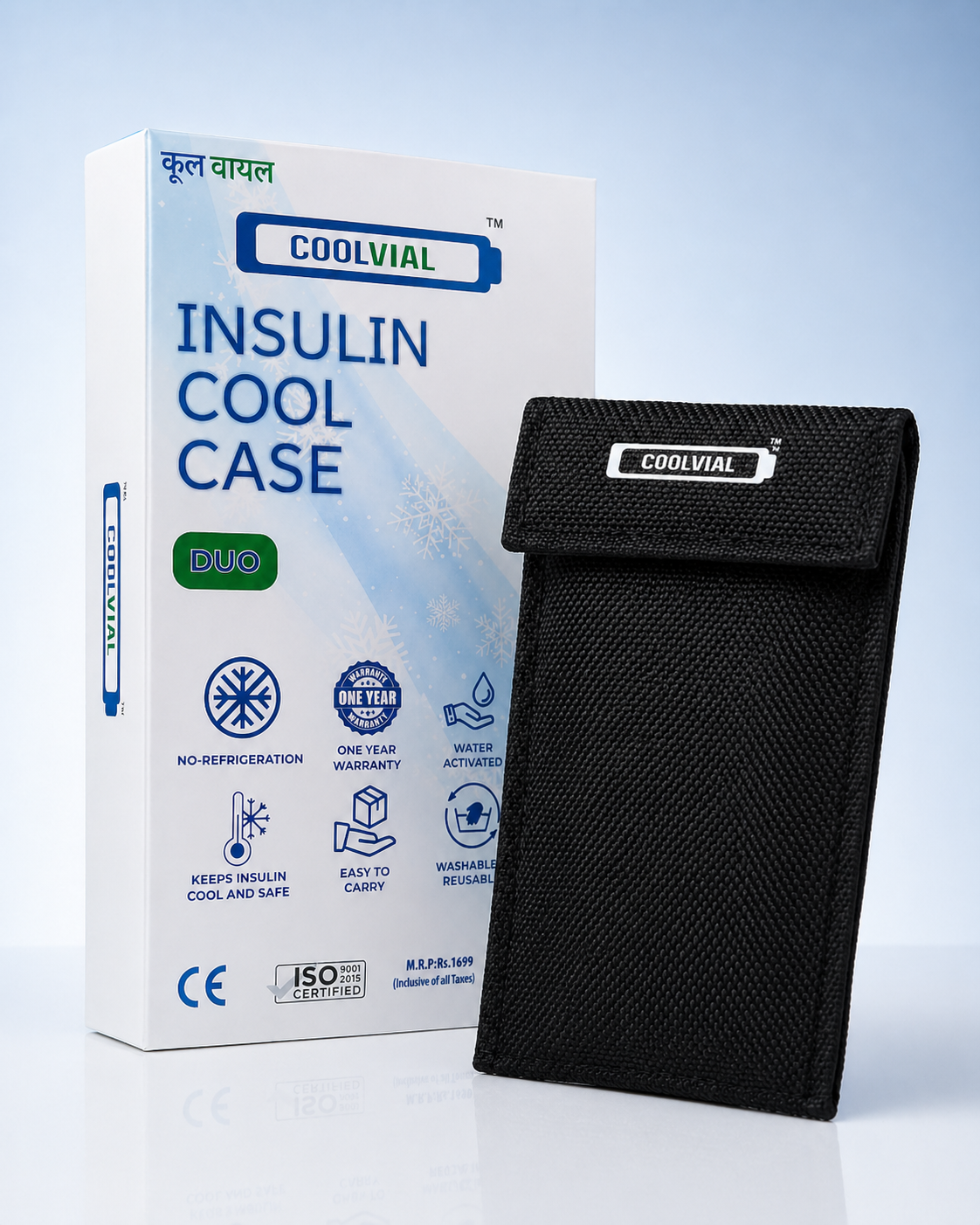
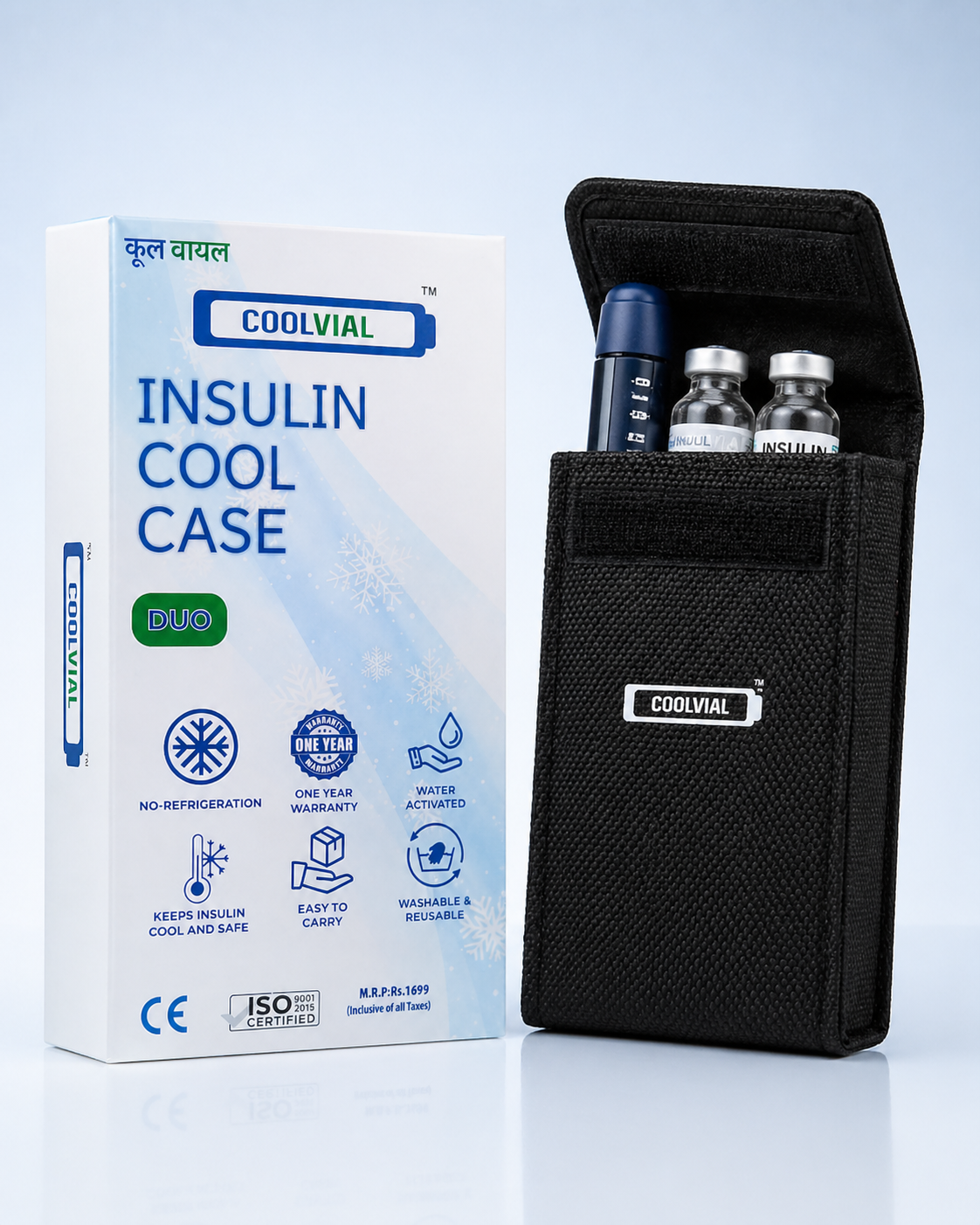
To mitigate these risks, storing insulin in an additional protective layer, even within the fridge, is advisable. This is where a reliable cooling case like the COOLVIAL Duo becomes invaluable. While primarily designed for active cooling without electricity, its protective casing also acts as a barrier against ambient humidity and minor temperature fluctuations when stored inside the fridge during monsoon. It helps maintain a more stable microclimate for your insulin.
Fridge Storage Dos and Don’ts During Monsoon:
| Do’s | Don’ts | | Ins Before Opening: | Store in a refrigerator between 2°C and 8°C. Use the COOLVIAL Duo inside the fridge to provide an extra layer of protection against humidity and temperature swings. | Don’t Store Near Vents: Avoid placing insulin directly in front of refrigerator vents, as this can lead to freezing. | | Store in CoolVial Duo: | For optimal protection from monsoon humidity, always store insulin pens and vials in the COOLVIAL Duo. The evaporative cooling mechanism ensures a stable cool environment (22-25°C), while its robust casing shields against moisture, dust, and physical damage. This is especially crucial for insulin you’re actively using. | | For Active Use: | For travelling, commuting, or being out and about, the COOLVIAL Duo provides optimal protection. Its evaporative technology keeps insulin cool for 12-16 hours without electricity. It’s designed to hold 2 pens + 1 vial, making it ideal for daily use. | | For Long-Term Storage: | For insulin that is yet to be used, ensure it is stored in the coolest part of your refrigerator, away from the door. Keep it in its original packaging to protect it from light and potential moisture, and consider placing it in an airtight container for added protection against humid fridge air. | | If it’s Opened: | Store between 15°C and 30°C for up to 28 days. The COOLVIAL Duo is perfectly suited for this, providing a consistent cool environment without refrigeration, protecting your insulin from both heat and humidity. +
| How to Store Insulin in Lucknow Monsoon — 7 Essential Ways to Protect Your Vials From Humidity Damage |
|---|
| If you need to travel: |
| The COOLVIAL Duo is engineered to provide reliable insulin cooling, crucial for preserving its efficacy, especially when ambient temperatures in Lucknow can range from a comfortable 22°C to a searing 45°C. With a 1-year warranty and CE certification, it ensures quality and peace of mind. While other brands like FRIO offer similar evaporative cooling technology (typically priced around Rs 1,900), and Outer Woods OW-12 provides a more budget-friendly option (around Rs 999, but often with shorter cooling duration), the COOLVIAL Duo strikes an optimal balance. It is proudly Made in India, holding 2 pens and 1 vial, and maintaining insulin at 22-25°C for 12-16 hours without electricity. This makes it a superior choice for Lucknow’s varied climate, offering extended cooling and robust protection against humidity. |
Practical Solutions for Monsoon Insulin Protection in Lucknow
Beyond careful refrigeration, there are several practical steps Lucknow residents can take to protect their insulin during the monsoon. These solutions focus on creating a dry micro-environment for your medication.
1. Harnessing the Power of Silica Gel
Silica gel is a desiccant, meaning it absorbs moisture from the air. These small packets, often found with new electronics or medicines, can be incredibly effective in protecting insulin from humidity.
- How to Use: Place silica gel packets inside airtight containers along with your insulin pens and vials. Ensure the gel packets do not directly touch the insulin. Replace them when they change color (indicating they are saturated with moisture), or regenerate them by gently heating them in an oven.
- Where to Source in Lucknow:
- Local Hardware Stores: Many general hardware and electrical shops around areas like Aminabad, Naka Hindola, or even smaller neighborhood markets in Gomti Nagar often sell larger packets or bags of industrial-grade silica gel. Always check for non-toxic varieties suitable for household use.
- Online Retailers: Platforms like Amazon India, Flipkart, or local Lucknow-based e-commerce stores offer various sizes and types of silica gel packets, including reusable ones.
- Photography/Electronics Shops: Stores specializing in cameras or electronics (e.g., in Hazratganj or Aliganj) might sell silica gel for protecting sensitive equipment.
2. Investing in Airtight Containers
Lucknow Monsoon & Insulin: 7 Essential Ways to Protect Your Vials From Humidity Damage
A good airtight container provides a physical barrier against humidity, dust, and potential water damage.
- Features to Look For: Choose containers made from food-grade plastic or glass with secure, rubber-sealed lids. They should be robust enough to withstand accidental bumps.
- Brands Available Locally:
- Tupperware: Widely available in Lucknow through consultants and retail outlets. Known for its durable, airtight seals.
- Borosil: Offers high-quality glass containers that are excellent for moisture protection. Found in major supermarkets and kitchenware stores across the city.
- Local Plasticware Shops: Smaller shops in markets like Chowk, Nishatganj, or Indira Nagar offer a range of affordable airtight plastic containers. Always check the quality of the seal.
- Online Marketplaces: A vast selection of brands and sizes can be found on Amazon, Flipkart, etc., with delivery options to Lucknow.
3. Securing Emergency Insulin Stock
Having a backup supply is crucial, especially when transport might be disrupted.
- Designated Emergency Pharmacy: Familiarize yourself with the emergency pharmacy services at SGPGIMS (Raebareli Road). They are often equipped to handle critical medication needs during adverse conditions. KGMU/Medical University (Chowk) and Apollomedics Super Speciality (Kanpur Road) are also valuable options. Always carry your prescription and ID.
- Discuss with Doctor: Consult your diabetologist about maintaining an emergency stock and how to store it safely. For more general advice on insulin storage, refer to our insulin storage tips.
Your Monsoon-Ready Insulin Kit: A Comprehensive Checklist for Lucknow Diabetics
Being prepared is the best defense against the challenges of the Lucknow monsoon. Assemble a dedicated “Monsoon-Ready Insulin Kit” to ensure you have everything you need, even if electricity fails or movement is restricted.
Comprehensive Monsoon-Prep Checklist:
- Adequate Insulin Supply: At least a 7-10 day buffer stock of both unopened (refrigerated) and opened (at room temperature) insulin.
- Insulin Cooling Case: A reliable cooling case like the COOLVIAL Duo. This water-activated evaporative cooling case holds 2 pens + 1 vial, keeps insulin cool for 12-16 hours without electricity, and is ideal for travel, power cuts, and ensuring your active insulin stays safe from heat and humidity.
- Syringes/Pen Needles: Sufficient quantity for your buffer insulin supply.
- Blood Glucose Meter & Test Strips: Ensure you have enough strips for frequent monitoring, as stress and illness can affect blood sugar.
- Lancets & Lancing Device: Extra supplies are essential.
- Alcohol Swabs: For hygiene, especially if clean water is scarce.
- Antiseptic Solution/Wipes: For minor cuts or skin irritations, common in humid weather.
- Non-Perishable Snacks: Glucose tablets, biscuits, or other quick-acting carbohydrates to manage hypoglycemia.
- Waterproof Bag/Pouch: To store your insulin and other supplies, protecting them from water damage. An airtight container with silica gel is also recommended.
- Prescriptions & Medical Records: Hard copies of all prescriptions, your doctor’s contact information, and a summary of your medical history, stored in a waterproof bag.
- Emergency Contact List: Family, friends, doctor, and local emergency services numbers.
- Power Bank & Fully Charged Phone: For communication and accessing information. For managing power cuts, our guide on Power Cut Survival Guide for Diabetics in Lucknow — What To Do When the Grid Goes Down provides more detailed advice.
- Hand Sanitizer: When soap and water are not readily available.
- Small Towel/Cloth: For drying hands or supplies if they get damp.
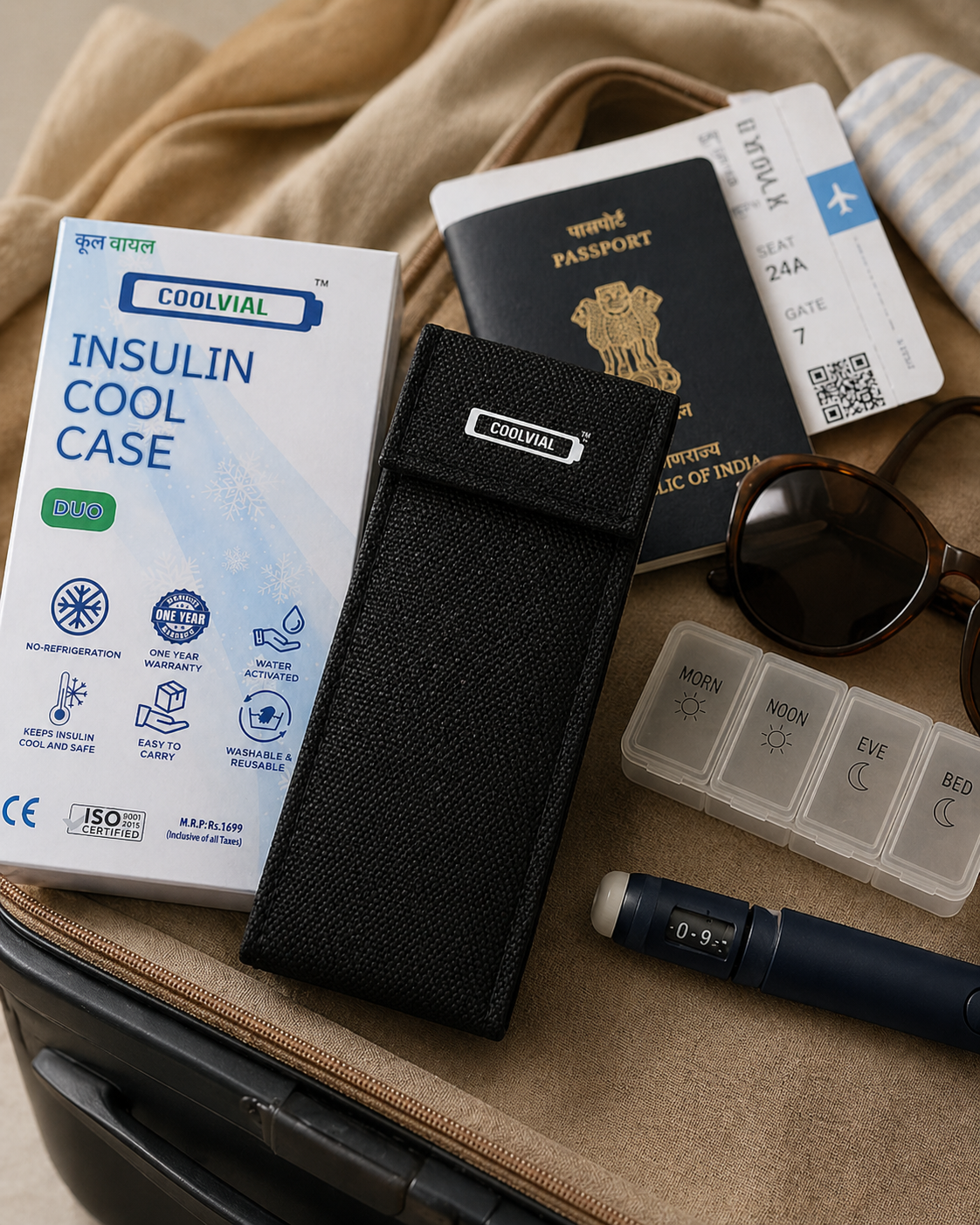
The COOLVIAL Duo, with its CE certification and ISO 9001:2015 standards, offers a safe and effective solution for insulin cooling during the monsoon. It’s Made in India, designed specifically for our challenging climate. At just Rs 1,099 with code COOLHEAL (MRP Rs 1,699), it offers exceptional value compared to alternatives like FRIO (often around Rs 1,900) or Outer Woods OW-12 (around Rs 999, but with potentially shorter cooling durations). This investment provides peace of mind, knowing your vital medication is protected. To explore our full range of solutions, visit our product page.
Frequently Asked Questions (FAQ)
Q: Can I use regular ice packs for insulin during monsoon? A: Regular ice packs are not recommended for direct contact with insulin, as they can freeze the medication, rendering it ineffective. Insulin should never be frozen.
Q: How do I know if my insulin has been damaged by humidity? A: Signs of humidity damage might include degraded packaging, faded labels, mould growth on the exterior, or an altered appearance of the insulin itself (cloudiness, particles, discoloration, or changes in consistency, though these can also indicate heat damage). If in doubt, discard and replace it.
Q: Is it safe to store insulin in the fridge during a power cut in Lucknow? A: During a power cut, an unopened fridge can keep insulin cool for a few hours. However, frequent power cuts and high ambient humidity can lead to condensation and temperature fluctuations inside. For opened insulin, a cooling case like COOLVIAL Duo is safer as it maintains a stable, non-refrigerated temperature (15-30°C) without electricity.
Q: Where can I buy silica gel in Lucknow? A: Silica gel can be purchased from local hardware stores, electronics shops in areas like Hazratganj or Aminabad, and readily online through platforms like Amazon India or Flipkart, with delivery options available across Lucknow.
Q: What should I do if my home floods and my insulin gets wet? A: If your insulin gets wet due to flooding, it should be immediately discarded, as its sterility and efficacy may be compromised by contaminants. Seek replacement insulin from your pharmacy or an emergency hospital pharmacy like SGPGIMS on Raebareli Road.
Q: How long can insulin be stored at room temperature (opened)? A: Once opened, most insulin vials and pens can be stored at room temperature (typically between 15°C and 30°C) for up to 28 days. Always check the specific manufacturer’s instructions for your insulin type.
Q: Are evaporative cooling cases effective in high humidity? A: Evaporative cooling cases like COOLVIAL Duo are designed to be effective even in high humidity, working on the principle of evaporative cooling which uses latent heat of evaporation to maintain a stable, cooler temperature. They provide a vital buffer against ambient temperature and humidity fluctuations.
Conclusion
The Lucknow monsoon brings with it a unique blend of beauty and challenges, particularly for those managing diabetes. The pervasive humidity, coupled with the potential for waterlogging and power disruptions, demands a proactive and informed approach to insulin storage. By understanding the specific risks that the lucknow monsoon insulin interaction poses – from packaging degradation and mould growth to compromised pharmacy access – you can take decisive steps to protect your vital medication.
Implementing solutions like using silica gel in airtight containers, having a robust monsoon-prep checklist, and relying on innovative cooling solutions like the COOLVIAL Duo are not just precautionary measures; they are essential for your health and peace of mind. The COOLVIAL Duo, Made in India, CE certified, and ISO 9001:2015 compliant, offers a dependable way to keep your insulin safe for 12-16 hours without electricity, providing a stable, cool environment for 2 pens + 1 vial. Priced at just Rs 1,099 with code COOLHEAL (MRP Rs 1,699), it is an accessible and effective solution for every diabetic in Lucknow. Don’t let the monsoon compromise your health management. Be prepared, stay safe, and ensure your insulin remains effective, come rain or shine.
Order your COOLVIAL Duo today and experience worry-free insulin storage this monsoon. Visit coolvial.com or connect via WhatsApp at wa.me/918766952300.
Methodology Note
This article was researched using a combination of reputable sources including the Research Society for the Study of Diabetes in India (RSSDI) guidelines, data from the Indian Council of Medical Research - India Diabetes (ICMR-INDIAB) study for diabetes prevalence, local Lucknow hospital directories for emergency services, and information on the Apollo Pharmacy network. Local climate data from the India Meteorological Department (IMD) was also referenced.
Medical Disclaimer
This article is for general information purposes only and does not constitute medical advice. Always consult your endocrinologist or diabetologist before making any changes to your insulin storage practices, dosing regimen, or diabetes management plan.
Lucknow Monsoon & Insulin: 7 Essential Ways to Protect Your Vials From Humidity Damage
48+ hours at 2-8°C. No electricity. CE certified. Free delivery across India.
Order on WhatsApp — ₹1,099🛒 Buy Now — ₹1,099