
Reviewed by the COOLVIAL Editorial Team — specialists in insulin storage for Indian climate conditions.
The arrival of the monsoon in Ludhiana, transforming the landscape around landmarks like the Punjab Agricultural University (PAU) and Lodhi Fort into a lush green, brings with it a unique set of challenges for individuals managing diabetes. While the rains offer a welcome respite from the scorching summer heat, the accompanying high humidity and intermittent downpours pose a significant threat to insulin efficacy. Protecting your insulin vials and pens from humidity damage during the Ludhiana monsoon insulin season is not just a recommendation; it’s a critical aspect of effective diabetes management. Based on analysis of insulin storage queries from Ludhiana diabetics, we understand the local concerns intimately. With average monsoon rainfall in Ludhiana typically around 800mm between July and September, the air becomes saturated with moisture, creating an environment where insulin can degrade rapidly if not stored correctly. This article provides 7 essential, practical ways Ludhiana residents can safeguard their vital medication, ensuring its stability and your health throughout the wet season.
Table of Contents
- Understanding Ludhiana’s Monsoon Challenge for Insulin
- The Hidden Threat: Humidity Damage to Insulin Pens and Packaging
- Navigating Waterlogging and Flooding Risks in Ludhiana
- Transport Disruptions and Pharmacy Access Challenges
- Refrigeration Risks: Humid-Fridge-Air Contamination
- Essential Monsoon-Proofing for Your Insulin Stock (Ludhiana Edition)
- The Advantage of Evaporative Coolers like COOLVIAL Duo
- Monsoon Survival Checklist for Ludhiana Diabetics
- Frequently Asked Questions
- Conclusion
1. Understanding Ludhiana’s Monsoon Challenge for Insulin
Ludhiana’s climate presents a distinct profile that heavily impacts insulin storage. While the city experiences hot summers, with temperatures soaring between 23°C and 44°C, and very cold winters ranging from 4°C to 19°C often accompanied by dense fog, the monsoon season is characterized by a different kind of environmental stress: pervasive humidity. From July to September, Ludhiana receives approximately 800mm of rainfall, transforming the dry air into a moisture-laden atmosphere. This high humidity, often exceeding 85-90%, is the primary antagonist for insulin stability during these months.
Insulin, a protein hormone, is highly sensitive to environmental factors. Exposure to temperatures outside its recommended range (typically 2°C to 8°C for unopened vials, and up to 25°C-30°C for opened vials/pens for 28 days) can lead to a loss of potency. However, humidity poses an equally insidious threat. High moisture levels can accelerate the degradation process, causing insulin molecules to clump together or break down, rendering the medication ineffective. This can lead to unpredictable blood sugar levels, making diabetes management during the monsoon particularly challenging for Ludhiana residents.
Here’s why Ludhiana’s monsoon is uniquely challenging for insulin:
- Prolonged High Humidity: Unlike transient rain showers, the monsoon brings sustained periods of high atmospheric moisture, making it difficult to keep indoor environments dry.
- Temperature Fluctuations: While monsoon days might be cooler than summer peaks, indoor temperatures can still hover around or above 25°C, especially in poorly ventilated homes. This combined with humidity creates a perfect storm for insulin degradation.
- Infrastructure Impact: Frequent power cuts and waterlogging can disrupt access to reliable refrigeration and transport, further complicating storage.
- Increased Risk of Contamination: Damp conditions foster microbial growth, posing a risk to insulin if packaging or storage containers are compromised.
According to data from the Indian Council of Medical Research (ICMR)-INDIAB study, the prevalence of diabetes in Punjab is a significant concern (Source: RSSDI publications). This underscores the importance of proper insulin care for the health of thousands of Ludhiana residents. Understanding these specific challenges is the first step towards robust insulin protection during the monsoon.
2. The Hidden Threat: Humidity Damage to Insulin Pens and Packaging
The pervasive moisture during the Ludhiana monsoon insulin period doesn’t just affect the efficacy of the medication itself; it can also cause significant damage to insulin pens and their packaging, often in ways that are not immediately obvious. The cardboard boxes that typically house insulin vials and pens are highly susceptible to moisture absorption.
When cardboard packaging absorbs humidity, it can soften, warp, and even disintegrate. This compromises the protective barrier it’s meant to provide, exposing the insulin pens or vials directly to the damp environment. More concerning is the risk of mould. Ludhiana’s humid climate, especially in apartments and ground-floor homes in areas like Sarabha Nagar, Model Town, and Civil Lines, creates an ideal breeding ground for mould spores. These microscopic fungi thrive in damp, poorly ventilated spaces, and once they take hold on packaging, they can potentially contaminate the pen or vial itself.
Beyond the packaging, the mechanical components of insulin pens are also vulnerable. The intricate plastic and metal parts can be affected by moisture, leading to:
- Mechanism Failure: Humidity can cause internal components to swell, rust, or corrode, leading to sticky buttons, inaccurate dose delivery, or complete pen malfunction.
- Clouding or Discoloration: While not always directly caused by humidity, a compromised pen body due to moisture ingress can lead to changes in the insulin’s appearance, indicating degradation.
- Compromised Seals: Rubber seals on vials or pen cartridges can degrade faster in humid conditions, potentially leading to leakage or air ingress, further compromising insulin stability.
Signs of Humidity Damage to Insulin or Its Packaging:
- Soft or Soggy Packaging: Cardboard boxes feel damp, soft, or show signs of swelling.
- Visible Mould: Green, black, or white fuzzy spots on the packaging or even on the pen itself.
- Discolored or Cloudy Insulin: Insulin that appears cloudy, has particles, or changes color (unless it’s naturally cloudy like NPH insulin).
- Sticky or Malfunctioning Pen: The dose knob is hard to turn, the injection button sticks, or the pen doesn’t deliver the correct dose.
- Foul Odor: A musty smell emanating from the storage area or the insulin packaging.
If you observe any of these signs, it’s crucial to discard the insulin and replace it. Your health depends on the potency and safety of your medication.
3. Navigating Waterlogging and Flooding Risks in Ludhiana
While Ludhiana is generally considered a relatively dry city compared to some other parts of Punjab, the monsoon season can bring localized waterlogging and occasional flooding, posing a direct threat to insulin supplies, especially for those living in ground-floor homes or vulnerable areas. The city typically experiences heavy rainfall spells between July and September, with the Buddha Nullah, though largely canalized, occasionally swelling and causing low-level flooding in adjacent areas. More commonly, certain urban hotspots in Ludhiana face significant waterlogging.
Common Waterlogging Hotspots in Ludhiana:
- Civil Lines (Central): Due to older infrastructure and lower elevations in some pockets.
- Sarabha Nagar: Specific lanes can accumulate water after heavy downpours.
- Model Town: Certain residential streets and market areas.
- Areas near Railway Lines: Historically prone to water accumulation due to drainage issues.
If your home or building experiences flooding, even minor water ingress, your insulin stock is at risk. Water, especially floodwater, is often contaminated and can compromise the sterility of insulin vials and pens, even if they appear sealed. The sudden change in temperature and direct exposure to moisture can also degrade the insulin rapidly.
What to Do if Your Home or Building Floods (Low-Level):
- Prioritize Safety: Ensure your family’s safety first. Move to higher ground if necessary.
- Elevate Insulin Immediately: If possible, move all insulin (and other critical medications) to the highest possible shelf, cupboard, or even upper floors.
- Seal and Protect: Place insulin in waterproof, airtight bags or containers. Even if they are already in a cooling case, an extra layer of protection is vital.
- Assess Damage: Once safe, inspect your insulin. Any vials or pens that have come into direct contact with floodwater, or whose packaging is visibly wet or compromised, should be considered unsafe and discarded.
- Seek Replacement: Do not risk using potentially compromised insulin. Contact your doctor or visit an emergency pharmacy like the one at DMC&H (Dayanand Medical College) to obtain replacement supplies.
Proactive measures are key. Ensure your emergency kit includes a waterproof bag for medications. For more comprehensive advice on managing health during extreme weather, you can refer to our Power Cut Survival Guide for Diabetics in Ludhiana — What To Do When the Grid Goes Down, which also covers aspects of emergency preparedness relevant to monsoon conditions.
4. Transport Disruptions and Pharmacy Access Challenges
The Ludhiana monsoon, while bringing much-needed relief, often brings with it significant transport disruptions. Heavy rainfall can lead to waterlogged roads, traffic jams, and reduced public transport services, making it challenging for diabetics to access pharmacies and essential medical supplies. This is particularly true for those who rely on daily commutes or home delivery services.
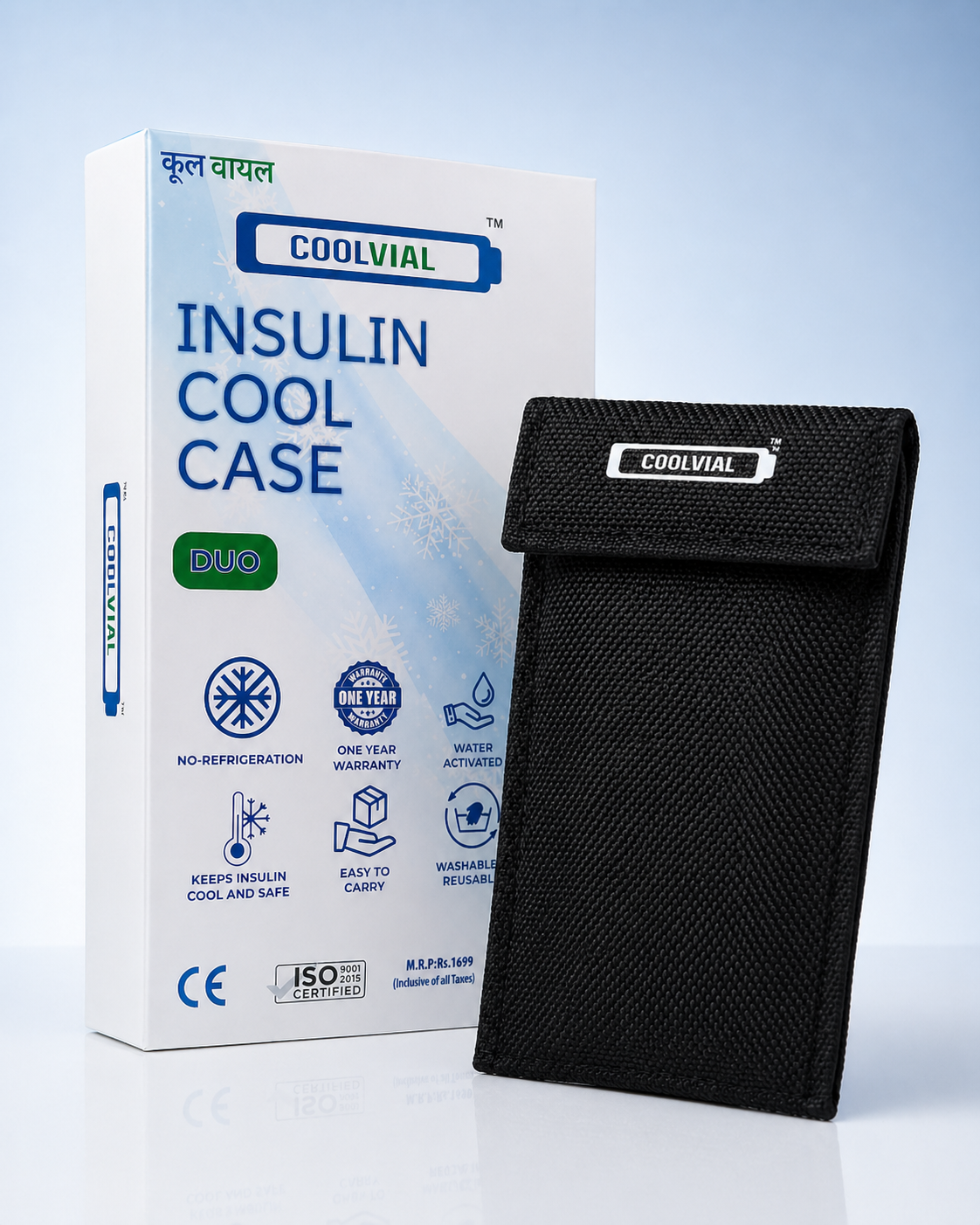
Ludhiana Monsoon & Insulin: 7 Essential Ways to Protect Your Vials From Humidity Damage
48+ hours at 2-8°C. No electricity. CE certified. Free delivery across India.
Order on WhatsApp — ₹1,099🛒 Buy Now — ₹1,099Areas prone to waterlogging, such as parts of Civil Lines, Sarabha Nagar, and Model Town, can become difficult to navigate, affecting both personal travel and commercial deliveries. This directly impacts access to pharmacies like Apollo Pharmacy, MedPlus, and Generic Aadhaar outlets spread across the city. For those who depend on online pharmacy platforms like 1mg and Frontier Medicare for regular insulin refills, delivery delays or cancellations during peak monsoon spells can be a serious concern. The logistical challenges of navigating flooded streets and ensuring cold chain integrity become immense for delivery personnel.
Impact of Monsoon on Pharmacy Access:
- Physical Travel Difficulties: Waterlogged roads and traffic make it hard to reach brick-and-mortar pharmacies.
- Public Transport Disruptions: Buses and auto-rickshaws may run less frequently or take longer routes.
- Delivery Delays: Online pharmacy services (1mg, Frontier Medicare) may experience significant delays or temporary suspension of services in affected areas.
- Stock Issues: Localized flooding or transport disruptions can sometimes lead to temporary shortages of specific insulin types at smaller pharmacies.
Backup Plan for Insulin Supply During Monsoon:
| Action Item | Details Ludhiana, 7 Essential Ways to Protect Your Vials From Humidity Damage during the monsoon is essential for effective diabetes management. This is because high humidity, which can average above 85% during Ludhiana’s monsoon (July-September), directly impacts insulin’s stability and potency.
5. Refrigeration Risks: Humid-Fridge-Air Contamination
During the Ludhiana monsoon insulin storage can be tricky, even inside your refrigerator. While refrigeration is the standard for unopened insulin vials, the high ambient humidity during the monsoon season can introduce an often-overlooked risk: humid-fridge-air contamination. This occurs when moist air from the kitchen or room enters the refrigerator every time the door is opened, leading to condensation and moisture buildup inside the appliance.
Modern refrigerators are designed to manage some humidity, but continuous exposure to high external moisture can overwhelm their systems. The resulting condensation inside the fridge can create a microclimate that is detrimental to insulin, even if the temperature remains within the ideal range of 2°C to 8°C.
How Humid-Fridge-Air Contamination Occurs:
- Frequent Door Opening: Each time the refrigerator door is opened, warm, humid air from the surrounding environment rushes in.
- Condensation: When this warm, moist air meets the cold interior surfaces of the refrigerator, it condenses into water droplets.
- Moisture Accumulation: Over time, this condensation can accumulate on shelves, walls, and even on the insulin packaging itself.
- Mould and Bacterial Growth: The damp environment, combined with any food particles or residues, creates an ideal breeding ground for mould and bacteria, which can then contaminate insulin packaging or even the vials/pens if seals are compromised.
The presence of excess moisture inside the refrigerator can accelerate the degradation of insulin. Even if the insulin itself doesn’t come into direct contact with water, the dampness can compromise the sterility of the packaging, leading to mould growth that can affect the pen’s integrity or introduce contaminants.
Best Practices for Fridge Storage During Monsoon:
- Use Airtight Containers: Always store insulin vials and pens in sealed, waterproof containers (e.g., plastic food containers with rubber seals) before placing them in the refrigerator. This creates a protective barrier against internal fridge humidity.
- Avoid Door Storage: The refrigerator door is subject to the most temperature fluctuations. Store insulin deeper inside, preferably in the middle shelf, away from the freezer compartment.
- Regular Cleaning: Clean your refrigerator regularly with a mild disinfectant to prevent mould and bacterial growth. Pay attention to shelves and drawers where moisture might collect.
- Check Door Seals: Ensure your refrigerator door seals are intact and free of gaps. Worn-out seals allow more humid air to enter.
- Limit Door Opening: Try to minimize how often and how long you keep the refrigerator door open.
By taking these precautions, you can mitigate the risks of humid-fridge-air contamination and ensure your refrigerated insulin remains safe and potent throughout the Ludhiana monsoon.
6. Essential Monsoon-Proofing for Your Insulin Stock (Ludhiana Edition)
Preparing your insulin stock for the Ludhiana monsoon requires a multi-pronged approach, focusing on protection from both temperature fluctuations and, critically, high humidity. Beyond proper refrigeration, integrating specific tools and practices into your routine can significantly enhance the safety and efficacy of your medication.
Sourcing Silica Gel in Ludhiana
Silica gel is a highly effective desiccant that absorbs moisture from the air, making it an invaluable tool for protecting insulin from humidity. You can find silica gel packets in various forms and sizes:
- Local General Stores & Hardware Shops: Many larger general stores and hardware shops across Ludhiana, including those in areas like BRS Nagar and Model Town, stock silica gel packets, often sold for electronic goods or storage solutions.
- Online Retailers: Platforms like Amazon India offer a wide range of silica gel products, including reusable packets that can be reactivated by heating. You can order these for delivery to Ludhiana.
- Photography/Electronics Stores: Shops specializing in cameras or electronics (e.g., near Pavilion Mall) often sell larger quantities of silica gel for equipment protection.
- Pharmacies: While not common, some larger Apollo Pharmacy or MedPlus outlets might stock small desiccant packets, especially if they cater to specialized medical needs. [Verify in 2026]
How to Use Silica Gel: Place silica gel packets inside your insulin storage containers or even inside your portable cooling case (like the COOLVIAL Duo) to absorb excess moisture. Ensure the packets do not come into direct contact with the insulin itself. Replace or reactivate them regularly, especially during peak monsoon humidity.
Airtight Container Brands Available Locally
Airtight containers are your first line of defense against humidity. They create a sealed environment for your insulin, preventing moisture from reaching it. Ludhiana’s markets offer several reliable brands:
- Tupperware: Available at exclusive stores, departmental stores, and often through local distributors in neighborhoods like Civil Lines. Known for durable, airtight seals.
- Borosil: Widely available at crockery stores, home goods sections of supermarkets (e.g., Vishal Mega Mart, DMart), and online. Offers glass containers which are excellent for airtight storage.
- Local Brands: Many smaller, affordable plastic airtight container brands are available at general stores and market stalls. Look for those with robust clip-locks and silicone seals.
- Cello/Signoraware: Popular Indian brands offering a range of plastic containers with good sealing mechanisms, found in most supermarkets and kitchenware stores.
Always ensure the container is clean and completely dry before placing your insulin and silica gel inside.
Emergency Insulin Replacement in Ludhiana
Despite all precautions, sometimes insulin can be compromised. Knowing where to get emergency supplies is crucial.
- DMC&H (Dayanand Medical College & Hospital): Their emergency pharmacy operates 24/7 and is a reliable source for critical medications, including insulin. Located on Tagore Nagar Road.
- CMC Ludhiana (Christian Medical College & Hospital): Another major hospital with a well-stocked pharmacy, accessible for urgent needs. Located on Brown Road.
- SPS Hospitals: Located on Sherpur Bypass, SPS Hospitals also has a pharmacy that can assist with emergency insulin needs.
Always carry your prescription and doctor’s contact information when seeking emergency refills. For more detailed guidance on where to source replacement insulin, refer to our Complete Diabetes Care Guide for Ludhiana Residents — 2026 Edition.
7. The Advantage of Evaporative Coolers like COOLVIAL Duo
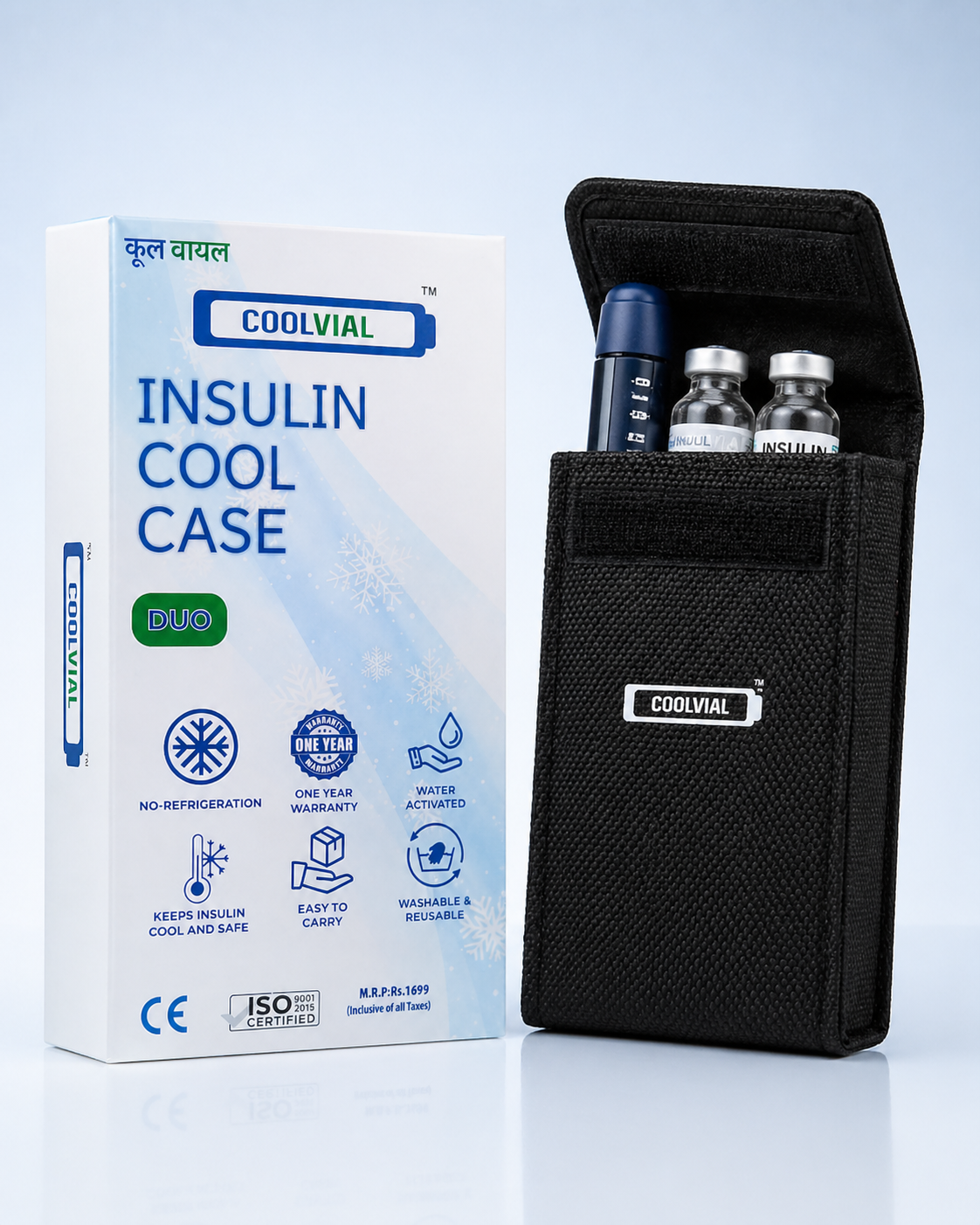
When it comes to protecting your insulin during the Ludhiana monsoon insulin challenges, traditional methods have their limitations. Refrigeration is great for home, but what about travel, power cuts, or simply carrying your insulin safely through a humid day? This is where water-activated evaporative cooling cases like the COOLVIAL Duo offer a superior, practical solution tailored for Indian conditions.
The COOLVIAL Duo is engineered to keep insulin cool and safe for an impressive 12-16 hours without needing electricity, ice packs, or refrigeration. This is achieved through a simple yet effective evaporative cooling technology. You simply activate the inner pouch with water, and the natural evaporation process draws heat away from the insulin, maintaining a safe temperature range (typically 18-26°C), even when ambient temperatures soar up to 38°C. This makes it ideal for Ludhiana’s fluctuating monsoon temperatures, where days can still be warm and humid.
Why COOLVIAL Duo is Ideal for Ludhiana’s Monsoon:
- Humidity Protection: Unlike simply placing insulin in a regular bag, the COOLVIAL Duo’s design inherently helps protect against external humidity. The evaporative process creates a microclimate within the case that is less susceptible to external moisture, safeguarding pens and vials from direct dampness.
- No Electricity Needed: This is a game-changer during Ludhiana’s monsoon, when power cuts can be frequent and unpredictable. You don’t have to worry about your fridge failing or finding a power source on the go. This also makes it perfect for outdoor activities around Hardy’s World or a visit to the Tiger Safari.
- Reliable Cooling: It maintains a consistent, safe temperature, preventing insulin from freezing (which can happen with ice packs) or overheating.
- Portability: Compact and lightweight, the COOLVIAL Duo is designed for easy transport. It holds 2 pens and 1 vial, making it versatile for most users.
- Durability & Safety: Made in India, CE certified, and ISO 9001:2015 certified, it assures quality and safety. It also comes with a 1-year warranty.
Comparing COOLVIAL Duo with Alternatives:
- FRIO: A well-known international brand, FRIO also uses evaporative cooling. However, COOLVIAL Duo offers comparable performance at a significantly more accessible price point for the Indian market (COOLVIAL Duo at Rs 1,099 vs. FRIO often around Rs 1,900 or more for similar capacity).
- Outer Woods OW-12: Another Indian brand, the OW-12 is a simpler insulated pouch, often without the advanced evaporative cooling mechanism. While it might be slightly cheaper (around Rs 999), it typically offers less cooling duration and humidity protection compared to COOLVIAL Duo’s active cooling.
For those navigating the complexities of insulin storage in Ludhiana’s unique climate, the COOLVIAL Duo provides a smart, reliable, and affordable solution. It ensures your insulin remains potent and protected, giving you peace of mind. For more insights into optimal insulin care, explore our general insulin storage tips.
8. Monsoon Survival Checklist for Ludhiana Diabetics
Being prepared is paramount for managing diabetes effectively during the Ludhiana monsoon. This comprehensive checklist will help you safeguard your insulin and maintain your health throughout the wet season.
Pre-Monsoon Preparations:
- Stock Up on Insulin: Aim to have at least a 2-week to 1-month supply of insulin and other essential medications. This buffers against pharmacy access issues and delivery delays.
- Secure Backup Supplies: Keep an extra set of syringes, lancets, test strips, and a glucometer.
- Waterproof Storage: Invest in good quality airtight, waterproof containers for your insulin and other medications.
- Silica Gel: Purchase a supply of silica gel packets to place within your storage containers to absorb moisture.
- Emergency Cooling Case: Ensure your COOLVIAL Duo or similar evaporative cooling case is in good working order and you know how to activate it. Consider a backup if you travel frequently.
- Home Preparedness: Check your home for potential leaks or areas prone to dampness, especially in ground-floor residences in areas like Sarabha Nagar or Model Town. Improve ventilation where possible.
During the Monsoon:
- Regular Insulin Inspection: Visually inspect your insulin vials and pens daily for any changes in appearance (cloudiness, particles, discoloration) or signs of damage to the packaging.
- Consistent Storage Practices: Adhere strictly to recommended storage temperatures. For opened insulin, ensure it stays below 25°C-30°C and is used within 28 days. Unopened insulin requires refrigeration.
- Utilize Cooling Solutions: Always use your COOLVIAL Duo when transporting insulin or during power cuts. For home storage, keep refrigerated insulin in sealed, airtight containers with silica gel.
- Monitor Blood Glucose More Frequently: Stress, changes in routine, and potentially compromised insulin can affect blood sugar. Monitor more often and adjust as advised by your doctor.
- Stay Hydrated and Safe: Drink boiled or filtered water to avoid waterborne illnesses. Avoid walking through floodwaters to prevent infections.
- Maintain Pharmacy Contacts: Keep a list of emergency pharmacy numbers, especially DMC&H and CMC Ludhiana, and your doctor’s contact details readily available.
- Charge Devices: Keep your phone, power banks, and glucometer charged in anticipation of power outages.
Emergency Kit Essentials for Diabetics:
- Insulin and Syringes/Pens: At least a 7-day supply, stored in a waterproof bag inside your COOLVIAL Duo.
- Glucometer, Test Strips, Lancets: A complete, functional set.
- Glucose Tablets/Gel: For treating hypoglycemia, especially if regular food sources are disrupted.
- Prescription Copies: Both physical and digital copies (on your phone/email).
- Doctor’s Contact Information: Including emergency numbers.
- First-Aid Supplies: Band-aids, antiseptic wipes, especially for foot care.
- Waterproof Bag: For protecting all medications and documents.
- Small Torch/Headlamp: For power outages.
By following this comprehensive checklist, Ludhiana diabetics can navigate the monsoon season with greater confidence, ensuring their insulin remains safe and effective, no matter what the weather brings.
Frequently Asked Questions
Q: Can I use insulin that has been exposed to high humidity during the Ludhiana monsoon? A: It is generally not recommended to use insulin that has been directly exposed to high humidity or moisture, as humidity can degrade insulin’s potency and compromise its sterility, making it less effective or potentially unsafe.
Q: How can I tell if my insulin has been damaged by humidity? A: Signs of humidity damage include changes in insulin appearance (cloudiness, particles, discoloration), a musty smell, or softened/mouldy packaging. If your insulin pen malfunctions or feels sticky, it could also be a sign of moisture damage.
Q: Where can I buy silica gel in Ludhiana to protect my insulin? A: Silica gel packets can be purchased at local general stores, hardware shops, electronics stores (e.g., near Pavilion Mall), and online retailers like Amazon India, with delivery available across Ludhiana.
Q: What should I do if my home in Ludhiana gets waterlogged and my insulin gets wet? A: If your insulin comes into direct contact with floodwater, it should be immediately discarded due to contamination risks and potential degradation; seek urgent replacement from an emergency pharmacy like DMC&H (Dayanand Medical College).
Q: How does COOLVIAL Duo protect insulin during the humid Ludhiana monsoon? A: The COOLVIAL Duo uses water-activated evaporative cooling to keep insulin at a safe temperature (18-26°C) for 12-16 hours without electricity, and its design inherently protects vials and pens from external humidity and moisture.
Q: Is it safe to store insulin in the refrigerator during the monsoon in Ludhiana? A: Yes, unopened insulin should be stored in the refrigerator (2-8°C), but during the monsoon, always place it in an additional airtight, waterproof container inside the fridge to protect against humid-fridge-air contamination and condensation.
Q: What should be in my emergency kit for diabetes during Ludhiana’s monsoon? A: Your emergency kit should include at least a 7-day supply of insulin in a waterproof COOLVIAL Duo, a glucometer with strips and lancets, glucose tablets, copies of prescriptions, and your doctor’s contact information.
Conclusion
The Ludhiana monsoon, a season of both beauty and challenge, demands heightened vigilance for individuals managing diabetes. The unique climatic profile, characterized by high humidity and potential waterlogging in areas like Civil Lines and Sarabha Nagar, poses a direct threat to the stability and efficacy of insulin. By understanding these local nuances and adopting proactive measures, you can ensure your vital medication remains potent and safe. From fortifying your home storage with airtight containers and silica gel, to having a robust emergency plan for potential flooding or pharmacy access issues, every step taken contributes to your well-being.
Embracing modern, reliable solutions like the COOLVIAL Duo is a smart investment in your health. This water-activated evaporative cooling case provides critical protection against both temperature fluctuations and humidity for 12-16 hours without electricity, making it an indispensable companion for Ludhiana diabetics. Its CE certification, ISO 9001:2015 standard, and 1-year warranty offer peace of mind, all at an accessible price.
Don’t let the monsoon compromise your diabetes management. Be prepared, stay informed, and equip yourself with the right tools.
Order COOLVIAL Duo today at just Rs 1,099 with code COOLHEAL at coolvial.com or via WhatsApp wa.me/918766952300.
Medical disclaimer: This article is for general information. Always consult your endocrinologist or diabetologist before changing insulin storage or dosing practices.
How We Researched This — RSSDI guidelines, ICMR-INDIAB data, local Ludhiana hospital directories, Apollo Pharmacy pharmacy network.
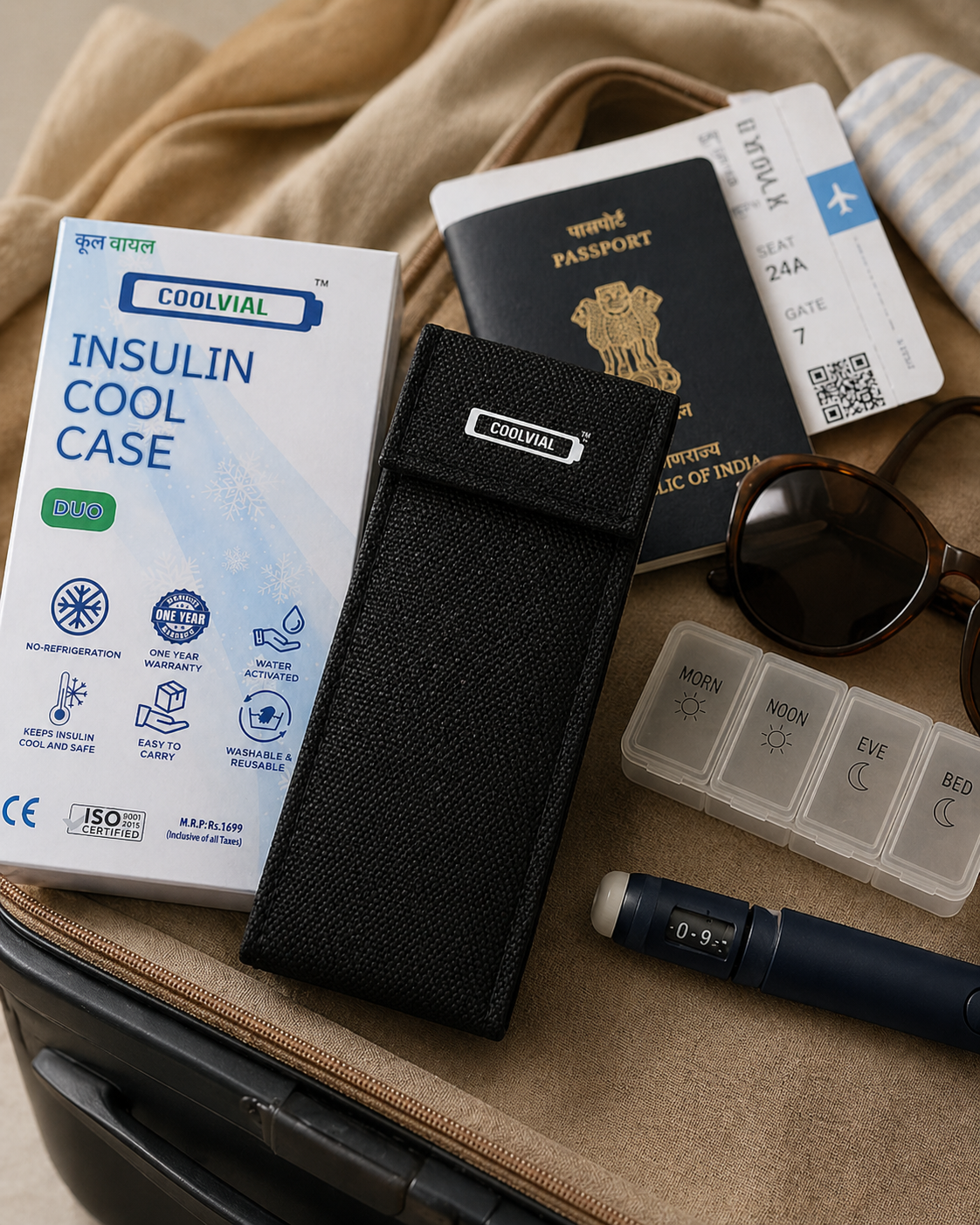
Ludhiana Monsoon & Insulin: 7 Essential Ways to Protect Your Vials From Humidity Damage
COOLVIAL keeps insulin safe in India's heat. 48+ hours, no electricity needed.