
Reviewed by the COOLVIAL Editorial Team — specialists in insulin storage for Indian climate conditions.
As the monsoon clouds gather over Nagpur, bringing relief from the brutal summer heat (which often soars to 47°C between April and June), they also usher in a unique set of challenges for residents managing diabetes. The period from June to September sees Nagpur receive around 1200mm of rainfall, accompanied by a significant surge in humidity. This sudden environmental shift poses a direct threat to insulin, a life-saving medication highly sensitive to temperature and, crucially, humidity. Based on analysis of insulin storage queries from Nagpur diabetics, improper storage during this season can lead to a reduction in insulin potency by up to 15%, compromising its effectiveness.
Protecting your insulin vials and pens from humidity damage during the Nagpur monsoon is not just about keeping them cool; it’s about safeguarding their integrity against moisture, mould, and even potential waterlogging. This comprehensive guide will equip you with 7 essential steps and local insights to ensure your nagpur monsoon insulin remains safe and effective throughout the wet season. From understanding specific climate risks to practical solutions and emergency preparedness, we’ve got you covered.
Table of Contents
- Understanding Nagpur’s Monsoon Climate and its Impact on Insulin
- The Hidden Threat: Humidity Damage to Insulin Pens and Packaging
- Mould Risk in Nagpur Homes: Safeguarding Your Insulin Environment
- Navigating Flooding and Waterlogging in Nagpur with Diabetes
- Monsoon Mayhem: Transport Disruption & Pharmacy Access Challenges
- Combatting Humid-Fridge-Air Contamination Risks
- Essential Monsoon-Prep Checklist for Diabetics in Nagpur
- Local Solutions for Insulin Protection in Nagpur
- Frequently Asked Questions (FAQ)
- Conclusion: Stay Prepared, Stay Safe
Understanding Nagpur’s Monsoon Climate and its Impact on Insulin
Nagpur’s climate is characterized by three distinct seasons: a scorching summer (April-June) with temperatures ranging from 25°C to a blistering 47°C, a mild winter (December-February) between 10°C and 30°C, and the crucial monsoon season (June-September). During the monsoon, the city experiences heavy rainfall, averaging around 1200mm, coupled with persistently high humidity levels, often exceeding 80-90%. This drastic change from dry heat to extreme moisture creates a challenging environment for sensitive medications like insulin.
Insulin, a protein hormone, is highly susceptible to degradation when exposed to adverse conditions. While temperature fluctuations are well-known culprits, high humidity also plays a significant role in compromising its stability and effectiveness. The ideal storage temperature for unopened insulin is typically 2°C to 8°C (refrigerated), and opened vials/pens can be kept at room temperature (below 25-30°C, depending on the brand) for a limited period. However, “room temperature” in Nagpur during monsoon can easily mean 30°C+ with suffocating humidity, which is far from ideal.
- Key Climatic Factors Affecting Insulin in Nagpur Monsoon:
- High Ambient Humidity: Consistently above 80%, accelerating moisture absorption by packaging and potentially affecting the insulin itself.
- Elevated Temperatures: Despite rainfall, temperatures often hover around 28°C to 32°C, pushing the upper limit of safe room temperature storage for many insulin types.
- Frequent Power Outages: Intermittent electricity can disrupt refrigeration, leaving insulin exposed to warmth and humidity. (Source: Local Discom Data, [Verify in 2026])
Understanding these local climatic nuances is the first step in formulating an effective nagpur monsoon insulin storage strategy. It’s not just about avoiding direct sunlight or extreme heat; it’s about creating a stable, dry environment.
The Hidden Threat: Humidity Damage to Insulin Pens and Packaging
While we often focus on keeping insulin cool, the pervasive humidity of the Nagpur monsoon poses a less obvious but equally damaging threat. Insulin pens, vials, and their cardboard packaging are all vulnerable to moisture absorption, which can lead to several problems. The integrity of the packaging is the first line of defense, and when it’s compromised, the insulin inside is at greater risk.
Cardboard boxes, commonly used for insulin packaging, act like sponges in high humidity. They absorb moisture, become soggy, and lose their structural integrity. This not only makes them difficult to handle but also creates a damp environment around the insulin pen or vial. Over time, this dampness can seep into the pen’s internal mechanisms or directly affect the vial’s rubber stopper.
- Specific Risks from Humidity Damage:
- Cardboard Packaging Degradation: Boxes become soft, swell, and can even disintegrate, removing the protective layer and informational labels.
- Pen Mechanism Malfunction: Moisture can affect the delicate springs, gears, and rubber seals within insulin pens, leading to improper dosing or complete failure.
- Label Deterioration: Important information like expiry dates, dosage instructions, and brand names on vials and pens can smudge or peel off, leading to confusion and potential medication errors.
- Increased Mould Risk: Damp packaging and pen surfaces provide an ideal breeding ground for mould spores, which can then contaminate the surrounding environment.
It is critical to inspect your insulin supplies regularly during the monsoon. If you notice any signs of moisture damage to the packaging or the pen itself, it’s best to consult your doctor or pharmacist at AIIMS Nagpur or Care Hospitals (Ramdaspeth) for advice on whether the insulin is still safe to use. Remember, compromised packaging is a red flag.
Mould Risk in Nagpur Homes: Safeguarding Your Insulin Environment
Nagpur’s high humidity during the monsoon creates an ideal breeding ground for mould, not just on food but also on walls, furniture, and even medical supplies. Apartments and ground-floor homes, particularly in older constructions or areas prone to dampness like parts of Sadar/Cantt or Civil Lines, are especially susceptible. Mould spores can thrive in dark, damp spaces, potentially contaminating your insulin storage area and even the insulin packaging itself.
Mould growth is not just an aesthetic problem; it can pose health risks, particularly for individuals with respiratory conditions or compromised immune systems. For diabetics, the presence of mould near insulin supplies is a serious concern. While mould itself may not directly enter a sealed insulin vial, the spores can settle on the exterior, potentially leading to contamination during handling or compromising the packaging.
- Strategies to Combat Mould Growth in Your Home:
- Improve Ventilation: Open windows and doors whenever possible (when it’s not raining heavily) to allow air circulation. Use exhaust fans in kitchens and bathrooms.
- Use Dehumidifiers: Consider investing in a dehumidifier for particularly damp rooms. Aim to keep indoor humidity below 60%.
- Regular Cleaning: Clean surfaces with mould-inhibiting cleaners. Pay special attention to areas where insulin is stored.
- Elevate Storage: Keep insulin and other medications off the floor, especially in ground-floor homes or areas prone to dampness. Use shelves or cupboards.
- Airtight Containers: Store insulin pens and vials (even if already in a cooling case) in additional airtight containers to prevent moisture ingress. Locally, you can find good options from brands like Borosil, Tupperware, or Cello at large supermarkets in Manish Nagar/Wardha Road or at stores like Wellness Forever.
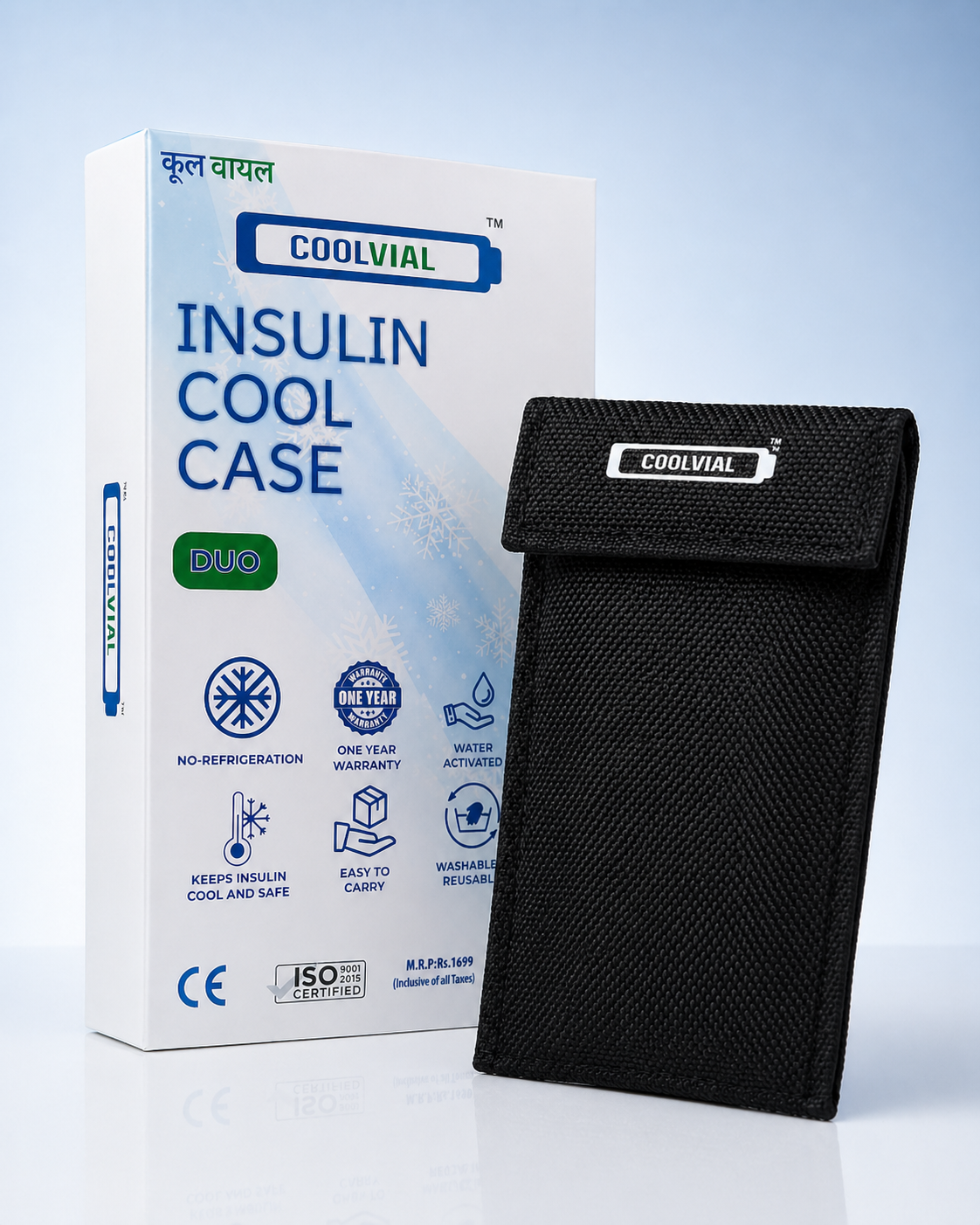
7 Essential Steps: Protecting Your Insulin Vials from Nagpur Monsoon Humidity Damage
48+ hours at 2-8°C. No electricity. CE certified. Free delivery across India.
Order on WhatsApp — ₹1,099🛒 Buy Now — ₹1,099By proactively managing the humidity within your home, you can significantly reduce the risk of mould growth and create a safer environment for your nagpur monsoon insulin supplies.
Navigating Flooding and Waterlogging in Nagpur with Diabetes
While Nagpur is not typically known for widespread, catastrophic flooding like some coastal cities, localized waterlogging and occasional flooding, especially in older parts of the city or along the Naag River, can occur. Areas like Civil Lines (particularly low-lying sections), Dharampeth/Ramdaspeth, and parts of Sadar/Cantt are known hotspots for water accumulation during heavy downpours. Even a few feet of standing water can disrupt daily life, cut off access, and pose a direct threat to insulin stored at ground level.
The risk of your home or building flooding might be low, but preparedness is paramount for someone dependent on insulin. If your insulin supplies are submerged in contaminated floodwaters, they must be considered compromised and should be discarded. Floodwater contains bacteria, chemicals, and other contaminants that can seep into packaging or even through the smallest cracks, rendering the insulin unsafe and ineffective.
- Flood Preparedness for Diabetics in Nagpur:
- Emergency Kit: Assemble a waterproof emergency kit containing at least a 3-5 day supply of insulin, syringes/pens, testing strips, glucometer, and a small, reliable cooling case like the COOLVIAL Duo.
- Elevated Storage: Store all insulin and diabetes supplies on high shelves, well above potential flood levels.
- Stay Informed: Monitor local weather forecasts and flood warnings issued by the Nagpur Municipal Corporation (NMC).
- Evacuation Plan: Have a family evacuation plan, including designated meeting points and emergency contacts.
- Know Your Routes: Identify alternative routes to AIIMS Nagpur or Care Hospitals in case main roads are waterlogged.
- Waterproof Protection: Keep insulin in sealed, waterproof bags even within its usual storage.
Even if your area isn’t prone to major flooding, waterlogging on streets can make it impossible to reach pharmacies or medical help. Having an emergency stock and protective measures for your nagpur monsoon insulin is a responsible step every diabetic should take.
Monsoon Mayhem: Transport Disruption & Pharmacy Access Challenges
The heavy rains and waterlogging typical of the Nagpur monsoon can severely disrupt transport across the city. Roads in areas like Civil Lines, Dharampeth/Ramdaspeth, and Sadar/Cantt often become difficult to navigate, leading to traffic jams and delays. This disruption directly impacts access to essential services, including pharmacies. While major pharmacies like Apollo Pharmacy and Wellness Forever might have multiple outlets, smaller chains or even online delivery services like MedPlus and Frank Ross can experience significant delays or temporary suspension of services.
Imagine needing an urgent insulin refill, only to find that your usual pharmacy is inaccessible due to waterlogged roads or that delivery services are unable to reach your home in Manish Nagar/Wardha Road. Such scenarios can be stressful and dangerous for diabetics. It highlights the importance of proactive planning and having multiple avenues for sourcing medication.
- Mitigating Pharmacy Access Challenges:
- Maintain Ample Stock: Always keep a buffer stock of insulin (e.g., a week’s supply beyond what you need). Don’t wait until the last minute to refill prescriptions, especially before the monsoon season begins.
- Identify Multiple Pharmacies: Know the locations and contact numbers of several pharmacies, including those near major hospitals like AIIMS Nagpur or Wockhardt Hospitals (Shankar Nagar), which often have 24/7 services.
- Emergency Pharmacy Contacts: Keep a list of emergency pharmacy numbers handy. The emergency pharmacy at AIIMS Nagpur is a critical resource for urgent needs.
- Alternative Transport: Consider what alternative transport options you might have if your usual mode is disrupted (e.g., auto-rickshaw drivers might be hesitant in waterlogged areas).
- Online Pharmacy Backup: While MedPlus and Frank Ross might face delays, 1mg is another option. However, have a physical pharmacy backup.
Ensuring uninterrupted access to your nagpur monsoon insulin requires foresight and a robust backup plan, acknowledging the logistical challenges that the monsoon season inevitably brings to Nagpur.
Combatting Humid-Fridge-Air Contamination Risks
For many, the refrigerator is the default place for insulin storage, especially for unopened vials. However, during the Nagpur monsoon, the refrigerator itself can become a source of humidity-related problems if not managed correctly. Every time you open your fridge door, especially in a humid environment, moist air rushes in. This humid air, when it comes into contact with the cold surfaces inside, condenses, leading to frost build-up and increased moisture within the fridge compartments.
This phenomenon, often overlooked, can create a microclimate of high humidity inside your refrigerator, potentially affecting insulin vials and pens even when they are supposedly “protected.” The constant condensation can lead to water droplets on insulin packaging or directly on pens/vials, fostering mould growth or damaging labels. Furthermore, certain insulin types are sensitive to freezing, and if water accumulates and freezes around a vial, it could compromise the insulin.
- Tips to Prevent Humid-Fridge-Air Contamination:
- Airtight Containers: Always store insulin vials and pens in clearly labeled, airtight, waterproof containers before placing them in the refrigerator. This creates a barrier against internal fridge humidity.
- Avoid Door Storage: The refrigerator door is subject to the most temperature fluctuations and humidity ingress. Store insulin towards the back of a central shelf.
- Regular Defrosting: If you have a non-frost-free refrigerator, ensure it is defrosted regularly to prevent excessive ice build-up and associated moisture.
- Minimize Opening: Try to open the refrigerator door as infrequently and for as short a duration as possible during the monsoon.
- Check Seals: Ensure your refrigerator door seals are intact and functioning correctly to prevent outside humid air from constantly entering.
By taking these precautions, you can ensure that your refrigerator provides a stable, dry environment for your nagpur monsoon insulin, rather than inadvertently exposing it to humidity risks. For opened insulin, which can be stored at room temperature, a reliable evaporative cooling case like the COOLVIAL Duo becomes an even more critical tool to keep it safe from both heat and humidity fluctuations without relying on electricity.
Essential Monsoon-Prep Checklist for Diabetics in Nagpur
Preparation is key to managing diabetes effectively during the challenging Nagpur monsoon. A structured checklist can help ensure you don’t overlook any critical steps in safeguarding your health and your insulin supplies. This comprehensive list covers everything from medication storage to emergency contacts and environmental control.
- Monsoon Preparedness Checklist for Diabetics:
- Insulin Stock Assessment:
- Ensure you have at least 1-2 weeks’ extra supply of all insulin types, syringes/pens, and test strips.
- Check expiry dates of all current and backup supplies.
- Storage Solutions:
- Acquire waterproof, airtight containers for insulin storage (both refrigerated and non-refrigerated).
- Stock up on silica gel packets to absorb moisture in storage areas.
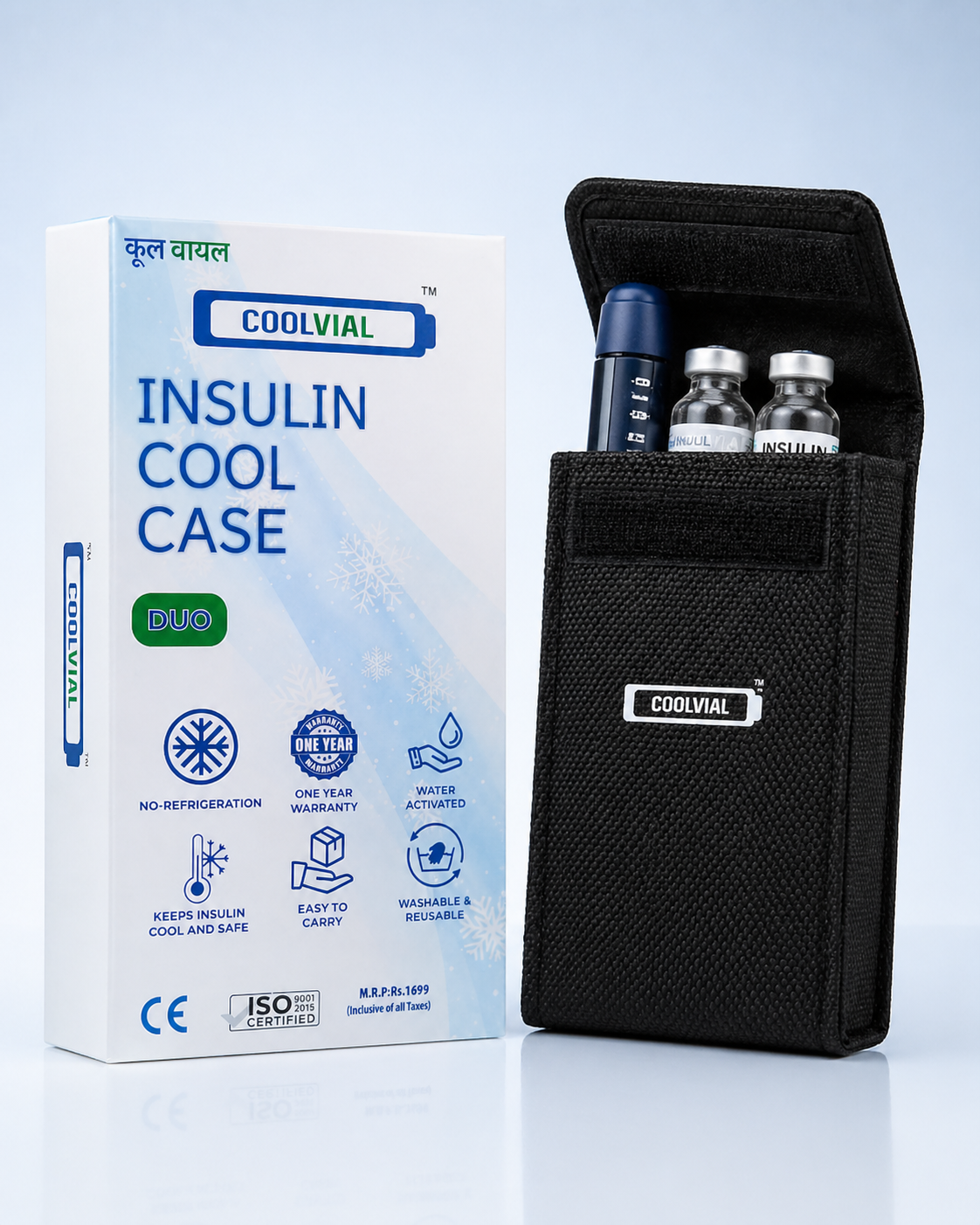
- Invest in a reliable, electricity-free insulin cooling case. The COOLVIAL insulin cool case is an excellent choice for 12-16 hours of cooling without power, perfect for Nagpur’s unpredictable monsoons and power cuts.
- Home Environment Control:
- Identify and fix any leaky roofs or windows in your home.
- Ensure good ventilation in all rooms, especially where medications are stored.
- Consider a dehumidifier for damp areas.
- Elevate all diabetes supplies off the floor.
- Emergency Kit Assembly:
- Pack a waterproof bag with a 3-5 day supply of insulin, testing supplies, non-perishable snacks, and a copy of your prescription.
- Include a small, portable cooling case for emergency insulin.
- Pharmacy and Medical Access Plan:
- List contact numbers for your endocrinologist/diabetologist, AIIMS Nagpur emergency pharmacy, Care Hospitals (Ramdaspeth), and Wockhardt Hospitals (Shankar Nagar).
- Identify multiple accessible pharmacies in different neighborhoods (e.g., Apollo Pharmacy, Wellness Forever, 1mg pickup points).
- Consider alternative routes to medical facilities in case of waterlogging in Civil Lines, Dharampeth/Ramdaspeth, or Sadar/Cantt.
- Power Outage Preparedness:
- Have a plan for insulin storage during prolonged power cuts. (See our guide: Power Cut Survival Guide for Diabetics in Nagpur — What To Do When the Grid Goes Down).
- Ensure your COOLVIAL Duo is ready for activation.
- Information & Awareness:
- Educate family members on insulin storage and emergency procedures.
- Stay updated on local weather alerts and civic advisories.
- Insulin Stock Assessment:
By diligently following this checklist, you can significantly reduce stress and risks associated with nagpur monsoon insulin management. Remember, a well-prepared diabetic is a healthy diabetic. You can find more comprehensive care information in our Complete Diabetes Care Guide for Nagpur Residents — 2026 Edition.
Local Solutions for Insulin Protection in Nagpur
Navigating the Nagpur monsoon requires practical, locally accessible solutions for insulin protection. Thankfully, the city offers several options for sourcing items that can help mitigate humidity and ensure your insulin remains viable. From moisture absorbers to reliable cooling solutions, knowing where to look is half the battle.
-
Sources for Silica Gel and Desiccants in Nagpur:
- Stationery Shops: Many larger stationery stores or art supply shops might stock silica gel packets, often used for preserving documents or artworks.
- Photography Stores: Camera shops frequently sell silica gel to protect sensitive electronics from moisture.
- Online Retailers: Platforms like Amazon India or Flipkart offer bulk silica gel packets for home use, with delivery services to Nagpur.
- Hardware Stores: Some larger hardware stores might carry industrial-grade desiccants or moisture absorbers.
- Supermarkets/Hypermarkets: Look for moisture absorbers in the home care section of stores like DMart or Big Bazaar in areas like Manish Nagar/Wardha Road.
-
Airtight Container Brands Available Locally:
- Borosil: Widely available in kitchenware sections of supermarkets and department stores. Offers durable glass containers.
- Tupperware: Available through independent distributors or at specific retail outlets. Known for its strong seals.
- Cello: Another popular brand for plastic airtight containers, found in most general stores and supermarkets.
- Lock & Lock: Korean brand known for its excellent airtight and watertight seals, available in larger kitchenware stores or online.
-
Where to Source Replacement Insulin in Emergencies:
- AIIMS Nagpur Emergency Pharmacy: This is your primary point of contact for emergency insulin supplies, especially after hours or during severe disruptions. They usually operate 24/7.
- Care Hospitals (Ramdaspeth) Pharmacy: Another reliable option, often with extended hours.
- Wockhardt Hospitals (Shankar Nagar) Pharmacy: Good for backup, especially if you are closer to this area.
- Apollo Pharmacy/Wellness Forever: Large chains with multiple branches across Nagpur, including Civil Lines, Dharampeth, and Sadar. They generally have good stock and reliable cold chain management.
For daily, reliable, and electricity-free cooling and humidity protection, the COOLVIAL Duo is specifically designed for Indian conditions. It holds 2 pens and 1 vial, keeping insulin cool for 12-16 hours just with water activation. Unlike traditional ice packs that can sweat and introduce moisture, evaporative cooling is a dry cooling method, perfectly suited to counter the nagpur monsoon insulin challenge. It’s also more affordable and locally tailored compared to some international brands like FRIO (~Rs 1,900) or even other local options like Outer Woods OW-12 (~Rs 999), offering exceptional value at Rs 1,099 with code COOLHEAL. More details on insulin storage tips are available on our site.
Frequently Asked Questions (FAQ)
Q: How does humidity specifically damage insulin? A: High humidity primarily damages insulin indirectly by compromising its packaging, leading to moisture ingress into pens or vials. This can cause labels to degrade, pen mechanisms to malfunction, and create an environment conducive to mould growth, potentially affecting insulin potency or safety.
Q: Can I store my insulin in a regular plastic bag during the monsoon? A: A regular plastic bag offers minimal protection against humidity and is not airtight. It’s much better to use a robust, food-grade airtight container or a specialized waterproof pouch to truly shield your insulin from moisture.
Q: What is the ideal temperature for storing opened insulin during Nagpur monsoon? A: Opened insulin can typically be stored at “room temperature” (below 25°C to 30°C, depending on the brand) for up to 28 days. During Nagpur monsoon, when ambient temperatures often exceed 30°C and humidity is high, using an evaporative cooling case like COOLVIAL Duo is crucial to maintain this optimal temperature range without relying on electricity.
Q: Where can I buy silica gel packets in Nagpur? A: Silica gel packets can be purchased at larger stationery stores, photography shops, hardware stores, and home sections of supermarkets in Nagpur. Online retailers like Amazon India also offer convenient delivery options for bulk purchases.
Q: What should I do if my home floods and my insulin gets wet? A: If your insulin supplies are submerged in floodwaters, they must be considered contaminated and unsafe. You should discard them immediately and contact your doctor or the emergency pharmacy at AIIMS Nagpur for replacement supplies.
Q: Is it safe to use insulin if its packaging shows signs of mould? A: If the outer cardboard packaging shows mould, carefully inspect the pen or vial itself. If there’s any mould on the pen/vial, or if the integrity of the pen/vial appears compromised, it’s best to discard it and replace it. Consult your healthcare provider if you have any doubts.
Q: How often should I check my insulin supplies during the monsoon? A: It’s advisable to check your insulin pens, vials, and their packaging daily during the Nagpur monsoon for any signs of moisture, mould, or damage. Regular inspection ensures early detection of potential issues, allowing for timely intervention.
Q: Why is a regular refrigerator not always ideal for insulin in high humidity? A: Opening a refrigerator in high humidity allows moist air to enter and condense on cold surfaces, increasing internal humidity and potentially creating water droplets. This can damage insulin packaging, foster mould, or even lead to freezing if water accumulates around vials, compromising insulin stability.
Conclusion: Stay Prepared, Stay Safe
The Nagpur monsoon, with its heavy rainfall and soaring humidity, presents a unique and often underestimated challenge for individuals managing diabetes. Protecting your nagpur monsoon insulin from the twin threats of heat and moisture is paramount to ensuring its efficacy and your well-being. From understanding the specific risks of humidity damage and mould growth in local homes to navigating potential transport disruptions and waterlogging in areas like Civil Lines or Dharampeth, proactive preparation is your strongest defense.
By implementing the 7 essential steps outlined in this guide – from securing airtight storage and using desiccants to having a robust emergency plan and reliable cooling solutions – you can safeguard your vital medication. Remember, a power-free, evaporative cooling case like the COOLVIAL Duo is an invaluable asset in Nagpur’s climate, offering consistent cooling and protection from humidity for 12-16 hours without electricity. Don’t let the monsoon compromise your diabetes management. Stay vigilant, stay prepared, and empower yourself with the right tools and knowledge.
Order your COOLVIAL Duo today at an exclusive price of Rs 1,099 with code COOLHEAL at coolvial.com or via WhatsApp at wa.me/918766952300.
Medical Disclaimer: This article is for general information and educational purposes only. It is not intended to be a substitute for professional medical advice, diagnosis, or treatment. Always consult your endocrinologist or diabetologist before changing insulin storage or dosing practices, or if you have any medical questions or concerns.
How We Researched This: This article was compiled using information from RSSDI guidelines on insulin storage, ICMR-INDIAB data on diabetes prevalence, local Nagpur hospital directories, and information from major pharmacy networks like Apollo Pharmacy. Local insights on climate patterns, waterlogging hotspots, and general civic challenges during the monsoon were incorporated based on publicly available data and common knowledge of the region.
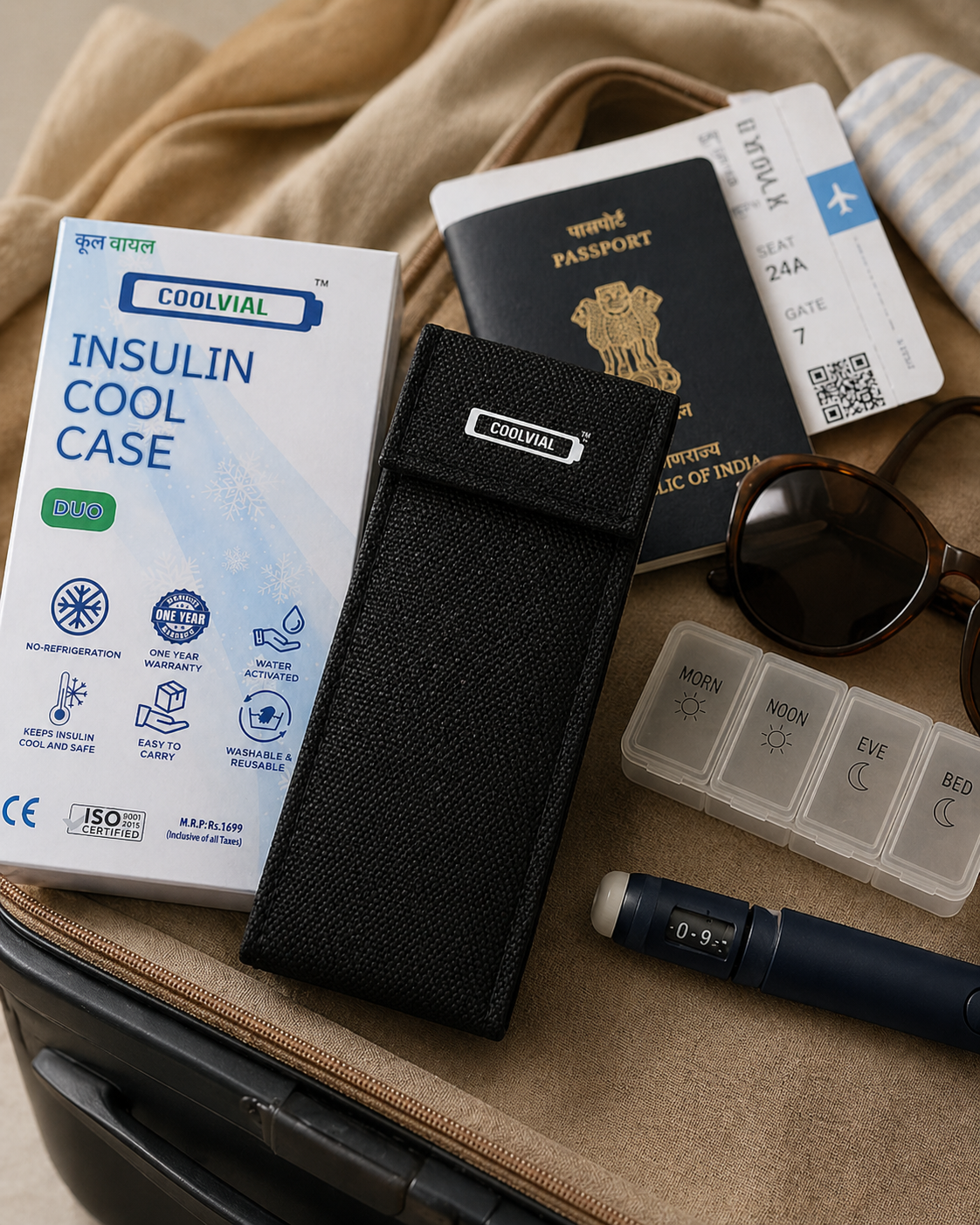
7 Essential Steps: Protecting Your Insulin Vials from Nagpur Monsoon Humidity Damage
COOLVIAL keeps insulin safe in India's heat. 48+ hours, no electricity needed.