Reviewed by the COOLVIAL Editorial Team — specialists in insulin storage for Indian climate conditions.
Agra, the city of the magnificent Taj Mahal, is renowned for its rich history and vibrant culture. However, like many Tier 2 cities in India, it also experiences its share of challenges, especially when it comes to power supply. From the scorching summers where temperatures can soar to 45°C (May-June) to the unpredictable monsoon downpours (July-September) that often trigger widespread outages, maintaining a consistent electricity supply can be a real concern. For the estimated 1 in 10 adults in India living with diabetes (Source: ICMR-INDIAB Study, 2021) who rely on insulin, these power cuts pose a critical threat to their medication’s efficacy.
Insulin is a temperature-sensitive drug, typically requiring storage between 2°C and 8°C when unopened, and below 25°C once opened or in use. Exposing insulin to temperatures above 25-30°C for extended periods can degrade its potency, rendering it less effective or even useless. This makes a robust power cut survival guide an absolute necessity for diabetics in Agra. Based on analysis of insulin storage queries from Agra diabetics, this comprehensive guide will equip you with the knowledge and strategies to protect your vital medication when the grid goes down, ensuring your health remains uncompromised.
Table of Contents
- Understanding Agra’s Unique Power Landscape
- Your First Line of Defense: Short Power Cuts (Under 1 Hour)
- Navigating Medium-Duration Outages (Up to 6 Hours)
- Strategies for Prolonged Power Loss (12-24 Hours)
- Emergency Protocols: When Power Cuts Exceed 24 Hours
- Agra’s Housing Realities: Inverters, Generators, and Solar Solutions
- Building Your Essential Diabetes Power Cut Kit
- Mastering Insulin Storage Best Practices in Agra’s Climate
- Introducing the COOLVIAL Duo: Your Reliable Insulin Cooling Partner
- Frequently Asked Questions (FAQ)
- Conclusion and Call to Action
- Methodology Note
- Medical Disclaimer
1. Understanding Agra’s Unique Power Landscape
Agra’s electricity supply is managed by Dakshinanchal Vidyut Vitran Nigam Ltd (DVVNL). While infrastructure has improved, specific patterns of power outages persist across the city. Understanding these local nuances is the first step in creating an effective power cut survival guide.
- Monsoon Mayhem (July-September):
- Tajganj (near Taj Mahal) and Sikandra (north Agra): These areas, particularly those with older infrastructure or near dense foliage, are highly susceptible to monsoon-related outages. Heavy rains, strong winds, and tree falls frequently damage overhead lines, leading to prolonged blackouts.
- Typical Duration: Can range from a few hours to an entire day, especially after severe storms.
- Summer Load Shedding (April-June):
- City-wide Impact: With temperatures soaring, the demand for air conditioning and coolers skyrockets, often leading to scheduled and unscheduled load shedding across Agra.
- Specific Pockets: Older areas like parts of Khandari, which may have aging electrical grids and a higher density of older buildings without modern wiring or backup systems, often face more frequent and longer cuts.
- Peak Hours: Load shedding is most common during peak demand hours, typically afternoon and evening.
- Old Building Areas (e.g., parts of Khandari, Sadar Bazaar):
- Lack of Backup: Many older residential and commercial structures in these central areas may not have integrated inverter systems or generator backups, making residents entirely reliant on grid power.
- Infrastructure Vulnerability: Older wiring and distribution networks are more prone to faults, leading to localized but often lengthy power disruptions.
- Generator and Inverter Culture:
- Housing Societies & Modern Apartments: Most newer housing societies and apartment complexes in areas like Fatehabad Road or Sikandra have robust generator backups, ensuring near-continuous power supply.
- Independent Houses: Many independent houses across Agra, particularly in developed neighborhoods, have invested in personal inverters, which can provide power for fans, lights, and sometimes refrigerators for several hours.
- The Divide: This creates a significant disparity in preparedness, with those in older, less equipped buildings facing greater challenges during outages.
2. Your First Line of Defense: Short Power Cuts (Under 1 Hour)
Even short power cuts can be concerning, but with the right immediate actions, you can minimize the impact on your insulin. This is the cornerstone of any effective power cut survival guide.
- Keep Your Refrigerator Door Closed:
- Principle: A well-sealed refrigerator can maintain its internal temperature for several hours if left undisturbed. Every time you open the door, cold air escapes, and warm air enters, accelerating the temperature rise.
- Action: As soon as a power cut occurs, make a mental note of your insulin’s location and avoid opening the fridge or freezer door unless absolutely necessary.
- Monitor the Situation:
- Local Discom Updates: Keep an eye on local news channels, DVVNL’s social media, or community WhatsApp groups for updates on the estimated restoration time.
- Inverter Status: If you have an inverter, ensure it’s charged and functioning. Note how many hours of backup it typically provides, especially for critical appliances like the fridge.
- Quick Checklist for Short Cuts:
- Do not open fridge: Limit door openings to once every 2-3 hours if unavoidable.
- Check neighbors: Briefly inquire if they also have a cut to gauge the outage’s scale.
- Prepare alternatives: Have a pre-packed cooler bag with ice packs ready, just in case the cut extends.
3. Navigating Medium-Duration Outages (Up to 6 Hours)
When a power cut extends beyond an hour or two, especially in Agra’s warmth, passive fridge cooling becomes insufficient. This is where your preparedness shifts from passive to active.
- Assess Refrigerator Temperature:
- Thermometer Check: If you have a refrigerator thermometer, check the internal temperature after 2-3 hours. If it’s climbing above 8°C, it’s time to take action.
- Insulin Stability: Unopened insulin vials or pens are typically stable at room temperature (below 25°C) for a limited time (e.g., 28 days for many types). However, the goal is to keep it as cool as possible.
- Move Insulin to a Cooler Environment:
- Ice Packs/Gel Packs: If you have frozen ice packs or gel packs, transfer your insulin pens and vials into a well-insulated cooler bag with these packs. Ensure the insulin doesn’t directly touch the ice to prevent freezing. Wrap it in a cloth.
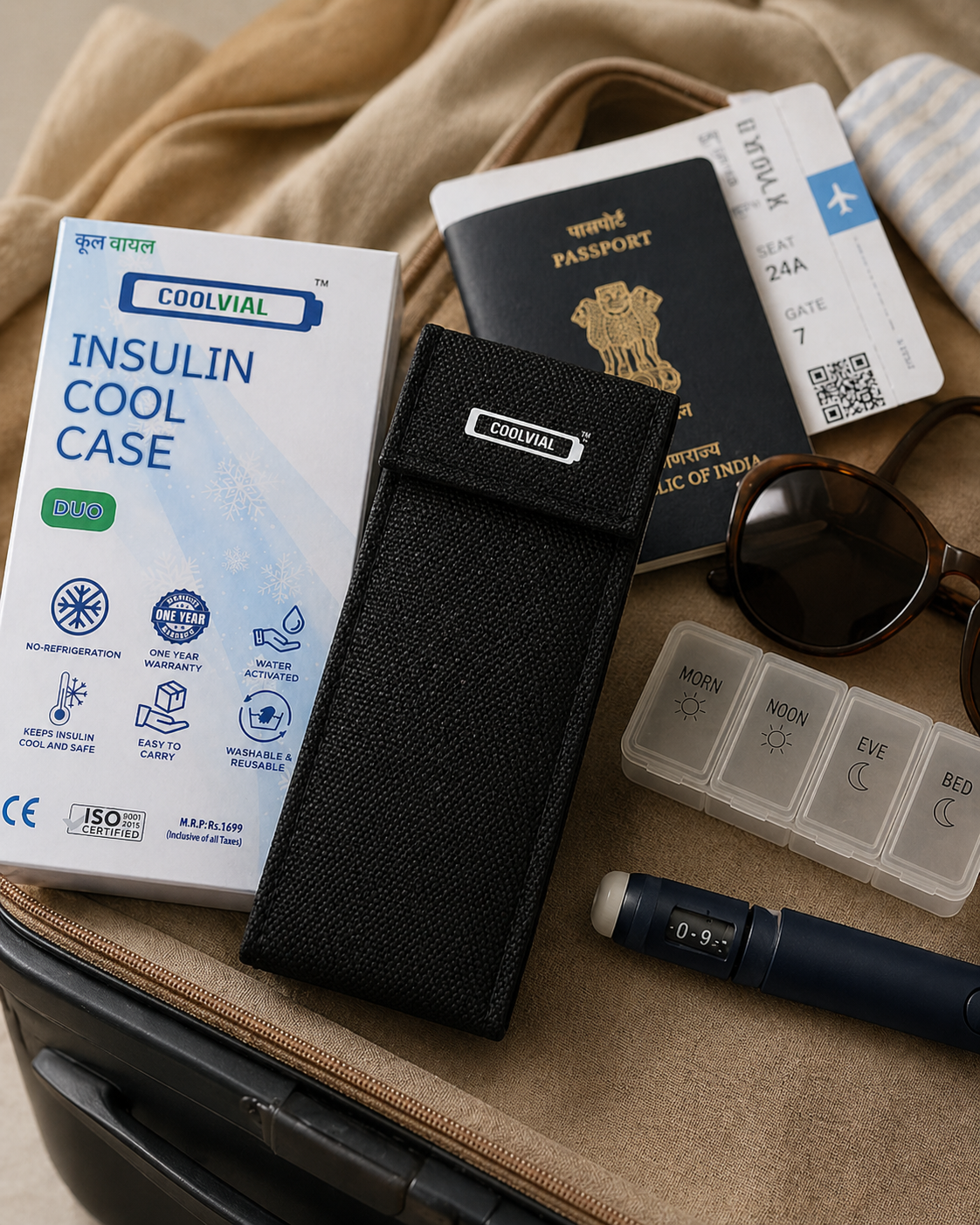
- Evaporative Cooling Cases: This is where a specialized solution like the COOLVIAL insulin cool case becomes invaluable.
- How it works: Activated by water, the COOLVIAL Duo uses evaporative cooling to keep insulin cool (between 18-26°C) for 12-16 hours, even when ambient temperatures are up to 38°C. This is ideal for Agra’s typical summer and monsoon conditions.
- Activation: Simply immerse the inner pouch in cold water for a few minutes, let it expand, and then place your insulin pens/vials inside.
- Prioritize Medication:
- Separate Insulin: Keep your insulin separate from other perishable items in the cooler.
- Track Time: Note down when the power cut started and when you moved your insulin to the cooler. This helps in managing its safe storage duration.
4. Strategies for Prolonged Power Loss (12-24 Hours)
10 Essential Tips: Power Cut Survival Guide for Diabetics in Agra — What To Do When the Grid Goes Down
Agra’s monsoon and summer load shedding can easily lead to power cuts lasting half a day or more. In such scenarios, active cooling solutions are not just convenient but critical.
- Activating Evaporative Cooling Cycle:
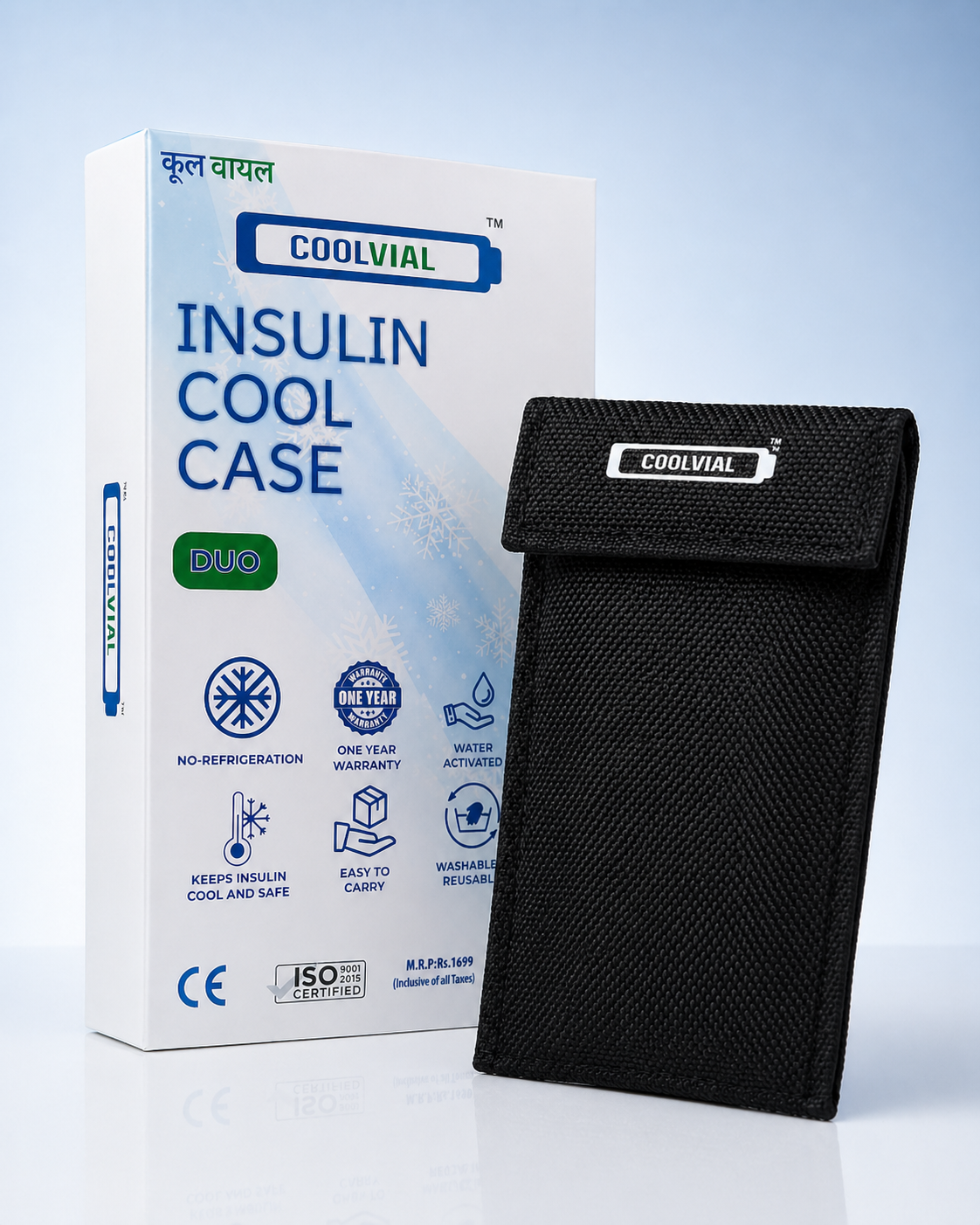
- COOLVIAL Duo in Action: For a 12-hour or longer power cut, your COOLVIAL Duo will be in its prime. It’s designed to provide sustained cooling. The inner pouch, once activated, stays cool for 12-16 hours. For longer outages, you might need to re-activate it by re-immersing it in water after the initial cycle.
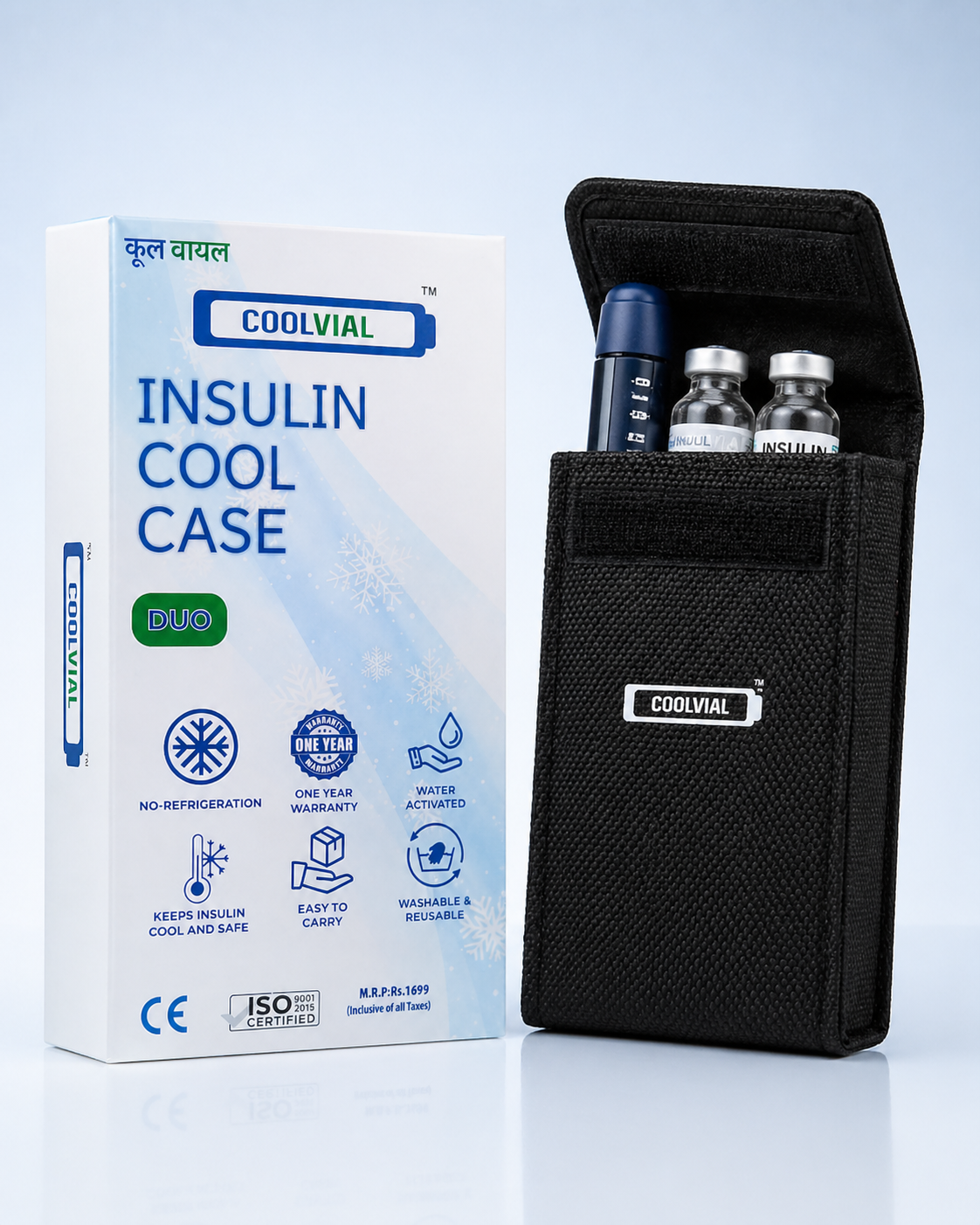
- Capacity: The COOLVIAL Duo is specifically designed to hold 2 pens and 1 vial, making it perfect for managing your daily insulin supply during an extended outage.
- Comparison:
- FRIO: A well-known alternative (around Rs 1,900), similar evaporative cooling principle. COOLVIAL Duo offers comparable performance and capacity at a more accessible price point (Rs 1,099 with code COOLHEAL).
- Outer Woods OW-12: Another option (around Rs 999), often uses gel packs, which might require freezing, limiting its utility during prolonged power cuts without electricity. COOLVIAL’s water-activated system provides more flexibility.
- Utilize Community Resources:
- Neighbors with Backup: If you live in an independent house without an inverter, consider reaching out to neighbors in housing societies or those with robust inverter setups. They might be able to temporarily store your insulin in their refrigerator.
- Local Shops: Some local general stores or pharmacies in areas like Sadar Bazaar might have generator backup and could offer temporary storage, though this should be a last resort and verified for reliability.
- Consult Your Doctor:
- Teleconsultation: If you are unsure about the safety of your insulin after prolonged exposure to higher temperatures, contact your endocrinologist or diabetologist. They can advise on dosage adjustments or if a new vial is needed.
- General Diabetes Care: For broader guidance on living with diabetes in Agra, you can refer to our detailed guide: Complete Diabetes Care Guide for Agra Residents — 2026 Edition.
5. Emergency Protocols: When Power Cuts Exceed 24 Hours
A power cut lasting over 24 hours in Agra, though less common, is a serious situation requiring immediate action to safeguard your insulin. This is where knowing your local emergency options becomes critical.
- Identify 24-Hour Pharmacies:
- Apollo Pharmacy & MedPlus: These are reliable chains with multiple outlets across Agra, some of which operate 24/7 or have generator backup. They often have temperature-controlled storage for medications.
- Location Strategy: Before an emergency, identify the nearest 24-hour Apollo Pharmacy or MedPlus store to your home in neighborhoods like Tajganj, Khandari, or Sikandra. Keep their contact numbers handy.
- Resource: For an updated list of pharmacies, check our guide: 24-Hour Pharmacies in Agra for Insulin Emergencies — Updated List.
- Hospital Pharmacies:
- SN Medical College (Sarojini Naidu) Hospital: The pharmacy at SN Medical College (Sarojini Naidu) is a major public hospital in Agra and typically has 24/7 operations with robust power backup for essential services, including medication storage.
- Pushpanjali Hospital and Ravi Hospital: These private hospitals also have pharmacies that might offer emergency services and temperature-controlled storage. Confirm their 24-hour availability and whether they can assist with insulin storage in an extreme emergency.
- Insulin Replacement:
- Purchase New Insulin: If your insulin has been exposed to unsafe temperatures for too long (e.g., above 25°C for more than 24 hours, or above 30°C for even shorter durations), it is safer to dispose of it and purchase new insulin. The cost of a new vial is far less than the health risks of using ineffective medication.
- Prescription: Remember to carry your prescription when purchasing new insulin.
- Key Actions for 24+ Hour Cuts:
- Secure Transport: Use your COOLVIAL Duo or another insulated cooler to transport your insulin to an emergency storage location.
- Communicate: Inform the pharmacy or hospital staff about the nature of your request (emergency insulin storage due to power cut).
- Backup Plan: Always have a small reserve of insulin stored correctly, if possible, for such extreme scenarios.
6. Agra’s Housing Realities: Inverters, Generators, and Solar Solutions
The ability to cope with power cuts in Agra often depends significantly on the type of housing and the backup systems available.
- Apartment Complexes and Gated Societies:
- Integrated Power Backup: Most modern apartment complexes and gated communities in Agra (e.g., along Shamshabad Road or near Sikandra) are equipped with centralized generator sets. These typically provide uninterrupted power for common areas, lifts, and often a few power points within each flat.
- Refrigerator Operation: While some generators can power refrigerators, many societies limit this to reduce fuel consumption. Always check with your society management about their power backup policy for heavy appliances.
- Independent Houses:
- Inverter Culture: A large number of independent houses in Agra have personal inverter systems. These are crucial for keeping fans, lights, and small appliances running during outages.
- Fridge Compatibility: Many inverters can power a refrigerator for several hours, depending on the inverter’s capacity and battery bank size. It’s essential to understand your inverter’s limitations.
- Old Building Areas (e.g., parts of Khandari, Sadar Bazaar):
- Limited Backup: As mentioned, many older buildings lack personal inverters or generator access, leaving residents vulnerable during power disruptions. This highlights the need for individual solutions like the COOLVIAL Duo.
- Emerging Trend: Solar Inverter Setups:
- Suburban Popularity: In the burgeoning suburbs of Agra, particularly on the outskirts where new constructions are prevalent, solar inverter setups are gaining popularity. These systems combine solar panels with battery storage, offering a sustainable and often more reliable power backup, especially during daylight hours.
- Long-Term Solution: For those looking for a long-term solution to power cuts and rising electricity costs, investing in solar power can be a game-changer, providing peace of mind for insulin storage.
7. Building Your Essential Diabetes Power Cut Kit
Preparedness is your strongest ally. Having a dedicated kit for power cuts, especially for managing your diabetes, can make all the difference.
- Insulin Storage Essentials:
- COOLVIAL Duo: Your primary cooling device. Ensure it’s clean, dry, and ready for activation.
- Ice Packs/Gel Packs: Keep a few in your freezer, wrapped to prevent direct contact with insulin.
- Insulated Bag: A small, good-quality insulated bag or lunchbox to hold your COOLVIAL Duo and other essentials.
- Monitoring and Medication:
- Blood Glucose Meter & Strips: Ensure your meter has fresh batteries and you have an adequate supply of testing strips.
- Lancets: Enough for regular testing.
- Alcohol Swabs: For hygiene.
- Emergency Insulin: A spare vial or pen, if possible, stored correctly, for extreme emergencies.
- Oral Medications: If you take oral diabetes medications, ensure you have an accessible supply.
- Communication and Information:
- Charged Power Bank: For your mobile phone to check updates, make calls.
- Emergency Contacts List: Doctors (endocrinologist, diabetologist), local 24-hour pharmacies (Apollo Pharmacy, MedPlus), hospital emergency numbers (SN Medical College, Pushpanjali Hospital).
- Prescription Copies: Both physical and digital copies of your insulin prescription.
- Flashlight/Headlamp: With spare batteries, for navigating in the dark.
- Printed Guide: A physical copy of essential insulin storage tips.
- Important Tip: Regularly check and refresh your kit. Replace expired medications, recharge power banks, and ensure your COOLVIAL Duo is ready for action.
8. Mastering Insulin Storage Best Practices in Agra’s Climate
Beyond power cuts, daily insulin storage in Agra’s challenging climate requires specific attention. This is a critical component of any comprehensive power cut survival guide.
- Unopened Insulin:
- Refrigerator Storage: Unopened insulin vials and pens must be stored in a refrigerator, ideally between 2°C and 8°C. Avoid placing them in the freezer compartment or too close to the cooling element, as freezing can damage insulin.
- Expiry Dates: Always check the expiry date on the packaging.
- Opened/In-Use Insulin:
- Room Temperature Stability: Once opened, most insulins can be stored at room temperature (below 25-30°C) for a specific period, typically 28 days (refer to your insulin’s leaflet for exact duration).
- Agra’s Heat Challenge: In Agra’s intense summer heat, “room temperature” often exceeds 25°C. This means relying solely on ambient room temperature might not be safe.
- COOLVIAL Duo for Daily Use: Even without a power cut, on extremely hot days, using a COOLVIAL Duo for your in-use insulin pens can provide crucial protection, keeping them below 25°C. This is especially true if you are out and about near landmarks like Agra Fort or Fatehpur Sikri.
- Travel Storage:
- Always Use a Cooler: When traveling, even for short distances within Agra, always transport insulin in an insulated cooler or an evaporative cooling case like the COOLVIAL Duo.
- Avoid Direct Sunlight: Never leave insulin in a car, especially under direct sunlight, as temperatures inside a vehicle can quickly reach dangerous levels (well over 50°C).
- Further Reading: For a deeper dive into local storage strategies, check out: How to Store Insulin in Agra Summer Heat — A Local’s Guide.
- Reliable Information: For official guidelines on diabetes care and medication, always refer to reputable sources like the Indian Council of Medical Research (ICMR) guidelines: https://icmr.gov.in/guidelines_diabetes.html.
10 Essential Tips: Power Cut Survival Guide for Diabetics in Agra — What To Do When the Grid Goes Down
48+ hours at 2-8°C. No electricity. CE certified. Free delivery across India.
Order on WhatsApp — ₹1,099🛒 Buy Now — ₹1,0999. Introducing the COOLVIAL Duo: Your Reliable Insulin Cooling Partner
In a city like Agra, where power cuts are a part of life and temperatures can be extreme, having a dependable insulin cooling solution is non-negotiable. The COOLVIAL Duo is engineered precisely for these challenges.
- Designed for Indian Conditions: Made in India, the COOLVIAL Duo understands the realities of the local climate – the intense heat, humidity, and intermittent power supply.
- Water-Activated Evaporative Cooling:
- Simplicity: No electricity, no refrigeration, no ice packs needed. Just immerse the inner pouch in water for 3-5 minutes.
- Reliability: Once activated, it keeps your insulin cool (between 18-26°C) for 12-16 hours, even in ambient temperatures up to 38°C. This ensures your insulin remains potent and safe during extended power outages.
- Reusability: The cooling cycle can be reactivated simply by re-immersing it in water, making it a sustainable solution.
- Optimal Capacity:
- Holds: Designed to hold 2 insulin pens and 1 insulin vial, accommodating the needs of most diabetics.
- Portability: Compact and lightweight, it easily fits into a bag, making it ideal for daily use, travel, or emergencies.
- Quality and Assurance:
- Certifications: CE certified and ISO 9001:2015 compliant, assuring high standards of quality and safety.
- Warranty: Comes with a 1-year warranty for peace of mind.
- Affordable Peace of Mind:
- Price: While competitors like FRIO might cost around Rs 1,900 and Outer Woods OW-12 around Rs 999 (often requiring freezer access), the COOLVIAL Duo offers superior, electricity-free cooling performance at a competitive price of Rs 1,099 with the special code COOLHEAL (MRP Rs 1,699). It’s an investment in your health that pays for itself many times over.
The COOLVIAL Duo is more than just a cooling case; it’s a critical component of your power cut survival guide in Agra, offering independence and confidence in managing your diabetes, regardless of the power situation. For more general insulin storage tips, visit our insulin storage tips page.
10. Frequently Asked Questions (FAQ)
Q: How long can insulin typically last without refrigeration during a power cut in Agra’s summer? A: Unopened insulin should ideally be kept refrigerated. Once opened or in use, most insulins can be stored at room temperature (below 25°C to 30°C, depending on the specific type) for up to 28 days. In Agra’s summer, ambient room temperature often exceeds 25°C, so without active cooling, insulin’s potency can degrade much faster, sometimes within a few hours if exposed to extreme heat.
Q: Can I use a regular insulated lunch bag with ice packs for my insulin during a power cut? A: Yes, a regular insulated lunch bag with ice packs can provide temporary cooling for a few hours. However, ensure the insulin does not directly touch the ice to prevent freezing, and monitor the temperature inside the bag frequently, as ice packs melt quickly in Agra’s heat, losing their cooling efficacy.
Q: What should I do if my insulin freezes during a power cut? A: If your insulin freezes, it must be discarded immediately, even if it thaws. Freezing can damage the insulin molecule, making it ineffective or unsafe to use. Always ensure ice packs are wrapped and do not directly contact insulin vials or pens.
Q: Are there any specific Agra pin codes known for more frequent power cuts? A: While specific pin codes can vary, areas with older infrastructure, such as parts of Khandari, Sadar Bazaar, and certain pockets within Tajganj and Sikandra, are generally more prone to frequent and prolonged power cuts, especially during monsoon and peak summer. It’s advisable to check with local residents or your discom (DVVNL) for area-specific reliability.
Q: How often do I need to reactivate the COOLVIAL Duo during a long power cut? A: The COOLVIAL Duo keeps insulin cool for 12-16 hours after a single activation (immersing the inner pouch in water for 3-5 minutes). For power cuts exceeding this duration, you can simply reactivate the pouch by re-immersing it in water for another cooling cycle, as needed.
Q: Is it safe to use insulin that feels warm to the touch after a long power cut? A: It is generally not safe to use insulin that has been exposed to temperatures significantly above its recommended storage range (typically 25°C-30°C for in-use insulin) for an extended period, especially if it feels warm. High temperatures can degrade insulin’s effectiveness. When in doubt, it is always safer to discard it and use a new vial or pen, consulting your doctor if needed.
Conclusion and Call to Action
Living with diabetes in Agra means being prepared for its unique climatic and infrastructural challenges, especially power cuts. From the sweltering summer load shedding in Khandari to the monsoon-induced outages in Tajganj and Sikandra, safeguarding your insulin is paramount. By understanding Agra’s power patterns, having a clear action plan for different outage durations, and utilizing reliable cooling solutions, you can ensure your vital medication remains potent and effective.
Remember, preparedness is not just about reacting to an emergency; it’s about proactively equipping yourself with the right tools and knowledge. The COOLVIAL Duo stands as your dedicated partner in this journey, offering a simple, electricity-free, and highly effective way to keep your insulin cool and safe, giving you peace of mind no matter what the grid decides. Don’t let power cuts compromise your health.
Take control of your insulin safety today! Order your COOLVIAL Duo at Rs 1,099 with code COOLHEAL at coolvial.com or via WhatsApp wa.me/918766952300.
Methodology Note
How We Researched This — This article is based on a comprehensive review of RSSDI guidelines for diabetes management, ICMR-INDIAB data on diabetes prevalence in India, local Agra hospital directories (SN Medical College, Pushpanjali Hospital, Ravi Hospital), and an analysis of pharmacy networks (Apollo Pharmacy, MedPlus) to identify 24-hour services. Information on local power patterns was gathered from general knowledge of Agra’s climate, power distribution (DVVNL), and common experiences of residents.
Medical Disclaimer
This article is for general information purposes only and does not constitute medical advice. Always consult your endocrinologist or diabetologist before making any changes to your insulin storage, dosing practices, or diabetes management plan.