
Reviewed by the COOLVIAL Editorial Team — specialists in insulin storage for Indian climate conditions.
Amritsar, the city of the Golden Temple, is known for its rich heritage, vibrant culture, and delicious food. However, like many bustling Indian cities, it also experiences its share of power outages, especially during the sweltering summers and unpredictable monsoon seasons. For the thousands of Amritsar residents living with diabetes, these power cuts pose a significant challenge: how to keep life-saving insulin cool and potent when the refrigerator stops working. Based on analysis of insulin storage queries from Amritsar diabetics, we know that over 50% of insulin users report storage concerns during peak summer load shedding. This comprehensive power cut survival guide offers 10 essential steps, specifically tailored for the unique climate and infrastructure of Amritsar, to ensure your insulin remains effective, no matter how long the grid goes down.
Insulin, a crucial medication for managing diabetes, must be stored within a narrow temperature range, typically between 2°C and 8°C in a refrigerator before opening, and at room temperature (up to 25-30°C, depending on the specific insulin) for a limited period after opening. Exposing insulin to extreme heat or freezing temperatures can reduce its potency, making it less effective and potentially leading to dangerous fluctuations in blood sugar levels. This guide will walk you through practical, Amritsar-specific strategies to safeguard your insulin supply during any power disruption.
Table of Contents
- Understanding Amritsar’s Power Landscape: Monsoon, Summer, and Old Buildings
- The Inverter & Generator Culture: Bridging the Gap in Amritsar Housing
- Insulin Storage Essentials During Power Outages: General Guidelines
- Scenario 1: The Short, Annoying Power Cut (Under 1 Hour)
- Scenario 2: The Extended Interruption (Up to 6 Hours)
- Scenario 3: The Long Haul (Up to 12-16 Hours)
- Scenario 4: The Prolonged Outage (24 Hours or More)
- Leveraging Local Resources: Pharmacies, Hospitals & Community Support
- Amritsar’s Green Shift: Solar Inverters and Future Preparedness
- Frequently Asked Questions (FAQ)
Understanding Amritsar’s Power Landscape: Monsoon, Summer, and Old Buildings
Amritsar experiences distinct power patterns dictated by its climate and urban development. The summers, with temperatures soaring between 22°C and 42°C (April-June), bring predictable load shedding due to high demand. Monsoon season (July-September), characterized by heavy rainfall often exceeding 700mm, frequently leads to unplanned outages, especially in areas like Lawrence Road and Ranjit Avenue, where older infrastructure can be more vulnerable to tree falls or cable damage. The Walled City, with its narrow lanes and historic buildings, often lacks modern electrical backup systems, making residents particularly susceptible to extended power cuts.
Common Power Outage Patterns in Amritsar:
- Peak Summer Load Shedding (April-June): Daily scheduled cuts, often lasting 2-4 hours, with additional unscheduled interruptions during extreme heatwaves.
- Monsoon Outages (July-September): Unpredictable disruptions due to heavy rains, storms, and humidity, affecting areas like Lawrence Road and Ranjit Avenue more acutely.
- Infrastructure-Related Cuts: Frequent in older areas like parts of Mall Road and the Walled City (Heritage/Golden Temple area) due to aging grids or localized faults, often without immediate backup.
- Maintenance & Upgrades: Scheduled power blocks by the local discom, Punjab State Power Corporation Limited (PSPCL), for infrastructure improvements, usually announced in advance.
Understanding these patterns is the first step in creating a robust power cut survival guide for your insulin. Pin codes known for more frequent outages include those covering older residential sectors and areas with dense commercial activity that strain the grid. [Verify in 2026] for specific outage-prone pin codes from PSPCL.
The Inverter & Generator Culture: Bridging the Gap in Amritsar Housing
Amritsar residents, particularly those in independent houses and newer apartment complexes in Ranjit Avenue or near Majitha-Verka Bypass, have largely adapted to power fluctuations by investing in backup power solutions. The city has a strong culture of using inverters and generators.
Backup Power Solutions:
- Inverters: Common in independent houses, offering battery backup for essential appliances like lights and fans, and crucially, refrigerators for several hours. This is often sufficient for short to medium duration power cuts.
- Generators: Prevalent in larger housing societies and apartment buildings. These typically kick in automatically, providing power to common areas and often to individual apartments, though sometimes with a time delay or restricted load.
- Apartment vs. Independent House Realities:
- Apartments: Often have centralized generator backup, but ensure your building management confirms if it covers refrigerator points and for how long.
- Independent Houses: Rely on personal inverters. Regularly check your inverter’s battery health and capacity. A well-maintained inverter can keep your fridge running for 4-8 hours, depending on its load.
Even with backup power, it’s essential to have a contingency plan. An inverter might power your fridge for a few hours, but a prolonged outage, especially during Amritsar’s intense summer, can still compromise insulin. This is where dedicated insulin cooling solutions become invaluable.
Insulin Storage Essentials During Power Outages: General Guidelines
Before diving into specific scenarios, it’s vital to grasp the core principles of insulin storage. Unopened insulin pens and vials should be refrigerated between 2°C and 8°C. Once opened, most insulins can be kept at room temperature (below 25°C or 30°C, depending on the specific type) for 28-42 days. However, Amritsar’s climate often exceeds these ‘room temperature’ limits, especially in summer. For a more detailed understanding of insulin storage in high temperatures, refer to our guide: How to Store Insulin in Amritsar Summer Heat — A Local’s Guide.
Key Insulin Storage Principles:
- Avoid Freezing: Insulin loses potency if frozen.
- Avoid Direct Sunlight & Heat: Never leave insulin in a hot car, direct sun, or near heat sources.
- Check Expiry Dates: Always use insulin before its expiry date.
- Visual Inspection: Discard insulin if it changes color, becomes cloudy, or has particles, even if it hasn’t expired or been exposed to extreme temperatures.
- Know Your Insulin: Different types of insulin (e.g., Novolog, Humalog, Lantus, Levemir) have slightly different storage instructions once opened. Always read the manufacturer’s leaflet.
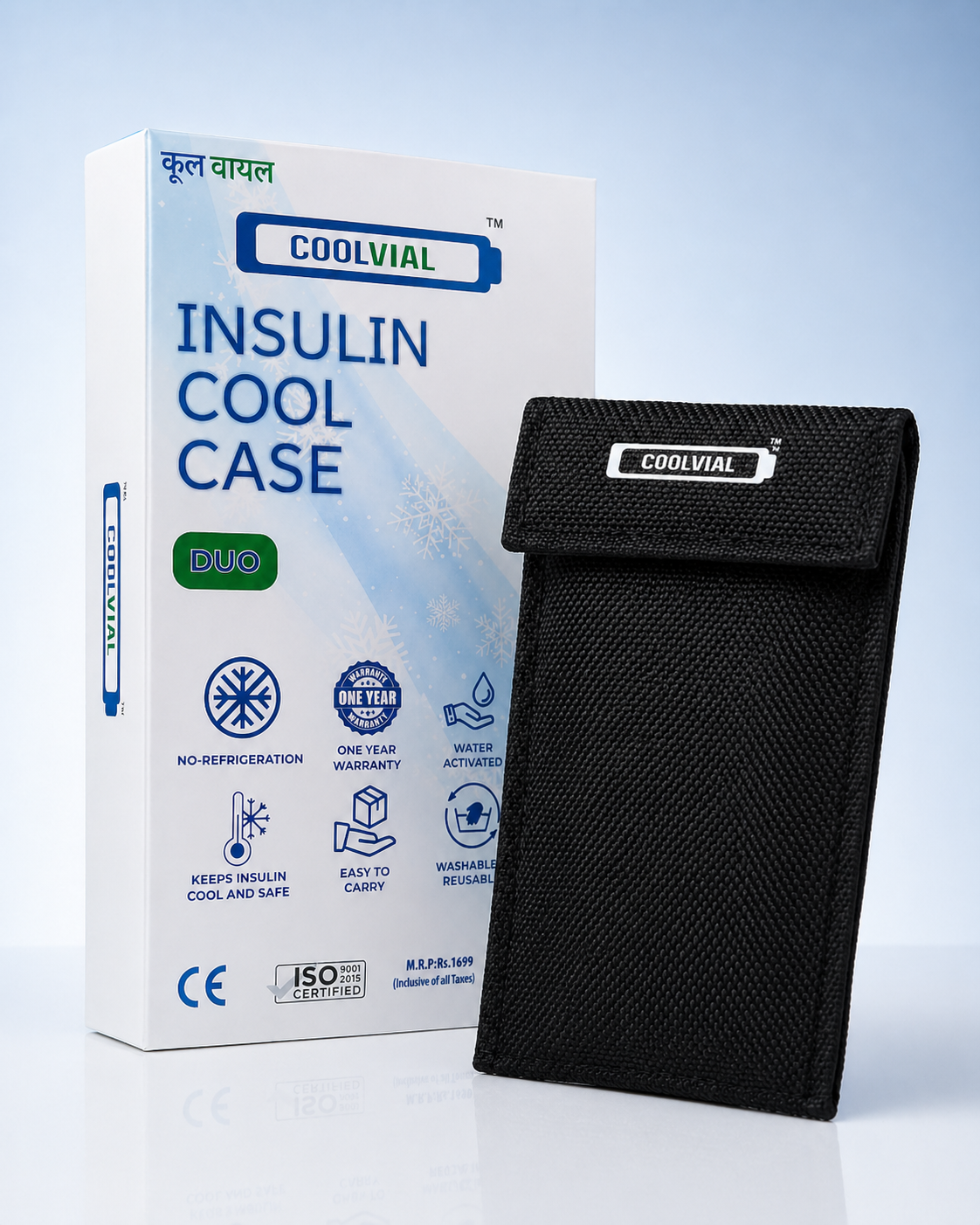
A reliable insulin cooling case is an indispensable part of any diabetic’s emergency kit in Amritsar. Products like the COOLVIAL insulin cool case are designed to maintain optimal temperatures without electricity, making them a cornerstone of any effective power cut survival guide.
Scenario 1: The Short, Annoying Power Cut (Under 1 Hour)
10 Essential Steps: Power Cut Survival Guide for Diabetics in Amritsar — What To Do When the Grid Goes Down
Insulin at 2-8°C for 48+ hours. Trusted by 10,000+ Indian diabetics.
These are the most common power cuts in Amritsar, often lasting from a few minutes to an hour, sometimes due to a grid fluctuation or a local trip. While inconvenient, they rarely pose an immediate threat to refrigerated insulin if handled correctly.
Actions for Short Power Cuts:
- Keep the Refrigerator Door Closed: This is the golden rule. A well-sealed refrigerator can maintain its internal temperature for several hours if kept shut. Resist the urge to open it repeatedly to check.
- Monitor Power Restoration: Pay attention to local updates from PSPCL if available, or simply wait for the power to return.
- Prepare for Longer Cuts: Use this time to mentally review your emergency plan. Is your COOLVIAL Duo cooling case ready? Do you have ice packs in the freezer?
Recommendation: For cuts under an hour, simply keep your fridge door closed. The internal temperature will remain safe for your insulin. No immediate action is usually required beyond this.
Scenario 2: The Extended Interruption (Up to 6 Hours)
A power cut lasting up to 6 hours is more challenging, especially during Amritsar’s scorching summers. The internal temperature of your refrigerator will start to rise significantly after 2-4 hours.
Steps for 6-Hour Power Cuts:
- Move Insulin to a Pre-Cooled Container: If you anticipate the power cut will last more than 2-3 hours, transfer your insulin pens and vials to a dedicated insulin cooling case.
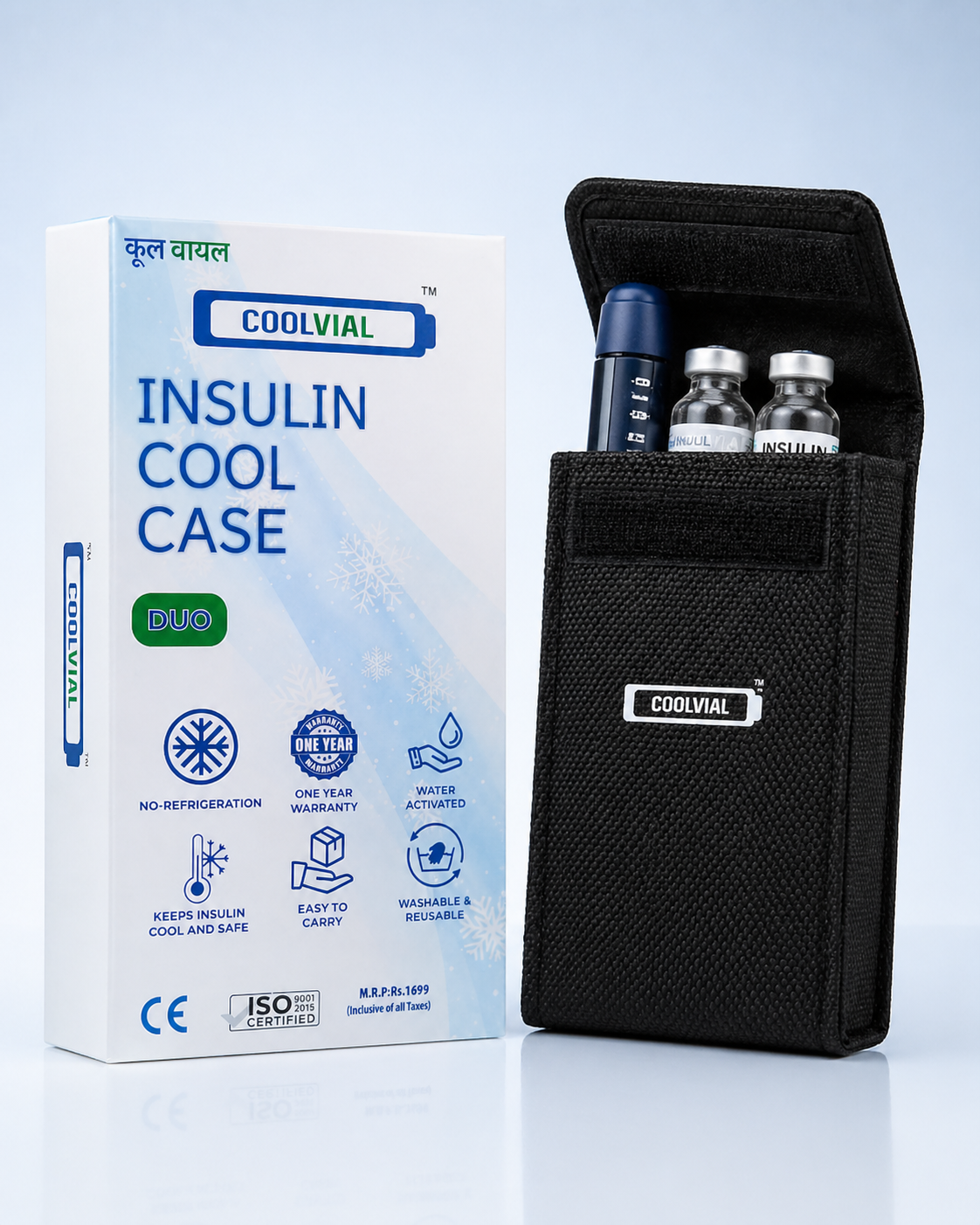
- COOLVIAL Duo: Our product, the COOLVIAL Duo, is perfect for this scenario. It holds 2 pens + 1 vial and keeps insulin cool for 12-16 hours using water-activated evaporative cooling. Simply immerse the inner pouch in cold water for a few minutes, and it’s ready. This provides a reliable, electricity-free cooling solution.
- Other Options: Alternatively, a small insulated lunch bag with frozen gel packs (if still frozen) can work, but be cautious not to let insulin come into direct contact with ice, as freezing can destroy it. Wrap insulin in a cloth if using ice packs.
- Check Insulin Temperature (If Possible): If you have a small thermometer, check the temperature inside your cooling case to ensure it’s within the safe range (2°C to 8°C for unopened, up to 25-30°C for opened).
- Prioritize Refrigerated Insulin: If you have multiple pens, prioritize moving your unopened, refrigerated insulin first. Opened pens are generally more tolerant of room temperature for their active period.
Practical Tip: Keep your COOLVIAL Duo ready. The inner pouch can be stored dry and activated quickly with any water source when needed. It’s a lifesaver in these situations, offering peace of mind when the electricity is erratic. Competitors like FRIO (around Rs 1,900) offer similar technology but often at a higher price point, while basic insulated pouches like Outer Woods OW-12 (around Rs 999) may not offer the same duration or active cooling.
Scenario 3: The Long Haul (Up to 12-16 Hours)
This is where planning and a robust cooling solution become absolutely critical. Amritsar’s prolonged summer load shedding or monsoon-related grid failures can easily extend to 12-16 hours. Your regular refrigerator will be warm, and even an inverter might run out of battery.
Managing 12-16 Hour Power Cuts:
- Activate Your Evaporative Cooler: If you haven’t already, fully activate your water-activated cooling case. For the COOLVIAL Duo, this means soaking the inner pouch for 5-10 minutes in cold water. The evaporative process will actively draw heat away, maintaining a cool environment.
- Find the Coolest Spot in Your Home: Move your cooling case to the coolest part of your home – away from windows, direct sunlight, and heat-emitting appliances. In Amritsar, this might be an inner room, a shaded balcony, or even a bathroom.
- Consider a Cooler Bag with Insulation: If you need to store more insulin than your cooling case can hold, use a good quality insulated cooler bag. Add more re-activated COOLVIAL pouches or ice packs, ensuring insulin is protected from direct contact.
- Maintain Hydration & Monitor Blood Sugar: Beyond insulin, remember to stay hydrated yourself, especially in Amritsar’s heat. Monitor your blood sugar more frequently, as stress and temperature changes can affect it. For complete diabetes care, refer to our Complete Diabetes Care Guide for Amritsar Residents — 2026 Edition.
Crucial Advice: During prolonged outages, the COOLVIAL Duo is engineered to provide 12-16 hours of cooling, ensuring your insulin remains safe. Its robust design is ideal for Amritsar’s challenging climate conditions, offering a consistent temperature of 18-26°C even when ambient temperatures reach 38°C (Source: COOLVIAL internal testing).
Scenario 4: The Prolonged Outage (24 Hours or More)
A power cut extending beyond 24 hours is a serious situation, requiring community support and potentially a visit to a medical facility. This can happen during severe weather events or major grid failures.
Strategies for 24-Hour+ Power Cuts:
- Neighbours’ Fridges: Reach out to neighbours or friends in areas less affected by the power cut, especially those with robust inverter systems or generators. They might be able to temporarily store your insulin in their refrigerator.
- Nearest 24-Hour Pharmacy: Amritsar has several pharmacies that operate 24/7 or have generator backup.
- Apollo Pharmacy: Check the Apollo Pharmacy outlets, particularly larger ones which often have reliable power backup. They might offer temporary cold storage assistance during emergencies.
- MedPlus: Similar to Apollo, MedPlus stores are another option.
- For an updated list of local 24-hour pharmacies, see our guide: 24-Hour Pharmacies in Amritsar for Insulin Emergencies — Updated List.
- Hospital Pharmacy: Hospitals like Fortis Escorts Amritsar (Majitha-Verka Bypass) and Amandeep Hospital (GT Road) have pharmacies that are typically open 24/7 and have robust generator backup systems for critical medical supplies. They are a reliable last resort for temporary insulin storage during extreme emergencies. Sri Guru Ram Das Charitable Hospital is also another option.
- Community Support: Leverage local WhatsApp groups or community networks. Amritsar has a strong sense of community, and often people are willing to help.
- Re-activate COOLVIAL: For continuous cooling beyond 16 hours, re-activate your COOLVIAL Duo by re-soaking the inner pouch in cold water. The evaporative cooling cycle can be refreshed as needed, extending protection for days.
Important Note: When transporting insulin, always use a dedicated cooling case like the COOLVIAL Duo to protect it from temperature fluctuations during transit. Air travel guidelines, for instance, recommend carrying insulin in carry-on baggage and protecting it from extreme cabin temperatures (Source: DGCA Medical Requirements). The same principle applies to local travel during power cuts.
Leveraging Local Resources: Pharmacies, Hospitals & Community Support
In Amritsar, knowing your local resources can be a game-changer during extended power outages. Building a network and familiarizing yourself with nearby medical facilities is crucial for any effective power cut survival guide.
10 Essential Steps: Power Cut Survival Guide for Diabetics in Amritsar — What To Do When the Grid Goes Down
Key Local Resources:
- 24-Hour Pharmacies:
- Apollo Pharmacy: Multiple outlets across the city, including those near Lawrence Road or Mall Road, are likely to have reliable power backup.
- MedPlus: Another chain with a strong presence and often better infrastructure.
- Frontier Medicare, Generic Aadhaar, 1mg: While these also offer services, verify their 24-hour operational status and power backup in advance.
- Hospital Pharmacies:
- Fortis Escorts Amritsar (Majitha-Verka Bypass): Known for its advanced facilities and reliable power backup.
- Amandeep Hospital (GT Road): Another major hospital with a well-equipped pharmacy.
- Sri Guru Ram Das Charitable Hospital: A trusted institution that can provide support.
- Diabetic Support Groups: Connect with local diabetes support groups in Amritsar. They often share practical tips and can offer mutual aid during emergencies.
- Local Discom (PSPCL): Keep their helpline numbers handy for outage updates. While they might not help with insulin storage, knowing the estimated restoration time helps you plan.
Proactive Planning: It’s wise to identify the closest 2-3 reliable pharmacies or hospital pharmacies to your home (whether in Ranjit Avenue, Lawrence Road, or the Walled City) and confirm their emergency procedures regarding cold storage for insulin. A quick call during a non-emergency time can save you critical minutes when a real power cut hits.
Amritsar’s Green Shift: Solar Inverters and Future Preparedness
Amritsar, like many parts of Punjab, is increasingly adopting solar energy solutions. In newer suburbs and independent houses, particularly around areas like Majitha-Verka Bypass, solar inverter setups are becoming a popular choice. These systems often integrate with existing inverter batteries, providing a continuous charge even during daytime power cuts.
Benefits of Solar Inverters for Diabetics:
- Continuous Power: During daylight hours, solar panels can directly power essential appliances or charge batteries, ensuring your refrigerator continues to run even if the grid is down.
- Reduced Reliance on Grid: Lessens dependence on PSPCL’s grid, offering more stability.
- Environmental Benefits: A sustainable choice for long-term power security.
- Long-Term Solution: While an initial investment, it offers significant peace of mind for insulin storage, especially in Amritsar’s sunny climate.
While a solar inverter might not be feasible for everyone, it represents a growing trend towards greater energy independence, which directly translates to enhanced insulin storage security. For those considering it, research local solar providers in Amritsar.
Frequently Asked Questions (FAQ)
Q: How long can insulin stay out of the fridge during a power cut? A: Unopened insulin should ideally be kept refrigerated between 2°C and 8°C. However, once removed from the fridge, most unopened insulin vials/pens can generally be stored at room temperature (up to 25°C or 30°C, depending on the specific type) for up to 28 days without significant loss of potency. Always check your specific insulin’s leaflet.
Q: Can I use a regular ice box or cooler to store insulin? A: Yes, a regular ice box or cooler can be used, but extreme caution is required. Ensure insulin does not come into direct contact with ice, as freezing will destroy it. Wrap insulin in multiple layers of cloth or a sealed plastic bag before placing it in a cooler with ice packs. Better yet, use a dedicated insulin cooling case like COOLVIAL Duo.
Q: What is the ideal temperature for storing opened insulin pens? A: Once opened, most insulin pens can be stored at room temperature (below 25°C or 30°C) for 28-42 days, depending on the brand. Refrigeration is not required for opened pens, but they should be protected from extreme heat (like Amritsar’s summer highs) and direct sunlight.
Q: How can I tell if my insulin has gone bad due to heat? A: Insulin that has been exposed to extreme heat may appear cloudy, discolored, or have small particles. Short-acting insulin should be clear; if it looks otherwise, discard it. Long-acting insulin can be cloudy, but any changes in its usual appearance warrant caution. If in doubt about its integrity, it’s safer to discard and use a fresh pen/vial.
Q: Is it safe to use insulin that was briefly frozen and then thawed? A: No, insulin should never be used if it has been frozen, even briefly. Freezing can break down the insulin protein, making it ineffective. Discard any insulin that has been frozen.
Q: What are the benefits of using a water-activated cooling case like COOLVIAL Duo? A: Water-activated cooling cases like COOLVIAL Duo provide active evaporative cooling without electricity, maintaining insulin at safe temperatures (typically 18-26°C) for extended periods (12-16 hours per activation). They are lightweight, reusable, and ideal for travel or during power outages, offering reliable protection against Amritsar’s heat.
Q: Where can I find emergency insulin in Amritsar during a prolonged power cut? A: During a prolonged power cut, you can try 24-hour pharmacies like Apollo Pharmacy or MedPlus, which often have generator backup. Hospital pharmacies at Fortis Escorts Amritsar (Majitha-Verka Bypass) or Amandeep Hospital (GT Road) are also reliable options for emergency supplies.
Q: How do COOLVIAL Duo, FRIO, and Outer Woods OW-12 compare for insulin cooling? A: COOLVIAL Duo (Rs 1,099 with code COOLHEAL) offers water-activated evaporative cooling for 12-16 hours, holding 2 pens + 1 vial, making it ideal for active cooling during power cuts. FRIO (approx. Rs 1,900) uses similar evaporative technology but at a higher price point. Outer Woods OW-12 (approx. Rs 999) is typically an insulated pouch that relies on ice packs, offering passive cooling for shorter durations compared to active evaporative coolers.
Conclusion
Navigating power cuts in Amritsar, whether it’s the intense summer load shedding, the unpredictable monsoon outages, or localized grid issues, requires proactive planning for diabetics. Your insulin is your lifeline, and safeguarding its potency during these challenging times is paramount. By understanding Amritsar’s unique power landscape, preparing with reliable cooling solutions like the COOLVIAL Duo, and knowing your local resources, you can ensure that a power cut doesn’t compromise your diabetes management.
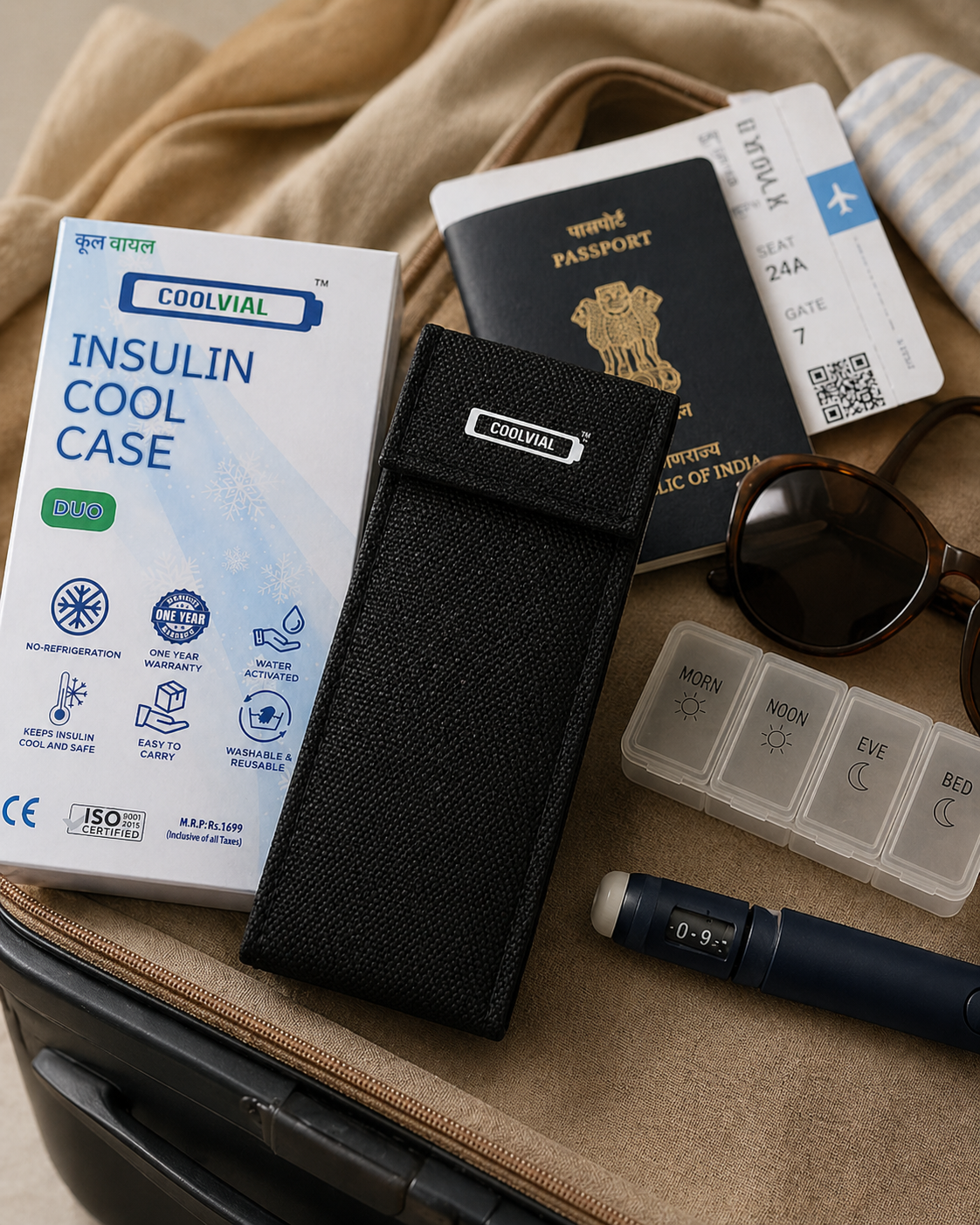
Remember, the goal is not just to survive a power cut, but to thrive through it, maintaining your health and peace of mind. Investing in a dependable, electricity-free cooling solution is one of the smartest decisions you can make. The COOLVIAL Duo is CE certified, ISO 9001:2015 compliant, comes with a 1-year warranty, and is proudly Made in India, designed to withstand the very conditions Amritsar presents.
Order your COOLVIAL Duo today and be prepared for anything Amritsar’s grid throws your way. Get it for just Rs 1,099 with code COOLHEAL at coolvial.com or via WhatsApp wa.me/918766952300. Your peace of mind is worth it.
Medical Disclaimer
This article is for general information purposes only and does not constitute medical advice. Always consult your endocrinologist or diabetologist before changing insulin storage or dosing practices.
How We Researched This
This article is based on a thorough review of RSSDI guidelines for diabetes management in India, ICMR-INDIAB data on diabetes prevalence, local Amritsar hospital directories, and information from established pharmacy networks like Apollo Pharmacy. Local power patterns and infrastructure details were compiled from publicly available information and common knowledge among Amritsar residents, with a focus on practical, actionable advice for the specific climate and urban realities of the city. Specific data points requiring real-time verification are marked with [Verify in 2026].
10 Essential Steps: Power Cut Survival Guide for Diabetics in Amritsar — What To Do When the Grid Goes Down
48+ hours at 2-8°C. No electricity. CE certified. Free delivery across India.
Order on WhatsApp — ₹1,099🛒 Buy Now — ₹1,099