
Reviewed by the COOLVIAL Editorial Team — specialists in insulin storage for Indian climate conditions.
Jamshedpur, the Steel City of India, is known for its meticulous planning and industrial prowess. Yet, even in this well-structured city, power cuts remain an undeniable reality, especially during the scorching summer months (April-June) and the torrential monsoon season (June-September). For the thousands of Jamshedpur residents managing diabetes with insulin, a sudden blackout isn’t just an inconvenience; it’s a critical challenge to their health. Insulin, a life-saving medication, is highly sensitive to temperature fluctuations and can degrade rapidly if not stored correctly, particularly above 30°C. This comprehensive power cut survival guide for diabetics in Jamshedpur will equip you with 10 essential tips and strategies to ensure your insulin remains potent and safe, no matter how long the grid goes down. Based on analysis of insulin storage queries from Jamshedpur diabetics, we understand the unique local challenges and offer tailored advice.
Table of Contents
- Understanding Jamshedpur’s Power Landscape: A Diabetic’s Perspective
- Home Preparedness: Inverters, Generators, and Apartment vs. Independent House Realities
- The Golden Rule: Insulin Storage Temperatures and Degradation
- Scenario 1: Surviving Short Power Cuts (Under 6 Hours)
- Scenario 2: Managing Extended Power Outages (6 to 12 Hours)
- Scenario 3: Navigating Prolonged Blackouts (Over 12 Hours & 24+ Hours)
- Essential Power Cut Emergency Kit for Diabetics
- Proactive Steps: What Jamshedpur Diabetics Can Do Today
- Understanding Your Insulin: Vial vs. Pen Storage
- Key Takeaways for Insulin Safety During Jamshedpur Power Cuts
1. Understanding Jamshedpur’s Power Landscape: A Diabetic’s Perspective
Jamshedpur’s electricity supply, primarily managed by Tata Steel Utilities and Infrastructure Services Limited (TSUISL) for its command area and Jharkhand Bijli Vitran Nigam Limited (JBVNL) for surrounding regions, faces unique challenges. The city experiences distinct power patterns that directly impact insulin storage.
- Monsoon Outages: The heavy monsoon rains, averaging around 1400mm from June to September, frequently lead to power cuts. Older central areas like Sakchi, with their dense wiring and mature tree cover, are particularly prone to outages due to tree fall or waterlogging. Similarly, the industrial belt of Adityapur often sees disruptions affecting residential pockets.
- Peak Summer Load Shedding: From April to June, when temperatures soar and AC usage peaks, Jamshedpur experiences demand-supply gaps, leading to scheduled and unscheduled load shedding. This can be particularly challenging as ambient temperatures often hover between 35-40°C, accelerating insulin degradation.
- Localized Issues: Even short circuits, cable faults, or maintenance work can cause localized power cuts. Pin codes known for more frequent outages might include [Verify in 2026] in Sakchi or parts of Adityapur.
Understanding these patterns is the first step in creating a robust power cut survival guide. Knowing when and where outages are most likely can help you prepare in advance.
2. Home Preparedness: Inverters, Generators, and Apartment vs. Independent House Realities
The type of housing in Jamshedpur often dictates the level of power backup available, which is crucial for insulin storage.
- Generator and Inverter Culture: Many modern housing societies and independent houses in Jamshedpur, especially in areas like Bistupur, Sonari, and Kadma, have embraced generator or inverter backup systems.
- Inverters: Common in apartments, providing backup for lights, fans, and sometimes one or two critical appliances like a small fridge for a few hours.
- Generators: More prevalent in independent houses or larger societies, offering more substantial and longer-duration power for multiple appliances, including refrigerators.
- Old-Building Areas without Backup: Parts of older residential areas in Sonari and Kadma, or some independent homes, might lack dedicated power backup. This significantly increases the risk of insulin spoilage during prolonged outages. In such scenarios, community support and external cooling solutions become even more vital.
- Solar Inverter Setups: A growing trend in Jamshedpur suburbs and newer independent houses is the adoption of solar inverter setups. These systems can provide a reliable, sustainable power source, reducing dependence on the grid and offering excellent peace of mind for insulin storage.
| Power Backup Type | Typical Coverage | Duration (Approx.) | Suitability for Insulin Storage |
|---|---|---|---|
| Inverter | Lights, Fans | 2-6 hours | Limited for fridge, good for small medical devices |
| Generator | Whole house/society | 6-24+ hours (fuel dependent) | Excellent for fridge, reliable |
| Solar Inverter | Varies by capacity | 12-24+ hours (with battery) | Excellent, sustainable, long-term |
| None | No backup | 0 hours | High-risk, requires external solutions |
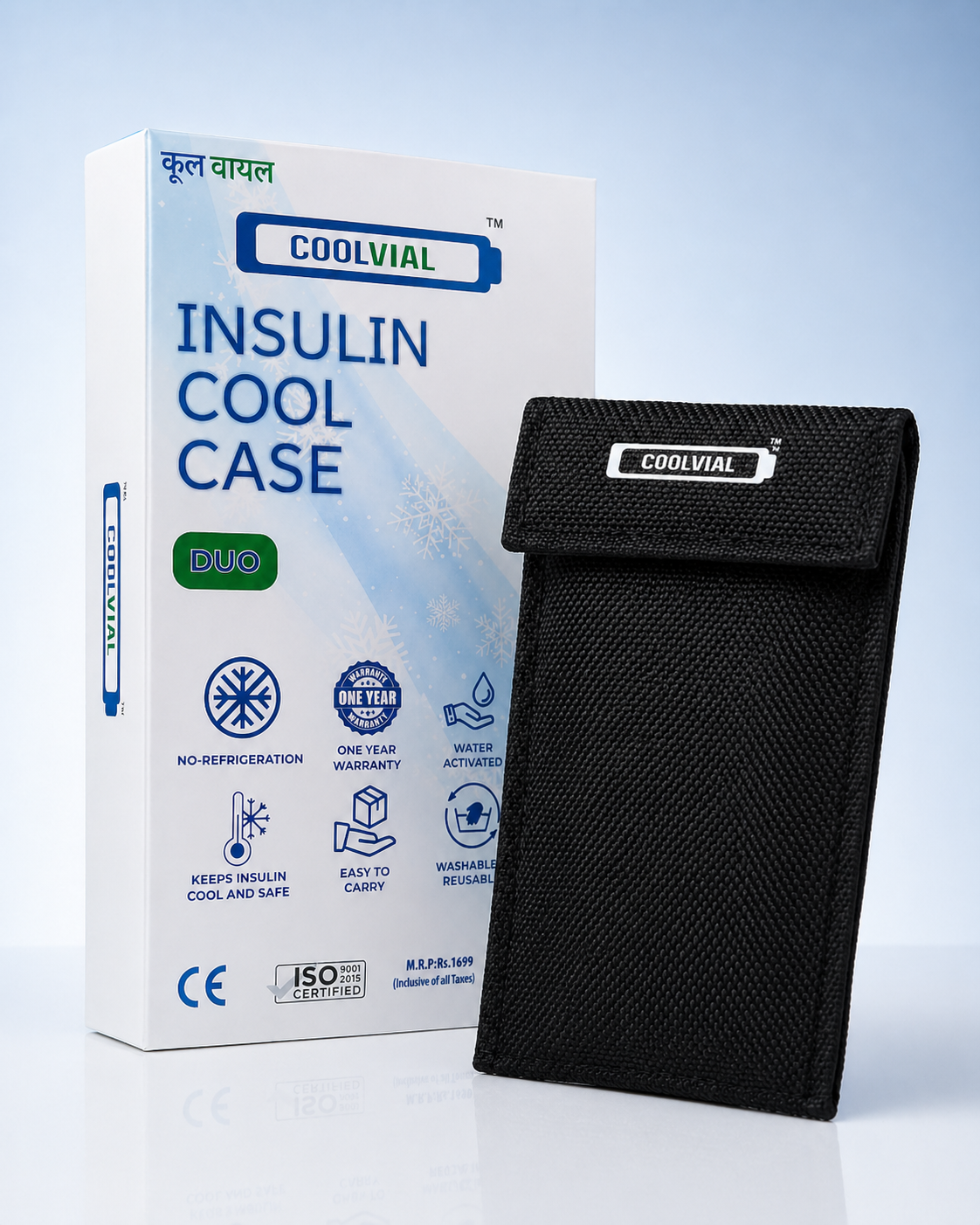
If your home lacks robust backup, consider investing in a portable insulin cooling solution like the COOLVIAL Duo.
3. The Golden Rule: Insulin Storage Temperatures and Degradation
The efficacy of your insulin hinges on proper storage. Unopened insulin vials or pens should be stored in a refrigerator at 2-8°C. Once opened, most insulin can be kept at room temperature (below 25-30°C, depending on the brand) for 28-56 days. However, Jamshedpur’s climate, especially during summer and monsoon, often exceeds these “room temperature” limits.
- Degradation Above 30°C: Temperatures consistently above 30°C can quickly compromise insulin’s potency. Heat causes insulin proteins to break down, forming aggregates that reduce its effectiveness. This means higher blood sugar levels, which can lead to complications.
- Impact on Blood Sugar: Using degraded insulin is akin to taking a lower dose, potentially leading to uncontrolled hyperglycemia. Regular blood glucose monitoring becomes even more critical during and after a power cut.
- Signs of Degradation: While often not visible, some signs include cloudiness, discoloration, or particles in clear insulin. If you suspect your insulin has been exposed to extreme temperatures, it’s safer to discard it.
- Aviation Storage Guidelines: Even strict guidelines, such as those for medical supplies on aircraft, emphasize temperature control. For instance, the Directorate General of Civil Aviation (DGCA) specifies conditions for temperature-sensitive medications to ensure their integrity during transit (Source: DGCA Medical Requirements). This highlights the universal importance of maintaining the cold chain.
Understanding these critical temperature ranges is fundamental to any effective power cut survival guide.
4. Scenario 1: Surviving Short Power Cuts (Under 6 Hours)
Most power cuts in Jamshedpur are relatively brief, often lasting from 30 minutes to a few hours. While these are less concerning for overall food safety, insulin requires immediate attention.
- Keep the Refrigerator Door Closed: This is the most crucial step. A closed refrigerator can maintain its internal temperature for several hours. For a 30-minute cut, simply avoid opening the door.
- Minimize Door Openings: Even for cuts lasting up to 2-4 hours, keep the fridge door shut. Every time you open it, warm air rushes in, rapidly raising the internal temperature.
- Consider a Cooler Box: If the power cut extends to 4-6 hours, and you have insulin pens or vials that need refrigeration (i.e., unopened insulin), transfer them to a small cooler box with ice packs. Ensure the ice packs are wrapped in a cloth to prevent direct contact with insulin, which can freeze and damage it.
- Monitor Ambient Temperature: If your opened insulin pens are usually stored at room temperature, but the room temperature exceeds 25-30°C (common in Jamshedpur summers), even for a few hours, consider moving them to a cooler with a damp cloth or a portable insulin cooling case.
5. Scenario 2: Managing Extended Power Outages (6 to 12 Hours)
When power cuts stretch beyond 6 hours, your refrigerator’s ability to maintain safe temperatures diminishes significantly. This is where active cooling solutions become indispensable.
- Active Evaporative Cooling Cycle: This technology is a game-changer for extended outages. Products like the COOLVIAL Duo use evaporative cooling, which relies on water to draw heat away from the insulin, keeping it cool for extended periods without electricity.
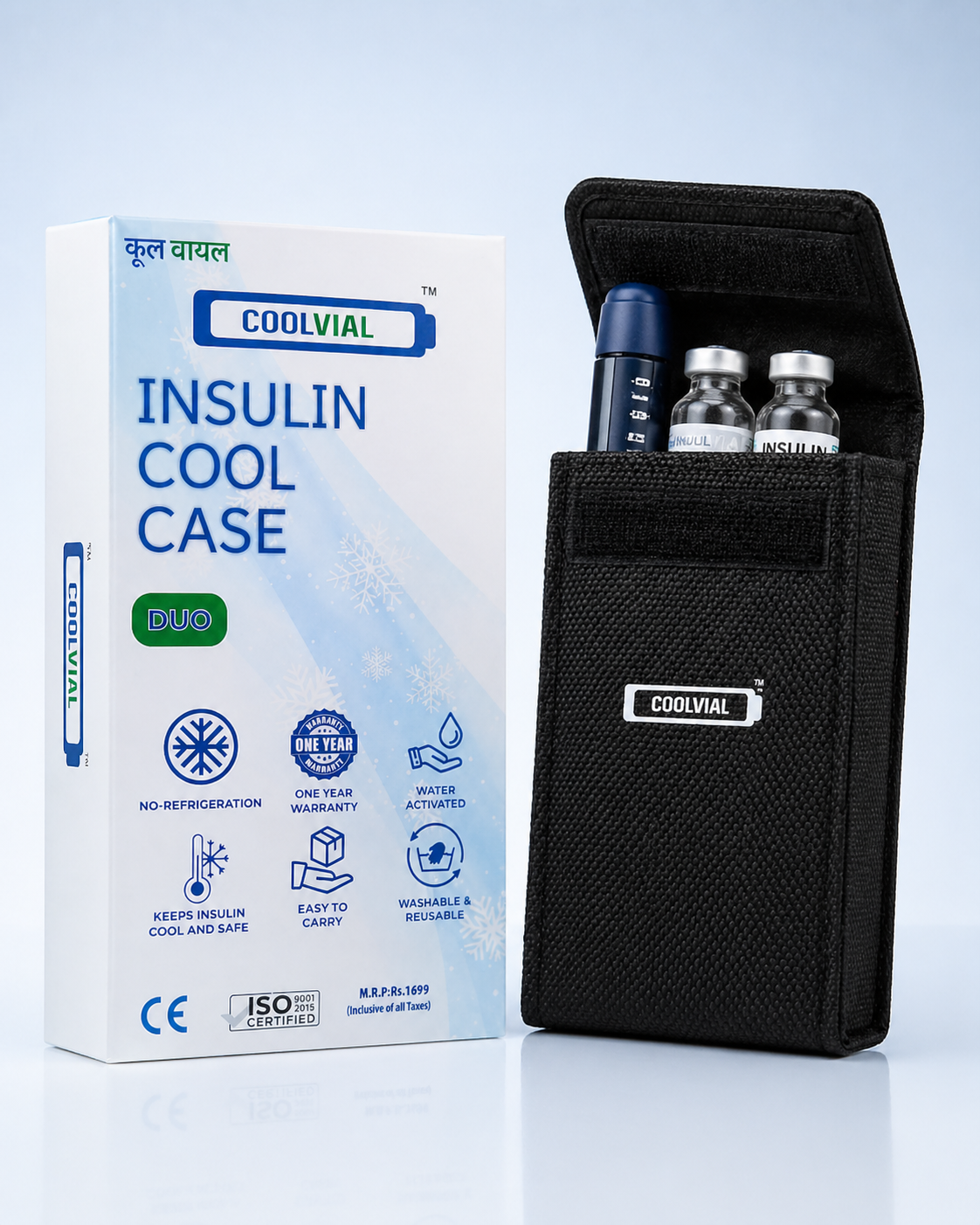
- Simply activate the COOLVIAL Duo by submerging it in water for a few minutes. The unique crystal technology absorbs water, creating a cool, moist environment that maintains temperatures between 18-26°C – perfect for both opened and unopened insulin (after initial refrigeration).
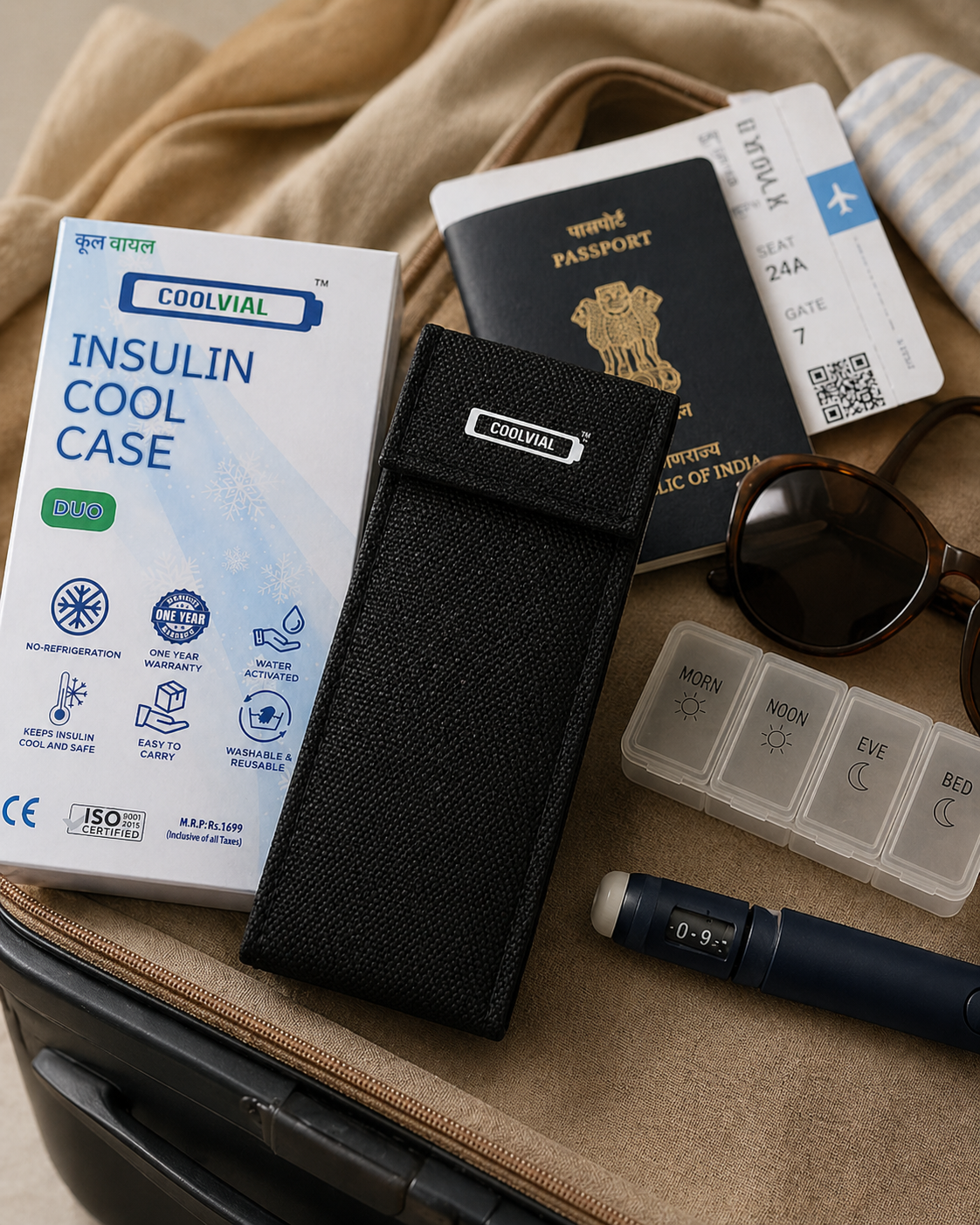
- Introducing COOLVIAL Duo: Designed specifically for the Indian climate, the COOLVIAL Duo holds 2 insulin pens and 1 vial, providing 12-16 hours of cooling. At just Rs 1,099 with code COOLHEAL (MRP Rs 1,699), it’s a cost-effective, reliable solution. It’s CE certified and ISO 9001:2015 compliant, ensuring quality.
- Comparison with Other Cooling Cases:
- COOLVIAL Duo (Rs 1,099): Water-activated, 12-16 hours cooling, holds 2 pens + 1 vial, Made in India, 1-year warranty. Offers a balance of capacity and cooling duration.
- FRIO Cooling Cases (approx. Rs 1,900+): Also water-activated evaporative coolers, similar technology, varying capacities. Generally more expensive.
- Outer Woods OW-12 (approx. Rs 999): Often uses gel packs or insulation, may require refrigeration of the pack itself, providing passive cooling. Cooling duration can be less consistent or shorter.
The COOLVIAL Duo stands out as a reliable, certified, and affordable option for Jamshedpur diabetics, especially during those unpredictable 6-12 hour blackouts. It provides continuous cooling, crucial for preventing insulin degradation. Remember to consider your specific needs when choosing an insulin cool case.
6. Scenario 3: Navigating Prolonged Blackouts (Over 12 Hours & 24+ Hours)
A power cut extending beyond 12 hours, or even 24 hours, is a serious situation requiring proactive measures and community support.
- Neighbours’ Fridges: Reach out to neighbours or friends in your building or locality who might have a generator or inverter backup. Most people are understanding and willing to help store life-saving medication. Remember to label your insulin clearly.
- Nearest 24-Hour Pharmacy: Jamshedpur has a network of pharmacies, some of which operate 24/7 or have generator backup.
- Apollo Pharmacy: Check for the nearest Apollo Pharmacy, especially those located in commercial hubs like Bistupur or near major hospitals, as they often have reliable power backup.
- MedPlus: Another chain with a strong presence, some MedPlus outlets may offer 24-hour service or extended hours with power backup.
- For a comprehensive list, refer to our guide on 24-Hour Pharmacies in Jamshedpur for Insulin Emergencies — Updated List.
- Hospital Pharmacy: The pharmacy at Tata Main Hospital (TMH) in Bistupur is a critical resource. Major hospitals usually have robust power backup systems, ensuring their pharmacies can store insulin safely. In an emergency, they might be able to assist with short-term storage or provide fresh insulin if yours is compromised. Brahmananda Narayana Multispeciality (TMH-Adityapur) and Tinplate Hospital (Golmuri) are other key medical facilities to consider.
- Emergency Insulin Supply: If your insulin has degraded and you cannot secure proper storage, you might need to obtain a fresh supply. Keep your prescription handy.
This level of preparation is vital for ensuring uninterrupted diabetes management, even in the face of significant disruptions.
7. Essential Power Cut Emergency Kit for Diabetics
Having a dedicated emergency kit can significantly ease the stress of a power cut. Assemble yours today!
10 Essential Power Cut Survival Tips for Diabetics in Jamshedpur — What To Do When the Grid Goes Down
COOLVIAL keeps insulin safe in India's heat. 48+ hours, no electricity needed.
- Insulin Cooling Case: A water-activated case like the COOLVIAL Duo is paramount. Ensure it’s always clean and ready for activation.
- Blood Glucose Meter & Strips: Extra batteries for your meter.
- Glucose Tablets/Gel: For treating hypoglycemia, especially if your meal schedule is disrupted.
- Non-Perishable Snacks: Crackers, nuts, or energy bars, in case cooking facilities are unavailable.
- Medication List & Prescriptions: A written list of all your medications, dosages, and your endocrinologist’s contact information.
- First-Aid Supplies: Basic wound care items.
- Flashlight & Power Bank: For lighting and charging your phone.
- Water Bottles: Stay hydrated.
- Small Thermometer: To monitor ambient temperature or inside your cooling case.
- Emergency Contacts: Family, friends, doctor, and local discom contact numbers.
Having these items readily accessible ensures you are prepared for any eventuality, making your power cut survival guide truly effective.
8. Proactive Steps: What Jamshedpur Diabetics Can Do Today
Preparation is key to mitigating the risks of power cuts. Here are some steps you can take right now:
- Educate Your Household: Ensure all family members understand the importance of insulin storage and what to do during a power cut.
- Know Your Discom: Be aware of your local electricity provider (TSUISL for command area, JBVNL for others). Keep their customer care numbers handy for outage reporting and updates. [Verify in 2026] for specific Jamshedpur contact numbers.
- Build Community Support: Talk to your neighbours, especially those with inverters or generators. Establish a mutual aid system for insulin storage.
- Regularly Check Insulin Supplies: Don’t wait until the last minute to refill prescriptions. Keep a buffer supply.
- Monitor Local Weather Forecasts: Be extra vigilant during monsoon season and peak summer heat.
- Understand Insulin Temperature Limits: Familiarize yourself with how to store insulin properly, not just during power cuts. Our guide on How to Store Insulin in Jamshedpur Summer Heat — A Local’s Guide offers more specific advice.
- Consider a COOLVIAL Duo: Investing in a reliable, portable cooling solution like the COOLVIAL Duo provides invaluable peace of mind. It’s a small investment for significant protection against insulin degradation.
These proactive measures can make a substantial difference in your ability to manage diabetes effectively through Jamshedpur’s unique power challenges. For a broader understanding of managing diabetes in the city, check out our Complete Diabetes Care Guide for Jamshedpur Residents — 2026 Edition.
9. Understanding Your Insulin: Vial vs. Pen Storage
While the general rule for insulin storage is 2-8°C, there are nuances depending on whether the insulin is in a vial or pen, and whether it’s opened or unopened.
- Unopened Insulin: All unopened insulin (vials or pens) must be stored in the refrigerator at 2-8°C until its expiration date. This ensures maximum potency.
- Opened Insulin Vials: Once opened, most insulin vials can be kept at room temperature (typically below 25-30°C) for 28-42 days, depending on the specific insulin type. Refrigeration is not required once opened, but avoiding extreme heat is crucial.
- Opened Insulin Pens: Similar to vials, opened insulin pens are generally stable at room temperature (below 25-30°C) for 28-56 days, again depending on the brand and type. They should not be refrigerated once in use, as this can lead to air bubbles and clogs.
The challenge in Jamshedpur is that “room temperature” often exceeds these safe limits, especially during summer and monsoon. This is where a cooling solution like the COOLVIAL Duo becomes essential. It maintains a stable temperature range (18-26°C) that is safe for both opened and unopened insulin, bridging the gap between refrigerator temperatures and unsafe ambient heat.
10. Key Takeaways for Insulin Safety During Jamshedpur Power Cuts
Navigating power cuts as a diabetic requires vigilance and preparation. Here are the critical points to remember:
- Prioritize Insulin Protection: Always assume your insulin is at risk during a power cut.
- Invest in a Reliable Cooling Solution: A water-activated evaporative cooling case like the COOLVIAL Duo is your best friend for extended outages.
- Know Your Local Resources: Be aware of 24-hour pharmacies and hospital pharmacies in Jamshedpur that can assist with storage or emergency supplies.
- Communicate and Collaborate: Inform your family and neighbours about your needs, and don’t hesitate to seek help.
- Monitor Blood Sugar Closely: Power cuts can disrupt routines, so vigilant glucose monitoring is vital.
By following this power cut survival guide, Jamshedpur diabetics can face power outages with confidence, knowing their life-saving insulin is protected.
How We Researched This — This article is based on a thorough review of RSSDI (Research Society for the Study of Diabetes in India) guidelines for insulin storage, ICMR-INDIAB (Indian Council of Medical Research - India Diabetes) data on diabetes prevalence and management in urban India, local Jamshedpur hospital directories (Tata Main Hospital, Brahmananda Narayana Multispeciality, Tinplate Hospital), and information on pharmacy networks like Apollo Pharmacy and MedPlus. Local climate data for Jamshedpur was also consulted to provide context-specific advice.
Conclusion
Living with diabetes in Jamshedpur means being prepared for its unique climatic and infrastructural realities, especially when it comes to power cuts. From the sudden monsoon outages in Sakchi and Adityapur to the peak summer load shedding across the city, ensuring your insulin remains potent is a constant, critical concern. By understanding local power patterns, preparing your home with backup solutions, and having an emergency kit that includes a reliable insulin cooling case, you can safeguard your health effectively.
The COOLVIAL Duo offers an affordable, certified, and Made-in-India solution, keeping your insulin safe for 12-16 hours without electricity, providing peace of mind when you need it most. Don’t let power cuts compromise your diabetes management. Empower yourself with the right tools and knowledge.
Order COOLVIAL Duo at Rs 1,099 with code COOLHEAL at coolvial.com or via WhatsApp wa.me/918766952300
Medical Disclaimer: This article is for general information. Always consult your endocrinologist or diabetologist before changing insulin storage or dosing practices.
10 Essential Power Cut Survival Tips for Diabetics in Jamshedpur — What To Do When the Grid Goes Down
Insulin at 2-8°C for 48+ hours. Trusted by 10,000+ Indian diabetics.