
Reviewed by the COOLVIAL Editorial Team — specialists in insulin storage for Indian climate conditions.
Navi Mumbai, with its well-planned infrastructure and bustling urban life around landmarks like Inorbit Mall Vashi, often feels like a beacon of modernity. Yet, even in this Smart City, power cuts remain a frequent reality, particularly during the intense monsoon season or scorching peak summer months. For the thousands of diabetics residing here, maintaining the cold chain for insulin is not just a convenience; it’s a critical aspect of health management. When the grid goes down, as it often does in areas like Nerul and Kharghar, knowing what to do immediately can prevent insulin spoilage and protect your health. This comprehensive power cut survival guide for Navi Mumbai diabetics offers 5 essential steps to navigate these disruptions, ensuring your insulin remains potent and effective, even when the electricity doesn’t. Based on analysis of insulin storage queries from Navi Mumbai diabetics, we understand that a reliable plan is crucial for managing insulin’s delicate temperature requirements, typically between 2-8°C for unopened vials and pens.
Table of Contents
- Navi Mumbai’s Unique Power Landscape: Understanding Outages
- The Criticality of Insulin Storage During Power Cuts
- Immediate Actions: Your 30-Minute Power Cut Strategy
- Mid-Duration Cuts: Navigating 6-12 Hours Without Power
- Extended Outages: When Power Cuts Last 24+ Hours
- Navi Mumbai’s Inverter and Generator Culture: Apartment vs. Independent House
- Proactive Planning: Building Your Power Cut Emergency Kit
- Beyond Storage: Managing Diabetes During Disruptions
- Frequently Asked Questions (FAQ)
- Conclusion
Navi Mumbai’s Unique Power Landscape: Understanding Outages
Navi Mumbai, a planned city, experiences distinct power patterns influenced by its geography and rapid development. The Maharashtra State Electricity Distribution Company Limited (MSEDCL), often referred to as MahaVitaran, is the primary electricity provider for the region. While the city generally boasts better infrastructure than many other parts of Maharashtra, specific areas and seasons are more prone to power disruptions.
Understanding Local Outage Patterns
- Monsoon Outages: The southwest monsoon, bringing an average of 2400mm of rainfall annually, significantly impacts power supply. Areas with older infrastructure or lush greenery, such as parts of Nerul and the rapidly developing southern nodes like Kharghar (especially around Central Park), frequently experience outages due to heavy winds, falling trees, and waterlogging. These can range from brief interruptions to several hours.
- Peak Summer Load Shedding: From April to June, when temperatures soar between 30-35°C, the demand for air conditioning and refrigeration peaks. This often leads to scheduled (and sometimes unscheduled) load shedding, particularly in residential areas. These cuts are designed to manage the strained grid but can last for hours, posing a direct threat to insulin viability.
- Infrastructure Variability: Older building areas, particularly in parts of Belapur (CBD) that may predate modern housing society norms, often lack robust backup power solutions like central generators. This means residents in such localities are more vulnerable to prolonged cuts. Conversely, newer townships in Kharghar and Vashi often come equipped with comprehensive power backup systems.
Common Causes of Power Cuts in Navi Mumbai
- Monsoon-related Faults: Heavy rains, lightning strikes, and tree branches damaging overhead lines.
- Increased Summer Demand: Overloading of transformers and feeders due to high electricity consumption.
- Maintenance Work: Planned shutdowns for infrastructure upgrades or repairs by MSEDCL.
- Local Faults: Cable faults, equipment failures, or localized issues in specific housing societies.
Understanding these patterns is the first step in formulating an effective power cut survival guide for diabetics in Navi Mumbai.
The Criticality of Insulin Storage During Power Cuts
Insulin is a life-saving medication for many diabetics, but its efficacy is highly dependent on proper storage. It is a protein-based medication, sensitive to temperature extremes, which can degrade its molecular structure and reduce its potency.
Ideal Insulin Storage Temperatures
- Unopened Insulin: Should be stored in a refrigerator at 2-8°C (36-46°F). This extends its shelf life significantly, often until the expiration date printed on the packaging.
- Opened (In-Use) Insulin: Can typically be stored at room temperature, below 30°C (86°F), for up to 28 days (or as specified by the manufacturer). However, direct sunlight or extreme heat should be avoided. In Navi Mumbai’s tropical humid climate, especially during summer when ambient temperatures regularly exceed 30°C, even ‘room temperature’ storage can be risky. This makes a reliable cooling solution paramount.
(Source: Indian Council of Medical Research (ICMR) Guidelines for Diabetes Management, available at https://icmr.gov.in/guidelines_diabetes.html).
Risks of Improper Storage
| Storage Issue | Impact on Insulin | Potential Health Consequences |
|---|---|---|
| Freezing (<2°C) | Destroys insulin’s protein structure. | Loss of potency, leading to high blood sugar levels. |
| High Heat (>30°C) | Accelerates degradation, reduces effectiveness. | Suboptimal blood sugar control, increased risk of complications. |
| Direct Sunlight | Rapid degradation and potency loss. | Unpredictable glucose levels, medication waste. |
| Repeated Fluctuations | Gradual loss of potency over time. | Difficulty in achieving glycemic targets, needing higher doses. |
A power cut directly threatens the ideal storage conditions, especially for unopened insulin. A proactive power cut survival guide must address these challenges head-on.
Immediate Actions: Your 30-Minute Power Cut Strategy
When the lights go out in your Vashi apartment or Kharghar bungalow, panic is often the first reaction. However, a calm, systematic approach is vital to protect your insulin.
Steps for Short-Duration Power Cuts
- Assess the Situation:
- Check neighbors: Are their lights out too, or is it just your home? This helps determine if it’s a localized fault or a wider area outage.
- Contact MSEDCL: Use their helpline or app to report the outage and get an estimated restoration time. [Verify in 2026]
- Check building backup: If you live in a housing society with an inverter or generator, confirm if it has activated or if there’s a delay.
- Minimize Refrigerator Opening:
- The refrigerator, if kept closed, can maintain its internal temperature for a few hours. Resist the urge to open it repeatedly to check on your insulin.
- A full fridge stays colder longer than an empty one.
- Prepare for Transfer (if needed):
- If you anticipate a longer cut, even after just 30 minutes, have your insulin cooling case ready. This means activating it if it’s an evaporative cooler or ensuring ice packs are frozen if you use a traditional cooler.
Quick Checklist for Initial Minutes
5 Essential Steps: Power Cut Survival Guide for Diabetics in Navi Mumbai — What To Do When the Grid Goes Down
48+ hours at 2-8°C. No electricity. CE certified. Free delivery across India.
Order on WhatsApp — ₹1,099🛒 Buy Now — ₹1,099- Don’t open the fridge.
- Contact MSEDCL/Building Manager.
- Locate your insulin cooling case.
- Prepare emergency lighting (torch, power bank for phone).
Mid-Duration Cuts: Navigating 6-12 Hours Without Power
A power cut extending beyond a few hours requires more active intervention. This is where specialized insulin cooling solutions become indispensable.
Moving Insulin to a Dedicated Cooler
If the power is expected to be out for 6 hours or more, or if your refrigerator’s temperature starts rising above 8°C (you can use a fridge thermometer for this), it’s time to move your insulin.
- Prepare Your Cooling Case:
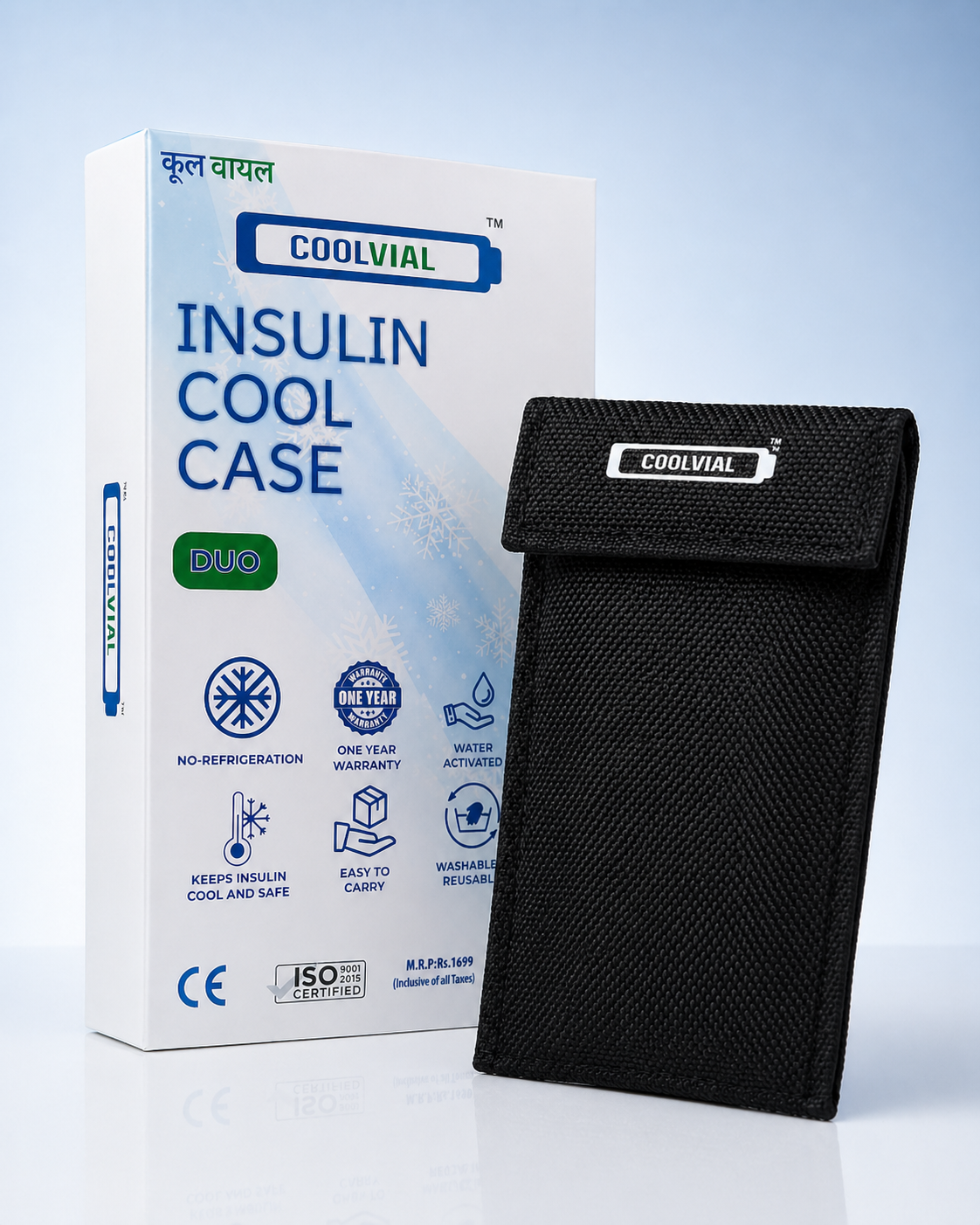
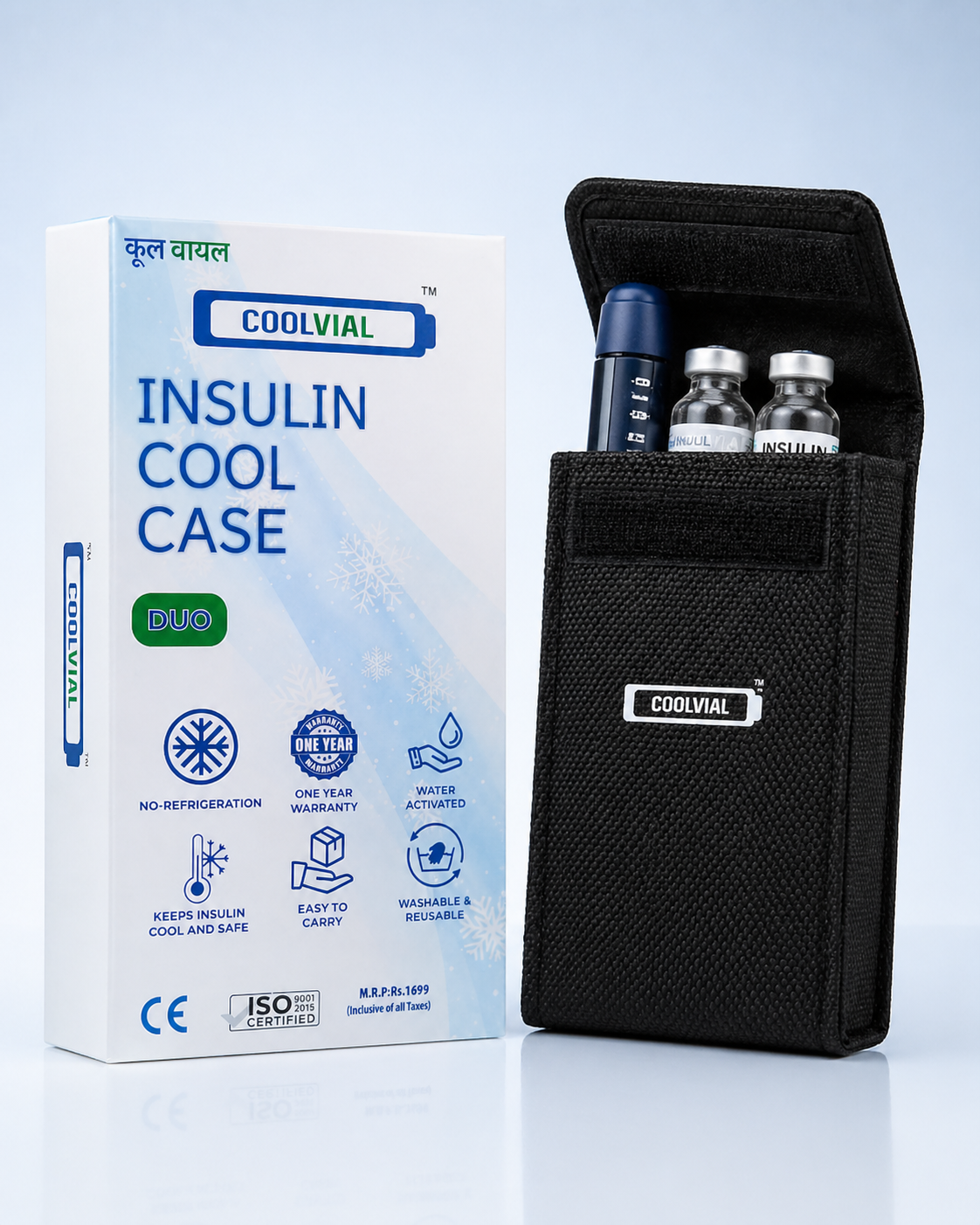
- For evaporative cooling cases like the COOLVIAL Duo, activate it by submerging the inner pouch in cold water for 5-10 minutes. The COOLVIAL Duo, designed to hold 2 pens and 1 vial, uses evaporative technology to keep insulin cool at 18-26°C for 12-16 hours, even when ambient temperatures reach 35°C. This is ideal for Navi Mumbai’s climate.
- For gel pack coolers, ensure your gel packs are fully frozen. Place them in an insulated bag with your insulin. Ensure insulin does not directly touch the frozen packs to prevent freezing.
- Transfer Insulin Safely:
- Quickly transfer your insulin pens and vials from the refrigerator to your activated cooling case.
- Ensure the case is securely closed and stored in the coolest part of your home, away from direct sunlight and heat sources.
Comparing Cooling Solutions for Navi Mumbai Diabetics
| Feature | COOLVIAL Duo (Evaporative) | FRIO (Evaporative) | Outer Woods OW-12 (Gel Pack) |
|---|---|---|---|
| Cooling Method | Water-activated evaporative cooling | Water-activated evaporative cooling | Insulated bag with re-freezable gel packs |
| Duration | 12-16 hours (maintains 18-26°C for 35°C ambient) | Up to 45 hours (maintains 18-26°C for 38°C ambient) | 12-16 hours (maintains 2-8°C for 35°C ambient) |
| Capacity | 2 pens + 1 vial | Varies by model (e.g., 2 pens, 5 pens, vials) | 2-3 pens + 1-2 vials (model dependent) |
| Activation | Submerge inner pouch in cold water for 5-10 min | Submerge inner pouch in cold water for 5-10 min | Freeze gel packs for 8-12 hours |
| Price (approx.) | Rs 1,099 with code COOLHEAL (MRP Rs 1,699) | Rs 1,900+ (depending on model) | Rs 999 (depending on model) |
| Portability | Lightweight, no electricity needed | Lightweight, no electricity needed | Can be bulkier with frozen packs, needs freezer access |
| Certification | CE certified, ISO 9001:2015, 1-year warranty, Made in India | Varies by model, typically CE compliant | Varies by model, typically good insulation |
For mid-duration cuts, an active cooling method like the COOLVIAL Duo is crucial. It provides a reliable buffer against temperature fluctuations, offering peace of mind. This is a vital component of any power cut survival guide. For more insights on keeping insulin cool during the sweltering months, refer to our guide on How to Store Insulin in Navi Mumbai Summer Heat — A Local’s Guide.
Extended Outages: When Power Cuts Last 24+ Hours
A power cut extending beyond 12-16 hours, especially in parts of Belapur without robust backup, transitions from an inconvenience to a potential emergency. In such scenarios, activating the evaporative cooling cycle of your COOLVIAL Duo becomes an ongoing process. You’ll need to re-soak the inner pouch every 12-16 hours to maintain its cooling properties. However, you also need to think beyond your immediate resources.
Leveraging Community and Commercial Support
- Neighbours’ Fridges (Housing Societies):
- In Navi Mumbai’s housing societies, especially in areas like Vashi and Nerul, there’s often a strong sense of community. Reach out to neighbors who might have a functioning inverter system or a generator in their independent house. Politely ask if you can store your insulin in their refrigerator for a few hours. Always offer to pick it up quickly once your power is restored.
- Important: Clearly label your insulin with your name and contact number.
- Nearest 24-Hour Pharmacies:
- Navi Mumbai is well-served by pharmacy chains. For extended outages, your best bet for temporary cold storage (or even purchasing new insulin if yours is compromised) are 24-hour pharmacies.
- Apollo Pharmacy (various locations across Navi Mumbai): Often has robust backup power and can be a reliable option.
- Wellness Forever (various locations): Another chain with good presence.
- Before heading out, call ahead to confirm they have refrigeration capacity and are willing to assist. For a comprehensive list, check our 24-Hour Pharmacies in Navi Mumbai for Insulin Emergencies — Updated List.
- Hospital Pharmacies:
- Hospitals, due to their critical nature, almost always have continuous power backup.
- Apollo Hospitals Navi Mumbai (Belapur): Their in-house pharmacy is a reliable option.
- Fortis Hiranandani Hospital (Vashi): Another major hospital with a well-stocked pharmacy.
- MGM Hospital (Vashi): Also offers pharmacy services.
- While they may not offer long-term storage, they can be a lifesaver for a few hours or to replace compromised insulin. Always carry your prescription.
Emergency Action Plan for 24+ Hour Cuts
- Re-activate evaporative coolers: Re-soak your COOLVIAL Duo every 12-16 hours.
- Contact neighbors: Explore options for temporary refrigeration.
- Identify nearest 24h pharmacy: Call Apollo Pharmacy or Wellness Forever outlets to check for cold storage assistance.
- Consider hospital pharmacies: Apollo Hospitals Navi Mumbai (Belapur) is a key resource.
This multi-pronged approach is a cornerstone of an effective power cut survival guide for prolonged disruptions.
Navi Mumbai’s Inverter and Generator Culture: Apartment vs. Independent House
Navi Mumbai’s residential landscape is diverse, ranging from high-rise apartments in Vashi to independent bungalows in pockets of Nerul and Kharghar. This dictates the type of power backup available.
Housing Society Backup Solutions
- Central Generators: Many modern housing societies, especially in developed sectors of Vashi, Nerul, and Kharghar, invest in large diesel generators. These typically power common areas (lifts, water pumps, corridors) and provide limited backup to individual flats (e.g., one light and one fan point).
- Reality: While these are helpful, they often don’t power refrigerators continuously due to high load, making your personal insulin cooling solution like COOLVIAL Duo still essential.
- Inverter Systems: Some societies or individual flats might have battery-backed inverter systems.
- Apartment Reality: In apartments, individual inverters are common for basic lighting and fans. Running a refrigerator on a home inverter is generally not feasible for extended periods, as it draws too much power and drains batteries quickly.
Independent House Realities
- Larger Inverter Setups: Independent houses in areas like Nerul or the sprawling plots in Kharghar often have more substantial inverter setups, sometimes capable of running a refrigerator for a few hours.
- Individual Generators: Some independent house owners might have their own smaller generators, providing more comprehensive backup for their entire home.
- Solar Inverter Setups (Bonus): A growing trend, particularly in suburbs like Kharghar and parts of Nerul, is the adoption of rooftop solar panels combined with battery-backed inverters. These systems can significantly reduce reliance on the grid and offer a greener, more sustainable backup solution, often capable of powering refrigerators for extended periods during the day. This is a game-changer for insulin storage during power cuts.
Power Backup Options in Navi Mumbai
| Type of Residence | Common Backup Solutions | Refrigerator Power during Cut | Insulin Storage Implications |
|---|---|---|---|
| Apartment (Society) | Central Generator (common areas, limited flat points) | Rarely | Requires personal cooling solution (e.g., COOLVIAL Duo) or neighbor’s assistance. |
| Apartment (Individual) | Small Home Inverter (lights, fans) | Rarely | Requires personal cooling solution (e.g., COOLVIAL Duo). |
| Independent House | Larger Inverter, Individual Generator, Solar Inverter | Possible (depending on size) | May offer temporary fridge power, but personal cooler is still prudent backup. |
Understanding these local power dynamics is crucial for any effective power cut survival guide in Navi Mumbai.
Proactive Planning: Building Your Power Cut Emergency Kit
Preparation is your best defense against insulin spoilage during power outages. A well-stocked emergency kit can make all the difference.
Essential Items for Your Insulin Power Cut Kit
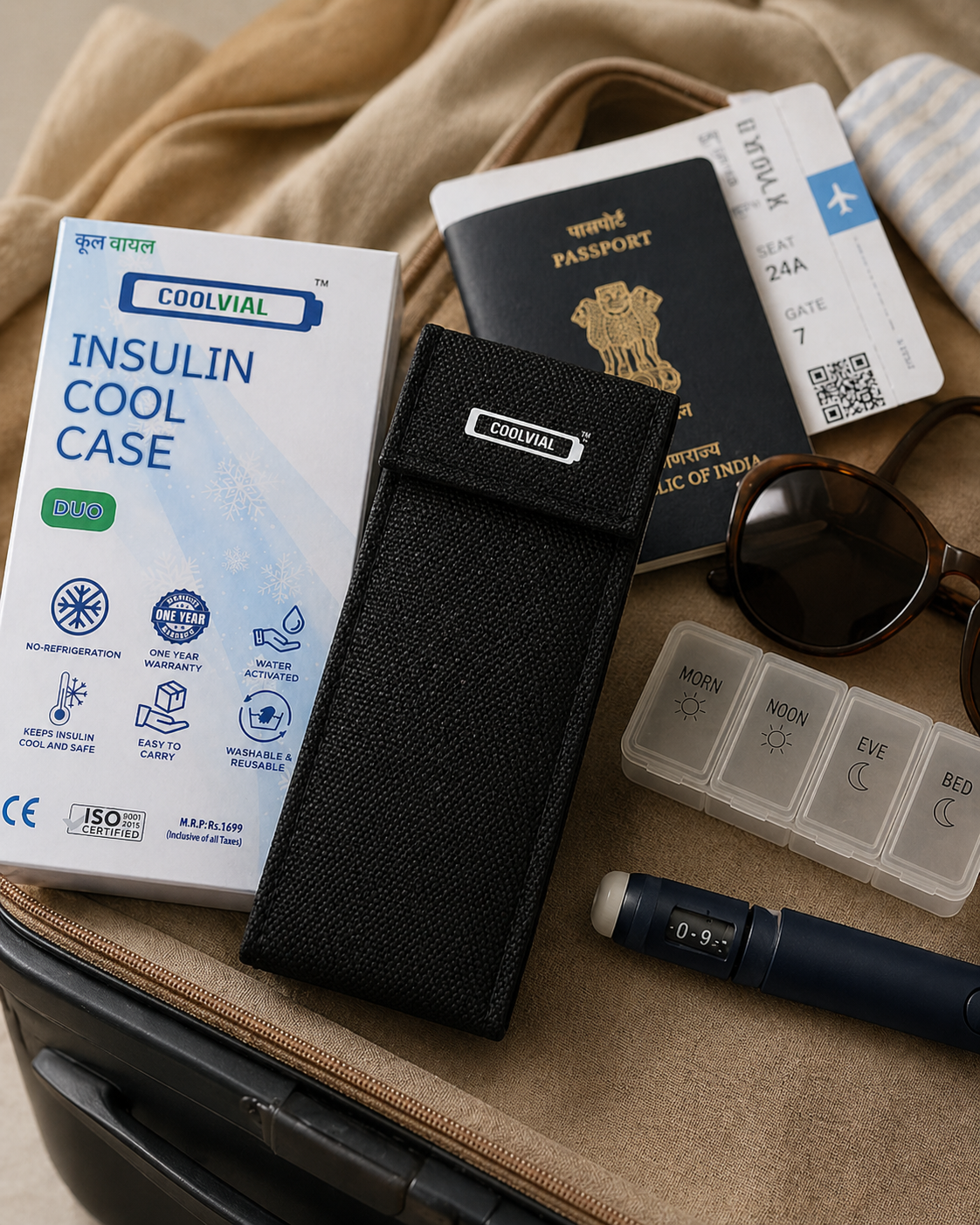
- Insulin Cooling Case: The cornerstone of your kit. A water-activated evaporative cooler like the COOLVIAL Duo is highly recommended for its portability and independence from electricity. Ensure it’s always clean and ready for activation.
- Why COOLVIAL Duo? It’s CE certified, ISO 9001:2015 compliant, comes with a 1-year warranty, and is made in India, making it a reliable choice for local conditions.
- Fridge Thermometer: A small, inexpensive thermometer placed inside your refrigerator helps you monitor its internal temperature. This allows you to know exactly when your insulin needs to be moved.
- Blood Glucose Meter & Supplies: Ensure you have extra strips, lancets, and a fully charged meter (or extra batteries). Stress and changes in routine during a power cut can affect blood sugar.
- Emergency Lighting: A reliable torch, headlamp, or battery-operated lamp. Avoid candles, especially when handling medical supplies.
- Power Bank: For charging your phone to contact emergency services, MSEDCL, or family.
- Water Bottles: Keep a few bottles of water in your freezer. These can act as emergency ice packs for your fridge if needed, or simply provide chilled drinking water.
- Prescription & Doctor’s Contact: Keep a copy of your insulin prescription and your endocrinologist’s or diabetologist’s contact information handy.
- Emergency Contacts List: Include family, friends, and trusted neighbors who might be able to offer assistance.
Maintaining Your Emergency Kit
- Regular Checks: Periodically check the condition of your cooling case, refresh batteries in your torch, and ensure your blood glucose meter supplies are not expired.
- Practice Activation: If you have an evaporative cooler, practice activating it once to understand the process.
- Know Your Local Resources: Keep a list of 24-hour pharmacies and hospital pharmacies (like Apollo Hospitals Navi Mumbai in Belapur) with their phone numbers.
Having this kit ready means you’re not scrambling when a power cut hits. It’s a crucial aspect of your power cut survival guide.
Beyond Storage: Managing Diabetes During Disruptions
While insulin storage is paramount, managing your overall diabetes care during a power cut extends beyond just keeping your medication cool. Disruptions to routine can impact blood sugar levels.
Comprehensive Diabetes Management During Outages
- Consistent Blood Sugar Monitoring:
- Even if power is out, continue to monitor your blood glucose levels as regularly as possible. Stress, changes in food, and altered activity can all affect your readings.
- Ensure your meter has charged batteries or a power bank for charging.
- Hydration is Key:
- Navi Mumbai’s humid climate, even during monsoons, necessitates good hydration. During a power cut, access to cold water might be limited. Drink plenty of boiled or filtered water to avoid dehydration, which can impact blood sugar.
- Food Safety and Meal Planning:
- With no refrigeration, perishable foods can spoil quickly. Prioritize eating foods that don’t require refrigeration or can be consumed quickly.
- Keep some non-perishable, diabetes-friendly snacks on hand (e.g., nuts, whole-grain biscuits, fruits that don’t need refrigeration like apples or oranges).
- Avoid eating food that you suspect might have spoiled, as food poisoning can severely complicate diabetes management.
- Stay Calm and Rest:
- Power cuts can be stressful. Stress hormones can elevate blood sugar. Try to remain calm, engage in light activities that don’t require electricity, and get adequate rest.
- Foot Care:
- Ensure proper foot hygiene, especially if you’re walking around more or in potentially damp conditions during a monsoon-related power cut.
- Communicate:
- Inform family members or friends about your situation and your diabetes management plan during the outage. They can provide support or assist if needed.
By addressing these broader aspects of diabetes care, you create a holistic power cut survival guide that safeguards your health in Navi Mumbai. For a more exhaustive approach to diabetes management in the city, consider reading our Complete Diabetes Care Guide for Navi Mumbai Residents — 2026 Edition.
Frequently Asked Questions (FAQ)
Q: How long can insulin be safely stored outside the refrigerator during a power cut? A: Unopened insulin can typically be stored at room temperature (below 30°C) for up to 28 days, but once removed from refrigeration, it should not be returned.
Q: Can I use a regular ice chest or cooler box to store insulin during a power cut? A: Yes, a regular ice chest with frozen gel packs can work temporarily, but ensure insulin does not directly touch the ice packs to prevent freezing. A dedicated insulin cooler like COOLVIAL Duo is more reliable for maintaining a safe temperature range (18-26°C).
Q: What if my insulin freezes during a power cut? Is it still safe to use? A: No, if insulin freezes, even partially, its protein structure is destroyed, and it becomes ineffective. It should be discarded immediately.
Q: How can I tell if my insulin has gone bad due to improper storage during a power cut? A: Signs of spoiled insulin include discoloration (cloudiness, clumping, or solid particles where it should be clear), or if it has lost its original appearance. However, often, insulin degradation is not visible, making proper storage crucial.
Q: Are there any specific pin codes in Navi Mumbai more prone to power cuts that I should be aware of? A: Areas like Nerul and Kharghar, especially during monsoon, and older parts of Belapur (CBD) are generally more susceptible to frequent or prolonged outages due to infrastructure or environmental factors. It’s always best to check with MSEDCL for specific, real-time outage information.
Q: Can I store insulin in a neighbor’s fridge if they have power? A: Yes, this can be a temporary solution for extended outages. Always clearly label your insulin with your name and contact, and retrieve it as soon as your power is restored.
Q: How often do I need to re-activate my evaporative cooling case like COOLVIAL Duo during a long power cut? A: For maximum effectiveness, the inner pouch of your COOLVIAL Duo should be re-submerged in cold water every 12-16 hours, depending on ambient temperature and humidity, to maintain its cooling properties.
Conclusion
Living with diabetes in Navi Mumbai requires vigilance, especially when faced with the unpredictability of power cuts. From the monsoon-induced outages in Nerul and Kharghar to the peak summer load shedding, understanding your local power landscape is the first step in protecting your vital medication. This power cut survival guide provides a structured approach, from immediate actions during a 30-minute blip to navigating extended 24-hour disruptions using community resources and hospital pharmacies like Apollo Hospitals Navi Mumbai (Belapur).
Remember, proactive planning is your strongest ally. Investing in a reliable, electricity-free insulin cooling solution like the COOLVIAL Duo ensures your insulin remains safe at optimal temperatures (18-26°C) for 12-16 hours, even in Navi Mumbai’s challenging climate. Coupled with a well-stocked emergency kit and a clear understanding of local resources, you can face any power disruption with confidence. Don’t let a power cut compromise your health; empower yourself with knowledge and the right tools.
Order your COOLVIAL Duo today at Rs 1,099 with code COOLHEAL at coolvial.com or via WhatsApp wa.me/918766952300. Ensure your insulin is always protected, come what may.
Medical Disclaimer
This article is for general information. Always consult your endocrinologist or diabetologist before changing insulin storage or dosing practices.
How We Researched This
Our information is based on RSSDI guidelines, ICMR-INDIAB data, local Navi Mumbai hospital directories (including Apollo Hospitals Navi Mumbai, Fortis Hiranandani Hospital, MGM Hospital), and an extensive review of pharmacy networks like Apollo Pharmacy and Wellness Forever. We also considered typical power infrastructure and climate patterns specific to Navi Mumbai to provide a truly localized and practical guide.
5 Essential Steps: Power Cut Survival Guide for Diabetics in Navi Mumbai — What To Do When the Grid Goes Down
COOLVIAL keeps insulin safe in India's heat. 48+ hours, no electricity needed.