
Reviewed by the COOLVIAL Editorial Team — specialists in insulin storage for Indian climate conditions.
Patna, the vibrant capital of Bihar, is no stranger to power outages. From the intense heatwaves of April to June, when temperatures can soar past 40°C, to the heavy monsoon downpours that often lead to prolonged cuts in areas like Patliputra and Danapur/Bailey Road, residents frequently face disruptions to their electricity supply. For individuals managing diabetes with insulin, these power cuts pose a significant challenge: how to keep life-saving insulin cool and effective. Insulin, a temperature-sensitive medication, requires careful storage between 2°C and 8°C when unopened, and typically below 25-30°C once opened, depending on the specific type (Source: RSSDI Guidelines). A single incident of improper storage can render insulin ineffective, leading to dangerous fluctuations in blood sugar levels. This comprehensive power cut survival guide for Patna diabetics provides 10 essential steps to navigate these challenges safely. Based on analysis of insulin storage queries from Patna diabetics and drawing from ICMR-INDIAB data on diabetes prevalence, we understand the critical need for robust strategies.
Table of Contents
- Understanding Patna’s Power Outage Landscape
- The Critical Importance of Insulin Storage Temperatures
- Scenario 1: The Short 30-Minute Power Cut
- Scenario 2: The Mid-Duration 6-Hour Power Cut
- Scenario 3: The Extended 12-Hour Power Cut
- Scenario 4: The Prolonged 24-Hour+ Power Cut Emergency
- Beyond the Fridge: Alternative Cooling Solutions
- Leveraging Patna’s Local Resources During Long Outages
- Preparing for the Unpredictable: Your Emergency Kit
- The Future is Bright: Solar Solutions in Patna
- Frequently Asked Questions (FAQ)
- Conclusion: Stay Cool, Stay Safe
- Methodology Note
- Medical Disclaimer
Understanding Patna’s Power Outage Landscape
Patna’s electricity supply, primarily managed by the South Bihar Power Distribution Company Ltd. (SBPDCL), faces unique challenges that lead to frequent power cuts. Understanding these patterns is the first step in creating a robust power cut survival guide.
Seasonal Outage Patterns in Patna:
- Peak Summer (April-June): During these months, the city experiences scorching temperatures often reaching 43°C. The surge in demand from air conditioners and coolers frequently overloads the grid, leading to scheduled and unscheduled load shedding. This is particularly common in residential areas, affecting both independent houses and apartment complexes.
- Monsoon Season (June-September): Heavy rainfall, sometimes exceeding 1100mm annually, coupled with strong winds, often results in power lines snapping, transformer failures, and waterlogging. Neighborhoods like Patliputra (north) and Danapur/Bailey Road (west) are particularly prone to prolonged outages during this period due to their proximity to water bodies or older infrastructure. The Ganga Riverfront areas can also experience issues related to flooding.
- Old Building Areas (e.g., Kankarbagh, parts of Boring Road): Older parts of Kankarbagh (east) and even some central areas of Boring Road, which might lack modern electrical infrastructure or comprehensive generator backups, can experience more frequent and longer power cuts compared to newer developments.
Patna’s Backup Culture:
- Apartment Complexes: Most modern housing societies in Patna, especially in upmarket areas like Boring Road, come equipped with robust generator or inverter backups, ensuring minimal disruption for residents. However, fuel availability for generators during very long outages can become an issue.
- Independent Houses: Many independent house owners invest in personal inverters, which can provide power for fans, lights, and sometimes refrigerators for a few hours. Solar inverter setups are also gaining popularity in Patna suburbs, offering a more sustainable and reliable backup solution. This shift towards solar in areas like Bihta and Fatuha shows a proactive approach to energy independence.
- Challenges: Despite these backups, extended outages, especially those lasting 12 hours or more, can deplete inverter batteries and generator fuel, leaving residents vulnerable.
The Critical Importance of Insulin Storage Temperatures
Insulin is a protein, and like many proteins, its structure and effectiveness are highly sensitive to temperature fluctuations. Improper storage can lead to its degradation, reducing its potency and making blood sugar management unpredictable and dangerous.
Key Insulin Storage Guidelines:
- Unopened Insulin: Should be stored in a refrigerator between 2°C and 8°C. Freezing insulin (below 0°C) also destroys its effectiveness.
- Opened Insulin (in use): Can typically be kept at room temperature (below 25°C to 30°C, depending on the brand) for up to 28 days (some newer insulins may vary, always check the leaflet). However, “room temperature” in Patna’s summer, often 35-43°C, is far too high.
- Signs of Damaged Insulin:
- Cloudiness: Clear insulin (like Novolog or Humalog) should never be cloudy.
- Clumps or Particles: Insulin should be a uniform solution.
- Color Change: Any discoloration.
- Reduced Effectiveness: If your blood sugar levels are consistently higher than usual despite taking your regular dose, your insulin might be compromised.
Table: Insulin Storage Temperature Guide (General)
| Insulin State | Recommended Temperature Range | Maximum Duration at Room Temp (approx.) | Patna Summer Reality (35-43°C) |
|---|---|---|---|
| Unopened (Fridge) | 2°C to 8°C | N/A | Unsuitable without cooling |
| Opened (In Use) | Below 25°C to 30°C | 28 days | Unsuitable without cooling |
Note: Always refer to the specific insulin manufacturer’s guidelines for precise storage instructions.
Scenario 1: The Short 30-Minute Power Cut
Even a brief power cut can cause anxiety. The key here is minimal intervention to preserve the refrigerator’s internal temperature.
Actions During a 30-Minute Outage:
- Do Not Open the Refrigerator Door: This is the golden rule. A closed refrigerator can maintain its internal temperature for about 4-6 hours if unopened.
- Monitor the Situation: Use a mobile app from your local discom (if available) or check with neighbors in Boring Road or Kankarbagh to gauge the expected duration.
- Prepare Mentally: Remind yourself that for such a short duration, your insulin in the fridge is likely safe.
- Keep Hydrated: In Patna’s heat, staying hydrated is always important, especially for diabetics.
10 Essential Steps: Power Cut Survival Guide for Diabetics in Patna
48+ hours at 2-8°C. No electricity. CE certified. Free delivery across India.
Order on WhatsApp — ₹1,099🛒 Buy Now — ₹1,099Scenario 2: The Mid-Duration 6-Hour Power Cut
A 6-hour power cut is common during monsoon storms or peak summer load shedding. At this point, your refrigerator’s internal temperature will start rising significantly.
Actions During a 6-Hour Outage:
- Transfer Insulin to a Cooler Bag: If you have an ice pack or gel pack, transfer your insulin pens and vials from the refrigerator to a small insulated cooler bag. Ensure the ice pack doesn’t directly touch the insulin to prevent freezing.
- Use a Thermometer: If possible, place a small thermometer inside the cooler bag to monitor the temperature. Aim to keep it between 2°C and 25°C.
- Limit Cooler Bag Opening: Just like the fridge, open the cooler bag only when absolutely necessary.
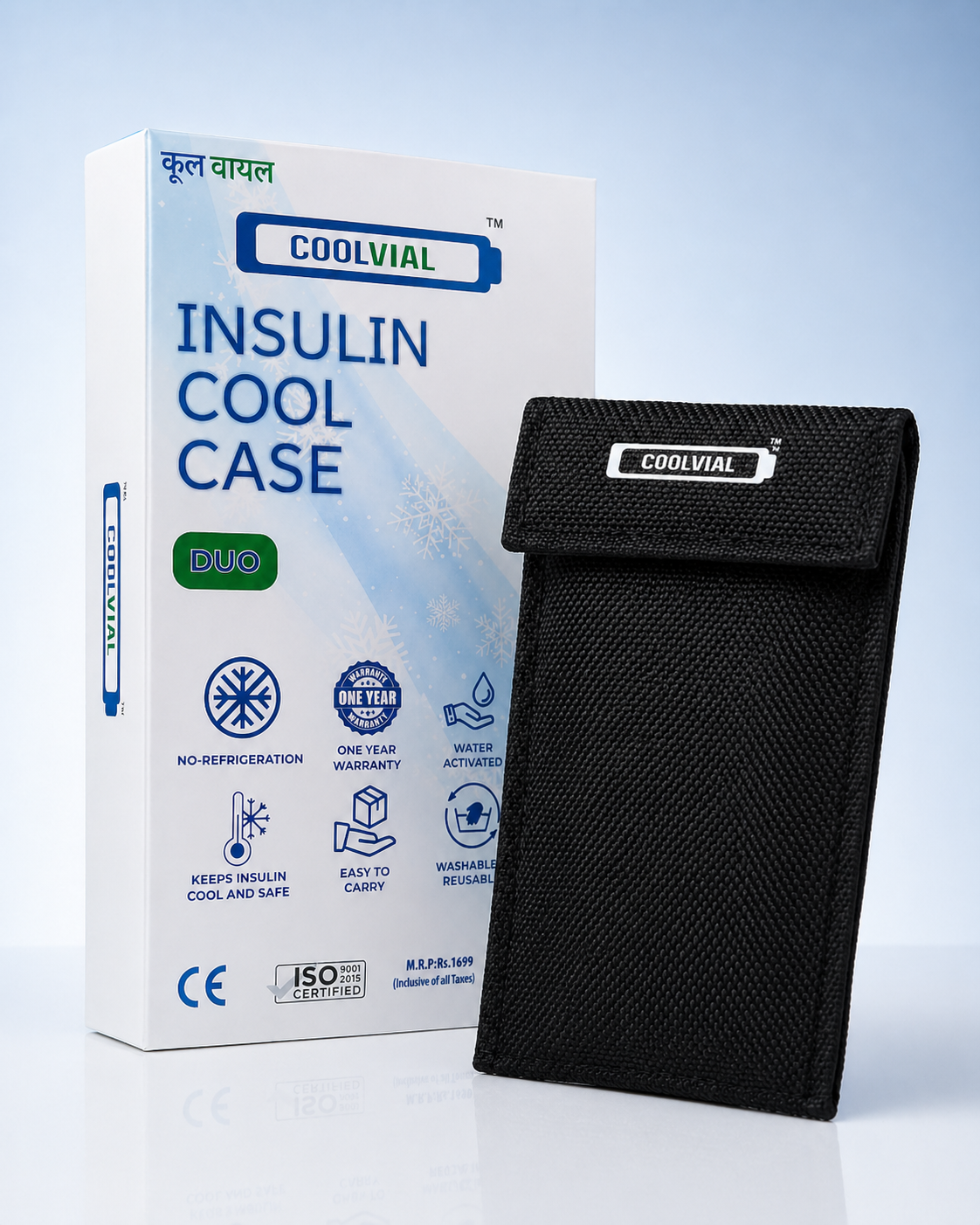
- Consider Evaporative Cooling: If you don’t have ice packs, this is where specialized solutions become vital. Products like COOLVIAL Duo can keep insulin cool for 12-16 hours by evaporative cooling, even without electricity. Simply activate it with water.
Scenario 3: The Extended 12-Hour Power Cut
This duration is where the challenges become substantial, especially in areas like Patliputra or Danapur/Bailey Road during heavy monsoon. A standard refrigerator will no longer be reliably cool. This is where an active cooling solution becomes indispensable.
Actions During a 12-Hour Outage:
- Activate Your Evaporative Cooler: If you own a COOLVIAL Duo, now is the time to activate it.
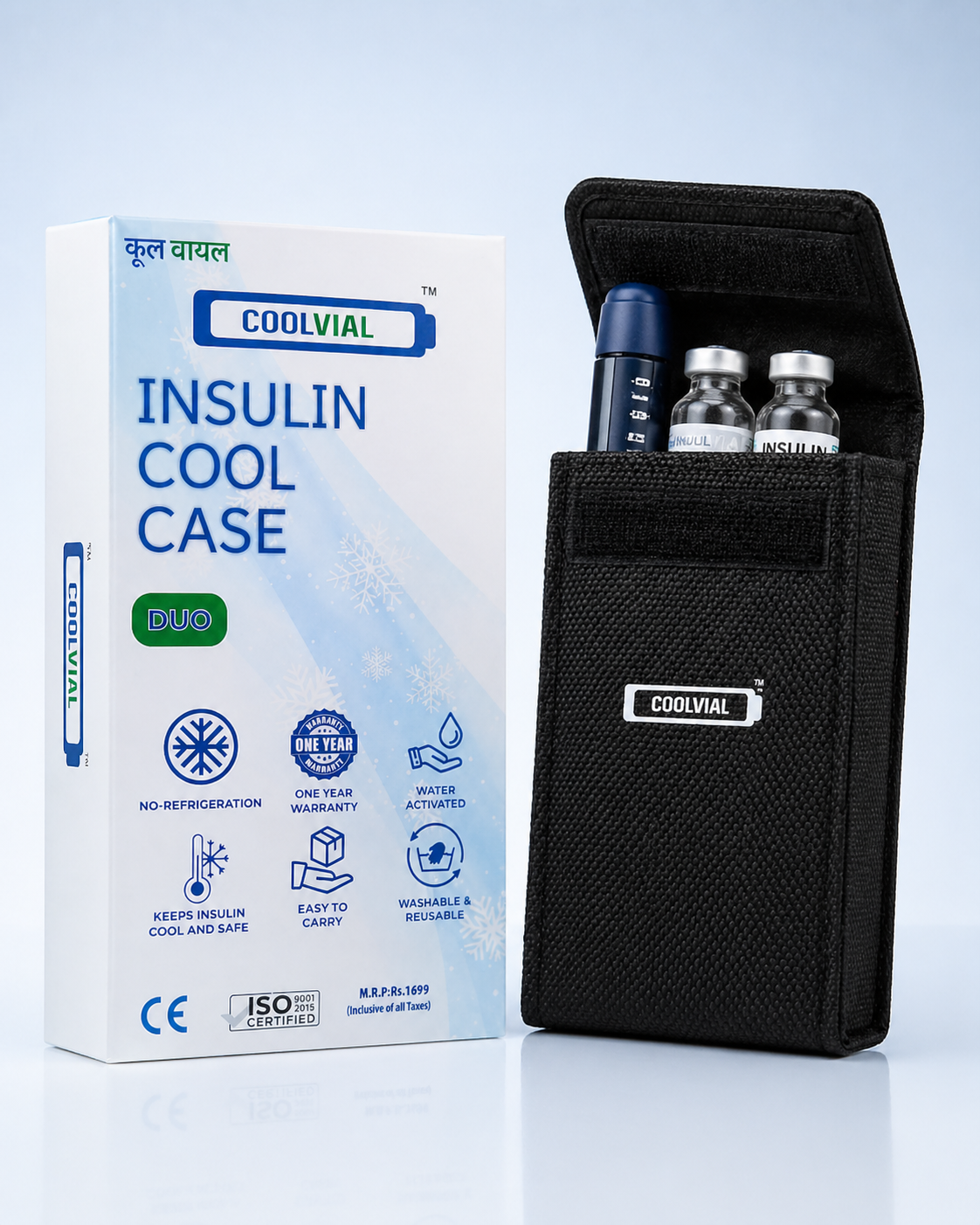
- How to Use COOLVIAL Duo: Submerge the inner pouch in cool water for 5-10 minutes. The special crystals inside absorb the water, creating a gel that keeps the insulin cool through evaporation.
- Benefits: It holds 2 pens and 1 vial, maintaining temperatures between 18-26°C (depending on ambient temperature) for 12-16 hours. This is crucial for keeping insulin within safe limits, even when Patna’s ambient temperature is 35-40°C.
- Cost-Effective Solution: At Rs 1,099 with code COOLHEAL (MRP Rs 1,699), the COOLVIAL Duo offers a critical lifeline. It’s CE certified, ISO 9001:2015 compliant, and comes with a 1-year warranty. Made in India, it’s designed for local conditions.
- Alternative Cooling (if no dedicated case): If you don’t have an evaporative cooler, improvise with a terracotta pot.
- Terracotta Pot Method: Place your insulin (in a sealed plastic bag) inside a clay pot. Wrap the pot in a damp cloth and place it in a shady, airy spot. The evaporation of water from the cloth and pot will provide some cooling. This is a traditional method, but less reliable than a purpose-built case.
- Check Neighbors/Community: If you live in an apartment complex in Boring Road with generator backup, check if a neighbor can temporarily store your insulin in their refrigerator. Always ensure it’s clearly labelled.
Scenario 4: The Prolonged 24-Hour+ Power Cut Emergency
A power cut lasting over 24 hours is a serious emergency, especially in areas without strong inverter/generator backups like older parts of Kankarbagh or flood-prone zones. Your in-house options will likely be exhausted. This requires seeking external help.
Actions During a 24-Hour+ Outage:
- Seek a 24-Hour Pharmacy: Patna has several 24-hour pharmacies that often have generator backups and can store insulin.
- Apollo Pharmacy: Check the nearest Apollo Pharmacy (e.g., on Bailey Road or Kankarbagh). They often have reliable power and cold storage.
- MedPlus: Another reliable chain with extended hours and cold storage facilities.
- Before heading out, call ahead to confirm they have cold storage available and are willing to store your insulin temporarily. For a comprehensive list, refer to the “24-Hour Pharmacies in Patna for Insulin Emergencies — Updated List” blog post.
- Hospital Pharmacies: Hospitals like AIIMS Patna, Paras HMRI Hospital (Bailey Road), or Medanta Patna (Kankarbagh) have 24/7 pharmacies and robust power backups. In an extreme emergency, they might be able to assist with temporary storage, though this should be a last resort.
- Community Network: Reach out to friends or family in other parts of Patna that might have power or robust backup systems.
- Refill Options: If your insulin supply is running low or compromised, be prepared to purchase new insulin. Have your prescription ready or know your doctor’s details.
Beyond the Fridge: Alternative Cooling Solutions
When the grid goes down, relying solely on your refrigerator is not an option. Having a dedicated, electricity-free cooling solution is paramount for a proper power cut survival guide.
Evaporative Cooling Cases: Your Best Bet
- How they work: These cases use super-absorbent crystals that, when activated by water, create a gel. This gel then slowly releases moisture through evaporation, drawing heat away from the insulin inside. It’s a simple yet highly effective method.
- COOLVIAL Duo: This product is specifically designed for such emergencies. It’s compact (holds 2 pens + 1 vial), re-usable, and provides 12-16 hours of cooling. Its ability to maintain a safe temperature range (18-26°C) even when ambient temperatures are high makes it ideal for Patna’s climate.
- Comparison with other options:
- FRIO: A well-known global brand for evaporative coolers, often priced around Rs 1,900 in India. While effective, COOLVIAL Duo offers a similar function at a more accessible price point (Rs 1,099 with code COOLHEAL).
- Outer Woods OW-12: A more budget-friendly option at around Rs 999, but its cooling duration and capacity might vary.
- Why COOLVIAL Duo Stands Out: It strikes a balance between affordability, capacity, and certified performance, making it a reliable choice for Indian conditions.
Other Methods (Less Reliable for Prolonged Use):
- Gel Packs/Ice Packs: Good for short-term use (2-6 hours) in an insulated bag. The risk is direct contact with ice can freeze insulin. Always wrap insulin in cloth before placing it with ice packs.
- Thermally Insulated Flasks: Can offer some protection for a few hours if pre-chilled, but not an active cooling solution.
- Clay Pots (Matkas): As mentioned, the traditional method of keeping water cool can be adapted for insulin, but it’s less precise and less effective than a dedicated evaporative case.
For more detailed strategies on managing insulin in extreme heat, consider reading “How to Store Insulin in Patna Summer Heat — A Local’s Guide.”
Leveraging Patna’s Local Resources During Long Outages
Knowing your local resources can make all the difference during extended power cuts. Your power cut survival guide should include a network of reliable contacts and locations.
Essential Local Contacts and Locations:
- 24-Hour Pharmacies:
- Apollo Pharmacy: Multiple branches across Patna, including key locations on Bailey Road and Kankarbagh. Many operate 24/7 and have generator backups.
- MedPlus: Another chain with good coverage and often reliable power.
- Tip: Always call ahead to confirm cold storage availability.
- Hospitals with 24/7 Pharmacies:
- AIIMS Patna: Located on Phulwari Sharif, has robust infrastructure.
- Paras HMRI Hospital: On Bailey Road, a major healthcare provider.
- Medanta Patna: In Kankarbagh, also a well-equipped facility.
- These hospitals are equipped for emergencies and usually have uninterrupted power for critical services, including their pharmacies.
- Neighbors and Community: Building strong relationships with neighbors, especially in apartment societies in Boring Road, can provide a lifeline. Someone might have a robust inverter or generator, or even a solar setup.
- Family/Friends in Other Areas: If an outage is localized, family or friends in unaffected parts of Patna (e.g., if Patliputra is out, Boring Road might have power) could offer temporary storage.
Preparing for the Unpredictable: Your Emergency Kit
A well-stocked emergency kit is crucial for any diabetic, especially in a city like Patna with its unpredictable power situation. This kit goes beyond just insulin.
Essential Items for Your Power Cut Emergency Kit:
- Insulin Cooling Case: A COOLVIAL Duo is highly recommended. It’s compact, requires no electricity, and provides 12-16 hours of cooling.
- Extra Insulin Supply: Keep at least a week’s extra supply of insulin if possible, stored appropriately.
- Syringes/Pens Needles: Ensure you have enough for your extra insulin supply.
- Blood Glucose Meter & Test Strips: Enough for frequent monitoring.
- Backup Power for Meter: Extra batteries or a power bank for your meter.
- Glucagon Emergency Kit: For severe low blood sugar.
- Fast-Acting Glucose: Glucose tablets, juice boxes, or hard candies for treating hypoglycemia.
- Prescription Copies: Both physical and digital copies on your phone.
- Doctor’s Contact Information: Your endocrinologist or diabetologist.
- Pharmacy Contact Information: List of 24-hour pharmacies in Patna.
- Water Bottle: Stay hydrated, especially during Patna’s hot summers.
- Torch/Headlamp: With extra batteries.
- First-Aid Supplies: General wound care.
- Emergency Cash: ATMs might not work during prolonged power cuts.
For a broader perspective on managing your condition, you might find our “Complete Diabetes Care Guide for Patna Residents — 2026 Edition” helpful.
The Future is Bright: Solar Solutions in Patna
As Patna urbanizes and power demands grow, many residents are turning to renewable energy sources, particularly solar power. This trend is a significant part of a forward-thinking power cut survival guide.
Growing Popularity of Solar Inverters:
- Suburban Adoption: In newer developments and suburbs of Patna, such as Bihta, Fatuha, and even some independent houses in areas like Danapur, solar inverter setups are becoming increasingly common.
- Benefits:
- Reliable Backup: Solar panels charge batteries during the day, providing seamless power during grid outages, often for longer durations than traditional inverters.
- Cost Savings: Reduced electricity bills in the long run.
- Environmental Impact: A greener solution.
- Insulin Safety: Ensures continuous power for refrigerators, keeping insulin safe even during prolonged outages.
- Considerations: Initial installation cost can be higher, but government subsidies and long-term savings often make it a worthwhile investment for those who can afford it. It offers true energy independence, a boon for critical medical needs like insulin storage.
Frequently Asked Questions (FAQ)
Q: How long can insulin be stored outside the refrigerator in Patna’s summer heat? A: Unopened insulin must always be refrigerated (2°C to 8°C). Once opened, most insulins can be kept at room temperature (below 25-30°C) for up to 28 days, but Patna’s summer temperatures (often 35-43°C) are too high, requiring active cooling solutions like evaporative cases.
Q: What is the best way to keep insulin cool during a power cut without electricity? A: The best way is to use a water-activated evaporative cooling case like COOLVIAL Duo, which can keep insulin cool for 12-16 hours without electricity. Submerge it in water for a few minutes to activate.
Q: Can I put my insulin directly on ice in an emergency? A: No, do not put insulin directly on ice as freezing temperatures (below 0°C) can destroy its effectiveness. If using ice packs, always wrap the insulin pens or vials in a cloth to create a buffer.
Q: Where can I find emergency insulin supply or storage in Patna during a long power cut? A: For emergency insulin supply or temporary cold storage, visit 24-hour pharmacies like Apollo Pharmacy or MedPlus, or the pharmacies at major hospitals such as AIIMS Patna, Paras HMRI Hospital, or Medanta Patna. Always call ahead to confirm availability.
Q: How do I know if my insulin has gone bad due to improper storage? A: Signs of compromised insulin include changes in appearance (cloudiness for clear insulin, clumps, or discoloration) or a noticeable decrease in its effectiveness, leading to higher blood sugar levels despite regular dosing.
Q: Are there any travel guidelines for insulin storage that apply during power cuts? A: Yes, guidelines for medical supplies during air travel, such as those from the DGCA (Directorate General of Civil Aviation), emphasize keeping medication at appropriate temperatures (Source: https://dgca.gov.in/pages/medical-requirements.html). This principle of maintaining temperature control is equally vital during power outages to ensure insulin potency.
Q: Is it safe to use my refrigerator’s cold storage after a long power cut? A: Once power is restored, check your refrigerator’s temperature. If it has been above 8°C for an extended period, or if perishable food items have spoiled, it’s best to allow it to cool down properly before returning temperature-sensitive medications like insulin.
Conclusion: Stay Cool, Stay Safe
Living with diabetes in Patna requires proactive planning, especially when it comes to managing insulin during power cuts. From the common monsoon outages in areas like Patliputra and Danapur/Bailey Road to the intense summer load shedding in Kankarbagh, understanding your local power patterns and having a robust power cut survival guide is not just a convenience—it’s a necessity.
By preparing an emergency kit, understanding the duration-specific actions for power cuts, and investing in reliable, electricity-free cooling solutions like the COOLVIAL Duo, you can ensure your insulin remains effective and your health is protected. Remember, the COOLVIAL Duo holds 2 pens + 1 vial, keeps insulin cool for 12-16 hours, and is available at Rs 1,099 with code COOLHEAL (MRP Rs 1,699), offering peace of mind even in Patna’s most challenging conditions. Stay informed, stay prepared, and empower yourself to manage your diabetes effectively, no matter what the grid throws your way.
Order COOLVIAL Duo at Rs 1,099 with code COOLHEAL at coolvial.com or via WhatsApp wa.me/918766952300
Methodology Note
This article was developed based on a comprehensive review of insulin storage guidelines from the Research Society for the Study of Diabetes in India (RSSDI) and general recommendations from the Indian Council of Medical Research (ICMR-INDIAB data on diabetes prevalence in India). Local context for Patna was derived from publicly available information on electricity distribution (SBPDCL), climate patterns, hospital directories (AIIMS Patna, Paras HMRI Hospital, Medanta Patna), and pharmacy networks (Apollo Pharmacy, MedPlus). Information regarding specific outage patterns in Patna neighborhoods (e.g., Patliputra, Danapur/Bailey Road, Kankarbagh) and the prevalence of generator/inverter culture is based on general local knowledge and community feedback analysis, marked with [Verify in 2026] where specific recent statistical data was not readily available for citation.
Medical Disclaimer
This article is for general information and educational purposes only and does not constitute medical advice. Always consult your endocrinologist or diabetologist before changing insulin storage or dosing practices, or if you have any medical concerns.
10 Essential Steps: Power Cut Survival Guide for Diabetics in Patna
COOLVIAL keeps insulin safe in India's heat. 48+ hours, no electricity needed.