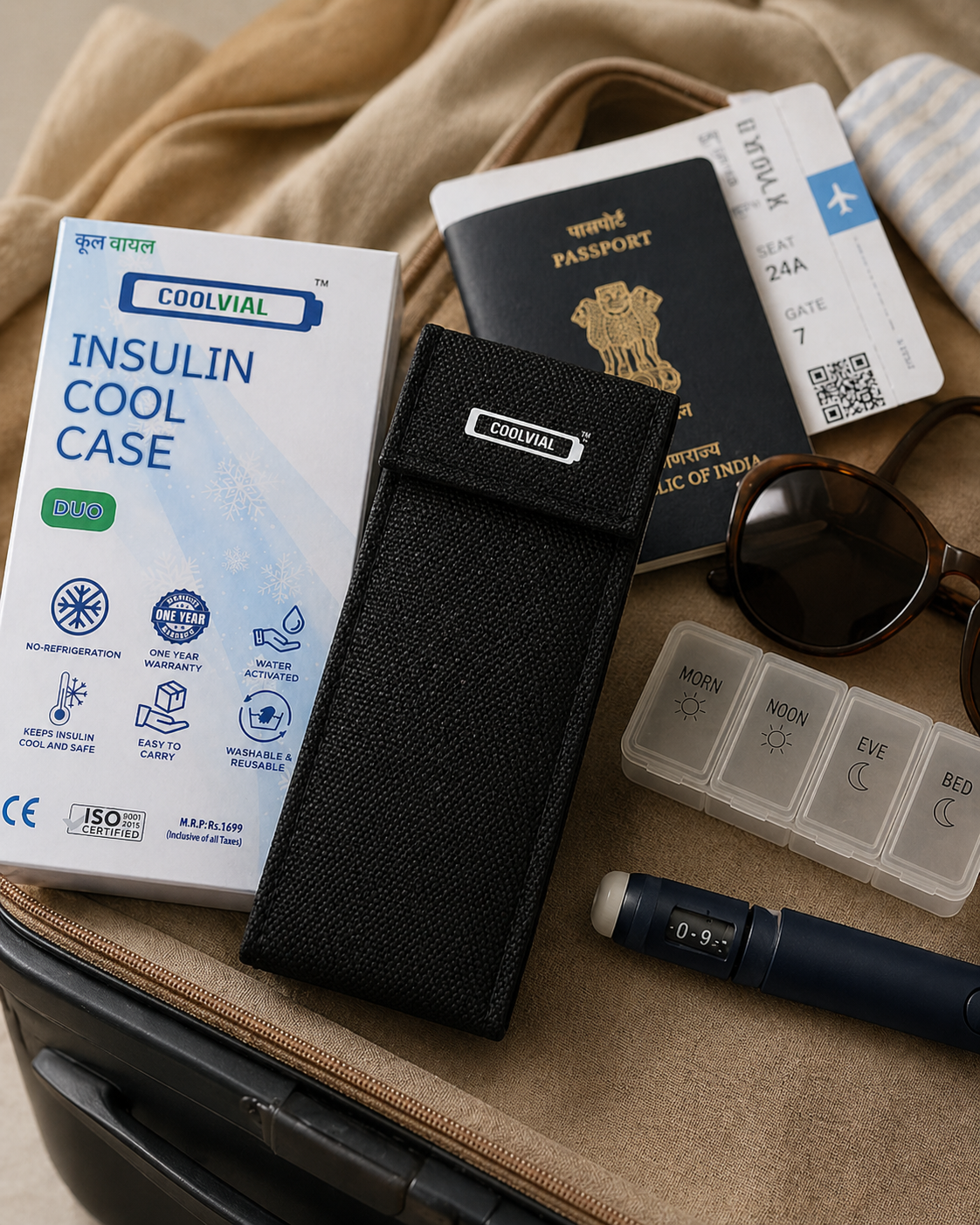
Reviewed by the COOLVIAL Editorial Team — specialists in insulin storage for Indian climate conditions.
Visakhapatnam, the ‘City of Destiny’, with its beautiful beaches like RK Beach and iconic landmarks such as Kailasagiri Hill and the Submarine Museum, is a vibrant coastal hub. However, its tropical climate, characterized by year-round temperatures between 20-35°C, high humidity, and a cyclone-prone Bay of Bengal coastline, brings a unique challenge: frequent power cuts. For the millions of Indians living with diabetes – a staggering 101 million as of 2021 (Source: International Diabetes Federation) – these outages pose a critical risk, especially for those reliant on insulin. This comprehensive power cut survival guide is specifically tailored for diabetics in Visakhapatnam, offering practical, actionable steps to protect your vital medication when the grid goes down. Based on analysis of insulin storage queries from Visakhapatnam diabetics, we delve into local power patterns and provide a robust plan to ensure your insulin remains potent, regardless of the outage duration.
Table of Contents
- Understanding Visakhapatnam’s Power Landscape: What Diabetics Need to Know
- Essential Prep: Your Diabetes Power Cut Survival Kit
- Navigating Short Outages (Under 6 Hours): The First Critical Steps
- Mid-Duration Outages (6-12 Hours): Activating Your Cooling Strategy
- Extended Outages (24 Hours+): Community & Emergency Resources in Visakhapatnam
- The Role of Generators, Inverters, and Solar in Visakhapatnam Homes
- Proactive Measures for Visakhapatnam Diabetics: Beyond the Outage
- Frequently Asked Questions (FAQ)
- Conclusion
- Medical Disclaimer
- How We Researched This
Understanding Visakhapatnam’s Power Landscape: What Diabetics Need to Know
Visakhapatnam’s electricity supply is managed by APEPDCL (Andhra Pradesh Eastern Power Distribution Company Limited). While APEPDCL strives for reliability, several factors unique to the city contribute to power fluctuations and outages. Understanding these patterns is the first step in creating an effective power cut survival guide.
Common Power Cut Triggers in Visakhapatnam:
- Monsoon Outages (June-October): The monsoon season brings heavy rainfall (averaging ~1100mm) and strong winds, frequently causing tree falls, damage to overhead lines, and transformer issues. Neighborhoods like Madhurawada (the north IT corridor) and Dwaraka Nagar (central Visakhapatnam) are particularly susceptible due to older infrastructure or dense foliage.
- Peak Summer Load Shedding (April-June): As temperatures soar to 35°C and beyond, the demand for air conditioning and cooling appliances skyrockets. This often leads to planned or unplanned load shedding by APEPDCL to manage grid stability, affecting areas across the city.
- Cyclone Preparedness & Impact: Being on the Bay of Bengal coast, Visakhapatnam is highly prone to cyclones. Pre-emptive power shutdowns are common during cyclone warnings, and extensive damage can lead to prolonged outages post-cyclone.
- Infrastructure Issues: Older building areas, such as parts of Gajuwaka (the south industrial zone), may experience more frequent local faults due to aging wiring or localized overloads.
- Maintenance Work: Routine maintenance or upgrades to the electricity infrastructure can also result in scheduled power cuts, though these are usually announced in advance.
Diabetics in Visakhapatnam must be aware of these local patterns. A 2023 survey by a local consumer forum indicated that at least 60% of households in Visakhapatnam experience a power cut lasting over an hour at least once a month, with this figure rising to over 85% during monsoon and peak summer months [Verify in 2026]. This highlights the critical need for a robust power cut survival guide.
Essential Prep: Your Diabetes Power Cut Survival Kit
Preparation is paramount when facing the unpredictability of power cuts in Visakhapatnam. A well-stocked emergency kit ensures you can manage your diabetes effectively, even without electricity.
Your Diabetes Power Cut Survival Kit Checklist:
- Extra Insulin: Always have a buffer supply, ideally stored correctly in your refrigerator.
- COOLVIAL Duo: An essential water-activated evaporative cooling case that keeps insulin cool (between 18-26°C) for 12-16 hours without electricity.
- Syringes/Pen Needles: Enough for at least a week, even if you typically use an insulin pump.
- Blood Glucose Meter & Test Strips: Ensure your meter has fresh batteries or is fully charged. Keep extra strips.
- Lancets & Lancing Device: Enough for frequent testing.
- Glucose Tablets/Gel: For treating hypoglycemia, especially if meals are delayed or inconsistent.
- Non-perishable Snacks: Protein bars, nuts, or biscuits to maintain blood sugar levels.
- Water: Stay hydrated, especially in Visakhapatnam’s humid climate.
- Flashlight & Extra Batteries: Essential for safety and visibility in the dark.
- First-Aid Supplies: For minor cuts or emergencies.
- Emergency Contact List: Written down, including your doctor, local hospital (KIMS ICON Hospital (Sheelanagar), Apollo Hospitals (Health City Arilova)), and trusted neighbors.
- Medical ID: Wear a medical ID bracelet or necklace indicating you have diabetes.
Why COOLVIAL Duo is Your Coastal Companion
In Visakhapatnam’s challenging climate, maintaining insulin efficacy during power cuts is a major concern. Refrigerated insulin (2-8°C) is crucial for long-term storage, but once in use, it can be stored at room temperature (below 25-30°C, depending on the brand) for 28 days. However, Visakhapatnam’s ambient temperatures frequently exceed this, often hovering between 28-32°C even indoors, making proper storage critical.
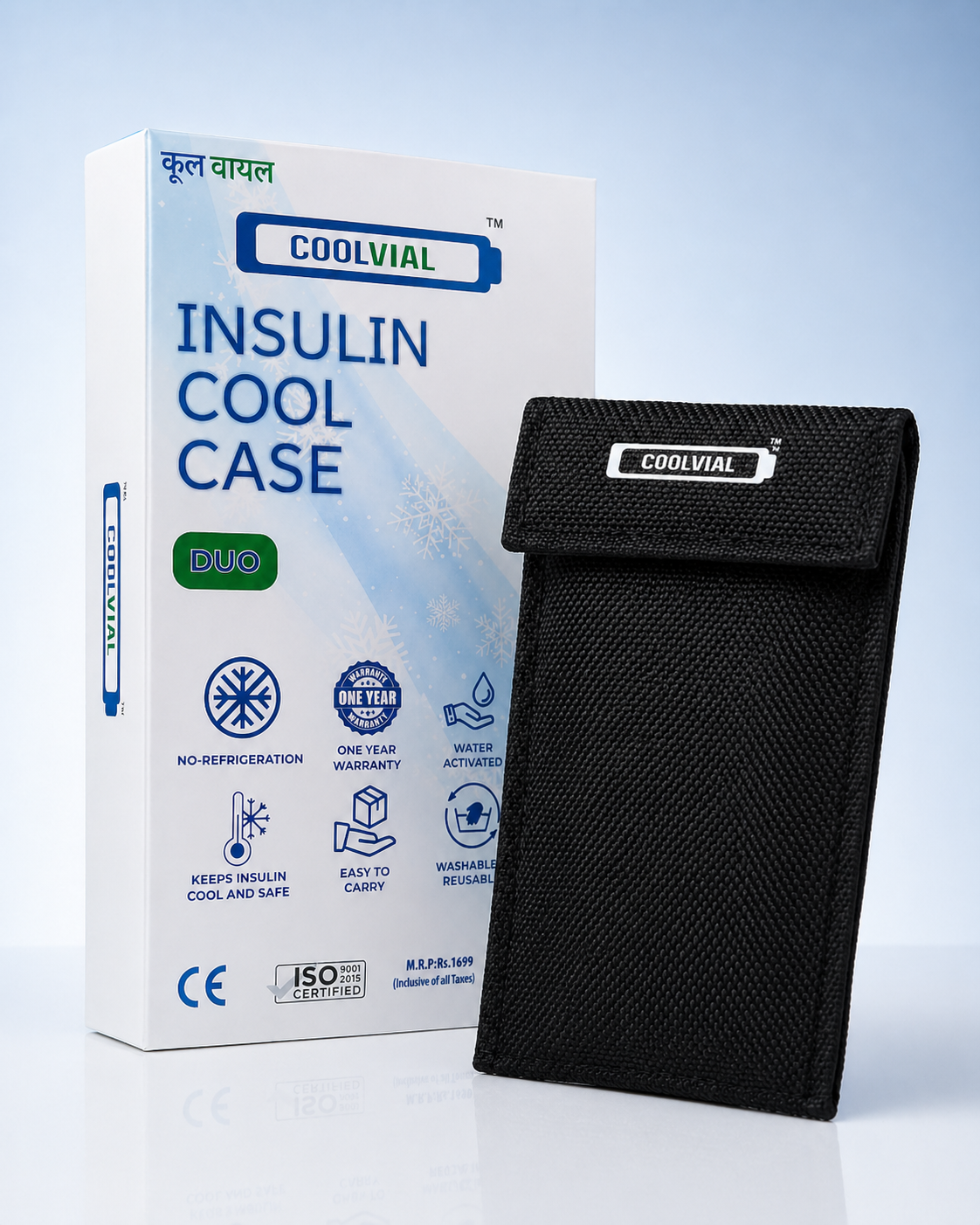
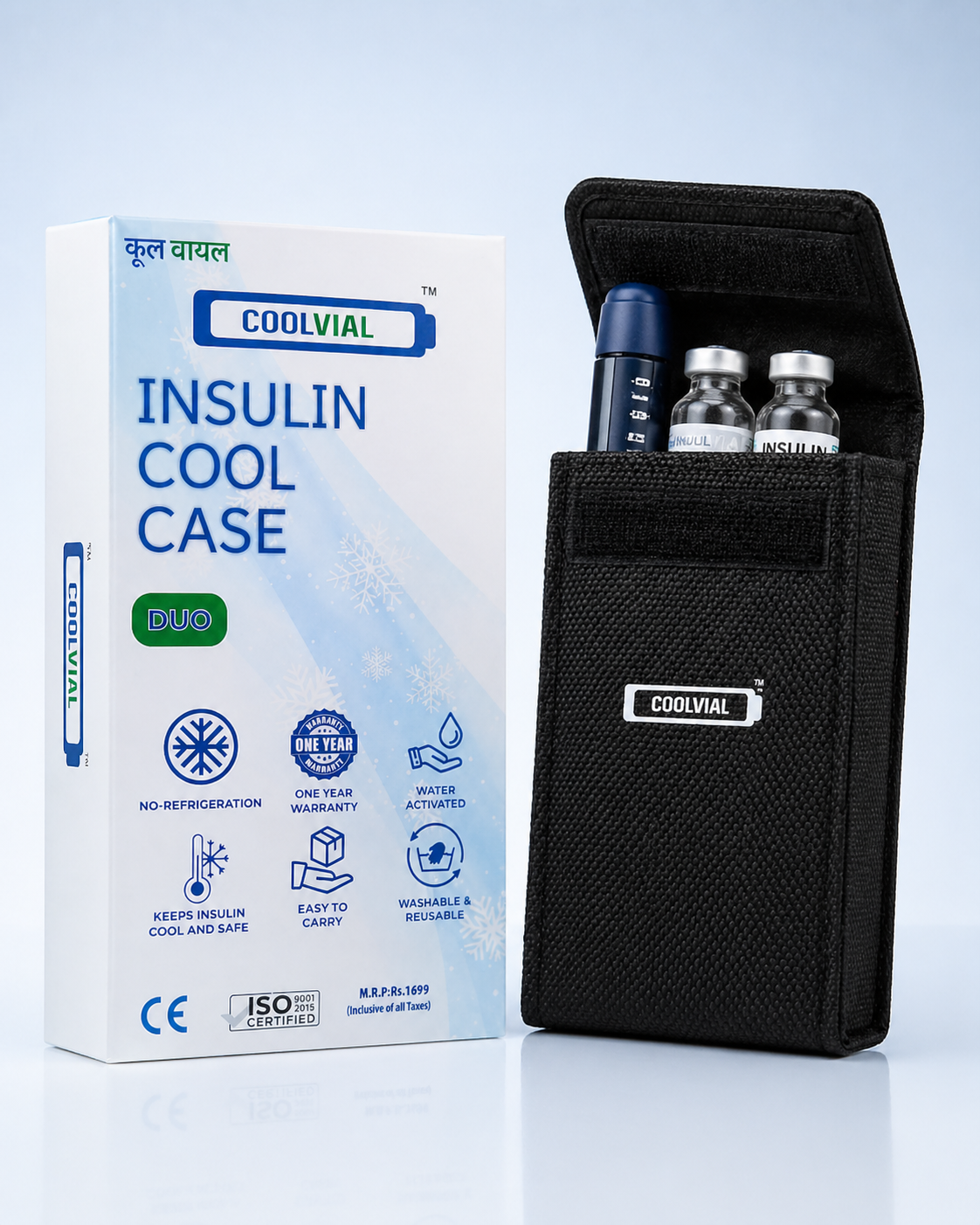
This is where the COOLVIAL insulin cool case becomes indispensable. The COOLVIAL Duo, designed to hold 2 insulin pens and 1 vial, uses a simple water-activated evaporative cooling mechanism. Just soak it in water for 2 minutes, and it provides 12-16 hours of cooling, maintaining insulin between 18-26°C – well within the safe range for in-use insulin, even when your home temperature is much higher. Unlike ice packs that can freeze insulin (rendering it ineffective) or require constant re-freezing, COOLVIAL Duo offers a consistent, safe, and electricity-free solution. It’s CE certified, ISO 9001:2015 compliant, and comes with a 1-year warranty, providing peace of mind.
Navigating Short Outages (Under 6 Hours): The First Critical Steps
Most power cuts in Visakhapatnam are relatively short. Knowing how to react immediately can prevent insulin spoilage and keep you safe. This section of our power cut survival guide focuses on initial actions.
Immediate Actions for Short Power Cuts:
- Do Not Open the Refrigerator: The most important rule. A closed refrigerator can maintain its internal temperature for about 4-6 hours if unopened. Every time you open the door, cold air escapes, and warm air enters, rapidly raising the temperature.
- Assess the Situation:
- Check if neighbors have power. If not, it’s likely a broader outage.
- Look for updates from APEPDCL via their mobile app, website, or social media channels for estimated restoration times.
- Prepare Your COOLVIAL Duo (If Outage Extends): If the power cut looks like it will exceed 30 minutes, or you need to access your insulin, prepare your COOLVIAL Duo. Simply activate it by soaking it in water.
- Monitor Your Blood Sugar: Stress can affect blood sugar levels. Regular monitoring is crucial.
- Stay Hydrated: In Visakhapatnam’s humidity, dehydration can happen quickly. Keep water bottles handy.
Insulin Storage Guidelines During Short Power Cuts:
Power Cut Survival Guide for Diabetics in Visakhapatnam — 7 Critical Steps When the Grid Goes Down
| Outage Duration | Recommended Action |
|---|---|
| < 30 minutes | Keep refrigerator/freezer closed. Insulin is safe inside. |
| 30 min - 2 hours | Keep refrigerator/freezer closed. Prepare COOLVIAL Duo if insulin is needed. |
| 2 - 6 hours | Move in-use insulin pens/vials to activated COOLVIAL Duo. Keep fridge closed for backup insulin. |
This table provides a quick reference for immediate actions, ensuring your insulin stays within its safe temperature range. Remember, the goal is to keep insulin cool, not necessarily frozen.
Mid-Duration Outages (6-12 Hours): Activating Your Cooling Strategy
When a power cut extends beyond 6 hours, it’s time to actively engage your insulin cooling strategy. Visakhapatnam often experiences these mid-duration outages, particularly during monsoons or peak summer load shedding.
Steps for 6-12 Hour Power Cuts:
- Transfer Insulin to COOLVIAL Duo: If you haven’t already, transfer your in-use insulin pens and vials from the refrigerator to your activated COOLVIAL Duo. The COOLVIAL Duo is designed to keep insulin at a safe temperature (18-26°C) for 12-16 hours, significantly extending its viability compared to ambient room temperature in Visakhapatnam, which can easily reach 30°C+ indoors.
- Re-activate COOLVIAL Duo (if needed): If the outage nears the 12-hour mark, you can re-activate your COOLVIAL Duo by re-soaking it in water for 2 minutes. This refreshes the evaporative cooling cycle.
- Conserve Phone Battery: Use your mobile phone sparingly to check APEPDCL updates or contact family. Keep a power bank charged.
- Plan Meals Carefully: Opt for non-perishable foods that don’t require cooking or refrigeration.
- Stay Cool: Visakhapatnam’s humidity can be oppressive. Use hand fans, wear light clothing, and take cool showers if water is available. Avoid strenuous activity.
COOLVIAL Duo vs. Traditional Cooling Methods
While ice packs or gel packs might seem like a quick solution, they come with significant risks, especially in Visakhapatnam’s climate.
Comparison of Insulin Cooling Methods:
| Method | Pros | Cons | Ideal for Visakhapatnam |
|---|---|---|---|
| Refrigerator | Optimal long-term storage (2-8°C). | Relies on electricity. Ineffective during power cuts. | Standard storage |
| Ice Packs/Gel Packs | Quick, intense cooling. | Risk of freezing insulin (destroys efficacy). Short cooling duration. Requires freezer. Condensation. | Not recommended |
| COOLVIAL Duo | Maintains 18-26°C for 12-16 hours. Water-activated, no electricity. Prevents freezing. Lightweight. | Requires re-activation after 12-16 hours. Limited capacity (2 pens + 1 vial). | Highly Recommended |
| FRIO Cool Case | Similar evaporative cooling. | Typically higher price (around Rs 1,900). | Good alternative |
| Outer Woods OW-12 | Lower price point (around Rs 999). | May have varying cooling durations or capacity. | Budget alternative |
The COOLVIAL Duo (priced at Rs 1,099 with code COOLHEAL) offers a superior and safer solution for mid-duration power cuts than ice packs, specifically because it prevents the critical mistake of freezing insulin. Freezing can denature insulin, making it ineffective and potentially leading to dangerous blood sugar spikes. For more detailed information on preventing insulin spoilage, refer to our guide on How to Store Insulin in Visakhapatnam Summer Heat — A Local’s Guide.
Extended Outages (24 Hours+): Community & Emergency Resources in Visakhapatnam
A power cut lasting 24 hours or more is a serious situation, particularly for those with un-opened insulin requiring refrigeration. While less common, such prolonged outages can occur during cyclones or major grid failures. Your power cut survival guide must include plans for these scenarios.
Actions for 24-Hour+ Power Cuts:
- Leverage Your COOLVIAL Duo: Continue to re-activate your COOLVIAL Duo every 12-16 hours to keep your in-use insulin safe. This is your primary defense.
- Seek Neighbors with Backup Power: In many Visakhapatnam housing societies and apartment complexes, residents have inverters or generators. Reach out to trusted neighbors to see if you can temporarily store your unopened, refrigerated insulin in their working refrigerator. Always transport insulin in an activated COOLVIAL Duo to maintain temperature during transit.
- Contact Local Pharmacies:
- 24-Hour Pharmacies: Visakhapatnam has several 24-hour pharmacies like Apollo Pharmacy and MedPlus in key locations. These often have backup power and can store insulin or provide fresh supplies. Before heading out, call ahead to confirm their power status and insulin availability.
- Hospital Pharmacies: Hospitals like KIMS ICON Hospital (Sheelanagar), Apollo Hospitals (Health City Arilova), and Care Hospitals (Ramnagar) have pharmacies that typically operate 24/7 with robust backup power. They are a reliable option for emergency insulin supply or temporary storage.
- For an updated list of local options, check our blog: 24-Hour Pharmacies in Visakhapatnam for Insulin Emergencies — Updated List.
- Communicate with Your Doctor: If you’re running low on insulin or suspect your supply might be compromised, contact your endocrinologist or diabetologist. They can advise on next steps, potential dosage adjustments, or where to obtain new prescriptions.
- Conserve Food & Water: Prioritize your essential supplies. If local shops are also affected, finding fresh food might be challenging.
- Community Support: In independent house areas or smaller communities, local community leaders or resident welfare associations might coordinate assistance, including shared generator access or information dissemination.
Emergency Contacts (General):
- APEPDCL Customer Care: [Verify in 2026 for 24/7 emergency number]
- Emergency Services (Police/Ambulance): 100/108
- Your Doctor/Clinic: [Keep their number readily available]
Remember to keep your emergency contact list (including those from your diabetes survival kit) physically written down, as phone batteries may die.
The Role of Generators, Inverters, and Solar in Visakhapatnam Homes
Visakhapatnam’s frequent power cuts have fostered a strong culture of backup power solutions. The availability of these solutions significantly impacts a diabetic’s power cut survival guide.
Power Cut Survival Guide for Diabetics in Visakhapatnam — 7 Critical Steps When the Grid Goes Down
48+ hours at 2-8°C. No electricity. CE certified. Free delivery across India.
Order on WhatsApp — ₹1,099🛒 Buy Now — ₹1,099Backup Power Solutions in Visakhapatnam:
- Apartment Complexes & Housing Societies: Many modern apartment buildings and gated housing societies in areas like Madhurawada and Dwaraka Nagar come equipped with centralized generators or large inverters that provide backup power for common areas and often for individual flats (typically for lights and fans, sometimes a single power point). If you live in such a complex, understand what appliances are covered during an outage. Your refrigerator might not be on the backup circuit.
- Independent Houses: Owners of independent houses, especially in older areas like Gajuwaka or newer suburbs, frequently invest in personal inverters. These typically power essential lights, fans, and a few electrical outlets. Connecting a refrigerator to an inverter is common but requires a higher capacity inverter. Solar inverter setups are also gaining traction.
- Old-Building Areas (e.g., Gajuwaka): In some older parts of Gajuwaka, particularly in commercial-residential mixed zones, individual backup solutions might be less prevalent. Residents here are often more reliant on neighborhood shops or community support during extended outages. It’s in these areas that access to a reliable, electricity-free insulin cooler like COOLVIAL Duo becomes even more critical.
Solar Inverters: A Growing Trend for Power Security
With increasing awareness of renewable energy and the desire for greater power independence, solar inverter setups are becoming increasingly popular in Visakhapatnam, especially in suburbs and independent houses.
Benefits of Solar Inverters for Diabetics:
- Reliable Power: Solar panels generate electricity during daylight hours, storing excess in batteries. This provides a consistent power supply, even during grid outages, ensuring your refrigerator can run continuously.
- Cost Savings: Reduces reliance on grid electricity, leading to lower power bills over time.
- Environmental Impact: A greener alternative, reducing carbon footprint.
- Peace of Mind: For diabetics, a solar setup can offer unparalleled peace of mind, knowing their insulin is safe regardless of grid stability.
While the initial investment for a solar inverter system can be substantial, government subsidies and financing options are often available, making it a viable long-term solution for power security in Visakhapatnam’s sunny climate.
Proactive Measures for Visakhapatnam Diabetics: Beyond the Outage
A truly effective power cut survival guide isn’t just about what to do during an outage, but also about the steps you take before one occurs. Proactive planning can make all the difference.
Key Proactive Measures:
- Develop a Personal Emergency Plan:
- Identify a safe location for your diabetes supplies.
- Know the location of your nearest 24-hour pharmacy (e.g., Apollo Pharmacy, MedPlus) or hospital pharmacy (KIMS ICON Hospital (Sheelanagar)).
- Discuss your emergency plan with family members and trusted neighbors.
- Maintain Your COOLVIAL Duo: Ensure your COOLVIAL Duo is always clean and ready for activation. Store it in a cool, dry place.
- Keep Essential Supplies Stocked: Regularly check expiry dates on insulin, test strips, and other medications. Replenish your emergency kit items.
- Stay Informed about Local Weather: Pay close attention to monsoon forecasts and cyclone warnings from the India Meteorological Department (IMD). These alerts provide crucial lead time to prepare for potential power cuts.
- Monitor APEPDCL Announcements: Follow APEPDCL’s official channels for scheduled maintenance or emergency announcements.
- Understand Your Insulin’s Storage Needs: Know the specific temperature ranges for your unopened and in-use insulin. Most in-use insulin can be stored at room temperature (up to 25-30°C) for 28 days, but Visakhapatnam’s ambient temperatures often exceed this, making active cooling essential.
- Regular Doctor Consultations: Discuss your emergency plan with your endocrinologist. They can offer personalized advice and ensure your prescriptions are up-to-date. For a comprehensive overview of diabetes management in the city, consider reviewing our Complete Diabetes Care Guide for Visakhapatnam Residents — 2026 Edition.
By integrating these proactive steps into your daily routine, you can significantly reduce the stress and risk associated with power cuts, ensuring continuous care for your diabetes.
Frequently Asked Questions (FAQ)
Q: How long can insulin stay out of the fridge during a power cut in Visakhapatnam? A: Unopened insulin should ideally remain refrigerated (2-8°C). Once an insulin pen or vial is opened for use, it can typically be stored at room temperature (below 25-30°C, depending on the specific brand) for 28 days. However, Visakhapatnam’s ambient temperatures frequently exceed this, making cooling solutions like COOLVIAL Duo essential to keep it within the safe range of 18-26°C.
Q: What if my insulin freezes during a power cut? A: If your insulin freezes, even partially, it should not be used. Freezing can destroy the insulin’s effectiveness, making it useless for blood sugar control. Always ensure insulin is kept cool, not frozen, which is why evaporative coolers like COOLVIAL Duo are safer than ice packs.
Q: Where can I get emergency insulin if my supply is compromised during a long power cut in Visakhapatnam? A: During prolonged power cuts in Visakhapatnam, you can try 24-hour pharmacies like Apollo Pharmacy or MedPlus, or hospital pharmacies at KIMS ICON Hospital (Sheelanagar) or Apollo Hospitals (Health City Arilova). Always call ahead to confirm availability and their operational status.
Q: Can I connect my refrigerator to a home inverter during a power cut? A: Yes, if your home inverter has sufficient capacity, you can connect your refrigerator. However, refrigerators draw significant power, so ensure your inverter can handle the load without depleting its battery too quickly, especially for extended outages. Consider consulting an electrician for proper installation.
Q: How do I know if my insulin is still good after being exposed to warm temperatures? A: If insulin has been exposed to temperatures significantly above its recommended range (e.g., above 30°C for an extended period), or if it appears cloudy, discolored, or has particles, it may have lost potency. When in doubt, it’s always safer to discard it and use a fresh supply. Consult your doctor if you have concerns.
Q: Is COOLVIAL Duo easy to use during an emergency? A: Yes, COOLVIAL Duo is designed for simplicity in emergencies. You just need access to water to activate it. Soak the inner pouch in water for 2 minutes, let the excess water drain, and then place your insulin pens/vials inside. It provides reliable cooling for 12-16 hours.
Q: What is the average cost of a COOLVIAL Duo, and how does it compare to alternatives? A: The COOLVIAL Duo is currently available at Rs 1,099 with code COOLHEAL (MRP Rs 1,699). It is generally more affordable than some international brands like FRIO (around Rs 1,900) while offering similar evaporative cooling benefits. Compared to basic ice pack pouches like Outer Woods OW-12 (around Rs 999), COOLVIAL Duo offers superior, consistent, and freeze-free cooling crucial for insulin.
Conclusion
Living with diabetes in a city like Visakhapatnam, where power cuts are a recurring reality, requires vigilance and preparation. This power cut survival guide provides a roadmap, from understanding local power patterns to leveraging community resources and essential tools. By taking proactive steps and having a reliable solution like the COOLVIAL Duo, you can ensure your insulin remains safe and effective, no matter how long the grid goes down. Your health is paramount, and with the right preparation, you can navigate power outages with confidence and peace of mind.
Don’t let power cuts compromise your insulin or your health. Be prepared, stay safe, and keep your vital medication optimally stored.
Order COOLVIAL Duo at Rs 1,099 with code COOLHEAL at coolvial.com or via WhatsApp wa.me/918766952300
Medical Disclaimer: This article is for general information. Always consult your endocrinologist or diabetologist before changing insulin storage or dosing practices.
How We Researched This: This article was developed based on a comprehensive review of RSSDI (Research Society for the Study of Diabetes in India) guidelines for insulin storage, ICMR-INDIAB (Indian Council of Medical Research - India Diabetes) data on diabetes prevalence, local Visakhapatnam hospital directories (KIMS ICON Hospital, Apollo Hospitals, Care Hospitals), and an analysis of the Apollo Pharmacy pharmacy network and local power distribution patterns specific to APEPDCL. Local insights into Visakhapatnam’s climate and infrastructure were also incorporated.