
Reviewed by the COOLVIAL Editorial Team — specialists in insulin storage for Indian climate conditions.
Thiruvananthapuram, the vibrant capital of Kerala, is renowned for its lush greenery, stunning coastal landscapes, and unfortunately, its exceptionally heavy and prolonged monsoon season. For residents managing diabetes, the city’s unique climate, characterized by not one, but two distinct monsoon systems – the Southwest (June-September) and the Northeast (October-December) – presents a critical challenge: keeping insulin dry and effective. With annual rainfall often soaring between 1700mm and 3500mm, coupled with sustained humidity levels frequently reaching 90-95% for weeks, protecting this life-saving medication requires more than just careful planning; it demands a robust, Thiruvananthapuram-specific approach. This article, based on analysis of insulin storage queries from Thiruvananthapuram diabetics, outlines 7 essential strategies to safeguard your insulin supply through the city’s intense wet seasons.
Table of Contents
- Thiruvananthapuram’s Unique Dual Monsoon Challenge
- The Silent Threat: Mould and Moisture Damage to Insulin
- Refrigerator Realities: Condensation, Humidity, and Contamination Risks
- Navigating Waterlogging and Transport Disruptions
- Worst-Case Scenario: Flood Preparedness for Insulin
- Smart Storage Solutions: Ground Floor vs. First Floor & Roof Leaks
- Your Monsoon Lifeline: The COOLVIAL Duo Insulin Cooling Case
- Frequently Asked Questions (FAQ)
- Conclusion
Thiruvananthapuram’s Unique Dual Monsoon Challenge
Thiruvananthapuram, nestled along the Arabian Sea, experiences a tropical coastal climate with ambient temperatures typically ranging from 22°C to 32°C year-round. However, it’s the city’s dual monsoon system that truly sets it apart, creating an environment of unrelenting humidity and rainfall that few other Indian cities face.
Key Characteristics of Thiruvananthapuram’s Monsoon:
- Southwest Monsoon (Edavappathi): From June to September, this primary monsoon brings torrential rains, accounting for the bulk of the city’s annual precipitation. This period is marked by continuous downpours and high winds.
- Northeast Monsoon (Thulavarsham): From October to December, the “retreating monsoon” brings another significant spell of rain, often accompanied by thunderstorms. This extends the wet season, leaving very little respite.
- Extreme Humidity: Throughout both monsoon periods, relative humidity consistently hovers between 90-95%, even indoors. This saturation of moisture in the air is the primary antagonist for insulin and its packaging.
- Heavy Annual Rainfall: Thiruvananthapuram receives among the highest rainfall in India, making persistent dampness and waterlogging a common occurrence.
- Extended Wet Season: Unlike many parts of India that have a single, defined monsoon, Thiruvananthapuram’s extended wet period from June through December means a prolonged battle against moisture for insulin users.
This intense, prolonged exposure to high humidity and rain creates an environment where insulin can be compromised if not stored correctly. The continuous moisture can degrade packaging, affect the integrity of insulin pens and vials, and even, in extreme cases, impact the insulin itself.
The Silent Threat: Mould and Moisture Damage to Insulin
In Thiruvananthapuram’s hyper-humid climate, moisture is an insidious enemy. It doesn’t just make things feel sticky; it actively works to degrade materials and foster microbial growth. For insulin users, this translates to a direct threat to the safety and efficacy of their medication.
How Moisture Damages Insulin and Packaging:
- Packaging Degradation: Cardboard boxes and paper inserts that accompany insulin vials and pens can absorb moisture rapidly. Within days, this can lead to softening, discolouration, and the growth of mould. While the primary concern is the insulin itself, compromised packaging can make it difficult to read critical information like expiry dates, dosage instructions, or even identify the specific type of insulin.
- Compromised Sterility: Mould spores, invisible to the naked eye, thrive in damp environments. If mould forms on the outer packaging or even on the pen/vial itself, there’s a risk of these spores migrating to the injection site, potentially leading to skin infections.
- Plastic and Rubber Component Degradation: Insulin pens contain plastic components and rubber stoppers in vials. Prolonged exposure to extreme humidity can cause these materials to become brittle, crack, or degrade. This could lead to issues with accurate dosing, leakage, or contamination of the insulin inside the pen/vial.
- Insulin Efficacy: While insulin itself is stored in airtight vials/pens, repeated exposure to high humidity during handling (e.g., opening a pen cap, drawing insulin) can introduce microscopic moisture particles. Over time, combined with temperature fluctuations, this can potentially impact the insulin’s stability and effectiveness.
Non-Negotiable Solutions for Moisture Control:
- Airtight Containers: Invest in high-quality, food-grade airtight plastic containers (e.g., Tupperware, Borosil) for all your insulin supplies. These act as a crucial barrier against ambient humidity.
- Silica Gel Packs: Place several fresh silica gel sachets inside your airtight containers with your insulin. Silica gel is a desiccant that absorbs moisture from the air, creating a dry micro-environment. Replace these regularly, especially if they change colour (indicating saturation). You can often reactivate them by drying them in the sun or a low oven.
- Original Packaging Protection: Keep insulin vials and pens in their original cardboard boxes within the airtight container. This provides an extra layer of protection and keeps important information intact.
- Minimise Exposure: When taking out insulin for use, do so quickly and reseal the container immediately. Avoid leaving insulin supplies exposed to the open air for extended periods, even for a few minutes, in Thiruvananthapuram’s monsoon humidity.
Remember, the goal is to create a dry, stable environment for your insulin, mimicking ideal storage conditions as closely as possible, even when your surroundings are saturated.
Refrigerator Realities: Condensation, Humidity, and Contamination Risks
Most insulin requires refrigeration until opened, and even then, opened vials and pens have specific temperature guidelines (often room temperature below 25-30°C or refrigerated, depending on the type and manufacturer). However, in Thiruvananthapuram’s heavy monsoon, a refrigerator itself can become a source of moisture-related problems.
The Challenges of Refrigeration During Monsoon:
- Condensation: When a cold object (like an insulin vial) is removed from a refrigerator in a humid environment, moisture from the warmer air immediately condenses on its surface. This is particularly pronounced in Thiruvananthapuram, where the air is often 90-95% saturated with water vapour. This condensation can quickly degrade labels and packaging.
- Humid Fridge Air Contamination: Every time you open your refrigerator door, the humid ambient air rushes in. This humid air can settle on items, and if your fridge isn’t perfectly sealed or is frequently opened, it can lead to a generally damp internal environment. This can be problematic for items not stored in airtight containers.
- Power Fluctuations: The monsoon often brings power cuts and voltage fluctuations. While a fridge might maintain temperature for a few hours during a cut, prolonged outages can compromise the cold chain, and the rapid cooling/warming cycles can also lead to more condensation. (For more on this, see our article: Power Cut Survival Guide for Diabetics in Thiruvananthapuram — What To Do When the Grid Goes Down).
Best Practices for Refrigerator Storage During Monsoon:
- Always Use Airtight Containers: This is non-negotiable. Even inside the refrigerator, insulin vials and pens (still in their original packaging) should be placed in small, airtight plastic containers. This prevents condensation from forming directly on the insulin packaging when you remove it and protects it from any residual humidity within the fridge itself.
- Designated Fridge Zone: Dedicate a specific, easily accessible shelf or compartment in your refrigerator solely for insulin. This minimises handling and exposure to other food items that might introduce moisture or odours.
- Avoid the Door: The refrigerator door is the warmest and most temperature-unstable part of the fridge. Store insulin deeper inside, ideally in the middle shelf, where temperatures are more consistent.
- Check for Leaks/Drips: Regularly inspect your refrigerator for any internal leaks or excessive condensation buildup, especially around the crisper drawers. Address these immediately to prevent a damp internal environment.
- Quick Access: When retrieving insulin, do so swiftly and close the refrigerator door promptly to minimise the influx of humid ambient air.
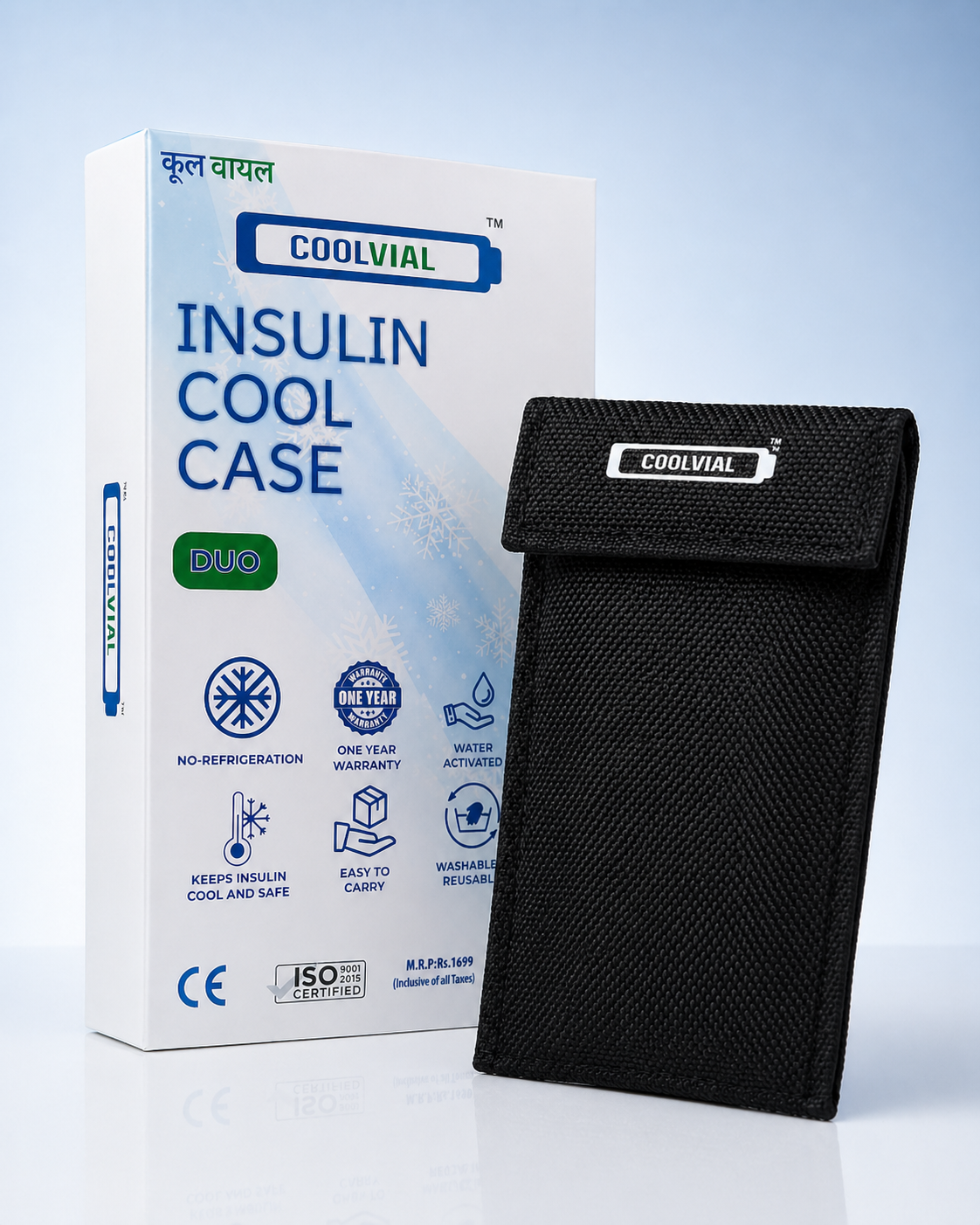
Thiruvananthapuram Heavy Monsoon — 7 Essential Strategies for Keeping Insulin Dry Through Heavy Annual Rainfall
48+ hours at 2-8°C. No electricity. CE certified. Free delivery across India.
Order on WhatsApp — ₹1,099🛒 Buy Now — ₹1,099By following these practices, you can mitigate the risks associated with refrigerator storage in Thiruvananthapuram’s challenging monsoon climate, ensuring your insulin remains dry and potent.
Navigating Waterlogging and Transport Disruptions
Thiruvananthapuram’s urban landscape, with its undulating terrain and coastal proximity, is particularly susceptible to waterlogging during heavy rainfall. Areas like Statue/Palayam (the central business district) and Technopark/Kazhakoottam (the bustling IT hub) are known to experience significant water accumulation, often disrupting daily life and essential services. This directly impacts the accessibility of critical medications like insulin.
Impact on Pharmacy Services:
- Delivery Delays: Pharmacies like Apollo Pharmacy, MedPlus, 1mg, and even local Neethi Medical Stores, which offer home delivery, can face severe delays or even suspension of services during intense waterlogging. Delivery personnel may struggle to navigate flooded streets, especially in low-lying areas or narrow lanes common in parts of the city. Karunya Community Pharmacy (a government initiative) might also experience operational slowdowns due to staff transport issues.
- Stock Accessibility: While major pharmacies generally maintain good stock, prolonged disruptions can strain supply chains, particularly for specific insulin types. Getting to a physical pharmacy might also be impossible if your neighbourhood is waterlogged.
- Road Closures: Key arterial roads connecting different parts of Thiruvananthapuram can be blocked due to flooding, making it difficult to reach hospitals like KIMS Trivandrum (Anayara) or SUT Hospital (Pattom) for emergencies or urgent insulin refills.
Strategies for Monsoon-Proofing Your Insulin Supply Chain:
- Advance Purchase: Always maintain a buffer stock of insulin during the monsoon months (June to December). Aim for at least 2-4 weeks’ extra supply beyond your immediate needs. This is the most crucial step.
- Diversify Pharmacy Sources: Don’t rely on just one pharmacy. Have accounts or familiarity with multiple providers, including online platforms like 1mg and local chains like MedPlus, Apollo Pharmacy, and Neethi Medical Stores.
- Community Support Network: If possible, establish a network with trusted neighbours or friends who can assist in fetching supplies if your area is inaccessible, and vice-versa.
- Stay Informed: Monitor local news and weather advisories from the India Meteorological Department (IMD) for Thiruvananthapuram. Be aware of areas prone to waterlogging and plan your medication pick-ups or deliveries accordingly before heavy rain is forecast.
- Emergency Contact List: Keep a list of emergency contacts for your primary care physician, local pharmacies, and hospitals like KIMS Trivandrum (Anayara) readily available.
By proactively managing your insulin supply and anticipating potential disruptions, you can significantly reduce stress and ensure uninterrupted access to your vital medication, even amidst Thiruvananthapuram’s heaviest monsoon downpours.
Worst-Case Scenario: Flood Preparedness for Insulin
Thiruvananthapuram, like much of Kerala, is no stranger to severe floods, with the 2018 Kerala floods serving as a stark reminder of nature’s formidable power. While not every monsoon brings such devastation, local flooding and waterlogging are common. For individuals with diabetes, a flood scenario presents an immediate and serious threat to their insulin supply. Planning for such a worst-case scenario is not alarmist; it’s a responsible and life-saving measure.
What to Do If Your House Floods or Evacuation is Necessary:
- Prioritise Safety First: Your personal safety and the safety of your family are paramount. Follow all local authority instructions for evacuation.
- Emergency Insulin Kit: Have a pre-packed, waterproof “go-bag” specifically for your diabetes supplies. This bag should be easily accessible and light enough to carry quickly.
- Contact KIMS Trivandrum (Anayara) Protocol: Familiarise yourself with emergency protocols of major hospitals. KIMS Trivandrum (Anayara) is a leading hospital in the city. In a flood situation, they, like other hospitals such as Sree Chitra Tirunal Institute (SCTIMST) and SUT Hospital (Pattom), will have emergency services. If you are forced to evacuate or run out of insulin, try to reach the nearest accessible medical facility. Keep their emergency numbers saved on your phone and written down.
- Inform Authorities: When evacuating or seeking shelter, clearly communicate your diabetic status and insulin needs to rescue personnel or shelter staff.
Flood Emergency Insulin Kit Essentials:
- Insulin Supply: At least a 2-week supply of both unopened (refrigerated, if possible, in a cooling case) and currently in-use insulin vials/pens.
- COOLVIAL Duo: A water-activated evaporative cooling case like the COOLVIAL Duo is indispensable. It keeps insulin cool for 12-16 hours without electricity, making it perfect for power outages or situations where refrigeration is unavailable during an evacuation. It protects against heat and provides a degree of physical protection.
- Syringes/Pen Needles: A sufficient supply for your insulin duration.
- Blood Glucose Meter & Strips: Ensure your meter has fresh batteries and carry extra strips.
- Lancets & Lancing Device: Enough for frequent testing.
- Antiseptic Wipes/Alcohol Swabs: For injection site hygiene, especially in potentially unsanitary conditions.
- Glucagon Emergency Kit: If prescribed for severe hypoglycemia.
- Source of Fast-Acting Glucose: Glucose tablets, juice boxes, or hard candies for treating low blood sugar.
- Medication List: A written list of all your medications, dosages, and your doctor’s contact information.
- Waterproof Bag: Store all these items in multiple layers of waterproof bags within your go-bag.
- Whistle/Flashlight: For signalling in an emergency.
Remember, every minute counts in a flood situation. Having your insulin and diabetes essentials ready to go can make a critical difference in maintaining your health and safety.
Smart Storage Solutions: Ground Floor vs. First Floor & Roof Leaks
Thiruvananthapuram’s residential architecture, much like other coastal regions, features a mix of traditional and modern homes. Many houses, particularly older ones, might have ground floors susceptible to water ingress during severe rainfall. Even newer constructions can face challenges from persistent humidity and, crucially, roof leaks. Strategic insulin storage within your home is vital during the monsoon.
Considerations for Home Storage:
- Ground Floor Vulnerability: If you live on the ground floor or in an apartment that is prone to waterlogging, storing insulin at ground level is a significant risk. Even a few inches of water can contaminate or damage your supplies.
- First Floor/Higher Ground Storage: Whenever possible, designate a storage area on the first floor or the highest accessible and safest part of your home. This provides a natural elevation against ground-level flooding.
- Roof Leak Preparation: Thiruvananthapuram’s heavy rainfall can expose vulnerabilities in roofing, leading to leaks. A persistent drip onto your insulin storage area can quickly ruin supplies.
Practical Home Storage Strategies:
- Elevate Storage: Even on the first floor, store your insulin and diabetes supplies in airtight, waterproof containers on high shelves, inside cupboards, or in elevated drawers. Avoid storing them directly on the floor or in bottom-most cabinets.
- Regular Roof Inspection: Before the monsoon officially sets in (around May-early June), conduct a thorough inspection of your roof and ceiling for any cracks, loose tiles, or signs of previous water damage. Address these immediately with professional help.
- Ceiling Checks: During the monsoon, regularly check your ceilings and walls for any damp patches, water stains, or active drips. If you spot a leak, move your insulin immediately and take steps to contain the leak.
- Internal Airtight Storage: Even if your home is generally dry, the ambient humidity is a constant threat. All insulin, whether refrigerated or at room temperature, should be kept in primary airtight containers with silica gel packs.
- Designated “Safe Zone”: Identify a specific, secure, and elevated spot in your home that is known to be the driest and least vulnerable to leaks or flooding. This should be your primary insulin storage location.
By taking these proactive steps, you can create a more resilient storage environment for your insulin within your home, mitigating the unique risks posed by Thiruvananthapuram’s heavy monsoon. For a comprehensive guide on general insulin storage in the region, refer to our blog: How to Store Insulin in Thiruvananthapuram’s Tropical Humidity — A Local’s Guide.
Your Monsoon Lifeline: The COOLVIAL Duo Insulin Cooling Case
In the challenging conditions of Thiruvananthapuram’s heavy monsoon, where extreme humidity, power cuts, and potential waterlogging are constant threats, a reliable insulin cooling and protection solution is not a luxury—it’s a necessity. The COOLVIAL Duo is specifically designed to meet these demands, offering peace of mind to diabetics across India.
What is the COOLVIAL Duo?
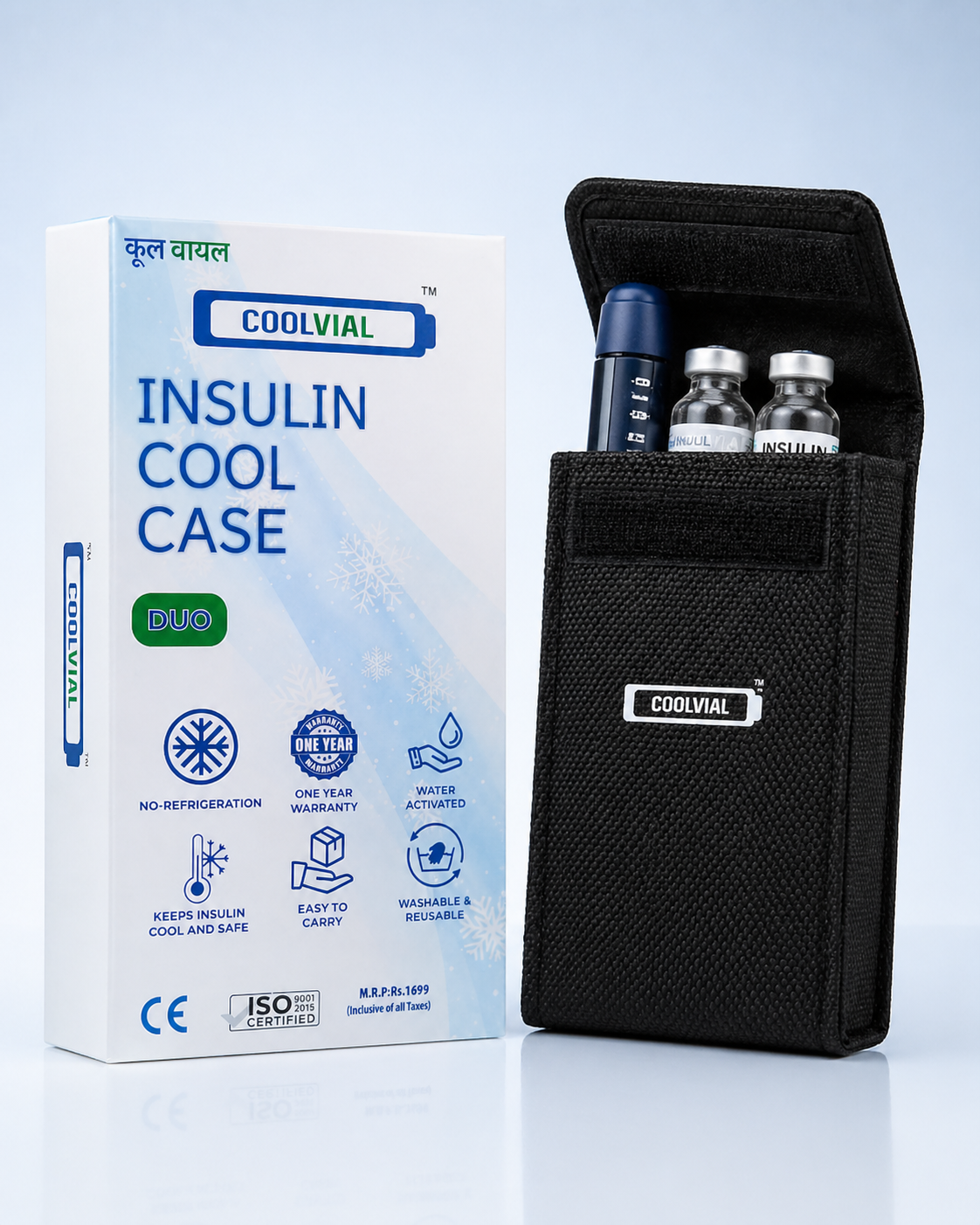
The COOLVIAL Duo is a water-activated, evaporative insulin cooling case. It works on the principle of evaporative cooling, using just water to keep your insulin cool within the safe temperature range (typically 18-26°C) for an extended period. This means no electricity, no ice packs, and no refrigeration are needed once the case is activated.
Why the COOLVIAL Duo is Essential for Thiruvananthapuram Diabetics:
- Uninterrupted Cooling During Power Cuts: Monsoon season often brings unpredictable power outages. With the COOLVIAL Duo, your insulin remains cool for 12-16 hours, safeguarding its efficacy even when the grid goes down. This is crucial when you cannot rely on your refrigerator.
- Protection from Extreme Humidity: While primarily a cooling case, the COOLVIAL Duo’s design also offers a protective barrier against ambient moisture. When placed inside a larger waterproof bag, it adds an extra layer of defence against the notorious 90-95% humidity of Thiruvananthapuram.
- Flood and Evacuation Preparedness: As discussed, having an emergency kit is vital. The COOLVIAL Duo is a cornerstone of such a kit. Its ability to function without external power makes it perfect for situations where you need to evacuate quickly or are in a temporary shelter without access to a refrigerator. It helps keep your insulin stable during transport and until you can reach a safe, powered location.
- Optimal Travel Companion: Whether you’re commuting to Technopark/Kazhakoottam, visiting the Padmanabhaswamy Temple, or taking a short trip to Kovalam Beach, the COOLVIAL Duo ensures your insulin stays at a safe temperature, protected from the elements.
- Robust Capacity: The COOLVIAL Duo is thoughtfully designed to hold 2 insulin pens and 1 insulin vial, accommodating the needs of most insulin users. This generous capacity ensures you can carry your essential supply for a day or even a couple of days away from home.
- Certified Quality, Made in India: COOLVIAL is a proud Indian brand committed to quality and safety. The COOLVIAL Duo is CE certified and ISO 9001:2015 certified, assuring you of its adherence to international standards. Plus, with a 1-year warranty, you can trust its durability and performance.
Comparing COOLVIAL Duo with Alternatives:
When considering insulin cooling cases, it’s helpful to look at options available in the Indian market:
- FRIO Cooling Cases: FRIO is a well-known international brand that also uses evaporative cooling. While effective, FRIO cases typically retail for around Rs 1,900 or more in India. They offer similar cooling durations and rely on water activation.
- Outer Woods OW-12: This is another Indian brand, often priced around Rs 999. It also uses a similar evaporative cooling technology. Its capacity and cooling duration might vary slightly.
COOLVIAL Duo’s Competitive Edge:
- Price: At an attractive price of Rs 1,099 with code COOLHEAL (MRP Rs 1,699), the COOLVIAL Duo offers exceptional value, being more affordable than some premium alternatives like FRIO without compromising on quality or performance.
- Capacity: The Duo specifically caters to users needing to carry multiple pens and a vial, making it highly practical for daily use and travel.
- Certifications: CE and ISO 9001:2015 certifications provide an extra layer of trust, assuring users of its safety and manufacturing quality.
- Made in India: Supporting a local brand means supporting local manufacturing and ensuring products are tailored for Indian climate conditions and consumer needs.
For Thiruvananthapuram residents navigating the challenges of the heavy monsoon, the COOLVIAL Duo stands out as a smart, reliable, and affordable solution to keep insulin safe, dry, and cool. It empowers you to live confidently, knowing your vital medication is protected against the elements. You can also explore general insulin storage tips on our website.
Frequently Asked Questions (FAQ)
Q: Can I store my insulin in the regular refrigerator during the Thiruvananthapuram monsoon? A: Yes, you can store unopened insulin in the refrigerator. However, it is crucial to place insulin vials and pens inside an airtight plastic container with silica gel packs to protect them from condensation and the high ambient humidity that enters the fridge when opened.
Q: What is the biggest risk to insulin during Thiruvananthapuram’s heavy monsoon? A: The biggest risk is degradation from extreme and sustained humidity (often 90-95%) leading to mould growth on packaging, compromised sterility, and potential impact on the insulin’s plastic/rubber components and efficacy. Waterlogging and power cuts also pose significant threats.
Q: How long can insulin stay outside the refrigerator in Thiruvananthapuram’s climate? A: Most in-use insulin pens and vials can be stored at room temperature (below 25-30°C) for up to 28 days. However, Thiruvananthapuram’s temperatures can sometimes exceed 30°C, and the high humidity makes it risky. A cooling case like COOLVIAL Duo is highly recommended to maintain safe temperatures and protect from humidity.
Q: What should I do if my insulin packaging gets wet or mouldy? A: If the outer packaging (cardboard box) gets wet or mouldy, carefully transfer the insulin vial/pen to a clean, dry, airtight container with new silica gel. Inspect the vial/pen itself for any signs of damage or contamination. If the vial/pen appears compromised, consult your doctor or pharmacist about replacing it.
Q: Is it safe to use insulin that has been exposed to waterlogging or high humidity without protection? A: No, it is generally not safe. Insulin exposed to waterlogging or prolonged, unprotected high humidity may have compromised sterility or efficacy. It is always best to err on the side of caution and replace any insulin that you suspect has been damaged by moisture.
Q: How can I ensure I have enough insulin during monsoon-related transport disruptions in Thiruvananthapuram? A: Maintain an advance buffer stock of at least 2-4 weeks’ extra insulin, diversify your pharmacy sources (e.g., Apollo Pharmacy, MedPlus, 1mg, Neethi Medical Stores), and stay updated on local weather and traffic advisories to plan your refills.
Q: Where can I find more information about diabetes care in Thiruvananthapuram? A: For comprehensive local guidance, you can refer to our blog: Complete Diabetes Care Guide for Thiruvananthapuram Residents — 2026 Edition. Always consult your local endocrinologist or diabetologist for personalised advice.
Conclusion
Navigating Thiruvananthapuram’s heavy monsoon with diabetes requires a proactive and informed approach to insulin storage. The city’s unique dual monsoon system, delivering among India’s heaviest annual rainfall and sustained extreme humidity, presents unparalleled challenges that demand vigilant attention. From safeguarding against mould and moisture degradation in packaging to understanding the nuances of refrigerator storage and preparing for severe waterlogging or even floods, every aspect of your insulin care routine needs to be monsoon-proofed.
By implementing the 7 essential strategies discussed – from using airtight containers with silica gel to strategic home storage and having a robust flood emergency plan – you can significantly mitigate the risks. Investing in a reliable, electricity-free cooling solution like the COOLVIAL Duo further empowers you, offering consistent temperature control and protection during power cuts, travel, and unexpected emergencies. Its ability to keep insulin cool for 12-16 hours without power, coupled with its robust design and “Made in India” quality, makes it an indispensable tool for every diabetic in Thiruvananthapuram. Don’t let the monsoon compromise your health. Be prepared, stay safe, and ensure your insulin remains effective.
Order your COOLVIAL Duo today at Rs 1,099 with code COOLHEAL at coolvial.com or via WhatsApp wa.me/918766952300.
How We Researched This: This article synthesizes information from current RSSDI (Research Society for the Study of Diabetes in India) guidelines, ICMR-INDIAB (Indian Council of Medical Research - India Diabetes) study data on diabetes prevalence (Source: International Diabetes Federation, 2021, indicates over 74 million adults in India live with diabetes, a figure relevant to major cities like Thiruvananthapuram), local Thiruvananthapuram hospital directories (KIMS Trivandrum (Anayara), Sree Chitra Tirunal Institute, SUT Hospital (Pattom)), and a review of common challenges faced by patients accessing medication through pharmacy networks like Apollo Pharmacy and MedPlus during severe weather events.
Medical Disclaimer: This article is for general information. Always consult your endocrinologist or diabetologist before changing insulin storage or dosing practices.
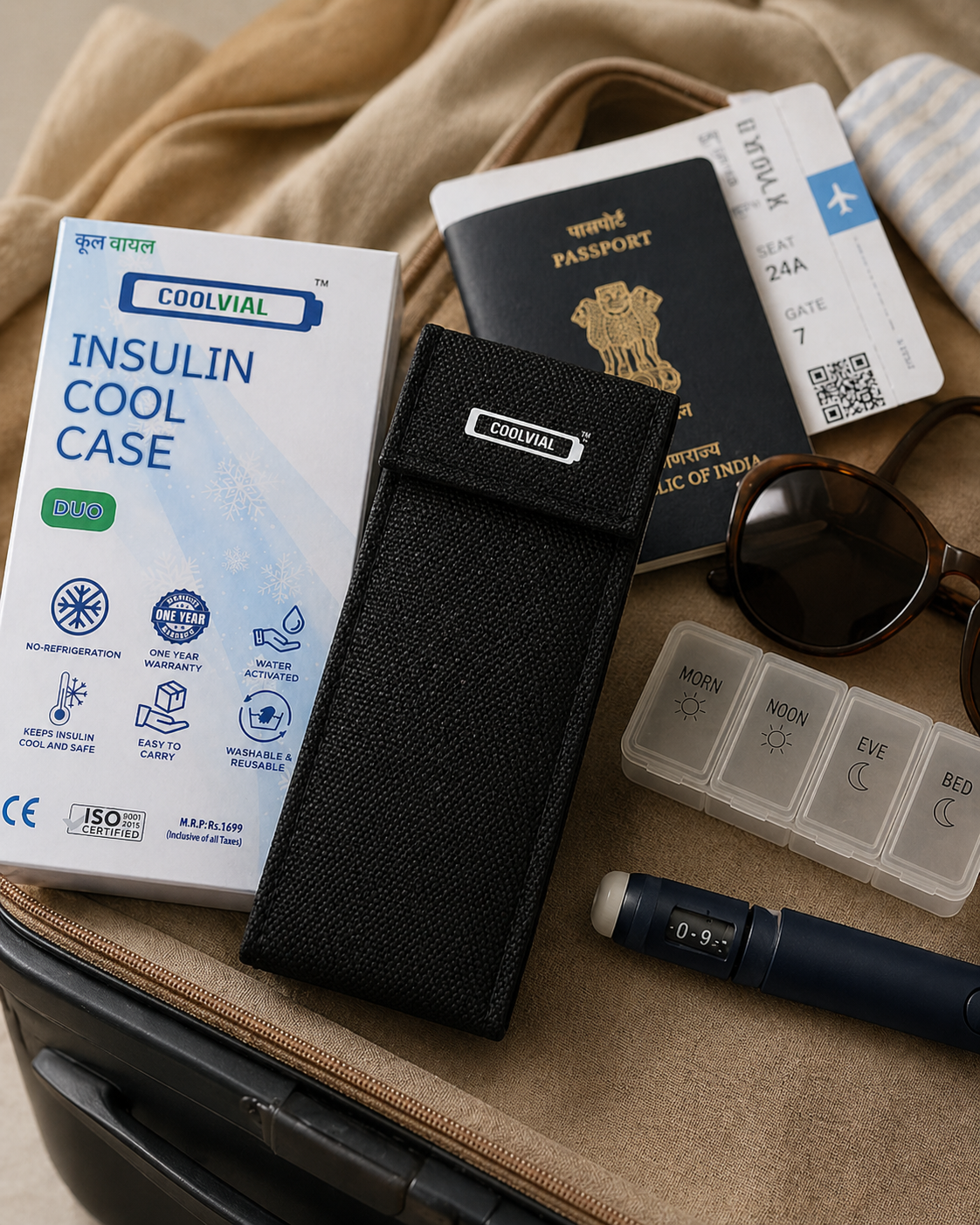
Thiruvananthapuram Heavy Monsoon — 7 Essential Strategies for Keeping Insulin Dry Through Heavy Annual Rainfall
COOLVIAL keeps insulin safe in India's heat. 48+ hours, no electricity needed.