Reviewed by the COOLVIAL Editorial Team — specialists in insulin storage for Indian climate conditions.
Amritsar, the vibrant heart of Punjab, is a city that never sleeps, known for its spiritual Golden Temple and bustling markets. For many residents living with diabetes, the thought of travelling from Amritsar with insulin can bring a unique set of challenges, especially given the city’s extreme climate – summers soaring to 42°C and winters dipping to 4°C with dense fog. Protecting your insulin from these drastic temperature fluctuations is paramount to maintaining its efficacy. Studies suggest that diabetes prevalence in Punjab, including Amritsar, is a significant public health concern, making informed insulin management even more critical for its residents (Source: ICMR-INDIAB study, https://icmr.gov.in/guidelines_diabetes.html). Based on analysis of insulin storage queries from Amritsar diabetics, we’ve compiled this comprehensive guide.
This article provides 8 essential, practical tips for ensuring your insulin remains safe and effective whether you’re heading to Sri Guru Ram Dass Jee International Airport (ATQ), catching a train from Amritsar Junction (ASR), or embarking on a road trip to the Wagah Border. From navigating airport security to managing dhaba pit-stops, we’ll cover everything you need to know for stress-free travel.
Table of Contents
- Understanding Amritsar’s Climate & Insulin Stability
- Essential Preparations Before You Leave Amritsar
- Navigating Sri Guru Ram Dass Jee International Airport (ATQ) with Insulin
- Train Travel from Amritsar Junction (ASR) with Insulin
- Road Trips from Amritsar: Wagah Border, Pathankot & Anandpur Sahib
- Choosing the Right Insulin Cooling Solution for Amritsar Journeys
- Emergency Preparedness & Local Support in Amritsar
- International Travel from Amritsar (ATQ) with Insulin
1. Understanding Amritsar’s Climate & Insulin Stability
Amritsar experiences a wide range of temperatures throughout the year, which can be particularly challenging for insulin storage. Insulin is a delicate protein that loses its potency if exposed to extreme heat or freezing temperatures.
- Summer (April-June): Temperatures frequently climb to 35-42°C, with occasional peaks even higher. Direct sunlight, car interiors, and even warm ambient air can quickly degrade insulin.
- Monsoon (July-September): While temperatures might slightly drop (around 28-35°C), high humidity (up to 90%) can still affect insulin and its cooling accessories.
- Winter (December-February): Though cold (4-19°C), dense fog can make travel unpredictable. Insulin must not freeze, as this also renders it ineffective. Storing it near car vents in cold weather can be risky.
Why Temperature Control Matters for Insulin:
- Insulin should ideally be stored between 2-8°C when unopened.
- Once opened, it can be kept at room temperature (up to 25-30°C for some types) for a specific period (usually 28 days), but this ‘room temperature’ is often exceeded in Amritsar.
- Exposure to temperatures above 30°C or below 0°C can cause irreversible damage, reducing its effectiveness and potentially leading to dangerously high blood sugar levels.
2. Essential Preparations Before You Leave Amritsar
Thorough planning is your best defense against insulin-related travel mishaps. Before you even think about travelling from Amritsar with your medication, make sure these crucial steps are covered:
- Consult Your Doctor: Always discuss your travel plans with your endocrinologist or diabetologist at hospitals like Fortis Escorts Amritsar (Majitha-Verka Bypass) or Amandeep Hospital (GT Road). They can provide specific advice, adjust dosing schedules if needed, and issue a doctor’s letter.
- Obtain a Doctor’s Letter: This letter, clearly stating your need for insulin, syringes/pens, and other diabetes supplies, is invaluable for security checks at airports and railway stations. It should be on official letterhead and signed by your physician.
- Stock Up on Supplies: Ensure you have more than enough insulin, needles, lancets, test strips, and a glucometer for your entire trip, plus a few extra days’ buffer. Local Amritsar pharmacies like Apollo Pharmacy, MedPlus, 1mg, Frontier Medicare, or Generic Aadhaar are reliable sources. For a comprehensive guide on local resources, check our Complete Diabetes Care Guide for Amritsar Residents — 2026 Edition.
- Emergency Contacts: Keep a list of emergency contacts, including your doctor, family members, and your travel insurance provider, both digitally and as a physical copy.
- Understand Insulin Storage Requirements: Reconfirm the specific temperature requirements for your insulin type (e.g., unopened vs. opened vials/pens) and plan accordingly. Remember, keeping insulin cool is not just about avoiding heat, but also preventing freezing.
3. Navigating Sri Guru Ram Dass Jee International Airport (ATQ) with Insulin
Travelling from Amritsar’s Sri Guru Ram Dass Jee International Airport (ATQ) requires specific attention to detail when carrying insulin. The security procedures are designed for safety, and being prepared helps avoid delays.
Key Tips for ATQ Security and Check-in:
- Carry Insulin in Hand-Luggage ONLY: This is the golden rule. Never place insulin in checked luggage. The cargo hold of an aircraft is not temperature-controlled and can experience extreme cold, which will freeze and destroy your insulin.
- Doctor’s Letter is Your Best Friend: Present your doctor’s letter (as mentioned in Section 2) proactively at the CISF (Central Industrial Security Force) screening point. This explains your medical necessity for carrying liquids (insulin) and sharps (needles/lancets) that might otherwise be questioned.
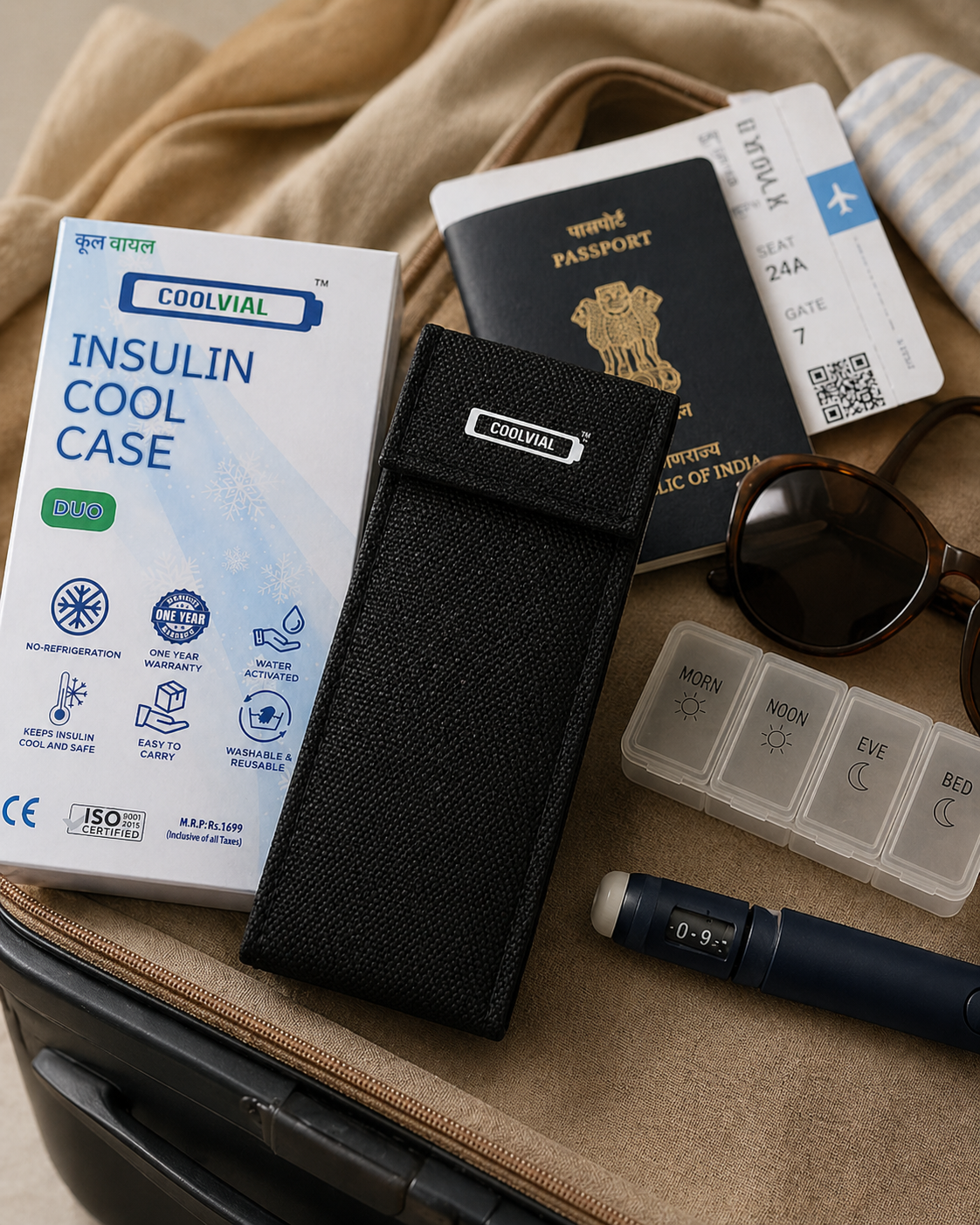
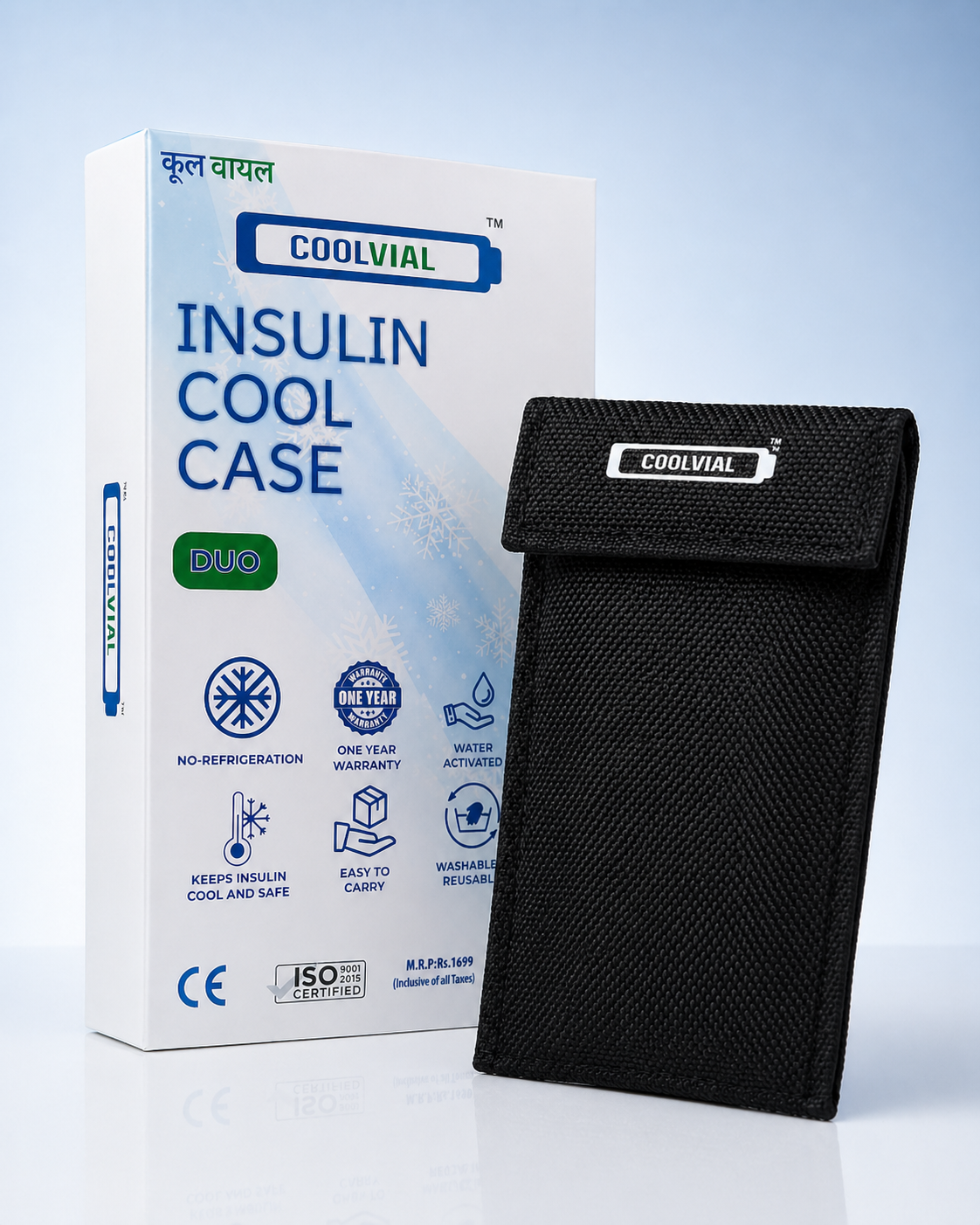
- Gel-Packs and Cooling Cases: If you’re using gel-packs or an evaporative cooling case like the COOLVIAL Duo, be prepared for questions from CISF personnel.
- Gel-packs: If fully frozen, they are generally allowed. If slushy or liquid, they might be subject to liquid restrictions. It’s often safer to use non-gel cooling methods.
- Evaporative Cooling Cases: These work by evaporation and don’t contain gels or ice, making them ideal for airport security. Simply explain how they function.
- Declare Your Supplies: Inform the security personnel that you are carrying essential medication and medical devices. Have everything easily accessible for inspection.
- Pre-Paid Taxi Queues: A specific concern at ATQ is the potential for long pre-paid taxi wait queues, which can hit 45 minutes or more during peak hours or flight delays. Do not put your insulin in a bag that might sit in a hot car trunk while you wait. Keep it with you, protected in your cooling case.
Table: Insulin & Airport Security at ATQ
8 Essential Tips: Travelling From Amritsar With Insulin — Airport, Station & Taxi Guide
| Item | Hand-Luggage (Recommended) | Checked Luggage (NOT Recommended) | Notes |
|---|---|---|---|
| Insulin Pens/Vials | YES | NO | Cargo holds lack temperature control; insulin can freeze or overheat. |
| Syringes/Needles | YES (with doctor’s letter) | YES (safely capped) | Sharps in hand-luggage require medical justification. |
| Glucometer/Strips | YES | YES | No special restrictions. |
| Cooling Case | YES (explain mechanism to CISF) | NO | Keep your cooling solution with you. Evaporative coolers like COOLVIAL Duo are hassle-free. |
| Doctor’s Letter | YES (essential for smooth screening) | N/A | Always carry a physical copy for any medical supplies. |
4. Train Travel from Amritsar Junction (ASR) with Insulin
Train journeys from Amritsar Junction (ASR) can range from a few hours to over a day, making reliable insulin storage crucial. Many popular routes, such as to Delhi, Mumbai, or Kolkata, traverse diverse climates.
Dispelling Myths and Practicalities:
- Pantry Car Fridges are Unreliable: A common myth is that you can store insulin in the pantry car fridge. NEVER rely on this. Pantry car fridges are often used for general food items, may not maintain consistent temperatures (often too cold or too warm), and their hygiene standards for medical storage are questionable. Furthermore, they are not obligated to store personal medication.
- NEVER Hand Pens to TTE (Ticket Examiner): Similarly, do not entrust your valuable insulin to the TTE. They are not responsible for medical supplies, and there’s no guarantee of proper storage or return. Your insulin is your responsibility.
- Bring Your Own Evaporative Cooler: For train travel, an evaporative cooling case is indispensable. It works without electricity, keeping your insulin at a safe temperature for extended periods. This is especially vital on long-distance trains where power outlets might be unreliable or inaccessible.
- Temperature Fluctuations in Train Compartments: AC coaches generally maintain cooler temperatures, but non-AC coaches can get extremely hot, especially during summer. Even in AC coaches, temperature settings can vary. Keep your insulin cooling case with you, away from direct sunlight from windows.
- Hydration: For evaporative coolers, you’ll need access to water for activation. Most trains have water available, but it’s wise to carry a small bottle of potable water for this purpose.
Checklist for Train Journeys from ASR:
- COOLVIAL Duo (or similar evaporative cooler): Essential for maintaining insulin temperature.
- Doctor’s Letter: Carry it for peace of mind, although less frequently requested on trains than at airports.
- Extra Water: For reactivating your cooling case if needed.
- Snacks & Glucose: Keep immediate sources of glucose (glucose tablets, juice) handy for low blood sugar emergencies.
- Hand Sanitizer: For hygiene, especially when administering insulin.
5. Road Trips from Amritsar: Wagah Border, Pathankot & Anandpur Sahib
Road trips from Amritsar to destinations like the iconic Wagah Border, the scenic Pathankot, or the historic Anandpur Sahib, offer flexibility but also present unique challenges for insulin storage.
- Taxi AC Reliability: When booking an app-cab (Ola/Uber) from neighborhoods like Lawrence Road, Mall Road, or Ranjit Avenue, or even a local taxi, the AC might be a point of contention. Some drivers may refuse to run the AC to save fuel, especially for shorter distances or if the fare is low. In Amritsar’s summer heat (often above 35°C), a non-AC car can quickly turn into an oven, compromising your insulin.
- Tip: Always confirm AC availability and request it to be on when booking. Be prepared to pay a little extra or choose a premium service if AC is critical.
- Parking Insulin in a Hot Car: This is one of the biggest risks. Even if the journey is AC-cooled, leaving your insulin in a parked car, even for a short pit-stop, is highly dangerous. Car interiors can reach extreme temperatures (e.g., 50-60°C) in minutes under the Amritsar sun.
- Rule: Always take your insulin cooling case with you when you leave the car, even for a quick stop at a dhaba or a monument like Jallianwala Bagh.
- Dhaba Pit-Stop Fridge Access: While dhabas are a quintessential part of Punjabi road trips, their fridges are typically for beverages and food, not medical storage. They are unlikely to maintain the precise temperature required for insulin and should not be relied upon. Your personal evaporative cooling case is the only safe option.
- Rapido Bike-Taxi Exposure: For short distances within Amritsar or nearby areas, Rapido bike-taxis are popular. However, they offer no protection from direct sunlight, heat, or cold. If using a bike-taxi, ensure your insulin is securely stored in a robust, well-insulated cooling case that can withstand direct environmental exposure. This is crucial for daily commutes as well; refer to our Daily Commute With Insulin in Amritsar — Tips for Metro, Bus & Auto for more insights.
- Water for Cooling Cases: For evaporative cooling cases, you’ll need clean water to activate them. Always carry a small bottle of potable water for this purpose during road trips.
6. Choosing the Right Insulin Cooling Solution for Amritsar Journeys
Given Amritsar’s challenging climate, investing in a reliable insulin cooling solution is not an option, but a necessity. When travelling from Amritsar with insulin, you need a device that is effective, portable, and doesn’t rely on electricity.
COOLVIAL Duo: Your Ideal Travel Companion
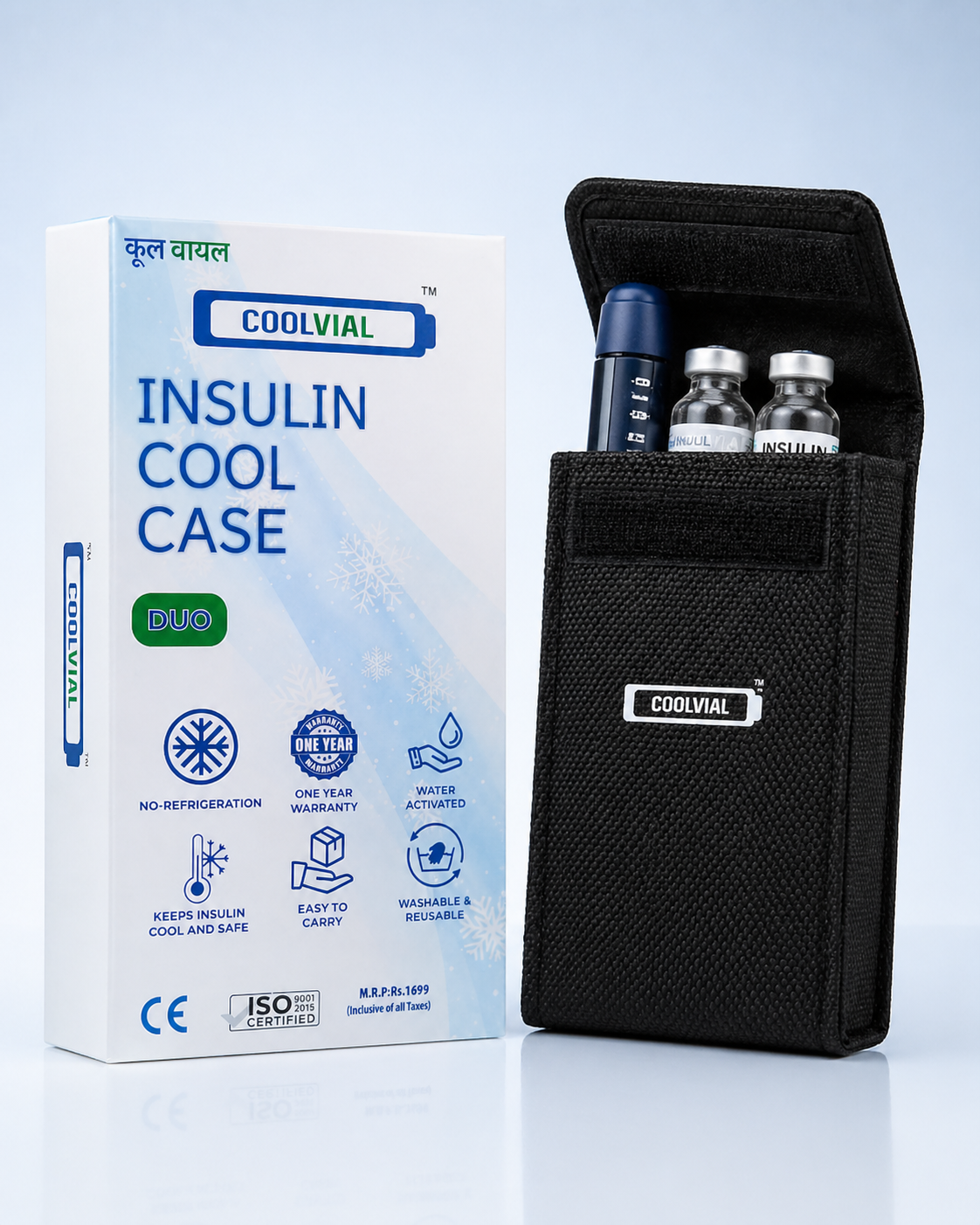
The COOLVIAL Duo is specifically designed for the Indian climate and offers an excellent solution for carrying your insulin safely. It holds 2 pens + 1 vial, making it versatile for various insulin regimens.
- Evaporative Cooling Technology: The COOLVIAL Duo works by evaporating water from its inner pouch, keeping your insulin cool at safe temperatures (typically 18-26°C, even in ambient temperatures of 38°C) for 12-16 hours without any electricity or refrigeration. Simply activate it with water.
- No Refrigeration Needed: This is a game-changer for travel, especially on trains, buses, or during long car rides where fridge access is non-existent or unreliable.
- Compact & Portable: Its sleek design makes it easy to carry in your hand-luggage, backpack, or even a sling bag, perfect for navigating crowded areas like the Walled City (Heritage/Golden Temple area) or busy markets.
- Quality & Safety: The COOLVIAL Duo is CE certified and ISO 9001:2015 compliant, assuring you of its quality and safety standards. It also comes with a 1-year warranty, providing peace of mind.
- Made in India: Proudly manufactured in India, it understands and is built for the local climate challenges.
Comparison with Other Options:
| Feature | COOLVIAL Duo | FRIO Insulin Cooler (e.g., Duo Pen Case) | Outer Woods OW-12 (e.g., Insulin Travel Case) |
|---|---|---|---|
| Cooling Method | Water-activated evaporative | Water-activated evaporative | Gel pack / Ice pack (requires freezing) |
| Cooling Duration | 12-16 hours | Up to 45 hours (depending on model/climate) | 12-24 hours (depending on external temp) |
| Capacity | 2 pens + 1 vial | Varies by model (e.g., 2 standard pens) | Varies by model (e.g., 2-3 pens) |
| Electricity Needed | No | No | No (but gel pack needs pre-freezing) |
| Certifications | CE certified, ISO 9001:2015 | Medical Device Directive 93/42/EEC | Typically none specified |
| Warranty | 1-year | 1-year | Varies |
| Price (approx.) | Rs 1,099 (with code COOLHEAL) | Rs 1,900+ | Rs 999+ |
| Made in | India | UK | India / China |
| Pros for Amritsar | Ideal for Indian heat, no freezing needed, Made in India, good capacity, cost-effective. | Long duration, reliable, established brand. | Lower initial cost, good for short trips where freezing is possible. |
| Cons for Amritsar | Requires water activation. | Higher price point. | Requires pre-freezing, gel packs can be questioned at airport security if not solid. |
8 Essential Tips: Travelling From Amritsar With Insulin — Airport, Station & Taxi Guide
48+ hours at 2-8°C. No electricity. CE certified. Free delivery across India.
Order on WhatsApp — ₹1,099🛒 Buy Now — ₹1,099For reliable, electricity-free insulin cooling, especially when travelling from Amritsar, the COOLVIAL Duo offers an optimal balance of performance, convenience, and value. You can learn more about how to protect your insulin and keep it potent by visiting our insulin storage tips page.
7. Emergency Preparedness & Local Support in Amritsar
Even with the best planning, emergencies can happen. Knowing where to turn for medical support in Amritsar is crucial for anyone travelling with diabetes.
- Identify Local Hospitals: Before you travel, know the locations of major hospitals in Amritsar that can assist with diabetes-related emergencies.
- Fortis Escorts Amritsar: Located on Majitha-Verka Bypass, a well-regarded facility.
- Amandeep Hospital: Situated on GT Road, another prominent hospital.
- Sri Guru Ram Das Charitable Hospital: Offers medical services and is located near the city center.
- What if Insulin is Compromised?
- Symptoms of Damaged Insulin: If your insulin appears cloudy (when it should be clear), has particles, changes colour, or has lost potency (leading to unexplained high blood sugars), it might be compromised.
- Action: If you suspect your insulin is damaged, discard it and use fresh, properly stored insulin. Do not risk using ineffective insulin. Contact your doctor immediately.
- Replacing Supplies: In an emergency, you can purchase insulin and other supplies from pharmacies like Apollo Pharmacy, MedPlus, or 1mg in Amritsar. Ensure you have your prescription or doctor’s letter handy.
- Medical Alert ID: Always wear a medical alert bracelet or carry an ID card stating you have diabetes, listing emergency contacts, and mentioning any allergies. This can be vital if you become incapacitated.
- Local Pharmacy Network: Familiarize yourself with the pharmacy network in your destination city. Most major cities in India will have branches of Apollo Pharmacy, MedPlus, or standalone chemists.
8. International Travel from Amritsar (ATQ) with Insulin
For those embarking on international journeys from Sri Guru Ram Dass Jee International Airport (ATQ), a few additional considerations come into play when travelling from Amritsar with insulin.
- Customs Regulations: Research the specific customs regulations for medication in your destination country. Some countries have strict rules on the quantity of medication you can bring or require specific documentation beyond a doctor’s letter. Always check the embassy or consulate website of your destination.
- Time-Zone Dosing: Crossing multiple time zones can disrupt your usual insulin dosing schedule.
- Consult Your Doctor: Work with your doctor to create an adjusted dosing plan for your travel days and for your stay in the new time zone. This might involve taking smaller, more frequent doses or adjusting meal times.
- Carry a Watch with Your Home Time: Keep a watch set to your original time zone to help you track your usual dosing schedule during the transition.
- Monitor Blood Sugar Frequently: Be extra vigilant with blood sugar monitoring during travel days and the first few days in a new time zone.
- Language Barrier: If travelling to a non-English speaking country, consider carrying a translation card that explains your diabetes and insulin needs in the local language.
- Travel Insurance: Ensure your travel insurance policy covers pre-existing conditions like diabetes and includes emergency medical evacuation.
- Power Adapters: If you rely on any electronic diabetes devices (e.g., continuous glucose monitors with rechargeable transmitters), remember to pack appropriate power adapters for your destination country.
FAQ Section
Q: Can I put my insulin in checked luggage when flying from Amritsar? A: No, you should never put insulin in checked luggage when flying from Amritsar or any airport. The cargo hold is not temperature-controlled and can expose insulin to extreme cold that will freeze and damage it. Always carry insulin in your hand-luggage.
Q: Do I need a doctor’s letter for carrying insulin at Sri Guru Ram Dass Jee International Airport (ATQ)? A: Yes, it is highly recommended to carry a doctor’s letter on official letterhead, signed by your physician, when travelling with insulin through Sri Guru Ram Dass Jee International Airport (ATQ). This letter helps explain your medical necessity for insulin, syringes, and cooling cases to security personnel (CISF) and avoids potential delays.
Q: Are pantry car fridges on Indian trains safe for storing insulin? A: No, pantry car fridges on Indian trains are generally not safe or reliable for storing insulin. They may not maintain consistent temperatures, are not designed for medical storage, and there’s no guarantee of proper care for your medication. It’s best to use a personal evaporative cooling case like the COOLVIAL Duo.
Q: What happens if my insulin gets too hot during a road trip from Amritsar? A: If your insulin gets too hot (above its recommended storage temperature, typically 25-30°C for opened vials/pens), it can lose potency and become less effective. This can lead to dangerously high blood sugar levels. If you suspect your insulin has been compromised by heat, it’s best to discard it and use fresh, properly stored insulin.
Q: How long does the COOLVIAL Duo keep insulin cool without electricity? A: The COOLVIAL Duo keeps insulin cool for 12-16 hours without electricity, using water-activated evaporative cooling technology. This duration makes it suitable for most domestic and international travel segments originating from Amritsar, ensuring your insulin stays within safe temperatures.
Q: Can I use a Rapido bike-taxi with insulin in Amritsar? A: While convenient for short distances, Rapido bike-taxis offer no protection from direct sunlight, heat, or cold. If using one, ensure your insulin is stored in a robust, well-insulated cooling case that can shield it from direct environmental exposure to maintain its temperature.
Q: Where can I get emergency insulin supplies in Amritsar? A: In an emergency, you can obtain insulin and other diabetes supplies from major pharmacies in Amritsar such as Apollo Pharmacy, MedPlus, 1mg, Frontier Medicare, or Generic Aadhaar. It’s advisable to carry your prescription or doctor’s letter.
Conclusion
Travelling from Amritsar with insulin doesn’t have to be a source of stress. By understanding Amritsar’s unique climate, meticulously planning your journey, and equipping yourself with the right tools and information, you can ensure your insulin remains potent and your diabetes management stays on track. Whether you’re flying from ATQ, taking a train from ASR, or exploring the roads to Wagah Border or Anandpur Sahib, preparedness is your greatest asset.
Remember, your insulin is vital for your health, and protecting it from temperature extremes is non-negotiable. With solutions like the COOLVIAL Duo, designed specifically for the Indian environment, you can travel with confidence, knowing your medication is safe. Don’t let the fear of insulin storage limit your adventures. Plan smart, stay cool, and enjoy your journey from the heart of Punjab.
Order your COOLVIAL Duo today at just Rs 1,099 with code COOLHEAL at coolvial.com or via WhatsApp wa.me/918766952300.
Medical Disclaimer
This article is for general information purposes only and should not be considered medical advice. Always consult your endocrinologist or diabetologist before changing insulin storage or dosing practices, or for any health concerns.