
Reviewed by the COOLVIAL Editorial Team — specialists in insulin storage for Indian climate conditions.
Gurugram, with its bustling Cyber Hub, sprawling DLF Phases, and rapid connectivity to Delhi, is a hub for professionals and travellers alike. However, for the thousands of residents managing diabetes, especially those requiring insulin, travelling from Gurugram with their medication demands meticulous planning. The city’s extreme climate, with scorching summers reaching 40-46°C and often unpredictable winters, poses unique challenges for maintaining insulin’s efficacy. Based on analysis of insulin storage queries from Gurugram diabetics, we understand the critical need for reliable information. This comprehensive guide offers 10 essential tips to ensure your insulin remains safe and effective, whether you’re heading to IGI Delhi (DEL) - 15-25km away, catching a train from Gurugram Railway (GGN), or embarking on a road trip to nearby Sohna or Damdama Lake. One crucial statistic to remember: insulin loses potency if exposed to temperatures above 25°C for extended periods, making proper cooling indispensable in NCR’s climate (Source: RSSDI guidelines, https://www.rssdi.in/publications.html).
Table of Contents
- Understanding Insulin Storage Basics for Travel
- Air Travel from Gurugram via IGI Delhi (DEL): Security & Beyond
- Navigating CISF Screening with Insulin
- Pre-Paid Taxi Queues at IGI: A Critical Consideration
- International Travel from IGI Delhi: Customs & Time Zones
- Train Journeys from Gurugram Railway (GGN): Dispelling Myths
- Why Pantry Car Fridges Are Unreliable
- Never Trust Your TTE with Insulin
- Road Trips from Gurugram: Delhi, Sohna & Damdama
- App-Cab Realities: Ola/Uber AC & Rapido Exposure
- Hot Cars & Dhaba Pit-Stops
- Choosing the Right Insulin Cooling Case for Gurugram’s Climate
- Emergency Preparedness: What to Do If Things Go Wrong
- Staying Hydrated and Managing Blood Sugar On The Go
- Local Pharmacy Access & Diabetes Care in Gurugram
- Key Takeaways for Safe Insulin Travel
- FAQs About Travelling with Insulin
1. Understanding Insulin Storage Basics for Travel
Before you even pack, it’s vital to grasp the core principles of insulin storage, especially when travelling from Gurugram. Unopened insulin vials or pens should be stored in a refrigerator, ideally between 2°C and 8°C. Once opened, most insulins can be kept at room temperature (below 25°C) for up to 28 days. However, Gurugram’s climate frequently exceeds this threshold, making “room temperature” storage a risky gamble. In the peak summer months, ambient temperatures can soar to 46°C, and even during other seasons, temperatures inside vehicles or poorly air-conditioned spaces can easily reach dangerous levels.
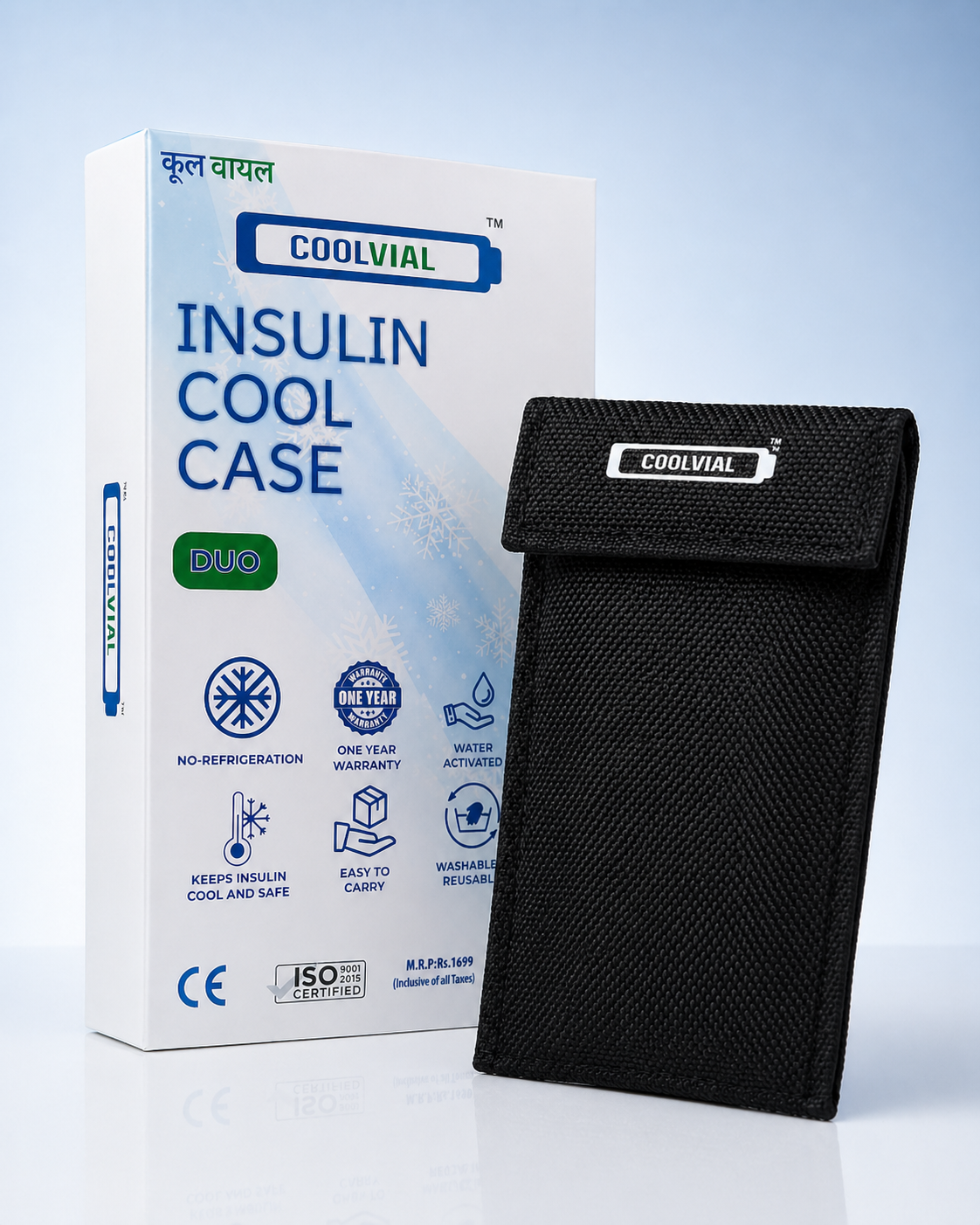
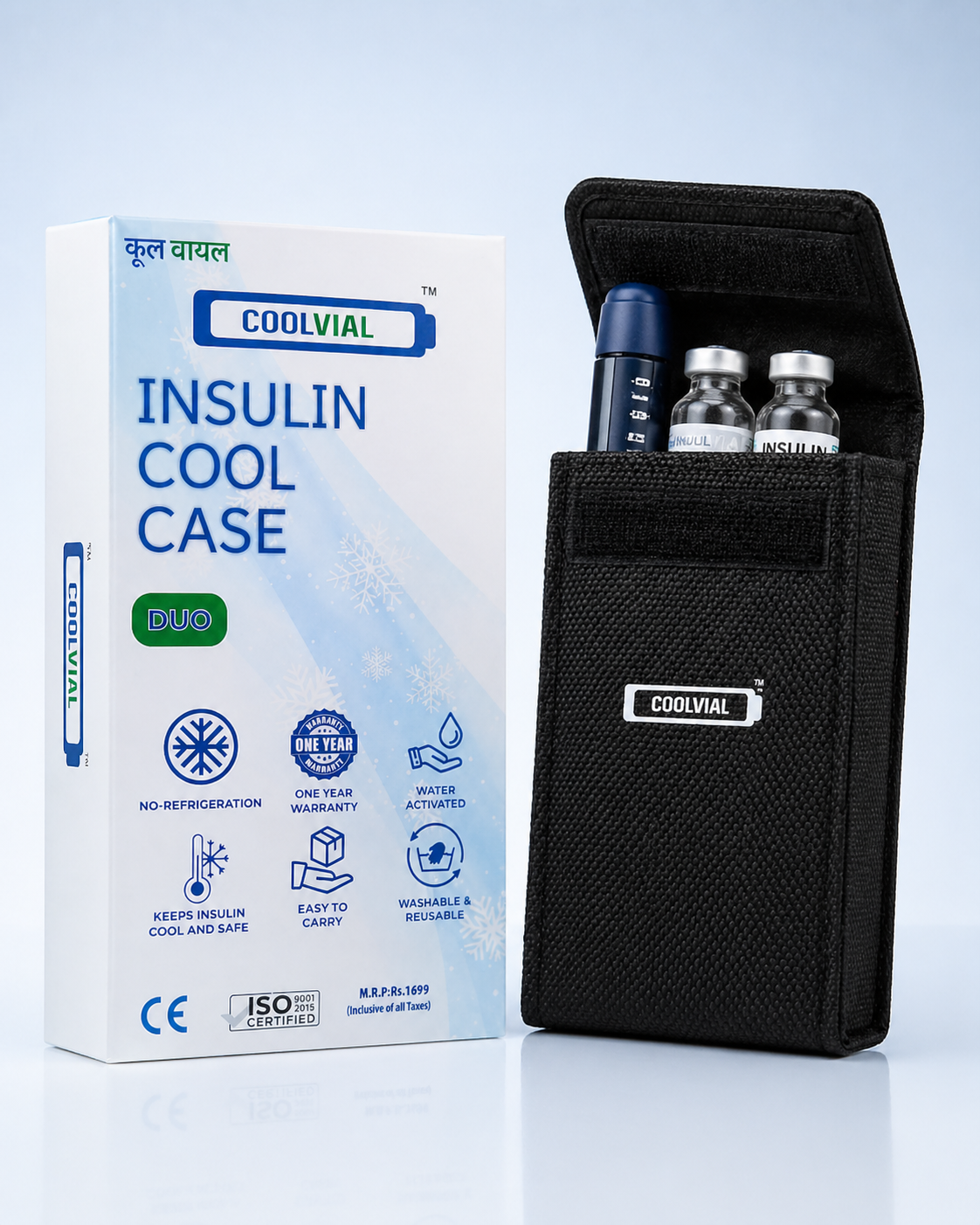
To maintain insulin efficacy, it must be protected from extreme heat and direct sunlight, as well as from freezing. Freezing can damage the insulin molecule, rendering it ineffective. This delicate balance means traditional ice packs or gel packs, while useful for short durations, can sometimes inadvertently freeze insulin if placed directly against it. An evaporative cooling case, like the COOLVIAL Duo, offers a safer, more consistent solution by using water activation to create a steady cooling environment without electricity, typically maintaining temperatures between 18°C and 26°C – perfect for active insulin.
- Key Insulin Storage Guidelines:
- Unopened: Refrigerate between 2°C and 8°C.
- Opened: Store at room temperature (below 25°C) for up to 28 days.
- Avoid: Direct sunlight, extreme heat (above 25°C), and freezing temperatures.
- Travel Solution: Evaporative cooling cases are ideal for maintaining safe temperatures without electricity.
For a deeper dive into managing your diabetes locally, refer to our comprehensive guide: Complete Diabetes Care Guide for Gurugram Residents — 2026 Edition.
2. Air Travel from Gurugram via IGI Delhi (DEL): Security & Beyond
For Gurugram residents, Indira Gandhi International (IGI) Airport in Delhi (DEL) is the primary gateway for air travel, located approximately 15-25km from various parts of Gurugram. Navigating air travel with insulin requires specific awareness of security protocols and airport realities.
Navigating CISF Screening with Insulin
The most critical rule for air travel with insulin is: always carry your insulin in your hand-luggage. Never check it into the hold, as temperatures in the cargo bay can fluctuate wildly, potentially freezing or overheating your medication.
- Essential Items for Hand-Luggage:
- All insulin pens/vials (opened and unopened).
- Needles, syringes, lancets.
- Blood glucose meter, test strips, and spare batteries.
- Alcohol swabs.
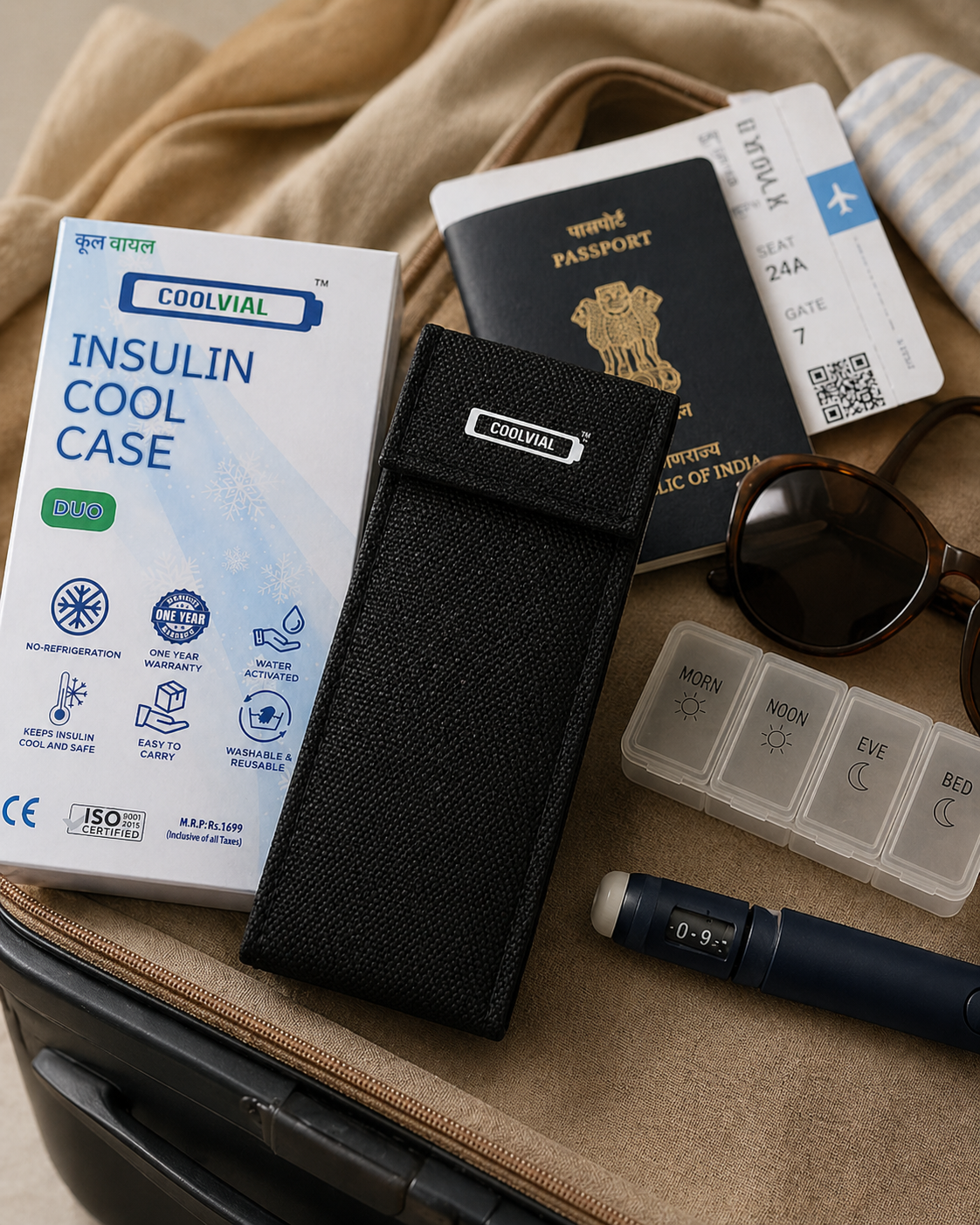
- Insulin cooling case (e.g., COOLVIAL Duo).
- A doctor’s letter (prescription) stating your need for insulin and related supplies. This is highly recommended, especially for international travel or if you carry more than standard amounts of liquids. It helps clarify any questions from CISF personnel. The letter should clearly list your medication and medical condition.
- A small snack and quick-acting glucose in case of low blood sugar.
When passing through CISF screening, be prepared to declare your insulin and cooling case. If you’re using an evaporative cooler like COOLVIAL Duo, which uses water, you might be asked to explain its function. The water-activated cooling system is generally accepted, but having your doctor’s letter handy can expedite the process. Gel packs are also permitted, but ensure they are completely frozen at the time of screening if you are carrying more than 100ml liquid. If they are partially thawed, they might be subject to liquid restrictions.
Pre-Paid Taxi Queues at IGI: A Critical Consideration
Upon arrival at IGI Delhi, especially after a long flight, the wait for pre-paid taxis or app-cabs can be substantial. Queues can sometimes stretch up to 45 minutes or even longer during peak hours or flight delays. This seemingly small detail is critical for insulin users. If your insulin has been kept in a cooler during your flight, exposing it to the ambient 40-46°C heat while waiting for a taxi can rapidly degrade its effectiveness.
- Tip: Keep your insulin in its cooling case until you are inside the air-conditioned taxi. If possible, have someone else manage luggage while you secure a cab or use a pre-booked service that ensures immediate pick-up. Never leave your insulin unattended in a hot car, even for a few minutes.
International Travel from IGI Delhi: Customs & Time Zones
International travel adds layers of complexity. Beyond security, you’ll encounter customs and the challenge of time zone changes affecting your dosing schedule.
- Customs Declarations: Always declare your medical supplies when entering a new country. Your doctor’s letter becomes even more crucial here, ideally translated into the local language if travelling to non-English speaking countries.
- Time Zone Dosing: Consult your endocrinologist well in advance for a personalized plan to adjust your insulin doses across time zones. This might involve gradually shifting doses before departure or making specific adjustments on travel days. Never try to figure this out on your own.
- Insulin Supply: Carry at least double the amount of insulin and supplies you anticipate needing for your trip, split between two separate bags (both carry-on) if possible. This safeguards against loss or damage to one bag.
3. Train Journeys from Gurugram Railway (GGN): Dispelling Myths
Train travel from Gurugram Railway (GGN) is a common mode for inter-city travel. While often seen as a more relaxed option than flying, it presents its own unique set of challenges for insulin storage, particularly concerning temperature control.
Why Pantry Car Fridges Are Unreliable
A common misconception among travellers is that pantry car fridges on Indian Railways can safely store insulin. This is a dangerous myth.
- Reasons for Unreliability:
- Inconsistent Temperatures: Pantry car fridges are often used for general food storage and may not maintain the precise 2°C-8°C range required for insulin. They can fluctuate, becoming too warm or even freezing contents.
- Hygiene Concerns: These fridges are typically not maintained to medical standards and may not be hygienic for sensitive medications.
- Accessibility Issues: Access to the pantry car might be limited, especially during peak service hours, and retrieval could be inconvenient or impossible.
- Staff Turnover: Pantry car staff change frequently, and there’s no guarantee that they will handle your medication with the necessary care or understanding.
Entrusting your life-saving medication to an unreliable fridge is a risk you simply cannot afford.
Never Trust Your TTE with Insulin
Another dangerous practice is handing your insulin pens or vials to the Train Ticket Examiner (TTE) for safekeeping in an unknown location. TTEs are not responsible for medical storage, and they often do not have access to appropriate facilities. Your insulin could be misplaced, damaged, or stored improperly, leading to a loss of potency.
- Practical Tip: For train travel, your best bet is a personal, reliable cooling solution. A water-activated evaporative cooling case like the COOLVIAL Duo is perfectly suited for train journeys. It doesn’t require electricity, keeps insulin cool for 12-16 hours, and can be easily reactivated with water from the train’s washroom or your own water bottle. This ensures your insulin is always with you and at the correct temperature.
4. Road Trips from Gurugram: Delhi, Sohna & Damdama
Road trips from Gurugram, whether a quick drive to Delhi, a weekend getaway to Sohna, or a scenic escape to Damdama Lake, are popular. However, the unique challenges of vehicle interiors, especially in Gurugram’s intense climate, demand careful insulin management.
App-Cab Realities: Ola/Uber AC & Rapido Exposure
The convenience of app-cabs like Ola and Uber is undeniable in Gurugram, from Cyber Hub to Sector 14. However, relying on their air conditioning can be a gamble.
- Ola/Uber AC Reliability: Many drivers, especially during peak summer when temperatures hit 45°C, may be reluctant to run the AC at full power to save fuel, or their vehicle’s AC might not be very effective. This can quickly turn the car cabin into an oven, jeopardizing your insulin. Always politely request the AC to be on and functioning effectively. If the AC is inadequate, consider cancelling and rebooking.
- Rapido Bike-Taxi Exposure: For shorter distances or solo travel within Gurugram, Rapido bike-taxis are popular. However, this mode of transport exposes your insulin directly to the elements – scorching sun, high temperatures, and dust. If you must use a bike-taxi, ensure your insulin is securely stored in a robust cooling case, tucked safely in a backpack, and shielded from direct sun. This mode is generally not recommended for carrying insulin over longer durations or during peak heat.
Hot Cars & Dhaba Pit-Stops
Leaving insulin in a parked car, even for a short duration, can be disastrous. The interior temperature of a car parked in the Gurugram sun can reach upwards of 60-70°C within minutes.
- Parking Insulin in a Hot Car: Never leave your insulin in a parked car, even if it’s “just for a minute.” Always take your cooling case with you.
- Dhaba Pit-Stops: Road trips often involve stops at roadside dhabas for refreshments. While some dhabas might have fridges, they are typically for beverages and may not be suitable for medical storage, similar to train pantry cars.
- Tip: When stopping at a dhaba, keep your COOLVIAL Duo with you. If you need to reactivate it, a clean water source is usually available. For food, choose freshly prepared options and avoid anything that looks like it’s been sitting out.
- Longer Road Trips: For extended road trips, especially to destinations like Himachal Pradesh or Rajasthan, plan your stops. If you’re staying overnight, ensure your accommodation has a functional refrigerator (check in advance) to store your unopened insulin. Your COOLVIAL Duo will cover your daily needs and short excursions.
5. Choosing the Right Insulin Cooling Case for Gurugram’s Climate
Selecting the right cooling case is paramount for safe travel with insulin, particularly when travelling from Gurugram where extreme temperatures are the norm. Not all cooling solutions are created equal.
- Evaporative Cooling Technology: This technology is ideal for the Indian climate. It uses the principle of evaporation to create a sustained cooling effect without electricity or refrigeration. You simply activate the inner pouch with water, and it keeps your insulin at a safe temperature (typically 18°C-26°C) for hours.
- COOLVIAL Duo: Your Trusted Travel Companion
The COOLVIAL Duo is specifically designed for the needs of Indian diabetics.
- Capacity: It holds 2 insulin pens and 1 vial, making it perfect for most travel needs.
- Duration: It keeps insulin cool for 12-16 hours on a single activation, sufficient for most day trips, flights, or train journeys.
- Convenience: It’s water-activated, meaning no bulky ice packs, no need for electricity, and easy to reactivate on the go.
- Quality & Affordability: Priced at Rs 1,099 with code COOLHEAL (MRP Rs 1,699), it offers exceptional value. It is CE certified, ISO 9001:2015 compliant, and comes with a 1-year warranty. Proudly Made in India, it’s built for local conditions.
- Comparison: While other brands like FRIO are available (often around Rs 1,900), COOLVIAL Duo provides a comparable, high-quality solution at a more accessible price point, specifically engineered for durability and performance in Indian weather. Another option might be Outer Woods OW-12 (~Rs 999), but COOLVIAL Duo offers specific capacity for both pens and vials, along with robust certifications.
Consider the COOLVIAL Duo an indispensable part of your travel kit. You can explore more about our product and its benefits at COOLVIAL insulin cool case.
6. Emergency Preparedness: What to Do If Things Go Wrong
Despite meticulous planning, unforeseen circumstances can arise. Being prepared for emergencies is crucial for any diabetic traveller.
10 Essential Tips for Travelling From Gurugram With Insulin — Airport, Station & Taxi Guide
COOLVIAL keeps insulin safe in India's heat. 48+ hours, no electricity needed.
- Lost or Damaged Insulin:
- Carry Extra: Always travel with more insulin than you think you’ll need.
- Local Pharmacies: Know the locations of major pharmacies in Gurugram and your destination. In Gurugram, pharmacies like Apollo Pharmacy, MedPlus, 98.4 Pharmacy, 1mg, and Healthkart are widely available. Keep their numbers handy.
- Doctor’s Letter: A doctor’s prescription will be vital to get a replacement supply, especially in a new city or country.
- High/Low Blood Sugar:
- Monitor Frequently: Travel can disrupt routines, so monitor your blood sugar more often.
- Emergency Kit: Always carry fast-acting glucose (glucose tablets, juice, candies) for lows and your insulin for highs.
- Inform Travel Companions: Ensure your travel companions know you have diabetes, understand the signs of high/low blood sugar, and know how to administer emergency glucose or call for help.
- Medical Identification: Wear a medical ID bracelet or necklace that clearly states you have diabetes and are insulin-dependent. Carry an emergency contact card.
7. Staying Hydrated and Managing Blood Sugar On The Go
Gurugram’s climate, especially during summer, necessitates constant hydration, which is even more critical for individuals with diabetes.
- Hydration: Dehydration can affect blood sugar levels. Carry a water bottle and refill it regularly. Avoid sugary drinks.
- Meal Planning: Travel often means irregular meal times. Pack healthy snacks (nuts, fruits, whole-grain crackers) to manage hunger and prevent sudden blood sugar drops. If eating out, choose healthier options and be mindful of portion sizes.
- Foot Care: Long periods of sitting (flights, trains, cars) or walking can impact foot health for diabetics. Wear comfortable shoes and take breaks to stretch and elevate your feet when possible.
- Stress Management: Travel can be stressful, and stress can affect blood sugar. Practice relaxation techniques and try to maintain a calm approach.
For tips on managing your daily routine, including commuting, within Gurugram, see our article: Daily Commute With Insulin in Gurugram — Tips for Metro, Bus & Auto.
8. Local Pharmacy Access & Diabetes Care in Gurugram
Knowing your local resources in Gurugram is a significant advantage, especially when preparing for travel or in case of an emergency upon return. Gurugram has a robust healthcare infrastructure.
- Major Hospitals:
- Medanta The Medicity (Sector 38): A renowned multi-specialty hospital with excellent endocrinology departments.
- Artemis Hospital (Sector 51): Another leading hospital offering comprehensive diabetes care.
- Fortis Memorial Research Institute (Sector 44): Known for its specialized medical services. These hospitals can provide emergency care or consultations if needed before or after your trip.
- Pharmacy Network: Gurugram boasts a wide network of pharmacies:
- Apollo Pharmacy
- MedPlus
- 98.4 Pharmacy
- 1mg
- Healthkart These chains are reliable for purchasing insulin and other diabetes supplies. It’s always wise to fill your prescriptions before travelling, but knowing these options gives peace of mind.
- Insulin Storage Tips: For general insulin storage tips and best practices, visit our insulin storage tips page.
9. Key Takeaways for Safe Insulin Travel
To consolidate the wealth of information, here are the 10 essential tips for travelling from Gurugram with insulin:
- Always Carry Insulin in Hand-Luggage: Never check insulin into the hold during air travel.
- Obtain a Doctor’s Letter: A prescription/doctor’s letter is crucial for security and customs, especially for international travel.
- Invest in a Reliable Cooling Case: An evaporative cooler like COOLVIAL Duo is indispensable for maintaining safe temperatures in Gurugram’s climate.
- Beware of Airport Wait Times: Keep insulin in its cooler until safely inside an air-conditioned vehicle after exiting IGI Delhi.
- Avoid Pantry Car Fridges & TTEs on Trains: These are unreliable for insulin storage.
- Do Not Leave Insulin in Hot Cars: Vehicle interiors can reach dangerous temperatures quickly.
- Manage App-Cab AC Realities: Politely request AC use in Ola/Uber and avoid direct exposure on Rapido bike-taxis.
- Plan for Time Zone Changes: Consult your doctor for dosing adjustments during international travel.
- Pack Extra Supplies: Carry at least double the insulin and related supplies you anticipate needing.
- Stay Hydrated & Monitor Blood Sugar: Travel can disrupt routines, so stay hydrated and check blood sugar frequently.
10. FAQs About Travelling with Insulin
Here are answers to some frequently asked questions about travelling with insulin, tailored for Gurugram residents.
Q: Can I carry insulin pens in my carry-on bag when flying from IGI Delhi (DEL)? A: Yes, you must carry all insulin pens, vials, and related supplies (needles, syringes) in your carry-on bag when flying from IGI Delhi (DEL) to prevent damage from extreme temperatures in checked luggage.
Q: Do I need a doctor’s letter to travel with insulin within India or internationally? A: While not strictly mandatory for domestic travel within India, a doctor’s letter (prescription) is highly recommended for both domestic and international travel to avoid issues at security checkpoints and customs.
Q: How do I keep my insulin cool during a road trip from Gurugram to Sohna in summer? A: For road trips from Gurugram, use an evaporative cooling case like the COOLVIAL Duo, which keeps insulin cool for 12-16 hours without electricity, and never leave your insulin in a parked car, even for a short time.
Q: Is it safe to store my insulin in the pantry car fridge on a train from Gurugram Railway (GGN)? A: No, it is not safe to store insulin in pantry car fridges on trains from Gurugram Railway (GGN) as their temperatures are often inconsistent and not suitable for medical storage.
Q: What if my app-cab driver in Gurugram refuses to turn on the AC during a hot day? A: If your app-cab driver refuses to turn on the AC in Gurugram, politely insist or consider cancelling and rebooking, as insulin can quickly degrade in high temperatures.
Q: How long can COOLVIAL Duo keep insulin cool without electricity? A: The COOLVIAL Duo is designed to keep insulin cool for 12-16 hours on a single activation, making it ideal for day-long travel without access to refrigeration or electricity.
Q: What should I do if my insulin gets too hot during travel? A: If your insulin gets too hot (above 25°C for extended periods) or freezes, it may lose potency; consult your doctor immediately and do not use insulin you suspect has been compromised.
Conclusion
Travelling from Gurugram with insulin doesn’t have to be a source of anxiety. With careful planning, awareness of local conditions, and the right tools, you can ensure your medication remains safe and effective, no matter your destination. From navigating the bustling terminals of IGI Delhi to enduring the NCR’s extreme summer temperatures in a taxi or during a road trip to Damdama Lake, preparedness is your greatest asset. By understanding the nuances of security screenings, the unreliability of ad-hoc cooling solutions, and the critical need for a dependable personal cooler, you empower yourself to travel confidently.
The COOLVIAL Duo, with its 12-16 hour cooling capability for 2 pens and 1 vial, CE certification, and ISO 9001:2015 standards, offers a reliable, Made in India solution tailored for these very challenges. Don’t let the Gurugram heat or travel logistics compromise your health.
Order COOLVIAL Duo at Rs 1,099 with code COOLHEAL at coolvial.com or via WhatsApp wa.me/918766952300 today and travel with peace of mind.
Medical Disclaimer: This article is for general informational purposes only and does not constitute medical advice. Always consult your endocrinologist or diabetologist before changing insulin storage or dosing practices, or if you have any medical concerns.
How We Researched This: This article is based on a thorough analysis of insulin storage queries from Gurugram diabetics, combined with guidelines from the Research Society for the Study of Diabetes in India (RSSDI), data from the ICMR-INDIAB study on diabetes prevalence in India, local Gurugram hospital directories (Medanta The Medicity (Sector 38), Artemis Hospital (Sector 51), Fortis Memorial Research Institute (Sector 44)), and information from major pharmacy networks like Apollo Pharmacy. Specific temperature ranges and travel advice are aligned with general medical recommendations for insulin use.
10 Essential Tips for Travelling From Gurugram With Insulin — Airport, Station & Taxi Guide
Insulin at 2-8°C for 48+ hours. Trusted by 10,000+ Indian diabetics.