
Reviewed by the COOLVIAL Editorial Team — specialists in insulin storage for Indian climate conditions.
Kochi, the Queen of the Arabian Sea, with its enchanting backwaters, historic Fort Kochi, and bustling Marine Drive, is a dream destination. However, its tropical coastal climate, with average temperatures often hovering around 30°C and humidity frequently exceeding 80%, presents unique challenges for individuals managing diabetes, especially when travelling from Kochi with insulin. Insulin, a life-saving medication, is highly sensitive to heat and can lose its potency if not stored correctly, which typically means between 2°C and 8°C when not in use, and below 30°C once opened. Based on analysis of insulin storage queries from Kochi diabetics, ensuring your insulin remains effective during transit is paramount.
This comprehensive guide provides 10 essential, practical tips for navigating airports, train stations, and taxi rides when you’re travelling from Kochi with insulin, ensuring your medication stays safe and effective. We’ll cover everything from airport security at Cochin International (COK) - Nedumbassery to train journeys from Ernakulam Junction (ERS) and road trips to destinations like Munnar and Alleppey.
Table of Contents
- Navigating Cochin International Airport (COK) - Nedumbassery with Insulin
- Essential Guidelines for Train Travel from Ernakulam Junction (ERS) & Town (ERN)
- Planning Road Trips from Kochi to Alleppey, Munnar & Thekkady with Insulin
- Managing Insulin During App-Cab and Local Taxi Journeys in Kochi
- International Travel from Cochin International (COK) - Nedumbassery: Key Considerations
- Why COOLVIAL Duo is Your Ideal Travel Companion in Kochi’s Climate
- Frequently Asked Questions About Travelling with Insulin from Kochi
- Conclusion: Travel Smart, Stay Cool
Navigating Cochin International Airport (COK) - Nedumbassery with Insulin
Cochin International Airport (COK) at Nedumbassery is a busy hub, and preparing for your flight with insulin requires specific knowledge of security protocols. The tropical heat and potential for delays make proper insulin storage a non-negotiable priority.
Key Airport Tips for Insulin Users:
- Always Carry Insulin in Hand-Luggage: Never check your insulin into hold luggage. The cargo hold is not temperature-controlled and can experience extreme fluctuations, rendering your insulin ineffective. Furthermore, checked baggage can be delayed or lost, leaving you without your vital medication. This is the single most important rule when flying.
- Doctor’s Letter is Highly Recommended: While not always mandatory for domestic flights, a doctor’s letter or prescription explaining your need for insulin, syringes, and lancets can expedite security checks. This letter should be on your doctor’s letterhead, clearly state your diagnosis (diabetes), list the medications (insulin type, e.g., Novolog, Lantus), and confirm the need for syringes/pens. Keep it easily accessible. Hospitals like Amrita Institute of Medical Sciences (AIMS Ponekkara) or Aster Medcity (Kuttisahib Road) can provide such documentation.
- Be Prepared for CISF Screening Questions: At the security check, Central Industrial Security Force (CISF) personnel might question liquid medications, including insulin in cooling cases with gel packs.
- Declare Your Insulin: Proactively inform security officers that you are carrying insulin and medical supplies.
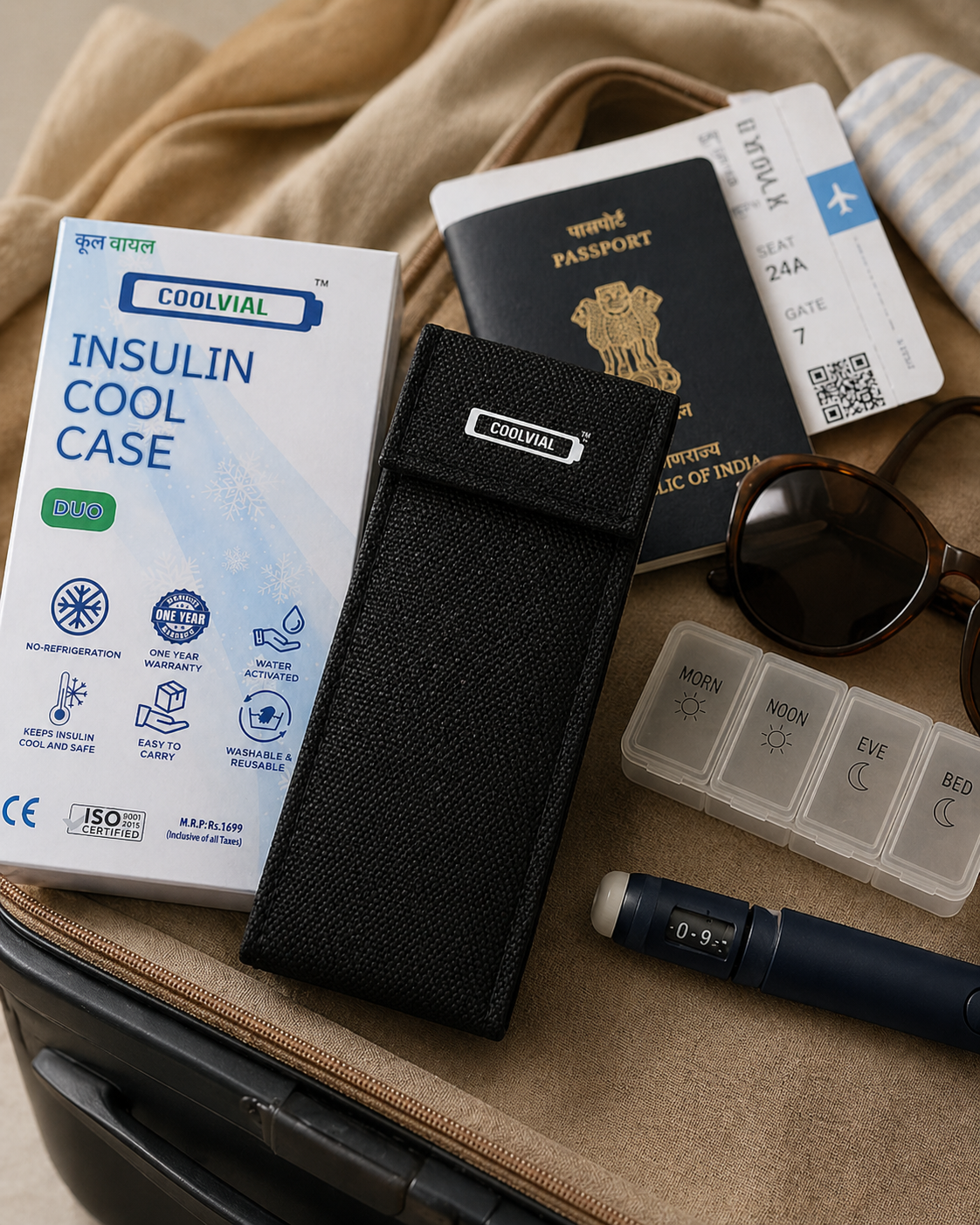
- Explain Gel Packs: If using an evaporative cooling case like COOLVIAL Duo, explain that it uses water-activated cooling, not traditional gel packs. If you are using gel packs, be ready to explain they are for medical use. They might be subjected to additional screening.
- Manage Pre-Paid Taxi Queues: Cochin International Airport is known for its sometimes lengthy pre-paid taxi queues, especially during peak hours. Waits can easily hit 45 minutes or more. Do not place your insulin in checked luggage assuming a quick exit; keep it with you in your hand-carry bag, ideally in a reliable cooling case, until you reach your final, temperature-controlled destination. The intense heat outside the airport can quickly compromise insulin if exposed.
- Insulin Pens vs. Vials: Both pens and vials are generally allowed. If carrying multiple pens or vials, ensure they are organized and easily accessible for inspection.
| Item Type | Carry-On Bag | Checked Luggage | Notes |
|---|---|---|---|
| Insulin Pens | Recommended | Not Recommended | Essential for immediate access and temperature control. |
| Insulin Vials | Recommended | Not Recommended | Same reasons as pens. |
| Syringes/Needles | Recommended (with insulin) | Recommended | Must be with insulin; dispose of safely after use. |
| Cooling Case | Essential | Not Recommended | Protects insulin from temperature fluctuations. |
| Doctor’s Letter | Essential | Not Required | Facilitates security checks, especially with multiple items. |
| Glucose Meter | Recommended | Recommended | Keep it accessible for in-flight checks. |
| Test Strips | Recommended | Recommended | Always carry enough for the entire trip. |
Essential Guidelines for Train Travel from Ernakulam Junction (ERS) & Town (ERN)
Train journeys from Ernakulam Junction (ERS) or Ernakulam Town (ERN) are a popular way to travel from Kochi. While comfortable, they come with their own set of challenges for insulin storage, especially given the tropical climate.
Train Travel Insulin Management:
- Myth-Busting: Pantry Car Fridges are Unreliable: It’s a common misconception that pantry car staff can store your insulin in their refrigerators. Never hand your insulin pens or vials to TTEs (Travelling Ticket Examiners) or pantry car staff. Their fridges are often not maintained at the ideal temperature for insulin, can be unreliable, and there’s a risk of misplacement or damage. Your insulin is your responsibility.
- Bring Your Own Evaporative Cooler: This is where a personal cooling case like the COOLVIAL insulin cool case becomes indispensable. It allows you to maintain the required temperature range for your insulin independently, without relying on external, unreliable sources. The COOLVIAL Duo, for instance, keeps insulin cool for 12-16 hours, making it perfect for most train journeys within India.
- Keep Insulin Accessible: During your train journey, keep your insulin and cooling case in your personal bag, easily accessible. Avoid storing it in overhead racks or under seats where it might be exposed to direct sunlight through windows or forgotten.
- Hydration is Key: Stay well-hydrated, especially during long journeys. Carry sufficient water. While not directly for insulin, proper hydration helps manage blood sugar levels, which can be affected by travel stress and varying meal times.
- Meal Timings and Dosing: Train schedules can sometimes disrupt regular meal timings. Plan your insulin doses around anticipated meal times and carry quick-acting glucose sources (like glucose tablets or juice) in case of delays. Pharmacies like Apollo Pharmacy or MedPlus near Ernakulam Junction offer a wide range of diabetes supplies.
Planning Road Trips from Kochi to Alleppey, Munnar & Thekkady with Insulin
10 Essential Tips for Travelling From Kochi With Insulin: Airport, Station & Taxi Guide
Insulin at 2-8°C for 48+ hours. Trusted by 10,000+ Indian diabetics.
Kochi serves as a gateway to some of Kerala’s most stunning destinations: the serene backwaters of Alleppey, the cool hills of Munnar, and the wildlife of Thekkady. While these road trips offer breathtaking views, the journey itself, especially with the fluctuating temperatures, requires meticulous planning for insulin storage.
Road Trip Insulin Precautions:
- Taxi AC Reliability: When booking a taxi for destinations like Munnar (a 4-5 hour drive uphill) or Alleppey (a 1.5-2 hour drive), always confirm the air conditioning’s functionality. Many cabs, especially older models, might have erratic AC, or drivers might switch it off to save fuel. Kochi’s daytime temperatures can easily hit 32°C, making a non-AC car a dangerous environment for insulin.
- Never Leave Insulin in a Hot Car: Parking your car, even for a short pit-stop at a dhaba or a scenic viewpoint, can turn the interior into an oven. Temperatures inside a parked car in Kochi’s sun can soar to over 50°C within minutes. Always take your insulin cooling case with you when you step out of the car, even for a brief period.
- Dhala Pit-Stop Fridge Access: Similar to train pantry cars, dhaba or restaurant fridges along highways are not designed or consistently maintained for insulin storage. Do not rely on them. Your personal cooling case is your most reliable option.
- Backwater Boathouse Storage: If you’re heading to Alleppey for a backwater cruise, inquire about refrigerator access on your boathouse in advance. Even if available, supplement it with your own cooling case for added security.
- High-Altitude Considerations (Munnar): While Munnar offers cooler temperatures (often 15-25°C), the journey to get there starts from Kochi’s heat. Ensure your insulin is protected during the initial part of the journey and any stops in warmer zones. Once in Munnar, the ambient temperature might be suitable for open insulin pens, but always monitor the temperature and keep backup cooling.
- Packing for Varying Climates: For a trip covering Kochi (hot and humid) to Munnar (cooler), pack your insulin in a case that can handle both extremes. The COOLVIAL Duo’s evaporative cooling works effectively across a range of ambient temperatures, making it versatile for such trips.
Managing Insulin During App-Cab and Local Taxi Journeys in Kochi
Even daily commutes or short trips within Kochi can expose insulin to heat, making local transport a critical consideration. For a detailed look at daily commutes, refer to our “Daily Commute With Insulin in Kochi — Tips for Metro, Bus & Auto” blog post.
App-Cab and Local Transport Insulin Tips:
- Ola/Uber AC Refusals: It’s not uncommon for app-cab drivers (Ola/Uber) in Kochi to refuse to turn on the AC, especially for short distances or to save fuel. This can quickly create a hot environment within the car, detrimental to insulin.
- Politely Request AC: Always politely request the AC to be turned on. If the driver refuses, consider cancelling and rebooking, or be prepared to use your personal cooling case to its full potential.
- Choose AC Categories: Whenever possible, opt for AC categories (e.g., ‘Prime Sedan AC’ over ‘Mini’) when booking.
- Rapido Bike-Taxi Exposure: Rapido bike-taxis are popular for quick, short distances. However, they offer no protection from the elements. Direct sun exposure, combined with the ambient heat and humidity, can rapidly damage insulin. If using a bike-taxi, ensure your insulin is securely stored in a compact, robust cooling case like the COOLVIAL Duo, which can withstand outdoor conditions.
- Auto-Rickshaws: Auto-rickshaws provide open-air travel, which can be a double-edged sword. While they offer ventilation, they also expose your insulin directly to the sun and ambient heat. Again, a reliable cooling case is your best defense.
- Short Distances, High Risk: Even a 15-20 minute ride in a non-AC vehicle or an auto-rickshaw in Kochi’s heat can expose insulin to temperatures well above 30°C, especially if it’s placed near a window or in direct sunlight. Always keep your insulin case with you, away from direct sunlight.
- Cooling Case as a Shield: This is where a compact, efficient cooling case truly shines. The COOLVIAL Duo is designed to protect your insulin from these everyday heat exposures, whether you’re navigating the busy streets of MG Road or heading to Lulu Mall.
International Travel from Cochin International (COK) - Nedumbassery: Key Considerations
For those embarking on international journeys from Cochin International (COK) - Nedumbassery, managing insulin involves additional layers of planning, including customs regulations and time-zone adjustments.
International Travel Checklist:
- Customs Declarations: Research the customs regulations of your destination country regarding medical supplies. Some countries may require specific declarations or documentation for insulin, syringes, and needles. Always declare your medical supplies if in doubt.
- Time-Zone Dosing Adjustments: Crossing multiple time zones can disrupt your insulin dosing schedule.
- Consult Your Doctor: Before your trip, discuss a detailed dosing plan with your endocrinologist or diabetologist. They can advise on how to adjust your basal and bolus insulin doses for different time zones to prevent hypo- or hyperglycemia.
- Carry a Detailed Plan: Keep a written copy of your adjusted dosing schedule with you.
- Multiple Prescriptions: Carry multiple copies of your doctor’s letter and prescriptions, both physical and digital. If you lose one, you’ll have backups.
- Insulin Supply: Pack enough insulin and supplies for your entire trip, plus a buffer of at least 25-30% extra, in case of delays or unforeseen circumstances. Sourcing specific insulin types abroad, especially in a foreign language, can be challenging.
- Power Adapters and Converters: If you use an insulin pump or any other electronic diabetes device, ensure you have the correct power adapters and converters for your destination.
- Travel Insurance: Purchase comprehensive travel insurance that covers pre-existing conditions like diabetes. This is crucial for medical emergencies abroad.
- Emergency Contacts: Keep a list of emergency contacts, including your doctor’s number, readily accessible.
Why COOLVIAL Duo is Your Ideal Travel Companion in Kochi’s Climate
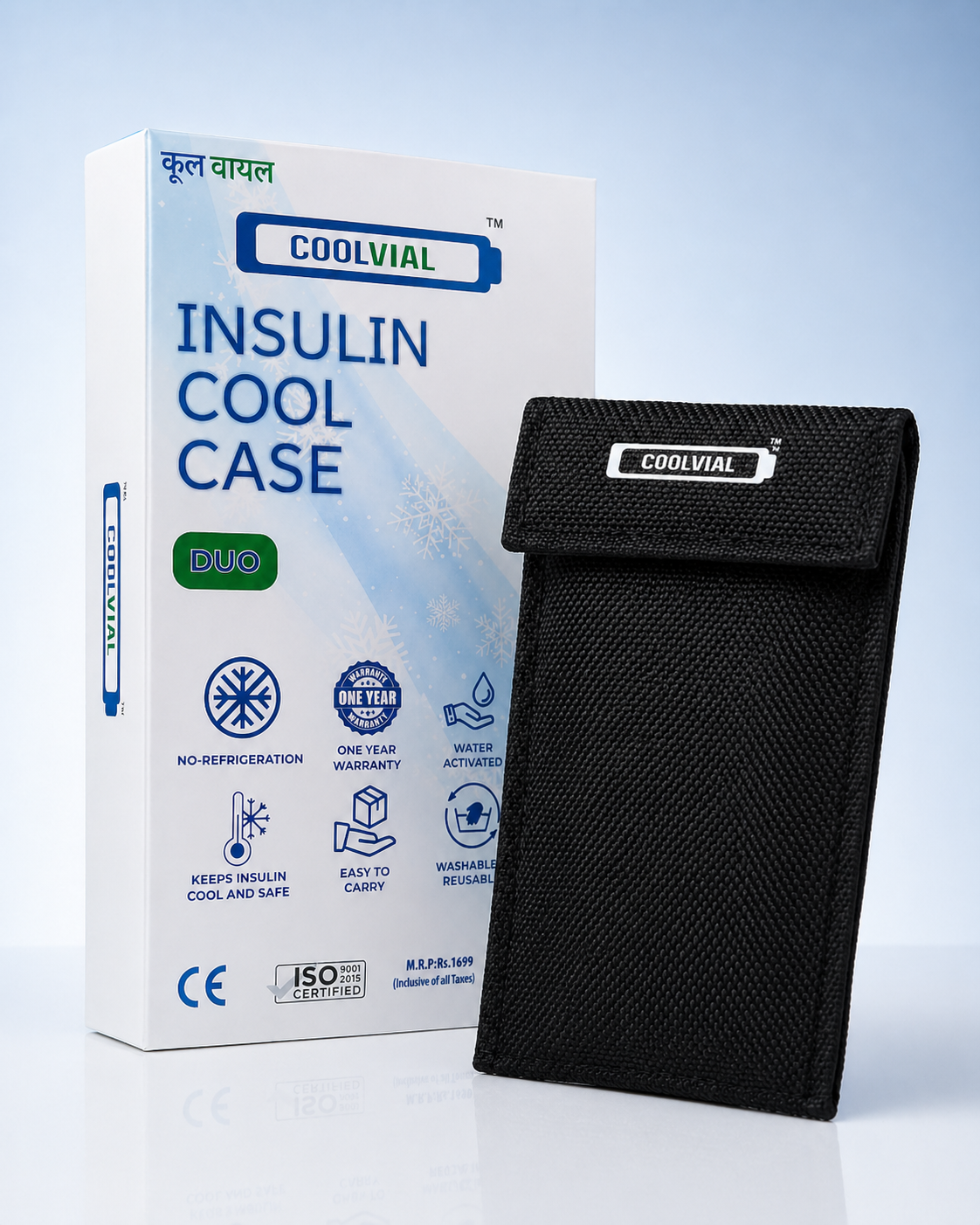
In a city like Kochi, where the climate is consistently warm and humid, protecting your insulin from heat is not just a recommendation—it’s a necessity. The COOLVIAL Duo is specifically engineered to meet this challenge, offering a reliable, electricity-free solution for insulin storage.
Advantages of COOLVIAL Duo:
10 Essential Tips for Travelling From Kochi With Insulin: Airport, Station & Taxi Guide
- Sustained Cooling Performance: The COOLVIAL Duo keeps insulin cool for 12-16 hours on a single water activation. This is crucial for long travel days, extended airport waits, or road trips where consistent cooling is vital. Unlike traditional ice packs that melt and become ineffective, our evaporative technology provides steady cooling.
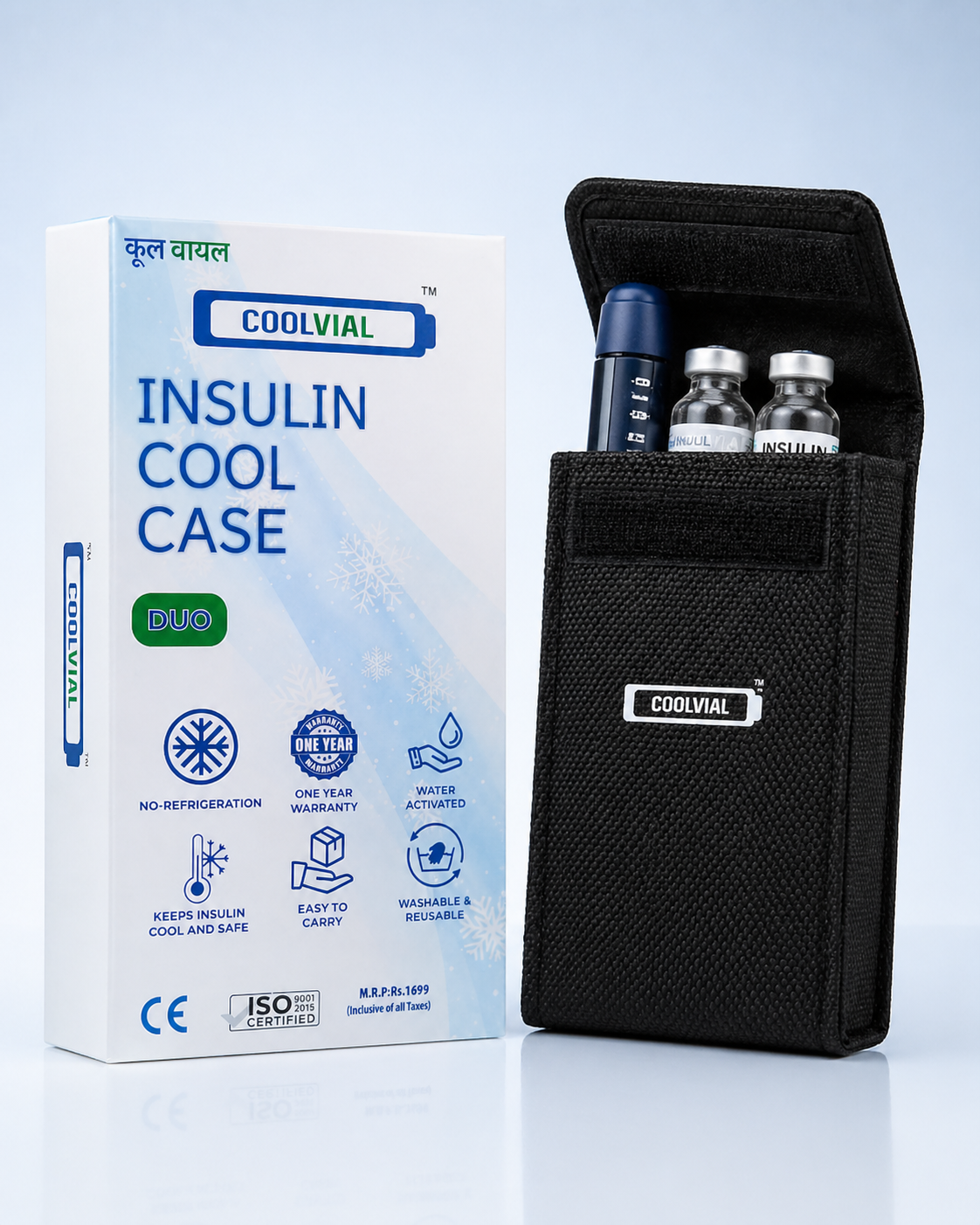
- Optimal Capacity: Designed to hold 2 insulin pens and 1 vial, the COOLVIAL Duo offers ample space for your essential medication, making it suitable for both short trips and longer journeys.
- No Electricity Needed: Its water-activated evaporative cooling means you never have to worry about finding a power source, carrying bulky ice packs, or relying on unreliable hotel or restaurant fridges. Simply soak the inner pouch in water for a few minutes, and it’s ready to go.
- Robust & Portable Design: Made with durable materials, the COOLVIAL Duo is built to withstand the rigors of travel. Its compact size makes it easy to slip into your hand-luggage, backpack, or even a large handbag, perfect for navigating crowded airports or busy train stations.
- Certified Quality: With CE certification and ISO 9001:2015 compliance, you can trust the quality and reliability of COOLVIAL Duo. It’s also proudly “Made in India,” understanding the unique climate challenges of the subcontinent.
- Cost-Effective Solution: Priced at Rs 1,099 with the code COOLHEAL (MRP Rs 1,699), the COOLVIAL Duo offers exceptional value. Comparing it to alternatives, some international brands like FRIO can cost upwards of Rs 1,900, while other local options like Outer Woods OW-12 might be around Rs 999 but may not offer the same capacity or certification level. COOLVIAL Duo strikes an optimal balance of quality, performance, and price.
- 1-Year Warranty: We stand by our product with a 1-year warranty, giving you peace of mind with your purchase.
Using a reliable cooling case like the COOLVIAL Duo can significantly reduce the stress associated with [travelling from Kochi with] insulin, allowing you to focus on enjoying your journey without compromising your health. For comprehensive diabetes management, including local resources, you might find our “Complete Diabetes Care Guide for Kochi Residents — 2026 Edition” helpful.
Frequently Asked Questions About Travelling with Insulin from Kochi
Here are answers to common questions about travelling with insulin, specifically from Kochi’s perspective.
Q: Do I need a doctor’s letter to carry insulin on a domestic flight from Kochi? A: While not always strictly mandatory for domestic flights in India, it is highly recommended to carry a doctor’s letter or prescription. This documentation can significantly ease the security check process at Cochin International Airport (COK) - Nedumbassery by explaining your medical necessity for insulin and associated supplies.
Q: Can I store my insulin in the pantry car fridge during a train journey from Ernakulam Junction? A: No, it is strongly advised against storing your insulin in pantry car fridges. These refrigerators are often unreliable in maintaining the consistent cold temperatures (2°C-8°C) required for insulin, risking its potency. It is always best to use a personal evaporative cooling case like COOLVIAL Duo.
Q: What is the risk of leaving insulin in a parked car during a road trip from Kochi? A: Leaving insulin in a parked car, even for a short duration, is extremely risky in Kochi’s tropical climate. Car interiors can rapidly reach temperatures exceeding 50°C, which can quickly degrade insulin and render it ineffective. Always take your insulin cooling case with you when you leave the vehicle.
Q: Are gel packs allowed through airport security at Cochin International (COK)? A: Yes, gel packs are generally allowed if they are clearly for medical purposes and accompany your insulin. Be prepared for Central Industrial Security Force (CISF) personnel to inspect them and ask questions about their use. Evaporative coolers like COOLVIAL Duo use water-activated cooling, not gel packs, simplifying the process.
Q: How much extra insulin should I carry for international travel from Kochi? A: For international travel, it’s prudent to carry at least 25-30% more insulin and supplies than you anticipate needing for your trip. This buffer accounts for potential delays, lost luggage, or unexpected circumstances, ensuring you don’t run out of medication in a foreign country.
Q: What should I do if an app-cab driver in Kochi refuses to turn on the AC? A: If an app-cab driver refuses to turn on the AC, politely reiterate your request. If they persist in refusing, you might consider cancelling the ride and booking another, or ensure your insulin is well-protected in a reliable cooling case like the COOLVIAL Duo, which is designed for such challenging conditions.
Q: Can I put my insulin in checked luggage for a flight from Kochi? A: Absolutely not. Insulin should never be placed in checked luggage. Cargo holds are not temperature-controlled and can expose insulin to extreme temperatures, both hot and freezing, which will destroy its efficacy. Always carry your insulin in your hand-luggage.
Conclusion: Travel Smart, Stay Cool
Travelling from Kochi with insulin requires a proactive approach, especially given Kerala’s warm and humid climate. From navigating the security checks at Cochin International (COK) - Nedumbassery to managing the nuances of train journeys from Ernakulam Junction (ERS) and the unpredictable AC of local taxis, thoughtful preparation is your best defense against insulin degradation.
Remember the critical takeaways: always carry insulin in your hand-luggage, have a doctor’s letter, and never rely on external, unreliable cooling sources. Investing in a high-quality, reliable evaporative cooling case like the COOLVIAL Duo is not just a convenience; it’s an essential tool for safeguarding your health and ensuring your insulin remains potent throughout your travels. With its 12-16 hour cooling capacity, robust design, and “Made in India” quality, the COOLVIAL Duo empowers you to explore the world with confidence and peace of mind.
Order COOLVIAL Duo at Rs 1,099 with code COOLHEAL at coolvial.com or via WhatsApp wa.me/918766952300.
Medical Disclaimer: This article is for general information purposes only and does not constitute medical advice. Always consult your endocrinologist or diabetologist before making any changes to your insulin storage, dosing practices, or travel plans.
How We Researched This: This article is based on a thorough analysis of insulin storage queries from Kochi diabetics, current RSSDI (Research Society for the Study of Diabetes in India) guidelines for insulin storage and travel (Source: https://www.rssdi.in/publications.html), ICMR-INDIAB data on diabetes prevalence in India, local Kochi hospital directories (Amrita Institute of Medical Sciences (AIMS Ponekkara), Aster Medcity (Kuttisahib Road), Lakeshore Hospital (Avitis)), and common practices observed at local pharmacies (Apollo Pharmacy, Karunya Pharmacy, MedPlus, 1mg, Neethi Medical Stores). Local climate data for Kochi (average temperature 23-32°C, high humidity) informs the environmental context. All pricing and product comparisons are accurate as of the publish date and are subject to change. [Verify in 2026] for current local data like specific taxi wait times or pharmacy stock levels.
10 Essential Tips for Travelling From Kochi With Insulin: Airport, Station & Taxi Guide
48+ hours at 2-8°C. No electricity. CE certified. Free delivery across India.
Order on WhatsApp — ₹1,099🛒 Buy Now — ₹1,099