
Reviewed by the COOLVIAL Editorial Team — specialists in insulin storage for Indian climate conditions.
Nagpur, the Orange City, is a bustling hub in the heart of India, known for its iconic Zero Mile Marker and the serene Futala Lake. But for the thousands of residents managing diabetes, including a significant portion who rely on insulin, travelling from Nagpur with insulin can present unique challenges, especially given the city’s brutal summers where temperatures can soar from 25°C to a scorching 47°C. Protecting your life-saving medication from such extreme heat is paramount, as insulin loses its potency when exposed to temperatures above 25°C. This article provides 8 essential, practical tips for ensuring your insulin remains safe and effective, whether you’re flying out of Dr Babasaheb Ambedkar International Airport (NAG), catching a train from Nagpur Junction (NGP), or embarking on a road trip to Tadoba. Based on analysis of insulin storage queries from Nagpur diabetics and insights from local healthcare providers like AIIMS Nagpur and Care Hospitals, this guide aims to equip you with the knowledge needed for worry-free travel. According to the IDF Diabetes Atlas, over 75 million Indians are living with diabetes, highlighting the widespread need for such precise guidance. (Source: IDF Diabetes Atlas 10th Edition)
Table of Contents
- Understanding Insulin & Nagpur’s Climate
- Preparing for Air Travel from Dr Babasaheb Ambedkar International (NAG)
- Security Screening at NAG Airport
- Navigating Taxi Queues at NAG
- Mastering Train Journeys from Nagpur Junction (NGP) & Itwari (ITR)
- Dispelling Myths: Pantry Car Fridges & TTEs
- Conquering Nagpur Road Trips: Tadoba, Pench & Khindsi
- App-Based Cabs & Auto-Rickshaws in Nagpur
- The Indispensable Role of an Insulin Cooling Case
- Essential Documentation for Insulin Travel
- Managing Insulin Dosing Across Time Zones (International Travel)
- Pre-Travel Checklist for Nagpur Residents
- Frequently Asked Questions (FAQ)
- Conclusion: Travel Smart, Live Well with COOLVIAL
- Methodology Note
- Medical Disclaimer
1. Understanding Insulin & Nagpur’s Climate
Insulin is a delicate protein that is sensitive to temperature fluctuations. Unopened insulin vials and pens should be stored in a refrigerator, typically between 2°C and 8°C. Once opened, most insulin types can be kept at room temperature (below 25°C) for up 28 days, though specific brands may vary (always check your insulin’s leaflet). However, Nagpur’s climate rarely offers such consistent “room temperature” conditions naturally. The city experiences:
- Brutal Summer (April-June): Dry heat with temperatures regularly hitting 35-47°C.
- Monsoon (June-September): High humidity and temperatures around 25-35°C.
- Mild Winter (October-March): Pleasant days at 20-30°C, cooler nights at 10-20°C.
These extreme temperatures, especially the prolonged summer heat, can degrade insulin rapidly, rendering it ineffective and potentially leading to dangerously high blood sugar levels. This makes a reliable cooling solution not just a convenience, but a necessity for anyone travelling from Nagpur with insulin. For more detailed daily management tips within the city, you might find our “Daily Commute With Insulin in Nagpur — Tips for Metro, Bus & Auto” article helpful.
2. Preparing for Air Travel from Dr Babasaheb Ambedkar International (NAG)
Flying with insulin requires careful planning, especially when departing from Dr Babasaheb Ambedkar International Airport (NAG). Unlike checked luggage, which can be exposed to extreme temperatures in the cargo hold, your insulin pens must always travel with you in your carry-on bag.
Security Screening at NAG Airport
Navigating the security checks at NAG airport, manned by the CISF (Central Industrial Security Force), can be smooth if you’re prepared. Here’s what Nagpur residents need to know:
- Carry-on Only: Always keep your insulin pens and vials, along with syringes or pen needles, in your hand luggage. Never put them in checked baggage.
- Doctor’s Letter: While not always explicitly demanded, a doctor’s letter (on clinic letterhead from hospitals like Wockhardt Hospitals or AIIMS Nagpur) stating your diabetes diagnosis, insulin requirement, and the need to carry medical supplies, is highly recommended. It can prevent delays and questions at security.
- Gel Packs & Cooling Cases: If you’re using a gel-pack based cooling solution, be prepared for CISF personnel to inspect it. They might ask you to show the insulin and explain the cooling mechanism. Evaporative cooling cases, like the COOLVIAL Duo, are often simpler as they use water and don’t contain gels that might raise questions about liquid volume.
- Declaration: Inform the security officer that you are carrying essential medication and medical supplies before your bag goes through the X-ray scanner.
Navigating Taxi Queues at NAG
One often-overlooked challenge at Dr Babasaheb Ambedkar International Airport (NAG) is the queue for pre-paid taxis or app-cab pickups. In peak hours, especially during summer, waiting times can easily hit 45 minutes or more under the hot sun. This prolonged exposure can be detrimental to insulin.
- Insulin Protection: While waiting for your taxi, ensure your insulin is kept in an active cooling case like the COOLVIAL Duo. Do not expose it to direct sunlight or leave it in an uncooled backpack.
- Pre-booked Cabs: If possible, pre-book a cab that guarantees a prompt pickup. Some services might allow you to wait in a cooler area until your cab is confirmed to be at the pickup point.
- Airport Facilities: Utilize shaded waiting areas or even the air-conditioned terminal building until your transport is ready.
3. Mastering Train Journeys from Nagpur Junction (NGP) & Itwari (ITR)
Train travel from Nagpur Junction (NGP) or Itwari (ITR) is a lifeline for many, but it comes with its own set of challenges for insulin users. Long journeys, varying temperatures, and unreliable facilities demand a self-sufficient approach to insulin storage.
Dispelling Myths: Pantry Car Fridges & TTEs
8 Essential Tips for Travelling From Nagpur With Insulin — Airport, Station & Taxi Guide
48+ hours at 2-8°C. No electricity. CE certified. Free delivery across India.
Order on WhatsApp — ₹1,099🛒 Buy Now — ₹1,099Many travellers mistakenly believe they can rely on train facilities for insulin storage. This is a dangerous myth that needs to be busted:
- Pantry Car Fridges are Unreliable: Pantry cars are primarily for food and beverage storage, not medication. Their fridges are often old, have inconsistent temperatures, and are frequently opened, making them unsuitable for insulin. The temperature inside these fridges is not monitored for pharmaceutical standards and can fluctuate wildly.
- NEVER Hand Pens to TTE: Your Ticket Examiner (TTE) is not responsible for your medical supplies. Handing over your insulin to them is risky. They may not have access to proper storage, or your medication could be misplaced or damaged. You are solely responsible for your insulin’s safety.
Practical Tips for Train Travel from NGP/ITR:
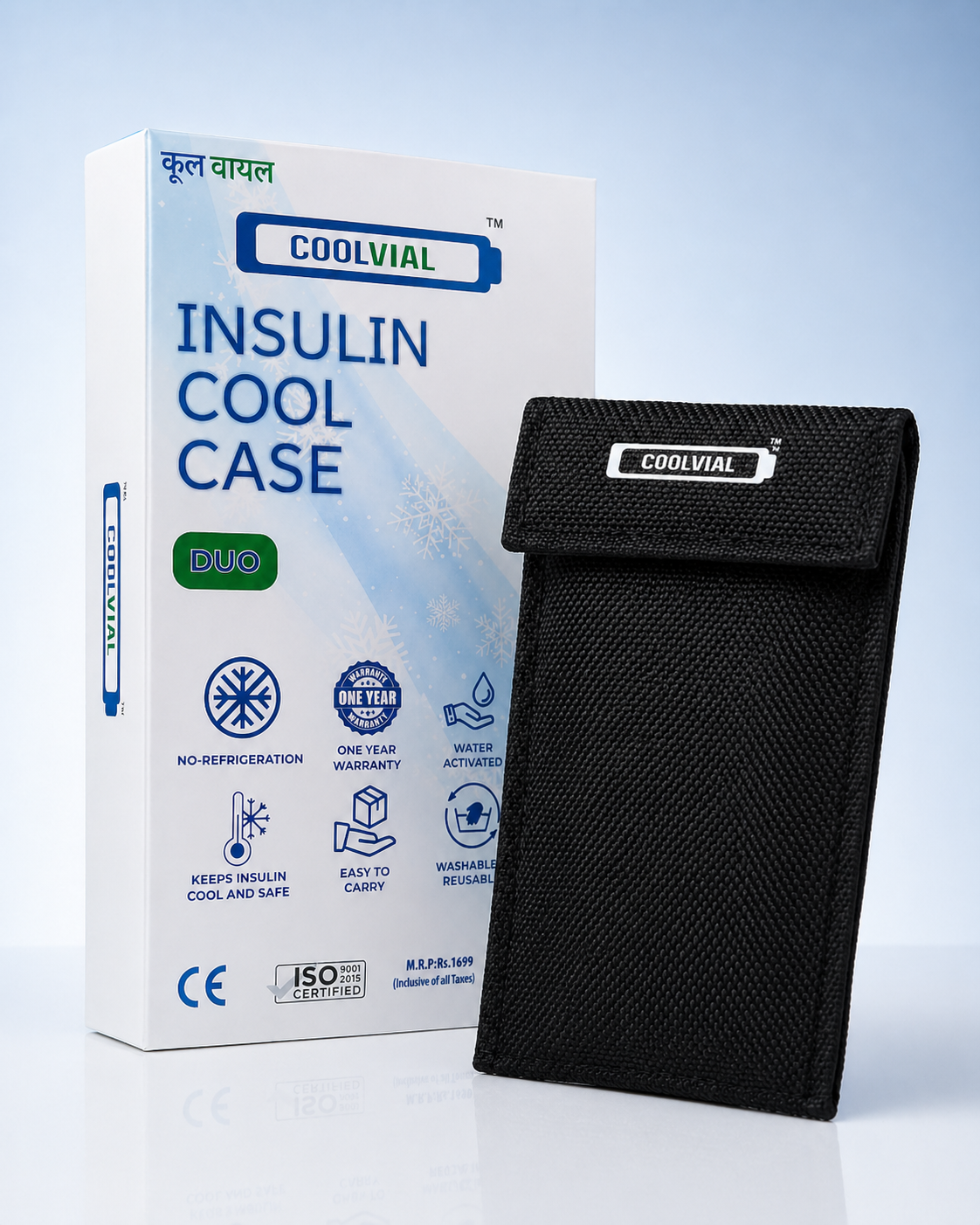
- Evaporative Cooler is Key: A water-activated evaporative cooling case is your best friend for train journeys. It doesn’t require electricity and keeps insulin cool for extended periods (e.g., COOLVIAL Duo offers 12-16 hours of cooling). This is far more reliable than any onboard fridge.
- Stay Hydrated: While not directly for insulin, staying hydrated helps you manage your diabetes better, especially in the warm coaches.
- Choose AC Coaches (if possible): If your budget allows, opt for AC coaches (AC 3-Tier, AC 2-Tier, or AC 1st Class). While not as cold as a fridge, the ambient temperature will be significantly lower than non-AC coaches, providing an extra layer of protection for your insulin within its cooling case.
- Keep Insulin Accessible: Store your cooling case in your personal bag, easily accessible but out of direct sunlight from the window.
4. Conquering Nagpur Road Trips: Tadoba, Pench & Khindsi
Nagpur is a gateway to stunning destinations like Tadoba Andhari Tiger Reserve, Pench National Park, and the scenic Khindsi Lake. Road trips offer flexibility, but also unique challenges for insulin storage, especially considering Nagpur’s hot climate.
- Taxi AC Reliability: When hiring a taxi for a road trip, confirm the air conditioning is fully functional. Many drivers, especially for longer distances, might conserve fuel by turning off the AC intermittently. Always negotiate this upfront.
- Parking in a Hot Car: Never leave your insulin in a parked car, even for a short time. The interior temperature of a car parked under the Nagpur sun can skyrocket to 60-70°C in minutes, instantly damaging insulin. Always take your cooling case with you.
- Dhaba Pit-Stop Fridge Access: While dhabas (roadside eateries) might have fridges, do not rely on them for insulin storage. Like train pantry cars, these fridges are for food, not medication, and their temperatures are uncontrolled. Stick to your personal evaporative cooling case.
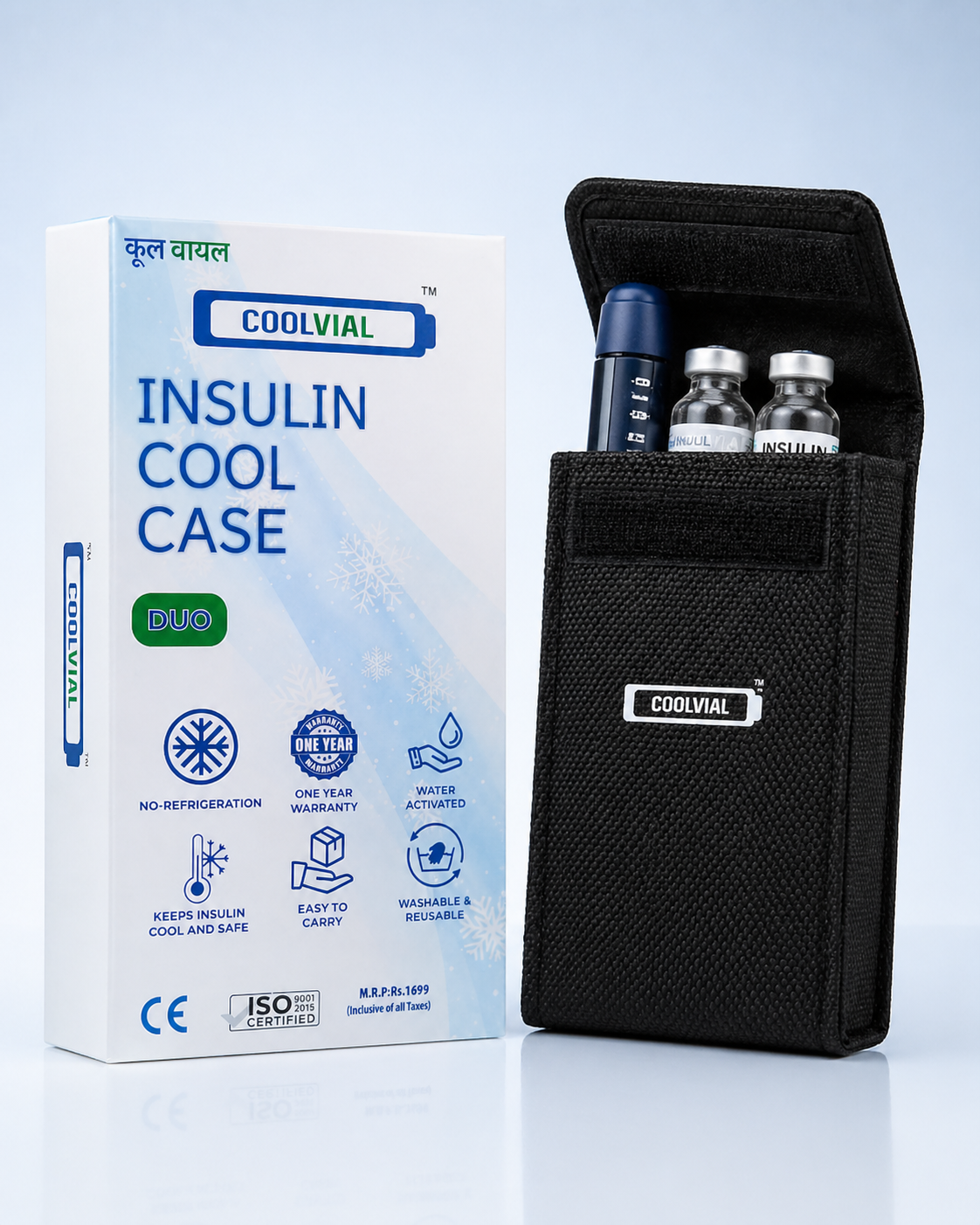
- COOLVIAL Duo for Road Trips: For these extended journeys, a reliable cooling case like the COOLVIAL Duo (holding 2 pens + 1 vial, cooling for 12-16 hours) is indispensable. It’s water-activated, meaning you can reactivate it at any dhaba or rest stop with a little water, without needing electricity. This offers far more peace of mind than competing products like FRIO (often around Rs 1,900) or even more basic options like Outer Woods OW-12 (around Rs 999), by offering a better balance of capacity and cooling duration for the Indian climate.
App-Based Cabs & Auto-Rickshaws in Nagpur
Even for short intra-city trips within Nagpur, from Civil Lines to Manish Nagar, managing insulin in local transport needs thought.
- Ola/Uber AC Refusal: It’s a common complaint that Ola or Uber drivers might refuse to turn on the AC, especially for shorter rides or during off-peak hours, citing fuel costs. While you can report this, it’s not a quick fix when your insulin is exposed to the heat.
- Rapido Bike-Taxi Exposure: Bike taxis like Rapido are popular for quick, cheap commutes. However, they offer zero protection from the elements. Your insulin will be fully exposed to Nagpur’s heat and humidity.
- Solution: Regardless of the mode of local transport, ensure your insulin is always in its cooling case. For longer waits or uncertain AC conditions, a robust evaporative cooler is your best defence.
5. The Indispensable Role of an Insulin Cooling Case
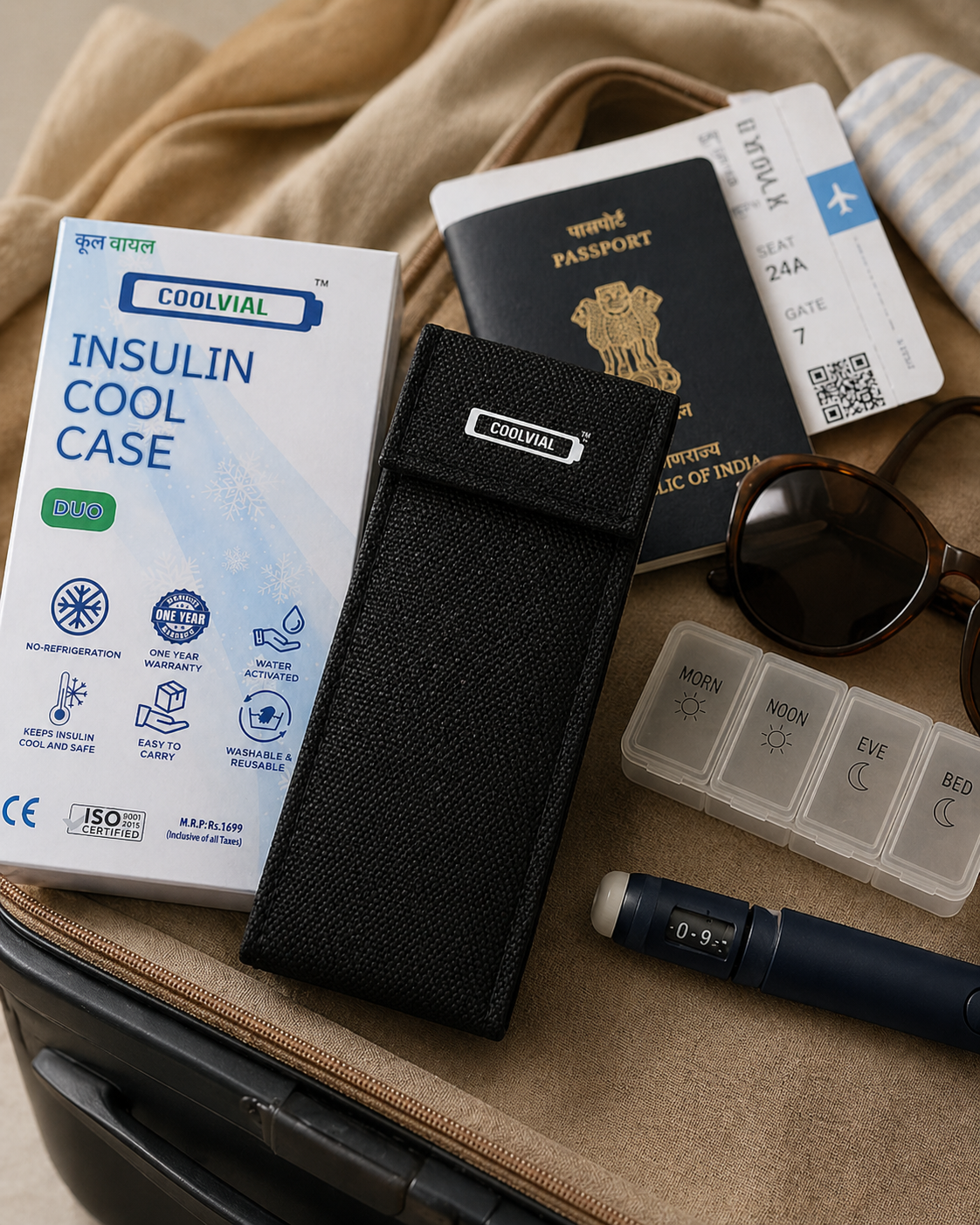
Given Nagpur’s climate and the realities of Indian travel, an evaporative insulin cooling case isn’t a luxury; it’s a necessity. Traditional ice packs can be bulky, messy, and require re-freezing, which isn’t always possible. The COOLVIAL Duo offers a practical, portable solution:
- Water-Activated: Simply soak the inner pouch in water for a few minutes, and it’s ready to keep your insulin cool for 12-16 hours. No electricity, no refrigeration needed.
- Optimal Capacity: The COOLVIAL Duo is designed to hold 2 insulin pens and 1 vial, making it suitable for most travel needs.
- Reliable Cooling: It maintains insulin at a safe temperature (typically 18-26°C) even when the ambient temperature is much higher, crucial for Nagpur’s 47°C summers.
- Certifications & Warranty: CE certified and ISO 9001:2015 compliant, the COOLVIAL Duo comes with a 1-year warranty, assuring quality and reliability. Plus, it’s proudly Made in India.
When comparing options, the COOLVIAL Duo at Rs 1,099 with code COOLHEAL offers excellent value. While FRIO cases (often around Rs 1,900) are also popular evaporative coolers, COOLVIAL provides a competitive, locally-made alternative. Cheaper options like the Outer Woods OW-12 (around Rs 999) might exist, but always verify their cooling duration and capacity to ensure they meet your specific travel needs and the demands of Nagpur’s climate. Protecting your insulin is an investment in your health. Learn more about optimal insulin storage tips for various conditions.
6. Essential Documentation for Insulin Travel
Beyond your cooling case, having the right paperwork can make your journey smoother, especially when travelling from Nagpur.
- Doctor’s Letter:
- Content: Clearly state your name, date of birth, diagnosis (Type 1 or Type 2 Diabetes), list of prescribed medications (insulin type, dosage), and the necessity to carry syringes, pens, vials, and a cooling device.
- Issuing Authority: Get it from your diabetologist or endocrinologist at recognized hospitals like AIIMS Nagpur, Care Hospitals (Ramdaspeth), or Wockhardt Hospitals (Shankar Nagar).
- Validity: Ensure it’s current. A letter issued within the last year is generally acceptable.
- Multiple Copies: Carry both physical and digital copies (on your phone and email).
- Prescription: Always carry your latest prescription for all diabetes medications.
- Medical ID: Wear a medical ID bracelet or necklace that identifies you as diabetic and lists any critical allergies.
- Travel Insurance: For international travel, ensure your travel insurance covers pre-existing conditions like diabetes and emergency medical care.
7. Managing Insulin Dosing Across Time Zones (International Travel)
For Nagpur residents planning international travel from Dr Babasaheb Ambedkar International (NAG), adjusting insulin doses across different time zones is a critical, complex aspect of diabetes management. This requires careful planning with your doctor.
- Consult Your Doctor: Before any international trip, discuss time zone changes with your endocrinologist at AIIMS Nagpur or Wockhardt Hospitals. They will provide a personalized plan.
- Short vs. Long-Acting Insulin:
- Short-acting (bolus) insulin: Usually taken with meals, so doses can be adjusted based on meal times in the new time zone.
- Long-acting (basal) insulin: This is trickier. For eastward travel (losing hours), you might need a reduced dose or a split dose. For westward travel (gaining hours), you might need an extra small dose or maintain the usual dose with careful monitoring.
- Frequent Blood Glucose Monitoring: Be prepared to check your blood glucose levels more frequently during transit and in the first few days in the new time zone.
- Customs Declaration: When arriving at an international destination, declare your insulin and medical supplies at customs. The doctor’s letter is invaluable here. Be aware of local regulations regarding medical imports.
- Emergency Supplies: Always pack extra insulin, needles, and monitoring supplies, more than you think you’ll need, in case of delays or lost luggage.
8. Pre-Travel Checklist for Nagpur Residents
Before you even step out of your home in Dharampeth or Sadar, a thorough checklist can prevent last-minute stress when travelling from Nagpur with insulin.
- Insulin Supply Check:
- Do you have enough insulin for the entire trip, plus extra for emergencies?
- Are all your pens/vials within their expiry dates?
- Cooling Case Readiness:
- Is your COOLVIAL Duo clean and ready to be activated?
- Do you have access to water for activation/reactivation?
- Medication & Supplies:
- Have you packed sufficient lancets, test strips, and a glucometer?
- Do you have an emergency kit with glucose tablets or glucagon?
- Doctor’s Consultation:
- Have you discussed your travel plans and potential insulin adjustments with your doctor?
- Is your doctor’s letter updated and easily accessible?
- Pharmacy Knowledge:
- Do you know where the nearest pharmacies (e.g., Apollo Pharmacy, Wellness Forever, MedPlus, Frank Ross) are located along your travel route or at your destination, just in case? Or do you have the 1mg app installed?
- Travel Insurance:
- Is your travel insurance comprehensive and does it cover diabetes?
- Emergency Contacts:
- Have you noted down emergency contacts, including your doctor’s number and local emergency services at your destination?
For a broader overview of managing diabetes in your home city, explore our “Complete Diabetes Care Guide for Nagpur Residents — 2026 Edition” for valuable local resources and tips.
Frequently Asked Questions (FAQ)
Q: Can I put my insulin in checked luggage when flying from NAG airport? A: No, you should never put insulin in checked luggage when flying from Dr Babasaheb Ambedkar International Airport (NAG) or any other airport, as the cargo hold’s extreme temperatures can damage it; insulin must always be carried in your hand luggage.
Q: Is it safe to store insulin in a pantry car fridge on Indian trains? A: It is not safe to store insulin in a pantry car fridge on Indian trains, as these fridges have unreliable and inconsistent temperatures that are not suitable for medication.
Q: What should I do if my taxi driver in Nagpur refuses to turn on the AC? A: If your taxi driver in Nagpur refuses to turn on the AC, ensure your insulin is securely stored in a reliable cooling case like the COOLVIAL Duo to protect it from the heat, and consider reporting the driver to the app service provider if applicable.
Q: How long does the COOLVIAL Duo keep insulin cool? A: The COOLVIAL Duo keeps insulin cool for 12-16 hours without electricity, using a water-activated evaporative cooling mechanism.
Q: Do I need a doctor’s letter to carry insulin through airport security at NAG? A: While not always mandatory, a doctor’s letter is highly recommended when carrying insulin through airport security at Dr Babasaheb Ambedkar International Airport (NAG) to avoid delays and questions from CISF personnel.
Q: Can I leave my insulin in a parked car during a road trip to Tadoba? A: No, you should never leave your insulin in a parked car during a road trip to Tadoba or any other destination, as interior car temperatures can quickly reach extreme levels that damage insulin.
Q: What is the ideal temperature range for storing opened insulin pens? A: Once opened, most insulin pens can be stored at room temperature, typically below 25°C, for up to 28 days, but always check the specific instructions on your insulin’s packaging.
Q: How does the COOLVIAL Duo compare to other cooling cases like FRIO or Outer Woods OW-12? A: The COOLVIAL Duo, priced at Rs 1,099 with code COOLHEAL, offers 12-16 hours of cooling for 2 pens + 1 vial; while FRIO (around Rs 1,900) is another popular evaporative cooler, and Outer Woods OW-12 (around Rs 999) is a more basic option, COOLVIAL provides a CE certified, ISO 9001:2015, Made in India solution with a strong balance of capacity, duration, and value.
Conclusion: Travel Smart, Live Well with COOLVIAL
Travelling from Nagpur with insulin doesn’t have to be a source of anxiety. By understanding the unique climate challenges, preparing adequately for different modes of transport, and equipping yourself with the right tools, you can ensure your vital medication remains safe and effective. From navigating the busy Dr Babasaheb Ambedkar International Airport (NAG) to enduring a long train journey from Nagpur Junction (NGP), or exploring the natural beauty around Tadoba, proactive planning is your best defence against insulin degradation.
Remember, your insulin is your lifeline. Investing in a reliable cooling solution like the COOLVIAL Duo empowers you to travel freely and confidently, knowing your health is protected. Don’t let the heat of Nagpur or the unpredictability of travel compromise your well-being. Travel smart, stay cool, and live your life to the fullest.
Order your COOLVIAL Duo today at Rs 1,099 with code COOLHEAL at coolvial.com or via WhatsApp wa.me/918766952300.
Methodology Note
How We Researched This — This article is compiled based on current RSSDI (Research Society for the Study of Diabetes in India) guidelines for insulin storage, data from the ICMR-INDIAB study on diabetes prevalence, local Nagpur hospital directories (including AIIMS Nagpur, Care Hospitals, Wockhardt Hospitals), and insights from the pharmacy network of Apollo Pharmacy, Wellness Forever, MedPlus, and Frank Ross regarding common patient queries. Local travel conditions and climate data for Nagpur were also factored in for specific recommendations.
Medical Disclaimer
This article is for general information purposes only and does not constitute medical advice. Always consult your endocrinologist or diabetologist before making any changes to your insulin storage practices, dosing regimen, or travel plans. Individual medical needs may vary.
8 Essential Tips for Travelling From Nagpur With Insulin — Airport, Station & Taxi Guide
COOLVIAL keeps insulin safe in India's heat. 48+ hours, no electricity needed.