Reviewed by the COOLVIAL Editorial Team — specialists in insulin storage for Indian climate conditions.
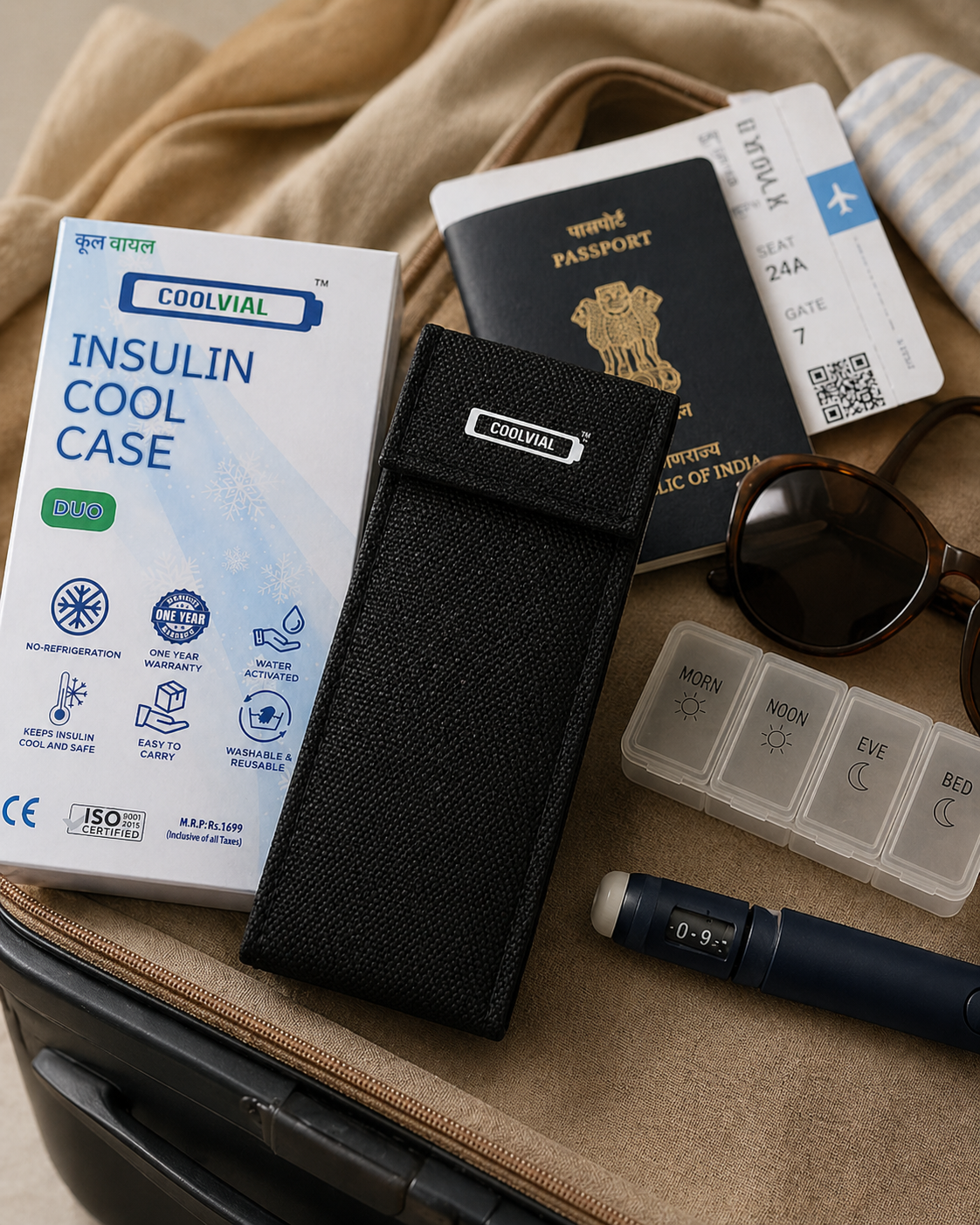
For residents of Pune, the vibrant cultural capital of Maharashtra, managing diabetes is a daily reality. But when it comes to travelling from Pune with insulin, whether by air, rail, or road, ensuring your vital medication remains potent and safe is paramount. Pune’s climate, with its pleasant winters (around 12°C) and moderate summers (reaching up to 38°C), demands careful consideration for insulin storage, especially during the humid southwest monsoon from June to September. Insulin is extremely sensitive to temperature extremes; it can degrade rapidly if exposed to heat above 25-30°C or allowed to freeze. Based on analysis of insulin storage queries from Pune diabetics, we know that common travel scenarios present unique challenges. This guide offers 10 essential tips to navigate Pune’s transport hubs and roads confidently, ensuring your insulin stays effective throughout your journey.
Table of Contents
- Understanding Insulin Storage Requirements on the Go
- Navigating Pune Airport (PNQ) - Lohegaon with Insulin
- Essential Tips for Train Travel from Pune Junction & Shivajinagar
- Mastering Road Trips from Pune to Lonavala, Khandala & Mahabaleshwar
- Dealing with App-Cabs: Ola, Uber & Rapido Realities
- Cooling Solutions: Why Evaporative Cases are Your Best Bet
- International Travel from Pune Airport (PNQ) with Insulin
- Emergency Preparedness and Local Resources in Pune
- Common Mistakes to Avoid When Travelling with Insulin
- FAQs About Travelling with Insulin from Pune
1. Understanding Insulin Storage Requirements on the Go
Insulin is a delicate protein that maintains its efficacy only within a specific temperature range. Unopened insulin vials or pens should be stored in a refrigerator, typically between 2°C and 8°C. Once opened, or if carried for daily use, most insulin types can be kept at room temperature (up to 25°C - 30°C, depending on the manufacturer) for a period, usually 28 days. Exceeding these temperatures, especially in Pune’s summer heat or inside a parked car, can quickly render insulin ineffective, leading to dangerously high blood sugar levels.
Here’s why careful storage is crucial for anyone travelling from Pune with insulin:
- Heat Sensitivity: Direct sunlight, car dashboards, or even being left in a bag in a warm environment can quickly push insulin temperatures past safe limits. Pune’s average maximum temperature during summer can easily hit 35-38°C, and enclosed spaces like cars can reach 50°C+.
- Freezing Risk: While less common in Pune, extreme air conditioning in cabins or train compartments could potentially freeze insulin if placed directly near vents, which is equally damaging.
- Vibration and Agitation: Constant movement, particularly during bumpy road trips or train journeys, can also affect insulin stability, though temperature remains the primary concern.
For effective portable storage, evaporative cooling cases are a game-changer. Unlike ice packs that can over-cool and freeze insulin, or traditional insulated bags that only delay heat transfer, evaporative coolers like the COOLVIAL insulin cool case use water evaporation to maintain a safe temperature range, typically 18-26°C, even when ambient temperatures are much higher. This makes them ideal for the varying conditions you might encounter while travelling from Pune. For more detailed guidance on proper storage, refer to our insulin storage tips.
2. Navigating Pune Airport (PNQ) - Lohegaon with Insulin
Flying from Pune Airport (PNQ) in Lohegaon requires specific planning to ensure your insulin passes through security smoothly and remains viable. The bustling airport, serving millions annually (Source: AAI Data, [Verify in 2026]), demands preparedness.
-
Always Carry Insulin in Hand-Luggage: This is the golden rule. Never put insulin in checked luggage. The cargo hold of an aircraft can experience extreme temperature fluctuations, often falling below freezing, which will destroy insulin.
-
Doctor’s Letter is Highly Recommended: Although not strictly mandatory for domestic travel in India, a doctor’s letter can significantly ease your passage through security. This letter, on your diabetologist’s letterhead from hospitals like Ruby Hall Clinic (Sassoon Road) or Deenanath Mangeshkar Hospital (Erandwane), should state your medical condition, the need for insulin, and any associated supplies (pens, needles, syringes, lancets, testing strips).
-
Screening at CISF Checkpoints:
- Gel-Packs: If you’re using gel packs, be prepared for questions from CISF personnel. Declare them upfront. While liquids exceeding 100ml are generally restricted, medical necessities like insulin and gel packs (often considered liquids) are usually permitted. Present your doctor’s letter to avoid delays. For official guidelines, you can refer to the Directorate General of Civil Aviation (DGCA) medical requirements: https://dgca.gov.in/pages/medical-requirements.html.
- Insulin Pens/Vials: Your insulin pens or vials will likely be visually inspected or subjected to X-ray scanning. X-rays do not harm insulin.
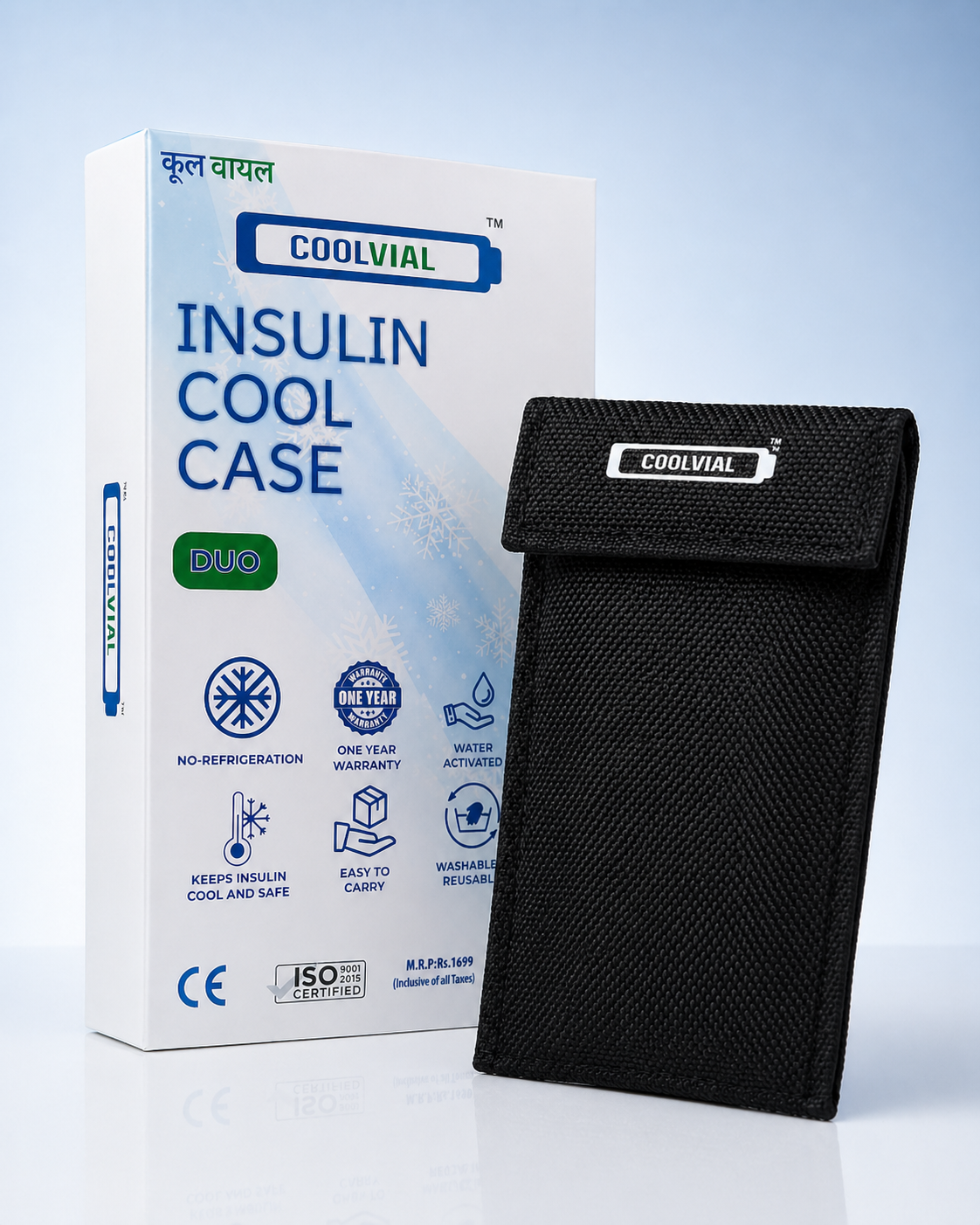
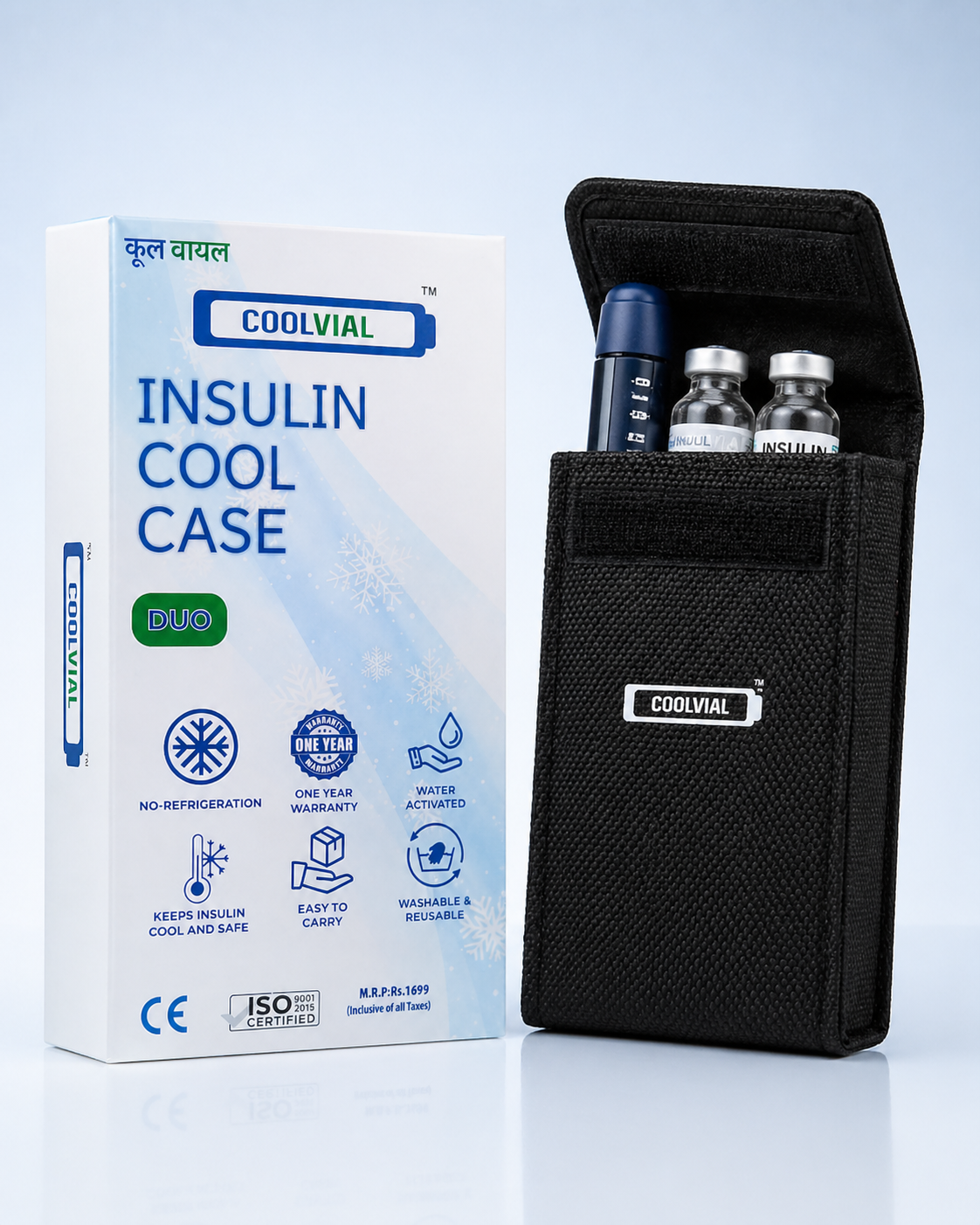
- COOLVIAL Duo: An evaporative cooling case like the COOLVIAL Duo is ideal for airport transit. It doesn’t rely on gel packs, only water, which simplifies security checks. Simply activate it with water before leaving home or in the airport washroom. It holds 2 pens + 1 vial and keeps insulin cool for 12-16 hours, making it perfect for your journey from Pune to any domestic destination.
-
Pre-Paid Taxi Wait Times: Upon arrival at Pune Airport (PNQ) - Lohegaon, especially during peak hours, pre-paid taxi wait queues can extend up to 45 minutes. If your journey involves multiple transfers or delays, ensure your insulin is in a reliable cooling case. This reinforces why putting insulin in checked luggage, where it could be exposed to heat or cold for extended periods, is a definite no-no.
3. Essential Tips for Train Travel from Pune Junction & Shivajinagar
Train journeys from Pune Junction (PUNE) or Shivajinagar Railway Station offer a scenic way to travel, but they come with their own set of challenges for insulin storage. Thousands of passengers depart daily from these stations (Source: Indian Railways, [Verify in 2026]), and managing your medication requires foresight.
- Myth Busting: Pantry Car Fridges are Unreliable: A common misconception is that you can rely on the pantry car fridge to store your insulin. This is a myth. Pantry car refrigerators are often not maintained at optimal temperatures, may be overcrowded, or simply inaccessible to passengers. NEVER hand over your insulin pens or vials to the Ticket Collector (TTE) or pantry staff for storage. You risk misplacement, damage, or improper temperature control.
- Your Own Evaporative Cooler is Key: For train travel, an evaporative cooling case is your most reliable companion. The COOLVIAL Duo, for instance, can be activated with plain water and provides 12-16 hours of cooling, perfect for even long-haul overnight journeys from Pune.
- Packing for Comfort and Access:
- Keep Insulin Accessible: Store your insulin case in your personal bag, not in overhead luggage, so it’s easy to reach for doses.
- Protect from Direct Sunlight: Even inside a train, window seats can expose your bag to direct sunlight, especially on a journey through the Deccan Plateau. Keep your cooling case shaded.
- Avoid AC Vents: While less common for freezing, direct, continuous blast from AC vents could potentially cool items more than intended. Keep your case slightly away from direct airflow.
- Planning for Longer Journeys: If your train journey extends beyond 16 hours, consider carrying a small, sealed water bottle to re-activate your COOLVIAL Duo. The evaporative process is simple: just re-soak the inner pouch in water for a few minutes.
10 Essential Tips for Travelling From Pune With Insulin: Airport, Station & Taxi Guide
COOLVIAL keeps insulin safe in India's heat. 48+ hours, no electricity needed.
4. Mastering Road Trips from Pune to Lonavala, Khandala & Mahabaleshwar
Pune is a gateway to popular hill stations like Lonavala, Khandala, and Mahabaleshwar. These road trips are common, but the variable conditions of car travel and pit stops require careful insulin management.
- Taxi AC Reliability: A Real Concern: When booking a taxi for a road trip, especially older models, the air conditioning (AC) system might not be consistently reliable, particularly during the hot summer months. Always confirm the AC functionality beforehand. Even with AC, the car interior can get warm quickly if the vehicle is parked.
- NEVER Park Insulin in a Hot Car: This is perhaps the biggest risk for insulin on a road trip. Even a few minutes in a car parked under the Pune sun can raise the internal temperature to over 50°C, destroying insulin rapidly. Always take your insulin cooling case with you when you leave the vehicle, even for a quick snack or restroom break.
- Dhaba Pit-Stop Fridge Access: While dhabas (roadside eateries) might have refrigerators, relying on them for insulin storage is not advisable. Their fridges are typically for food and beverages and may not maintain the consistent 2-8°C required for unopened insulin. Moreover, the risk of misplacement or confusion is high. Stick to your personal evaporative cooler.
- Why COOLVIAL Duo Excels for Road Trips:
- Independence from Electricity: The COOLVIAL Duo needs no electricity, making it perfect for long drives, power cuts at dhabas, or when your car’s AC falters.
- Protection from Fluctuations: It maintains a steady, safe temperature for 12-16 hours, shielding your insulin from the external heat of a car cabin or the occasional warmth of a pit stop.
- Compact and Convenient: Its design to hold 2 pens + 1 vial is practical for a typical road trip, fitting easily into a day bag.
- Comparing with Alternatives: While other brands like FRIO (often around Rs 1,900) offer similar evaporative cooling, COOLVIAL Duo provides comparable performance and certified reliability (CE certified, ISO 9001:2015) at a more accessible price point of Rs 1,099 with code COOLHEAL. Cheaper insulated pouches like Outer Woods OW-12 (around Rs 999) might offer some insulation but lack the active cooling mechanism of evaporative cases, making them less suitable for extended exposure to Pune’s higher temperatures.
5. Dealing with App-Cabs: Ola, Uber & Rapido Realities
Daily commutes and short-distance travel within Pune, or to transport hubs, often involve app-cabs like Ola and Uber, or even Rapido bike-taxis. While convenient, they pose specific environmental risks for insulin. For more general daily commute tips within Pune, refer to our article: Daily Commute With Insulin in Pune — Tips for Metro, Bus & Auto.
- Ola/Uber Drivers Refusing AC: It’s an unfortunate reality in many Indian cities, including Pune, that some app-cab drivers may refuse to turn on the AC to save fuel, especially for short trips. This can quickly expose your insulin to high temperatures, particularly during peak summer or afternoon hours.
- Rapido Bike-Taxi Exposure: Using Rapido bike-taxis for quick commutes can be risky for insulin. The medication would be exposed directly to ambient air, dust, and potentially direct sunlight, which can be detrimental. While convenient for personal travel, it is not recommended for transporting insulin unless it is securely stored in a well-protected, insulated, or evaporative cooling case.
- Strategies for App-Cabs:
- Prioritize AC: When booking, explicitly request AC if the option is available. If a driver refuses, politely ask them to turn it on, explaining it’s for medical reasons. If they still refuse, consider cancelling and rebooking.
- Use Your Cooling Case: Always carry your insulin in an evaporative cooling case like the COOLVIAL Duo, even for short rides. This mitigates the risk of exposure to a hot cabin or direct sun.
- Keep it Inside Your Bag: Avoid placing your insulin case directly on a hot seat or dashboard. Keep it in your personal bag, away from direct sunlight through the window.
6. Cooling Solutions: Why Evaporative Cases are Your Best Bet
When it comes to portable insulin storage for travel, especially in a climate like Pune’s, evaporative cooling cases stand out as the superior solution.
- How Evaporative Cooling Works: These cases contain a special crystal-filled pouch that, when soaked in water, absorbs and holds the water. The slow evaporation of this water from the pouch draws heat away from the insulin stored inside, creating a consistently cool environment. This process maintains the insulin within the safe temperature range of 18-26°C, even if the ambient temperature is much higher.
- Advantages over Alternatives:
- No Ice Packs: Unlike gel or ice packs, which can freeze insulin if in direct contact and require refrigeration to re-cool, evaporative cases only need water.
- No Electricity: They are entirely independent of power sources, making them ideal for remote areas, long transit times, or unexpected power cuts.
- Consistent Temperature: They provide stable cooling without the risk of freezing, which is a major concern with ice packs.
- Lightweight and Reusable: They are compact, easy to carry, and can be reused for years, simply by re-activating with water.
- COOLVIAL Duo: Your Travel Companion:
- The COOLVIAL Duo is specifically designed for Indian travel conditions. It can hold 2 insulin pens and 1 insulin vial, offering 12-16 hours of cooling.
- It is CE certified and ISO 9001:2015 compliant, ensuring quality and reliability.
- At Rs 1,099 with code COOLHEAL (MRP Rs 1,699), it offers excellent value compared to other brands like FRIO (often retailing for Rs 1,900+).
- Manufactured in India, it comes with a 1-year warranty, providing peace of mind for your journeys.
7. International Travel from Pune Airport (PNQ) with Insulin
For those embarking on international journeys from Pune Airport (PNQ) - Lohegaon, the complexities of insulin management increase due to customs, time zones, and varying regulations.
- Customs and Security:
- Doctor’s Letter (Mandatory): For international travel, a detailed doctor’s letter, preferably in English, is absolutely essential. It should clearly state your diagnosis, the type of insulin you use, the dosage, and that you need to carry insulin pens, needles, and monitoring equipment. This will help you navigate security and customs in foreign countries.
- Original Packaging: Keep insulin in its original pharmacy-labeled packaging to avoid suspicion.
- Declaration: Be prepared to declare your medical supplies to customs officials if asked.
- Time-Zone Dosing Adjustments:
- Consult Your Doctor: Before any international trip, consult your endocrinologist or diabetologist at reputed Pune hospitals like Jehangir Hospital (Sassoon Road) or Ruby Hall Clinic. They will provide a specific plan for adjusting your insulin dosage based on time zone changes to prevent hypo or hyperglycemia.
- “Land-and-Adjust” vs. “Pre-Adjust”: Depending on the duration of the flight and the number of time zones crossed, your doctor might advise a gradual adjustment of doses while en route or a more immediate adjustment upon arrival.
- Packing Extra Supplies: Always pack double the amount of insulin and supplies you think you’ll need, split between two separate carry-on bags. This safeguards against loss, damage, or unexpected delays.
- Evaporative Cooling for Long Hauls: For long international flights, the 12-16 hour cooling duration of a COOLVIAL Duo is invaluable. You can easily re-activate it in airport restrooms during layovers.
8. Emergency Preparedness and Local Resources in Pune
Even with the best planning, emergencies can arise. Knowing your local resources in Pune is crucial for diabetes management.
- Emergency Contact List: Keep a list of emergency contacts, including your diabetologist, family members, and local emergency services (e.g., 112 for police/ambulance).
- Local Pharmacies for Refills: If you need a refill before your trip, Pune has a robust network of pharmacies.
- Apollo Pharmacy: Widely available across neighborhoods like Aundh, Kharadi, Kothrud.
- Wellness Forever: A popular chain in Pune, found in areas like Baner and Koregaon Park.
- MedPlus, Noble Plus, Pristine: Other reliable options for medication.
- Always carry a valid prescription, especially for insulin.
- Hospitals for Medical Emergencies: Familiarize yourself with major hospitals in Pune that have endocrinology departments:
- Ruby Hall Clinic (Sassoon Road): Known for comprehensive care.
- Deenanath Mangeshkar Hospital (Erandwane): A large, multi-speciality hospital.
- Jehangir Hospital (Sassoon Road): Another well-regarded option in the city center.
- Medical ID: Wear a medical ID bracelet or carry an ID card stating you have diabetes and use insulin. This is critical in case of an emergency where you might be unable to communicate.
- Blood Glucose Monitoring Supplies: Always carry extra testing strips, lancets, and a glucometer. Frequent monitoring is vital when travel schedules and routines are disrupted.
10 Essential Tips for Travelling From Pune With Insulin: Airport, Station & Taxi Guide
Insulin at 2-8°C for 48+ hours. Trusted by 10,000+ Indian diabetics.
9. Common Mistakes to Avoid When Travelling with Insulin
Avoiding these common pitfalls can save you significant stress and ensure your insulin remains effective:
- Storing Insulin in Checked Luggage: As emphasized, the cargo hold’s temperature extremes will destroy insulin.
- Relying Solely on Hotel Fridges: Hotel mini-fridges are often unreliable, with inconsistent temperatures that can be too cold (freezing) or not cold enough. If you must use one, check the temperature with a fridge thermometer first.
- Leaving Insulin in a Parked Vehicle: Even for a short time, a car’s interior can become a furnace, especially in Pune’s sun.
- Forgetting a Doctor’s Letter: While sometimes you might get away without it, having one is a crucial safeguard, particularly for air travel or if you encounter any medical queries.
- Not Packing Enough Supplies: Unexpected delays (e.g., flight cancellations from Pune Airport due to monsoon weather) can leave you stranded without access to pharmacies. Always carry extra.
- Ignoring Time Zone Changes: For international travel, failing to adjust your dosing schedule can lead to serious complications.
- Using Expired or Compromised Insulin: Always check expiry dates and visually inspect your insulin before use. If it looks cloudy (unless it’s NPH insulin), has particles, or has been exposed to extreme temperatures, discard it.
By being mindful of these points, you can significantly reduce risks and enjoy a smoother, healthier travel experience.
10. FAQs About Travelling with Insulin from Pune
Q: Can I carry insulin pens in my hand luggage at Pune Airport (PNQ)? A: Yes, you can and should always carry insulin pens and vials in your hand luggage when flying from Pune Airport (PNQ) - Lohegaon. Do not place them in checked baggage due to extreme temperature fluctuations in the cargo hold.
Q: Is a doctor’s letter necessary for domestic travel with insulin in India? A: While not strictly mandatory for domestic travel, a doctor’s letter is highly recommended as it can significantly smooth your passage through security checkpoints (CISF) at Pune Airport (PNQ) or train stations, especially if you carry gel packs or multiple supplies.
Q: How do I keep insulin cool during a long train journey from Pune Junction? A: The most reliable method for keeping insulin cool during a long train journey from Pune Junction is to use an evaporative cooling case like the COOLVIAL Duo, which maintains a safe temperature for 12-16 hours without electricity or refrigeration.
Q: What is the risk of keeping insulin in a car during a road trip from Pune to Mahabaleshwar? A: The risk of keeping insulin in a car during a road trip from Pune to Mahabaleshwar is high, as the interior temperature of a parked car can rapidly exceed 50°C, rendering insulin ineffective within minutes. Always take your insulin cooling case with you when you leave the vehicle.
Q: Can I rely on restaurant fridges at dhabas during a road trip for insulin storage? A: No, it is not advisable to rely on restaurant fridges at dhabas for insulin storage during a road trip, as their temperatures may not be consistently optimal for insulin, and there is a risk of misplacement.
Q: How does COOLVIAL Duo compare to other cooling cases like FRIO or Outer Woods? A: COOLVIAL Duo offers comparable evaporative cooling performance to FRIO (which is often more expensive at Rs 1,900+), keeping insulin safe for 12-16 hours without electricity, and is CE certified. Unlike basic insulated pouches like Outer Woods OW-12 (around Rs 999), COOLVIAL Duo provides active cooling.
Q: Should I adjust my insulin dosage for time zone changes during international travel from Pune? A: Yes, you should always consult your endocrinologist or diabetologist before international travel to get a specific plan for adjusting your insulin dosage due to time zone changes, which is crucial for maintaining blood sugar control.
Conclusion
Travelling from Pune with insulin doesn’t have to be a source of anxiety. By understanding the unique challenges presented by Pune’s climate and transportation options, and by adopting smart storage solutions, you can ensure your medication remains safe and effective. Whether you’re navigating the security checks at Pune Airport (PNQ), embarking on a train journey from Pune Junction, or enjoying a road trip to the scenic Western Ghats, preparedness is your best ally.
Investing in a reliable, portable cooling solution like the COOLVIAL Duo provides the peace of mind you need. Its ability to keep insulin cool for 12-16 hours without electricity, its compact design for 2 pens + 1 vial, and its robust certifications make it an indispensable travel companion. Don’t let temperature concerns limit your adventures.
Order your COOLVIAL Duo today at Rs 1,099 with code COOLHEAL at coolvial.com or via WhatsApp wa.me/918766952300 and travel with confidence.
Medical Disclaimer: This article is for general information. Always consult your endocrinologist or diabetologist before changing insulin storage or dosing practices.
How We Researched This: This guide is based on current RSSDI (Research Society for the Study of Diabetes in India) guidelines for diabetes management, insights from ICMR-INDIAB data on diabetes prevalence in urban Indian populations (like Pune), publicly available local Pune hospital directories (Ruby Hall Clinic, Deenanath Mangeshkar Hospital, Jehangir Hospital), and common pharmacy network information (Apollo Pharmacy, Wellness Forever). Specific local transport conditions and challenges are derived from an understanding of Pune’s infrastructure and climate.