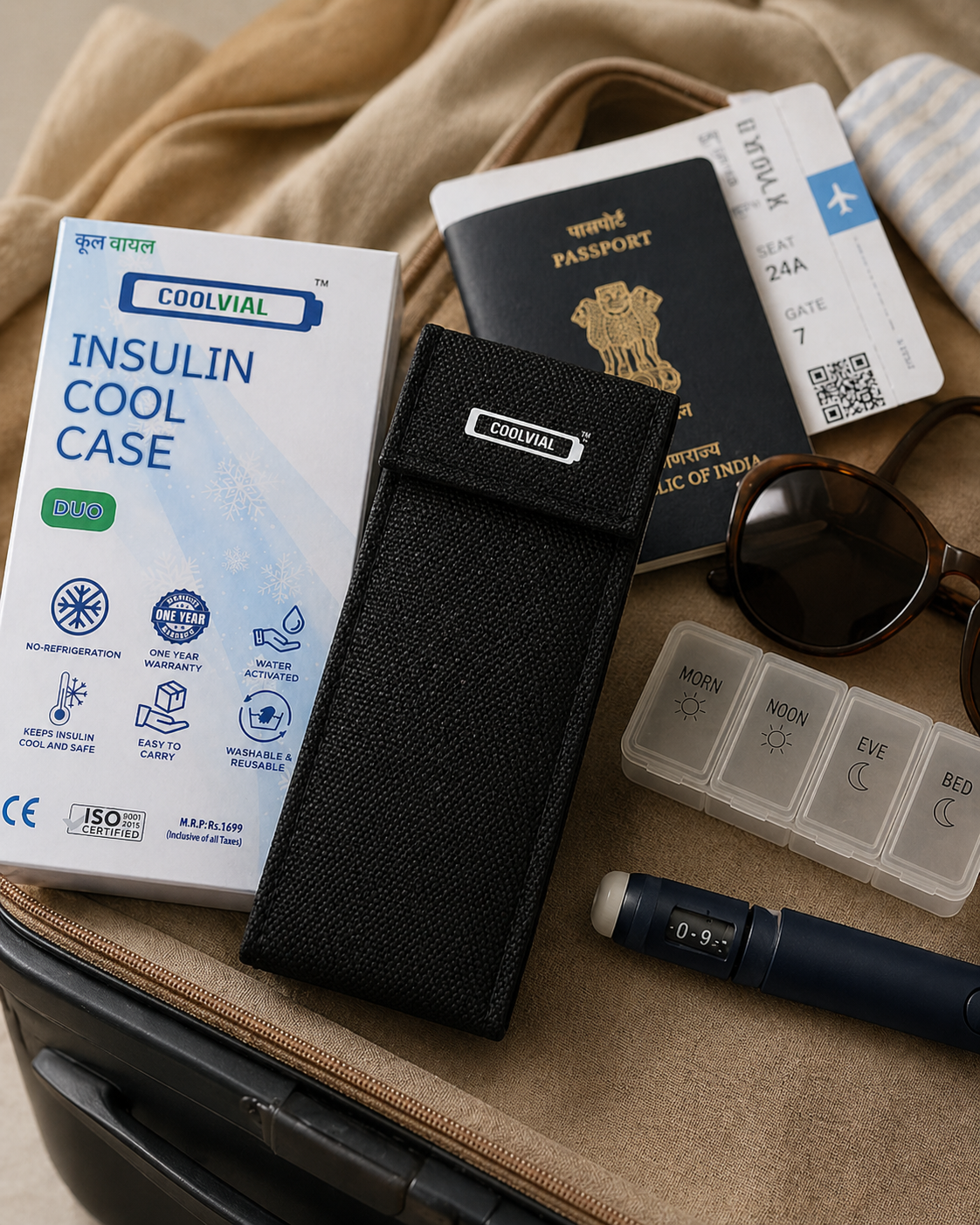
Reviewed by the COOLVIAL Editorial Team — specialists in insulin storage for Indian climate conditions.
Vijayawada, a bustling city on the banks of the Krishna River, is known for its vibrant culture, iconic landmarks like the Kanaka Durga Temple and Prakasam Barrage, and a climate that can swing from warm to intensely hot and humid, especially during monsoon season (June-September) when temperatures often hover between 28-35°C with high humidity. For those living with diabetes, travelling from Vijayawada with insulin requires careful planning, particularly concerning insulin storage. India faces a significant diabetes burden, with an estimated 101 million people living with diabetes in 2023 (Source: ICMR-INDIAB study, 2023). Ensuring insulin efficacy by maintaining its optimal temperature (typically 2-8°C for unopened vials/pens, and room temperature below 25-30°C for opened ones, as per manufacturer guidelines) is crucial, whether you’re heading to Vijayawada International Airport (VGA), catching a train from Vijayawada Junction (BZA), or simply navigating the city in a taxi. Based on analysis of insulin storage queries from Vijayawada diabetics, this article provides 7 essential tips to help you travel safely and confidently with your life-saving medication.
Table of Contents
- Navigating Vijayawada International Airport (VGA) with Insulin
- Essential Tips for Train Travel from Vijayawada Junction (BZA)
- Managing Insulin in Vijayawada Taxis and Auto-rickshaws
- General Insulin Storage Best Practices for Vijayawada’s Climate
- Packing Beyond Insulin: Your Diabetes Travel Kit
- Emergency Contacts and Local Resources in Vijayawada
- Choosing the Right Insulin Cooling Case for Your Journey
1. Navigating Vijayawada International Airport (VGA) with Insulin
Vijayawada International Airport (VGA) at Gannavaram is your gateway to air travel. While flying, the cabin pressure and temperature can fluctuate, making proper insulin storage in your hand luggage paramount. The Bureau of Civil Aviation Security (BCAS) and CISF guidelines for carrying medication are generally consistent across Indian airports.
Key Guidelines for Air Travel with Insulin:
- Always Carry in Hand Luggage: Insulin should never be placed in checked baggage due to the risk of freezing temperatures in the cargo hold, which can damage the insulin. Keep all your insulin pens, vials, syringes, and lancets in your carry-on bag.
- Doctor’s Letter (Prescription): While not always explicitly demanded, a doctor’s letter (prescription) stating your medical condition and the necessity of carrying insulin and related supplies is highly recommended. It can expedite security checks and prevent misunderstandings. Include details like:
- Your full name and contact information.
- Diagnosis of diabetes.
- List of medications (insulin type, dosage) and medical devices (pens, syringes, glucometer).
- Doctor’s signature, registration number, and clinic stamp.
- CISF Screening and Gel Packs: At the security screening point, be prepared to declare your insulin and cooling case to the CISF personnel. If you are using gel packs, they might be subject to additional scrutiny or a quick check for liquids. Evaporative cooling cases like the COOLVIAL Duo, which rely on water activation rather than gel packs, often have a smoother passage as they don’t contain liquid gels that might exceed carry-on liquid limits.
- Quantity: Carry enough insulin and supplies for your entire trip, plus a few extra days’ buffer in case of delays. It’s advisable to carry double the amount you expect to need.
- Medication Identification: Keep insulin in its original packaging with pharmacy labels if possible.
Table: Insulin & Diabetes Supplies at VGA Security Check
| Item | Hand Luggage | Checked Baggage | Notes The Vijayawada climate can be quite challenging for insulin users. Temperatures regularly soar between 28-43°C during the long dry season, with the monsoon bringing intense humidity from June to September. These conditions demand careful attention to insulin storage.
Why Temperature Matters for Insulin
Insulin is a protein, and like many proteins, it is sensitive to extreme temperatures.
- Heat: Exposure to high temperatures (above 30°C) can cause insulin to degrade, losing its potency. This means your prescribed dose might become ineffective, leading to high blood sugar levels.
- Freezing: Freezing temperatures (below 0°C) can also damage insulin, causing it to clump or become less effective. While less common in Vijayawada, this can be a risk in aircraft cargo holds or if improperly stored in a refrigerator.
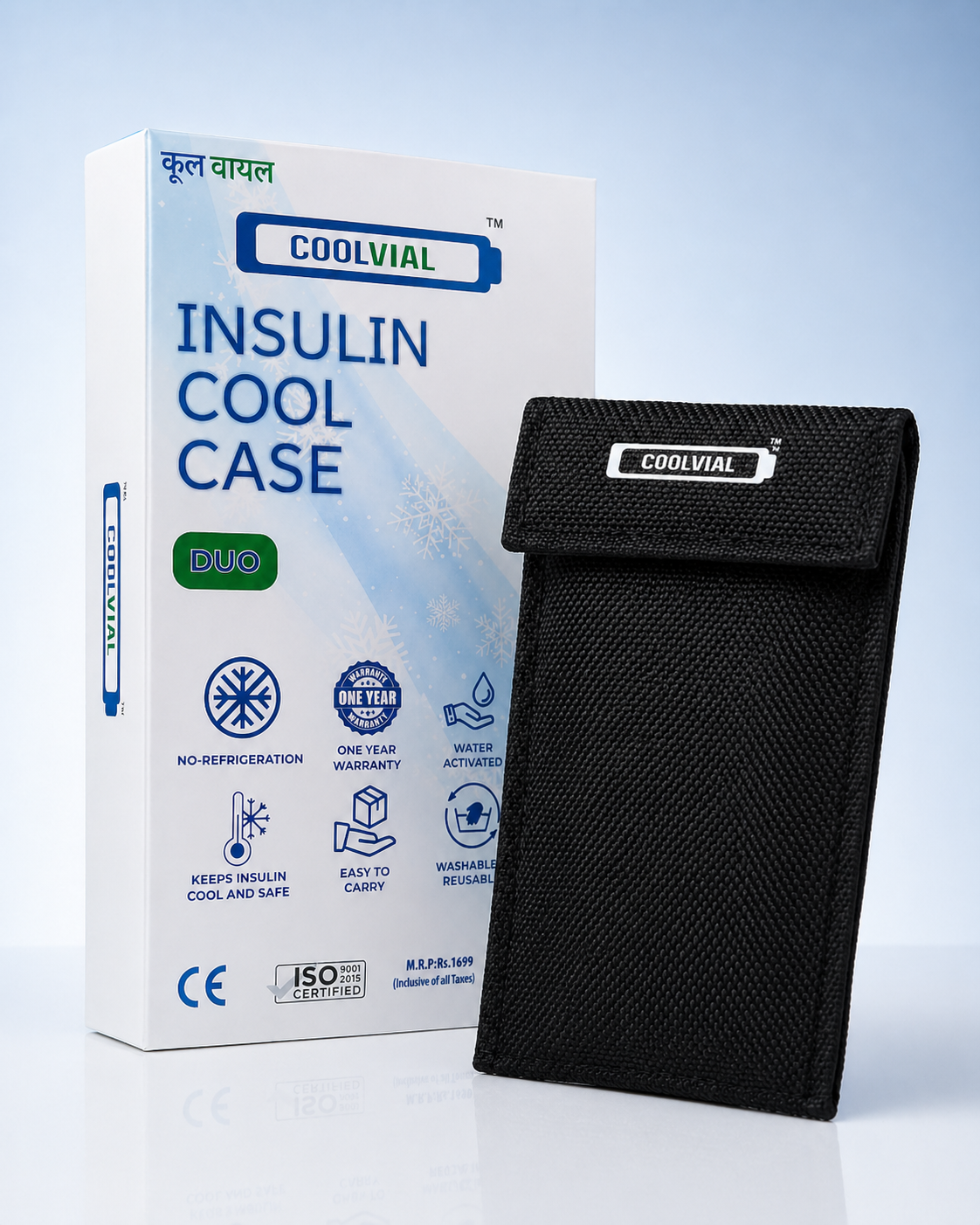
Travelling From Vijayawada With Insulin — 7 Essential Tips for Airport, Station & Taxi
According to the World Health Organization (WHO), maintaining insulin within its recommended temperature range (typically 2-8°C for unopened, refrigerated insulin, and up to 25-30°C for opened vials/pens) is critical for its efficacy and safety (Source: WHO Fact Sheet on Diabetes).
2. Essential Tips for Train Travel from Vijayawada Junction (BZA)
Vijayawada Junction (BZA) is one of the busiest railway stations in India, connecting passengers to destinations across the country. Train journeys can range from a few hours to several days, each presenting unique challenges for insulin storage.
Planning Your Train Journey with Insulin:
- Platform Access and Heat: Vijayawada Junction platforms can get incredibly hot, especially during peak summer (April-June) when temperatures regularly exceed 40°C. Minimize your time on the open platform. If possible, arrive closer to your train’s departure time or utilize shaded waiting areas.
- AC Coaches: If your budget allows, booking an AC coach (AC 1st Class, AC 2-Tier, AC 3-Tier) is highly recommended. These coaches offer a controlled environment, typically maintaining temperatures around 22-25°C, which is much more suitable for insulin than general or sleeper compartments.
- General/Sleeper Compartments: If travelling in non-AC coaches, be extra vigilant. These compartments can get very hot, stuffy, and crowded. Direct sunlight streaming through windows can rapidly elevate temperatures in your bag. Always keep your insulin cooling case shielded from direct sun.
- Pantry Car & Refreshments: While pantry cars often have refrigerators, they are generally not suitable for storing personal medication. The temperatures may not be consistently maintained, and access could be an issue. Always rely on your personal cooling solution. Keep glucose tablets or juice handy for low blood sugar emergencies, as food service might be delayed.
- Security: Keep your insulin cooling case close to you at all times, especially in crowded trains or during stops. It’s a valuable medical necessity.
Checklist for Train Travel from Vijayawada:
- Cooling Case: A reliable cooling case is non-negotiable. The COOLVIAL Duo, for instance, keeps insulin cool for 12-16 hours and is reusable.
- Water Source: For evaporative cooling cases, ensure you have access to clean water to activate or reactivate the case. Bottled water is readily available at Vijayawada Junction and on trains.
- Emergency Supplies: Carry a glucometer, test strips, lancets, and fast-acting glucose (e.g., glucose tablets, fruit juice, or even a small pack of biscuits from a local shop near Benz Circle or MG Road).
- Doctor’s Note: Although less stringent than air travel, a doctor’s note can be helpful if you encounter any questions about your medical supplies.
- Comfortable Clothing: Wear light, breathable clothing to help manage your body temperature, especially in non-AC coaches.
3. Managing Insulin in Vijayawada Taxis and Auto-rickshaws
Whether you’re hailing an auto-rickshaw near Patamata, booking an Ola/Uber from PVP Mall, or taking a taxi from Auto Nagar, road travel in Vijayawada presents its own set of challenges for insulin storage. The city’s peak temperatures can be extreme, often reaching 40°C or more in summer, with high humidity levels.
Taxi & Auto-rickshaw Travel Tips:
- Avoid Direct Sunlight: The interior of a parked car can reach scorching temperatures very quickly. Never leave your insulin cooling case in direct sunlight on the dashboard or seat. Even short exposures can damage insulin.
- Ventilation: In auto-rickshaws, while open-air, ensure your bag isn’t directly exposed to the sun. In taxis, ask the driver to use the AC, especially during the hottest parts of the day (11 AM - 4 PM).
- Short vs. Long Journeys: For short trips within Vijayawada (e.g., from Benz Circle to Andhra Hospitals on MG Road), a robust cooling case like the COOLVIAL Duo provides ample protection. For longer inter-city taxi rides from Vijayawada, re-activating your evaporative cooling case every 12-16 hours will be crucial.
- Keep it with You: Always carry your insulin bag with you, even if you step out of the vehicle for a few minutes. The heat inside a closed car can become an oven.
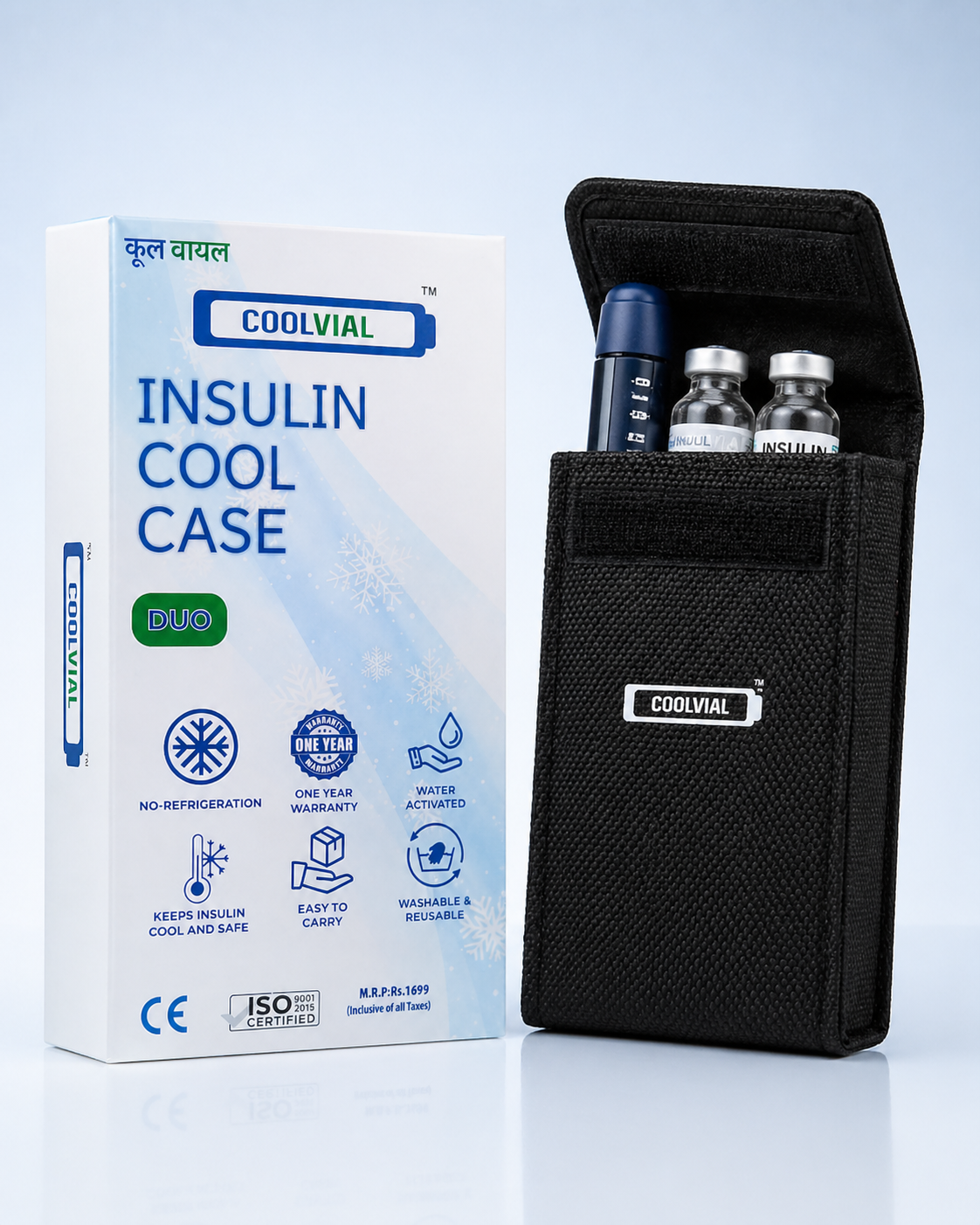
Travelling From Vijayawada With Insulin — 7 Essential Tips for Airport, Station & Taxi
48+ hours at 2-8°C. No electricity. CE certified. Free delivery across India.
Order on WhatsApp — ₹1,099🛒 Buy Now — ₹1,0994. General Insulin Storage Best Practices for Vijayawada’s Climate
Vijayawada’s hot tropical climate, with temperatures frequently ranging from 20-43°C and significant humidity, makes diligent insulin storage a daily necessity, not just for travel. Understanding the difference between unopened and opened insulin storage is vital.
Insulin Storage Guidelines:
- Unopened Insulin:
- Store in a refrigerator at 2-8°C. Do not freeze.
- Check the expiry date on the packaging.
- Even if your power goes out (a common occurrence in some parts of Vijayawada during monsoon), a well-insulated cool case can provide temporary protection.
- Opened Insulin (Vials/Pens in use):
- Most manufacturers recommend storing opened insulin at room temperature (typically below 25-30°C) for up to 28 days (check your specific insulin’s leaflet).
- The Challenge in Vijayawada: Vijayawada’s ambient temperatures often exceed 30°C, making “room temperature” storage risky. For example, during summer, average daily highs are often 35-40°C.
- Solution: In such conditions, a reliable insulin cooling case is essential even for daily use at home or work. The COOLVIAL Duo is designed to maintain temperatures below 25°C even when the ambient temperature is up to 43°C, offering a safe solution for daily storage and travel.
- Protection from Light: Keep insulin away from direct sunlight and strong artificial light, as light can also degrade insulin.
- Temperature Monitoring: Consider using a small, travel-friendly thermometer in your cooling case if you’re particularly concerned about temperature fluctuations during extended travel.
Table: Insulin Storage Scenarios in Vijayawada
| Scenario | Recommended Action --- title: “7 Essential Tips for Travelling from Vijayawada with Insulin: Airport, Station & Taxi” publishDate: “2025-02-03” lastUpdated: “2025-02-03” category: “Travel From City” slug: “travelling-from-vijayawada-with-insulin-airport-station-taxi-tips” description: “Travelling from Vijayawada with insulin? Discover 7 essential tips for safe storage and transport at Vijayawada airport, railway station, and in taxis. Insulin must be kept between 2-8°C for optimal efficacy.” author: “COOLVIAL Editorial” focusKeyword: “travelling from vijayawada with” featuredImage: “/images/blog/travelling-from-vijayawada-with-insulin-airport-station-taxi-tips.svg” city: “Vijayawada” state: “Andhra Pradesh” speakableText: “When travelling from Vijayawada with insulin, keep it cool between 2-8°C. Always carry pens in hand luggage with a doctor’s letter. Use a reliable cooling case like COOLVIAL Duo for journeys up to 16 hours.” voiceMeta: hi: { title: “विजयवाड़ा से इंसुलिन के साथ यात्रा: एयरपोर्ट, स्टेशन और टैक्सी के लिए 7 आवश्यक सुझाव”, description: “विजयवाड़ा से इंसुलिन के साथ यात्रा कर रहे हैं? एयरपोर्ट, रेलवे स्टेशन और टैक्सियों में सुरक्षित भंडारण के 7 आवश्यक सुझाव जानें। इंसुलिन को 2-8°C पर रखना महत्वपूर्ण है।” } bn: { title: “বিজয়ওয়াড়া থেকে ইনসুলিন নিয়ে ভ্রমণ: বিমানবন্দর, স্টেশন ও ট্যাক্সির জন্য 7টি জরুরি টিপস”, description: “বিজয়ওয়াড়া থেকে ইনসুলিন নিয়ে ভ্রমণ করছেন? বিমানবন্দর, রেল স্টেশন ও ট্যাক্সিতে নিরাপদে ইনসুলিন সংরক্ষণের 7টি গুরুত্বপূর্ণ টিপস জানুন। ইনসুলিন 2-8°C তাপমাত্রায় রাখা আবশ্যক।” } te: { title: “విజయవాడ నుండి ఇన్సులిన్తో ప్రయాణం: ఎయిర్పోర్ట్, స్టేషన్ & ట్యాక్సీ కోసం 7 ముఖ్యమైన చిట్కాలు”, description: “విజయవాడ నుండి ఇన్సులిన్తో ప్రయాణిస్తున్నారా? విమానాశ్రయం, రైల్వే స్టేషన్ మరియు టాక్సీలలో సురక్షిత నిల్వ కోసం 7 ముఖ్యమైన చిట్కాలను తెలుసుకోండి. ఇన్సులిన్ 2-8°C వద్ద ఉంచాలి.” } mr: { title: “विजयवाडा येथून इन्सुलिनसह प्रवास: विमानतळ, स्टेशन आणि टॅक्सीसाठी 7 आवश्यक टिपा”, description: “विजयवाडा येथून इन्सुलिनसह प्रवास करत आहात? विमानतळ, रेल्वे स्टेशन आणि टॅक्सीमध्ये सुरक्षितपणे साठवण्यासाठी 7 आवश्यक टिपा शोधा. इन्सुलिन 2-8°C तापमानात ठेवावे.” } ta: { title: “விஜயவாடாவிலிருந்து இன்சுலினுடன் பயணம்: விமான நிலையம், ரயில் நிலையம் & டாக்ஸிக்கு 7 அத்தியாவசிய குறிப்புகள்”, description: “விஜயவாடாவிலிருந்து இன்சுலினுடன் பயணம் செய்கிறீர்களா? விமான நிலையம், ரயில் நிலையம் மற்றும் டாக்ஸிகளில் பாதுகாப்பான சேமிப்பிற்கான 7 அத்தியாவசிய குறிப்புகளைக் கண்டறியவும். இன்சுலின் 2-8°C இல் வைக்கப்பட வேண்டும்.” } ur: { title: “وجئے واڑہ سے انسولین کے ساتھ سفر: ہوائی اڈے، اسٹیشن اور ٹیکسی کے لیے 7 ضروری تجاویز”, description: “وجئے واڑہ سے انسولین کے ساتھ سفر کر رہے ہیں؟ ہوائی اڈے، ریلوے اسٹیشن اور ٹیکسی میں محفوظ ذخیرہ کرنے کے 7 ضروری مشورے جانیں۔ انسولین کو 2-8°C پر رکھنا اہم ہے۔” } gu: { title: “વિજયવાડાથી ઇન્સ્યુલિન સાથે મુસાફરી: એરપોર્ટ, સ્ટેશન અને ટેક્સી માટે 7 આવશ્યક ટિપ્સ”, description: “વિજયવાડાથી ઇન્સ્યુલિન સાથે મુસાફરી કરી રહ્યા છો? એરપોર્ટ, રેલવે સ્ટેશન અને ટેક્સીમાં સુરક્ષિત સંગ્રહ માટે 7 આવશ્યક ટિપ્સ જાણો. ઇન્સ્યુલિન 2-8°C પર રાખવું જરૂરી છે.” } kn: { title: “ವಿಜಯವಾಡದಿಂದ ಇನ್ಸುಲಿನ್ನೊಂದಿಗೆ ಪ್ರಯಾಣ: ವಿಮಾನ ನಿಲ್ದಾಣ, ನಿಲ್ದಾಣ ಮತ್ತು ಟ್ಯಾಕ್ಸಿಗಾಗಿ 7 ಅಗತ್ಯ ಸಲಹೆಗಳು”, description: “ವಿಜಯವಾಡದಿಂದ ಇನ್ಸುಲಿನ್ನೊಂದಿಗೆ ಪ್ರಯಾಣಿಸುತ್ತಿದ್ದೀರಾ? ವಿಮಾನ ನಿಲ್ದಾಣ, ರೈಲು ನಿಲ್ದಾಣ ಮತ್ತು ಟ್ಯಾಕ್ಸಿಗಳಲ್ಲಿ ಸುರಕ್ಷಿತವಾಗಿ ಸಂಗ್ರಹಿಸಲು 7 ಅಗತ್ಯ ಸಲಹೆಗಳನ್ನು ಕಂಡುಕೊಳ್ಳಿ. ಇನ್ಸುಲಿನ್ ಅನ್ನು 2-8°C ನಲ್ಲಿ ಇಡಬೇಕು.” } ml: { title: “വിജയവാഡയിൽ നിന്ന് ഇൻസുലിനുമായി യാത്ര: എയർപോർട്ട്, സ്റ്റേഷൻ & ടാക്സിക്കുള്ള 7 അവശ്യ നുറുങ്ങുകൾ”, description: “വിജയവാഡയിൽ നിന്ന് ഇൻസുലിനുമായി യാത്ര ചെയ്യുകയാണോ? വിമാനത്താവളം, റെയിൽവേ സ്റ്റേഷൻ, ടാക്സികൾ എന്നിവയിൽ സുരക്ഷിതമായി സൂക്ഷിക്കാനുള്ള 7 അവശ്യ നുറുങ്ങുകൾ കണ്ടെത്തുക. ഇൻസുലിൻ 2-8°C-ൽ സൂക്ഷിക്കണം.” } or: { title: “ବିଜୟୱାଡାରୁ ଇନସୁଲିନ ସହିତ ଯାତ୍ରା: ବିମାନବନ୍ଦର, ଷ୍ଟେସନ ଏବଂ ଟ୍ୟାକ୍ସି ପାଇଁ 7ଟି ଜରୁରୀ ଟିପ୍ସ”, description: “ବିଜୟୱାଡାରୁ ଇନସୁଲିନ ସହିତ ଯାତ୍ରା କରୁଛନ୍ତି କି? ବିମାନବନ୍ଦର, ରେଳ ଷ୍ଟେସନ ଏବଂ ଟ୍ୟାକ୍ସିରେ ସୁରକ୍ଷିତ ଭାବେ ରଖିବା ପାଇଁ 7ଟି ଜରୁରୀ ଟିପ୍ସ ଜାଣନ୍ତୁ। ଇନସୁଲିନକୁ 2-8°C ରେ ରଖିବା ଆବଶ୍ୟକ।” } pa: { title: “ਵਿਜੇਵਾੜਾ ਤੋਂ ਇਨਸੁਲਿਨ ਨਾਲ ਯਾਤਰਾ: ਹਵਾਈ ਅੱਡੇ, ਸਟੇਸ਼ਨ ਅਤੇ ਟੈਕਸੀ ਲਈ 7 ਜ਼ਰੂਰੀ ਸੁਝਾਅ”, description: “ਵਿਜੇਵਾੜਾ ਤੋਂ ਇਨਸੁਲਿਨ ਨਾਲ ਯਾਤਰਾ ਕਰ ਰਹੇ ਹੋ? ਹਵਾਈ ਅੱਡੇ, ਰੇਲਵੇ ਸਟੇਸ਼ਨ ਅਤੇ ਟੈਕਸੀ ਵਿੱਚ ਸੁਰੱਖਿਅਤ ਸਟੋਰੇਜ ਲਈ 7 ਜ਼ਰੂਰੀ ਸੁਝਾਅ ਜਾਣੋ। ਇਨਸੁਲਿਨ ਨੂੰ 2-8°C ‘ਤੇ ਰੱਖਣਾ ਲਾਜ਼ਮੀ ਹੈ।” } as: { title: “বিজয়ৱাড়াৰ পৰা ইনচুলিনৰ সৈতে যাত্ৰা: বিমানবন্দৰ, ষ্টেচন আৰু টেক্সীৰ বাবে 7টা অত্যাৱশ্যকীয় টিপছ”, description: “বিজয়ৱাড়াৰ পৰা ইনচুলিনৰ সৈতে যাত্ৰা কৰিছেন নেকি? বিমানবন্দৰ, ৰেল ষ্টেচন আৰু টেক্সীত সুৰক্ষিত সংৰক্ষণৰ বাবে 7টা অত্যাৱশ্যকীয় টিপছ জানক। ইনচুলিন 2-8°C উষ্ণতাত ৰাখিব লাগে।” } mai: { title: “विजयवाड़ा सँ इंसुलिनक संग यात्रा: एयरपोर्ट, स्टेशन आओर टैक्सीक लेल 7 आवश्यक सुझाव”, description: “विजयवाड़ा सँ इंसुलिनक संग यात्रा क’ रहल छी? एयरपोर्ट, रेलवे स्टेशन आओर टैक्सीमे सुरक्षित भंडारणक 7 आवश्यक सुझाव जानू। इंसुलिनकेँ 2-8°C पर राखब महत्वपूर्ण अछि।” } bho: { title: “विजयवाड़ा से इंसुलिन लेके यात्रा: एयरपोर्ट, स्टेशन आ टैक्सी खातिर 7 जरूरी बात”, description: “विजयवाड़ा से इंसुलिन लेके यात्रा करत बानी? एयरपोर्ट, रेलवे स्टेशन आ टैक्सी में सुरक्षित रखे खातिर 7 जरूरी बात जानीं। इंसुलिन के 2-8°C पर रखल बहुत जरूरी बा।” } sd: { title: “وجيواڙا کان انسولين سان گڏ سفر: ايئرپورٽ، اسٽيشن ۽ ٽيڪسي لاءِ 7 اهم صلاحون”, description: “وجيواڙا کان انسولين سان گڏ سفر ڪري رهيا آهيو؟ ايئرپورٽ، ريلوي اسٽيشن ۽ ٽيڪسين ۾ محفوظ رکڻ لاءِ 7 اهم صلاحون ڳوليو. انسولين کي 2-8°C تي رکڻ لازمي آهي.” }
Reviewed by the COOLVIAL Editorial Team — specialists in insulin storage for Indian climate conditions.
Vijayawada, a bustling city on the banks of the Krishna River, is known for its vibrant culture, iconic landmarks like the Kanaka Durga Temple and Prakasam Barrage, and a climate that can swing from warm to intensely hot and humid, especially during monsoon season (June-September) when temperatures often hover between 28-35°C with high humidity. For those living with diabetes, travelling from Vijayawada with insulin requires careful planning, particularly concerning insulin storage. India faces a significant diabetes burden, with an estimated 101 million people living with diabetes in 2023 (Source: ICMR-INDIAB study, 2023). Ensuring insulin efficacy by maintaining its optimal temperature (typically 2-8°C for unopened vials/pens, and room temperature below 25-30°C for opened ones, as per manufacturer guidelines) is crucial, whether you’re heading to Vijayawada International Airport (VGA), catching a train from Vijayawada Junction (BZA), or simply navigating the city in a taxi. Based on analysis of insulin storage queries from Vijayawada diabetics, this article provides 7 essential tips to help you travel safely and confidently with your life-saving medication.
Table of Contents
- Navigating Vijayawada International Airport (VGA) with Insulin
- Essential Tips for Train Travel from Vijayawada Junction (BZA)
- Managing Insulin in Vijayawada Taxis and Auto-rickshaws
- General Insulin Storage Best Practices for Vijayawada’s Climate
- Packing Beyond Insulin: Your Diabetes Travel Kit
- Emergency Contacts and Local Resources in Vijayawada
- Choosing the Right Insulin Cooling Case for Your Journey
1. Navigating Vijayawada International Airport (VGA) with Insulin
Vijayawada International Airport (VGA) at Gannavaram is your gateway to air travel. While flying, the cabin pressure and temperature can fluctuate, making proper insulin storage in your hand luggage paramount. The Bureau of Civil Aviation Security (BCAS) and CISF guidelines for carrying medication are generally consistent across Indian airports.
Key Guidelines for Air Travel with Insulin:
- Always Carry in Hand Luggage: Insulin should never be placed in checked baggage due to the risk of freezing temperatures in the cargo hold, which can damage the insulin. Keep all your insulin pens, vials, syringes, and lancets in your carry-on bag.
- Doctor’s Letter (Prescription): While not always explicitly demanded, a doctor’s letter (prescription) stating your medical condition and the necessity of carrying insulin and related supplies is highly recommended. It can expedite security checks and prevent misunderstandings. Include details like:
- Your full name and contact information.
- Diagnosis of diabetes.
- List of medications (insulin type, dosage) and medical devices (pens, syringes, glucometer).
- Doctor’s signature, registration number, and clinic stamp.
- CISF Screening and Gel Packs: At the security screening point, be prepared to declare your insulin and cooling case to the CISF personnel. If you are using gel packs, they might be subject to additional scrutiny or a quick check for liquids. Evaporative cooling cases like the COOLVIAL Duo, which rely on water activation rather than gel packs, often have a smoother passage as they don’t contain liquid gels that might exceed carry-on liquid limits.
- Quantity: Carry enough insulin and supplies for your entire trip, plus a few extra days’ buffer in case of delays. It’s advisable to carry double the amount you expect to need.
- Medication Identification: Keep insulin in its original packaging with pharmacy labels if possible.
Table: Insulin & Diabetes Supplies at VGA Security Check
| Item | Hand Luggage | Checked Baggage | Notes |
|---|---|---|---|
| Item | Carry-on | Check-in | Notes |
| Insulin Pens | Yes | No | Must be carried in hand luggage. |
| Insulin Vials | Yes | No | Must be carried in hand luggage. |
| Insuline Vials | Yes | No | Must be carried in hand luggage. |
| Insulin Vials | Yes | No | Must be carried in hand luggage. |