
Reviewed by the COOLVIAL Editorial Team — specialists in insulin storage for Indian climate conditions.
For residents of Ahmedabad, the annual monsoon season, typically from July to September, brings much-needed relief from the scorching summer heat. However, it also ushers in a new set of challenges, particularly for individuals managing diabetes who rely on insulin. With average rainfall around 800mm and humidity levels often soaring to 80-95%, the Ahmedabad monsoon insulin storage becomes a critical concern. High humidity can severely compromise the efficacy and safety of insulin, leading to damaged pens, degraded vials, and even mould growth.
Based on analysis of insulin storage queries from Ahmedabad diabetics, it’s clear that many are unaware of the specific risks posed by the wet season. Insulin, a delicate protein, requires careful storage to maintain its therapeutic properties. Exposure to moisture, extreme temperatures, and light can render it ineffective, potentially leading to dangerous fluctuations in blood sugar levels. This article outlines 7 critical steps you can take to protect your insulin pens and vials from humidity damage, ensuring your diabetes management remains on track throughout Ahmedabad’s wet season.
Table of Contents
- Understanding Ahmedabad’s Monsoon Climate and Its Impact on Insulin
- The Insidious Threat: Humidity Damage to Insulin Pens, Vials, and Packaging
- Mould Risk: A Silent Danger in Ahmedabad Homes
- Navigating Waterlogging and Transport Disruptions for Pharmacy Access
- The Hidden Peril: Humid-Fridge-Air Contamination Risks
- Practical Solutions for Humidity Control in Ahmedabad
- Your Essential Ahmedabad Monsoon Insulin Prep Checklist
- Frequently Asked Questions (FAQ)
- Conclusion and Call to Action
- Medical Disclaimer
- Methodology Note
1. Understanding Ahmedabad’s Monsoon Climate and Its Impact on Insulin
Ahmedabad’s climate is characterized by three distinct seasons: a very hot and dry summer (April-June, with temperatures often between 25-43°C), a mild winter (December-February, 12-30°C), and a monsoon season (July-September). While the monsoon brings respite from the heat, it transforms the environment into a high-humidity zone, a significant challenge for insulin storage.
During these months, the air is laden with moisture, a stark contrast to the dry heat of summer. This elevated humidity is a primary antagonist for insulin, its pens, and packaging. According to the Indian Council of Medical Research (ICMR-INDIAB) study, the prevalence of diabetes in urban Gujarat is significant, underscoring the importance of robust insulin storage practices for a large population. (Source: ICMR-INDIAB Study Group)
Key Climate Factors During Ahmedabad Monsoon:
- Average Rainfall: Approximately 800mm annually, concentrated in Jul-Sep.
- Humidity Levels: Frequently range from 80% to 95%, especially during active rainfall periods.
- Temperature: While cooler than summer, temperatures can still fluctuate between 25°C and 35°C, making ambient storage risky.
This combination of high humidity and fluctuating temperatures creates an environment where insulin can quickly degrade. Insulin, once opened, should typically be stored at room temperature (below 30°C) for up to 28 days, away from direct heat and light. However, “room temperature” in Ahmedabad during monsoon is often above 30°C and incredibly humid, making conventional storage methods unreliable. For comprehensive guidance on managing insulin in varying temperatures, refer to our How to Store Insulin in Ahmedabad Summer Heat — A Local’s Guide.
2. The Insidious Threat: Humidity Damage to Insulin Pens, Vials, and Packaging
The high humidity of the Ahmedabad monsoon insulin storage poses multiple threats, not just to the insulin itself but also to its delivery systems and packaging. These seemingly minor issues can have major implications for effective diabetes management.
- Insulin Degradation: Insulin is a protein. High humidity, combined with temperature fluctuations, can accelerate the degradation of this protein, reducing its potency. This means a dose that once effectively lowered blood sugar might become less effective, leading to hyperglycemia (high blood sugar).
- Pen and Vial Damage: Insulin pens contain delicate electronic components and mechanisms. Moisture can seep into these parts, causing malfunctions.
- Electronic Pens: Digital displays might fog up, buttons could stick, or the dose mechanism might fail.
- Plastic/Rubber Components: Seals on vials and pens can degrade, leading to leaks or increased exposure to air, further compromising insulin.
- Needle Corrosion: While less common for short-term use, prolonged exposure to high humidity can lead to microscopic corrosion on needles, potentially causing discomfort or affecting delivery.
- Cardboard Packaging Deterioration: Most insulin pens and vials come in cardboard boxes.
- Structural Weakness: High moisture turns cardboard soggy, making it prone to tearing and crushing. This can compromise the physical protection of the insulin inside.
- Legibility Issues: Labels and crucial information (expiry dates, dosage instructions) on damp packaging can become smudged or unreadable, leading to medication errors.
- Hygiene Risk: Damp cardboard is a breeding ground for bacteria and mould, which can then transfer to your hands and potentially to the insulin pen itself.
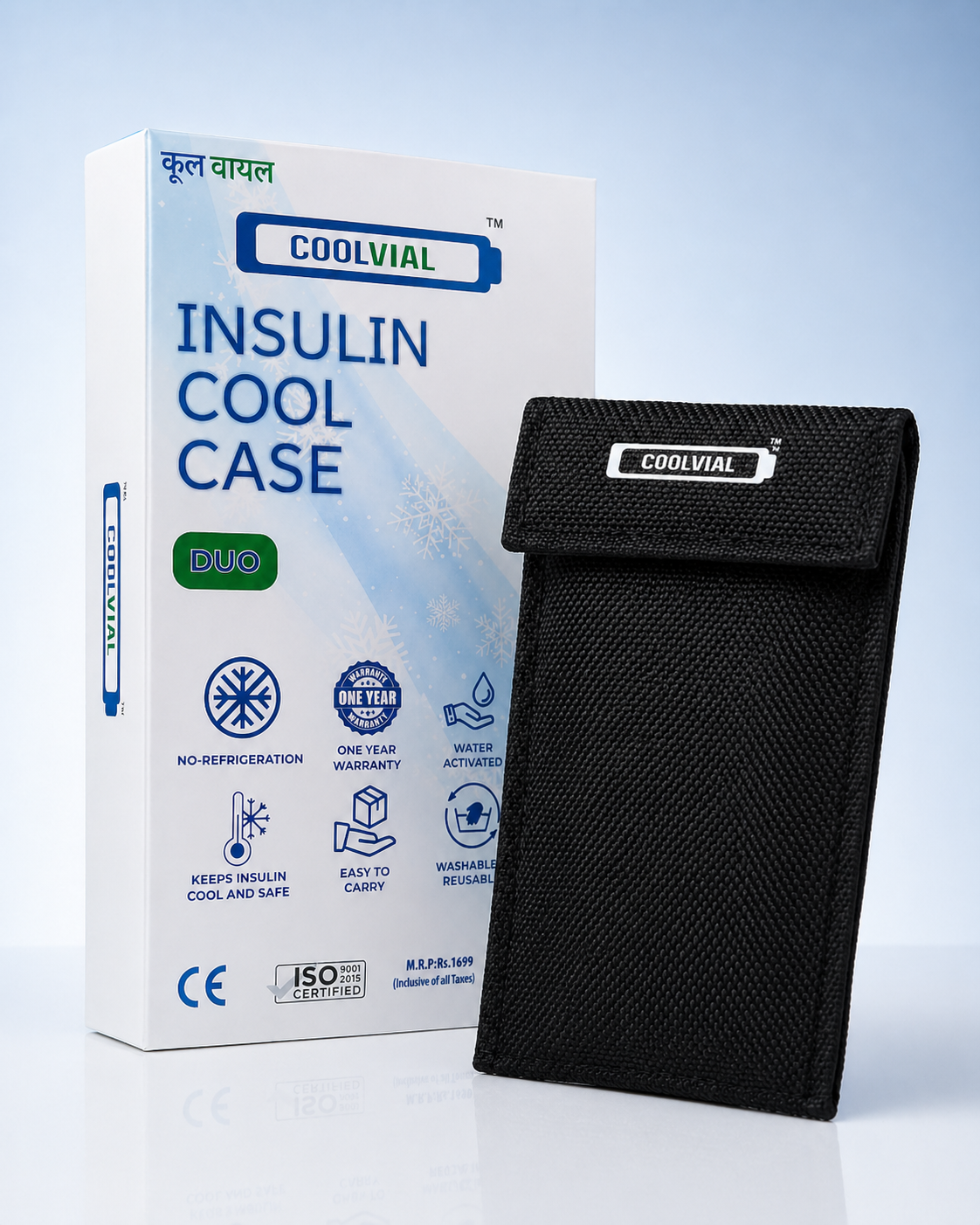
To counteract these risks, specialized storage solutions are essential. Products like the COOLVIAL Duo are designed to provide a stable, cool, and dry environment for your insulin, protecting it from both heat and humidity without needing electricity. It holds 2 pens and 1 vial, maintaining optimal temperatures for 12-16 hours.
3. Mould Risk: A Silent Danger in Ahmedabad Homes
The pervasive humidity during the Ahmedabad monsoon insulin storage period creates ideal conditions for mould growth, a significant health hazard that extends to your insulin supplies. This is particularly true for apartments and ground-floor homes across Ahmedabad’s diverse neighborhoods, from the bustling lanes of Manek Chowk in the Old City to the modern high-rises of Bodakdev and Vastrapur in the West.
Mould thrives in damp, poorly ventilated areas. Its spores can settle on insulin packaging, storage containers, and even the outer surfaces of pens and vials.
Specific Mould Risks for Diabetics:
- Contamination of Supplies: Mould spores, if present on insulin packaging or pens, can inadvertently transfer to your hands and potentially to the injection site, increasing the risk of skin infections.
- Allergic Reactions and Respiratory Issues: For individuals sensitive to mould, exposure can trigger allergic reactions, asthma attacks, and other respiratory problems. This is an added health burden on top of managing diabetes.
- Damage to Storage Areas: Wardrobes, drawers, and medicine cabinets, if not properly ventilated, can become damp and mouldy, contaminating everything stored within, including your vital insulin. Ground-floor homes in areas like Maninagar or Vatva are particularly susceptible due to rising dampness.
Mitigation Strategies for Mould:
- Improve Ventilation: Keep windows open when it’s not raining, use exhaust fans, and consider dehumidifiers.
- Regular Cleaning: Clean and dry all storage surfaces regularly with anti-fungal solutions.
- Airtight Storage: Store insulin and its accessories in airtight containers to prevent moisture ingress.
- Elevated Storage: Avoid storing insulin directly on floors or against damp walls, especially in ground-floor residences.
For effective mould prevention, combining these practices with a reliable insulin cooling case is paramount. A COOLVIAL insulin cool case not only keeps insulin cool but also protects it from external moisture and contaminants, offering a clean and dry environment.
Ahmedabad Monsoon & Insulin: 7 Critical Steps to Protect Your Vials From Humidity Damage
48+ hours at 2-8°C. No electricity. CE certified. Free delivery across India.
Order on WhatsApp — ₹1,099🛒 Buy Now — ₹1,0994. Navigating Waterlogging and Transport Disruptions for Pharmacy Access
Ahmedabad’s monsoon, while generally not prone to widespread severe flooding, does experience localized waterlogging, particularly in certain areas. This can significantly disrupt daily life, including access to essential medical supplies like insulin. Understanding potential waterlogging hotspots and transport challenges is crucial for Ahmedabad monsoon insulin preparedness.
Common Waterlogging Hotspots:
- Old City: Areas like Lal Darwaja and Manek Chowk, with their narrow lanes and older drainage systems, are often prone to waterlogging, making travel difficult.
- West Ahmedabad: Sections of Bodakdev, SG Highway, and Vastrapur can experience water accumulation during heavy downpours, affecting traffic flow.
- South Ahmedabad: Maninagar and Vatva areas may also see waterlogging, impacting local connectivity.
Impact on Pharmacy Access:
- Transport Delays: Public transport (buses, auto-rickshaws) can be severely affected, making it difficult to reach pharmacies like Apollo Pharmacy or Wellness Forever. Even personal vehicles can struggle with flooded roads.
- Delivery Service Disruptions: While many pharmacies offer home delivery, services like MedPlus and Pristine Pharmacy might face delays or temporary suspensions during peak waterlogging or heavy rains. This can be critical if you are running low on insulin.
- Limited Stock Accessibility: If roads are impassable, even pharmacies with stock might be unable to serve customers efficiently.
Contingency Planning for Insulin Supply:
- Maintain Buffer Stock: Always keep at least a 7-10 day supply of insulin at home, especially during monsoon months.
- Identify Multiple Pharmacy Options: Know the locations of several pharmacies in different neighborhoods (e.g., Apollo Pharmacy near Sterling Hospital in Memnagar, or Generic Aadhaar outlets).
- Emergency Pharmacy Access: In severe emergencies, if your local pharmacy is inaccessible or out of stock, consider the 24/7 emergency pharmacies at major hospitals like Apollo Hospitals International (Bhat) or Civil Hospital (Asarwa). These facilities often have more robust supply chains.
- Stay Informed: Monitor local news and weather advisories for updates on road conditions and potential disruptions.
For long-term storage and ensuring your insulin is safe even during transport disruptions, a robust cooling solution is indispensable. The COOLVIAL Duo, being portable and electricity-free, offers peace of mind, knowing your insulin is protected no matter the weather outside.
5. The Hidden Peril: Humid-Fridge-Air Contamination Risks
While many diabetics instinctively turn to the refrigerator for insulin storage, especially in a city like Ahmedabad, the monsoon season introduces a specific risk: humid-fridge-air contamination. Refrigerators, particularly older models or those frequently opened, can accumulate moisture, creating a microclimate that, surprisingly, isn’t always ideal for insulin.
How Humid-Fridge-Air Becomes a Problem:
- Condensation: When warm, humid air from your kitchen enters the refrigerator every time the door is opened, it condenses on cooler surfaces. This leads to water droplets forming inside the fridge, especially on shelves and walls.
- Packaging Damage: Insulin vials and pens, often stored in their original cardboard packaging, can absorb this condensation. As discussed earlier, damp cardboard degrades, loses protective integrity, and becomes a breeding ground for mould and bacteria.
- Label Deterioration: Moisture can cause labels on vials and pens to peel, smudge, or become unreadable, making it difficult to identify the insulin type, dosage, or expiry date.
- Direct Moisture Exposure to Pens: While vials are sealed, the external components of insulin pens (especially reusable ones) can be exposed to this humid air. This can lead to corrosion of metal parts, degradation of plastic, and even mould growth on the pen’s surface.
Best Practices for Refrigerator Storage During Monsoon:
- Airtight Containers: Always place insulin pens and vials in sealed, airtight plastic containers before putting them in the refrigerator. This creates a barrier against moisture.
- Avoid Door Storage: The refrigerator door is subject to the most temperature and humidity fluctuations. Store insulin deeper inside the fridge, away from the door.
- Regular Cleaning and Drying: Periodically wipe down the inside of your refrigerator, especially shelves where insulin is stored, to remove any condensation.
- Humidity Control: Consider placing a small, fridge-safe desiccant (like a baking soda box or specialized fridge deodorizer with moisture absorption) in the refrigerator, away from direct contact with insulin, to help absorb excess moisture.
For active insulin (the pen or vial you are currently using), storing it at ambient room temperature (below 30°C) is generally recommended. However, with Ahmedabad’s monsoon temperatures often exceeding 30°C and humidity consistently high, this becomes challenging. This is where a water-activated evaporative cooling case like the COOLVIAL Duo shines. It provides the ideal cool, dry environment (18-26°C) for insulin in use, protecting it from both heat and the insidious effects of humid fridge air. For more on general insulin storage, explore our insulin storage tips.
6. Practical Solutions for Humidity Control in Ahmedabad
Effectively managing humidity is paramount for Ahmedabad monsoon insulin storage. Beyond careful refrigerator practices, there are several practical solutions available locally to help create a safer environment for your vital medication.
A. Utilizing Desiccants (Silica Gel): Silica gel is a powerful desiccant that absorbs moisture from the air, making it an excellent ally against humidity.
- Sources in Ahmedabad:
- Local Pharmacies: Apollo Pharmacy, Wellness Forever, and MedPlus may carry small sachets of silica gel, often marketed for medicine storage.
- Stationery & Craft Stores: Larger packets of silica gel are often found in stores selling craft supplies or photography equipment.
- Online Retailers: E-commerce platforms deliver silica gel packets (in various sizes, including reusable ones) across Ahmedabad to neighborhoods like Naranpura, Sabarmati, and beyond.
- Industrial Suppliers: For larger quantities, industrial chemical suppliers in areas like Vatva might be an option, though less practical for individual use.
- How to Use: Place silica gel sachets inside your airtight containers with your insulin. Replace or reactivate them (by drying them in the sun or a low-heat oven) once they turn pink (if they are indicating type).
B. Airtight Container Brands Available Locally: Investing in good quality airtight containers provides a physical barrier against moisture.
- Common Brands:
- Tupperware: Widely available across Ahmedabad, known for its durable and truly airtight seals. Look for smaller, lunchbox-sized containers for insulin.
- Borosil: Offers glass containers with airtight lids, a good option as glass is non-reactive and easy to clean.
- Cello, Milton: These Indian brands offer a range of plastic airtight containers, often available in supermarkets or general stores.
- Local Stores: Many independent kitchenware shops in areas like Law Garden or Kankaria Lake markets also stock various local and imported airtight container options.
- Selection Tips: Choose containers made of food-grade plastic or glass. Ensure the lid has a tight-fitting gasket or seal that creates an audible click or suction when closed.
C. Specialized Insulin Cooling Cases: For insulin that needs to be kept cool without refrigeration (e.g., active pens), water-activated evaporative cooling cases are a game-changer for Ahmedabad’s climate.
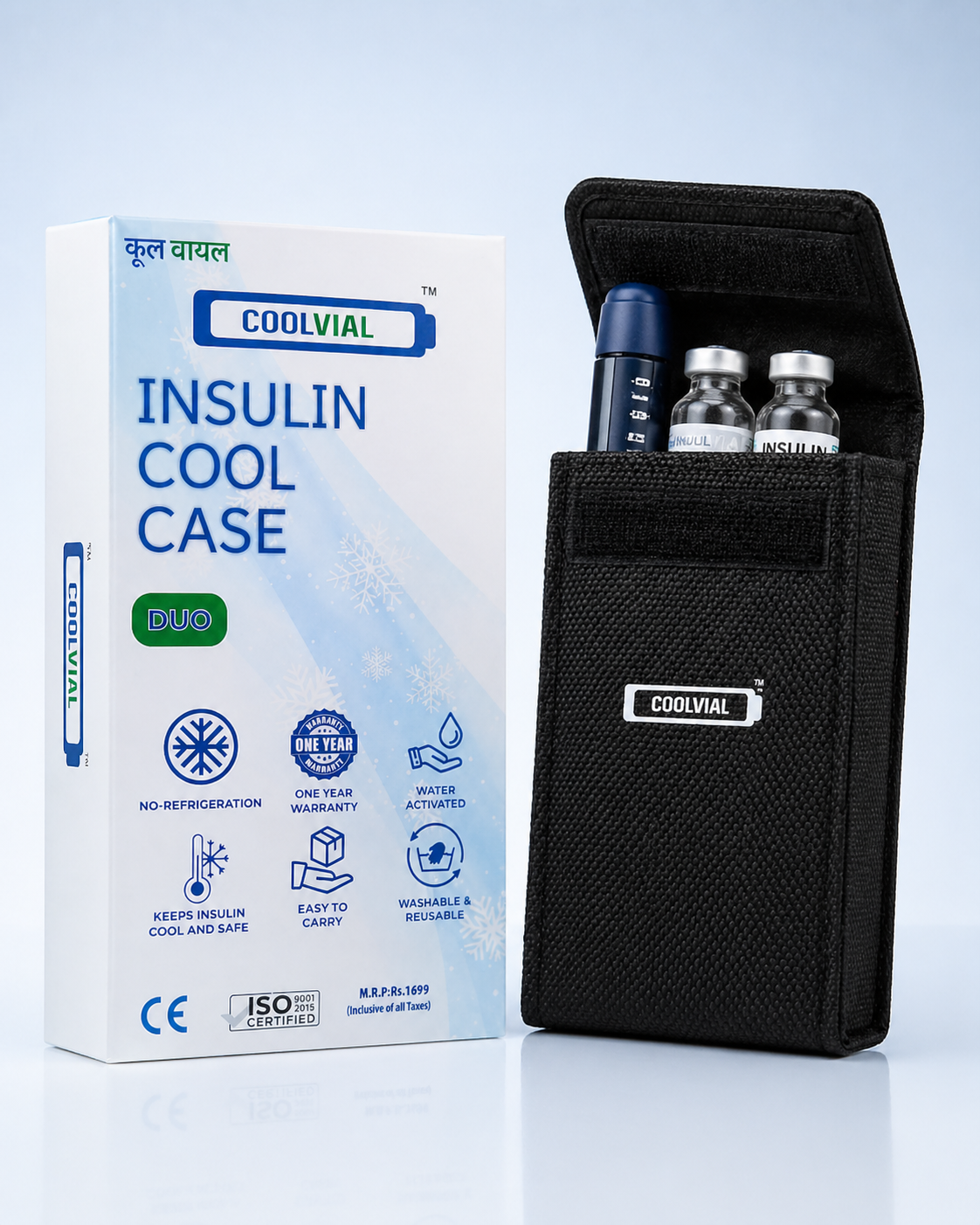
- COOLVIAL Duo: This product holds 2 pens and 1 vial, keeping insulin cool at 18-26°C for 12-16 hours without electricity. It’s CE certified and ISO 9001:2015 compliant, ensuring quality. Priced at Rs 1,099 with code COOLHEAL (MRP Rs 1,699), it offers significant value. It’s also Made in India, ensuring suitability for local conditions.
- Comparison with Alternatives: While other brands like FRIO are available (often costing around Rs 1,900), and simpler cooler bags like Outer Woods OW-12 (around Rs 999) offer basic cooling, the COOLVIAL Duo provides a balanced solution of capacity, duration, certified quality, and competitive pricing for the Indian market, specifically designed to combat both heat and humidity.
By combining desiccants with airtight containers and a reliable evaporative cooler like the COOLVIAL Duo, you can establish a multi-layered defence against the Ahmedabad monsoon insulin storage challenges.
7. Your Essential Ahmedabad Monsoon Insulin Prep Checklist
Preparing for the monsoon is about proactive measures, not just reactive responses. For diabetics in Ahmedabad, a well-thought-out checklist can make all the difference in safeguarding your insulin supplies and ensuring uninterrupted diabetes management. This list covers everything from home readiness to emergency contacts, crucial for navigating the Ahmedabad monsoon insulin challenges.
A. Home Readiness for Insulin Storage:
- Inspect Storage Areas: Check your medicine cabinet, drawers, and refrigerator for any signs of dampness or mould. Clean and dry them thoroughly.
- Airtight Containers: Ensure you have enough high-quality airtight containers for all your insulin pens and vials, both active and reserve stock.
- Silica Gel Stock: Purchase a good supply of silica gel packets. Place them inside your insulin storage containers and in medicine cabinets.
- Dehumidifier/Ventilation: Consider using a small room dehumidifier if living in a particularly damp area (e.g., ground-floor homes in Maninagar). Ensure good cross-ventilation in your home.
- Elevated Storage: Store insulin and other medications on higher shelves, away from potential floor-level dampness or minor waterlogging.
B. Insulin Supply Management:
- Buffer Stock: Maintain at least a 7-10 day buffer supply of all your insulin types and diabetes medications. Do not wait until the last minute to refill prescriptions, especially if you rely on delivery services.
- COOLVIAL Duo Ready: Ensure your COOLVIAL Duo (or similar evaporative cooler) is clean, functional, and ready for activation. Know how to properly soak it to maintain its cooling properties.
- Check Expiry Dates: Review the expiry dates of all your insulin vials and pens. Discard any nearing expiry or those that have been improperly stored.
- Blood Glucose Monitoring Supplies: Stock up on test strips, lancets, and batteries for your glucometer. Humidity can affect strip accuracy, so ensure they are stored in their original, tightly sealed containers.
C. Emergency Contacts and Information:
- Doctor’s Contact: Have your endocrinologist’s or diabetologist’s contact information readily accessible.
- Emergency Pharmacy: Note down the addresses and contact numbers of 24/7 pharmacies, such as Apollo Hospitals International (Bhat) emergency pharmacy or Civil Hospital (Asarwa) pharmacy.
- Medical ID: Always carry a medical ID card or wear a medical alert bracelet indicating you have diabetes.
- Power Cut Plan: Develop a plan for managing insulin during power outages, which can be frequent during heavy monsoon rains. Our Power Cut Survival Guide for Diabetics in Ahmedabad — What To Do When the Grid Goes Down provides detailed advice.
D. Travel & Commute Precautions:
- Waterproof Bag: Use a waterproof bag or pouch for carrying your COOLVIAL Duo and other essentials during commutes, especially if you travel through waterlogging hotspots like SG Highway or Lal Darwaja.
- Avoid Contaminated Water: If you encounter waterlogging, avoid wading through it, as it can be contaminated and pose infection risks, particularly for those with diabetic neuropathy.
By meticulously following this checklist, you can face the Ahmedabad monsoon with confidence, knowing your insulin is protected and your diabetes management remains secure. For a broader perspective on managing diabetes in the city, check out our Complete Diabetes Care Guide for Ahmedabad Residents — 2026 Edition.
Frequently Asked Questions (FAQ)
Q: How does Ahmedabad’s monsoon specifically affect insulin’s effectiveness? A: Ahmedabad’s monsoon brings high humidity (80-95%) and temperatures often exceeding 30°C. This combination can accelerate insulin protein degradation, reducing its potency and potentially leading to higher blood sugar levels, even with correct dosing.
Q: Can I store my insulin in the refrigerator during monsoon without any issues? A: While unopened insulin should be refrigerated, opened pens or vials meant for daily use are usually stored at room temperature (below 30°C). During monsoon, refrigerators can accumulate condensation, which can damage insulin packaging and pens. Always use an airtight container for insulin stored in the fridge.
Q: Where can I buy silica gel in Ahmedabad for insulin storage? A: Silica gel packets can be found at local pharmacies like Apollo Pharmacy or Wellness Forever, stationery and craft stores, and online retailers that deliver across Ahmedabad. Look for reusable, indicating silica gel if possible.
Q: What if my home experiences waterlogging and my insulin gets wet? A: If your insulin or its packaging gets wet, especially from floodwater, it’s best to discard it immediately. Contaminated water can introduce bacteria and compromise insulin sterility and effectiveness. Contact your doctor and arrange for a replacement from an emergency pharmacy like Apollo Hospitals International (Bhat).
Q: How long can COOLVIAL Duo protect my insulin during Ahmedabad’s monsoon? A: The COOLVIAL Duo keeps insulin cool at 18-26°C for 12-16 hours without electricity. It uses water-activated evaporative cooling, making it ideal for protecting insulin from both high temperatures and humidity during Ahmedabad’s monsoon and power cuts.
Q: What is the optimal temperature range for storing insulin during monsoon? A: Unopened insulin should be stored in a refrigerator at 2-8°C. Once opened, insulin can be stored at room temperature (below 30°C) for up to 28 days. During Ahmedabad’s monsoon, when ambient temperatures often exceed 30°C, an evaporative cooler like COOLVIAL Duo can maintain the ideal 18-26°C range.
Q: Are there any specific risks of mould to insulin itself, not just packaging? A: While mould primarily affects packaging and pen exteriors, prolonged exposure in a damp environment can compromise the pen’s internal mechanisms or seals of vials. If mould is visible on the pen or vial, it should be considered compromised and discarded to avoid potential health risks.
Conclusion and Call to Action
Navigating the Ahmedabad monsoon with diabetes requires diligence and a proactive approach to insulin storage. The challenges posed by high humidity, potential waterlogging, and the risks of mould and contamination are real, but they are manageable with the right knowledge and tools. By understanding the unique climatic conditions of Ahmedabad and implementing practical solutions like using airtight containers, desiccants, and specialized cooling cases, you can safeguard your insulin and maintain uninterrupted diabetes management.
Remember, your insulin is a life-saving medication, and its efficacy depends on proper storage. Don’t let the monsoon compromise your health. Take these 7 critical steps seriously to protect your vials and pens.
For reliable, electricity-free insulin cooling that combats both heat and humidity, consider the COOLVIAL Duo. It’s CE certified, ISO 9001:2015 compliant, Made in India, and designed to keep your insulin safe for 12-16 hours.
Order COOLVIAL Duo at Rs 1,099 with code COOLHEAL at coolvial.com or via WhatsApp wa.me/918766952300.
Medical Disclaimer
This article is for general information purposes only and does not constitute medical advice. Always consult your endocrinologist or diabetologist before changing insulin storage or dosing practices, or if you have any concerns about your diabetes management.
Methodology Note
This article was researched using a comprehensive approach, drawing insights from RSSDI (Research Society for the Study of Diabetes in India) guidelines for insulin storage, ICMR-INDIAB (Indian Council of Medical Research - India Diabetes) data for diabetes prevalence, local Ahmedabad hospital directories (including Apollo Hospitals International, Sterling Hospital, and Civil Hospital), and information regarding the Apollo Pharmacy network. Local climate data for Ahmedabad’s monsoon season and common city-specific challenges were also incorporated to provide a highly relevant and practical guide for residents.
Ahmedabad Monsoon & Insulin: 7 Critical Steps to Protect Your Vials From Humidity Damage
COOLVIAL keeps insulin safe in India's heat. 48+ hours, no electricity needed.