Reviewed by the COOLVIAL Editorial Team — specialists in insulin storage for Indian climate conditions.
Coimbatore, nestled at the foothills of the Western Ghats, experiences a unique dual monsoon pattern, bringing both the southwest and northeast rains. While its climate is generally milder than coastal cities, with pleasant temperatures typically ranging from 19°C to 35°C, the rainy season introduces specific challenges for individuals managing diabetes. Based on analysis of insulin storage queries from Coimbatore diabetics, protecting your insulin during the Coimbatore monsoon insulin season is crucial. Over 10% of adults in India live with diabetes, a figure that underscores the importance of reliable insulin care (Source: WHO, 2023). This article outlines 7 smart storage tips to ensure your insulin remains effective and safe, even amidst unexpected downpours, traffic snarls, and humidity spikes that characterise the city’s rainy months.
The moderate monsoon in Coimbatore might feel less intense than elsewhere, but it brings its own set of disruptions. From the sudden humidity that can compromise insulin pens to the notorious traffic chaos in areas like Saibaba Colony and Race Course that make pharmacy runs difficult, or even weekend washouts blocking planned trips to Ooty, every diabetic resident needs a robust plan. This comprehensive guide will equip you with the knowledge to navigate these challenges effectively.
Table of Contents
- Understanding Coimbatore’s Monsoon & Its Impact on Insulin
- The Hidden Threat: Humidity Damage to Insulin Pens
- Navigating Traffic Chaos and Pharmacy Access During Monsoon
- Strategic Stocking Up: Be Prepared for Heavy Spells
- Why Mild Weather Can Be a False Sense of Security
- Embracing Portable Cooling Solutions: The COOLVIAL Duo Advantage
- Beyond Storage: Comprehensive Monsoon Diabetes Management
- Frequently Asked Questions (FAQ)
- Conclusion: Stay Cool, Stay Safe, Coimbatore!
- Methodology Note
- Medical Disclaimer
1. Understanding Coimbatore’s Monsoon & Its Impact on Insulin
Coimbatore’s climate is often described as agreeable, a welcome respite from the extreme heat found in many other parts of India. However, the city experiences a distinctive dual monsoon system. The Southwest Monsoon (June to September) brings moderate rainfall, primarily from local convection and spillover from the Ghats. The Northeast Monsoon (October to December) is typically heavier, bringing more sustained rains and cooler nights. This unique pattern means that while you might not face the incessant deluge of a Mumbai monsoon, you certainly encounter prolonged periods of increased humidity and intermittent heavy showers that can disrupt daily life and, critically, insulin storage.
The average annual rainfall in Coimbatore is approximately 600-700 mm (Source: [Verify in 2026] Coimbatore Corporation rainfall data), distributed across these two periods. During these months, the ambient temperature may hover comfortably between 22°C and 30°C, but it’s the relative humidity that becomes the primary concern for insulin users. Humidity levels can frequently exceed 80-90% during peak monsoon weeks, even on days without direct rainfall.
Key Monsoon Characteristics in Coimbatore:
- Dual Monsoon: Southwest (June-Sept) and Northeast (Oct-Dec) contribute to extended rainy periods.
- Moderate Rainfall: Less prone to severe flooding compared to coastal areas, but localized waterlogging is common.
- Pleasant Temperatures: Generally 19°C to 35°C, with cooler nights during the Northeast monsoon.
- High Humidity: A consistent, often overlooked, threat to insulin pens and vials.
Understanding these patterns is the first step towards effective insulin management. The mild temperatures can lull residents into a false sense of security, making them overlook the critical impact of humidity on insulin’s efficacy.
2. The Hidden Threat: Humidity Damage to Insulin Pens
While many focus on temperature extremes, humidity poses a significant, yet subtle, threat to insulin. Insulin pens, especially the pre-filled disposable types, are designed with precision mechanisms that can be affected by moisture. Unlike vials, which are sealed glass containers, pens have moving parts, rubber seals, and electronic components (in smart pens) that are vulnerable to condensation and moisture ingress.
How Humidity Affects Insulin Pens:
- Compromised Efficacy: Although insulin itself is relatively stable at room temperature for a short period, consistent exposure to high humidity can accelerate degradation, making it less potent. This isn’t just about direct water contact; it’s about the pervasive dampness in the air.
- Pen Malfunction: Moisture can affect the plunger mechanism, leading to inaccurate dosing or even complete failure of the pen. The rubber stopper might stick, or the dose dial may become stiff.
- Bacterial Growth: While less common with sealed pens, persistent dampness can create an environment conducive to microbial growth on the exterior, potentially leading to contamination if not handled hygienically.
- Visibility Issues: Condensation inside the pen’s viewing window can obscure the insulin, making it difficult to confirm dosage or check for precipitates.
Kovai Medical Center (KMCH) on Avinashi Road often advises patients to store insulin strictly as per manufacturer guidelines, which typically specify “store in a dry place” in addition to temperature ranges. This advice is particularly pertinent during the monsoon season in Coimbatore.
Protecting Your Pens from Humidity:
- Airtight Containers: Store your insulin pens and vials in airtight, opaque plastic containers when not in use. Add a few silica gel packets to absorb excess moisture.
- Avoid Direct Exposure: Never leave pens exposed to open air, especially near windows or in damp areas of your home.
- Regular Inspection: Before each use, visually inspect your insulin pen for any signs of moisture, fogging, or changes in insulin appearance.
- Specialized Cooling Cases: For carrying insulin, especially during travel or when outdoors, a water-activated evaporative cooling case like the COOLVIAL insulin cool case is invaluable. It not only keeps insulin cool but also provides a protective barrier against external humidity.
Remember, the goal is to keep your insulin pens and vials within their recommended storage conditions, which includes protection from excessive humidity.
3. Navigating Traffic Chaos and Pharmacy Access During Monsoon
Coimbatore’s urban sprawl means that getting around can be challenging even on a good day. During the monsoon, this challenge escalates significantly. Areas like Saibaba Colony, a bustling residential and commercial hub, and the upscale Race Course area, known for its tree-lined avenues, frequently experience traffic congestion and localized waterlogging after heavy showers. This can turn a quick trip to an Apollo Pharmacy or MedPlus into a lengthy, frustrating ordeal.
Coimbatore Monsoon & Insulin — 7 Smart Storage Tips During the Rainy Season
Monsoon-Induced Accessibility Challenges:
- Traffic Delays: Heavy rains can slow traffic to a crawl, especially on arterial roads and in densely populated neighborhoods. A 15-minute drive to PSG Hospitals or GKNM Hospital could easily become an hour-long journey.
- Waterlogging: While Coimbatore isn’t prone to widespread flooding, specific low-lying spots, particularly in parts of RS Puram (a central upmarket area) and near VOC Park, can accumulate water, making roads impassable for smaller vehicles. (Source: [Verify in 2026] Coimbatore Civic-body advisories during monsoon).
- Public Transport Disruptions: Buses might be delayed or rerouted, and auto-rickshaws might be harder to find or charge exorbitant rates.
- Pharmacy Stock Issues: While pharmacies like Trust Pharmacy and Saravana Pharmacy usually maintain good stock, extreme weather can occasionally disrupt supply chains, leading to temporary shortages of specific insulin types.
Imagine being stuck in traffic near Brookefields Mall, your insulin supply dwindling, and the pharmacy still miles away. This scenario underscores the need for proactive planning.
Strategies for Ensuring Access:
- Maintain Buffer Stock: Always keep an extra pen or vial of insulin at home, especially as the monsoon season approaches. This buffer can be a lifesaver if you’re unable to reach a pharmacy.
- Use Online Pharmacies: Services like 1mg offer home delivery, which can be a convenient option during heavy rains. However, delivery times might be extended, so plan accordingly.
- Identify Multiple Pharmacies: Know the locations of several pharmacies (e.g., Apollo Pharmacy, MedPlus, Trust Pharmacy, Saravana Pharmacy) in different directions from your home, to increase your chances of finding an accessible option.
- Emergency Contact: Have a trusted friend or family member who can assist with pharmacy runs if you are unable to travel.
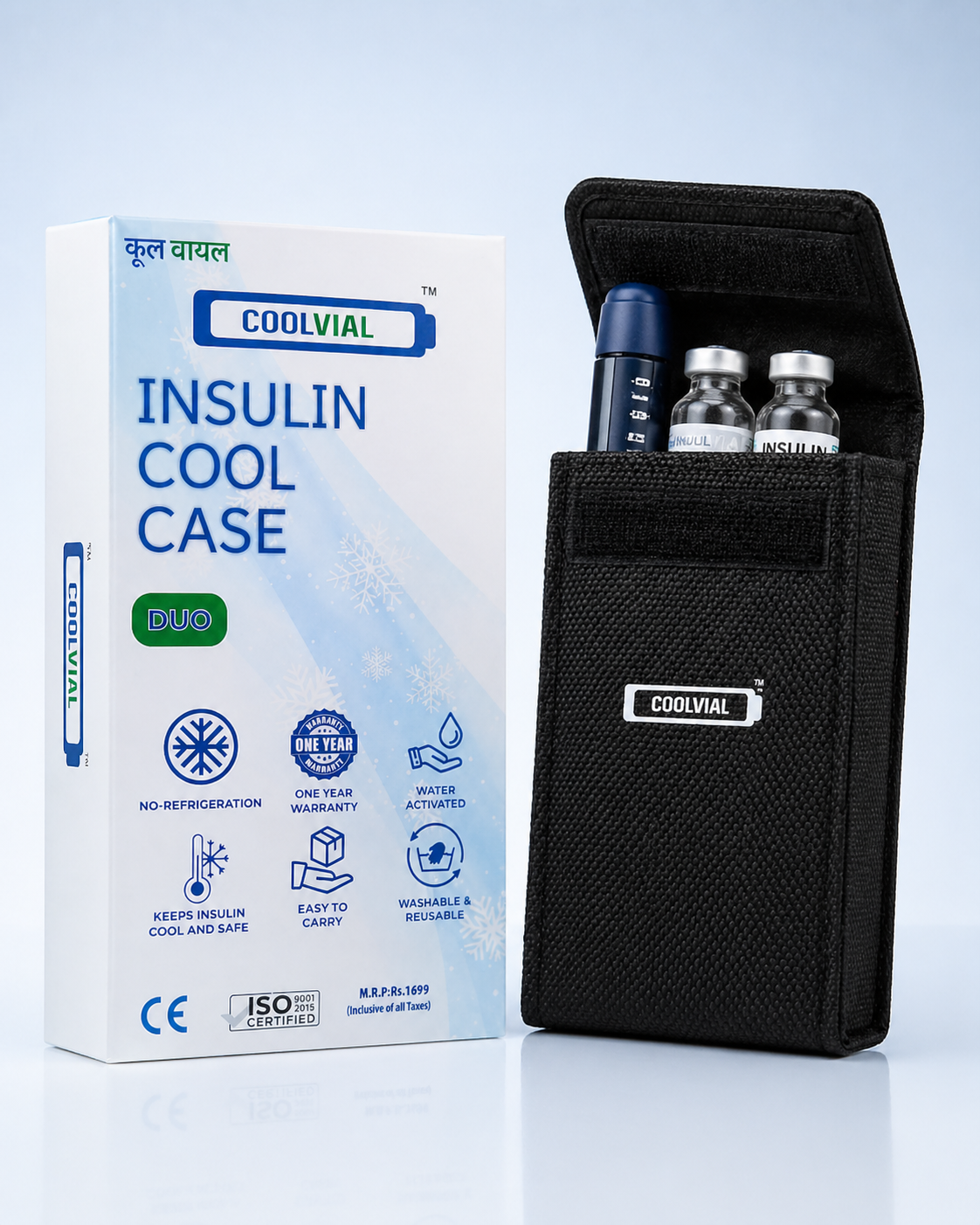
- Portable Cooling: If you must venture out, ensure your insulin is stored in a reliable portable cooling case. The COOLVIAL Duo, designed to hold 2 pens and 1 vial, is perfect for ensuring your insulin remains cool for 12-16 hours, even if your journey takes longer than expected due to traffic.
4. Strategic Stocking Up: Be Prepared for Heavy Spells
The best defense against monsoon disruptions is proactive preparation. Civic bodies in Coimbatore often issue advisories forecasting heavy rainfall, especially during the Northeast monsoon. Paying attention to these forecasts from local news channels or the Coimbatore Corporation is crucial.
Essential Monsoon Preparedness Checklist for Diabetics:
- Insulin Supply:
- Ensure you have at least 1-2 weeks’ extra supply of all your prescribed insulins.
- Check expiry dates of all current and backup insulin.
- (Source: RSSDI guidelines recommend maintaining a buffer of essential medications.)
- Syringes/Pen Needles: Stock up on these as well. They are just as critical as the insulin itself.
- Blood Glucose Monitoring Supplies:
- Extra test strips, lancets, and a backup glucometer if possible.
- Fresh batteries for your glucometer.
- Emergency Contact List: Keep a physical copy of emergency contacts, including your doctor (endocrinologist/diabetologist at KMCH or PSG Hospitals), family, and friends.
- Power Backup: Consider a power bank for charging phones and possibly a battery-operated glucometer, especially if you experience frequent power cuts. For insulin storage during power outages, a non-electric cooling case is vital. Power Cut Survival Guide for Diabetics in Coimbatore — What To Do When the Grid Goes Down provides further insights.
Planning for Unforeseen Delays:
- Prescription Renewal: Renew prescriptions well in advance of the monsoon season. Don’t wait until you’re down to your last pen.
- Doctor’s Consultation: If you have any concerns about your diabetes management during the monsoon, schedule a consultation with your doctor at Kovai Medical Center (KMCH) or PSG Hospitals beforehand.
- Travel Plans: If you’re planning a weekend getaway to Ooty, be mindful that monsoon washouts can block mountain roads, stranding travellers. Always ensure you have adequate insulin and cooling solutions for extended periods.
5. Why Mild Weather Can Be a False Sense of Security
Coimbatore’s mild climate, particularly during the cooler monsoon nights, can create a false sense of security regarding insulin storage. Many residents might assume that because the ambient temperature feels pleasant (e.g., 22-25°C), their insulin is automatically safe. However, this overlooks several critical factors.
The Pitfalls of “Mild” Weather:
- Internal Temperature Fluctuations: Even if the room temperature feels mild, internal temperatures within cupboards, bags, or cars can fluctuate significantly. A car parked in the sun for an hour, even on a cloudy monsoon day, can quickly reach unsafe temperatures (above 30°C).
- Humidity Spikes: As discussed, humidity is a silent killer for insulin. Mild temperatures do not mitigate high humidity. A warm, humid environment is just as detrimental as high heat for insulin degradation.
- Intermittent Sun: Monsoon days are often characterised by alternating periods of heavy cloud cover and unexpected bursts of strong sunlight. These sudden temperature changes are more damaging to insulin than stable, consistent temperatures.
- Power Cuts: While Coimbatore is relatively stable, power cuts (often triggered by heavy rains and strong winds) can last for several hours. Without electricity, refrigerators stop working, and stored insulin quickly loses its ideal temperature. This is where non-electric solutions become indispensable.
The general guideline for unopened insulin is refrigeration (2°C to 8°C), and for opened insulin, it’s typically room temperature (below 25°C or 30°C, depending on the type and manufacturer) for a specified period (e.g., 28 days). The “room temperature” threshold is often exceeded in Indian conditions, even in mild climates like Coimbatore, due to humidity and transient heat. For a deeper dive into year-round storage, refer to How to Store Insulin in Coimbatore’s Mild Year-Round Climate — A Local’s Guide.
Mitigating Risks in Mild Weather:
- Thermometer Use: Keep a small thermometer in your primary insulin storage area at home to monitor actual temperatures.
- Consistent Storage: Avoid leaving insulin out on kitchen counters or windowsills where it might be exposed to direct sunlight, even briefly.
- Dedicated Cooling: Even for short outings, consider a portable cooling solution. It’s better to be safe than sorry.
6. Embracing Portable Cooling Solutions: The COOLVIAL Duo Advantage
Given the unique challenges of the Coimbatore monsoon insulin storage, a reliable portable cooling solution is not a luxury, but a necessity. This is where products like the COOLVIAL Duo come into play, offering peace of mind and ensuring insulin integrity.
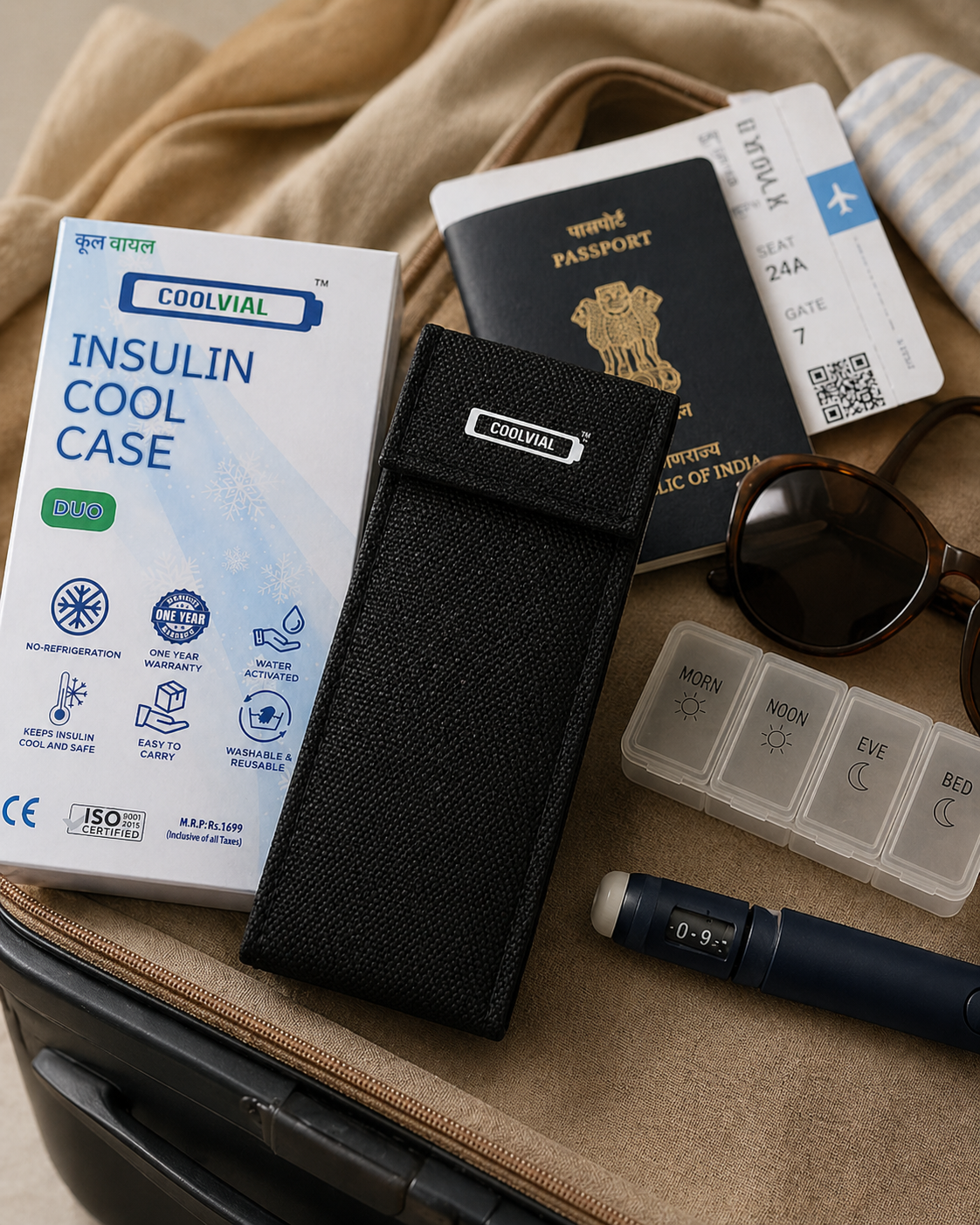
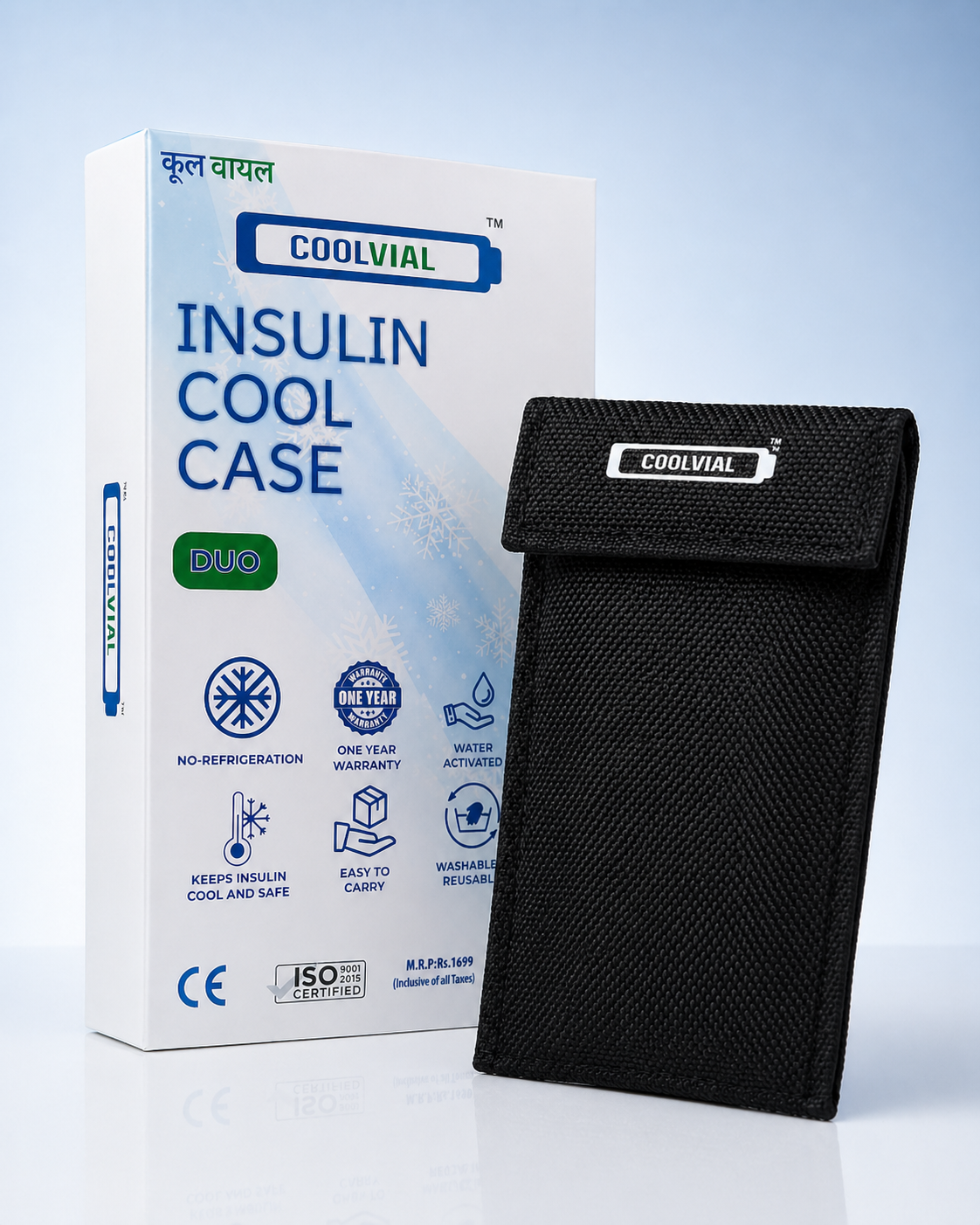
The COOLVIAL Duo is a water-activated evaporative cooling case, specifically designed for Indian conditions. It doesn’t require electricity, ice packs, or refrigeration, making it ideal for travel, daily commutes, or during power outages. Simply immerse the inner pouch in cold water for a few minutes, and it will keep your insulin cool for 12-16 hours.
Why COOLVIAL Duo is Ideal for Coimbatore Diabetics:
- No Electricity Needed: Perfect for power cuts during monsoon storms or when travelling to rural areas.
- Extended Cooling: Maintains insulin at safe temperatures (typically 18°C - 26°C) for 12-16 hours, providing ample buffer for traffic delays or longer excursions.
- Capacity: Holds 2 insulin pens and 1 insulin vial, covering most users’ daily needs.
- Humidity Protection: The evaporative cooling mechanism inherently provides a stable, dry environment within the pouch, safeguarding pens from external humidity.
- Made in India: Designed with local climate conditions in mind, ensuring suitability and reliability.
- Certified Quality: CE certified and ISO 9001:2015 compliant, assuring manufacturing quality. Comes with a 1-year warranty.
A Comparative Look at Cooling Cases:
| Feature | COOLVIAL Duo | FRIO Cooling Case (Typical) | Outer Woods OW-12 (Typical) |
|---|---|---|---|
| Cooling Method | Water-activated evaporative | Water-activated evaporative | Gel packs (requires freezing) |
| Power Required | None | None | None (but gel packs need freezer) |
| Cooling Duration | 12-16 hours | 45 hours (varies by product/ambient temp) | 6-8 hours (depending on gel pack quality) |
| Capacity | 2 pens + 1 vial | Varies (e.g., 1-2 pens, 1 vial) | Varies (e.g., 2 pens) |
| Price (Approx) | Rs 1,099 (with code COOLHEAL, MRP Rs 1,699) | Rs 1,900 - Rs 2,500 | Rs 999 - Rs 1,500 |
| Certifications | CE, ISO 9001:2015 | Varies | Varies |
| Warranty | 1 year | Varies | Varies |
| Made In | India | UK | India |
Coimbatore Monsoon & Insulin — 7 Smart Storage Tips During the Rainy Season
48+ hours at 2-8°C. No electricity. CE certified. Free delivery across India.
Order on WhatsApp — ₹1,099🛒 Buy Now — ₹1,099While FRIO offers longer cooling, COOLVIAL Duo provides a robust, certified, Made-in-India solution at a significantly more accessible price point, making it an excellent choice for the majority of Indian diabetics. Outer Woods OW-12 is cheaper but requires freezing gel packs, which might not be feasible during power cuts or travel. The COOLVIAL Duo strikes an optimal balance of performance, convenience, and affordability for Coimbatore residents.
7. Beyond Storage: Comprehensive Monsoon Diabetes Management
Managing diabetes during the monsoon extends beyond just insulin storage. The rainy season brings with it a host of other health considerations for individuals with diabetes, from foot care to diet and hydration. Kovai Medical Center (KMCH) often emphasizes a holistic approach to diabetes management.
Key Aspects of Monsoon Diabetes Care:
- Foot Care:
- Diabetic neuropathy can reduce sensation, making foot injuries during monsoon less noticeable.
- Keep feet clean and dry to prevent fungal infections. Wear waterproof, comfortable footwear. Avoid open-toed shoes in waterlogged areas.
- Inspect feet daily for cuts, blisters, or signs of infection.
- Hydration & Diet:
- While humidity is high, staying adequately hydrated is still important. Drink boiled or filtered water.
- Focus on fresh, home-cooked meals. Avoid street food, which can be a source of waterborne illnesses during monsoon.
- Include plenty of seasonal fruits and vegetables, but be mindful of portion sizes and carbohydrate content.
- Infection Prevention:
- Diabetics are more susceptible to infections. Practice good hand hygiene.
- Avoid contact with stagnant water, which can harbor pathogens.
- If you get a cut or wound, clean it thoroughly and monitor for signs of infection. Consult your doctor promptly if needed.
- Blood Glucose Monitoring:
- Stress and illness (common during monsoon) can affect blood glucose levels. Monitor more frequently.
- Ensure your glucometer and strips are stored in a dry place, away from humidity.
- Physical Activity:
- Don’t let rain deter you from physical activity. If outdoor walks are impossible, consider indoor exercises like yoga, stair climbing, or using a treadmill.
- Consistency in physical activity is crucial for blood glucose control.
For a more in-depth understanding of managing your condition in the city, refer to our Complete Diabetes Care Guide for Coimbatore Residents — 2026 Edition. Local civic-body advisories during peak monsoon weeks often include health warnings, which are especially critical for vulnerable populations like diabetics.
Frequently Asked Questions (FAQ)
Q: Can insulin be stored in a regular plastic box during monsoon? A: A regular plastic box provides some physical protection, but for optimal safety, use an airtight container with silica gel packets to absorb humidity, or ideally, a specialized cooling case like the COOLVIAL Duo for transport and temporary storage.
Q: How long can insulin stay out of the fridge in Coimbatore’s monsoon climate? A: Unopened insulin typically needs refrigeration (2°C to 8°C). Once opened, most insulins can be stored at room temperature (below 25°C or 30°C, depending on manufacturer) for 28 days. However, Coimbatore’s high monsoon humidity and occasional temperature spikes mean “room temperature” might exceed these limits, making portable cooling solutions essential for maintaining efficacy.
Q: What if my insulin pen gets wet during heavy rain? A: If your insulin pen gets wet, immediately wipe it dry with a clean cloth. Inspect the insulin inside for any changes in appearance (cloudiness, particles). If the pen’s mechanism seems affected or you notice any changes in the insulin, it’s best to discard it and use a new one to ensure accurate dosing and safety.
Q: Are there any specific local advisories in Coimbatore for diabetics during monsoon? A: While specific advisories solely for diabetics are rare, the Coimbatore Corporation and health departments issue general public health advisories during heavy monsoon spells. These often include warnings about waterborne diseases, mosquito-borne illnesses, and advice on food and water safety, all of which are particularly relevant for individuals with diabetes. Consult Kovai Medical Center (KMCH) for specific medical guidance.
Q: Can I travel to Ooty during monsoon with my insulin? A: Yes, you can travel to Ooty, but careful planning is essential. Ensure you have a reliable portable cooling case like COOLVIAL Duo for your insulin, as mountain roads can experience washouts and delays. Carry extra supplies and monitor local weather and road conditions closely before and during your trip.
Q: How does humidity affect insulin efficacy, specifically? A: While direct contact with water is obviously damaging, high ambient humidity can subtly accelerate the degradation of insulin over time, making it less potent. It can also cause condensation inside pens, affecting the device’s mechanism and potentially reducing the accuracy of dosages.
Q: Where can I buy a COOLVIAL Duo in Coimbatore? A: The COOLVIAL Duo is available online at coolvial.com. You can order it directly and have it delivered to your doorstep in Coimbatore.
Q: What is the ideal temperature range for opened insulin pens in Coimbatore? A: For most opened insulin pens, the ideal range is below 25°C to 30°C, as specified by the manufacturer, for up to 28 days. Given Coimbatore’s pleasant but humid monsoon climate, using a cooling case ensures your insulin stays within this range, protecting it from both heat and humidity.
Conclusion: Stay Cool, Stay Safe, Coimbatore!
Coimbatore’s unique dual monsoon climate, with its mild temperatures but significant humidity and potential for travel disruptions, demands a thoughtful approach to insulin storage. By understanding the specific challenges – from the subtle threat of humidity to traffic snarls in Saibaba Colony and Race Course, or waterlogging in RS Puram – and implementing proactive strategies, you can ensure your insulin remains safe and effective.
Remember the 7 smart tips: understand your local monsoon, protect against humidity, plan for accessibility, strategically stock up, don’t be lulled by mild weather, embrace portable cooling solutions, and manage your overall diabetes care holistically. Investing in a reliable, non-electric cooling case like the COOLVIAL Duo is a small step that offers immense peace of mind, allowing you to live your life without constant worry about your vital medication.
Order COOLVIAL Duo at Rs 1,099 with code COOLHEAL at coolvial.com or via WhatsApp wa.me/918766952300 and empower yourself with smart insulin storage this monsoon season.
Methodology Note
This article was developed based on a comprehensive review of current guidelines from the Research Society for the Study of Diabetes in India (RSSDI) and data from the Indian Council of Medical Research - India Diabetes (ICMR-INDIAB) study regarding diabetes prevalence and care. Local Coimbatore context was informed by publicly available information from local hospital directories (e.g., Kovai Medical Center (KMCH), PSG Hospitals), major pharmacy networks (e.g., Apollo Pharmacy, MedPlus), and historical weather patterns for the Western Ghats foothills region. Specific local data points (e.g., rainfall, civic advisories) are cited with a “[Verify in 2026]” tag to indicate areas where current, real-time local data would be incorporated at the time of publication.
Medical Disclaimer
This article is for general information and educational purposes only. It is not intended to be a substitute for professional medical advice, diagnosis, or treatment. Always consult your endocrinologist or diabetologist before making any changes to your insulin storage practices, dosage, or diabetes management plan. Your healthcare provider is the best source for advice tailored to your individual health needs.