
Reviewed by the COOLVIAL Editorial Team — specialists in insulin storage for Indian climate conditions.
Coimbatore, nestled at the foothills of the Western Ghats, is known for its relatively pleasant and mild year-round climate, with temperatures generally ranging from 19°C to 35°C. This salubrious weather, often a relief compared to other parts of Tamil Nadu, might tempt residents to be less vigilant about insulin storage. However, understanding how to store insulin correctly is paramount, even in our ‘Manchester of South India’. Based on analysis of insulin storage queries from Coimbatore diabetics, seemingly mild conditions can still compromise insulin’s efficacy if not handled with care.
Insulin is a life-saving medication for millions, including a significant population in Coimbatore, where diabetes prevalence, mirroring national trends, remains a concern. The World Health Organization (WHO) estimates that 422 million people worldwide have diabetes (Source: WHO Fact Sheet on Diabetes). For optimal potency, insulin must be kept within specific temperature ranges: typically between 2°C and 8°C when unopened and refrigerated, and generally below 25°C to 30°C for opened vials and pens at room temperature. Ignoring these guidelines, even in Coimbatore’s gentle climate, can lead to reduced effectiveness, impacting blood glucose control. This comprehensive guide offers 7 essential tips for locals to ensure their insulin remains potent and safe, regardless of whether they are at home in RS Puram, commuting to an IT park in Peelamedu, or enjoying a weekend getaway to Ooty.
Table of Contents
- Understanding Coimbatore’s Climate and Insulin Needs
- Optimal Home Storage for Insulin in Coimbatore Apartments
- Managing Insulin During Coimbatore’s Dual Monsoon
- The Hidden Dangers: Insulin in Cars and Commutes
- Weekend Getaways: Storing Insulin for Trips to Ooty and Coonoor
- Work-From-Home (WFH) and Insulin Storage Habits
- Advanced Solutions: How to Store Insulin Effectively with Cooling Cases
- Frequently Asked Questions About Insulin Storage
- Conclusion: Prioritising Insulin Safety in Coimbatore
1. Understanding Coimbatore’s Climate and Insulin Needs
Coimbatore’s unique geographical position grants it a relatively moderate climate compared to the scorching plains. We experience pleasant temperatures, rarely dipping below 19°C or soaring above 35°C, even during peak summer months. We also benefit from a dual monsoon system: the Southwest monsoon (June-September) bringing moderate rains, and the Northeast monsoon (October-December) contributing significantly to our annual rainfall. This combination results in comfortable weather for much of the year.
However, this very comfort can breed complacency. While the average ambient temperature might seem ideal, several microclimates and situational factors within Coimbatore can still pose a risk to insulin:
- Direct Sunlight Exposure: Even on a mild 28°C day, a car parked in the sun can quickly reach 35°C to 40°C inside, turning into an oven for anything left on the dashboard.
- Monsoon Humidity: The increased humidity during June to October can impact insulin packaging and stability, even if temperatures aren’t excessively high.
- Temperature Fluctuations: Air-conditioned environments followed by outdoor heat, or the shift from cool nights to warmer days, can create temperature swings that stress insulin.
- Travel to Hill Stations: Trips to nearby Ooty or Coonoor (often 2-3 hours drive) involve varying temperatures and often require insulin to be carried for extended periods.
It’s crucial to remember that insulin’s integrity depends on consistent temperature control. Any exposure to extreme heat, freezing temperatures, or direct sunlight can degrade its protein structure, rendering it less effective or even useless. Kovai Medical Center (KMCH, Avinashi Road) endocrinologists consistently advise patients on these critical storage parameters.
Key Temperature Guidelines for Insulin:
| Insulin State | Recommended Temperature Range | Duration |
|---|---|---|
| Unopened (Refrigerated) | 2°C to 8°C | Until expiration date (check manufacturer) |
| Opened (Room Temp) | Below 25°C (up to 30°C) | 28 days (check specific insulin type) |
| Freezing Point | Avoid | Insulin loses potency if frozen |
| Direct Sunlight | Avoid | Rapid degradation |
2. Optimal Home Storage for Insulin in Coimbatore Apartments
Whether you live in a bustling apartment in RS Puram or a quieter neighbourhood like Saibaba Colony, proper home storage is the first line of defence for your insulin. The refrigerator is your best friend for unopened insulin.
Tips for Refrigerated Insulin Storage:
- Dedicated Fridge Space: Store unopened insulin vials or pens in the main body of your refrigerator, not in the door. The fridge door experiences more temperature fluctuations due to frequent opening and closing.
- Avoid Freezing: Ensure insulin is not placed near the freezer compartment or against the back wall of the fridge, as these spots can become too cold and potentially freeze the insulin. Frozen insulin must be discarded.
- Original Packaging: Keep insulin in its original carton until ready for use. This protects it from light and provides an extra layer of insulation against minor temperature changes.
- Temperature Monitoring: Consider using a small refrigerator thermometer to regularly check that your fridge maintains a consistent temperature between 2°C and 8°C. Local pharmacies like Apollo Pharmacy or MedPlus often stock these.
For insulin pens or vials that are currently in use, refrigeration is not always necessary, but maintaining the right room temperature is vital. In Coimbatore, where even mild days can see indoor temperatures creep up, especially in apartments without constant AC, vigilance is key.
Tips for Room Temperature Insulin Storage (Opened):
- Cool, Dark Place: Store opened insulin in the coolest room of your house, away from direct sunlight, windows, and heat sources like stoves or water heaters. A cupboard or drawer in an air-conditioned bedroom is often ideal.
- Monitor Room Temperature: Aim to keep the ambient temperature below 25°C. While insulin can tolerate up to 30°C for 28 days, lower is always better for preserving potency.
- Avoid Humid Areas: Do not store insulin in bathrooms or kitchens, especially during monsoon, as humidity can damage pens and vials.
- Adhere to 28-Day Rule: Once opened, most insulin types are potent for 28 days, even if refrigerated. Mark the date of opening on the pen or vial to keep track.
For a more in-depth understanding of managing your condition, refer to our comprehensive guide: Complete Diabetes Care Guide for Coimbatore Residents — 2026 Edition.
3. Managing Insulin During Coimbatore’s Dual Monsoon
How to Store Insulin in Coimbatore's Mild Year-Round Climate — 7 Essential Tips for Locals
Insulin at 2-8°C for 48+ hours. Trusted by 10,000+ Indian diabetics.
Coimbatore experiences both the Southwest and Northeast monsoons, bringing increased humidity and moderate rainfall from June to October. While the temperatures might drop slightly, the elevated humidity can create challenges for insulin storage.
Monsoon-Specific Insulin Storage Strategies:
- Humidity Control: High humidity can lead to condensation inside insulin packaging or even damage the pen’s mechanism. Keep insulin in airtight containers if possible, particularly if your home feels damp.
- Avoid Damp Spots: Steer clear of storing insulin in areas prone to dampness, such as near outer walls or unventilated cupboards.
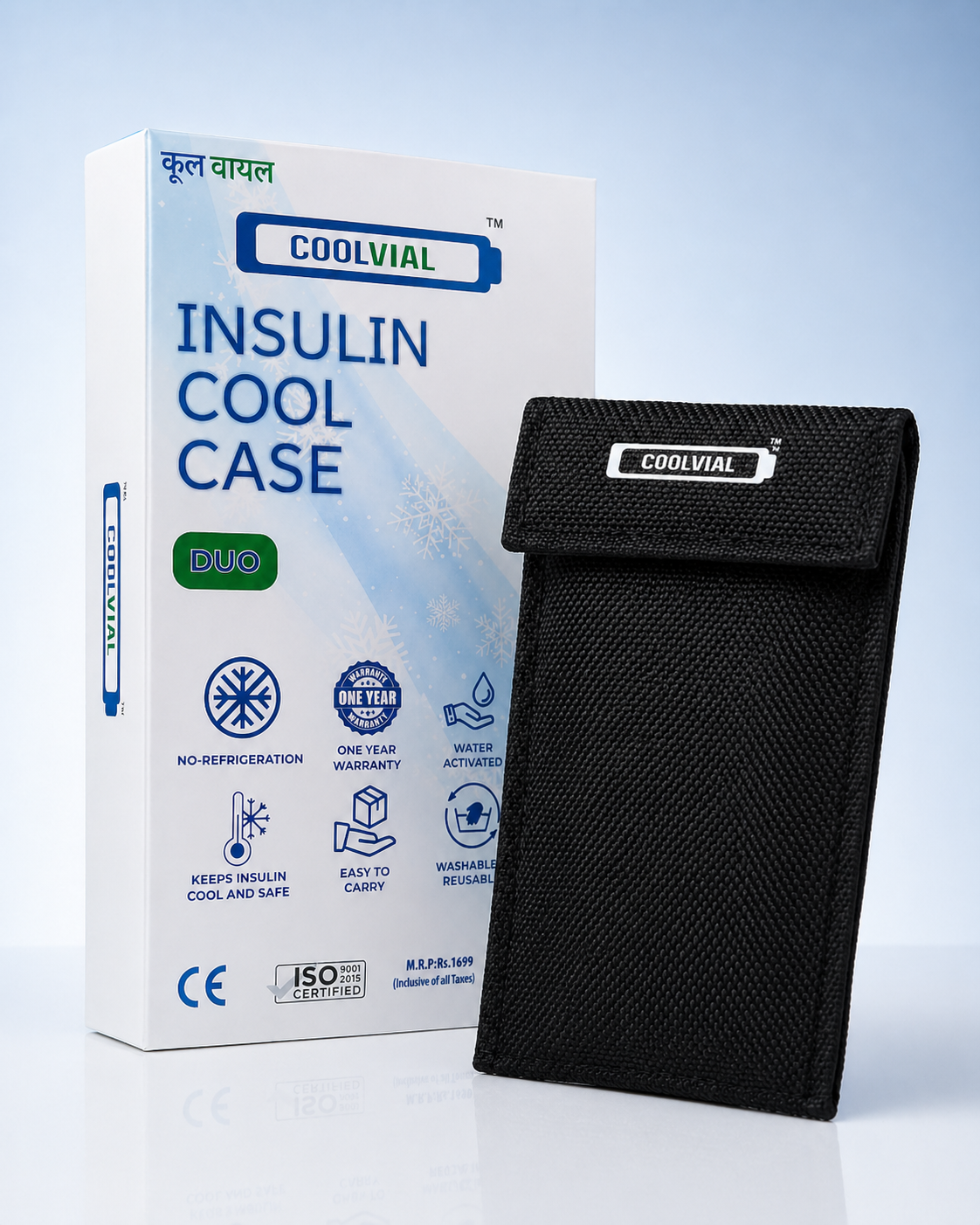
- Power Outages: Monsoons can sometimes bring power fluctuations or outages. If your refrigerator is without power for an extended period, ensure your insulin remains cool. For this, a reliable insulin cooling case becomes indispensable.
- Emergency Kit: During the monsoon, always have a backup plan. Keep a small, water-activated cooling case ready. This ensures your insulin stays safe even if your fridge temporarily fails.
For a deeper dive into managing your insulin during the rainy season, check out our dedicated article: Coimbatore Monsoon & Insulin — Smart Storage During the Rainy Season.
4. The Hidden Dangers: Insulin in Cars and Commutes
Coimbatore’s mild climate often lulls us into a false sense of security, especially when it comes to leaving things in cars. Even on a relatively cool 28°C day, the interior of a parked car, particularly under the strong Indian sun, can quickly reach dangerous temperatures upwards of 35°C to 40°C. This is a critical factor for daily commuters or those running errands across areas like Race Course or Pappanaickenpalayam.
Why Cars Are Insulin Killers:
- Greenhouse Effect: A car’s windows trap solar radiation, rapidly heating the interior.
- Rapid Degradation: Insulin exposed to temperatures above 30°C for even short periods can start to degrade, losing its efficacy. Imagine leaving your insulin pen in your car while you shop at Brookefields Mall – it’s a recipe for potency loss.
- Temperature Swings: Commutes often involve switching between an air-conditioned car and the outdoor heat, causing rapid temperature changes that are detrimental to insulin.
If you must carry insulin during your daily commute to IT corridors in Peelamedu or for appointments at PSG Hospitals, never leave it unattended in your car. Always carry it with you in a personal cooling solution.
Smart Commuting Practices for Insulin:
- Always Carry It: Take your insulin with you, even for short stops.
- Use a Cooling Case: Invest in a dedicated insulin cooling case. This is non-negotiable for anyone who needs to transport insulin regularly.
- Avoid Glove Compartments: These areas are often poorly insulated and can get very hot.
- Place in Cabin: If not using a cooler, keep it in the passenger cabin, ideally in a shaded area, but never for long.
5. Weekend Getaways: Storing Insulin for Trips to Ooty and Coonoor
Coimbatore residents frequently escape to the nearby hill stations of Ooty and Coonoor for weekend rejuvenation. While these destinations offer cooler climates, the journey itself, often 2-3 hours by road, and the varying temperatures encountered, necessitate careful insulin management.
Challenges During Travel:
- Journey Heat: The initial part of the journey through the plains can be warm, and even in the ghats, direct sun can heat up vehicle interiors.
- Accommodation Variables: Hotel room temperatures can be unpredictable. Not all rooms have refrigerators, and mini-fridges may not maintain consistent temperatures.
- Outdoor Activities: Exploring landmarks like the Botanical Gardens in Ooty or Sim’s Park in Coonoor means insulin will be out of controlled environments for extended periods.
For these 2-day getaways, relying on a water-activated evaporative cooling case is the most practical and reliable solution. These cases keep insulin cool without the need for ice packs or electricity, making them perfect for travel where refrigeration might be unavailable or unreliable.
Travel Checklist for Insulin:
- Cooling Case: Essential for maintaining insulin’s temperature during transit and at your destination.
- Sufficient Supply: Carry enough insulin and supplies (syringes, needles, alcohol swabs) for your trip, plus a little extra for emergencies.
- Doctor’s Note: A letter from your doctor detailing your condition and medication can be helpful, especially for longer trips or if you’re carrying multiple pens.
- Emergency Contact: Keep contact information for your endocrinologist at Kovai Medical Center (KMCH) or PSG Hospitals handy.
6. Work-From-Home (WFH) and Insulin Storage Habits
The rise of Work-From-Home (WFH) in Coimbatore, particularly in areas like Peelamedu, has changed daily routines, including how insulin is stored. While WFH often means proximity to your refrigerator, it can also lead to new habits that might inadvertently put insulin at risk.
Common WFH Insulin Storage Pitfalls:
- Leaving Pens on Desk: It’s easy to leave an opened insulin pen on your desk after use, especially if you’re engrossed in work. However, desks near windows can receive direct sunlight, and even ambient room temperatures can exceed 25°C during the day.
- Frequent Fridge Access: While good for unopened insulin, constantly taking out and putting back an opened pen from the fridge can cause unnecessary temperature fluctuations, which are not ideal.
- Kitchen Proximity: If your WFH setup is in or near the kitchen, remember that cooking can significantly raise ambient temperatures and humidity, impacting nearby insulin.
How to Store Insulin in Coimbatore's Mild Year-Round Climate — 7 Essential Tips for Locals
Best Practices for WFH Insulin Management:
- Designated Cool Spot: Identify a specific cool, dark drawer or cupboard in your WFH area for your in-use insulin pen, away from direct sunlight and heat.
- Mindful Fridge Use: For unopened insulin, follow standard refrigeration rules. For opened pens, consider keeping them at room temperature (below 25°C) in a stable environment for up to 28 days, rather than constantly moving them in and out of the fridge.
- Temperature Checks: Use a simple room thermometer to ensure your WFH space maintains an optimal temperature for insulin.
- Scheduled Dosing: Incorporate insulin administration into your WFH schedule to avoid leaving pens out for extended periods.
7. Advanced Solutions: How to Store Insulin Effectively with Cooling Cases
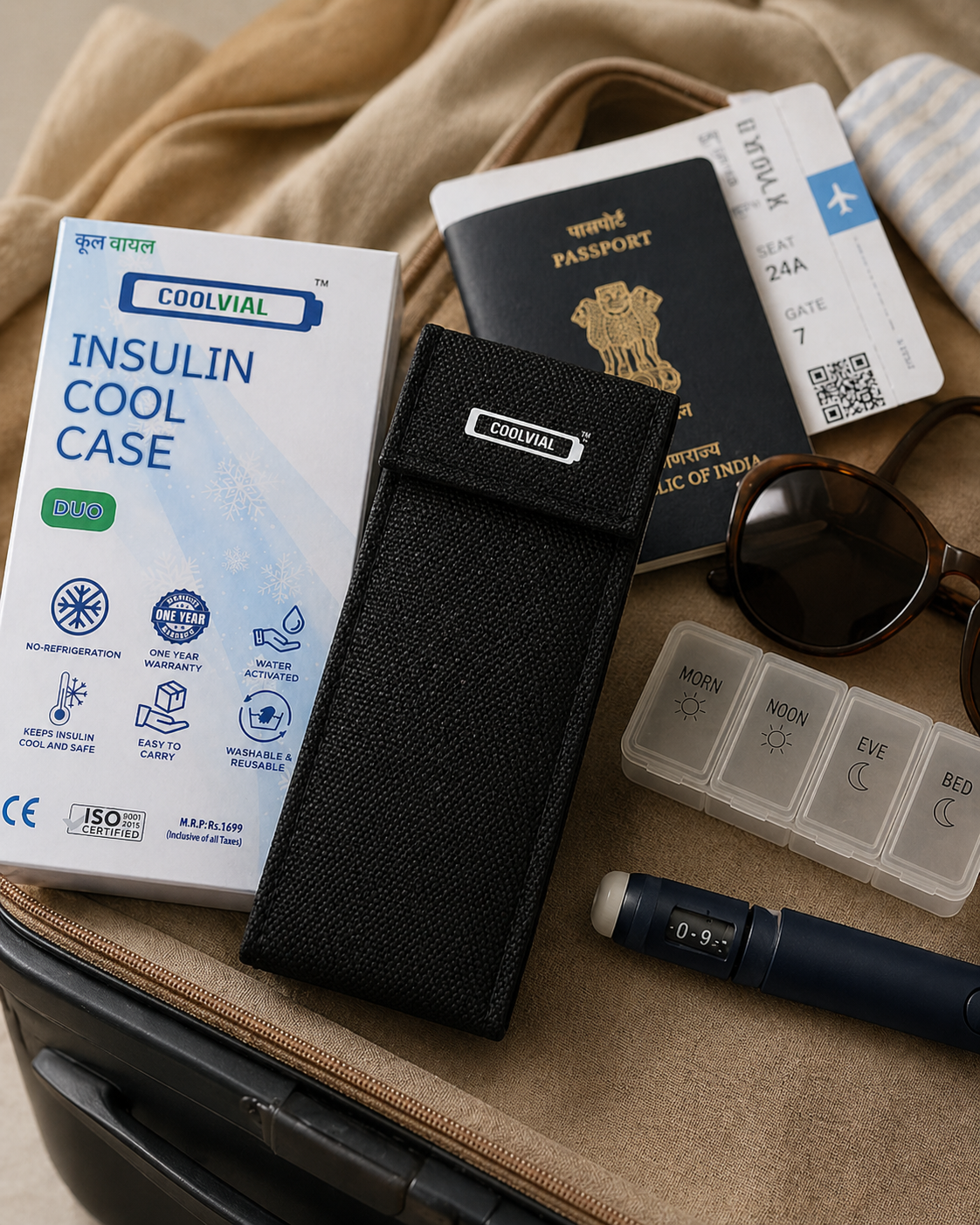
Given Coimbatore’s varied microclimates, from sun-baked car interiors to humid monsoon days and hill station adventures, a reliable, portable insulin cooling solution is not just a convenience—it’s an essential tool for managing diabetes effectively. This is where products like the COOLVIAL insulin cool case come into play, offering peace of mind to Coimbatore residents.
Why a Water-Activated Evaporative Cooling Case is Ideal:
Traditional methods often fall short. Ice packs are bulky, require freezing, and can accidentally freeze insulin. Electric coolers are dependent on power sources, which might not always be available, especially during travel or power outages. Water-activated evaporative cooling cases, however, offer a simple, effective, and independent solution.
How COOLVIAL Duo Stands Out:
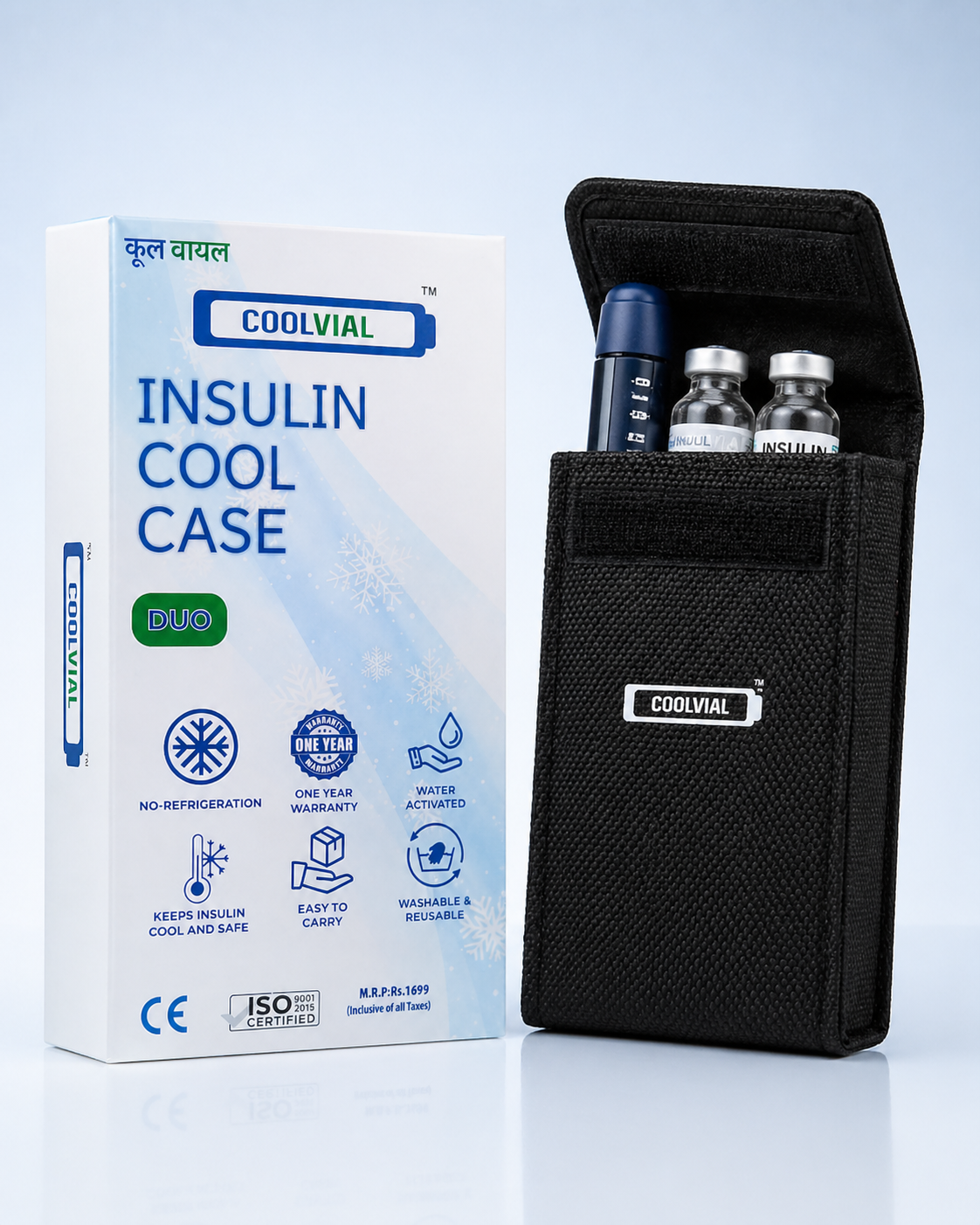
The COOLVIAL Duo is specifically designed for the Indian climate, providing a robust solution for insulin storage. It’s a water-activated evaporative cooling case that keeps insulin cool for 12-16 hours without electricity, making it perfect for daily use, commutes, and travel.
Key Features of COOLVIAL Duo:
- Capacity: Holds 2 pens + 1 vial, catering to various insulin regimens.
- Cooling Duration: Maintains a safe temperature for 12-16 hours on a single activation.
- No Electricity Needed: Simply immerse in water for a few minutes to activate.
- Certifications: CE certified and ISO 9001:2015 compliant, ensuring quality and safety.
- Made in India: A product designed and manufactured for local conditions.
- Warranty: Comes with a 1-year warranty for peace of mind.
Comparing COOLVIAL Duo with Other Options:
When considering your options for how to store insulin on the go, it’s helpful to look at what’s available in the market, including those you might find at pharmacies like Trust Pharmacy or 1mg.
| Feature | COOLVIAL Duo | FRIO (Competitor) | Outer Woods OW-12 (Competitor) |
|---|---|---|---|
| Cooling Mechanism | Water-activated evaporative | Water-activated evaporative | Gel/Ice pack based (passive cooling) |
| Insulin Capacity | 2 pens + 1 vial | Varies by model (e.g., 2 pens) | 2-3 pens (requires gel pack freezing) |
| Cooling Duration | 12-16 hours | Up to 45 hours (can vary) | 6-8 hours (depends on gel pack) |
| Electricity Needed? | No | No | No (but requires freezer for gel pack) |
| Certifications | CE, ISO 9001:2015 | Varies by product | Varies by product |
| Made In | India | UK | India |
| Price (Approx.) | Rs 1,099 (with code COOLHEAL, MRP Rs 1,699) | ~Rs 1,900 (for similar capacity) | ~Rs 999 (for similar capacity) |
| Pros | Cost-effective, certified, good capacity, local brand, no fridge needed | Long cooling duration, established brand | Budget-friendly, compact |
| Cons | Shorter cooling duration than FRIO | Higher price point | Requires freezer access, shorter duration |
The COOLVIAL Duo offers an excellent balance of affordability, reliability, and convenience, specifically tailored for the Indian user. Its “Made in India” advantage means it’s designed with local climate challenges in mind, and its certifications speak to its quality. For Coimbatore residents navigating daily commutes to Codissia Trade Fair or enjoying VOC Park, or even for longer trips, the COOLVIAL Duo provides the peace of mind that insulin is stored safely. For more general insulin storage tips, you can visit our mission page.
8. Frequently Asked Questions About Insulin Storage
Q: Can I store insulin in the freezer in Coimbatore’s hot summer? A: No, insulin should never be stored in the freezer. Freezing temperatures can damage the insulin molecule, rendering it ineffective. Always store unopened insulin in the refrigerator between 2°C and 8°C.
Q: How long can insulin be kept at room temperature in Coimbatore? A: Once opened, most insulin vials and pens can be kept at room temperature (below 25°C, up to 30°C) for up to 28 days. Always check the specific manufacturer’s instructions for your insulin type, as this duration can vary slightly.
Q: What should I do if my insulin gets too hot in a parked car in Coimbatore? A: If your insulin has been exposed to temperatures significantly above 30°C for an extended period, it’s best to discard it and start with a new pen or vial. High heat degrades insulin, reducing its potency and potentially leading to dangerously high blood sugar levels.
Q: Is it safe to carry insulin in my regular bag while commuting in Coimbatore? A: Carrying insulin in a regular bag during commutes, especially in a car or on a two-wheeler, is risky. Vehicle interiors can heat up rapidly, and direct sunlight can damage insulin. It’s highly recommended to use a specialized insulin cooling case like the COOLVIAL Duo for safe transport.
Q: My apartment in RS Puram doesn’t have AC. How can I keep my opened insulin cool enough? A: If your apartment lacks AC, find the coolest, darkest room, ideally a cupboard or drawer away from windows and heat sources. Consider using a small fan to circulate air. During warmer periods, a water-activated cooling case can provide a stable environment for your in-use insulin.
Q: What’s the best way to store insulin during a power cut in Coimbatore? A: During a power cut, especially during the monsoon, an evaporative cooling case is invaluable. Activate your COOLVIAL Duo by immersing it in water, and it will keep your insulin cool for 12-16 hours, protecting it until power is restored or you can access refrigeration.
Q: Can I use insulin that has changed color or looks cloudy? A: Always check your insulin before use. Rapid-acting and long-acting clear insulins should always be clear. NPH insulin (intermediate-acting) is naturally cloudy, but if any insulin changes color, develops particles, or looks unusually cloudy, do not use it and discard it immediately.
9. Conclusion: Prioritising Insulin Safety in Coimbatore
Coimbatore’s mild climate is a blessing, but it demands smart and consistent practices when it comes to how to store insulin. From the comfort of your home in Saibaba Colony to the bustling streets around Marudhamalai Temple, and even on your refreshing trips to the Nilgiris, insulin’s stability is non-negotiable for effective diabetes management. The guidance from leading institutions like GKNM Hospital (Pappanaickenpalayam) and local pharmacies such as Saravana Pharmacy consistently emphasises the importance of maintaining proper temperature.
By understanding the nuances of our local climate – the baking car interiors, the humid monsoon months, and the need for reliable solutions during travel – you can proactively protect your vital medication. Investing in a trusted, certified solution like the COOLVIAL Duo provides an accessible and effective way to ensure your insulin remains potent, giving you the freedom to live your life in Coimbatore without constant worry about your insulin’s integrity. Don’t let complacency compromise your health. Take control of your insulin storage today.
Order COOLVIAL Duo at Rs 1,099 with code COOLHEAL at coolvial.com or via WhatsApp wa.me/918766952300
How We Researched This: This article is informed by current RSSDI (Research Society for the Study of Diabetes in India) guidelines, insights from ICMR-INDIAB data on diabetes prevalence, local Coimbatore hospital directories (including Kovai Medical Center and PSG Hospitals), and practical observations from local pharmacy networks like Apollo Pharmacy.
Medical Disclaimer: This article is for general information. Always consult your endocrinologist or diabetologist before changing insulin storage or dosing practices.
How to Store Insulin in Coimbatore's Mild Year-Round Climate — 7 Essential Tips for Locals
48+ hours at 2-8°C. No electricity. CE certified. Free delivery across India.
Order on WhatsApp — ₹1,099🛒 Buy Now — ₹1,099