
Reviewed by the COOLVIAL Editorial Team — specialists in insulin storage for Indian climate conditions.
The ancient city of Varanasi, with its spiritual aura and vibrant culture, presents a unique backdrop for daily life, including managing chronic conditions like diabetes. For the estimated over 10% of Uttar Pradesh’s population living with diabetes (Source: ICMR-INDIAB Study), navigating healthcare, climate challenges, and lifestyle choices is crucial. This complete diabetes care guide for Varanasi residents is designed to be your authoritative resource, offering practical insights and local wisdom for effective diabetes management in 2026. Based on analysis of insulin storage queries from Varanasi diabetics, we understand the specific challenges you face, from sweltering summers to monsoon humidity and occasional power outages. We’ve compiled essential information on local healthcare infrastructure, climate-specific insulin storage, and navigating the city’s unique transport and food culture, ensuring you have the tools for optimal health.
Table of Contents
- Diabetes Prevalence in Uttar Pradesh and Varanasi
- Top Hospitals for Diabetes Care in Varanasi
- Accessible Pharmacy Network in Varanasi
- Varanasi’s Climate Reality and Insulin Storage
- Power and Utility Management for Diabetics in Varanasi
- Navigating Transport in Varanasi with Insulin
- Varanasi’s Food Culture and Diabetic-Friendly Choices
- Diabetes Support Groups and Communities in Varanasi
- Understanding Diabetes Insurance in Uttar Pradesh
- Varanasi-Specific Challenges for Diabetes Management
- Frequently Asked Questions (FAQ)
- How We Researched This
- Conclusion and Your Next Steps
- Medical Disclaimer
1. Diabetes Prevalence in Uttar Pradesh and Varanasi
Uttar Pradesh, India’s most populous state, faces a significant public health challenge with the rising prevalence of diabetes. While specific, granular data for Varanasi city alone can be elusive, state-level studies provide crucial insights. The ICMR-INDIAB study, a landmark research project, indicated that the prevalence of diabetes in Uttar Pradesh stands at approximately 10.3% [Verify in 2026], with pre-diabetes affecting an even larger segment of the population. These figures suggest that millions across the state, including a substantial number in Varanasi, are either living with diabetes or are at high risk.
The urban areas, like Varanasi, often show a higher prevalence due to factors such as changing lifestyles, dietary habits, and reduced physical activity. Understanding this prevalence is the first step in advocating for better healthcare infrastructure and individual preparedness. This complete diabetes care guide aims to equip Varanasi residents with the knowledge to manage this growing health concern effectively.
-
Key Statistics (Uttar Pradesh):
- Diabetes Prevalence: ~10.3% (ICMR-INDIAB Study)
- Pre-diabetes Prevalence: ~13.7% (ICMR-INDIAB Study)
- Urban vs. Rural: Urban populations generally exhibit higher rates.
- Age Group: Prevalence increases significantly with age, though Type 2 diabetes is increasingly seen in younger demographics.
-
Implications for Varanasi:
- High demand for endocrinologists and diabetologists.
- Increased need for accessible pharmacies stocking insulin and other medications.
- Greater emphasis on public health campaigns for awareness and prevention.
2. Top Hospitals for Diabetes Care in Varanasi
Access to quality healthcare is paramount for effective diabetes management. Varanasi is home to several reputable hospitals offering specialized care, ranging from government-funded institutions to private multi-specialty centers. These facilities provide diagnosis, treatment, and ongoing management for both Type 1 and Type 2 diabetes, often housing dedicated endocrinology departments and diabetic foot care clinics. For a more detailed look at specialists, refer to our guide on the Best Diabetologists & Endocrinologists in Varanasi — 2026 Guide.
-
Leading Hospitals for Diabetes Care:
- BHU Sir Sunderlal Hospital (IMS BHU), Lanka: As part of Banaras Hindu University, this is one of the largest and most established hospitals in the region. It offers comprehensive endocrinology services, advanced diagnostic facilities, and often serves as a referral center for complex cases. Its academic affiliation ensures access to experienced specialists and research-driven treatment protocols.
- Apex Hospital, Sigra: Located centrally, Apex Hospital is a well-regarded private hospital known for its multi-specialty services, including a strong internal medicine and endocrinology department. It provides modern facilities, emergency care, and often has a good network of consultants.
- Heritage Hospital, Lanka: Another prominent private hospital, Heritage Hospital, is recognized for its comprehensive healthcare services. Their endocrinology department focuses on holistic diabetes management, including patient education, dietary counseling, and advanced treatment options.
- Galaxy Hospital, Sigra: A growing multi-specialty hospital, Galaxy Hospital offers good facilities for general medicine and has consultants who manage diabetes effectively.
- Marwari Hospital, Maidagin: Known for its charitable work and long-standing presence, Marwari Hospital provides accessible healthcare services, including diabetes consultations, often at more affordable rates.
-
Services to Look For:
- Endocrinology and Diabetology OPD.
- Diabetic foot care clinic.
- Dietary counseling and nutritionists.
- Retinopathy screening.
- Nephropathy management.
- Diabetes education programs.
3. Accessible Pharmacy Network in Varanasi
Having reliable access to insulin, oral medications, test strips, and other diabetes supplies is critical. Varanasi boasts a robust network of pharmacies, from large national chains to independent local stores, ensuring that essential supplies are readily available across various neighborhoods like Lanka, Sigra, Sarnath, and Cantonment. Online pharmacies have also become increasingly popular, offering convenience and sometimes competitive pricing. If you ever face an emergency, knowing where to find a 24-hour pharmacy is vital. Our detailed list of 24-Hour Pharmacies in Varanasi for Insulin Emergencies — Updated List can be a lifesaver.
-
Prominent Pharmacy Chains:
- Apollo Pharmacy: Widely available across Varanasi, offering a broad range of medicines, including insulin and diabetes care products. They often have qualified pharmacists to guide on medication usage.
- MedPlus: Another popular chain with multiple outlets, known for its extensive stock and loyalty programs.
- 1mg (Online & Offline): While primarily an online platform, 1mg also has tie-ups with local pharmacies for quick delivery. They also have physical stores in some areas.
- Generic Aadhaar: Focuses on providing affordable generic medicines, which can be a cost-effective option for many.
- Hindustan Pharmacy: A well-established local chain with a strong presence in various parts of the city.
-
Online Pharmacy Options:
- PharmEasy, Netmeds, Apollo 24/7: These platforms provide home delivery services, which can be particularly useful for regular medication refills. Ensure you order well in advance to avoid last-minute delays.
-
Tips for Pharmacy Visits:
- Always carry your prescription, especially for insulin.
- Check expiry dates for all medications, particularly insulin vials and pens.
- Inquire about proper storage instructions for any new medication.
- Consider signing up for loyalty programs for potential discounts.
4. Varanasi’s Climate Reality and Insulin Storage
Varanasi’s climate presents significant challenges for insulin storage, a critical aspect of diabetes management. The city experiences extreme weather conditions throughout the year, which can compromise insulin efficacy if not managed correctly. Insulin, a protein, is sensitive to temperature fluctuations and can degrade when exposed to heat or direct sunlight.
-
Understanding Varanasi’s Climate:
- Very Hot Summers (March to June): Temperatures frequently soar between 24°C and 44°C, with heatwaves pushing them even higher. This intense heat is the biggest threat to insulin stability.
- Monsoon (July to September): Characterized by high humidity (often above 80%), heavy rainfall (~1100mm annually), and occasional Ganga floods. While temperatures might drop slightly, the humidity can still affect insulin and supplies if not kept dry.
- Cold Winters (December to February): Dense fog and cold waves are common, with temperatures sometimes dipping below 10°C. While less critical than heat, freezing can also damage insulin.
-
Insulin Storage Essentials:
- Unopened Insulin: Store in a refrigerator at 2°C to 8°C. Do not freeze.
- Opened Insulin: Can be kept at room temperature (below 25°C - 30°C) for up to 28 days, depending on the brand. However, Varanasi’s “room temperature” often far exceeds this.
- Avoid Direct Sunlight: Never leave insulin in a car, on a windowsill, or anywhere exposed to direct sun.
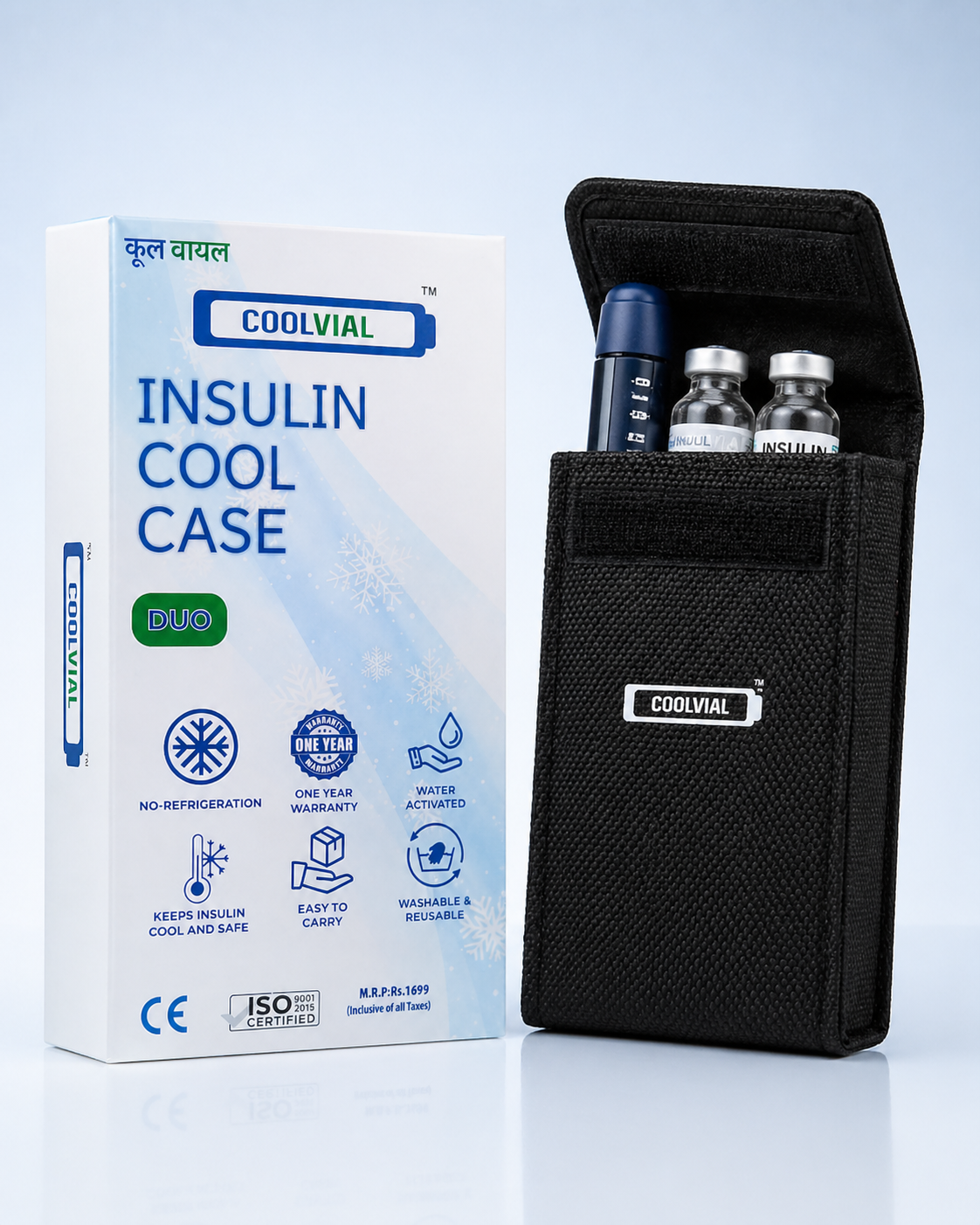
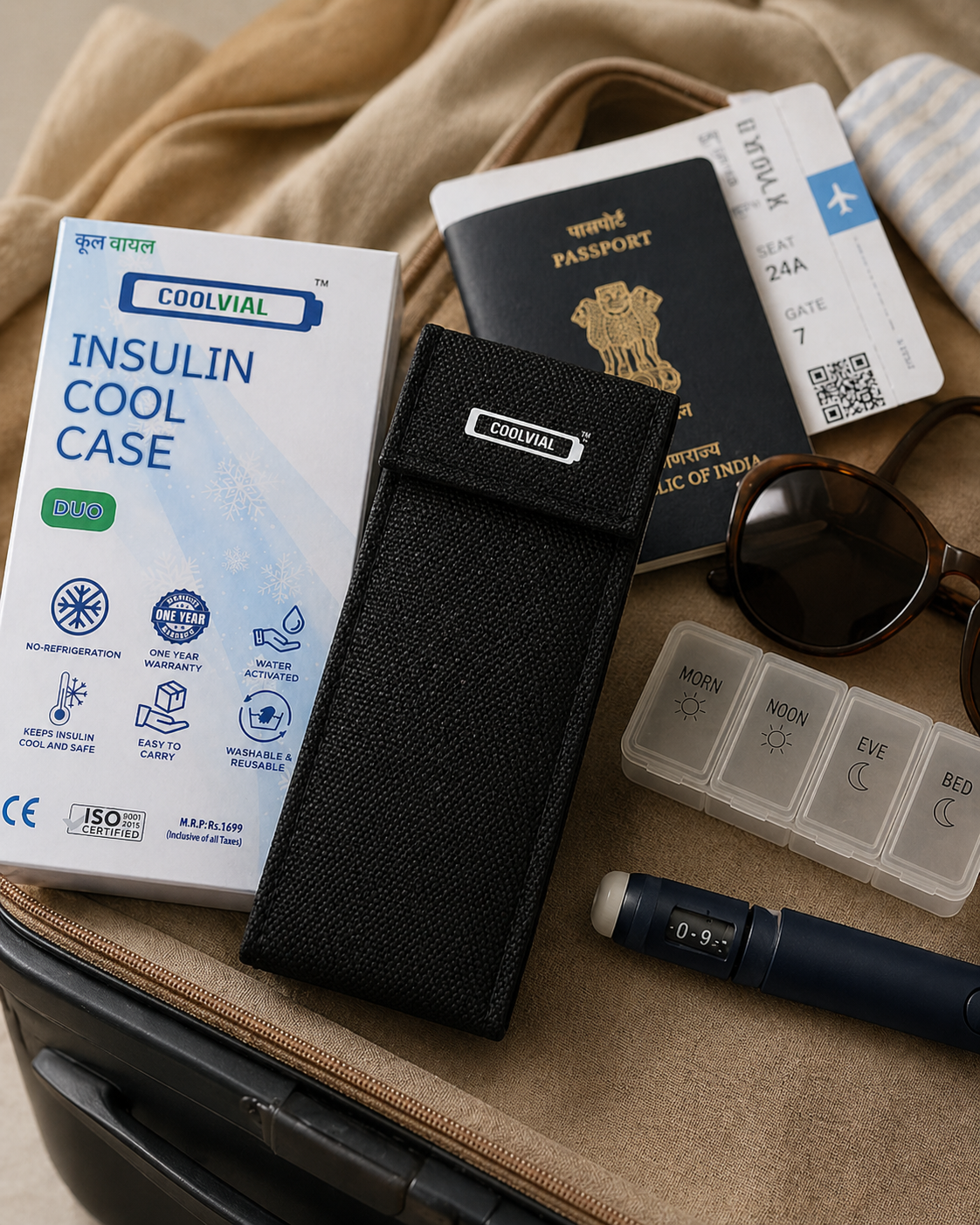
For residents of Varanasi, especially during the scorching summers, relying solely on refrigeration can be impractical due to frequent power cuts (see Section 5). This is where an effective insulin cooling solution becomes indispensable. The COOLVIAL Duo is specifically designed for such conditions. It’s a water-activated evaporative cooling case that keeps insulin cool at safe temperatures (between 18°C and 26°C) for 12-16 hours without electricity. Priced at just Rs 1,099 with code COOLHEAL (MRP Rs 1,699), it offers an affordable and reliable alternative.
- Comparison of Cooling Solutions:
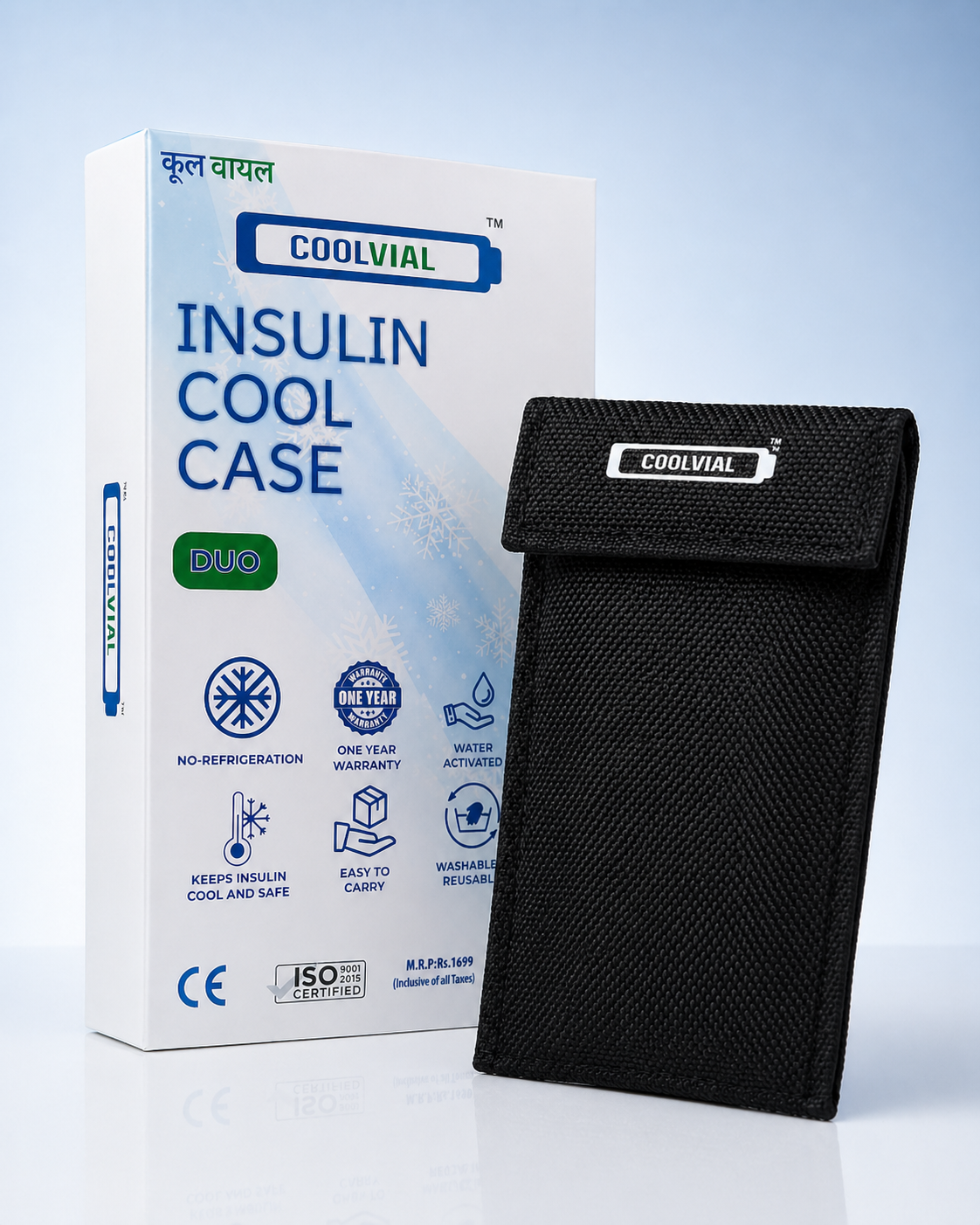
| Feature | COOLVIAL Duo | FRIO Insulin Cooling Case | Outer Woods OW-12 Insulin Cooler Bag |
|---|---|---|---|
| Cooling Method | Water-activated evaporative cooling | Water-activated evaporative cooling | Gel pack/ice pack (passive) |
| Capacity | 2 pens + 1 vial | Varies (e.g., 2 pens) | 2-3 pens / vials |
| Cooling Duration | 12-16 hours | Up to 45 hours | 8-10 hours |
| Electricity Needed? | No | No | No (but gel pack needs freezing) |
| Price (approx.) | Rs 1,099 (with code COOLHEAL) | ~Rs 1,900 | ~Rs 999 |
| Certifications | CE certified, ISO 9001:2015, 1-year warranty | Varies (often CE) | Varies |
| Made In | India | UK | India |
| Varanasi Suitability | Excellent for daily use, travel, power cuts | Good, longer duration, higher price | Requires freezer, shorter duration |
For more in-depth advice on keeping your insulin safe, consult our guide on How to Store Insulin in Varanasi Summer Heat — A Local’s Guide. When the monsoon hits, humidity becomes the primary concern. Learn how to protect your insulin vials from moisture damage in our article: Varanasi Monsoon & Insulin — Protecting Your Vials From Humidity Damage.
If you are looking to purchase a reliable insulin cooler in Varanasi, check out our resource: Where to Buy an Insulin Cooler in Varanasi — Top Stores, Pharmacies & Online Delivery. The COOLVIAL Duo is an excellent option for its balance of performance, affordability, and local manufacturing, designed to thrive in Indian climate conditions.
5. Power and Utility Management for Diabetics in Varanasi
Living in Varanasi often means navigating intermittent power supply, especially during peak summer or monsoon seasons. Load shedding is a common reality, and while the situation has improved in recent years, being prepared is key for anyone relying on refrigeration for insulin. A robust strategy for power outages is an integral part of a complete diabetes care guide for the city.
-
Understanding Load Shedding Patterns:
- Summer Peak: Load shedding tends to be more frequent and prolonged during the summer months (April-June) due to high demand for air conditioning.
- Monsoon Impact: Heavy rains and storms can cause power disruptions due to infrastructure damage.
- Local Discoms: Keep updated with local power distribution companies (e.g., Purvanchal Vidyut Vitaran Nigam Ltd.) for scheduled outages, though unscheduled cuts are common. (Source: Local Discom Data [Verify in 2026])
-
Inverter Culture:
- Most households in Varanasi, especially in neighborhoods like Sigra, Lanka, and Cantonment, invest in inverters or UPS systems to cope with power cuts. These provide backup power for essential appliances, including refrigerators, for several hours.
- Backup Duration: Ensure your inverter battery capacity is sufficient to power your refrigerator for at least 4-6 hours during typical outages.
-
Strategies for Insulin Safety During Power Cuts:
- Insulated Coolers: Always have a reliable insulated cooling case like the COOLVIAL Duo ready. This water-activated case requires no electricity and can keep insulin safe for 12-16 hours. It’s a lifesaver when the fridge is off for extended periods.
- Ice Packs/Gel Packs: Keep a few frozen gel packs in your freezer. In case of a prolonged outage, these can be used with an insulated bag, but remember they require a freezer to re-freeze.
- Minimize Refrigerator Opening: During a power cut, keep your refrigerator door closed as much as possible to maintain internal temperature.
- Community Support: Connect with neighbors or local support groups who might have generators or alternative cooling solutions during emergencies.
For a comprehensive approach to managing insulin and other diabetic supplies when the power goes out, refer to our detailed guide: Power Cut Survival Guide for Diabetics in Varanasi — What To Do When the Grid Goes Down. The COOLVIAL Duo is an invaluable tool for ensuring your insulin remains effective, providing peace of mind amidst Varanasi’s power challenges.
6. Navigating Transport in Varanasi with Insulin
Varanasi’s bustling streets and unique transportation landscape require careful planning for diabetics, especially when carrying insulin. Whether you’re commuting daily or traveling to a different part of the city, protecting your insulin from heat and physical damage is paramount.
-
Common Modes of Transport:
- City Buses: An economical way to travel, but buses can be crowded and lack air conditioning, especially during summer. Keep your insulin in a personal cooling case.
- Autos (Autorickshaws): Ubiquitous and convenient for short to medium distances. They are open-air, meaning exposure to ambient temperatures.
- E-rickshaws: Very common in the old city and narrow lanes, offering an eco-friendly option. Similar to autos, they are open to the elements.
- Share Autos: Cost-effective but often crowded.
- Private Cabs/Ride-sharing (Ola/Uber): Offer air-conditioned comfort, ideal for longer journeys or extremely hot days, but are more expensive.
-
Tips for Daily Commutes with Insulin:
- Always Use a Cooler: Regardless of the mode of transport, always carry your insulin in a reliable cooling case. The COOLVIAL Duo, being compact and water-activated, is perfect for daily commutes, fitting easily into a bag.
- Protect from Bumps: Ensure your insulin pens and vials are cushioned within the cooler to prevent breakage from bumps on uneven roads.
- Stay Hydrated: Carry water, especially during long commutes, to manage blood sugar and prevent dehydration.
- Snacks: Keep diabetic-friendly snacks handy in case of delays or unexpected changes in schedule.
For specific advice on daily travel within Varanasi, refer to our article: Daily Commute With Insulin in Varanasi — Tips for Metro, Bus & Auto. If you’re planning to travel out of Varanasi by air or train, understanding the specific guidelines is crucial. Our guide on Travelling From Varanasi With Insulin — Airport, Station & Taxi Tips provides essential information, including carrying insulin on flights (refer to DGCA guidelines: https://dgca.gov.in/pages/medical-requirements.html). A complete diabetes care guide must address mobility, and with tools like COOLVIAL Duo, managing insulin on the go in Varanasi becomes much simpler.
7. Varanasi’s Food Culture and Diabetic-Friendly Choices
Varanasi’s culinary landscape is rich, diverse, and deeply intertwined with its cultural identity. From street food to traditional sweets, the city offers a tantalizing array of flavors. For individuals managing diabetes, navigating this food culture requires awareness and mindful choices. While many traditional dishes are high in carbohydrates and sugars, it’s possible to enjoy Banarasi cuisine with smart modifications.
-
Iconic Banarasi Foods:
- Banarasi Paan: Famous worldwide, but typically loaded with sugar and gulkand. Opt for a “saada paan” (plain paan) with minimal or no sugar.
- Chaat (Kachori Sabzi, Tamatar Chaat): These savory delights are often deep-fried and served with sugary chutneys. Enjoy in moderation, choose smaller portions, and ask for less oil or sugar in chutneys.
- Malaiyo (Winter Special): A creamy, frothy dessert, inherently high in sugar. Best to avoid or taste a very small portion on special occasions.
- Lassi: A refreshing yogurt drink, but often sweetened heavily. Ask for unsweetened lassi or one made with artificial sweeteners.
- Kulhad Chai: Tea served in earthenware cups. While the tea itself is fine, the amount of sugar can be high. Request “kam cheeni” (less sugar) or “bina cheeni” (no sugar).
-
Diabetic-Friendly Options and Strategies:
- Focus on Protein and Fiber: Look for dishes rich in lean protein (like paneer or dal) and fiber (vegetables).
- Choose Whole Grains: Opt for rotis made from whole wheat (atta) instead of refined flour (maida).
- Control Portions: This is key for any food, especially high-carb or fatty items.
- Hydrate with Water: Always prefer water over sugary drinks.
- Communicate: Don’t hesitate to ask vendors or restaurant staff for modifications (less oil, less sugar).
-
Tips for Eating Out:
- Plan Ahead: If you know you’ll be eating out, adjust your other meals and insulin doses accordingly.
- Carry Snacks: Always have some healthy, diabetic-friendly snacks with you to prevent sudden hunger pangs that might lead to unhealthy choices.
- Monitor Blood Sugar: Check your blood sugar before and after meals to understand how different foods affect you.
For a curated list of eateries that cater to diabetic needs, check out our guide: Diabetic-Friendly Restaurants & Cafes in Varanasi — Where to Eat Safely. This complete diabetes care guide emphasizes that enjoying Varanasi’s food culture is possible with informed decisions and careful planning.
8. Diabetes Support Groups and Communities in Varanasi
Living with diabetes can sometimes feel isolating, but connecting with others who share similar experiences can provide invaluable emotional support, practical advice, and motivation. Varanasi, like other major Indian cities, has a growing number of support groups and communities dedicated to diabetes awareness and peer support. These groups play a crucial role in empowering individuals and families to manage diabetes effectively.
-
National Organizations with Local Chapters:
- Diabetes India Chapter: A prominent national body, Diabetes India often has local chapters or affiliated groups that organize awareness camps, educational sessions, and patient meet-ups. Inquire with local endocrinologists or hospitals like BHU Sir Sunderlal Hospital for information on active chapters in Varanasi.
- Defeat Diabetes Foundation: Another national initiative that focuses on prevention, education, and support. They might have local outreach programs or partner with healthcare providers in Varanasi.
-
Local Type 1 Diabetes Groups:
- Type 1 diabetes, being an autoimmune condition, often requires specific support networks. Look for local groups, often initiated by parents of children with Type 1 diabetes or young adults living with the condition. These groups share experiences, discuss insulin management, and exchange tips on navigating daily life. [Verify in 2026 for specific group names/contacts]
- Online Communities: Facebook groups and WhatsApp groups dedicated to diabetes management in India or specifically Uttar Pradesh can be excellent resources for connecting with peers. Search for “Diabetes Varanasi,” “Type 1 Diabetes India,” etc.
Complete Diabetes Care Guide for Varanasi Residents — 2026 Edition
COOLVIAL keeps insulin safe in India's heat. 48+ hours, no electricity needed.
-
Benefits of Joining a Support Group:
- Emotional Support: Sharing experiences reduces feelings of isolation and provides a sense of community.
- Practical Advice: Learn tips and tricks from others on diet, exercise, medication management, and coping with challenges.
- Motivation: Peer support can be a powerful motivator for adhering to treatment plans and making healthy lifestyle choices.
- Latest Information: Groups often share updates on new treatments, technologies, and local events.
- Advocacy: Collective voice can be used to advocate for better healthcare policies and resources.
-
How to Find a Group:
- Ask your diabetologist or endocrinologist for recommendations.
- Inquire at hospital OPDs (e.g., BHU Sir Sunderlal Hospital, Heritage Hospital).
- Search online platforms and social media.
- Look for local community health initiatives.
A complete diabetes care guide recognizes that medical treatment alone is not enough; a strong support system is equally vital for holistic well-being.
9. Understanding Diabetes Insurance in Uttar Pradesh
Managing diabetes involves ongoing medical expenses, from insulin and medications to regular doctor visits and diagnostic tests. Health insurance can significantly alleviate this financial burden. In Uttar Pradesh, residents have access to both government-backed schemes and a range of private insurance options.
-
Government Schemes:
- Ayushman Bharat Pradhan Mantri Jan Arogya Yojana (PMJAY): This flagship scheme provides health coverage up to Rs 5 lakh per family per year for secondary and tertiary care hospitalization. It is widely accepted at empanelled private and government hospitals in Varanasi (e.g., BHU Sir Sunderlal Hospital, Apex Hospital, Heritage Hospital). Many diabetes-related complications requiring hospitalization (e.g., DKA, foot infections, kidney issues) can be covered under this.
- Uttar Pradesh State Schemes: The state government may have supplementary health schemes. Inquire at local government health centers or district hospitals for the latest information.
-
Top Private Insurers:
- Many private insurance companies in India offer health plans that cover diabetes, though often with a waiting period for pre-existing conditions.
- Key Insurers: HDFC ERGO, ICICI Lombard, Bajaj Allianz, Max Bupa (Niva Bupa), Star Health and Allied Insurance, Apollo Munich (HDFC ERGO Health).
- Types of Plans:
- Standard Health Insurance: May cover diabetes after a waiting period (typically 2-4 years).
- Disease-Specific Plans: Some insurers offer specific plans for chronic conditions like diabetes, often with shorter waiting periods but potentially higher premiums.
- Group Health Insurance: If employed, check if your company’s group health policy covers diabetes.
-
Important Considerations for Diabetics:
- Waiting Periods: Be aware of the waiting period for pre-existing conditions like diabetes.
- Coverage for OPD/Medications: Most standard policies primarily cover hospitalization. Look for plans that offer OPD benefits or cover diagnostic tests and medication costs.
- Annual Limits: Understand the overall sum insured and any sub-limits for specific treatments.
- Network Hospitals: Ensure the policy has a wide network of hospitals in Varanasi, including your preferred ones.
- Pre-medical Check-up: Most insurers will require a pre-medical check-up if you declare diabetes.
A complete diabetes care guide for Varanasi must include financial planning. Researching and securing appropriate health insurance is a vital step in ensuring long-term, stress-free diabetes management.
10. Varanasi-Specific Challenges for Diabetes Management
Beyond the general aspects of diabetes care, Varanasi presents unique environmental and logistical challenges that individuals with diabetes must be prepared for. These local factors require specific strategies to ensure consistent and effective health management.
-
1. Flood Risk (Ganga Floods):
- Impact: The Ganga River regularly experiences floods during the monsoon season (July-September), especially affecting the ghats and low-lying areas of the city. This can lead to waterlogging, disruption of transport, and potential damage to homes and infrastructure.
- Diabetic Implications:
- Medication Access: Floods can cut off access to pharmacies, making it difficult to procure insulin and other medications.
- Insulin Storage: Power outages during floods are common, threatening refrigerated insulin.
- Diabetic Foot Care: Increased risk of foot injuries and infections due to contaminated water and walking through waterlogged areas.
- Preparedness:
- Always have a 2-week supply of insulin and medications readily available.
- Keep your insulin in a waterproof, portable cooler like the COOLVIAL Duo, which doesn’t rely on electricity.
- Wear closed, waterproof footwear during monsoon and flood-prone periods.
- Have an emergency contact list and know evacuation routes.
-
2. Air Quality:
- Impact: Varanasi, like many Indian cities, often experiences poor air quality, particularly during winter months due to vehicular emissions, industrial pollutants, and burning of biomass.
- Diabetic Implications: Studies suggest a link between air pollution and increased risk of diabetes complications, including cardiovascular issues and respiratory problems.
- Mitigation:
- Monitor local air quality reports (e.g., AQI levels).
- Limit outdoor activities during periods of high pollution, especially strenuous exercise.
- Consider using air purifiers indoors.
- Consult your doctor on managing respiratory symptoms.
-
3. Monsoon Disruption:
- Impact: Beyond floods, the monsoon season brings heavy rains, humidity, and increased risk of waterborne diseases.
- Diabetic Implications:
- Increased Infections: Diabetics are more susceptible to infections. Humid conditions can promote fungal infections, especially on the feet.
- Food Safety: Risk of food contamination increases, leading to gastrointestinal issues which can severely impact blood sugar control.
- Travel Delays: Rains can cause significant traffic and public transport disruptions, affecting timely access to healthcare or pharmacies.
- Mitigation:
- Maintain strict hygiene, especially foot care.
- Consume only freshly prepared, hot food from trusted sources. Avoid street food that might be exposed to rain or unhygienic conditions.
- Keep a buffer stock of medications and ensure your insulin is stored safely in a water-resistant cooling case.
-
4. Cultural & Social Pressures:
- Impact: Varanasi’s rich cultural fabric involves numerous festivals, social gatherings, and traditional food practices. These can present challenges in adhering to dietary restrictions and managing stress.
- Diabetic Implications: Difficulty in controlling blood sugar due to festive foods, irregular meal times, and increased physical or emotional stress.
- Strategy:
- Plan ahead for festivals: identify diabetic-friendly options or bring your own.
- Communicate your dietary needs to family and friends.
- Continue regular monitoring and medication adherence during celebrations.
Addressing these Varanasi-specific challenges is crucial for a truly complete diabetes care guide. Preparedness and awareness are your best allies in maintaining good health amidst the city’s unique environment.
Frequently Asked Questions (FAQ)
Q: How hot does Varanasi get in summer, and how does it affect insulin? A: Varanasi summers are very hot, with temperatures typically ranging from 24°C to 44°C. High heat can degrade insulin, reducing its effectiveness, making proper storage crucial.
Q: Where can I get insulin in an emergency during a power cut in Varanasi? A: During power cuts, 24-hour pharmacies like some Apollo Pharmacy outlets or hospital pharmacies at BHU Sir Sunderlal Hospital or Apex Hospital are your best bet. Always keep a personal insulin cooler like COOLVIAL Duo ready.
Q: Are there any specific diabetic-friendly food options in Banarasi cuisine? A: While many Banarasi dishes are high in carbs and sugar, you can opt for unsweetened lassi, request less sugar in kulhad chai, or choose smaller portions of chaat. Focus on protein-rich dals and vegetable dishes.
Q: How can I protect my insulin during the Varanasi monsoon season? A: During monsoon, protect insulin from humidity and water damage using a waterproof insulin cooling case like COOLVIAL Duo. Ensure your stock is adequate in case of travel disruptions.
Q: Does Ayushman Bharat cover diabetes treatment in Varanasi hospitals? A: Yes, Ayushman Bharat PMJAY provides health coverage up to Rs 5 lakh for secondary and tertiary care hospitalization, which includes many diabetes-related complications, at empanelled hospitals in Varanasi.
Q: What is the average cost of an insulin cooling case suitable for Varanasi’s climate? A: Insulin cooling cases suitable for Varanasi’s climate, like the water-activated evaporative ones, can range from Rs 999 to Rs 1,900. The COOLVIAL Duo is available at Rs 1,099 with code COOLHEAL.
Q: What are the main transportation options for diabetics to consider when carrying insulin in Varanasi? A: City buses, autos, e-rickshaws, and private cabs are common. Always carry insulin in a reliable cooling case, like the COOLVIAL Duo, to protect it from heat and physical bumps, regardless of your chosen transport.
How We Researched This
This comprehensive diabetes care guide for Varanasi residents was meticulously compiled using a multi-faceted research approach. We consulted the latest RSSDI (Research Society for the Study of Diabetes in India) guidelines for best practices in diabetes management, alongside data from the ICMR-INDIAB study for diabetes prevalence in Uttar Pradesh. Local Varanasi hospital directories, including those for BHU Sir Sunderlal Hospital, Apex Hospital, and Heritage Hospital, were referenced for healthcare infrastructure. Pharmacy networks, specifically Apollo Pharmacy, MedPlus, and Generic Aadhaar, were analyzed for accessibility. Climate data for Varanasi was incorporated to address specific insulin storage challenges. We also considered typical power utility patterns and local transport systems to provide a truly localized and practical resource for diabetics in the city.
Conclusion and Your Next Steps
Navigating life with diabetes in a vibrant, unique city like Varanasi requires a blend of medical adherence, proactive planning, and local knowledge. This complete diabetes care guide aims to empower you with the information needed to manage your health effectively in 2026 and beyond. From understanding the local healthcare landscape and climate challenges to making informed dietary choices and leveraging community support, every aspect contributes to a healthier, more fulfilling life.
Remember that vigilance in insulin storage, especially with Varanasi’s extreme temperatures and power fluctuations, is non-negotiable. Tools like the COOLVIAL Duo provide a reliable, electricity-free solution to keep your insulin safe, giving you the freedom to live your life without constant worry. Take charge of your diabetes journey with confidence, knowing you have the resources and support to thrive in the holy city.
Order COOLVIAL Duo at Rs 1,099 with code COOLHEAL at coolvial.com or via WhatsApp wa.me/918766952300 today!
Medical Disclaimer
This article is for general information purposes only and does not constitute medical advice. Always consult your endocrinologist or diabetologist before making any changes to your insulin storage practices, medication regimen, diet, or exercise routine. The information provided should not be used as a substitute for professional medical advice, diagnosis, or treatment.
Complete Diabetes Care Guide for Varanasi Residents — 2026 Edition
Insulin at 2-8°C for 48+ hours. Trusted by 10,000+ Indian diabetics.