
Reviewed by the COOLVIAL Editorial Team — specialists in insulin storage for Indian climate conditions.
Varanasi, the spiritual heart of India, pulses with a unique rhythm, especially when the monsoon clouds gather over the Ganga. For the city’s residents managing diabetes, the arrival of the rains brings not just a respite from the scorching summer heat but also a critical challenge: protecting insulin. Based on analysis of insulin storage queries from Varanasi diabetics, humidity, waterlogging, and potential flooding pose significant risks to this life-saving medication. With Varanasi experiencing an average of ~1100mm of rainfall between July and September, often accompanied by high temperatures ranging from 24°C to 44°C, understanding how to safeguard your insulin from humidity damage is not just advisable, it’s absolutely essential. This article offers 7 essential strategies to ensure your insulin vials and pens remain safe and effective throughout the challenging monsoon season in the holy city.
Table of Contents
- Varanasi Monsoon: A Climate Snapshot for Diabetics
- The Silent Threat: How Varanasi Monsoon Humidity Damages Insulin
- Navigating Flood Risks in Varanasi: Protecting Your Insulin Supply
- Maintaining Insulin Efficacy Amidst Transport Disruptions
- Safeguarding Insulin from Humid-Fridge-Air Contamination
- Practical Solutions for Monsoon Insulin Storage in Varanasi
- Your Essential Monsoon-Prep Checklist for Diabetics in Varanasi
1. Varanasi Monsoon: A Climate Snapshot for Diabetics
Varanasi’s climate presents a fascinating, yet challenging, picture for residents, particularly those with chronic health conditions like diabetes. The city endures a very hot summer with temperatures soaring between 24°C and 44°C, followed by a dense fog and cold winter. However, it is the monsoon season, typically from July to September, that brings its own distinct set of challenges. During these months, Varanasi receives an average annual rainfall of approximately 1100mm, transforming the landscape and significantly altering daily life. This isn’t just about the rain; it’s about the pervasive humidity that accompanies it, often hovering above 80-90% for extended periods. (Source: India Meteorological Department (IMD) historical data for Varanasi [Verify in 2026]).
The Ganga, revered as holy, also poses a significant risk during this period. The river frequently floods, affecting the iconic ghats and low-lying areas, sometimes even reaching into nearby neighborhoods. This confluence of heavy rainfall, high humidity, and potential flooding creates a highly volatile environment for sensitive medications like insulin. For diabetics in Varanasi, understanding these climatic nuances is the first step towards developing robust insulin protection strategies.
- Varanasi’s Monsoon Climate Profile:
- Season: July to September
- Average Rainfall: ~1100mm
- Temperature Range: 24°C to 44°C
- Humidity: Frequently above 80-90%
- Additional Risks: Ganga floods, waterlogging in urban areas
2. The Silent Threat: How Varanasi Monsoon Humidity Damages Insulin
The high humidity characteristic of the Varanasi monsoon is more than just uncomfortable; it’s a silent adversary for insulin. While insulin vials and pens are designed to be robust, prolonged exposure to excessive moisture can compromise their integrity and efficacy in several ways. The biggest concern is the degradation of the insulin itself, but the damage extends beyond the medication.
- Risks of Humidity to Insulin and Packaging:
- Insulin Degradation: High humidity, especially when combined with fluctuating temperatures (common during power cuts or if stored improperly), can accelerate the breakdown of insulin proteins. This renders the insulin less potent, or even ineffective, leading to uncontrolled blood sugar levels despite regular injections.
- Cardboard Packaging Damage: The outer cardboard boxes of insulin pens and vials are highly susceptible to moisture. They can become soggy, warp, and even disintegrate, making it difficult to identify the product, read expiry dates, or store multiple pens safely.
- Mould Risk: Varanasi’s humid environment is a breeding ground for mould and mildew. Apartments and ground-floor homes, particularly those near the Ganga or in older structures around Lanka or Sigra, are especially prone to mould growth. If mould spores settle on insulin pens or vials, they can contaminate the surfaces, posing a hygiene risk and potentially compromising the injection process.
- Pen Malfunction: The delicate mechanisms of insulin pens can be affected by moisture. Humidity can lead to rust in metal components or damage to plastic parts, causing pens to jam, deliver incorrect doses, or fail altogether.
- Label Deterioration: Moisture can cause labels on vials and pens to peel off, smudge, or become unreadable. This can lead to dangerous errors in medication identification or dosage.
It’s crucial for diabetics to be vigilant about these risks. A seemingly minor damp spot on packaging could indicate a deeper problem affecting the insulin inside. Proactive measures are key to mitigating these silent threats during the Varanasi monsoon.
3. Navigating Flood Risks in Varanasi: Protecting Your Insulin Supply
Varanasi’s unique geography, nestled along the Ganga, means that flooding is a regular, often severe, occurrence during the monsoon. The sacred river, while central to the city’s identity, can swell dramatically, affecting not just the ghats like Dashashwamedh Ghat and Manikarnika Ghat, but also low-lying residential areas. Ground-floor homes and buildings, particularly in neighborhoods such as Lanka (near BHU campus), parts of Sigra, and even some areas in Sarnath, are frequently impacted by waterlogging or direct flooding.
-
What to Do if Your Home or Building Floods:
- Elevate Immediately: As soon as flood warnings are issued or water starts rising, move all insulin, medical supplies, and essential documents to the highest possible shelf or upper floor. Do not wait for water to enter your home.
- Waterproof Storage: Store insulin in truly waterproof, airtight containers. Even if elevated, a sudden surge can splash water onto shelves. Consider dedicated dry bags used for camping or boating.
- Emergency Kit: Have a pre-packed emergency kit ready with at least a 7-10 day supply of insulin, syringes/pens, glucose monitoring supplies, and essential medicines. This kit should be easily portable.
- Relocation Plan: Identify a safe, higher-ground location (relative’s home, community center) where you can temporarily move if your home becomes uninhabitable.
- Check for Damage: If insulin has been submerged or exposed to floodwaters, it must be considered compromised and should not be used, even if it appears intact. Floodwaters are often contaminated.
- Replace Damaged Stock: In case of insulin destruction due to flooding, immediately contact BHU Sir Sunderlal Hospital (IMS BHU)‘s emergency pharmacy. They are a critical resource for replacement medication in such crises.
-
Varanasi Waterlogging Hotspots:
- Lanka (BHU Area): Due to its proximity to the university campus and some lower-lying sections, waterlogging here can be severe, disrupting access to BHU Sir Sunderlal Hospital.
- Sigra (Central Varanasi): As a central commercial and residential hub, Sigra experiences significant waterlogging, making movement difficult.
- Sarnath (North Varanasi): While further north, certain pockets can also face waterlogging, affecting connectivity.
- Cantonment (Cantt): Though generally better planned, heavy downpours can still lead to temporary water accumulation.
Being prepared for floods is not optional in Varanasi; it’s a vital part of managing diabetes safely during the monsoon.
4. Maintaining Insulin Efficacy Amidst Transport Disruptions
7 Essential Strategies: Protecting Your Insulin During Varanasi Monsoon
48+ hours at 2-8°C. No electricity. CE certified. Free delivery across India.
Order on WhatsApp — ₹1,099🛒 Buy Now — ₹1,099The heavy rainfall and subsequent waterlogging during the Varanasi monsoon often lead to widespread transport disruptions. Roads become impassable, traffic grinds to a halt, and public transport services can be severely affected. For diabetics, this poses a significant challenge, especially when relying on pharmacies for regular insulin refills or in emergencies. The ability to access medication quickly can be compromised, particularly for online delivery services like 1mg and Generic Aadhaar, which may face delays or temporary suspension of services in affected areas. Even traditional brick-and-mortar pharmacies like Apollo Pharmacy and MedPlus can become difficult to reach.
-
Impact of Transport Disruptions on Insulin Access:
- Delayed Deliveries: Online pharmacies (1mg, Generic Aadhaar) may struggle to navigate waterlogged streets, leading to delays or cancellation of essential insulin deliveries.
- Limited Access to Pharmacies: Physical pharmacies (Apollo Pharmacy, MedPlus, Hindustan Pharmacy) might be inaccessible due to flooded roads, especially for those living in areas like Lanka, Sigra, or Sarnath.
- Emergency Shortages: If you run out of insulin unexpectedly, reaching an emergency pharmacy like the one at BHU Sir Sunderlal Hospital (IMS BHU) could be a considerable challenge.
- Reduced Operating Hours: Some smaller pharmacies might reduce their operating hours during severe weather, further limiting options.
-
Strategies to Mitigate Transport Disruption Risks:
- Stock Up Proactively: Ensure you have at least a 2-4 week supply of all essential diabetes medications, including insulin, before the monsoon season begins in earnest. This buffer is crucial for unexpected delays.
- Diversify Pharmacy Sources: Don’t rely solely on one pharmacy or delivery service. Know the locations and contact details of multiple pharmacies across different neighborhoods, including those accessible by different routes.
- Emergency Contact List: Keep a list of emergency contacts, including your doctor, local pharmacy, and a trusted friend or family member who might be able to assist with medication retrieval if you cannot.
- Explore Backup Transport: Consider options for reaching pharmacies during waterlogging, such as rickshaws or e-rickshaws that might navigate flooded lanes better than cars, or even walking short distances if safe.
- Digital Health Solutions: While deliveries can be disrupted, ensure you have digital copies of your prescriptions or can easily contact your doctor for new ones if needed.
Having a robust plan for accessing your insulin during transport disruptions is a non-negotiable aspect of monsoon preparedness for diabetics in Varanasi.
5. Safeguarding Insulin from Humid-Fridge-Air Contamination
Many diabetics correctly store their unused insulin in the refrigerator. However, during the Varanasi monsoon, even this seemingly safe storage method can become problematic due to the high ambient humidity. When the refrigerator door is opened, the humid air from the room rushes in, creating condensation and raising the moisture levels inside. This ‘humid-fridge-air’ contamination poses a specific set of risks to your insulin.
-
Risks of Humid-Fridge-Air Contamination:
- Condensation on Vials and Pens: The most immediate effect is the formation of water droplets on the surface of insulin vials and pens. While insulin itself is sealed, this constant moisture can damage external components, labels, and packaging.
- Mould Growth Inside Fridge: Persistent humidity within the refrigerator can foster mould growth on food items, shelves, and even directly on insulin packaging if left exposed. This is particularly concerning if mould spores then transfer to your medication.
- Compromised Packaging: Cardboard boxes and paper labels, as discussed earlier, can become soggy and disintegrate, making it difficult to identify or handle the insulin safely.
- Temperature Fluctuations: Frequent opening of the fridge in humid conditions can lead to temperature fluctuations inside, especially in less efficient older models. Insulin is sensitive to temperature swings, which can reduce its potency.
-
Best Practices for Refrigerator Storage During Monsoon:
- Airtight Containers: Always store insulin pens and vials, even inside the refrigerator, within sealed, airtight plastic containers. This acts as a barrier against humid air and condensation.
- Minimal Door Opening: Try to minimize how often and for how long you open the refrigerator door. Plan your retrieval of items to reduce exposure to the outside humid air.
- Dedicated Drawer: If possible, dedicate a specific drawer or section of the fridge for insulin storage, further protecting it from general humidity and potential food contamination.
- Regular Cleaning: Clean your refrigerator regularly with an anti-mould solution to prevent any fungal growth that could affect your medication.
- Silica Gel Packs (Inside Container): Place small silica gel packets inside your airtight insulin storage container within the fridge. These desiccants will absorb any residual moisture. Remember to replace them regularly as they become saturated.
By taking these precautions, you can ensure that your refrigerated insulin remains protected from the unique challenges posed by the Varanasi monsoon’s pervasive humidity.
6. Practical Solutions for Monsoon Insulin Storage in Varanasi
Given the severe challenges posed by the Varanasi monsoon, implementing practical and effective insulin storage solutions is non-negotiable. Beyond basic refrigeration, specific tools and techniques can make a significant difference in protecting your medication.
-
Local Sources for Moisture Control:
- Silica Gel Packs: These moisture-absorbing packets are your first line of defense against humidity.
- Availability: Easily found at most Apollo Pharmacy and MedPlus outlets. Larger packets can also be sourced from hardware stores or general stores in areas like Sigra or Cantonment that sell electronics or leather goods. Online retailers like Amazon India also deliver to Varanasi.
- Usage: Place several packets inside airtight containers where you store insulin. Replace them when they change color (if they are indicating-type silica gel) or feel heavy with absorbed moisture.
- Airtight Containers: Essential for creating a microclimate around your insulin, protecting it from both humidity and potential floodwaters.
- Availability: Look for food-grade, airtight plastic containers (e.g., Tupperware, Cello, Borosil) at major supermarkets or general stores in Lanka or Sigra. Check for a secure, rubber-sealed lid for maximum protection.
- Silica Gel Packs: These moisture-absorbing packets are your first line of defense against humidity.
-
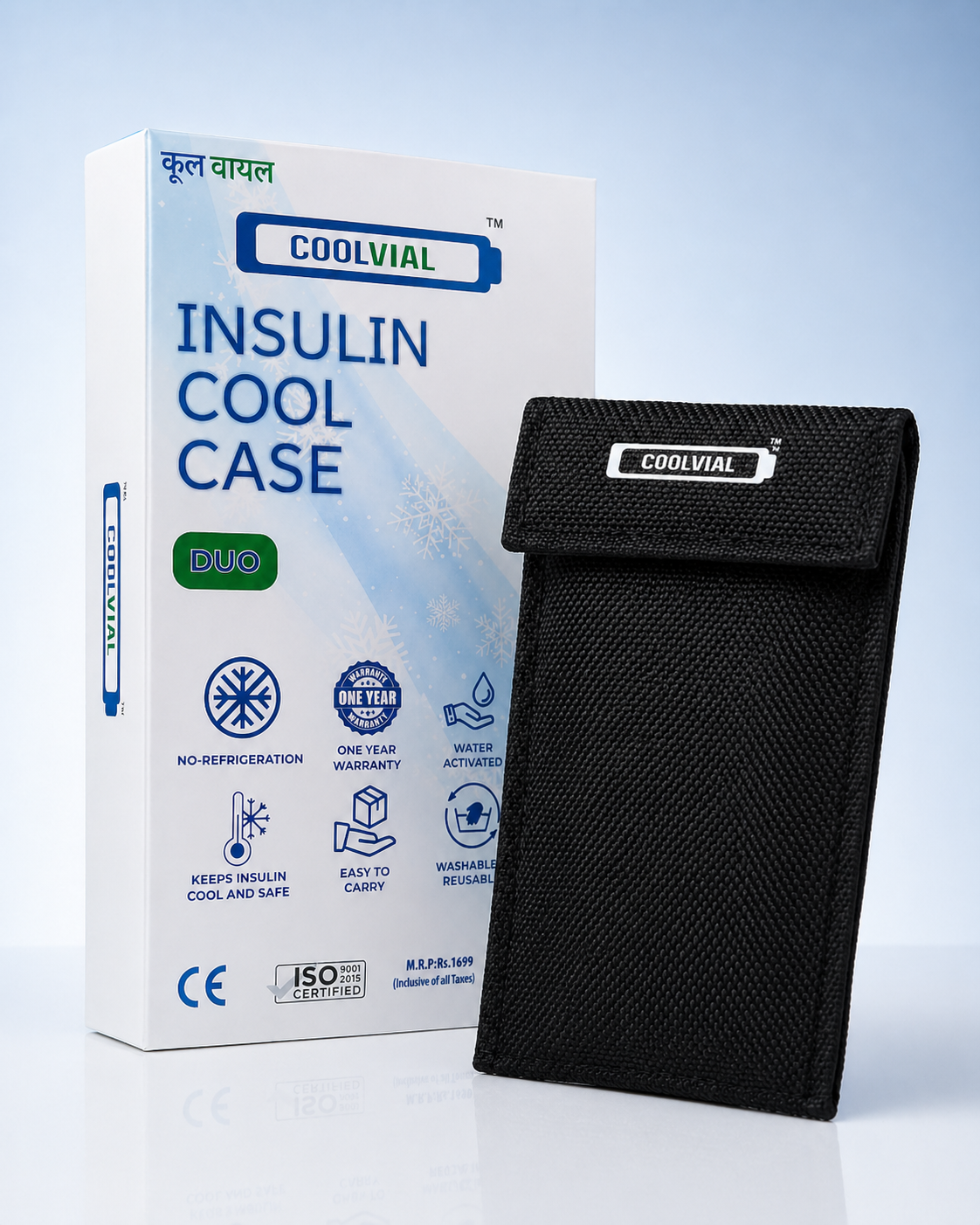
The Power of Evaporative Cooling: COOLVIAL Duo While refrigeration handles long-term storage, what about insulin in use or when you’re on the go, navigating the monsoon-soaked streets of Varanasi, perhaps from Kashi Vishwanath Temple to BHU campus? This is where an evaporative cooling case becomes indispensable.
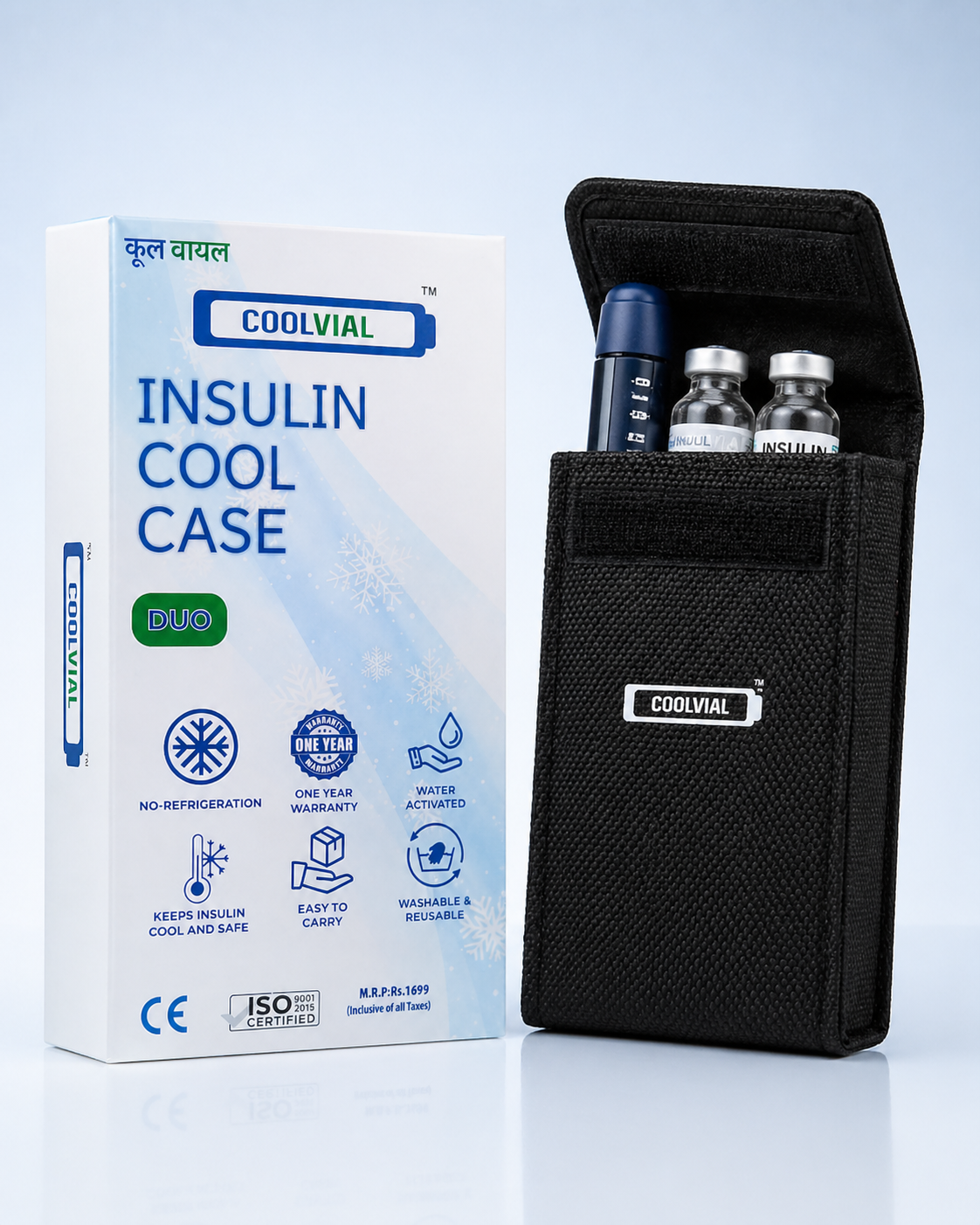
The COOLVIAL Duo is specifically designed for Indian climate conditions, offering a smart, electricity-free solution for keeping your insulin cool. It holds 2 pens + 1 vial and maintains a safe temperature (between 18-26°C) for 12-16 hours, even when ambient temperatures are high. This is crucial for Varanasi’s fluctuating monsoon temperatures and frequent power cuts. The evaporative cooling technology works by activating the inner pouch with water, which then slowly evaporates, drawing heat away from the insulin.
-
COOLVIAL Duo Benefits for Varanasi Monsoon:
- Electricity-Free Cooling: Perfect for areas prone to power outages, ensuring your in-use insulin stays cool without relying on refrigeration.
- Humidity Shield: The multi-layered design provides an additional barrier against external humidity, protecting pens and vials from direct moisture exposure.
- Portable and Discreet: Easily carry your insulin safely whether you’re commuting, visiting family, or simply stepping out to the market in Lanka.
- Robust Construction: Designed to withstand daily use, offering peace of mind.
- Certified Quality: CE certified, ISO 9001:2015, and comes with a 1-year warranty. Proudly Made in India.
-
Comparison with Competitors:
- FRIO: A well-known global brand for evaporative cooling, FRIO pouches typically retail around Rs 1,900 in India. While effective, they are a more expensive option.
- Outer Woods OW-12: A more budget-friendly option, the OW-12 is often priced around Rs 999. It offers similar evaporative cooling but may vary in duration or capacity compared to COOLVIAL Duo.
The COOLVIAL Duo strikes an excellent balance between affordability (currently Rs 1,099 with code COOLHEAL), superior performance, and certified quality, making it an ideal choice for Varanasi diabetics. For more general insulin storage tips, you can refer to our detailed guide.
-
7. Your Essential Monsoon-Prep Checklist for Diabetics in Varanasi
Preparing for the Varanasi monsoon requires a systematic approach to ensure your diabetes management remains uninterrupted. This comprehensive checklist covers everything from medication stock to emergency contacts.
-
Medication & Supplies:
- Sufficient Insulin Stock: Maintain at least a 2-4 week buffer of all insulin vials/pens.
- Oral Medications: Ensure adequate stock of any oral diabetes medications.
- Syringes/Pen Needles: Stock up on these essentials, anticipating potential delays in procurement.
- Glucose Strips & Lancet: Have enough supplies for your glucometer.
- Glucagon Kit: Check expiry and ensure you have one readily accessible for severe low blood sugar.
- Alcohol Swabs: Keep plenty for hygiene during injections, especially in humid conditions.
- Emergency Sweets: Always carry glucose tablets, candies, or fruit juice for immediate treatment of hypoglycemia.
-
Storage & Protection:
- Airtight Containers: Use these for all insulin, even inside the refrigerator.
- Silica Gel Packs: Place fresh packets inside all insulin storage containers and periodically replace them.
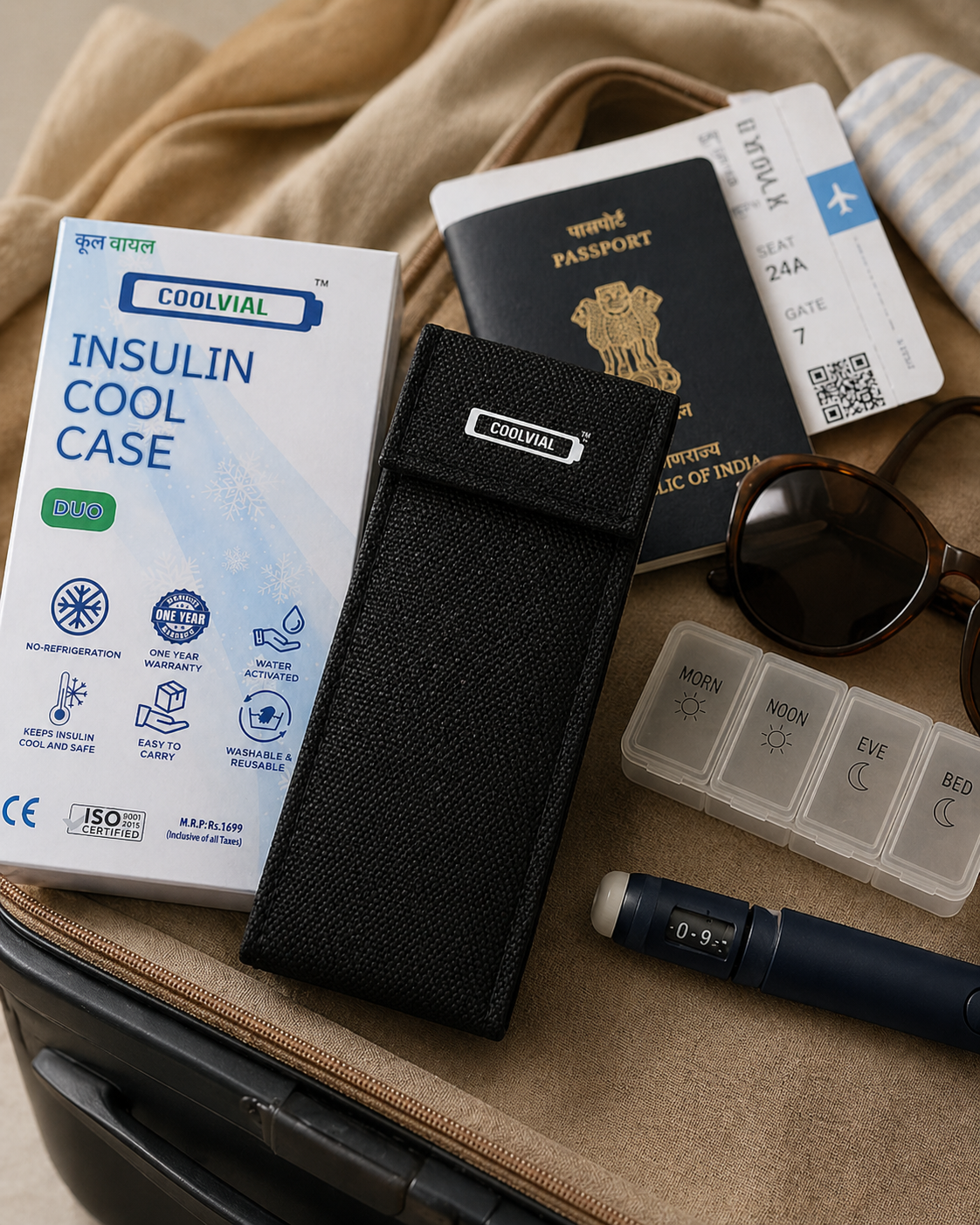
- COOLVIAL Duo: Invest in an evaporative cooling case like the COOLVIAL insulin cool case for in-use insulin and travel.
- Elevated Storage: Identify high shelves or upper floors to store medication in case of flooding.
- Waterproof Bag: Keep a small, waterproof bag for your daily insulin and emergency supplies when stepping out.
-
Emergency & Information:
- Doctor’s Contact: Keep your endocrinologist’s or diabetologist’s contact information handy.
- Pharmacy List: Maintain a list of local pharmacies (Apollo Pharmacy, MedPlus, Hindustan Pharmacy) and their emergency numbers, including BHU Sir Sunderlal Hospital (IMS BHU) emergency pharmacy.
- Prescription Copies: Keep digital and physical copies of all your prescriptions.
- Medical ID: Wear a medical ID bracelet or carry a card indicating your diabetic status.
- Emergency Contacts: Share your condition and emergency plan with family and close friends.
- Travel Documents: If you travel frequently, especially by air, be aware of guidelines for carrying medical supplies. For instance, the Directorate General of Civil Aviation (DGCA) in India provides guidelines on carrying medicines, ensuring peace of mind during air travel (Source: https://dgca.gov.in/pages/medical-requirements.html).
-
Home Preparedness:
- Monitor Weather Alerts: Stay informed about local weather forecasts and flood warnings.
- Power Backup: Consider a power bank for charging phones and small medical devices during outages. Our article, “Power Cut Survival Guide for Diabetics in Varanasi” offers more detailed advice.
- Home Inspection: Check for leaky roofs or windows that could let in moisture.
This checklist, combined with local insights from our “Complete Diabetes Care Guide for Varanasi Residents — 2026 Edition” and “How to Store Insulin in Varanasi Summer Heat — A Local’s Guide,” will empower you to face the Varanasi monsoon with confidence.
FAQ Section
Q: Can I use insulin that has been exposed to floodwaters in Varanasi? A: No, insulin exposed to floodwaters should never be used, even if it appears intact. Floodwaters are often contaminated with bacteria and other harmful substances, which can compromise the sterility and efficacy of the medication.
Q: Where can I buy silica gel packets in Varanasi for insulin storage? A: Silica gel packets are readily available at major pharmacy chains like Apollo Pharmacy and MedPlus in Varanasi. You can also find larger packets at hardware stores, electronic shops, or general stores in areas like Sigra or Cantonment.
Q: How long can insulin stay outside the refrigerator during the Varanasi monsoon if I have a power cut? A: Most in-use insulin (vials and pens) can be kept at room temperature (up to 25°C-30°C, depending on the specific insulin type) for up to 28 days. However, Varanasi’s monsoon temperatures can often exceed this, making an evaporative cooling case like COOLVIAL Duo essential to maintain a safe temperature range (18-26°C) for 12-16 hours.
Q: What should I do if my usual pharmacy in Varanasi is inaccessible due to waterlogging? A: If your usual pharmacy is inaccessible, try contacting alternative pharmacies like MedPlus or Hindustan Pharmacy, or utilize online delivery services if they are operational. For emergencies, BHU Sir Sunderlal Hospital (IMS BHU) has an emergency pharmacy that might be reachable. Always have a backup supply of insulin.
Q: Is it safe to store insulin in an airtight container inside the refrigerator during monsoon? A: Yes, storing insulin in an airtight container inside the refrigerator is highly recommended during the monsoon. This practice creates an additional barrier against the humid air that enters the fridge when the door is opened, protecting your insulin from condensation and potential mould growth.
Q: Can high humidity cause insulin pens to malfunction? A: Yes, prolonged exposure to high humidity can indeed affect the delicate mechanisms of insulin pens. Moisture can lead to rust in metal components, damage plastic parts, or cause internal lubricants to degrade, potentially resulting in the pen jamming, delivering incorrect doses, or failing to function properly.
Q: How often should I replace the silica gel packets used for insulin storage? A: The frequency of replacement depends on the humidity levels and the size of the packets. In Varanasi’s intense monsoon humidity, it is advisable to check and replace silica gel packets every 1-2 weeks, or sooner if they change color (for indicating-type gel) or feel saturated with moisture.
Conclusion
The Varanasi monsoon, with its heavy rainfall, pervasive humidity, and potential for flooding, presents a unique and significant challenge for diabetics in managing their insulin. From the risk of degradation due to moisture and temperature fluctuations to the logistical hurdles of accessing pharmacies amidst waterlogged streets, preparedness is paramount. By understanding the specific threats posed by Varanasi’s climate and implementing the 7 essential strategies outlined in this guide – from proactive stocking and secure storage to utilizing innovative solutions like the COOLVIAL Duo – you can safeguard your vital medication and maintain consistent diabetes care.
Remember, protecting your insulin means protecting your health. Don’t let the monsoon catch you unprepared. Take action today to secure your insulin supply and ensure its efficacy throughout the rainy season.
Order COOLVIAL Duo at Rs 1,099 with code COOLHEAL at coolvial.com or via WhatsApp wa.me/918766952300.
Methodology Note
How We Researched This — This article is based on a comprehensive review of RSSDI (Research Society for the Study of Diabetes in India) guidelines for insulin storage, data from the ICMR-INDIAB (Indian Council of Medical Research - India Diabetes) study on diabetes prevalence and management in India, local Varanasi hospital directories (including BHU Sir Sunderlal Hospital (IMS BHU)), and an analysis of the Apollo Pharmacy network and other local pharmacy resources to understand regional availability and challenges. Information on Varanasi’s specific climate conditions and flood risks was derived from India Meteorological Department (IMD) historical data and local administrative reports.
Medical Disclaimer
This article is for general information purposes only and does not constitute medical advice. Always consult your endocrinologist or diabetologist before making any changes to your insulin storage practices, dosing regimen, or diabetes management plan.
7 Essential Strategies: Protecting Your Insulin During Varanasi Monsoon
COOLVIAL keeps insulin safe in India's heat. 48+ hours, no electricity needed.