
Reviewed by the COOLVIAL Editorial Team — specialists in insulin storage for Indian climate conditions.
Thiruvananthapuram, with its lush greenery, serene backwaters, and vibrant urban life, offers a unique charm. Yet, for the nearly 1 in 10 adults in Kerala living with diabetes (Source: ICMR-INDIAB study, 2020), navigating the city’s tropical coastal climate presents a distinct challenge, especially when managing insulin. The city’s average temperatures, ranging from 22-32°C year-round, coupled with very high humidity and dual monsoon seasons (June-September and October-December), create an environment where insulin can degrade rapidly if not stored correctly. This makes the daily commute with insulin a critical concern for residents. Internal temperatures in non-AC city buses and autorickshaws during peak summer can easily reach 38-42°C, far exceeding the safe storage limit of 25°C for in-use insulin. Based on analysis of insulin storage queries from Thiruvananthapuram diabetics, this article provides 10 essential tips to ensure your insulin remains potent and safe, whether you’re heading to Technopark, a college in Pattom, or a clinic at KIMS Trivandrum (Anayara).
Table of Contents
- Thiruvananthapuram’s Tropical Reality: The Heat and Humidity Challenge for Insulin
- Understanding Insulin’s Sensitivity to Heat: Why Every Degree Matters
- The Urban Commuter’s Insulin Dilemma: Buses, Autos & Metro Realities
- School & College Life with Insulin: Protecting Pens for Young Diabetics
- Workplace Insulin Storage: From Technopark to Tourist Spots
- The Two-Wheeler Trap: Why Your Dickey is a Death Trap for Insulin
- Crafting Your Daily Insulin Carry Routine for Thiruvananthapuram
- Choosing the Right Insulin Cooling Solution for Thiruvananthapuram
- Essential Insulin Prep Rituals for Your Mornings in Thiruvananthapuram
- Emergency Preparedness & Backup Plans for Insulin Storage
- Frequently Asked Questions (FAQs)
- Conclusion: Your Path to Stress-Free Insulin Management
- How We Researched This
1. Thiruvananthapuram’s Tropical Reality: The Heat and Humidity Challenge for Insulin
Thiruvananthapuram’s climate is characterized by its persistent warmth and high moisture content, making it a beautiful yet challenging place for insulin users. The city experiences average temperatures between 22°C and 32°C throughout the year, rarely dipping below 20°C even in cooler months. Relative humidity often hovers above 70%, creating a stifling atmosphere where heat retention is significant. This tropical coastal environment, combined with the city’s two distinct monsoon seasons (South-West monsoon from June to September and North-East monsoon from October to December, delivering around 1800mm of rainfall annually), means that even on rainy days, humidity levels remain high, making the air feel warmer than the thermometer indicates.
- Key Climate Data Points:
- Average Temperature Range: 22°C to 32°C year-round.
- Relative Humidity: Frequently above 70%, often reaching 90% during monsoons.
- Monsoon Seasons: South-West (June-September) and North-East (October-December).
- Annual Rainfall: Approximately 1800mm.
These conditions are critical because insulin, a temperature-sensitive protein, begins to lose its efficacy when exposed to temperatures above 25°C for extended periods. The high humidity can also exacerbate heat stress on storage solutions. Therefore, understanding and mitigating these environmental factors is crucial for anyone managing diabetes in Thiruvananthapuram.
2. Understanding Insulin’s Sensitivity to Heat: Why Every Degree Matters
Insulin, whether in vials or pens, is a delicate medication that requires precise storage conditions to maintain its potency. Unopened insulin should always be refrigerated at 2-8°C. Once opened or in-use, most insulin can be kept at room temperature (below 25°C) for up to 28 days, though specific guidelines vary by brand. Exceeding this 25°C threshold, even for short durations, can lead to irreversible damage.
- Impact of Heat on Insulin:
- Protein Denaturation: High temperatures cause the insulin protein to break down, forming aggregates that are less effective or even ineffective.
- Reduced Potency: Damaged insulin requires higher doses to achieve the same blood glucose control, leading to unpredictable sugar levels.
- Visible Changes: While not always obvious, severe heat exposure might cause insulin to appear cloudy, discolored, or contain particles, indicating degradation. However, often, the damage is invisible.
- Increased Risk of Complications: Using degraded insulin can lead to chronically high blood sugar, increasing the risk of long-term diabetes complications.
According to the Research Society for the Study of Diabetes in India (RSSDI) guidelines, maintaining proper insulin storage is paramount for effective diabetes management, especially in tropical climates (Source: RSSDI Publications). This underscores why every degree above 25°C during your daily commute in Thiruvananthapuram is a risk factor that must be addressed.
3. The Urban Commuter’s Insulin Dilemma: Buses, Autos & Metro Realities
Thiruvananthapuram’s diverse public transport system, while convenient, poses varying challenges for insulin storage. From the bustling KSRTC buses to the swift autorickshaws and the modern metro, each mode of transport has its own climate control realities.
-
KSRTC and Trivandrum City Buses (Non-AC):
- Temperature Spikes: During peak summer months (March-May) and even humid monsoon periods, internal temperatures in non-AC buses can soar to 38-42°C, especially during midday commutes.
- Commute Duration: A typical commute from Technopark/Kazhakoottam to central areas like Statue/Palayam can take 60-90 minutes, exposing insulin to high temperatures for dangerously long durations.
- Insulin Pen Survival: An insulin pen carried unprotected in an office bag, school bag, college backpack, or laptop sleeve in these conditions will likely exceed its safe temperature limit within 15-20 minutes, rendering it less effective.
-
Autorickshaws (Autos) and Share Autos:
- Direct Sun Exposure: While seemingly open, autos offer limited shade. Direct sunlight can easily hit your bag, causing rapid temperature increases. Even in shade, the ambient temperature in Thiruvananthapuram is often above 30°C.
- “Ride-Sharing AC Denial Culture”: For app-based cabs (Ola/Uber) that are supposed to be AC, there’s a common observation of drivers being reluctant to turn on the air conditioning to save fuel. Always confirm AC is on and functional for insulin safety.
-
Thiruvananthapuram Metro (AC Reliability):
- Controlled Environment: The metro offers a significantly more stable and cooler environment compared to buses and autos, typically maintaining temperatures around 22-24°C.
- Seat-Side Temperatures: While generally cool, areas near doors or windows on a packed metro might experience slight temperature fluctuations due to frequent door openings and passenger body heat. However, these are usually well within the safe range for insulin.
- Recommendation: Even in the metro, it’s wise to keep your insulin in a protective cooling case to buffer against any minor temperature shifts or accidental exposure during transfers.
What Happens in Your Bag? Leaving an insulin pen directly in a regular bag (without a cooling solution) for a 60-minute commute from Technopark to Statue in a non-AC bus is akin to leaving it in direct sunlight. The internal temperature of your bag will quickly equalize with the ambient temperature, potentially reaching 40°C or more. This duration and temperature are sufficient to significantly compromise insulin’s potency.
4. School & College Life with Insulin: Protecting Pens for Young Diabetics
For children and young adults with Type 1 diabetes attending schools and colleges in Thiruvananthapuram, managing insulin during the day, especially during commutes and lunch breaks, is crucial. Educational institutions like University College Thiruvananthapuram, Mar Ivanios College, College of Engineering Trivandrum (CET), and various prominent schools across the city, require students to be independent in their diabetes management.
- Tips for Students:
- Dedicated Cooling Case: Provide a personal, compact insulin cooling case. This is non-negotiable for daily carry.
- Educate School Staff: Ensure teachers, school nurse (if any), and key administrative staff are aware of the child’s diabetes and insulin storage needs. Provide emergency contacts.
- Lunchbox Integration: For insulin taken at lunchtime, ensure the cooling case fits within or alongside their lunchbox, keeping it readily accessible but protected.
- Avoid Lockers/Bags: Advise against leaving insulin pens in hot lockers or unattended school bags for extended periods, especially during sports or outdoor activities.
- Water Access: Ensure access to water for activating evaporative cooling cases. Most schools have water fountains or taps.
10 Essential Tips for a Safe Daily Commute With Insulin in Thiruvananthapuram
Insulin at 2-8°C for 48+ hours. Trusted by 10,000+ Indian diabetics.
- Checklist for Parents:
- Daily Prep: Help activate the cooling case every morning.
- Backup Supplies: Pack an extra set of needles and alcohol swabs.
- Emergency Contact Card: Ensure the child carries a card with emergency contacts and basic diabetes information.
- Communication: Maintain open communication with the school about storage protocols.
5. Workplace Insulin Storage: From Technopark to Tourist Spots
Working professionals in Thiruvananthapuram, whether in the sprawling IT campus of Technopark/Kazhakoottam, government offices near Statue/Palayam, or corporate parks near Kovalam Beach and Napier Museum, need robust strategies for insulin storage throughout their workday.
-
Office Environment:
- Desk Drawer vs. Refrigerator: While office refrigerators are ideal (if available and accessible), they might be shared or far from your desk. An insulin cooling case kept at your desk is an excellent alternative for in-use insulin.
- Lunch Storage: If you take insulin before or after lunch, ensure it’s kept cool. Many office canteens or break rooms have refrigerators. If not, your personal cooling case is essential. For instance, employees at firms within Technopark often commute long distances; a cooling case ensures insulin is safe during transit and at the desk.
- Meeting Rooms/Travel: If your job involves frequent meetings or short trips within the city, your cooling case should be portable enough to accompany you.
-
Specific Location Considerations:
- Technopark/Kazhakoottam: Long commutes from residential areas to this IT hub mean extended exposure to heat. A reliable cooling case is paramount for the journey.
- Kovalam Beach Corporate Parks: Proximity to the coast often means higher humidity, which can affect the efficiency of some cooling methods if not properly designed.
- Napier Museum Area: Often bustling, with potential for walking commutes between offices and public transport.
-
Best Practices for Office Insulin Storage:
- Personal Cooling Case: Always bring your insulin in a reliable cooling case.
- Office Refrigerator: If available, use it for backup pens or vials, but remember to label clearly.
- Avoid Direct Sunlight: Even in an AC office, avoid leaving your cooling case or insulin pen on a windowsill where direct sunlight can penetrate.
- Regular Checks: Periodically check your insulin and cooling case to ensure it’s functioning optimally, especially during power cuts or AC malfunctions.
6. The Two-Wheeler Trap: Why Your Dickey is a Death Trap for Insulin
For many in Thiruvananthapuram, two-wheelers are the preferred mode of transport, offering agility through traffic. However, carrying insulin in a two-wheeler’s dickey (under-seat storage) or even a glove compartment is an absolute NEVER.
- Extreme Temperatures: The engine heat combined with ambient temperatures means the internal temperature of a two-wheeler’s dickey can easily soar to 50-60°C or even higher, especially after a short ride. This temperature range is lethal for insulin, causing rapid and irreversible degradation within minutes.
- Irreversible Damage: Insulin exposed to such extreme heat will become completely ineffective, leading to dangerously high blood sugar levels.
- Alternative Carrying Methods:
- Backpack with Cooling Case: If you must carry insulin on a two-wheeler, always use a dedicated insulin cooling case, securely placed inside a backpack that you wear on your back. Your body heat will be less detrimental than engine heat, and the cooling case provides a buffer.
- Tank Bag (Insulated): Some riders use insulated tank bags, which are less exposed to engine heat than the dickey. Ensure the bag itself has thermal properties, and always use your cooling case inside it.
The convenience of a two-wheeler should never come at the cost of your insulin’s integrity. Prioritize safe storage above all else.
7. Crafting Your Daily Insulin Carry Routine for Thiruvananthapuram
A well-planned routine is your best defense against insulin degradation in Thiruvananthapuram’s climate. Here’s a step-by-step guide to integrate insulin safety into your daily commute:
-
Morning Preparation Ritual:
- Activate Your Cooling Case: For evaporative cooling cases, soak the inner pouch in cool water for 5-10 minutes (refer to product instructions). Ensure it’s fully hydrated but not dripping.
- Pack Essential Supplies: Place your insulin pens/vials (in a protective sleeve if provided), needles, alcohol swabs, and a glucometer into the cooling case.
- Check Insulin Appearance: Before packing, quickly inspect your insulin. It should be clear (unless it’s NPH, which is cloudy). Discard if discolored or clumpy.
- Carry an Emergency Snack: Always have a fast-acting carbohydrate on hand for hypoglycemia.
-
During Commute:
- Keep Accessible but Protected: Carry your cooling case in your handbag or backpack, ensuring it’s not crushed or exposed to direct sun.
- Avoid Heat Sources: Keep it away from bus windows, direct sun in an auto, or close to hot electronic devices.
-
At Destination (Office/School/College):
- Strategic Placement: Place your cooling case in a cool, shaded spot. If an office refrigerator is available, you can store backup insulin there.
- Regular Checks: Briefly check your cooling case’s condition, especially if using an evaporative type, to ensure it’s still cool to the touch.
-
Example Routine for a Technopark Professional:
- 6:30 AM: Activate COOLVIAL Duo with water.
- 6:45 AM: Pack 2 insulin pens and 1 vial (if needed) into the activated COOLVIAL Duo, along with supplies.
- 7:00 AM: Board KSRTC bus from Kazhakoottam. COOLVIAL Duo is in backpack, away from window.
- 8:15 AM: Arrive at Technopark. Place COOLVIAL Duo on desk, away from window.
- 1:00 PM: Administer lunch dose.
- 5:30 PM: Administer evening dose.
- 6:00 PM: Board bus home. Insulin remains protected in COOLVIAL Duo.
- 7:15 PM: Arrive home. Store in-use insulin in COOLVIAL Duo until next morning’s use; unopened insulin returns to refrigerator.
This structured approach minimizes risks and ensures your insulin is always ready when you need it. For more detailed guidance on managing diabetes in the city, you might find our Complete Diabetes Care Guide for Thiruvananthapuram Residents — 2026 Edition helpful.
8. Choosing the Right Insulin Cooling Solution for Thiruvananthapuram
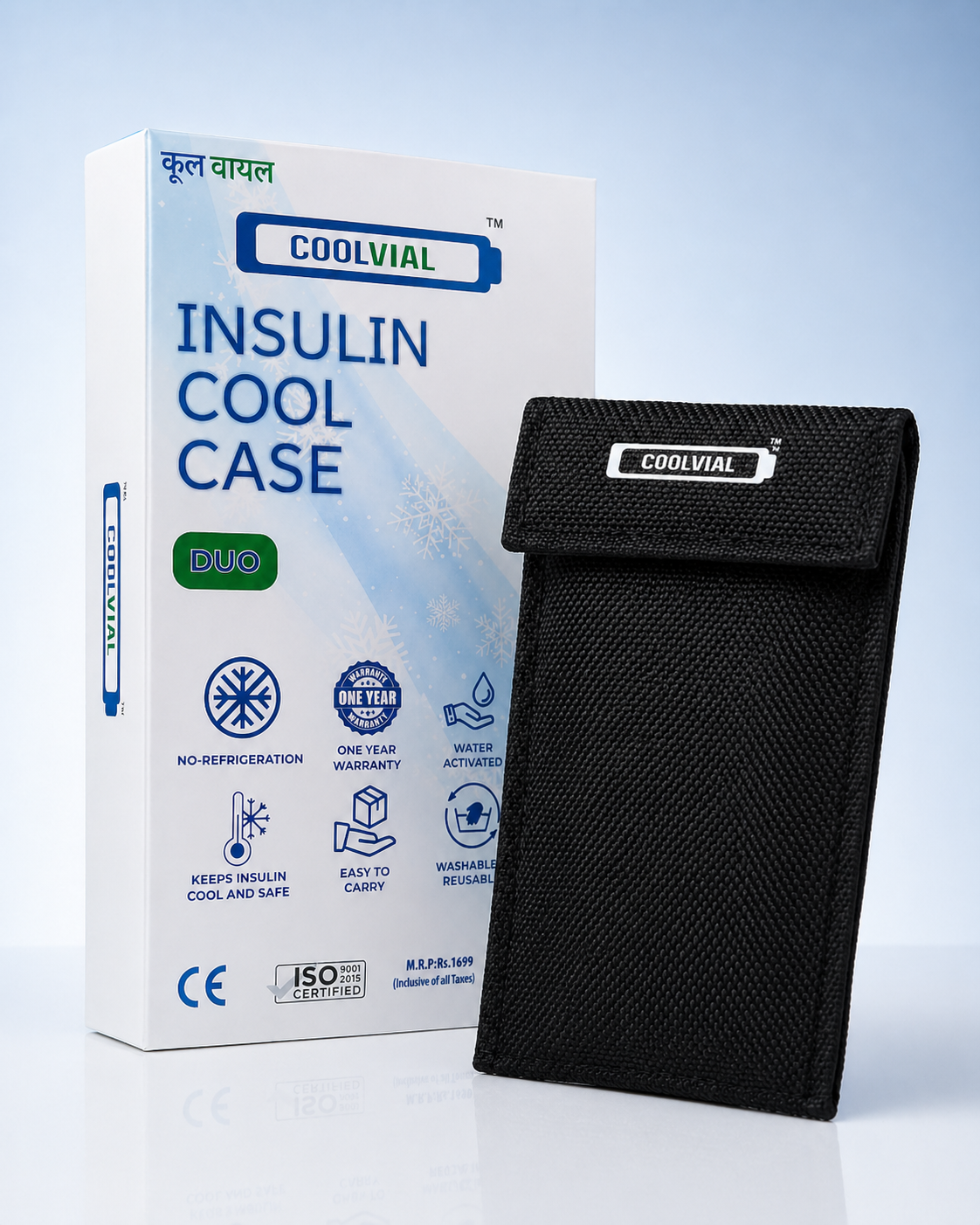
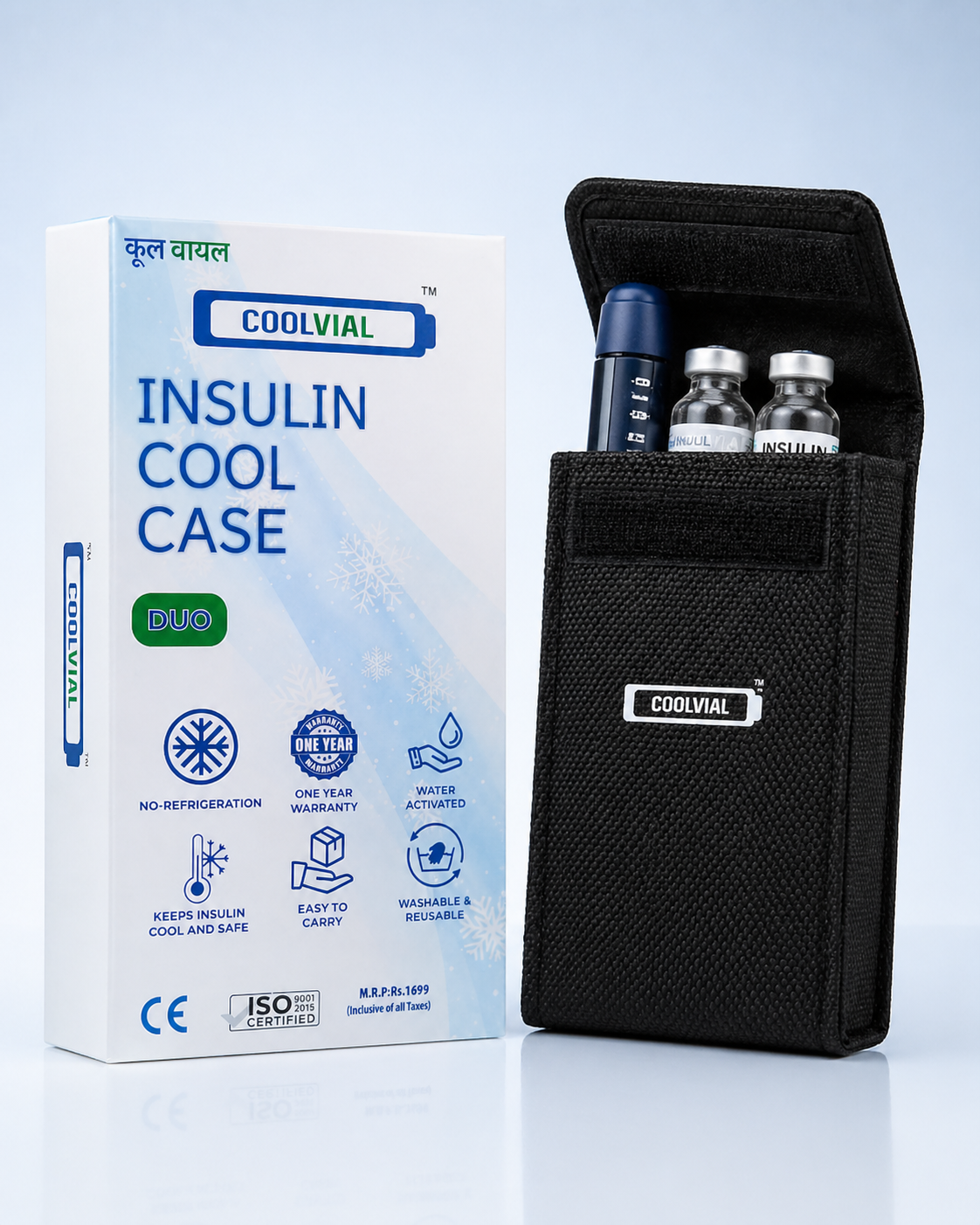
Selecting an effective and reliable insulin cooling case is arguably the single most important decision for safe daily commute with insulin in Thiruvananthapuram. Given the city’s unique climate, water-activated evaporative coolers like the COOLVIAL Duo offer a superior blend of performance and practicality.
- Types of Insulin Cooling Solutions:
-
Evaporative Cooling Cases (e.g., COOLVIAL Duo, Frio):
- Mechanism: Utilize water evaporation from specialized crystals to create a cooling effect.
- Pros: No electricity, batteries, or ice packs needed. Reusable for years. Lightweight and portable. Highly effective in hot climates.
- Cons: Requires water for activation. Performance can slightly reduce in extremely high humidity (though still better than no cooling).
- Ideal for Thiruvananthapuram: Excellent choice due to the long cooling duration and independence from power.
-
Gel Pack/Ice Pack Coolers (e.g., Outer Woods OW-12):
- Mechanism: Rely on pre-frozen gel packs or ice packs to maintain cold temperatures.
- Pros: Can provide very low temperatures initially.
- Cons: Gel packs need freezing, which is not always feasible during commutes or at workplaces. Limited cooling duration (often 4-8 hours). Can be bulky when frozen. Risk of insulin freezing if in direct contact with ice.
- Less Ideal for Thiruvananthapuram Commute: The need for daily freezing and shorter duration makes them less convenient for full-day protection.
-
10 Essential Tips for a Safe Daily Commute With Insulin in Thiruvananthapuram
3.  **Battery-Powered Refrigerators:**
    *   **Mechanism:** Small, portable refrigerators that run on batteries or car adapters.
    *   **Pros:** Precise temperature control.
    *   **Cons:** Expensive, heavy, require charging, battery life can be a concern.
* **Not Practical for Daily Commute:** More suited for extended travel or specific medical needs, not for everyday public transport.- Why COOLVIAL Duo Stands Out for Thiruvananthapuram:
The COOLVIAL Duo is specifically designed to meet the demands of the Indian climate, offering a robust solution for daily insulin management.
- Long-Lasting Cooling: Keeps insulin cool for 12-16 hours, ensuring protection during extended commutes from Kazhakoottam to Palayam and throughout the workday or school day.
- Capacity: Holds 2 insulin pens and 1 vial, accommodating various insulin regimens.
- Convenience: Water-activated, requiring no electricity, batteries, or refrigeration. Just soak in cool water for a few minutes, and it’s ready.
- Affordability & Value: Priced at Rs 1,099 with code COOLHEAL (MRP Rs 1,699), it offers significant value compared to competitors like Frio (typically around Rs 1,900 for similar capacity) while providing comparable or superior performance. Outer Woods OW-12, while priced lower (around Rs 999), uses gel packs, which are less convenient for long, daily use without access to a freezer.
- Quality Assurance: CE certified and ISO 9001:2015 compliant, ensuring high manufacturing standards.
- Local Support: Made in India, with a 1-year warranty, offering peace of mind and accessible customer service.
For reliable and worry-free insulin storage in Thiruvananthapuram’s challenging climate, the COOLVIAL insulin cool case is an intelligent investment.
9. Essential Insulin Prep Rituals for Your Mornings in Thiruvananthapuram
Beyond choosing the right cooling case, establishing a consistent morning ritual for your insulin is key to ensuring its safety and your peace of mind.
- The 5-Step Morning Prep Ritual:
- Hydrate Your Cooler: First thing in the morning, immerse your evaporative cooling case (like COOLVIAL Duo) in a bowl of cool tap water for the recommended time (usually 5-10 minutes). Ensure the entire inner pouch is saturated.
- Gently Dry Excess Water: After soaking, gently pat the exterior of the cooling case with a towel to remove any excess water. It should feel cool and slightly damp, not dripping wet. This prevents your bag’s contents from getting wet.
- Inspect Insulin: While your cooler is hydrating, take out your insulin pens/vials. Visually check them for any cloudiness (unless it’s NPH), discoloration, or particles. If anything looks unusual, do not use it.
- Pack Smart: Carefully place your insulin pens/vials into the cooling case. Add fresh needles, alcohol swabs, and your blood glucose meter. Ensure all items fit comfortably without being squashed.
- Place Strategically: Put the ready-to-go cooling case into your daily bag. Choose a spot that is easily accessible but protected from direct sunlight or crushing.
This simple ritual, taking just a few minutes, ensures your insulin is properly prepared and protected for whatever the day in Thiruvananthapuram brings. For more tips on overall insulin management, including storage, visit our insulin storage tips page.
10. Emergency Preparedness & Backup Plans for Insulin Storage
Even with the best daily routine, unforeseen circumstances can arise. Having a backup plan for insulin storage in Thiruvananthapuram is crucial.
- Power Outages: Thiruvananthapuram, like any urban area, can experience occasional power cuts.
- Backup Cooler: Keep a second, activated COOLVIAL Duo or similar evaporative cooler ready at home, especially if you store backup insulin in the refrigerator.
- Cooler Bag with Gel Packs: For emergencies, a small insulated cooler bag with reusable gel packs (kept in the freezer) can provide temporary cold storage. Ensure insulin doesn’t directly touch frozen packs to prevent freezing.
- Lost/Damaged Cooling Case:
- Pharmacy Access: Know the nearest 24/7 pharmacies. Apollo Pharmacy, MedPlus, 1mg, Karunya Community Pharmacy (govt), and Neethi Medical Stores are widely available in Thiruvananthapuram. They might have temporary cooling solutions or advice.
- Local Hospitals: KIMS Trivandrum (Anayara), Sree Chitra Tirunal Institute (SCTIMST), and SUT Hospital (Pattom) are major hospitals where you could seek emergency advice on insulin storage if truly desperate.
- Extended Travel/Outstation:
- For longer trips outside Thiruvananthapuram, consider carrying additional cooling solutions or a larger capacity COOLVIAL product. Our article on Travelling From Thiruvananthapuram With Insulin — Airport, Station & Taxi Tips provides specific advice for such scenarios.
Always carry a small, laminated card with your diabetes information, insulin type, and emergency contact numbers.
Frequently Asked Questions (FAQs)
Q: How long can insulin be out of the refrigerator in Thiruvananthapuram’s climate? A: In-use insulin can generally be kept at room temperature (below 25°C) for up to 28 days. However, in Thiruvananthapuram’s climate, temperatures often exceed 25°C, so without a cooling case, insulin should not be out of the refrigerator for more than a few minutes.
Q: Can I store insulin in my office desk drawer without a cooler? A: Storing insulin in an office desk drawer in Thiruvananthapuram without a cooling case is generally not recommended, as ambient office temperatures, especially during power cuts or if the AC is off, can easily exceed 25°C and degrade the insulin.
Q: What if my insulin gets too hot during my commute? A: If your insulin has been exposed to temperatures significantly above 25°C for an extended period (e.g., 30+ minutes in a hot bus), it is best to discard it and use a fresh pen or vial from your refrigerated supply. The damage might not be visible, but potency will be compromised.
Q: Are evaporative cooling cases like COOLVIAL Duo effective in Thiruvananthapuram’s high humidity? A: Yes, evaporative cooling cases remain highly effective in Thiruvananthapuram’s high humidity. While extremely high humidity can slightly reduce the rate of evaporation, these cases are designed to work efficiently in tropical climates and will still keep insulin well below ambient temperatures for 12-16 hours.
Q: Can I take my insulin cooling case on Thiruvananthapuram’s metro? A: Absolutely. Carrying your insulin cooling case on the Thiruvananthapuram metro is not only permitted but highly recommended to ensure your insulin remains at a stable, safe temperature during your journey.
Q: How do I know if my insulin has gone bad from heat exposure? A: Visible signs of heat damage can include cloudiness (for clear insulins), discoloration, or the presence of particles. However, often the damage is invisible, meaning the insulin loses potency without any obvious changes. If in doubt after heat exposure, it’s safer to use a new pen or vial.
Q: Where can I buy a reliable insulin cooling case in Thiruvananthapuram? A: You can conveniently order COOLVIAL Duo online at coolvial.com. While some larger pharmacies like Apollo Pharmacy or MedPlus might stock general medical supplies, dedicated insulin cooling cases are often best purchased directly from specialized brands like COOLVIAL for guaranteed quality and performance.
Conclusion: Your Path to Stress-Free Insulin Management
Navigating daily life with diabetes in Thiruvananthapuram, with its unique blend of tropical climate and urban hustle, requires proactive and informed choices, especially when it comes to your insulin. From understanding the treacherous temperatures inside a KSRTC bus to the subtle environmental shifts in the metro, every decision about insulin storage impacts its efficacy and, ultimately, your health. By adopting the 10 essential tips outlined above – from preparing your insulin with a morning ritual to choosing a reliable cooling solution – you empower yourself to live a life unburdened by concerns about insulin degradation.
Remember, the goal is not just to carry insulin, but to carry effective insulin. Investing in a robust, climate-appropriate cooling solution like the COOLVIAL Duo is not an expense; it’s an investment in your health, your peace of mind, and your ability to thrive in Thiruvananthapuram.
Order COOLVIAL Duo at Rs 1,099 with code COOLHEAL at coolvial.com or via WhatsApp wa.me/918766952300
Medical Disclaimer
This article is for general information purposes only and is not a substitute for professional medical advice. Always consult your endocrinologist or diabetologist before changing insulin storage or dosing practices, or if you have any concerns about your diabetes management.
How We Researched This
This article is based on a comprehensive review of insulin storage guidelines from reputable bodies like the Research Society for the Study of Diabetes in India (RSSDI) and data from ICMR-INDIAB studies on diabetes prevalence in India. We also consulted local Thiruvananthapuram hospital directories (KIMS Trivandrum, SCTIMST, SUT Hospital), pharmacy networks (Apollo Pharmacy, Karunya Community Pharmacy), and drew upon observations of local climate conditions and public transport realities in Thiruvananthapuram to provide highly specific and actionable advice. We continually monitor local feedback and scientific advancements to ensure our recommendations are relevant and accurate.
10 Essential Tips for a Safe Daily Commute With Insulin in Thiruvananthapuram
48+ hours at 2-8°C. No electricity. CE certified. Free delivery across India.
Order on WhatsApp — ₹1,099🛒 Buy Now — ₹1,099