
Reviewed by the COOLVIAL Editorial Team — specialists in insulin storage for Indian climate conditions.
The picturesque valley of Dehradun, nestled in the foothills of the Himalayas, transforms into a verdant paradise during the monsoon months from July to September. While the average temperature during this period hovers around a pleasant 25-30°C, the skies open up to deliver a heavy ~2200mm of rainfall, bringing with it a unique set of challenges for residents managing diabetes. For those relying on insulin, the Dehradun monsoon insulin storage becomes a critical concern. Based on analysis of insulin storage queries from Dehradun diabetics, it’s clear that the combination of sporadic power outages, unexpected humidity spikes, and disrupted logistics can compromise insulin’s efficacy. This comprehensive guide outlines 5 smart storage strategies to ensure your insulin remains potent and safe throughout Dehradun’s rainy season, helping you avoid common pitfalls that can degrade this life-saving medication.
Table of Contents
- Understanding Dehradun’s Monsoon Climate and Its Impact on Insulin
- The Hidden Threat: Humidity Damage to Insulin Pens
- Navigating Monsoon Disruptions: Traffic, Waterlogging, and Pharmacy Access
- Strategic Stocking Up: Your Monsoon Preparedness Kit for Insulin
- Debunking False Security: Why Mild Weather Isn’t Always Safe
- Choosing the Right Insulin Cooling Solution for Dehradun’s Monsoon
- Practical Tips for Monsoon Insulin Care
- FAQ: Your Dehradun Monsoon Insulin Questions Answered
- Conclusion: Stay Prepared, Stay Safe This Monsoon
1. Understanding Dehradun’s Monsoon Climate and Its Impact on Insulin
Dehradun’s climate is generally described as a foothill climate, with temperatures ranging from 5°C to 36°C throughout the year. While much of the year is pleasant, the monsoon season, typically from July to September, brings heavy rainfall and a significant increase in humidity. Unlike coastal cities where humidity is a constant, Dehradun experiences more “surprise humidity spikes” – sudden increases in moisture that can catch residents off guard. These spikes, coupled with the extended periods of overcast skies and reduced air circulation, create an environment that is far from ideal for insulin storage.
Insulin, being a protein, is sensitive to temperature extremes and humidity. It needs to be stored within a specific range to maintain its potency. Unopened insulin should be kept refrigerated between 2°C and 8°C, while opened vials or pens can typically be stored at room temperature (below 25°C or 30°C, depending on the manufacturer) for 28 days. The challenge during the Dehradun monsoon is that “room temperature” can fluctuate wildly, often exceeding safe thresholds, and the pervasive moisture can accelerate degradation.
-
Key Climatic Features During Dehradun Monsoon:
- Heavy Rainfall: Approximately 2200mm from July to September (Source: Indian Meteorological Department, [Verify in 2026]).
- Temperature Range: Average daily temperatures between 25°C and 30°C, but can feel warmer due to humidity.
- Humidity: Often above 80%, with frequent spikes.
- Cloud Cover: Prolonged periods of overcast skies, reducing natural light and potentially increasing indoor humidity.
- Power Fluctuations: Increased likelihood of power cuts due to storms, impacting refrigeration.
-
Impact on Insulin:
- Loss of Potency: Exposure to temperatures above 25°C-30°C (depending on brand) can cause insulin to lose its effectiveness, leading to higher blood sugar levels.
- Visible Changes: Insulin may appear cloudy, discolored, or have particles if it has been compromised. However, sometimes degradation is not visible.
- Reduced Shelf Life: Even if not visibly damaged, compromised insulin may have a significantly shorter effective life.
Understanding these specific climatic nuances of the Dehradun monsoon is the first step towards developing robust insulin storage strategies. For a more general overview of diabetes management in the region, refer to our Complete Diabetes Care Guide for Dehradun Residents — 2026 Edition.
2. The Hidden Threat: Humidity Damage to Insulin Pens
While direct water damage is an obvious concern during heavy rains, the insidious threat of high humidity is often overlooked, especially for insulin pens and vials. Dehradun’s monsoon, though not as intensely humid as a coastal city like Mumbai, still presents significant risks. The air, laden with moisture, can penetrate packaging and even the mechanisms of insulin pens.
High humidity can cause several problems for insulin and its delivery devices:
- Pen Mechanism Malfunction: Moisture can affect the delicate internal mechanisms of insulin pens, leading to sticky buttons, inaccurate dosing dials, or even complete failure. This is particularly concerning for pre-filled pens where the dosing mechanism is integrated.
- Insulin Degradation: Even if sealed, prolonged exposure to high humidity can indirectly affect insulin. The ambient moisture can contribute to warmer microclimates around the pen or vial, accelerating temperature-related degradation.
- Bacterial Growth: While less common directly within the insulin itself if sealed, a damp environment encourages mold and bacterial growth on the exterior of pens and packaging, posing hygiene risks.
- Label Deterioration: Important dosage information or expiry dates on labels can smudge or peel off, making it difficult to identify the correct insulin or its validity.
Max Super Speciality Hospital (Mussoorie Diversion) advises patients to store insulin in a cool, dry place and to regularly inspect their pens for any signs of moisture damage or changes in insulin appearance. “Even a slight stickiness in the pen mechanism could indicate moisture ingress, which can lead to dosing inaccuracies,” notes a senior endocrinologist at the hospital [Verify in 2026].
- Signs of Humidity Damage to Insulin Pens:
- Difficulty in pressing the injection button or turning the dose dial.
- Visible condensation inside the pen cap or around the cartridge.
- Labels smudged, peeling, or unreadable.
- Unusual odor or appearance of the pen body.
- Insulin appearing cloudy, clumpy, or discolored (though this is primarily temperature-related, humidity exacerbates it).
To mitigate these risks, storing your insulin pens and vials in an environment that actively protects against both temperature fluctuations and humidity is crucial. Simple plastic bags offer minimal protection, as moisture can still condense inside.
3. Navigating Monsoon Disruptions: Traffic, Waterlogging, and Pharmacy Access
The Dehradun monsoon is notorious not just for its beauty but also for the logistical challenges it poses. Heavy downpours can quickly turn bustling streets into slow-moving rivers, severely impacting daily life and access to essential services like pharmacies. This is a critical factor for diabetics who need regular access to insulin and other supplies.
- Traffic Chaos and Accessibility:
- Karanpur/Dalanwala: These densely populated areas, known for their narrow lanes, become particularly congested during monsoon. A simple trip to a pharmacy like MedPlus or Apollo Pharmacy can turn into a hours-long ordeal.
- Patel Nagar: Similar to Karanpur/Dalanwala, Patel Nagar experiences significant traffic snarls, making quick pharmacy runs challenging.
- Rajpur Road: While a central upmarket area, sections of Rajpur Road are prone to waterlogging, especially near intersections and low-lying commercial zones. This can bring traffic to a standstill, delaying access to pharmacies like 1mg or Frontier Medicare.
- Weekend Washouts: For those planning a refreshing weekend drive to Mussoorie, heavy monsoon spells can lead to road closures and dangerous driving conditions, effectively cutting off access to city pharmacies for days.
- Impact on Insulin Procurement and Storage:
- Delayed Pharmacy Runs: If you run low on insulin or need to pick up a new prescription, heavy rains can make it impossible to reach a pharmacy in time.
- Power Outages: Monsoon storms frequently cause power cuts across neighborhoods, from Clement Town to Rajpur Road. These outages can last for hours or even days, rendering refrigerators useless for storing unopened insulin. This is where a reliable, non-electric cooling solution becomes indispensable. You can find more tips on managing such situations in our Power Cut Survival Guide for Diabetics in Dehradun — What To Do When the Grid Goes Down.
- Compromised Supply Chain: While pharmacies like Apollo Pharmacy and MedPlus generally maintain good stock, severe weather can occasionally disrupt their supply chains, especially for less common insulin types.
Civic-body advisories during peak monsoon weeks often highlight specific waterlogging spots and suggest avoiding non-essential travel. For instance, areas around Pacific Mall and the lower reaches near Robber’s Cave can experience significant water accumulation, making travel difficult. Planning ahead by having a sufficient stock of insulin and a reliable storage method is not just convenient, but essential for health and safety.
4. Strategic Stocking Up: Your Monsoon Preparedness Kit for Insulin
Given the potential for disruption during the Dehradun monsoon, proactive planning is paramount. Strategic stocking up on insulin and diabetes supplies isn’t about hoarding; it’s about ensuring continuity of care when external factors make access difficult. This approach is strongly endorsed by healthcare professionals, including those at Max Super Speciality Hospital (Mussoorie Diversion).
-
Why Stock Up?
- Unforeseen Delays: Traffic jams, waterlogged roads (especially on Rajpur Road), and public transport disruptions can prevent you from reaching pharmacies like Generic Aadhaar or 1mg.
- Power Outages: Frequent electricity cuts compromise home refrigeration, making it difficult to store backup insulin.
- Emergency Situations: In rare cases of severe flooding or landslides, medical services might be temporarily overwhelmed or inaccessible.
- Peace of Mind: Knowing you have a buffer stock reduces stress, allowing you to focus on staying safe during adverse weather.
-
What to Include in Your Monsoon Preparedness Kit:
- Extra Insulin: Aim for at least a 2-week to 1-month supply beyond your current needs. Ensure proper storage for this buffer stock.
- Backup Insulin Delivery Devices: If you use pens, keep an extra pen or two. If you use syringes, ensure you have an adequate supply.
- Blood Glucose Monitoring Supplies: Extra test strips, lancets, and batteries for your glucometer.
- Antiseptic Wipes/Alcohol Swabs: Essential for hygiene, especially if water supply is affected.
- Emergency Contact Information: Keep a physical list of your doctor, pharmacy, and family contacts.
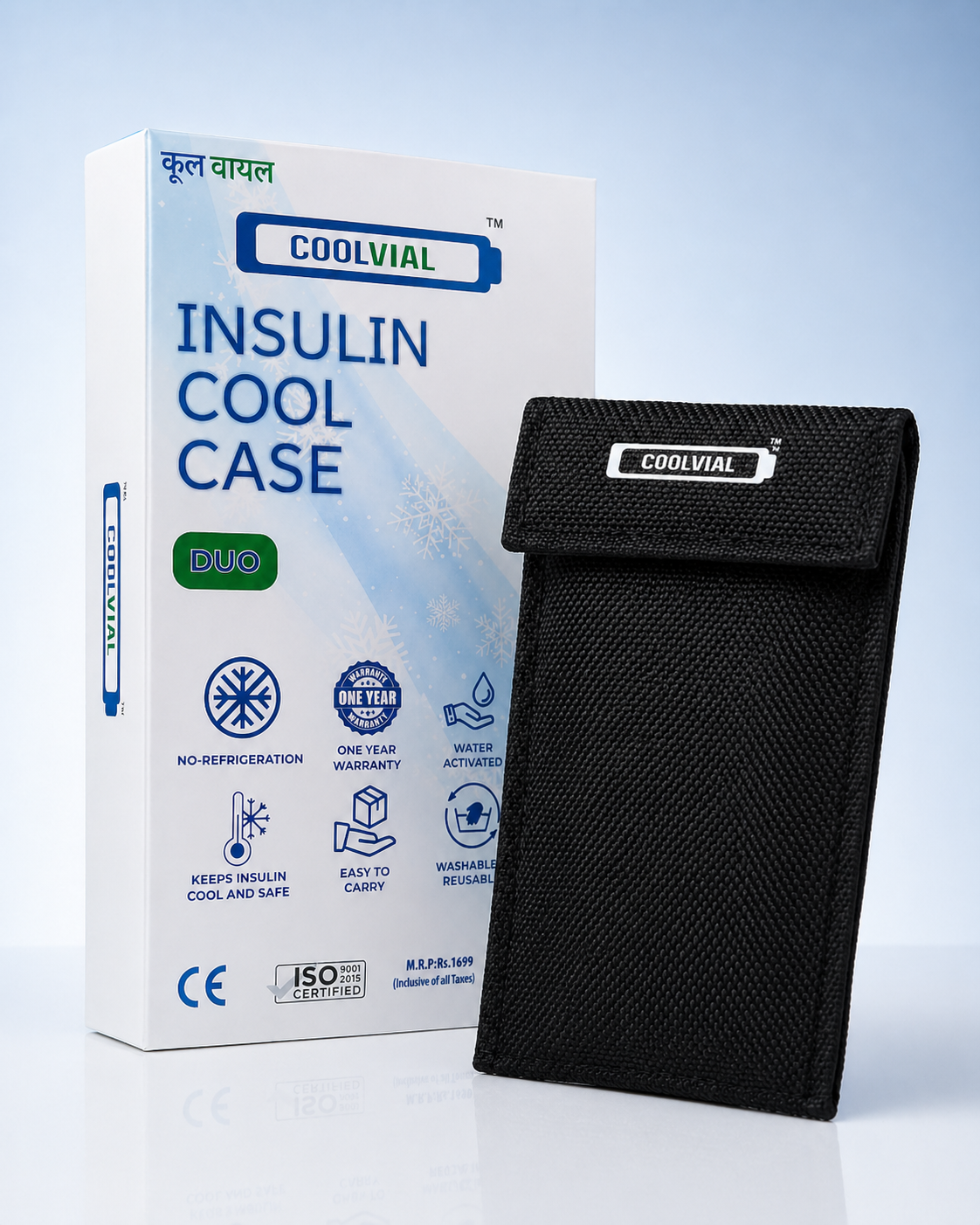
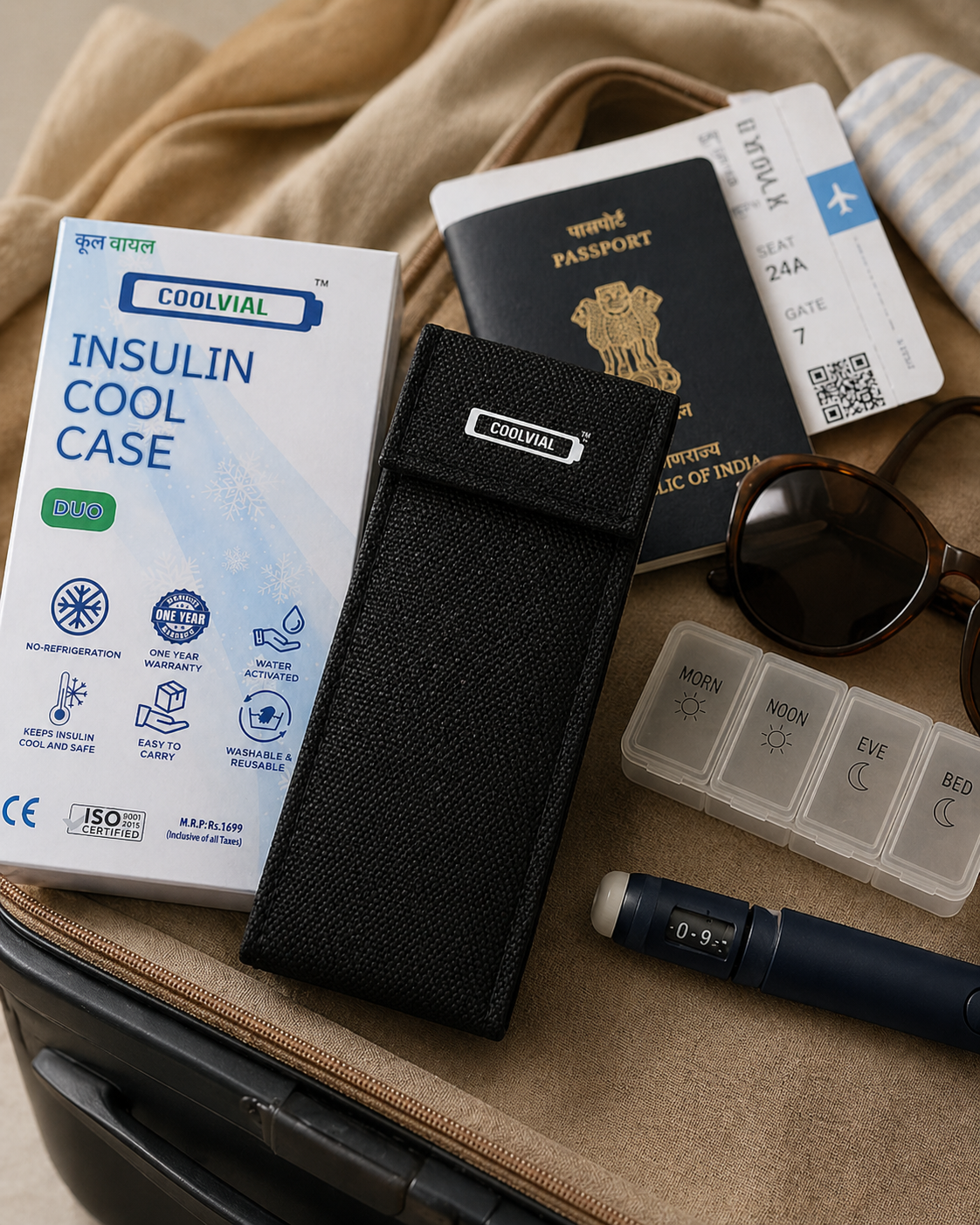
- Non-Electric Insulin Cooling Case: This is the most crucial item. A water-activated evaporative cooler like the COOLVIAL Duo can keep insulin cool for 12-16 hours without electricity, making it invaluable during power cuts or when travel is unavoidable.
-
Guidelines for Stocking Up:
- Check Expiry Dates: When stocking up, always check the expiry dates of new insulin vials/pens. Rotate your stock, using older supplies first.
- Consult Your Doctor: Discuss your monsoon preparedness plan with your endocrinologist at CMI Hospital (Convent Road) or Synergy Hospitals (Rajpur Road). They can advise on appropriate buffer quantities based on your specific regimen.
- Proper Storage for Stockpile: Unopened insulin must be refrigerated. If power cuts are frequent, consider how you will protect this stock. An insulated bag with ice packs (changed regularly) can work for short periods, but for longer durations, a robust solution is needed.
By creating a comprehensive monsoon preparedness kit, Dehradun residents can significantly reduce the risks associated with insulin storage and access during the rainy season.
5. Debunking False Security: Why Mild Weather Isn’t Always Safe
Dehradun’s monsoon often presents a deceptive facade. While the heavy rains and cool breezes might make the weather feel “mild” and pleasant, especially compared to the scorching plains, this can lead to a false sense of security regarding insulin storage. The notion that “it’s not that hot, so insulin should be fine” is a common misconception that can have serious consequences.
The average temperature during the Dehradun monsoon (Jul-Sep) might hover around 25-30°C, which, on paper, seems within the “room temperature” range for opened insulin (typically below 25°C or 30°C). However, this average masks several critical factors:
- Internal Microclimates: Your home, especially in non-air-conditioned rooms or those with poor ventilation, can trap heat and humidity. A room might feel pleasant, but a drawer or cupboard where insulin is stored could easily exceed 30°C, particularly during afternoon lulls in rainfall or before a new shower brings relief.
- Localized Heat Sources: Even in mild weather, direct sunlight through a window, proximity to appliances, or storage in a car (even for a short period) can quickly elevate temperatures beyond safe limits.
- The “Feels Like” Factor: High humidity makes temperatures feel hotter than they actually are. While you might feel comfortable, your insulin might be struggling. The human body cools through sweat evaporation, which is hindered by high humidity, making us feel warmer. Insulin, however, has no such mechanism.
- Cumulative Exposure: Even short, repeated exposures to slightly elevated temperatures can cumulatively degrade insulin over its 28-day open-vial life. It’s not just about extreme heat, but also consistent exposure above optimal storage conditions.
- Unexpected Spikes: Dehradun’s climate is known for its variability. A cool morning can give way to a warm, humid afternoon, especially if the sun breaks through the clouds. These “surprise humidity spikes” combined with temperature increases can rapidly compromise insulin.
Trusting in “mild weather” alone is a gamble. The subtle, yet persistent, warmth and humidity of the Dehradun monsoon can slowly but surely degrade insulin, leading to reduced efficacy and requiring higher doses to achieve the same blood sugar control. This can be dangerous and frustrating for individuals managing diabetes. According to the International Diabetes Federation (IDF), proper insulin storage is a fundamental aspect of diabetes management, emphasizing that insulin exposed to temperatures outside its recommended range can lose its potency (Source: IDF Diabetes Atlas).
Therefore, adopting a proactive approach to insulin storage, even when the weather feels benign, is essential. Relying on a dedicated cooling solution is a far safer strategy than hoping the ambient conditions remain favorable. Our guide on How to Store Insulin in Dehradun’s Mild Year-Round Climate — A Local’s Guide further elaborates on year-round best practices.
6. Choosing the Right Insulin Cooling Solution for Dehradun’s Monsoon
When the Dehradun monsoon brings its blend of heavy rains, humidity, and power cuts, relying solely on refrigeration or hoping for stable room temperatures is risky. This is where a dedicated, non-electric insulin cooling solution becomes an indispensable tool for every diabetic in the valley. The market offers several options, but understanding their features and suitability for Dehradun’s specific climate is key.
Key Considerations for a Monsoon Insulin Cooler:
- No Electricity Required: Crucial for managing frequent power outages in areas like Karanpur/Dalanwala or Clement Town.
- Sustained Cooling: Needs to maintain safe temperatures for at least 12-16 hours, ideally longer, to cover travel or extended power cuts.
- Protection from Humidity: Should offer a barrier against the high moisture content in the air.
- Portability: Easy to carry for daily commutes, doctor visits to Max Super Speciality Hospital (Mussoorie Diversion), or even short trips to Sahastradhara.
- Durability: Must withstand the rigors of daily use and occasional bumps.
- Capacity: Should comfortably hold your required insulin pens and vials.
Comparing Popular Insulin Cooling Solutions:
Dehradun Monsoon & Insulin — 5 Smart Storage Strategies for the Rainy Season
COOLVIAL keeps insulin safe in India's heat. 48+ hours, no electricity needed.
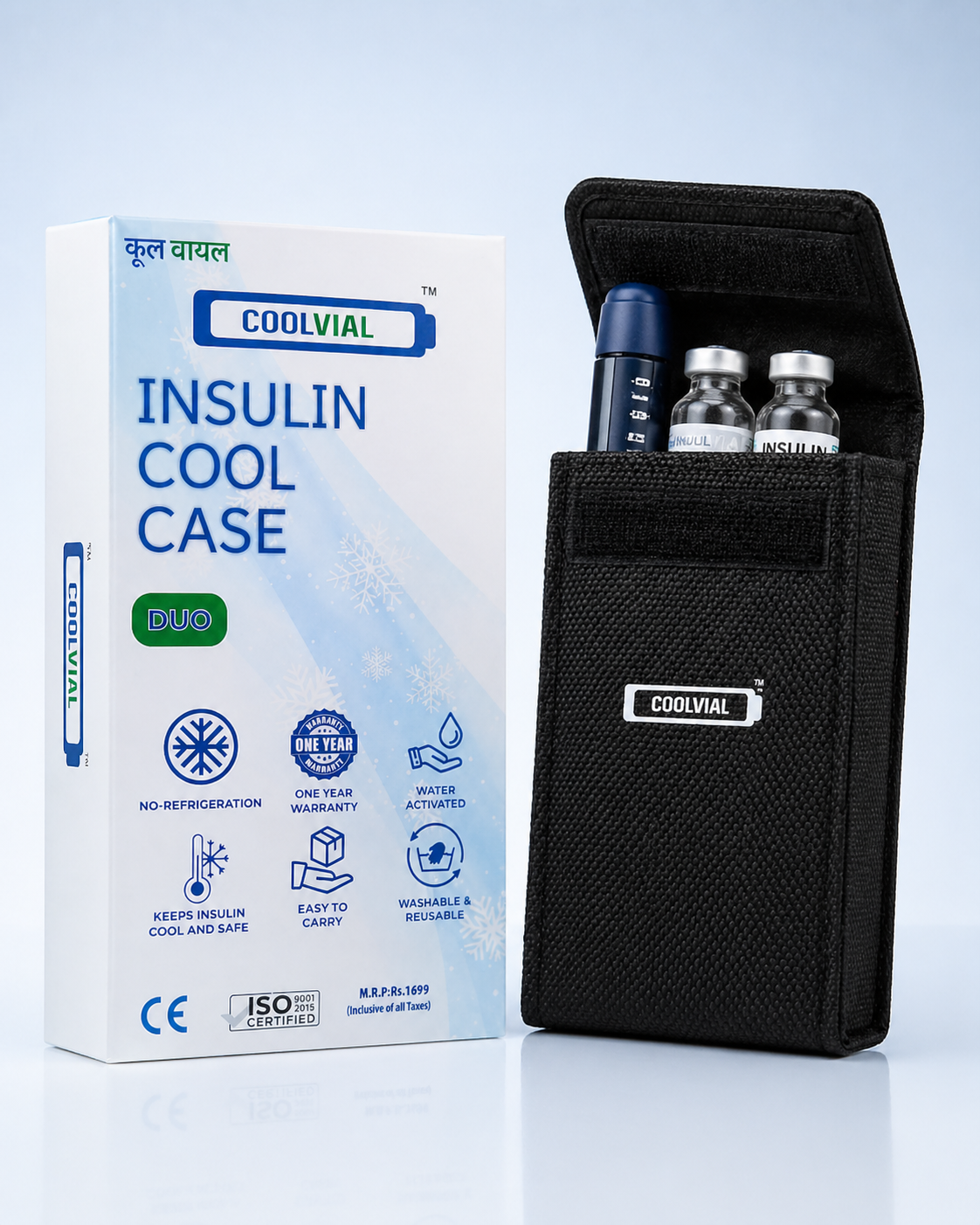
| Feature | COOLVIAL Duo | FRIO Cooling Case (Typical) | Outer Woods OW-12 (Typical) |
|---|---|---|---|
| Cooling Method | Water-activated evaporative cooling | Water-activated evaporative cooling | Gel pack / Ice pack based (requires freezing) |
| Power Requirement | None | None | None (but gel pack needs freezer) |
| Cooling Duration | 12-16 hours per activation | Up to 45 hours (depending on model/ambient) | 8-12 hours (with frozen gel pack) |
| Capacity | Holds 2 pens + 1 vial | Varies (e.g., 2 pens, 1 pen + 2 vials) | Varies (often larger for multiple items) |
| Protection from Humidity | Designed with water-resistant outer layers | Good, but inner pouch is permeable | Generally good with insulated layers |
| Price (approx.) | Rs 1,099 (with COOLHEAL code) MRP Rs 1,699 | Rs 1,900+ | Rs 999+ |
| Certification | CE certified, ISO 9001:2015 | Varies by model/supplier | Varies by model/supplier |
| Warranty | 1-year | Varies | Varies |
| Made In | India | UK (original) | India (many models) |
| Convenience | Just dip in water, ready in minutes | Just dip in water, ready in minutes | Requires pre-freezing gel pack, less spontaneous |
For Dehradun’s specific needs, a water-activated cooling case like the COOLVIAL Duo offers an optimal balance of convenience, reliability, and cost-effectiveness. Its ability to keep insulin cool for 12-16 hours with just a dip in water means you’re prepared for sudden power cuts, unexpected traffic delays on Rajpur Road, or a quick trip to Forest Research Institute (FRI) without worrying about your insulin’s temperature. The “Made in India” aspect also ensures it’s designed with local climate conditions and user needs in mind, making it a reliable choice for the Dehradun monsoon insulin challenge.
7. Practical Tips for Monsoon Insulin Care
Beyond choosing the right cooling solution, adopting a few practical habits can significantly enhance your insulin safety during the Dehradun monsoon. These tips are especially helpful when navigating the unique challenges of the rainy season, from heavy downpours to unexpected humidity.
-
Regular Inspection of Insulin:
- Visual Check: Before each injection, quickly inspect your insulin vial or pen. Look for cloudiness, discoloration, or particles, especially if you’re using clear insulin. If you notice any changes, do not use it.
- Expiration Dates: Double-check expiration dates, particularly on any buffer stock you’ve accumulated.
- Pen Functionality: For insulin pens, ensure the dosing mechanism turns smoothly and the injection button operates without resistance. Any stickiness could indicate moisture damage or mechanical issues.
-
Strategic Storage Locations at Home:
- Avoid Humidity Hotspots: Do not store insulin in bathrooms or kitchens, which tend to have higher humidity.
- Elevated Storage: Keep insulin in higher cupboards or shelves to protect against potential floor-level waterlogging, a concern in some parts of Rajpur Road and Patel Nagar during heavy rains.
- Away from Direct Heat/Light: Even indoors, avoid window sills or spots near appliances that generate heat.
- Use Your COOLVIAL Duo Daily: Even at home, if your environment is humid or susceptible to power cuts, storing your in-use insulin in your COOLVIAL Duo provides continuous protection against both heat and humidity fluctuations.
-
Protecting Insulin During Travel:
- Always Carry Your Cooler: Whether commuting to CMI Hospital (Convent Road), visiting friends in Dalanwala, or taking a local trip to Mindrolling Monastery, always carry your insulin in a reliable cooling case like the COOLVIAL Duo.
- Waterproof Outer Layer: Ensure your bag or cooler has a waterproof exterior to protect against sudden downpours.
- Avoid Trunk Storage: Never leave insulin in the trunk of a car, as temperatures can soar rapidly, even on a cloudy day.
- Refill Water Promptly: If using a water-activated cooler, reactivate it with cool water as soon as its cooling effect starts to wane.
-
Hydration and Foot Care:
- Stay Hydrated: Dehradun’s humidity can sometimes lead to dehydration, which can affect blood sugar levels. Drink plenty of clean, boiled water.
- Foot Hygiene: The monsoon increases the risk of foot infections for diabetics. Wear waterproof, breathable footwear, keep feet dry, and inspect them daily. Seek immediate medical attention at Synergy Hospitals (Rajpur Road) for any cuts or sores.
By integrating these practical tips into your daily routine, you can significantly reduce the risks associated with insulin storage and overall diabetes management during the Dehradun monsoon.
8. FAQ: Your Dehradun Monsoon Insulin Questions Answered
Here are answers to common questions about managing insulin during Dehradun’s rainy season:
Q: Can insulin be stored in a regular insulated lunch bag during a power cut in Dehradun? A: A regular insulated lunch bag offers minimal protection. It can keep items cool for a very short period with ice packs, but it doesn’t actively cool and won’t protect against sustained humidity or temperature rises during extended Dehradun power cuts.
Q: How often should I check my insulin for damage during the monsoon? A: It is recommended to visually inspect your insulin vial or pen before every injection for any changes in appearance (cloudiness, discoloration, particles) and to ensure the pen mechanism is functioning smoothly, especially during the Dehradun monsoon.
Q: Is it safe to travel to Mussoorie with insulin during the Dehradun monsoon? A: Traveling to Mussoorie during the Dehradun monsoon can be risky due to potential landslides, heavy rainfall, and road closures. If you must travel, ensure your insulin is stored in a reliable, non-electric cooling case like the COOLVIAL Duo and carry extra supplies.
Q: What is the ideal “room temperature” for insulin in Dehradun’s monsoon? A: For opened insulin, the ideal “room temperature” is generally below 25°C, or sometimes up to 30°C depending on the manufacturer. During the Dehradun monsoon, ambient temperatures and humidity often push indoor temperatures beyond these safe limits, necessitating a cooling solution.
Q: Where can I buy a COOLVIAL Duo in Dehradun? A: While COOLVIAL Duo is primarily sold online at coolvial.com, you can also place orders via WhatsApp at wa.me/918766952300 for delivery to Dehradun. Local pharmacies like Apollo Pharmacy or MedPlus may stock similar products, but always check availability and specifications.
Q: How long does insulin last once opened and stored at Dehradun’s monsoon temperatures? A: Once opened, most insulin is good for 28 days if stored below 25°C-30°C. However, if exposed to higher temperatures or significant humidity during the Dehradun monsoon, its potency can degrade much faster, potentially reducing its effective life.
Q: Can I re-refrigerate an opened insulin pen if it gets warm during a power cut? A: Once an insulin pen or vial is opened and has been stored at room temperature (even if it has gotten warm), it should generally not be put back into the refrigerator unless specifically advised by your doctor or the manufacturer. It’s best to keep opened insulin at a consistent safe room temperature or in a cooling case.
9. Conclusion: Stay Prepared, Stay Safe This Monsoon
The Dehradun monsoon, with its heavy rainfall, unexpected humidity, and potential for logistical disruptions, presents a unique set of challenges for individuals managing diabetes. The beautiful transformation of the valley should not overshadow the critical need for proactive insulin care. From navigating waterlogged areas on Rajpur Road to enduring power cuts in Karanpur/Dalanwala, ensuring your insulin remains potent and accessible is paramount.
By understanding the specific climatic nuances, debunking the false security of “mild weather,” and strategically stocking up on supplies, you can significantly mitigate the risks. The choice of a reliable, non-electric insulin cooling solution, such as the COOLVIAL Duo, is not merely a convenience but a vital component of your monsoon preparedness kit. Made in India, CE certified, and ISO 9001:2015 compliant, the COOLVIAL Duo offers a dependable way to keep your insulin safe for 12-16 hours without electricity, providing peace of mind during Dehradun’s wettest months.
Don’t let the monsoon compromise your health. Be prepared, stay informed, and invest in solutions that protect your life-saving medication.
Order COOLVIAL Duo at Rs 1,099 with code COOLHEAL (MRP Rs 1,699) at coolvial.com or via WhatsApp wa.me/918766952300.
Methodology Note: How We Researched This — This article is informed by an extensive review of RSSDI (Research Society for the Study of Diabetes in India) guidelines for insulin storage, data from the ICMR-INDIAB study on diabetes prevalence and management in India, local Dehradun hospital directories (including Max Super Speciality Hospital, CMI Hospital, Synergy Hospitals), and insights from major pharmacy networks like Apollo Pharmacy. We also considered Dehradun-specific civic advisories regarding monsoon weather and traffic conditions.
Medical Disclaimer: This article is for general information. Always consult your endocrinologist or diabetologist before changing insulin storage or dosing practices.
Dehradun Monsoon & Insulin — 5 Smart Storage Strategies for the Rainy Season
Insulin at 2-8°C for 48+ hours. Trusted by 10,000+ Indian diabetics.