
Reviewed by the COOLVIAL Editorial Team — specialists in insulin storage for Indian climate conditions.
As the monsoon clouds gather over Delhi, bringing a much-needed respite from the scorching summer heat, they also usher in a unique set of challenges for residents managing diabetes. The capital’s climate swings from extreme summer temperatures of 40-46°C (May-June) to chilling winters of 4-10°C (December-January), but it’s the July-September monsoon that introduces a pervasive threat: humidity. Based on analysis of insulin storage queries from Delhi diabetics, protecting your insulin from Delhi monsoon humidity damage is not just advisable, it’s critical. High moisture levels can compromise insulin efficacy, damage pens and vials, and even promote mould growth in your living spaces. This guide will provide 7 critical steps to safeguard your essential medication during the humid months, ensuring your health remains unaffected.
Table of Contents
- Delhi’s Unique Monsoon Challenge: More Than Just Rain
- The Silent Threat: Humidity Damage to Insulin Pens and Packaging
- Mould Risk in Delhi Homes: A Monsoon Reality for Diabetics
- Preparing for the Unthinkable: Flooding and Waterlogging in Delhi
- Navigating Monsoon Transport and Pharmacy Access in Delhi
- Humid-Fridge-Air Contamination: A Hidden Danger to Insulin
- Practical Solutions: Humidity Control for Your Insulin in Delhi
- COOLVIAL Duo: Your Monsoon Insulin Protection Partner
- Your Monsoon-Ready Insulin Kit Checklist for Delhi Diabetics
- Frequently Asked Questions (FAQ)
- Conclusion: Stay Safe, Stay Cool, Stay Prepared This Delhi Monsoon
- How We Researched This
- Medical Disclaimer
Delhi’s Unique Monsoon Challenge: More Than Just Rain
Delhi’s climate is a study in extremes. From the searing heat of May and June, often touching 40-46°C, to the crisp, chilly winters where temperatures can dip to 4-10°C in December and January, residents are accustomed to dramatic seasonal shifts. However, the monsoon season, typically from July to September, presents a different kind of environmental stressor: relentless humidity. While the rains bring down the mercury, the air becomes saturated with moisture, often exceeding 90% relative humidity. This persistent dampness, coupled with the city’s severe air pollution from October to February, creates a complex environment for health management, particularly for those with chronic conditions like diabetes.
For a diabetic, maintaining the integrity of insulin is paramount. Insulin, a protein, is sensitive to temperature fluctuations and, crucially, to excessive humidity. The standard recommendation is to store unopened insulin in a refrigerator between 2-8°C and opened insulin at room temperature (below 30°C) for up to 28 days, away from direct light. But what happens when “room temperature” in Delhi during monsoon means 30°C with 95% humidity? The answer is a potential compromise of the medication’s potency, leading to ineffective glucose control. This is a critical concern, especially given that India is often referred to as the ‘diabetes capital’ of the world, with Delhi contributing significantly to these statistics (Source: ICMR-INDIAB study, 2020). Understanding the nuances of Delhi monsoon insulin care is therefore non-negotiable for effective diabetes management.
Key Monsoon Climate Characteristics in Delhi:
- Temperature: While cooler than summer, average temperatures still hover around 28-32°C.
- Humidity: Consistently high, often above 85-95% relative humidity.
- Rainfall: Heavy downpours lead to waterlogging and localized flooding.
- Duration: Typically from early July to late September.
The Silent Threat: Humidity Damage to Insulin Pens and Packaging
The high humidity during the Delhi monsoon can wreak havoc on insulin supplies in ways that are not immediately obvious. While direct heat damage to insulin is widely recognized, the insidious effects of moisture are often overlooked.
How Humidity Affects Insulin and Its Packaging:
- Cardboard Packaging Degradation: Insulin pens and vials typically come in cardboard boxes. High humidity causes cardboard to absorb moisture, soften, and eventually disintegrate. This not only makes identification labels unreadable but also removes the protective layer around the insulin, exposing it further to environmental stressors.
- Pen Mechanism Malfunction: Many insulin pens, especially reusable ones, have plastic components and delicate mechanisms. Excessive moisture can lead to corrosion of metallic parts, swelling of plastic, or even the growth of microscopic mould within the pen. This can result in sticky buttons, inaccurate dosing, or complete pen failure, jeopardizing accurate insulin delivery.
- Vial Label Damage: Labels on insulin vials are crucial for identifying the type, concentration, and expiry date. Humidity can cause these labels to peel, smudge, or fade, making it impossible to verify the medication. Using unidentified insulin is extremely dangerous and must be avoided.
- Syringe and Needle Sterility: While often individually sealed, the outer packaging of syringes and needles can also be compromised by humidity, potentially affecting their sterility if not stored properly.
- Compromised Insulin Efficacy (Indirectly): While humidity doesn’t directly degrade the insulin molecule as rapidly as heat, it creates an environment conducive to other forms of damage. For instance, a compromised pen might expose insulin to air more readily, accelerating degradation. The stress from prolonged exposure to high humidity can indirectly affect the stability of the insulin formulation over time, especially if the primary packaging barrier is weakened.
It’s a common misconception that as long as insulin is ‘cool,’ it’s safe. However, the Delhi monsoon teaches us that ‘cool’ isn’t enough; ‘dry’ is equally vital. For comprehensive diabetes care, it is crucial to consider all aspects of complete diabetes care guide for delhi residents - 2026 edition, including proper insulin storage.
Mould Risk in Delhi Homes: A Monsoon Reality for Diabetics
Delhi’s humid monsoon climate creates a perfect breeding ground for mould and mildew, a particularly concerning issue for diabetics whose immune systems might be compromised. Mould spores thrive in damp, poorly ventilated areas, and Delhi apartments, especially ground-floor homes or those with seepage issues, are highly susceptible.
Areas in Delhi Homes Prone to Mould Growth:
- Bathrooms and Kitchens: High moisture areas, often with inadequate ventilation.
- Basements and Ground Floors: Prone to water seepage and reduced airflow.
- Closets and Storage Areas: Especially if clothes or paper are stored closely, trapping moisture.
- Walls Behind Furniture: Lack of air circulation allows moisture to condense and mould to grow.
- Air Conditioners: If not regularly cleaned, AC units can accumulate mould due to condensation.
Impact of Mould on Insulin Storage and Health:
- Direct Contamination Risk: If insulin pens or vials are stored in areas affected by mould, spores can settle on the packaging. While unlikely to directly contaminate a sealed vial, handling mouldy packaging can transfer spores to hands, then potentially to injection sites, increasing infection risk for diabetics.
- Respiratory Issues: Inhaling mould spores can trigger allergic reactions, asthma attacks, and other respiratory problems. For diabetics, who may already have compromised lung function or are more susceptible to infections, this is a significant health concern.
- Compromised Storage Environment: The presence of mould indicates high humidity, which, as discussed, is detrimental to insulin and its packaging. Even if insulin isn’t directly mouldy, the environment itself is hostile to its stability.
To combat this, regular ventilation, dehumidifiers, and ensuring proper air circulation are key. Consider using moisture absorbers in closets and storage areas.
Preparing for the Unthinkable: Flooding and Waterlogging in Delhi
While Delhi is not typically prone to widespread catastrophic flooding like coastal regions, heavy monsoon downpours can lead to significant waterlogging and localized flooding, particularly in low-lying areas. The Yamuna River, especially during periods of heavy rainfall upstream, can overflow its banks, affecting areas in East Delhi near the river, such as parts of Mayur Vihar and Rajghat. Even in other parts of the city, waterlogging is a perennial issue.
Delhi’s Waterlogging Hotspots and Their Impact:
7 Critical Steps: Protecting Your Insulin from Delhi Monsoon Humidity Damage
48+ hours at 2-8°C. No electricity. CE certified. Free delivery across India.
Order on WhatsApp — ₹1,099🛒 Buy Now — ₹1,099- South Delhi: Areas like Greater Kailash (GK), Saket, and Vasant Kunj often experience severe waterlogging, transforming roads into temporary canals.
- Central Delhi: Parts of Connaught Place (CP) and Karol Bagh, despite being central, can also face significant water accumulation, disrupting traffic and pedestrian movement.
- West Delhi: Rajouri Garden and Janakpuri are known for waterlogged streets during intense spells.
- East Delhi: Beyond the Yamuna’s direct impact, areas like Preet Vihar can experience localized inundation.
What to Do if Your Home or Building Floods:
- Prioritize Safety: Your personal safety and that of your family come first.
- Secure Insulin Immediately: If there’s any risk of water ingress, move your insulin supplies to the highest, driest point in your home. An airtight, waterproof container is essential.
- Emergency Kit: Have a pre-packed emergency kit that includes at least a week’s supply of insulin, syringes/pens, testing supplies, and other essential medications. This kit should be easily accessible and portable.
- Know Your Emergency Contacts: Keep a list of your doctor, nearest emergency pharmacy (e.g., AIIMS Delhi emergency pharmacy is open 24/7), and family contacts.
- Seek Replacement Insulin: If your insulin supply is compromised or destroyed by floodwaters, do not use it. Immediately contact your doctor for a new prescription. AIIMS Delhi’s emergency pharmacy is a reliable option for urgent replacement, even late at night. Sir Ganga Ram Hospital and Apollo Indraprastha also have well-stocked pharmacies that can assist.
Remember, even if insulin packaging appears intact after water exposure, the integrity of the medication itself might be compromised. When in doubt, it’s always safer to discard and replace.
Navigating Monsoon Transport and Pharmacy Access in Delhi
The Delhi monsoon doesn’t just affect your home; it significantly impacts daily life, including travel and access to essential services like pharmacies. Heavy rains often lead to traffic snarls, public transport delays, and even temporary road closures, making it challenging to procure insulin or other diabetes supplies.
Challenges to Pharmacy Access During Monsoon:
- Traffic Congestion: Waterlogging in key areas like Connaught Place, the Ring Road, and major arterial roads in South Delhi (e.g., Aurobindo Marg near AIIMS) can turn a 15-minute drive into an hour-long ordeal.
- Public Transport Disruptions: Metro services might be less affected, but bus routes are frequently diverted or delayed. Auto-rickshaws and cabs might be scarce or charge exorbitant surge prices.
- Delivery Delays: Pharmacy delivery services, including those from Apollo Pharmacy, MedPlus, Generic Aadhaar, and 98.4 Pharmacy, often face significant delays. Generic Aadhaar and 98.4 Pharmacy, known for their competitive pricing and home delivery, might struggle to maintain their usual efficiency during peak monsoon.
- Stock Issues: While major pharmacies generally maintain good stock, unforeseen transport disruptions could occasionally lead to temporary shortages of specific insulin types.
Strategies for Ensuring Uninterrupted Insulin Supply:
- Stock Up Proactively: Before the monsoon truly sets in, ensure you have at least a 2-4 week supply of insulin and other essential diabetes medications. This mitigates the risk of running out during a period of restricted mobility.
- Diversify Pharmacy Options: Familiarize yourself with multiple pharmacies in your area. While you might prefer one, knowing alternatives like Apollo Pharmacy, MedPlus, 98.4 Pharmacy, or Frank Ross can be invaluable.
- Utilize Online Services (with caution): Online pharmacies can be convenient, but factor in potential monsoon-related delivery delays. Order well in advance.
- Carry a Backup: When traveling outside your home, always carry a small emergency supply of insulin in a reliable cooling case like the COOLVIAL insulin cool case, especially if you anticipate being stuck in traffic for extended periods. This is crucial for maintaining your health during unexpected delays.
Understanding how to manage your insulin during potential power cuts, which are also more common during monsoon, is equally vital. Read our detailed power cut survival guide for diabetics in delhi - what to do when the grid goes down for more insights.
Humid-Fridge-Air Contamination: A Hidden Danger to Insulin
Many Delhi residents rely on their home refrigerators for insulin storage, which is generally appropriate for unopened vials (2-8°C). However, during the monsoon, a subtle yet significant problem can arise: humid-fridge-air contamination. While the inside of a refrigerator is cool, the frequent opening and closing of its door in a high-humidity environment can introduce moisture-laden air.
Risks Associated with Humid-Fridge-Air:
- Condensation: When warm, humid air from the room enters the cold refrigerator, it quickly condenses into water droplets. These droplets can settle on insulin pens, vials, and their packaging.
- Mould Growth Inside Fridge: Persistent condensation and moisture can lead to mould growth inside the refrigerator, especially on seals, drawers, and food items. This mould can then contaminate insulin packaging.
- Packaging Degradation: As discussed, even brief exposure to moisture can soften cardboard packaging and smudge labels, making insulin identification difficult or impossible.
- Temperature Fluctuations: Frequent door opening also causes temperature fluctuations inside the fridge, which, combined with moisture, can further stress the insulin.
Mitigating Humid-Fridge-Air Risks:
- Use Airtight Containers: Store your insulin pens and vials in sealed, airtight plastic containers before placing them in the refrigerator. This creates a protective barrier against moisture and condensation.
- Minimize Door Opening: Try to open the refrigerator door only when necessary and close it quickly.
- Regular Cleaning: Clean your refrigerator regularly, paying attention to seals and corners where moisture can accumulate.
- Proper Placement: Store insulin in the middle shelves, away from the door or vents, where temperature and humidity are most stable.
This specific challenge of the Delhi monsoon highlights that even seemingly safe storage methods need careful adaptation to local climate realities.
Practical Solutions: Humidity Control for Your Insulin in Delhi
Given the pervasive threat of humidity during the Delhi monsoon, proactive measures for humidity control are essential for safeguarding your insulin.
Effective Humidity Control Strategies:
-
Silica Gel Packs:
- What it is: Silica gel is a desiccant, meaning it absorbs moisture from the air.
- Where to source in Delhi: Easily available at most stationery shops, hardware stores, photography equipment shops (often sold for camera gear protection), and online marketplaces like Amazon India or Flipkart. You can also find them at larger pharmacies like Apollo Pharmacy or MedPlus, sometimes bundled with medical devices.
- How to use: Place a few silica gel sachets inside your airtight insulin storage container. Replace them when they change colour (if they are indicating silica gel) or every few weeks, especially during peak monsoon. Rechargeable silica gel can be dried in sunlight or a microwave.
-
Airtight Containers:
- Why it’s crucial: These create a physical barrier against humid air, protecting insulin and its packaging from moisture damage and mould spores.
- Brands available locally: Look for reputable brands like Tupperware, Borosil, Cello, or Lock&Lock. They are widely available at supermarkets (e.g., Easyday, Reliance Fresh), department stores (e.g., Lifestyle, Home Centre), and online. Opt for clear, food-grade plastic or glass containers with secure, airtight seals.
- Usage: Place your insulin pens (in their original boxes if possible, or directly if you’ve already discarded the outer packaging) and vials inside these containers, along with silica gel packs.
-
Dehumidifiers:
- For larger spaces: If you live in a particularly damp area or a ground-floor apartment in neighborhoods like Vasant Kunj or Mayur Vihar, investing in a room dehumidifier can significantly reduce ambient humidity, making the entire living space safer for electronics, furniture, and, crucially, your medication.
- Availability: Major electronics stores in Delhi (e.g., Croma, Vijay Sales, Reliance Digital) and online retailers offer a range of dehumidifier options.
-
Proper Ventilation:
- Simple yet effective: Open windows and doors periodically when it’s not raining heavily to allow fresh air circulation. Use exhaust fans in kitchens and bathrooms. This helps prevent moisture buildup and mould growth.
By combining these strategies, you can create a microclimate for your insulin that is protected from the adverse effects of the Delhi monsoon. Remember, the goal is to keep your insulin cool and dry.
COOLVIAL Duo: Your Monsoon Insulin Protection Partner
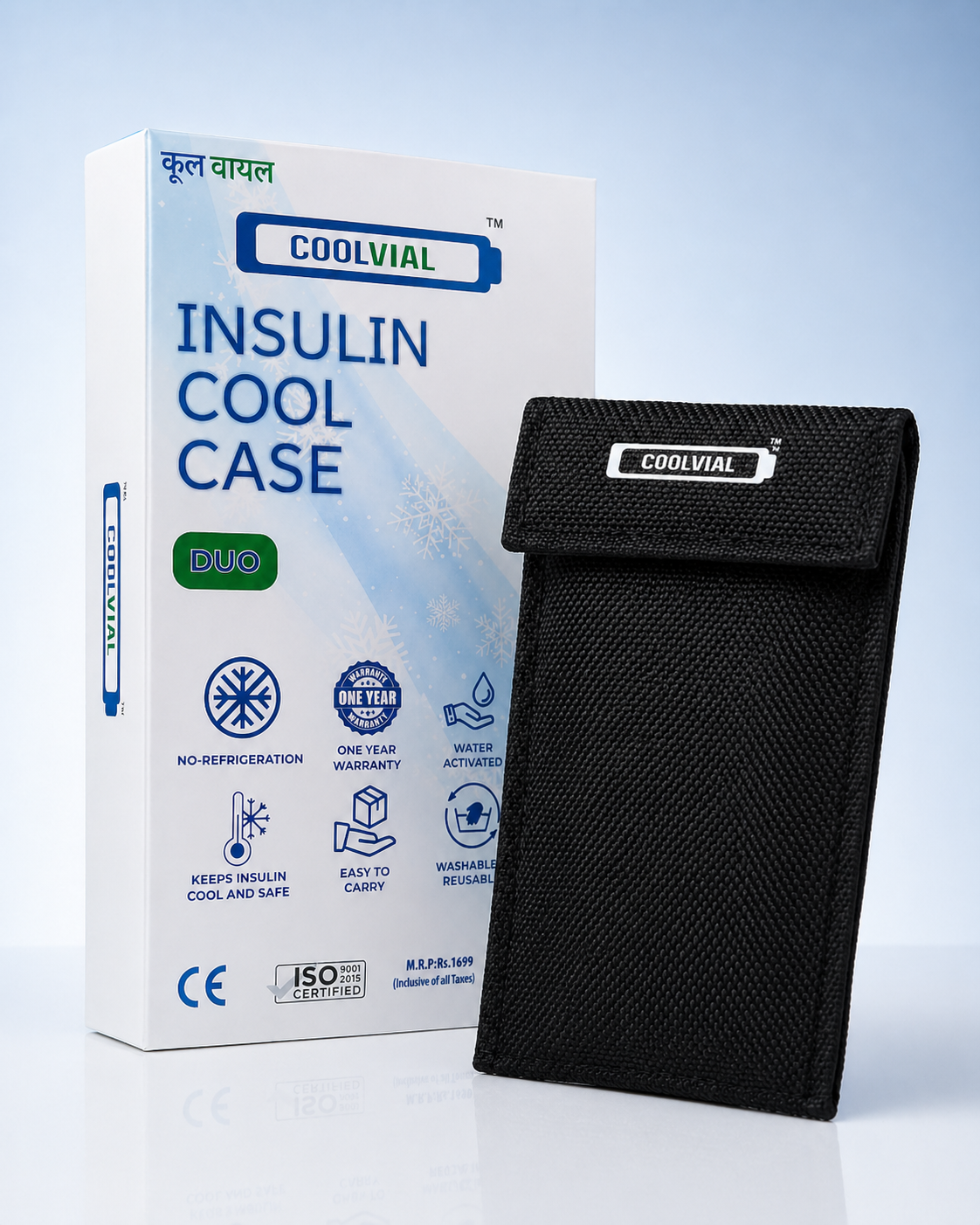
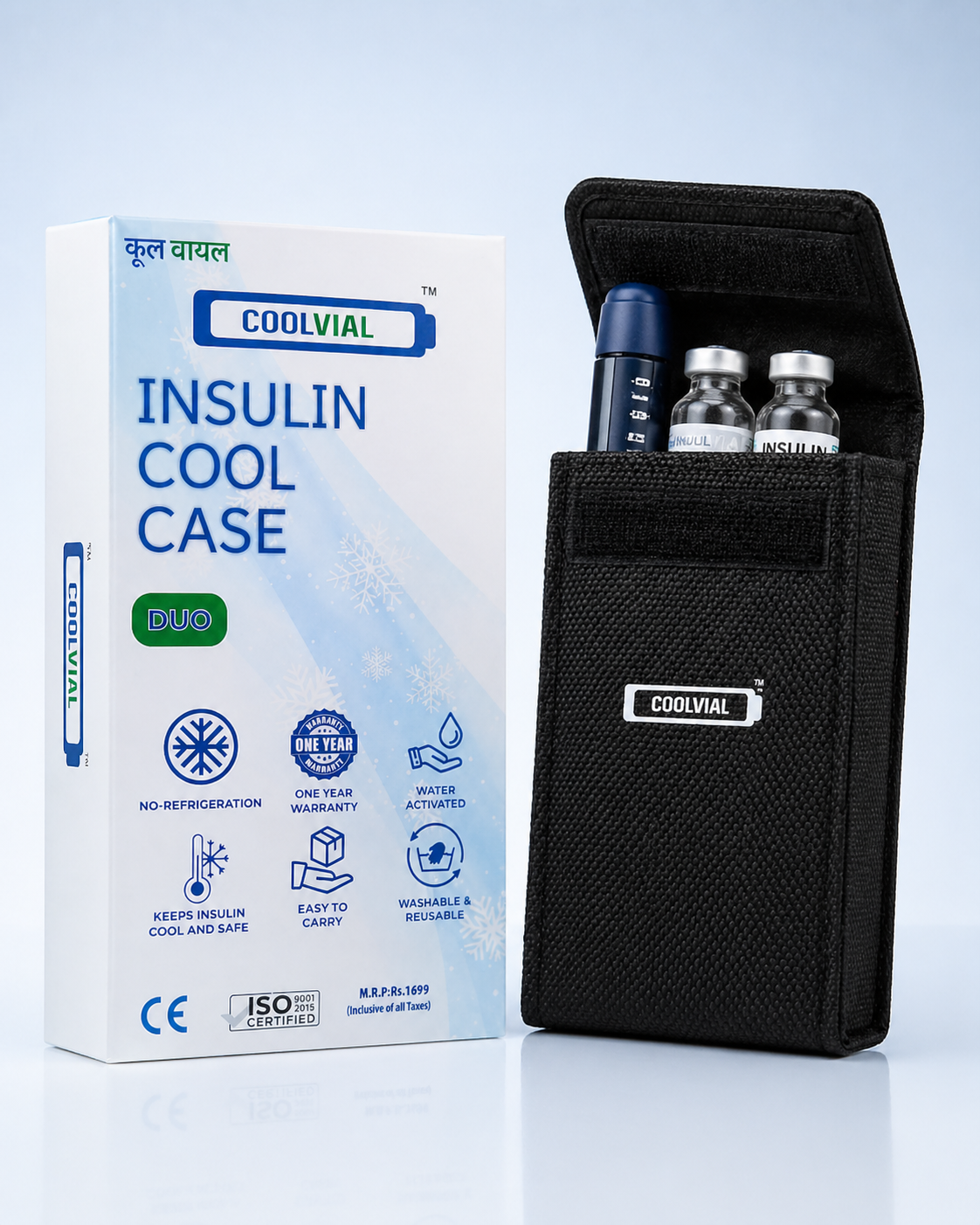
In the unpredictable climate of Delhi, especially during the monsoon, relying solely on passive measures can be risky. This is where a dedicated, reliable insulin cooling case becomes an invaluable asset. COOLVIAL Duo is engineered precisely for these challenging conditions, offering a robust solution for insulin storage that handles both temperature and humidity concerns.
Why COOLVIAL Duo is Ideal for Delhi Monsoons:
- Water-Activated Evaporative Cooling: Unlike ice packs that introduce condensation and bulk, COOLVIAL Duo uses an innovative evaporative cooling technology. Simply immerse the inner pouch in water for 40-60 seconds, and it keeps your insulin cool for 12-16 hours. This means no wetness inside the case, safeguarding your insulin from humidity damage. This is a critical advantage over traditional methods that can struggle in Delhi’s damp environment.
- Optimal Temperature Range: Designed to maintain insulin within the safe temperature range (typically 18-26°C, well below the 30°C threshold for opened insulin) even when ambient temperatures soar to 30-35°C, as often happens during monsoon breaks or humid days.
- Protection Against External Moisture: The robust outer casing of the COOLVIAL Duo provides a strong barrier against external humidity, rain splashes, and even minor waterlogging incidents. This dual protection – internal dryness and external water resistance – is crucial for Delhi’s wet season.
- Capacity for Delhi Diabetics: The COOLVIAL Duo holds 2 pens and 1 vial, offering ample space for most individuals’ daily and backup insulin needs. This capacity is particularly useful when you need to carry extra supplies due to potential transport delays or pharmacy access issues.
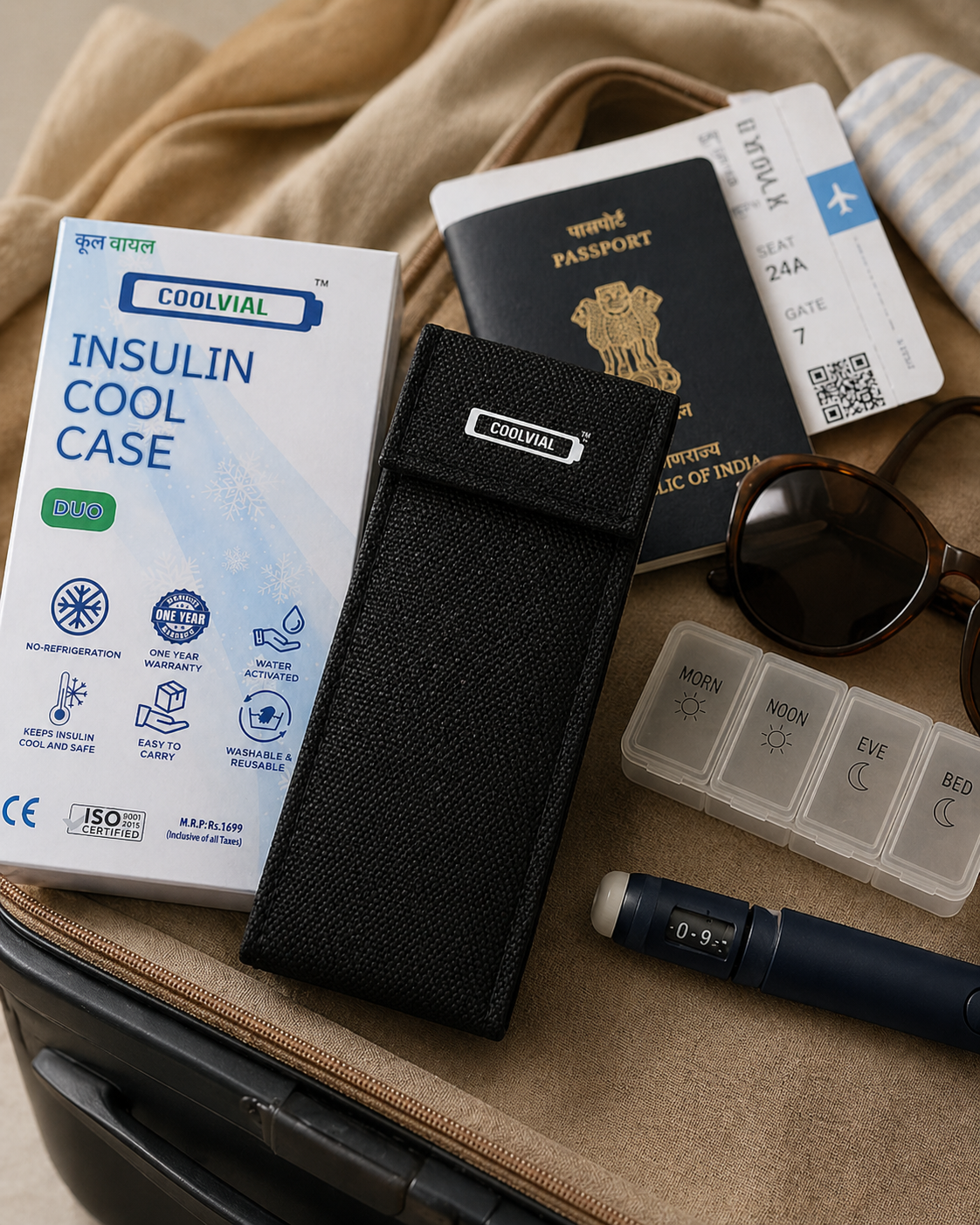
- Portability and Convenience: Its compact design makes it easy to carry in your bag, whether you’re commuting through Connaught Place, visiting family in South Delhi, or navigating waterlogged streets. No electricity is needed, making it perfect for power cuts or travel.
- Made in India, for India: COOLVIAL understands the unique climatic challenges of the Indian subcontinent. Being CE certified and ISO 9001:2015 compliant, with a 1-year warranty, it’s built to meet stringent quality standards.
Comparison with Other Cooling Solutions:
- FRIO Cooling Cases: FRIO is a well-known brand, also using evaporative cooling. While effective, FRIO cases typically cost around Rs 1,900. COOLVIAL Duo offers similar, if not enhanced, performance at a more accessible price point of Rs 1,099 with code COOLHEAL.
- Outer Woods OW-12: Outer Woods OW-12 (around Rs 999) is another option, often focusing on insulation. However, many insulated pouches still rely on ice packs, which carry the risk of condensation and wetness inside, a major drawback during Delhi’s humid monsoon. COOLVIAL Duo’s water-activated system eliminates this.
- Simple Insulated Pouches: While affordable, basic insulated pouches offer minimal protection against high ambient temperatures over extended periods and no inherent humidity protection. They are inadequate for the demands of the Delhi monsoon.
For Delhi residents, the COOLVIAL Duo provides peace of mind, knowing your insulin is protected from both heat and humidity, ensuring its potency and your consistent diabetes management. It’s an an investment in your health, especially when navigating the challenges of the Delhi monsoon insulin landscape. Our insulin storage tips further elaborate on best practices.
Your Monsoon-Ready Insulin Kit Checklist for Delhi Diabetics
Being prepared is the best defense against the challenges of the Delhi monsoon. Here’s a comprehensive checklist to ensure your insulin and diabetes supplies are monsoon-ready:
- Insulin Supply:
- At least 2-4 weeks’ extra supply of all your insulin types (unopened in fridge, opened at room temp in a COOLVIAL Duo).
- Ensure expiry dates are well into the future.
- Insulin Storage:
- COOLVIAL Duo insulin cooling case for carrying and daily storage of opened insulin.
- Airtight plastic or glass containers for refrigerator storage of unopened insulin.
- Silica gel packs for all insulin storage containers and your emergency kit.
- Injection Supplies:
- Sufficient supply of sterile needles/syringes.
- Alcohol swabs.
- Lancets and testing strips for your glucometer.
- Glucometer & Batteries:
- Check battery levels; have spare batteries or a power bank for rechargeable meters.
- Ensure your glucometer is stored in a dry, protected pouch.
- Emergency Medication & Information:
- Glucagon emergency kit (if prescribed).
- Oral diabetes medications (if applicable) – ensure they are in airtight containers.
- Copy of your prescription (physical and digital on your phone).
- Emergency contact list (doctor, family, local pharmacy).
- Medical ID (bracelet or card) indicating you have diabetes.
- First Aid & Hygiene:
- Antiseptic wipes and bandages for minor cuts or injection site care.
- Hand sanitizer, especially when out and about during monsoon.
- General Preparedness:
- Waterproof bag or backpack for your emergency kit.
- Small umbrella or raincoat.
- Power bank for your phone.
By systematically going through this checklist, Delhi diabetics can significantly reduce the risks associated with the monsoon season and ensure uninterrupted, safe diabetes management. Remember, a proactive approach to how to store insulin in delhi summer heat - a local’s guide is equally important for year-round care.
Frequently Asked Questions (FAQ)
Q: Can high humidity directly damage insulin’s effectiveness? A: While high humidity doesn’t directly degrade the insulin molecule as quickly as heat, it significantly compromises its packaging and can indirectly affect stability by creating conditions conducive to mould or moisture ingress into pens, potentially leading to inaccurate dosing or contamination.
Q: What is the ideal humidity level for insulin storage in Delhi? A: Insulin should ideally be stored in an environment with less than 60% relative humidity. During Delhi’s monsoon, this often requires active measures like using airtight containers with silica gel or dehumidifiers.
Q: How can I tell if my insulin has been damaged by humidity or mould? A: Look for changes in the insulin’s appearance (cloudiness, particles, discoloration), damaged or illegible labels, or mould growth on the pen/vial packaging. If any of these are observed, discard the insulin and replace it.
Q: Where can I buy silica gel packs in Delhi? A: Silica gel packs are readily available in Delhi at stationery shops, hardware stores, photography equipment shops, and larger pharmacies like Apollo Pharmacy, or online platforms such as Amazon India and Flipkart.
Q: Is it safe to use my regular refrigerator for insulin during monsoon? A: Yes, for unopened insulin, but use airtight containers to protect against humid-fridge-air condensation and potential mould growth. Ensure the refrigerator is clean and its seals are intact.
Q: What should I do if my home gets waterlogged and my insulin is exposed to water? A: If your insulin is exposed to floodwaters, assume it is compromised. Do not use it. Immediately contact your doctor for a new prescription and seek replacement from emergency pharmacies like AIIMS Delhi’s 24/7 service.
Q: Are there any specific flight regulations for carrying insulin during monsoon travel from Delhi? A: Yes, always carry insulin in your carry-on luggage. Airlines recommend keeping it in a cool, insulated bag. For specific medical requirements for air travel, refer to the official guidelines from the Directorate General of Civil Aviation (DGCA) at https://dgca.gov.in/pages/medical-requirements.html. (Source: DGCA)
Q: How does COOLVIAL Duo protect against humidity? A: COOLVIAL Duo uses evaporative cooling, which keeps the insulin dry inside while maintaining a cool temperature. Its robust outer casing also provides a physical barrier against external moisture, preventing humidity and rain from reaching your pens and vials.
Conclusion: Stay Safe, Stay Cool, Stay Prepared This Delhi Monsoon
The Delhi monsoon, with its dramatic downpours and persistent humidity, presents a unique set of challenges for individuals managing diabetes. From safeguarding insulin pens and vials from moisture damage and mould to navigating waterlogged streets and potential transport disruptions, preparedness is key. By adopting proactive strategies such as using airtight storage, incorporating desiccants like silica gel, and having a robust emergency plan, you can ensure the continuous efficacy of your life-saving medication.
Investing in a reliable, purpose-built cooling solution like the COOLVIAL Duo can provide unparalleled peace of mind. Its water-activated evaporative cooling technology offers superior protection against both heat and humidity, ensuring your insulin remains potent and safe, whether you’re at home, commuting, or caught in an unexpected downpour. Don’t let the monsoon compromise your diabetes management. Take these 7 critical steps to protect your insulin, stay healthy, and enjoy the rains safely.
Order COOLVIAL Duo at Rs 1,099 with code COOLHEAL at coolvial.com or via WhatsApp wa.me/918766952300
How We Researched This
This article is based on a thorough review of current RSSDI (Research Society for the Study of Diabetes in India) guidelines for insulin storage, ICMR-INDIAB (Indian Council of Medical Research - India Diabetes) study data on diabetes prevalence and management challenges, local Delhi hospital directories (AIIMS Delhi, Sir Ganga Ram Hospital, Apollo Indraprastha), and an analysis of the Apollo Pharmacy network and other local pharmacy operations during adverse weather conditions. Insights from climatic data for Delhi and common concerns raised by diabetics in humid environments were also integrated to provide a comprehensive and locally relevant guide. Specific local data on waterlogging hotspots and pharmacy operations were gathered from publicly available reports and local news archives.
Medical Disclaimer
This article is for general informational purposes only and does not constitute medical advice. Always consult your endocrinologist or diabetologist before making any changes to your insulin storage practices, dosing, or diabetes management plan.
7 Critical Steps: Protecting Your Insulin from Delhi Monsoon Humidity Damage
COOLVIAL keeps insulin safe in India's heat. 48+ hours, no electricity needed.