Reviewed by the COOLVIAL Editorial Team — specialists in insulin storage for Indian climate conditions.
The majestic Gwalior Fort, standing tall against the changing seasons, has witnessed countless monsoons. While the rains bring a much-needed respite from the scorching summer heat, they also usher in a unique set of challenges, especially for those managing diabetes. The Gwalior monsoon insulin storage can be particularly tricky due to the pervasive humidity. From July to September, Gwalior receives approximately 770mm of rainfall, leading to high atmospheric moisture that can compromise insulin’s efficacy. Protecting your insulin vials and pens from humidity damage, mould, and potential waterlogging is absolutely critical for maintaining stable blood sugar levels. Based on analysis of insulin storage queries from Gwalior diabetics, we’ve compiled 7 essential ways to safeguard your vital medication during this wet season.
Table of Contents
- Gwalior’s Monsoon Climate & Its Impact on Insulin
- The Silent Threat: Humidity Damage to Insulin Pens and Packaging
- Mould Risk in Gwalior Homes: A Diabetic’s Concern
- Waterlogging & Flood Preparedness: Protecting Your Insulin Stock
- Transport Disruptions & Pharmacy Access during Gwalior Monsoons
- Humid-Fridge-Air Contamination Risks for Insulin
- Practical Solutions for Monsoon Insulin Storage in Gwalior
- Your Essential Monsoon-Prep Checklist for Diabetics in Gwalior
- Frequently Asked Questions (FAQ)
- Conclusion
1. Gwalior’s Monsoon Climate & Its Impact on Insulin
Gwalior experiences a distinct seasonal cycle, moving from hot, dry summers (22-46°C in May-June) to cold winters (7-22°C with fog) and finally, the much-anticipated monsoon from July to September. This monsoon period is characterized not just by heavy rainfall, averaging around 770mm, but also by significantly elevated humidity levels. While the mercury might drop from its summer highs, the air becomes thick with moisture, creating an environment ripe for various storage challenges for sensitive medications like insulin.
This persistent humidity can directly affect insulin in several ways:
- Protein Denaturation: Insulin is a protein. High humidity, especially combined with fluctuating temperatures, can accelerate the degradation of insulin proteins, reducing its potency and effectiveness. This means your usual dose might not work as expected, leading to unpredictable blood sugar levels.
- Packaging Integrity: Cardboard boxes, paper labels, and even some plastic components of insulin pens are vulnerable to moisture. They can soften, tear, become unreadable, or even dissolve, making it difficult to identify the insulin type or expiry date.
- Bacterial/Fungal Growth: High moisture provides an ideal breeding ground for bacteria and fungi. While insulin itself is generally sterile, external contamination on pens or vials can pose risks, especially if the protective seals are compromised.
- Device Malfunction: Insulin pens often contain delicate mechanisms. Excessive humidity can lead to corrosion of metal parts or swelling of plastic components, potentially causing the pen to malfunction, dispense incorrectly, or even get stuck.
Understanding these specific risks associated with Gwalior’s monsoon climate is the first step towards effective insulin protection.
2. The Silent Threat: Humidity Damage to Insulin Pens and Packaging
Humidity is an insidious enemy for insulin. Unlike extreme heat or cold, its damage can be subtle and cumulative, often going unnoticed until it’s too late. The moisture in the air can seep into packaging, affect the pen’s internal components, and even alter the insulin itself. This is a critical consideration for Gwalior residents navigating the humid monsoon season.
Here’s how humidity specifically damages insulin pens and their cardboard packaging:
- Insulin Pens:
- Mechanism Corrosion: Metal parts within insulin pens (springs, needles, dose mechanisms) can corrode over time due to high humidity. This can lead to dose inaccuracies, difficulty in dialing doses, or complete pen failure.
- Seal Degradation: The rubber stoppers on insulin vials or the seals on pre-filled pens can degrade, allowing moisture or contaminants to enter the insulin chamber, compromising its sterility and efficacy.
- Cloudiness or Particulates: While not always solely due to humidity, a pen exposed to excessive moisture might show signs of insulin degradation, such as cloudiness, discoloration, or the presence of particles, indicating it should not be used.
- Cardboard Packaging:
- Structural Weakness: Cardboard boxes absorb moisture, losing their structural integrity. They become soft, saggy, and easily torn, offering no protection to the contents.
- Label Deterioration: Printed labels on vials and pens, or on the outer packaging, can blur, smudge, or peel off due to moisture. This can make it impossible to read critical information like insulin type, dosage, expiry date, or batch number.
- Mould Growth: As discussed in the next section, damp cardboard is a perfect substrate for mould, which can then spread to the insulin pen or vial itself.
It’s vital to regularly inspect your insulin and its packaging during the monsoon. If you notice any of these signs, it’s safer to discard the insulin and use a fresh supply.
3. Mould Risk in Gwalior Homes: A Diabetic’s Concern
The high humidity during the Gwalior monsoon creates an ideal environment for mould and mildew growth, not just on walls and furniture, but also on stored items, including medication packaging. This is a particular concern for residents in older apartments or ground-floor homes, which may experience poorer ventilation and higher ambient moisture. Neighborhoods like Lashkar, known for its older residential and commercial structures, and certain ground-floor dwellings in City Centre/DD Nagar and Morar cantonment areas, can be especially vulnerable.
Mould can pose several risks to your insulin supply:
- Contamination: While mould typically grows on the exterior packaging, spores can potentially contaminate the insulin pen or vial, especially if the packaging is damaged or opened frequently in a mouldy environment.
- Allergies and Respiratory Issues: Living in a mould-infested home can exacerbate allergies and respiratory conditions, which can indirectly complicate diabetes management, especially during times of illness.
- Compromised Storage Environment: A mouldy storage area indicates high humidity, which, as we’ve seen, directly harms insulin efficacy.
To mitigate mould risk, consider these actions:
- Improve Ventilation:
- Open windows and doors when it’s not raining, especially after showers.
- Use exhaust fans in bathrooms and kitchens.
- Consider dehumidifiers for particularly damp rooms.
- Regular Cleaning:
- Clean surfaces regularly with antifungal solutions (e.g., diluted bleach or white vinegar).
- Pay attention to corners, behind furniture, and inside wardrobes.
- Strategic Storage:
- Avoid storing insulin or its primary packaging directly against damp walls or on floors, especially in ground-floor homes.
- Elevate storage boxes using small risers or placing them on shelves.
- Use Absorbents:
- Place silica gel packets or other moisture absorbents in cupboards and storage containers where insulin is kept. These can be easily sourced from local stationery shops or online retailers in Gwalior.
Remember, a clean, dry home environment is crucial for both your health and the integrity of your medications.
4. Waterlogging & Flood Preparedness: Protecting Your Insulin Stock
While Gwalior is generally considered a relatively dry region compared to coastal areas, the monsoon can bring occasional heavy downpours that lead to localized waterlogging, particularly in the older parts of the city. Certain areas, due to their topography and drainage systems, are more prone to temporary water accumulation. If your home or building floods, even slightly, your insulin supply is at severe risk.
Waterlogging hotspots in Gwalior often include:
7 Essential Ways to Protect Your Gwalior Monsoon Insulin from Humidity Damage
- Lashkar (Central Commercial Area): Narrow streets and older drainage systems can struggle with heavy rainfall, leading to temporary waterlogging.
- City Centre/DD Nagar: Some low-lying pockets, especially near construction sites or areas with inadequate drainage, can experience water accumulation.
- Morar (Cantonment Area): Depending on the specific sector and local drainage, certain parts of Morar can also face waterlogging during intense rain spells.
Here’s what to do if your home or building floods, or if there’s a risk of water damage to your insulin:
- Elevate Immediately: Move all insulin supplies, including spare pens, vials, and cooling cases, to the highest possible shelf or upper floor. Do not leave them on the floor or in low cupboards.
- Waterproof Storage: If you anticipate flooding, transfer your insulin into waterproof bags or airtight containers before placing them in an elevated spot. Even a sturdy plastic box can offer a layer of protection.
- Assess Damage: If insulin comes into contact with floodwater, it must be considered contaminated and should be discarded, even if it appears to be sealed. Floodwater is laden with bacteria and other pollutants.
- Emergency Supply Plan: Have a plan for where to source replacement insulin if your stock is destroyed. Gajra Raja Medical College (GRMC) / Jayarogya Hospital, with its 24/7 emergency pharmacy, is a reliable option for urgent needs. Apollo Spectra Gwalior also has a well-stocked pharmacy.
- Cooling Case Readiness: Ensure your COOLVIAL Duo or other cooling cases are prepared and ready to use, as power cuts often accompany heavy rains and flooding, making refrigeration impossible.
For further reading on managing such situations, you can refer to our guide: Power Cut Survival Guide for Diabetics in Gwalior — What To Do When the Grid Goes Down.
5. Transport Disruptions & Pharmacy Access during Gwalior Monsoons
The Gwalior monsoon, while bringing relief, also brings challenges to daily life, including transport. Heavy rains can lead to waterlogged roads, traffic jams, and reduced public transport frequency, making it difficult to reach pharmacies. This can be particularly problematic for individuals relying on regular insulin refills or those who need an emergency supply.
Delivery services, which many Gwalior residents rely on, are also affected:
- 1mg and Generic Aadhaar: While convenient, these online pharmacy delivery services can experience significant delays or even temporary suspension of services in areas heavily impacted by rain or waterlogging. Their delivery personnel may struggle to navigate difficult road conditions.
- Local Pharmacy Access: Even reaching physical pharmacies like Apollo Pharmacy, MedPlus, or Sushrut Pharmacy in Lashkar or City Centre might become a challenge if roads are waterlogged or public transport is disrupted.
To ensure uninterrupted access to your insulin during the monsoon:
- Stock Up Responsibly:
- Ensure you have at least a 2-week to 1-month supply of all your essential medications, including insulin, needles, and test strips, before the monsoon fully sets in. Do not overstock excessively, as insulin has a limited shelf life.
- Confirm expiry dates for all stock.
- Identify Multiple Pharmacies:
- Know the locations and contact numbers of several pharmacies near your home and workplace, including those that might be less affected by waterlogging.
- Keep in mind that Gajra Raja Medical College (GRMC) / Jayarogya Hospital and BIMR Hospital pharmacies often have better stock and are less likely to be impacted by general transport disruptions.
- Consider Local Walk-in Options:
- While online deliveries are convenient, prioritize walk-in pharmacies like Apollo Pharmacy or MedPlus in accessible areas during peak monsoon if you need immediate supplies. Sushrut Pharmacy in Lashkar is another local option to consider.
- Emergency Contact:
- Keep the contact details of your endocrinologist or diabetologist readily available in case you need advice on managing a short supply or alternative options.
Planning ahead for potential transport disruptions is a proactive step in ensuring your continuous diabetes care. For more comprehensive local guidance, read our Complete Diabetes Care Guide for Gwalior Residents — 2026 Edition.
6. Humid-Fridge-Air Contamination Risks for Insulin
Many people store their insulin in the refrigerator, which is generally correct for unopened vials and pens. However, during the monsoon, the increased ambient humidity can lead to a specific problem: humid fridge air contamination. When you open your refrigerator door frequently, especially in a humid environment like Gwalior during July-September, the moist air enters the fridge. This moisture can condense on the cooler surfaces inside, including your insulin.
This humid fridge air poses several risks:
- Condensation on Insulin: Moisture can condense directly onto insulin vials and pens. While a sealed pen or vial should prevent direct water ingress, repeated condensation can degrade external labels, promote mould growth on packaging, and even cause the delicate plastic or rubber components of pens to deteriorate over time.
- Temperature Fluctuations: Every time you open the fridge door, the internal temperature rises. In a humid environment, this temperature fluctuation, coupled with moisture, can stress the insulin, potentially reducing its stability and effectiveness.
- Cross-Contamination: Humid conditions inside the fridge can also encourage the growth of bacteria or mould on other food items, which could then indirectly affect your insulin if proper hygiene is not maintained.
To minimize humid-fridge-air contamination risks for your insulin:
- Airtight Containers are Key:
- Always store your insulin (whether pens or vials) in a sealed, airtight plastic container before placing it in the refrigerator. This creates a protective barrier against moisture and condensation.
- Ensure the container is clean and dry before use.
- Avoid Door Storage:
- Do not store insulin in the refrigerator door, as this area experiences the most significant temperature fluctuations when the door is opened and closed.
- Place it on a middle shelf, away from the coldest back wall and the door.
- Limit Door Openings:
- Try to open the refrigerator door only when necessary and close it quickly to minimize the ingress of humid ambient air.
- Regular Cleaning:
- Clean your refrigerator regularly to prevent mould or bacterial growth.
For insulin that needs to be kept cool but is in use, or for travel, a dedicated cooling case provides superior protection against both temperature fluctuations and humidity.
7. Practical Solutions for Monsoon Insulin Storage in Gwalior
Navigating the Gwalior monsoon with diabetes requires proactive and practical storage solutions. Beyond general precautions, specific tools and practices can make a significant difference in preserving your insulin’s integrity.
Here are the practical steps and products to consider:
7 Essential Ways to Protect Your Gwalior Monsoon Insulin from Humidity Damage
48+ hours at 2-8°C. No electricity. CE certified. Free delivery across India.
Order on WhatsApp — ₹1,099🛒 Buy Now — ₹1,099A. Sourcing Silica Gel in Gwalior
Silica gel is an excellent desiccant that absorbs moisture from the air, making it invaluable for protecting insulin in humid conditions.
- Availability: You can easily find silica gel packets in various sizes at local stationery shops, hardware stores, or electronics repair shops across Gwalior. Larger quantities can be purchased from online retailers like Amazon India or Flipkart, which deliver to areas like City Centre, Lashkar, and Morar.
- Usage: Place a few small silica gel packets inside your airtight insulin storage containers, and also in the cupboard where you keep your backup supplies. Replace them when they change color (if they are indicating silica gel) or feel saturated.
B. Airtight Container Brands Available Locally
Using airtight containers is crucial for creating a micro-environment that protects your insulin from external humidity, mould, and even accidental water exposure.
- Brands: Look for reputable brands like Borosil, Tupperware, Cello, or even generic but good quality plastic containers with strong, clip-on lids. These are widely available at local supermarkets, departmental stores in City Centre, and kitchenware shops across Gwalior.
- Material: Opt for food-grade plastic or glass containers. Ensure they have a tight-fitting lid with a rubber seal for maximum effectiveness.
C. The COOLVIAL Duo: Your Monsoon Insulin Companion
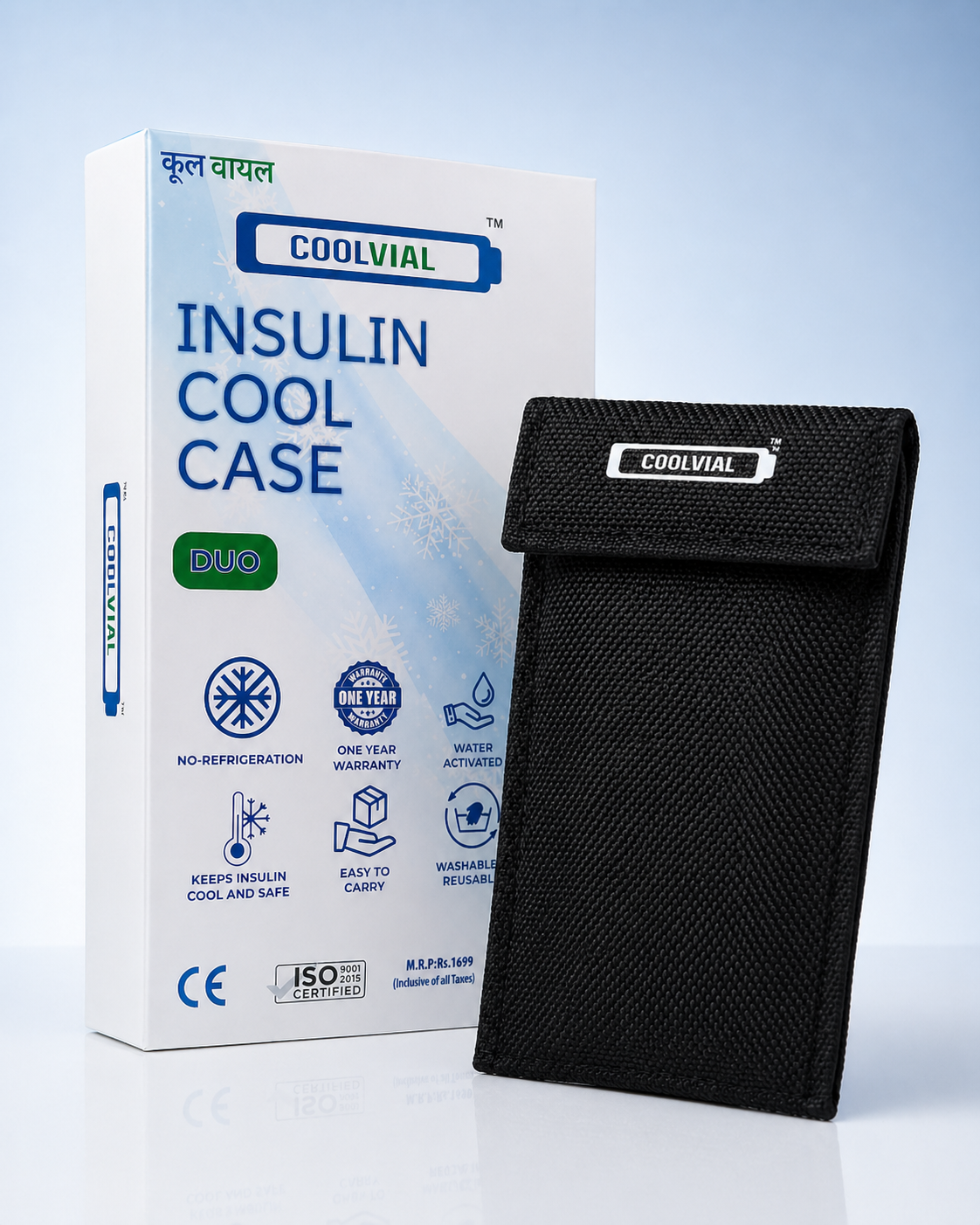
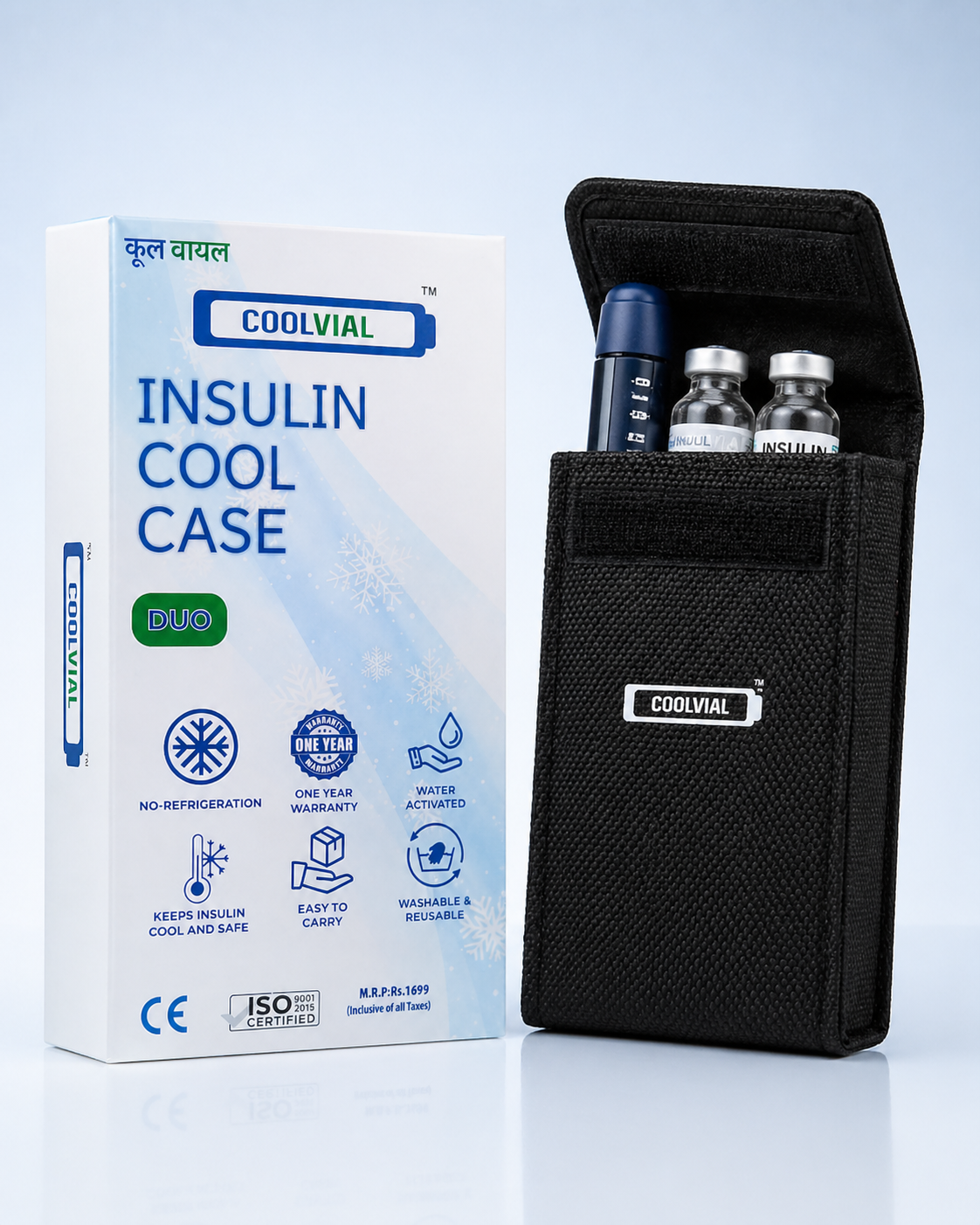
For insulin that needs to be carried or kept cool without a refrigerator, especially during power cuts or when venturing out in Gwalior’s monsoon, an evaporative cooling case is indispensable. The COOLVIAL Duo is specifically designed for Indian climate conditions and offers a reliable, electricity-free solution.
- How it Works: The COOLVIAL Duo uses a simple water-activated evaporative cooling mechanism. You just immerse it in water for a few minutes, and the special crystals inside absorb the water, creating a gel that keeps your insulin cool through evaporation for 12-16 hours. This is particularly useful when you need to store insulin outside the fridge, perhaps during travel or when dealing with power outages common during heavy rains.
- Capacity: The COOLVIAL Duo holds 2 pens and 1 vial, offering ample space for your daily and backup insulin.
- Comparison: While other brands like FRIO are available (often priced around Rs 1,900+), and Outer Woods OW-12 (around Rs 999) offers another option, the COOLVIAL Duo provides a balanced solution at a competitive price of Rs 1,099 with code COOLHEAL (MRP Rs 1,699). It’s also CE certified, ISO 9001:2015 compliant, comes with a 1-year warranty, and is proudly Made in India, ensuring quality and reliability for local conditions.
- Where to Buy: You can order your COOLVIAL insulin cool case directly from coolvial.com.
For more general insulin storage tips relevant to various conditions, check our mission page.
D. Emergency Insulin Sourcing in Gwalior
Despite all precautions, sometimes unforeseen circumstances lead to damaged or lost insulin. Knowing where to get replacement insulin quickly is vital.
- Gajra Raja Medical College (GRMC) / Jayarogya Hospital: The emergency pharmacy at GRMC/Jayarogya Hospital is a critical resource. It operates 24/7 and typically has a good stock of essential medications, including various types of insulin, for urgent needs.
- BIMR Hospital (Birla Institute of Medical Research) & Apollo Spectra Gwalior: These private hospitals also have well-stocked pharmacies that can provide insulin in an emergency.
- Local Pharmacies: For non-emergencies, Apollo Pharmacy, MedPlus, and Sushrut Pharmacy are reliable options. Always call ahead to confirm stock availability, especially for less common insulin types.
Having a robust plan for sourcing insulin quickly can prevent serious health complications during the monsoon.
8. Your Essential Monsoon-Prep Checklist for Diabetics in Gwalior
Being prepared is the best defense against the challenges of the Gwalior monsoon. This checklist covers all critical aspects for diabetics to ensure their insulin and overall health are protected.
- Medication Stock:
- Ensure you have a 2-4 week supply of all insulin, syringes/pen needles, and blood glucose test strips.
- Verify expiry dates for all medications.
- Insulin Storage Solutions:
- Purchase airtight, waterproof containers for storing insulin at home and in the fridge.
- Stock up on silica gel packets to absorb moisture in storage areas.
- Prepare your COOLVIAL Duo or other evaporative cooler. Ensure it’s clean and ready for water activation.
- Emergency Contact Information:
- Keep a written list of your doctor’s number, emergency services, and family contacts.
- Note down contact details for Gajra Raja Medical College (GRMC) / Jayarogya Hospital pharmacy and other local pharmacies (Apollo Pharmacy, MedPlus, Sushrut Pharmacy).
- Blood Glucose Monitoring:
- Ensure your glucometer has fresh batteries and you have enough test strips.
- Have a backup monitoring device if possible.
- Emergency Kit (Monsoon-Specific):
- Pack a small, waterproof bag with a week’s supply of insulin, needles, test strips, a glucometer, high-sugar snacks (for hypoglycemia), and any other essential medications.
- Include a small first-aid kit, flashlight, and power bank for your phone.
- Home Preparedness:
- Identify high, dry spots in your home to move medications and valuables in case of waterlogging.
- Address any known leaks or damp spots in your home before the monsoon intensifies.
- Consider a dehumidifier for particularly humid rooms.
- Transportation & Access:
- Familiarize yourself with alternative routes to your nearest pharmacy and hospital in case of road closures or waterlogging.
- Keep a small amount of cash on hand for travel, as digital payments might be affected during power cuts.
- Foot Care:
- Wear waterproof, closed-toe footwear to protect your feet from infection, especially if you have diabetic neuropathy.
- Keep your feet clean and dry, inspecting them daily for cuts or sores.
- Diet & Hydration:
- Store non-perishable food items and clean drinking water in case of supply disruptions.
- Be mindful of hygiene when preparing food to prevent water-borne illnesses.
- Communication:
- Inform family members or housemates about the location of your emergency insulin and supplies.
- Stay updated on local weather forecasts and advisories for Gwalior.
By following this checklist, Gwalior residents with diabetes can significantly reduce their risk of complications during the challenging monsoon season. For tips on managing the other extreme, refer to our guide on How to Store Insulin in Gwalior Summer Heat — A Local’s Guide.
Frequently Asked Questions (FAQ)
Q: Can I use insulin that has been exposed to high humidity but not directly to water? A: Insulin exposed to high humidity over an extended period may have reduced potency, even if not directly wet. It’s safer to discard it if you observe any changes in its appearance (cloudiness, discoloration) or if the packaging is compromised, and use a fresh supply.
Q: How can I tell if my insulin has gone bad due to humidity? A: Signs of insulin degradation due to humidity or other factors include cloudiness, clumping, discoloration, or a change in consistency. Additionally, if the pen mechanism feels stiff or the dose delivery seems inconsistent, the insulin may be compromised.
Q: Is it safe to store insulin in the fridge during Gwalior monsoon? A: Yes, it is safe to store unopened insulin in the fridge during the Gwalior monsoon, but it is crucial to place it in an airtight container to protect it from humid fridge air and condensation. Always avoid storing it in the fridge door due to temperature fluctuations.
Q: Where can I buy silica gel packets in Gwalior? A: Silica gel packets are readily available in Gwalior at stationery shops, hardware stores, and electronics repair shops. You can also purchase them online from e-commerce platforms like Amazon India or Flipkart for delivery to your location.
Q: What if my insulin cooling case gets wet or damaged during heavy rain? A: If your evaporative cooling case, like the COOLVIAL Duo, gets excessively wet beyond its intended water activation, or if it appears damaged, its cooling efficacy might be compromised. Always inspect it for damage and ensure it’s functioning correctly; otherwise, replace it.
Q: How often should I check my insulin stock during the monsoon? A: It is recommended to check your insulin stock, including vials, pens, and packaging, at least once a week during the Gwalior monsoon season for any signs of humidity damage, mould, or compromised seals.
Q: Can I reuse the water-activated cooling case if it dries out? A: Yes, evaporative cooling cases like the COOLVIAL Duo are designed for repeated use. Once the cooling effect diminishes (typically after 12-16 hours), you can simply re-activate it by immersing it in water again as per the instructions.
Q: What is the normal temperature range for storing unopened insulin? A: Unopened insulin should generally be stored in a refrigerator between 2°C and 8°C. Once opened or in use, most insulins can be kept at room temperature (below 25-30°C, depending on the specific insulin) for a certain period, typically 28 days.
Conclusion
The Gwalior monsoon, while a welcome change from the intense summer heat, presents unique challenges for managing diabetes, particularly concerning insulin storage. The pervasive humidity, risk of mould, potential for waterlogging, and disruptions to essential services like pharmacy access demand a proactive and informed approach. By understanding the specific threats posed by Gwalior’s climate to your insulin pens, vials, and their packaging, you can implement effective strategies to protect your vital medication.
From using airtight containers and silica gel to preparing for transport disruptions and safeguarding against humid fridge air, every step contributes to maintaining your insulin’s efficacy and your health. Equip yourself with reliable solutions like the COOLVIAL Duo, which offers 12-16 hours of electricity-free cooling, ensuring your insulin stays safe even when the power goes out or you’re on the move. Don’t let the monsoon catch you off guard. Prioritize your preparedness and safeguard your insulin this season.
Order COOLVIAL Duo at Rs 1,099 with code COOLHEAL at coolvial.com or via WhatsApp wa.me/918766952300.
This article is for general information. Always consult your endocrinologist or diabetologist before changing insulin storage or dosing practices.
How We Researched This — RSSDI guidelines, ICMR-INDIAB data, local Gwalior hospital directories, Apollo Pharmacy pharmacy network.