Reviewed by the COOLVIAL Editorial Team — specialists in insulin storage for Indian climate conditions.
From the bustling lanes of Hampankatta to the serene shores of Panambur Beach, Mangaluru’s tropical embrace is undeniable. This vibrant coastal city, nestled in Karnataka, offers a unique lifestyle, but also presents specific challenges for individuals managing diabetes, especially when it comes to insulin storage. With year-round temperatures ranging from 19°C to 35°C and a humidity level consistently between 75% and 95%, understanding how to store insulin correctly is not just advisable, it’s absolutely critical for maintaining its efficacy and your health. Based on analysis of insulin storage queries from Mangaluru diabetics, we’ve compiled this essential guide.
Insulin, a life-saving medication for millions, is highly sensitive to temperature extremes and, crucially, to humidity. In Mangaluru, the constant dampness, intensified by the intense Southwest monsoon from June to September (receiving over 3500mm of rainfall annually), can degrade insulin rapidly, often without visible signs until it’s too late. This guide provides 10 proven ways to safeguard your insulin, offering practical, local-specific advice to navigate Mangaluru’s unique climate.
Table of Contents
- Mangaluru’s Unique Climate Challenge: Humidity, Heat, and Coastal Air
- The Real Enemy: Mould Risk on Insulin Packaging in Mangaluru
- Why Fridge Condensation is Worse Here: Mangaluru vs. Delhi
- AC vs. Non-AC Apartments: Storage Realities in Hampankatta & Bejai
- Essential Strategies for Insulin Storage in Mangaluru: Silica, Airtight, and Evaporative Cooling
- Navigating Mangaluru’s Backwaters & Houseboats: Insulin Care for Tourists
- Protecting Your Insulin Pens: Coastal Salt Air and Metal Components
- Expert Guidance from Mangaluru’s Hospitals and Pharmacies
- Frequently Asked Questions (FAQ)
- Conclusion: Embrace Mangaluru, Protect Your Insulin
1. Mangaluru’s Unique Climate Challenge: Humidity, Heat, and Coastal Air
Mangaluru’s climate is defined by its unrelenting tropical humidity. Unlike inland cities where humidity might spike during monsoon, here it’s a constant companion, typically hovering between 75% and 95% throughout the year. While the heat is moderate (rarely exceeding 35°C), the pervasive dampness creates an environment where insulin pens, vials, and their packaging are constantly at risk.
Key characteristics of Mangaluru’s climate affecting insulin:
- Constant High Humidity: Year-round 75-95% relative humidity, significantly higher than many other Indian cities.
- Moderate but Persistent Heat: Temperatures consistently between 19°C and 35°C, providing an ideal breeding ground for moisture-related issues.
- Intense Monsoon: June to September sees exceptionally heavy rainfall (around 3500mm), leading to saturation in the air and increased risk of water damage.
- Coastal Salt Air: The proximity to the Arabian Sea means the air carries fine salt particles, which can be corrosive to metal components over time.
This combination demands a proactive and specialized approach to how to store insulin, far beyond what might suffice in a drier climate.
2. The Real Enemy: Mould Risk on Insulin Packaging in Mangaluru
The cardboard boxes and paper inserts that accompany your insulin pens and vials are particularly vulnerable in Mangaluru’s humid conditions. While the insulin itself is sealed, the integrity of the packaging is important for hygiene and information.
Consider these risks:
- Mould Growth: High humidity, especially above 70%, creates an ideal environment for mould and mildew to flourish on paper and cardboard. This can contaminate your hands, leading to potential infections, and obscures vital information like expiry dates and dosages.
- Packaging Degradation: Dampness can weaken cardboard, causing boxes to warp, tear, or disintegrate. This compromises the protective layer around your insulin and makes it harder to identify.
- Labels Peeling: Adhesive on labels can fail in humid conditions, leading to important information peeling off your pens or vials.
To combat this, it’s crucial to:
- Store insulin in its original packaging only until opened.
- Transfer opened pens/vials to an airtight, moisture-proof container immediately.
- Regularly inspect packaging for any signs of dampness or mould.
- Keep a small desiccant (like silica gel packets) within the storage container to absorb ambient moisture.
3. Why Fridge Condensation is Worse Here: Mangaluru vs. Delhi
While refrigeration is generally recommended for unopened insulin, Mangaluru’s high ambient humidity makes proper fridge storage even more critical than in drier cities like Delhi.
Here’s why:
- Thermal Shock and Condensation: When you open your refrigerator in Mangaluru’s 75-95% humidity, the warm, moisture-laden air rushes in and instantly cools, causing significant condensation inside the fridge. This forms water droplets on surfaces, including your insulin pens and vials.
- Direct Damage: Unlike a dry environment where condensation might evaporate quickly, in Mangaluru, these water droplets persist. This can lead to:
- Label Deterioration: Water exposure can smudge ink, make labels peel, and render crucial information unreadable.
- Moisture Ingress: While insulin pens are designed to be robust, repeated exposure to condensation can eventually compromise seals, potentially allowing moisture into the pen mechanism.
- Frostbite Risk: Storing insulin too close to the freezer compartment can cause it to freeze, rendering it ineffective. In Mangaluru, frost can form more readily on items with surface moisture.
- Comparison with Delhi: In Delhi, even during its relatively humid monsoon, the average humidity is often lower than Mangaluru’s year-round levels. This means less severe condensation issues in refrigerators. A Delhi resident might get away with less stringent airtight storage in the fridge, but a Mangaluru resident cannot.
Best practices for fridge storage in Mangaluru:
- Airtight Containers: Always place insulin pens and vials inside a clean, airtight plastic container before refrigerating. This acts as a barrier against condensation.
- Avoid Door Storage: The fridge door experiences the most temperature fluctuations and condensation. Store insulin on a middle shelf, away from the back wall and freezer.
- Use Desiccants (Optional but Recommended): A small sachet of food-grade silica gel inside your airtight container can further absorb any trapped moisture.
4. AC vs. Non-AC Apartments: Storage Realities in Hampankatta & Bejai
10 Proven Ways: How to Store Insulin in Mangaluru's Tropical Humidity — A Local's Guide
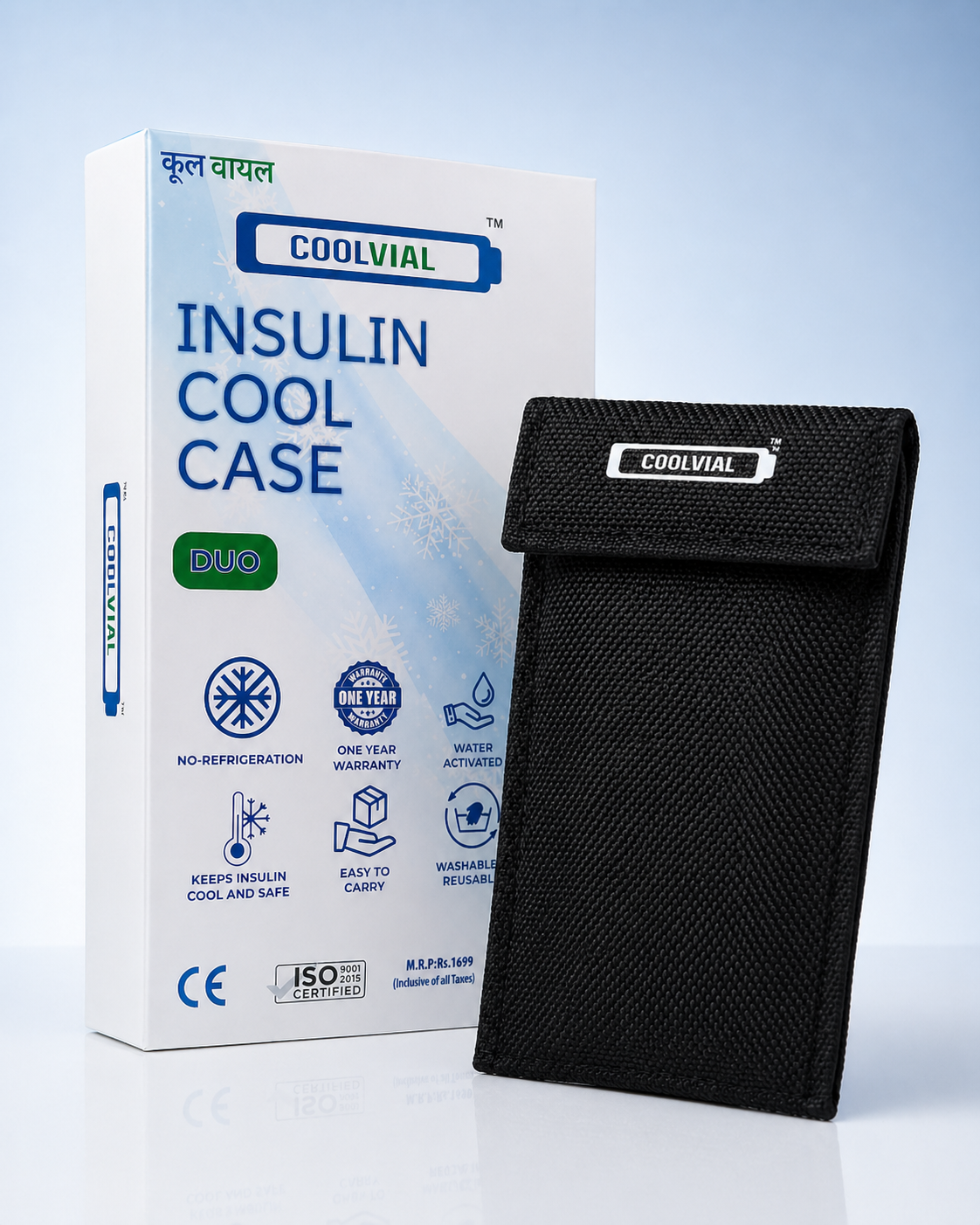
COOLVIAL keeps insulin safe in India's heat. 48+ hours, no electricity needed.
Living in Mangaluru, whether in a modern apartment near City Centre Mall in Hampankatta or a traditional home in Bejai/Bunts Hostel Road, dictates your insulin storage strategy. Not all homes have constant air conditioning, and even those that do experience power cuts or periods when AC is off.
For AC-enabled Apartments (e.g., Hampankatta, Kankanady):
- Advantages: AC helps to dehumidify the air, creating a more stable environment (typically 24-26°C with lower humidity). This reduces the immediate risk of mould and condensation.
- Considerations:
- Power Cuts: Mangaluru can experience intermittent power disruptions. During these times, temperatures and humidity will quickly rise.
- Travel: When you step out of your AC environment, your insulin is immediately exposed to the harsh outdoor climate.
- Storage Tips:
- Keep insulin in its original box in an airtight container within the coolest, driest part of your AC home.
- For insulin in use, a reliable evaporative cooling case is essential for when you leave home or during power outages.
For Non-AC Apartments (e.g., Bejai, Surathkal):
- Challenges: These homes are directly exposed to Mangaluru’s year-round high humidity and moderate heat. Storing insulin here requires constant vigilance.
- Risks: Rapid degradation of insulin potency due to sustained exposure to temperatures above 25°C and high humidity.
- Storage Tips:
- Evaporative Cooling is Key: This is where solutions like COOLVIAL Duo become indispensable. They keep insulin cool within the recommended 18-26°C range through water evaporation, even without electricity, for 12-16 hours.
- Airtight + Desiccant: Always store insulin in airtight containers with silica gel packets to combat humidity.
- Coolest Spot: Identify the coolest, darkest spot in your home, away from direct sunlight and heat sources (e.g., kitchen appliances).
Regardless of your living situation, understanding how to store insulin effectively means adapting to your immediate environment.
5. Essential Strategies for Insulin Storage in Mangaluru: Silica, Airtight, and Evaporative Cooling
To truly safeguard your insulin in Mangaluru’s climate, a multi-pronged approach is necessary. This involves proactive measures against humidity and reliable cooling solutions.
5.1. The Power of Silica Gel
Silica gel is a desiccant, meaning it absorbs moisture from the air. In Mangaluru’s high humidity, it’s an invaluable ally.
- How to Use: Place small sachets of food-grade silica gel inside any airtight container where you store your insulin (both refrigerated and at room temperature).
- Reactivation: Most silica gel packets can be reactivated by drying them in a low oven or direct sunlight until their indicator changes colour (if applicable).
- Frequency: Replace or reactivate silica gel every 2-4 weeks, or more frequently during peak monsoon, depending on the ambient humidity and the size of your container.
5.2. The Imperative of Airtight Storage
Airtight containers are your first line of defense against humidity and condensation.
- Why it Matters: They create a microclimate around your insulin, preventing moisture from reaching it and protecting against airborne contaminants, including salt particles from coastal air.
- Types: Look for high-quality, food-grade plastic containers with silicone seals. Glass jars with tight-fitting lids are also effective.
- Usage: Use separate airtight containers for refrigerated insulin and insulin kept at room temperature.
5.3. Evaporative Cooling Solutions: Your Best Friend in the Tropics
For insulin in use (which should be kept at room temperature, typically below 25-30°C, and never refrigerated once opened), evaporative cooling is a game-changer for Mangaluru.
How to store insulin using evaporative cooling:
- The Science: These cases contain crystals that, when activated by water, absorb it and swell into a gel. This gel then slowly evaporates the water, drawing heat away from the insulin and keeping it cool.
- Ideal for Mangaluru: Evaporative coolers work best in hot, humid climates because the constant evaporation provides a continuous cooling effect.
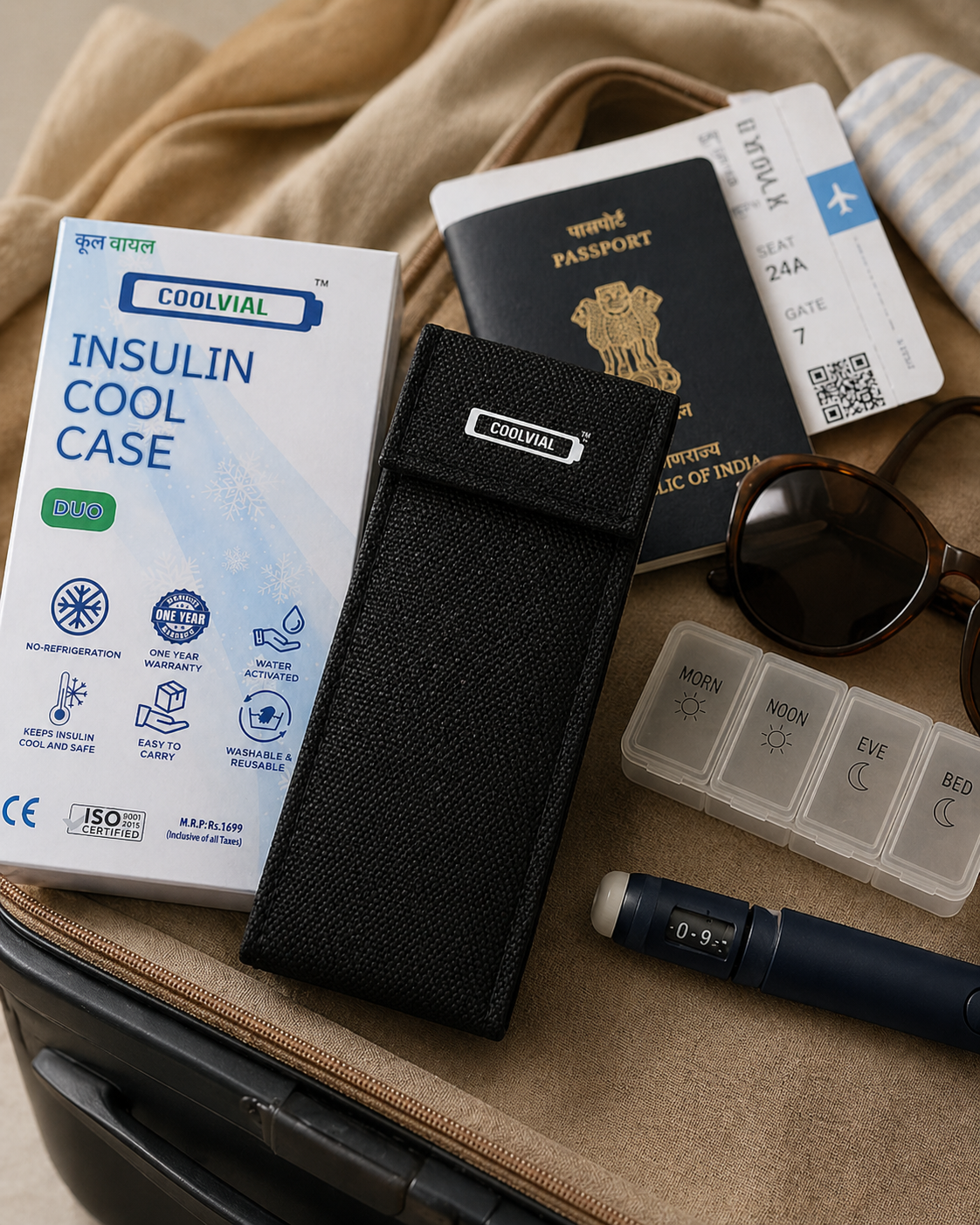
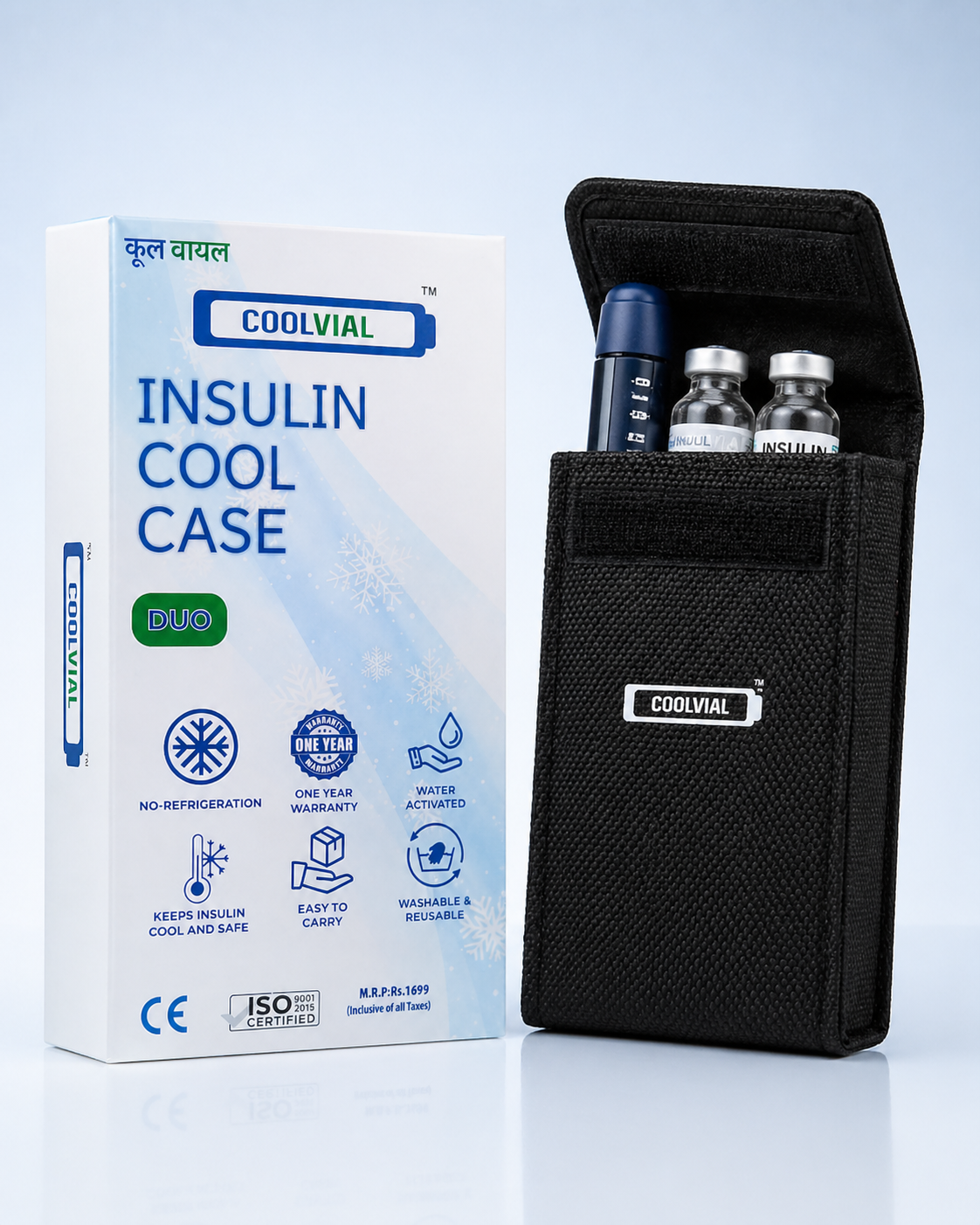
- COOLVIAL Duo: Our COOLVIAL Duo is specifically designed for the Indian climate. It holds 2 pens and 1 vial, keeping your insulin cool for 12-16 hours without electricity. It’s CE certified and ISO 9001:2015 compliant, offering reliability you can trust.
- Price: Rs 1,099 with code COOLHEAL (MRP Rs 1,699).
- Comparison: While similar to international brands like FRIO (which can cost upwards of Rs 1,900), COOLVIAL Duo offers comparable performance at a more accessible price point, and it’s proudly Made in India. Cheaper cooler bags like Outer Woods OW-12 (around Rs 999) might keep things cool for a few hours but lack the sustained, active cooling of an evaporative case, especially in Mangaluru’s high humidity.
- Benefits:
- No electricity needed – perfect for travel, power cuts, or simply carrying your insulin daily.
- Maintains insulin within the safe temperature range of 18-26°C.
- Compact and discreet, ideal for daily commutes from Surathkal to Hampankatta or weekend trips.
- Discover more insulin storage tips to extend your insulin’s lifespan.
6. Navigating Mangaluru’s Backwaters & Houseboats: Insulin Care for Tourists
Mangaluru offers enchanting experiences, from exploring Sultan Battery to cruising the backwaters. For those with diabetes, these adventures require extra planning for insulin storage, especially given the intense humidity and potential for water exposure.
Tips for tourists and locals exploring Mangaluru’s waterways:
- Waterproof Protection: Beyond an evaporative cooler, consider a waterproof dry bag for your entire insulin kit. This protects against splashes, accidental drops into water, and the pervasive moisture in open-air environments like houseboats.
- Double Layering: Place your activated COOLVIAL Duo inside a smaller, sealed plastic bag, and then into the dry bag. This creates multiple layers of defense.
- Avoid Direct Sun: Even if your insulin is in a cooling case, prolonged direct sun exposure can heat the case itself and reduce its efficiency. Keep it in the shade whenever possible.
- Stay Hydrated: While not directly about insulin storage, staying well-hydrated is crucial for diabetes management in humid climates.
- Emergency Supplies: Always carry extra insulin, syringes/pens, and blood glucose testing supplies, especially when venturing into remote areas. For comprehensive local advice, refer to our Complete Diabetes Care Guide for Mangaluru Residents — 2026 Edition.
7. Protecting Your Insulin Pens: Coastal Salt Air and Metal Components
Mangaluru’s coastal location means its air carries fine particles of sea salt. While invigorating for us, this salt-laden air can be corrosive to the delicate metal components of insulin pens.
Understanding the threat:
- Corrosion: Over time, salt particles combined with high humidity can lead to oxidation and corrosion of metal parts, such as the needle attachment area, dose selector, or internal mechanisms of reusable pens.
- Malfunction Risk: Corroded parts can lead to:
- Sticking Mechanisms: The dose selector might become stiff or fail to turn smoothly.
- Leakage: Compromised seals or needle connections due to corrosion can lead to insulin leakage.
- Inaccurate Dosing: A malfunctioning pen can deliver incorrect insulin doses, leading to dangerous blood sugar fluctuations.
10 Proven Ways: How to Store Insulin in Mangaluru's Tropical Humidity — A Local's Guide
Insulin at 2-8°C for 48+ hours. Trusted by 10,000+ Indian diabetics.
How to protect your pens:
- Airtight Storage: This is paramount. An airtight container not only keeps out humidity but also shields against salt particles.
- Regular Inspection: Periodically inspect your pens for any signs of rust, discoloration, or sticky mechanisms. If you notice any issues, replace the pen immediately.
- Cleanliness: After use, gently wipe down your pen with a clean, dry cloth before placing it back in its protective case.
- COOLVIAL Duo: The robust casing of the COOLVIAL Duo provides an additional layer of physical protection against the corrosive elements of coastal air, keeping your pens safe and functional.
8. Expert Guidance from Mangaluru’s Hospitals and Pharmacies
Local medical professionals and pharmacists are invaluable resources for diabetes management, including advice on how to store insulin in Mangaluru’s specific climate.
- Consult Your Endocrinologist/Diabetologist:
- KMC Hospital (Kasturba Medical College, Attavar): Their endocrinology department can provide personalized advice on insulin storage, especially if you have unique travel or lifestyle needs.
- Father Muller Medical College Hospital: Another leading institution in Mangaluru with specialists who can guide you on managing diabetes in humid conditions.
- These medical professionals can confirm the stability of your specific insulin type under local conditions and recommend suitable storage practices.
- Local Pharmacies:
- Pharmacies like Apollo Pharmacy, MedPlus, Netmeds, 1mg, and Davaindia outlets across Mangaluru (e.g., near Kankanady, Bejai) often stock insulin and related supplies.
- Pharmacists are knowledgeable about local storage challenges and can offer practical tips or recommend specific products like desiccants or cooling cases. They are often the first point of contact for immediate queries.
- When purchasing insulin, always check the expiry date and ensure the packaging is intact and dry.
Remember, guidelines from organizations like the International Diabetes Federation (IDF) state that diabetes affects 1 in 10 adults globally, emphasizing the widespread need for proper insulin care (Source: IDF Diabetes Atlas). Local adherence to these principles, adapted for Mangaluru’s climate, is essential. For more specific local information, particularly concerning heavy rainfall, read our article on Mangaluru Heavy Monsoon — Keeping Insulin Dry Through Heavy Annual Rainfall.
9. Frequently Asked Questions (FAQ)
Q: Can I store insulin in a normal fridge in Mangaluru? A: Yes, unopened insulin should be stored in the refrigerator, but always place it in an airtight plastic container to protect it from condensation caused by Mangaluru’s high ambient humidity.
Q: How does Mangaluru’s monsoon affect insulin storage? A: The monsoon brings exceptionally high humidity and heavy rainfall, increasing the risk of mould on packaging, severe fridge condensation, and general dampness, necessitating extra vigilance with airtight storage and evaporative cooling.
Q: Is it safe to carry insulin to Panambur Beach? A: Yes, but you must use a reliable evaporative cooling case like COOLVIAL Duo, ideally placed inside a waterproof dry bag, to protect it from heat, humidity, and potential splashes from the coastal environment.
Q: What’s the ideal temperature for insulin in Mangaluru? A: Unopened insulin should be refrigerated (2-8°C). Once opened, insulin in use should be kept at room temperature, ideally below 25-30°C, for up to 28 days, which evaporative cooling cases can help maintain.
Q: How often should I replace silica gel in my insulin storage? A: In Mangaluru’s humid climate, it’s advisable to replace or reactivate food-grade silica gel packets every 2-4 weeks, or more frequently during the intense monsoon season, to ensure maximum moisture absorption.
Q: What are the signs of damaged insulin? A: Signs include changes in appearance (cloudiness, discoloration, particles), a change in consistency, or a reduced effect on blood sugar. Always discard insulin if you suspect it has been compromised by heat or cold.
Q: Can I keep my insulin in a regular cooler bag for a day trip from Mangaluru? A: Regular cooler bags (like Outer Woods OW-12) may not provide sustained cooling in Mangaluru’s heat and humidity. An evaporative cooling case like COOLVIAL Duo offers active, prolonged cooling for 12-16 hours without electricity.
10. Conclusion: Embrace Mangaluru, Protect Your Insulin
Living with diabetes in a vibrant city like Mangaluru means embracing its unique charms while being mindful of its climatic challenges. The constant tropical humidity, moderate heat, and coastal salt air demand a disciplined approach to how to store insulin effectively. By understanding the specific risks—from mould on packaging to exacerbated fridge condensation and corrosive salt air—you can implement the right strategies.
Our 10 proven ways emphasize a combination of airtight storage, the judicious use of desiccants like silica gel, and the indispensable role of evaporative cooling solutions. Products like the COOLVIAL Duo, specifically engineered for Indian conditions, offer a robust and affordable way to keep your insulin safe and potent, whether you’re navigating the city’s busy streets or enjoying a quiet moment by Tannirbhavi Beach. With CE certification, ISO 9001:2015 standards, and a 1-year warranty, COOLVIAL Duo is a reliable companion for your diabetes journey in Mangaluru.
Don’t let Mangaluru’s beautiful climate compromise your health. Take control of your insulin storage today.
Order your COOLVIAL Duo at just Rs 1,099 with code COOLHEAL at coolvial.com or simply reach out via WhatsApp at wa.me/918766952300.
How We Researched This
This article is based on a thorough review of insulin storage guidelines from leading medical bodies like RSSDI, relevant data from ICMR-INDIAB studies on diabetes prevalence, and practical insights derived from local Mangaluru hospital directories (KMC Hospital, Father Muller Medical College) and pharmacy networks (Apollo Pharmacy). We also considered common challenges faced by diabetics in tropical coastal regions, drawing on our expertise in climate-specific insulin care.
Medical Disclaimer
This article is for general information and educational purposes only. It is not intended to be a substitute for professional medical advice, diagnosis, or treatment. Always consult your endocrinologist or diabetologist before changing insulin storage or dosing practices, or for any health concerns.