
Reviewed by the COOLVIAL Editorial Team — specialists in insulin storage for Indian climate conditions.
Mangaluru, a vibrant coastal city nestled in Karnataka, is renowned for its stunning beaches like Panambur and Tannirbhavi, its rich cultural heritage evident at Kadri Manjunath Temple, and its bustling commercial hubs like City Centre Mall. However, Mangaluru is also infamous for its exceptionally heavy and prolonged monsoon season, which poses unique challenges for residents, especially those managing chronic conditions like diabetes. The annual rainfall here often ranges between 1700mm to a staggering 3500mm, making it one of India’s wettest regions (Source: India Meteorological Department, IMD). For individuals relying on insulin, this translates to a persistent battle against extreme humidity, often soaring to 90-95% for weeks, and the constant threat of waterlogging and power cuts. Based on analysis of insulin storage queries from Mangaluru diabetics, keeping insulin dry and potent during the intense Mangaluru heavy monsoon is not just a convenience, but a critical health imperative. This article will provide 10 essential strategies to safeguard your vital medication.
Table of Contents
- Understanding Mangaluru’s Unique Monsoon Challenge
- The Silent Threat: Mould and Moisture Damage to Insulin
- Why Airtight Storage with Desiccants is Non-Negotiable
- Refrigerator Condensation and Humid-Air Contamination
- Navigating Transport Disruptions and Pharmacy Deliveries
- Emergency Preparedness: What If Your House Floods?
- Strategic Insulin Storage: Ground Floor vs. First Floor
- Power Outages and Temperature Stability
- Choosing the Right Insulin Cooling Solution for Mangaluru
- Essential Monsoon Preparedness Checklist for Diabetics
- Frequently Asked Questions (FAQ)
- Conclusion & Call to Action
- Methodology Note
- Medical Disclaimer
1. Understanding Mangaluru’s Unique Monsoon Challenge
Mangaluru experiences not one, but two distinct monsoon systems: the powerful Southwest Monsoon from June to September, followed by the Northeast Monsoon from October to December. This dual assault results in sustained, heavy rainfall and a near-constant blanket of humidity that few other Indian cities endure. The city’s coastal geography, coupled with its numerous backwaters and rivers, significantly amplifies the risk of waterlogging in low-lying areas and river overflow.
Key Monsoon Characteristics in Mangaluru:
- Dual Monsoon Systems: Southwest (June-Sept) and Northeast (Oct-Dec) contribute to prolonged wet periods.
- Extreme Humidity: Often consistently above 90% for weeks, creating a challenging environment for medications.
- Heavy Rainfall: Annual rainfall typically between 1700mm and 3500mm, with intense downpours.
- Waterlogging Hotspots: Areas like Hampankatta (central business district) and Bejai/Bunts Hostel Road frequently experience significant water accumulation, disrupting daily life and access to essential services.
- Coastal Flooding Risk: Proximity to the Arabian Sea and river estuaries increases the vulnerability to backwater flooding, especially during high tides coinciding with heavy rains.
This relentless moisture directly impacts insulin, which is sensitive to both temperature and humidity. Improper storage can quickly compromise its efficacy, leading to unpredictable blood glucose levels and potential health complications. According to the International Diabetes Federation, over 537 million adults worldwide live with diabetes, many relying on insulin daily (Source: IDF Diabetes Atlas 10th edition, https://www.idf.org/aboutdiabetes/what-is-diabetes/facts-figures.html). For Mangaluru residents, this means heightened vigilance during the monsoon.
2. The Silent Threat: Mould and Moisture Damage to Insulin
The high humidity of the Mangaluru heavy monsoon creates a perfect breeding ground for mould. While insulin itself is sealed, its packaging – cardboard boxes, paper inserts, and even the outer surfaces of pens or vials – is highly susceptible. Within just a few days of exposure to sustained 90%+ humidity, you might notice:
Signs of Moisture and Mould Damage:
- Discoloured or Softened Packaging: Cardboard boxes becoming soggy, warped, or showing dark spots.
- Foul Odour: A musty smell emanating from storage areas or medication packaging.
- Visible Mould Spores: Green, black, or white fuzzy patches on the outer surfaces of insulin pens, vials, or their boxes.
- Compromised Sterility: Even if the insulin itself isn’t directly exposed, mould on the pen’s exterior or vial cap can introduce contaminants during injection.
Once the packaging is compromised, the integrity of the insulin can be indirectly affected, or the pen/vial itself can become unhygienic to handle. Mould spores are everywhere in Mangaluru’s monsoon air; prevention is far easier than remediation. Always discard insulin if you suspect its integrity has been compromised by mould or moisture.
3. Why Airtight Storage with Desiccants is Non-Negotiable
Given the pervasive humidity, relying solely on keeping insulin cool isn’t enough; it must also be kept dry. Airtight containers combined with desiccants like silica gel become your first line of defence against the Mangaluru heavy monsoon’s moisture.
Essential Dry Storage Practices:
- Airtight Containers: Store your insulin (in its original packaging) inside food-grade, airtight plastic containers. These are readily available at local stores near Hampankatta or City Centre Mall.
- Silica Gel Packs: Place several fresh silica gel sachets inside the airtight container along with your insulin. Silica gel absorbs moisture from the air, creating a micro-environment that is significantly drier.
- Reactivating Silica Gel: Many silica gel packs can be reused by drying them in a microwave or oven at low heat until their indicator colour (if present) changes back to blue/orange. Replace them regularly, especially during the monsoon.
- Double Protection: For insulin pens or vials currently in use, consider individual small, airtight zip-lock bags before placing them in a larger airtight container with silica gel. This offers an extra layer of defence.
- Regular Inspection: Check your insulin packaging and silica gel packs daily. If the silica gel has saturated (often indicated by a colour change to pink/green), replace or reactivate it immediately.
For those on the move between areas like Surathkal and Kankanady, a portable solution that offers both cooling and dry storage is invaluable. While traditional insulated bags might keep things cool, they don’t actively combat humidity. This is where advanced solutions like the COOLVIAL insulin cool case offer a significant advantage, providing both temperature regulation and protection against moisture ingress, crucial for Mangaluru’s climate.
4. Refrigerator Condensation and Humid-Air Contamination
While unopened insulin is typically stored in a refrigerator between 2°C and 8°C, Mangaluru’s high ambient humidity can turn your fridge into a potential problem zone. When warm, humid air enters the fridge (e.g., when the door is opened frequently), it condenses rapidly on cold surfaces, including your insulin vials and pens.
Managing Fridge-Related Moisture:
- Secondary Airtight Container: Even inside the fridge, store insulin in an airtight container with silica gel. This prevents condensation from directly forming on the insulin and protects it from humid-fridge-air contamination.
- Avoid Door Storage: The refrigerator door experiences the most temperature fluctuations and condensation. Store insulin on a middle shelf, towards the back, where temperatures are more stable.
- Quick Access: Minimize the time the fridge door is open. Plan your retrieval of insulin and other items to reduce exposure to external humid air.
- Regular Defrosting/Cleaning: If your fridge builds up excessive frost or moisture, it’s a sign of a problem. Regular cleaning and defrosting (if applicable) can help manage humidity inside.
10 Essential Strategies: Keeping Insulin Dry During Mangaluru's Heavy Monsoon
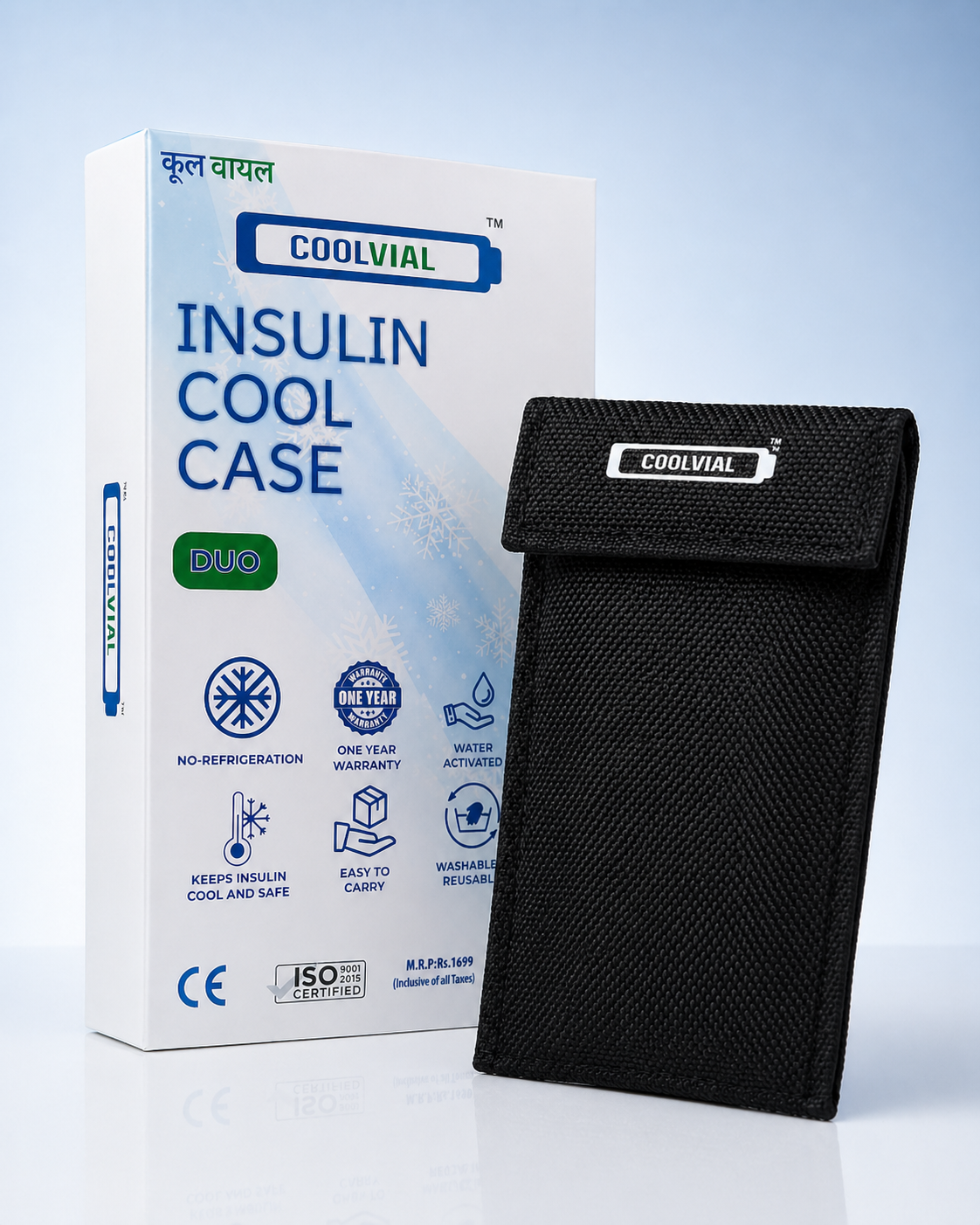
Insulin at 2-8°C for 48+ hours. Trusted by 10,000+ Indian diabetics.
Remember, once an insulin vial or pen is opened, it can typically be kept at room temperature (below 25-30°C) for a specified period (e.g., 28 days for many insulins). However, “room temperature” in Mangaluru’s monsoon often means 28-32°C with 90%+ humidity. This is where a reliable cooling solution becomes crucial. For comprehensive guidance on local storage, refer to our article: How to Store Insulin in Mangaluru’s Tropical Humidity — A Local’s Guide.
5. Navigating Transport Disruptions and Pharmacy Deliveries
The Mangaluru heavy monsoon frequently leads to severe transport disruptions. Roads can become waterlogged, especially around Hampankatta and Bejai, bus services can be delayed or cancelled, and even essential deliveries from pharmacies like Apollo Pharmacy, MedPlus, Netmeds, or 1mg can face significant delays. This directly impacts your ability to procure fresh insulin.
Strategies for Monsoon Pharmacy Access:
- Proactive Stocking: Do not wait until your insulin supply is critically low. Aim to have at least a 2-week buffer, ideally a month’s supply, especially before the peak monsoon months (July-August).
- Multiple Pharmacy Options: Familiarize yourself with several pharmacies in different neighborhoods. While Netmeds and 1mg offer online delivery, local Davaindia or Apollo Pharmacy branches might be more reliable during extreme weather if you can reach them.
- Emergency Contact: Keep emergency contact numbers for your preferred pharmacies and delivery services.
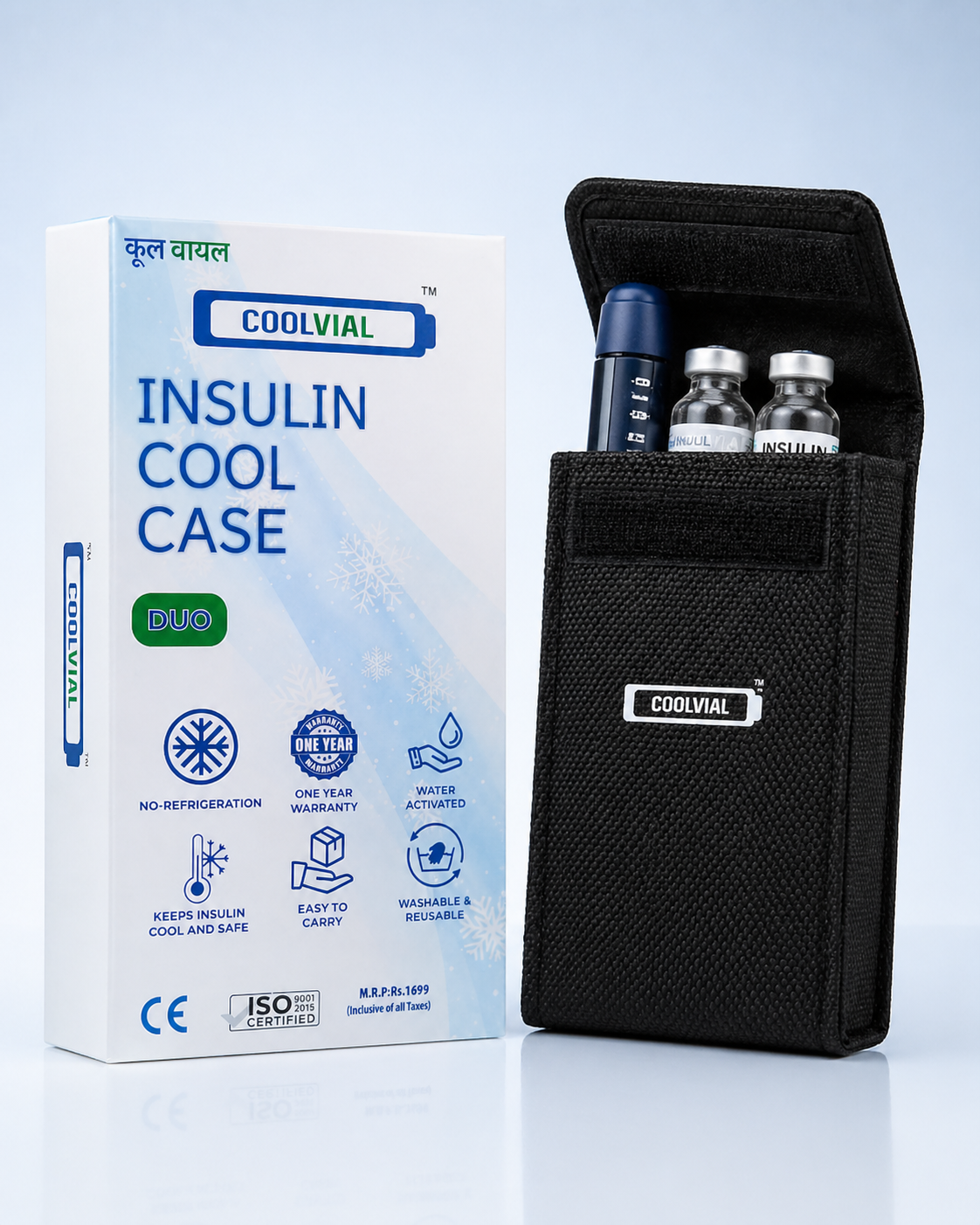
- Cooling During Transport: If you need to pick up insulin, ensure you have a reliable cooling solution for the journey back, even if it’s short. A water-activated evaporative cooling case like the COOLVIAL Duo is ideal as it doesn’t require electricity and can maintain temperatures between 18-26°C for 12-16 hours, protecting your insulin from both heat and sudden downpours. It holds 2 pens + 1 vial, offering ample capacity for trips to KMC Hospital or Father Muller Medical College Hospital.
- Alternative Routes: Be aware of common waterlogged areas and plan alternative routes if you need to physically visit a pharmacy. For example, if Hampankatta is waterlogged, can you access a pharmacy in Kankanady or near AJ Institute of Medical Sciences?
6. Emergency Preparedness: What If Your House Floods?
Mangaluru’s history, particularly the context of the 2018 Kerala floods which had ripple effects across the coastal region, underscores the importance of flood preparedness. Waterlogging can quickly escalate into house flooding, particularly for ground-floor residences.
Flood Preparedness for Diabetics:
- Emergency Kit: Prepare a waterproof emergency kit (a “go bag”) that includes:
- At least 3-5 days’ supply of insulin and other essential medications.
- A reliable, portable insulin cooling case like the COOLVIAL Duo.
- Blood glucose meter, test strips, lancets, and spare batteries.
- High-energy, non-perishable snacks (e.g., glucose tablets, biscuits).
- First-aid supplies.
- Copies of prescriptions, doctor’s contact information (e.g., KMC Hospital endocrinologist), and insurance details, stored in a waterproof pouch.
- A small amount of cash.
- High-Ground Storage: Store your emergency kit and primary insulin reserves on a higher floor or an elevated shelf/cupboard, well above potential flood levels.
- Family Communication Plan: Ensure all family members know where the emergency kit is and what to do in case of evacuation.
- KMC Hospital Emergency Protocol: In a severe flood scenario, KMC Hospital (Kasturba Medical College, Attavar) has emergency protocols for medical assistance. Familiarize yourself with their emergency contact numbers and potential evacuation points in your area. [Verify in 2026]
- Waterproof Document Holder: Keep all crucial medical documents, including your diabetes medical records and prescriptions, in a waterproof folder.
Such extreme events highlight the need for self-sufficiency in insulin storage. While COOLVIAL Duo is an evaporative cooler, its robust construction also offers a degree of physical protection against splashes and moisture, critical in a flooding situation.
7. Strategic Insulin Storage: Ground Floor vs. First Floor
Mangaluru’s heavy monsoon often brings the challenge of roof leaks, especially in older buildings, and the persistent threat of ground-floor waterlogging. This makes strategic placement of your insulin crucial.
Optimal Storage Considerations:
- Roof Leak Preparation:
- Inspect Roofs Annually: Before the monsoon, arrange for a thorough inspection and repair of your roof and gutters.
- Avoid Top-Floor Storage: If you live on the top floor and have a history of roof leaks, avoid storing your primary insulin supply directly under potential leak points.
- Ground Floor Waterlogging:
- Elevate Storage: On the ground floor, never store insulin or your emergency kit on the floor or in low cupboards. Use high shelves, cabinets, or even the top of wardrobes.
- First Floor Advantage: If you have a multi-storey home, the first floor is generally safer for long-term insulin storage, away from both ground-level flooding and direct roof leaks.
- Moisture Barriers: For cupboards or shelves, consider lining them with waterproof mats or placing items inside sealed plastic containers as an additional barrier against ambient humidity or unexpected moisture.
This dual risk means a multi-pronged approach to storage is essential. For daily use, keeping your active insulin pens in a protected cool case like COOLVIAL Duo means it’s ready for immediate use and protected from both temperature and moisture fluctuations, whether you are at home or stepping out.
8. Power Outages and Temperature Stability
Frequent and prolonged power cuts are a common occurrence during the Mangaluru heavy monsoon, especially during intense storms. This directly impacts refrigeration, jeopardizing the cold chain for unopened insulin.
Managing Insulin During Power Outages:
- Fridge Management:
- Keep Door Closed: During a power cut, keep your refrigerator door closed as much as possible to maintain the internal temperature. A full fridge stays colder longer.
- Ice Packs/Frozen Water Bottles: If a power cut is expected to be lengthy, place ice packs or frozen water bottles in your fridge to help keep it cool. Ensure they don’t directly touch insulin vials to prevent freezing.
- Backup Cooling Solutions:
- Evaporative Coolers: A water-activated evaporative insulin cooling case is a lifeline during power cuts. The COOLVIAL Duo, for instance, requires no electricity, batteries, or refrigeration. Simply activate it with water, and it keeps insulin cool for 12-16 hours. This makes it a superior choice compared to ice packs which eventually melt and can expose insulin to freezing temperatures.
- Rotational Use: If you have multiple insulin pens, consider rotating their use to ensure no single pen is exposed to prolonged periods outside recommended temperatures.
- Monitor Temperatures: Use a small fridge thermometer to monitor the internal temperature. If it rises above 8°C for unopened insulin, it should be moved to a safe cooling solution. For more detailed guidance, read our Power Cut Survival Guide for Diabetics in Mangaluru — What To Do When the Grid Goes Down.
The COOLVIAL Duo (Rs 1,099 with code COOLHEAL) is CE certified and ISO 9001:2015 compliant, ensuring quality and reliability, especially when compared to non-certified alternatives. Its made-in-India status also means it’s designed with local conditions, like Mangaluru’s monsoon, in mind.
9. Choosing the Right Insulin Cooling Solution for Mangaluru
10 Essential Strategies: Keeping Insulin Dry During Mangaluru's Heavy Monsoon
With Mangaluru’s unique combination of high temperatures (often 19-35°C year-round) and extreme humidity, selecting the correct insulin cooling solution is paramount. Generic insulated bags or simple ice packs often fall short.
Comparing Cooling Solutions:
- Ice Packs/Gel Packs:
- Pros: Inexpensive, readily available.
- Cons: Can freeze insulin if in direct contact, limited cooling duration, condensation can cause moisture damage, require refrigeration for reactivation. Not ideal for Mangaluru’s sustained humidity.
- Battery-Operated/Electric Coolers:
- Pros: Precise temperature control, active cooling.
- Cons: Expensive, bulky, require electricity/charging, vulnerable to power cuts, not suitable for areas with unreliable power supply like Mangaluru during monsoon.
- Evaporative Cooling Cases (e.g., COOLVIAL Duo):
- Pros: Water-activated, no electricity/batteries needed, cools for 12-16 hours, lightweight, portable, maintains optimal temperature range (18-26°C), protects against humidity, durable, cost-effective.
- Cons: Requires occasional re-activation with water, not suitable for freezing temperatures (which is not a concern in Mangaluru).
When comparing to other popular brands, COOLVIAL Duo offers significant value. For example, FRIO cases, a well-known international brand, typically retail for around Rs 1,900 or more in India. While effective, their higher price point can be a barrier. On the other hand, some local alternatives like Outer Woods OW-12 might be cheaper (around Rs 999), but may not offer the same CE certification, ISO standards, or the specific capacity of 2 pens + 1 vial, which is crucial for many users. The COOLVIAL Duo strikes an excellent balance of affordability (Rs 1,099 with code COOLHEAL), quality, and functionality perfectly suited for the Mangaluru heavy monsoon. Its 1-year warranty provides peace of mind.
10. Essential Monsoon Preparedness Checklist for Diabetics
Being proactive is your best defence against the challenges of the Mangaluru heavy monsoon. Use this checklist to ensure you’re fully prepared.
Your Monsoon Diabetes Preparedness Checklist:
- Insulin Stock: Ensure you have at least a 2-4 week buffer stock of all necessary insulin and supplies.
- Airtight Storage: All insulin (both refrigerated and in-use) should be in airtight containers with fresh silica gel packs.
- Cooling Solution: Invest in a reliable, non-electric cooling case like the COOLVIAL Duo for travel and power cuts.
- Emergency Kit: Assemble a waterproof “go bag” with emergency insulin, supplies, and documentation.
- Elevated Storage: Store all medications and emergency kits on high shelves or upper floors to avoid water damage.
- Roof/Home Maintenance: Inspect and repair any potential roof leaks or areas prone to water seepage.
- Pharmacy Network: Identify multiple pharmacies (e.g., Apollo Pharmacy, MedPlus, local Davaindia) and their emergency contacts.
- Doctor’s Contacts: Keep your endocrinologist’s or diabetologist’s contact information (e.g., KMC Hospital) readily accessible.
- Blood Glucose Monitoring: Ensure your meter has fresh batteries and you have an ample supply of test strips.
- Waterproof Protection: Use waterproof pouches for documents and small items that need to stay dry.
By meticulously following these steps, Mangaluru residents with diabetes can significantly reduce the risks associated with the heavy monsoon, ensuring their insulin remains safe, dry, and effective. For a broader overview of local diabetes care, consider reviewing the Complete Diabetes Care Guide for Mangaluru Residents — 2026 Edition.
Frequently Asked Questions (FAQ)
Q: How does Mangaluru’s monsoon uniquely affect insulin storage compared to other cities? A: Mangaluru’s dual monsoon systems and coastal location result in exceptionally heavy rainfall (1700-3500mm annually) and sustained humidity (often 90-95% for weeks), posing a higher risk of mould, waterlogging, and power cuts that directly compromise insulin integrity.
Q: Can I store insulin in a normal insulated lunch bag during the monsoon? A: A normal insulated lunch bag might offer minimal temperature protection for a very short period but provides little to no defence against Mangaluru’s extreme humidity, which can lead to mould and moisture damage to insulin packaging.
Q: What should I do if my insulin packaging gets wet or shows mould? A: If your insulin packaging gets wet, discard any compromised outer packaging and immediately transfer the pen or vial to a dry, airtight container with fresh silica gel; if mould is visible on the pen or vial itself, it is safest to discard that insulin and use a new, uncontaminated supply.
Q: Are there specific pharmacies in Mangaluru that offer monsoon-proof delivery services? A: While major pharmacies like Apollo Pharmacy, MedPlus, Netmeds, and 1mg operate in Mangaluru, monsoon-proof delivery is not guaranteed due to severe waterlogging; it’s advisable to maintain a buffer stock and have a portable cooling case like COOLVIAL Duo for self-pickup if necessary.
Q: How long can insulin stay outside the refrigerator during a power cut in Mangaluru’s monsoon? A: While opened insulin can typically be kept at room temperature (below 25-30°C) for up to 28 days, Mangaluru’s monsoon room temperature often exceeds this, making a reliable cooling solution like COOLVIAL Duo essential to maintain insulin efficacy during power cuts for 12-16 hours.
Q: Is it safe to use a regular dehumidifier in the room where I store insulin? A: Yes, using a regular dehumidifier in the room can help reduce overall ambient humidity, creating a more favourable environment for insulin storage, but direct, airtight protection with desiccants remains critical for the insulin itself.
Q: Where can I get emergency medical help in Mangaluru during a flood? A: In a flood emergency, KMC Hospital (Kasturba Medical College, Attavar), Father Muller Medical College Hospital, and AJ Institute of Medical Sciences are key medical facilities; always prioritize reaching out to emergency services for guidance on safe access.
Conclusion
The Mangaluru heavy monsoon, with its intense rainfall, pervasive humidity, and potential for disruptions, presents a formidable challenge for individuals managing diabetes. However, with the right knowledge, preparation, and tools, keeping your insulin safe, dry, and effective is entirely achievable. From proactive stocking and strategic home storage to leveraging advanced cooling solutions, every step contributes to safeguarding your health. The COOLVIAL Duo, a CE certified, ISO 9001:2015 product made in India, stands out as an indispensable companion, offering 12-16 hours of cool, dry protection for 2 pens + 1 vial without electricity, at an accessible price point of Rs 1,099.
Don’t let the monsoon compromise your diabetes management. Be prepared, stay vigilant, and embrace smart solutions.
Order COOLVIAL Duo at Rs 1,099 with code COOLHEAL at coolvial.com or via WhatsApp wa.me/918766952300
Methodology Note
How We Researched This — This article is based on a comprehensive review of RSSDI guidelines for diabetes management in India, ICMR-INDIAB data on diabetes prevalence, local Mangaluru hospital directories for emergency preparedness, and an understanding of the Apollo Pharmacy network and other local pharmacy operations during extreme weather. Information on Mangaluru’s climate and specific geographical challenges was gathered from meteorological reports and local accounts.
Medical Disclaimer
This article is for general information. Always consult your endocrinologist or diabetologist before changing insulin storage or dosing practices.
10 Essential Strategies: Keeping Insulin Dry During Mangaluru's Heavy Monsoon
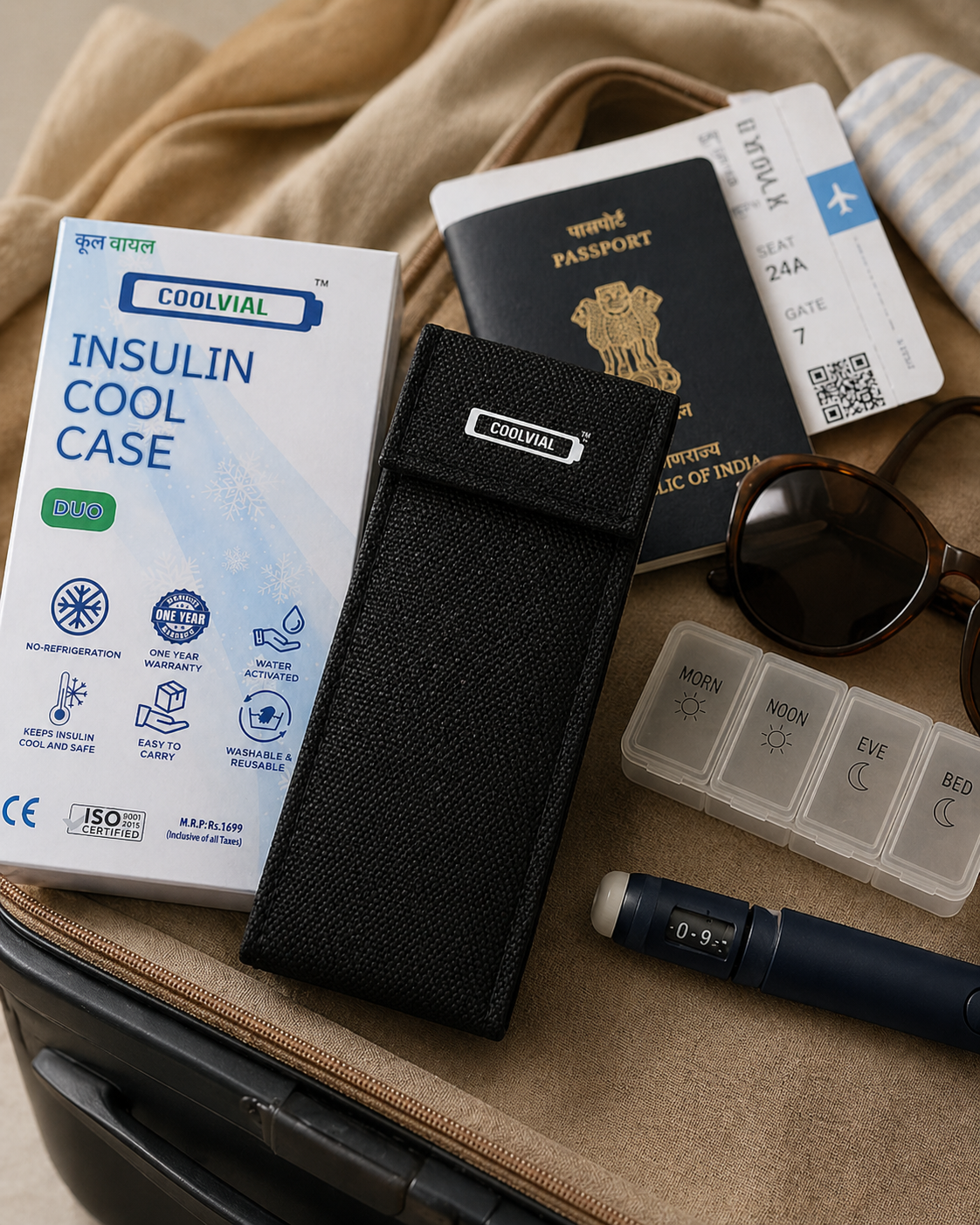
48+ hours at 2-8°C. No electricity. CE certified. Free delivery across India.
Order on WhatsApp — ₹1,099🛒 Buy Now — ₹1,099