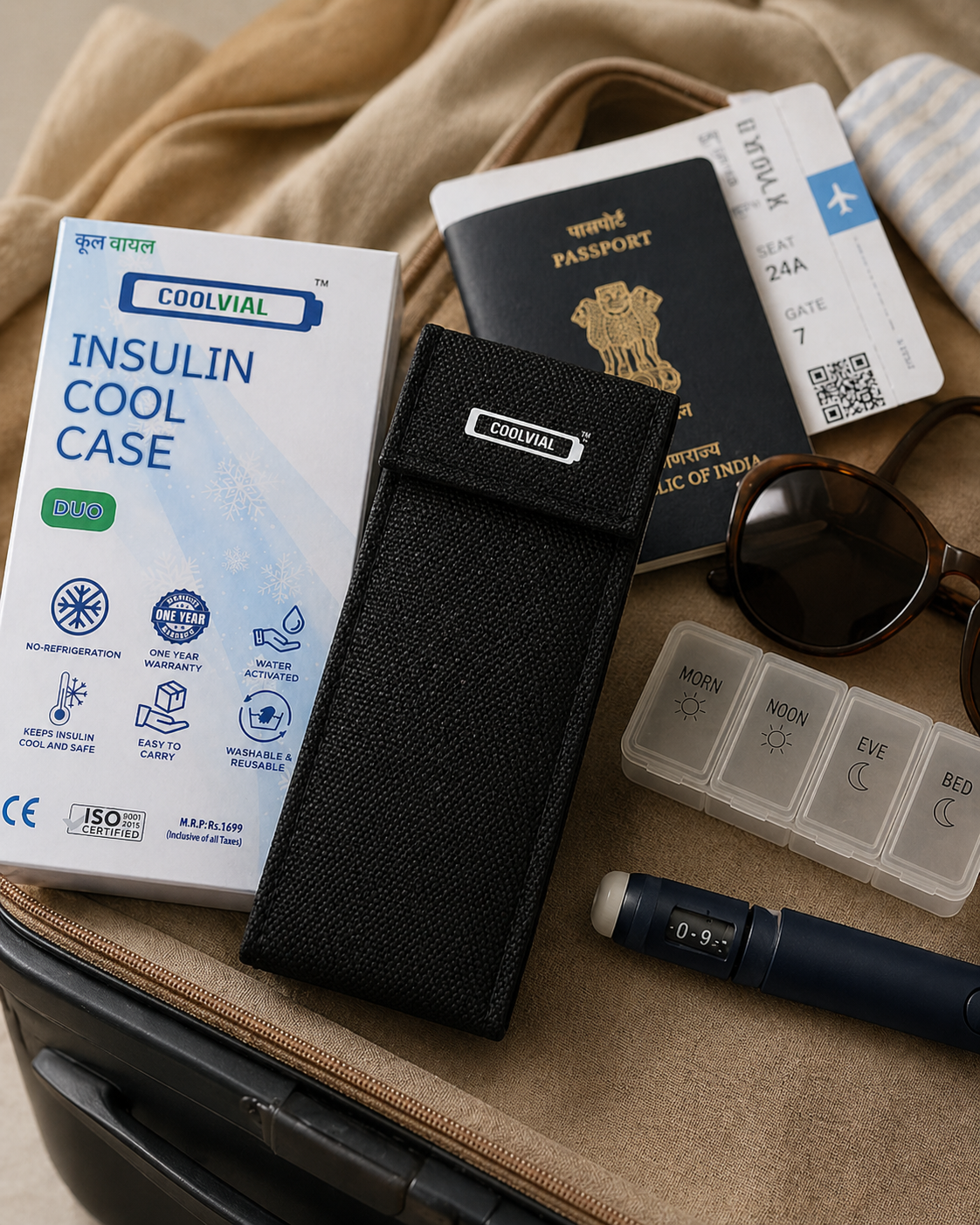
Reviewed by the COOLVIAL Editorial Team — specialists in insulin storage for Indian climate conditions.
Mangaluru, with its picturesque beaches and vibrant culture, is a city that thrives amidst a tropical coastal climate, often seeing temperatures ranging from a warm 19°C to a scorching 35°C. This beautiful city, however, is no stranger to the unpredictable nature of power outages, especially during the intense Southwest monsoon season from June to September, or during peak summer load shedding. For the thousands of diabetics residing here, a sudden power cut can transform a routine day into a critical challenge, as insulin, a life-saving medication, quickly loses its potency when exposed to temperatures above 25°C. This comprehensive power cut survival guide for diabetics in Mangaluru aims to equip you with the knowledge and tools to keep your insulin safe and effective, no matter how long the grid stays down. Based on analysis of insulin storage queries from Mangaluru diabetics, we understand the unique local challenges and provide practical, city-specific solutions.
Table of Contents
- Mangaluru’s Power Landscape: Understanding Local Outage Patterns
- The Immediate Threat: Why Insulin Needs Constant Cooling
- Your Essential Power Cut Survival Kit for Diabetics
- Scenario 1: Short Outage (Up to 30 Minutes)
- Scenario 2: Moderate Outage (Up to 6 Hours)
- Scenario 3: Extended Outage (Up to 12 Hours)
- Scenario 4: Prolonged Outage (24 Hours or More) & Emergency Resources
- Proactive Planning: Beyond the Immediate Crisis
- Mastering Insulin Storage in Mangaluru’s Unique Climate
- Frequently Asked Questions (FAQ)
- Conclusion
- Medical Disclaimer
- How We Researched This
Mangaluru’s Power Landscape: Understanding Local Outage Patterns
Living in Mangaluru means navigating a unique set of power challenges. The Mangaluru Electricity Supply Company (MESCOM) serves the region, and while committed to stability, faces specific hurdles. Monsoon outages are particularly common in low-lying areas and those with dense tree cover, like parts of Kankanady and Surathkal near NITK. Heavy rainfall (averaging ~3500mm during monsoons) often leads to snapped power lines or transformer failures. During peak summer, from April to June, the city experiences load shedding due to increased demand, especially when temperatures soar above 30°C for extended periods.
For residents in older neighborhoods such as parts of Bejai or along Bunts Hostel Road, where buildings may lack modern backup systems, even a short power cut can disrupt daily life significantly. In contrast, many newer housing societies and apartment complexes across the city have invested heavily in generators or inverters, providing a crucial buffer during outages. Independent houses, particularly in the suburbs, are increasingly adopting solar inverter setups to achieve greater energy independence and reduce reliance on the grid.
- Typical Power Outage Scenarios in Mangaluru:
- Monsoon Disruptions (June-September): Frequent, often unscheduled cuts due to heavy rain, strong winds, and tree falls, particularly affecting areas like Kankanady (e.g., pin code 575002) and Surathkal (e.g., pin code 575014)
[Verify in 2026]. - Summer Load Shedding (April-June): Scheduled or unscheduled cuts during peak demand, especially in commercial and residential zones when temperatures exceed 32°C.
- Maintenance Outages: Pre-announced cuts for infrastructure upgrades or repairs, usually during daytime hours.
- Localised Faults: Sudden, short-duration cuts affecting specific streets or blocks due to transformer issues or cable faults.
- Monsoon Disruptions (June-September): Frequent, often unscheduled cuts due to heavy rain, strong winds, and tree falls, particularly affecting areas like Kankanady (e.g., pin code 575002) and Surathkal (e.g., pin code 575014)
The Immediate Threat: Why Insulin Needs Constant Cooling
Insulin is a protein, and like many proteins, it is highly sensitive to temperature fluctuations. Unopened insulin vials and pens should ideally be stored in a refrigerator at temperatures between 2°C and 8°C. Once opened, insulin can generally be kept at room temperature (up to 28-30°C) for up to 28 days, depending on the specific type. However, Mangaluru’s tropical climate, with ambient temperatures frequently hitting 30-35°C and high humidity, pushes these limits considerably.
Exposure to excessive heat causes insulin to degrade, breaking down its active components. This degradation reduces its efficacy, meaning the same dose will not provide the intended blood sugar control. The consequences can be severe, leading to dangerously high blood sugar levels (hyperglycemia) and, if prolonged, diabetic ketoacidosis (DKA). It’s not just about keeping it “cool”; it’s about maintaining a precise temperature range to ensure its life-saving function.
- Risks of Improper Insulin Storage in Mangaluru’s Heat:
- Reduced Potency: Insulin loses its effectiveness, leading to uncontrolled blood sugar.
- Increased Blood Sugar: Ineffective insulin results in hyperglycemia, requiring higher doses or leading to complications.
- Physical Changes: Insulin may appear cloudy, discolored, or develop particles, indicating degradation.
- Health Complications: Prolonged exposure to high temperatures can necessitate emergency medical attention due to severe hyperglycemia.
- Financial Waste: Degraded insulin must be discarded, leading to wasted medication and additional costs.
Your Essential Power Cut Survival Kit for Diabetics
Preparedness is your best defense against the stress and risks of power outages. A well-stocked emergency kit, specifically tailored for insulin storage during power cuts, is indispensable for every diabetic in Mangaluru. This kit isn’t just for long outages; it can be vital even for short, unexpected disruptions.
- Recommended Power Cut Survival Kit Contents:
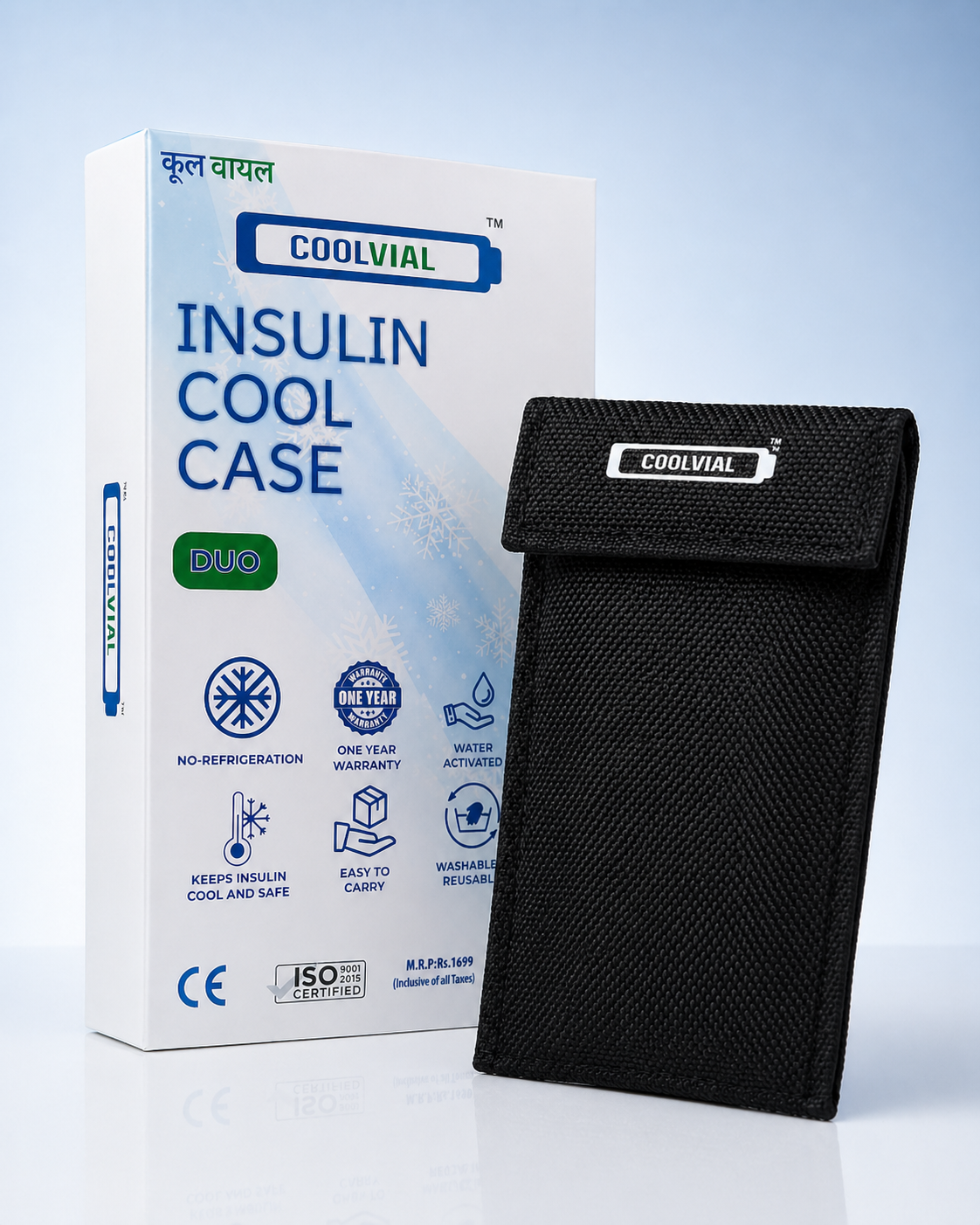
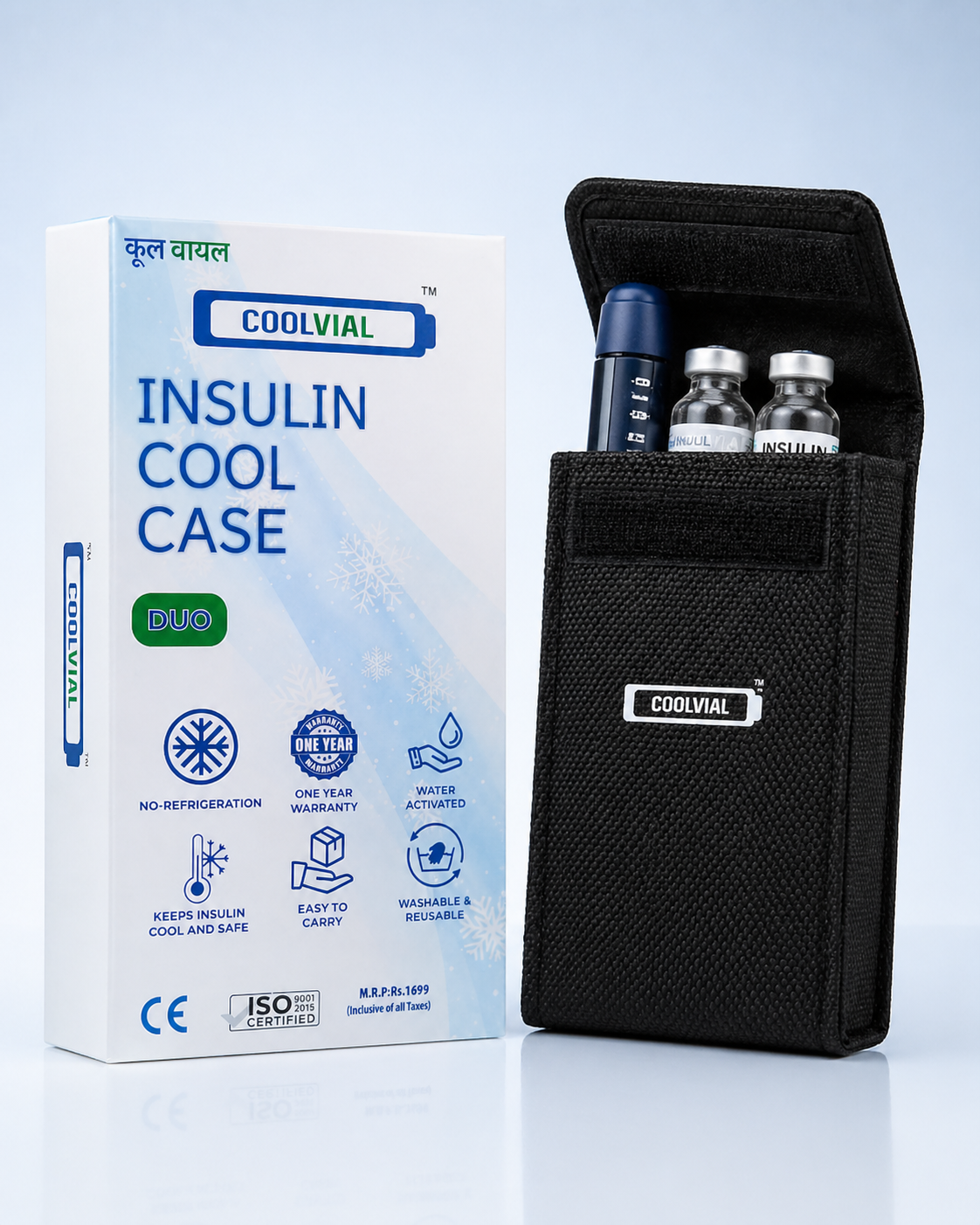
- Reliable Insulin Cooling Case: A water-activated evaporative cooling case like the COOLVIAL insulin cool case is highly effective. The COOLVIAL Duo, for instance, can keep insulin cool for 12-16 hours without electricity, holding 2 pens and 1 vial.
- Fridge Thermometer: To monitor the temperature inside your refrigerator and cooler.
- Insulated Cooler Bag/Box: A good quality, thick-walled cooler bag for temporary storage of insulin and other temperature-sensitive medications.
- Gel Ice Packs (not direct ice): Several reusable gel ice packs. Ensure they are frozen solid and wrapped in cloth to prevent direct contact with insulin, which can freeze it.
- Emergency Insulin Supply: Keep a backup supply of insulin pens/vials that are unopened and refrigerated.
- Blood Glucose Meter & Strips: Ensure your meter has fresh batteries and you have an ample supply of test strips.
- Snacks & Water: Non-perishable snacks and bottled water, especially if you rely on electricity for cooking or water purification.
- Emergency Contact List: Include your doctor, local pharmacies (e.g., Apollo Pharmacy, MedPlus), and nearby hospitals (KMC Hospital, Father Muller Medical College Hospital).
- Flashlight & Power Bank: For lighting and charging essential devices like your phone, especially during night-time outages.
Scenario 1: Short Outage (Up to 30 Minutes)
10 Essential Strategies: Power Cut Survival Guide for Diabetics in Mangaluru — What To Do When the Grid Goes Down
COOLVIAL keeps insulin safe in India's heat. 48+ hours, no electricity needed.
A brief power cut, common in Mangaluru, especially during routine maintenance or minor grid fluctuations, might seem minor but still requires attention when it comes to insulin. The key here is to preserve the cold air already inside your refrigerator.
- Actions During a 30-Minute Power Cut:
- Keep the Refrigerator Door Closed: This is the most crucial step. A closed refrigerator can maintain its internal temperature for several hours if left undisturbed. Avoid opening it to check on things.
- Check Fridge Thermometer: If you have one, note the temperature before the cut and monitor it if you need to access the fridge for other items, but ideally, avoid opening.
- Stay Calm: For such a short duration, your unopened insulin in the fridge should remain well within safe temperatures (2-8°C), and opened insulin at room temperature (up to 28-30°C) will also be fine.
Scenario 2: Moderate Outage (Up to 6 Hours)
When a power cut extends beyond 30 minutes and appears likely to last for several hours, as often happens during monsoon storms or scheduled load shedding in areas like Hampankatta or Kankanady, you need to take proactive steps to protect your insulin.
- Steps for a 6-Hour Power Cut:
- Assess the Situation: Check with neighbors or MESCOM for an estimated restoration time.
- Prepare Your Cooler: Retrieve your pre-prepared insulated cooler bag and place frozen gel ice packs inside. Line the cooler with a towel or newspaper to prevent direct contact between insulin and ice packs.
- Transfer Insulin: Carefully move your unopened insulin vials/pens from the refrigerator into the cooler bag. For opened insulin pens/vials, if the ambient temperature in your home is rising above 28-30°C, transfer these to the cooler as well.
- Utilize Evaporative Cooling: If you own a COOLVIAL Duo, activate it by soaking it in cold water for 5-10 minutes. This will immediately start its evaporative cooling process, keeping your insulin within the safe temperature range (12-16 hours) even in Mangaluru’s humidity. This is a far more reliable solution than just an ice pack for this duration.
- Monitor Temperatures: Use your fridge thermometer (if it can be placed in the cooler) to ensure the temperature inside the cooler stays between 2°C and 28°C.
Scenario 3: Extended Outage (Up to 12 Hours)
Extended power cuts, common during severe weather events or major grid failures, demand more robust solutions. This is where active cooling devices become indispensable, especially in Mangaluru’s high ambient temperatures and humidity.
- Actions for a 12-Hour Power Cut:
- Rely on Evaporative Cooling: Your COOLVIAL Duo becomes your primary defense. Ensure it is properly activated by soaking it in cold water. The special crystals in the COOLVIAL absorb water and slowly evaporate it, drawing heat away from the insulin chamber. This process effectively maintains a temperature of 18-26°C, significantly below the scorching Mangaluru ambient temperature of 30-35°C, for 12-16 hours.
- Re-activate if Needed: If the outage extends beyond 12 hours, you might need to re-soak your COOLVIAL Duo. The evaporative cooling cycle can be refreshed multiple times.
- Conserve Cold: Keep the COOLVIAL Duo in the coolest part of your home, away from direct sunlight or heat sources.
- Check Insulin Visually: Regularly inspect your insulin for any signs of degradation (cloudiness, discoloration, particles). If it looks unusual, do not use it.
- Consider Cooler with Ice Packs (Backup): If you don’t have an evaporative cooler, keep refreshing your ice packs in your insulated cooler bag. However, be aware that ice packs melt quickly in Mangaluru’s heat, and maintaining a consistent safe temperature for 12 hours is challenging without constant monitoring and replacement. This is where products like the COOLVIAL Duo truly shine, offering sustained, reliable cooling. While a generic cooler with ice packs might cost less (e.g., Outer Woods OW-12 at ~Rs 999), it typically offers less consistent cooling duration and temperature stability compared to a water-activated case like COOLVIAL Duo (Rs 1,099 with code COOLHEAL) or even a FRIO case (~Rs 1,900). The CE certification and ISO 9001:2015 for COOLVIAL Duo also offer peace of mind.
Scenario 4: Prolonged Outage (24 Hours or More) & Emergency Resources
A power cut lasting 24 hours or longer is a serious situation, potentially affecting entire neighborhoods like Surathkal or Surathkal (north, NITK). In such a scenario, you need to tap into community resources and emergency services. This is a critical aspect of any comprehensive power cut survival guide.
- Steps for a 24-Hour+ Power Cut:
- Neighbors’ Fridges: Reach out to neighbors who might have a generator or inverter-backed refrigerator, particularly common in newer apartment complexes. Politely explain your situation and ask if you can store your insulin temporarily.
- Nearest 24-Hour Pharmacies: Head to the nearest 24-hour pharmacy that might have generator backup and cold storage facilities.
- Apollo Pharmacy: Check for locations with 24/7 service and generator backup.
- MedPlus: Another reliable chain that often has extended hours and backup power.
- For an updated list of local 24-hour pharmacies, refer to our guide: 24-Hour Pharmacies in Mangaluru for Insulin Emergencies — Updated List.
- Hospital Pharmacies: Hospitals are critical infrastructure and usually have robust power backup.
- KMC Hospital (Kasturba Medical College, Attavar): Their pharmacy will have cold storage for insulin.
- Father Muller Medical College Hospital: Another major hospital with reliable pharmacy services.
- AJ Institute of Medical Sciences: Also a good option for emergency access.
- Emergency Services: If your insulin supply is compromised and you cannot find a safe storage solution, contact your doctor or visit an emergency room at one of the above hospitals. They can assess your insulin and provide guidance or a fresh supply if necessary.
- Stay Hydrated and Monitor Blood Sugar: In a prolonged outage, remember to stay hydrated, especially in Mangaluru’s humidity, and monitor your blood sugar frequently. Stress and heat can affect blood glucose levels.
Proactive Planning: Beyond the Immediate Crisis
Effective power cut survival extends beyond reactive measures. Proactive planning can significantly reduce stress and ensure safety for diabetics in Mangaluru.
- Long-Term Preparedness Strategies:
- Generator/Inverter Maintenance: If you live in an independent house or an apartment with a personal inverter, ensure it’s regularly serviced and batteries are in good condition. For apartment dwellers, understand your society’s generator schedule and fuel capacity.
- Solar Inverter Systems: Consider investing in a solar inverter setup, which is becoming increasingly popular in Mangaluru suburbs. These systems offer excellent energy independence and are a reliable safeguard against power cuts, often providing enough power for essential appliances like refrigerators.
- Regular Insulin Stock Check: Always have at least a week’s extra supply of insulin, stored correctly. This buffer can be invaluable during unexpected prolonged outages.
- Travel Precautions: If traveling by air, remember that the Directorate General of Civil Aviation (DGCA) permits carrying insulin in hand luggage. Always consult their guidelines for specific requirements (Source: DGCA Medical Requirements).
- Community Network: Build a rapport with neighbors. Knowing who has backup power or extra fridge space can be a lifesaver.
- Emergency Fund: Keep a small emergency fund accessible for unexpected medication purchases or travel to a pharmacy/hospital.
Mastering Insulin Storage in Mangaluru’s Unique Climate
10 Essential Strategies: Power Cut Survival Guide for Diabetics in Mangaluru — What To Do When the Grid Goes Down
Insulin at 2-8°C for 48+ hours. Trusted by 10,000+ Indian diabetics.
Mangaluru’s tropical climate, characterized by high temperatures and pervasive humidity, poses distinct challenges for insulin storage. It’s not just about preventing freezing or overheating; it’s about combating moisture and ensuring consistent temperature control.
- Key Principles for Insulin Storage in Mangaluru:
- Avoid Direct Sunlight: Never leave insulin in direct sunlight, even for a short period. The heat can rapidly degrade it.
- Protect from Humidity: High humidity can affect insulin pens and vials, potentially damaging their labels or components. Store them in airtight containers if possible, especially during monsoon.
- Monitor Room Temperature: While unopened insulin requires refrigeration, opened insulin can be stored at room temperature (up to 28-30°C) for up to 28 days. However, in Mangaluru, “room temperature” often exceeds this, making a cooling case like COOLVIAL Duo essential even for daily use.
- Use Reliable Cooling Solutions: For daily portability and during outages, water-activated evaporative cooling cases are ideal. They work efficiently in humid climates by utilizing the evaporative process to keep contents cool.
- Never Freeze Insulin: Freezing insulin can destroy its potency. If your insulin accidentally freezes, discard it.
- Understand Expiry Dates: Always check the expiry date on your insulin. Once opened, note the date and discard after 28 days, regardless of how it was stored.
- Comprehensive Diabetes Care: For a broader understanding of managing diabetes in the local context, refer to our detailed guide: Complete Diabetes Care Guide for Mangaluru Residents — 2026 Edition. This guide offers insights into local resources, dietary tips, and lifestyle adjustments specific to Mangaluru.
For more detailed guidance on handling insulin in specific weather conditions, consult our local’s guide: How to Store Insulin in Mangaluru’s Tropical Humidity — A Local’s Guide.
Frequently Asked Questions (FAQ)
Q: Can I use regular ice cubes to store insulin during a power cut? A: No, direct contact with ice cubes can freeze insulin, rendering it ineffective. Always use gel ice packs wrapped in cloth or newspaper to create a buffer.
Q: How long can insulin stay outside the fridge in Mangaluru’s heat? A: Unopened insulin should ideally be refrigerated (2-8°C). Once opened, most insulin types can remain at room temperature up to 28-30°C for 28 days, but Mangaluru’s ambient temperatures often exceed this, making cooling cases vital.
Q: What is the ideal temperature range for insulin storage? A: Unopened insulin should be stored between 2°C and 8°C. Once in use, it can be kept at room temperature, typically up to 28-30°C, for up to 28 days.
Q: Where can I get emergency insulin in Mangaluru during a prolonged power cut? A: You can try 24-hour pharmacies like Apollo Pharmacy or MedPlus, or the pharmacies at major hospitals such as KMC Hospital (Kasturba Medical College, Attavar), Father Muller Medical College Hospital, or AJ Institute of Medical Sciences.
Q: How does the COOLVIAL Duo work in humid Mangaluru weather? A: The COOLVIAL Duo uses evaporative cooling. When soaked in water, special crystals absorb it, and as the water evaporates from the fabric, it draws heat away, maintaining a cool temperature (18-26°C) for 12-16 hours even in high humidity.
Q: What are the signs that my insulin has gone bad due to heat? A: Signs include cloudiness, discoloration, sediment/particles, or a change in consistency. If you notice any of these, do not use the insulin and discard it.
Q: Is it safe to use insulin that was exposed to 35°C for a few hours? A: Insulin exposed to temperatures above 30°C for several hours may have reduced potency. It’s best to consult your doctor or pharmacist, and if it looks unusual, discard it to avoid risks.
Conclusion
Navigating power cuts as a diabetic in Mangaluru requires vigilance, preparedness, and access to reliable solutions. From understanding MESCOM’s outage patterns in neighborhoods like Kankanady and Surathkal to having a robust emergency kit, every step you take to prepare makes a difference. Remember that your insulin is a delicate, life-sustaining medication, and protecting it from Mangaluru’s heat and humidity during an outage is paramount for your health.
By implementing these 10 essential strategies, from knowing when to keep the fridge door shut to utilizing advanced evaporative cooling technology like the COOLVIAL Duo, you can face Mangaluru’s power challenges with confidence. Don’t let an unexpected grid shutdown compromise your diabetes management. Be prepared, stay informed, and always have a reliable cooling solution by your side.
Order your COOLVIAL Duo today at Rs 1,099 with code COOLHEAL at coolvial.com or via WhatsApp at wa.me/918766952300 and ensure your insulin stays cool, come what may.
Medical Disclaimer
This article is for general information and educational purposes only. It is not intended to be a substitute for professional medical advice, diagnosis, or treatment. Always consult your endocrinologist or diabetologist before making any changes to your insulin storage or dosing practices.
How We Researched This
This article was developed based on a thorough review of medical guidelines from the Research Society for the Study of Diabetes in India (RSSDI), epidemiological data from the Indian Council of Medical Research - India Diabetes (ICMR-INDIAB) study, local Mangaluru hospital directories, and information from established pharmacy networks such as Apollo Pharmacy. We also incorporated insights from common insulin storage queries posed by diabetics in tropical coastal regions like Mangaluru.