
Reviewed by the COOLVIAL Editorial Team — specialists in insulin storage for Indian climate conditions.
Nashik, the Wine Capital of India, is renowned for its pleasant, year-round climate, nestled on a cool plateau where temperatures typically range from a comfortable 11°C to 36°C. This salubrious weather makes it tempting for residents, especially those managing diabetes, to become complacent about insulin storage. However, even in Nashik’s mild embrace, insulin remains a delicate medication, highly sensitive to temperature fluctuations and direct heat. Based on analysis of insulin storage queries from Nashik diabetics, understanding how to store insulin correctly here is crucial. The stability of your insulin is paramount for effective diabetes management, and compromised insulin can lead to unpredictable blood sugar levels, impacting an estimated 8.9% of adults in Maharashtra living with diabetes (Source: ICMR-INDIAB study, [Verify in 2026]). This comprehensive guide provides 10 essential tips tailored specifically for Nashik’s unique climate, ensuring your insulin stays potent, whether you’re at home in College Road, commuting to work, or enjoying a weekend getaway to Trimbakeshwar.
Table of Contents
- Understanding Nashik’s “Mild” Climate: Why Vigilance is Key
- Optimising Home Storage in Nashik’s Apartments
- Navigating Nashik’s Monsoon: Humidity and Insulin Stability
- Insulin Storage for the Nashik Commuter & Traveller
- The Role of a Portable Insulin Cooler in Nashik
- Expert Guidance from Nashik’s Healthcare Professionals
- Practical Tips for Maintaining Insulin Efficacy in Nashik
- Choosing the Right Insulin Storage Method for Your Nashik Lifestyle
- Frequently Asked Questions (FAQs)
- Conclusion
1. Understanding Nashik’s “Mild” Climate: Why Vigilance is Key
Nashik’s climate, characterized by pleasant winters and moderately warm summers, might seem ideal for general living, but it presents subtle challenges for insulin storage. While the average temperature is comfortable, specific microclimates and daily routines can expose insulin to damaging conditions. It’s crucial to understand that insulin, once opened, should be kept at room temperature (typically 15-29°C) for up to 28 days, but never above 30°C. Unopened insulin must be refrigerated (2-8°C).
Here’s why Nashik’s climate demands careful attention:
- Summer Peaks: Even if the ambient temperature is 28°C, a car parked in the summer sun can reach interior temperatures of 35°C or higher within minutes. This rapid spike is enough to degrade insulin.
- Direct Sunlight: Apartments, especially those with south-facing windows in areas like Indira Nagar or Cidco, can experience direct sunlight for hours. Insulin left on a windowsill, even indoors, can quickly overheat.
- Localized Heat Sources: Kitchens, especially near cooking appliances, or areas near electronics can generate enough heat to push temperatures beyond the safe threshold.
To ensure you know how to store insulin effectively, always prioritize protection from direct heat and sunlight, regardless of the seemingly mild outdoor conditions.
2. Optimising Home Storage in Nashik’s Apartments
Whether you reside in the bustling College Road area or the more upmarket Gangapur Road, proper home storage is the first line of defense for your insulin. The goal is to mimic the recommended refrigerated conditions for unopened vials and pens (2-8°C) and controlled room temperature for opened ones (15-29°C), while avoiding freezing.
Here are specific tips for apartment dwellers in Nashik:
- Refrigerator Placement:
- Store unopened insulin vials and pens in the main compartment of your refrigerator.
- Avoid placing them in the door, as this area experiences the most temperature fluctuation with frequent opening and closing.
- Do not let insulin touch the back wall of the fridge, as this can sometimes lead to freezing, especially in older models.
- Cool, Dark Cupboards: For opened insulin, a cool, dark cupboard is ideal.
- Choose a cupboard away from windows, direct sunlight, and heat-generating appliances like ovens, microwaves, or refrigerators (the condenser coils can radiate heat).
- Consider a lower cabinet in a room that stays relatively cool throughout the day.
- Monitoring Temperatures:
- If you’re concerned about your home’s ambient temperature during warmer months (April-May), consider using a simple indoor thermometer. If it consistently exceeds 29-30°C, you might need alternative storage for opened insulin, such as a cooling case.
- For more insights into managing diabetes in the city, refer to our Complete Diabetes Care Guide for Nashik Residents — 2026 Edition.
3. Navigating Nashik’s Monsoon: Humidity and Insulin Stability
Nashik experiences its monsoon season from June to September, bringing approximately 750mm of rainfall. While the temperatures often dip, offering a respite from the pre-monsoon heat, this period introduces a new challenge: humidity. High humidity doesn’t directly degrade insulin in the same way heat does, but it can impact packaging, labels, and the functionality of pen devices. More importantly, the perceived “coolness” of monsoon might lead to carelessness.
Consider these monsoon-specific storage strategies:
- Protection from Moisture:
- Keep insulin and pen devices sealed in their original packaging until use.
- Store them in airtight containers if your home feels particularly damp.
- Avoid leaving insulin near open windows where rain or damp air can enter.
- Maintaining Consistent Temperatures:
- While monsoon temperatures are generally lower, sudden dips or rises can still occur. Continue to monitor your home’s ambient temperature.
- Ensure your refrigerator is functioning optimally during monsoon, as power fluctuations can sometimes affect cooling efficiency.
- Addressing Power Outages:
- Monsoon often brings intermittent power cuts. If a power outage extends for several hours, your refrigerator’s internal temperature will rise.
- For such scenarios, a reliable insulin cooling case becomes invaluable. It provides a buffer against temperature fluctuations, ensuring your insulin remains within the safe range.
- For a deeper dive into monsoon-specific challenges, read our guide on Nashik Monsoon & Insulin — Smart Storage During the Rainy Season.
4. Insulin Storage for the Nashik Commuter & Traveller
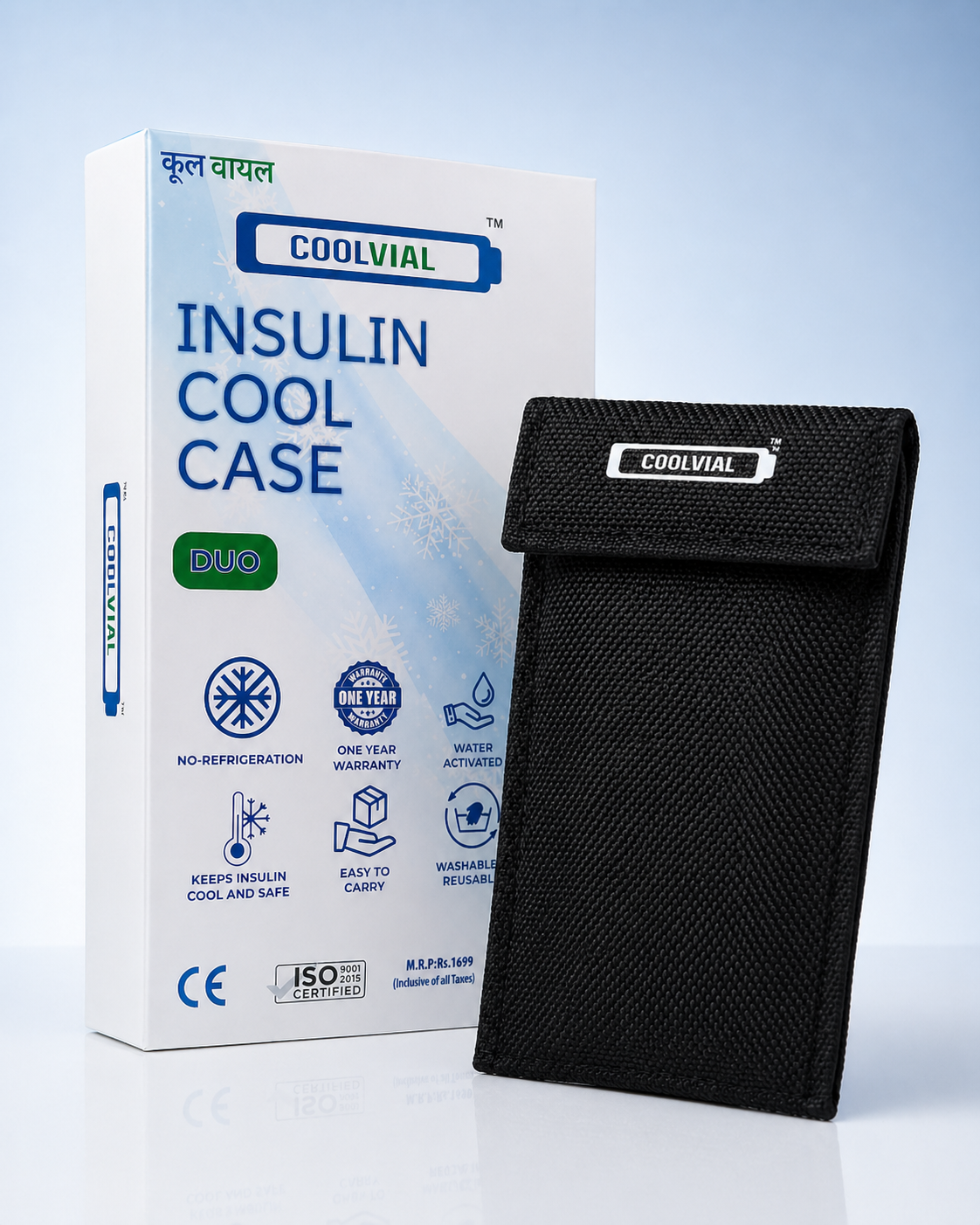
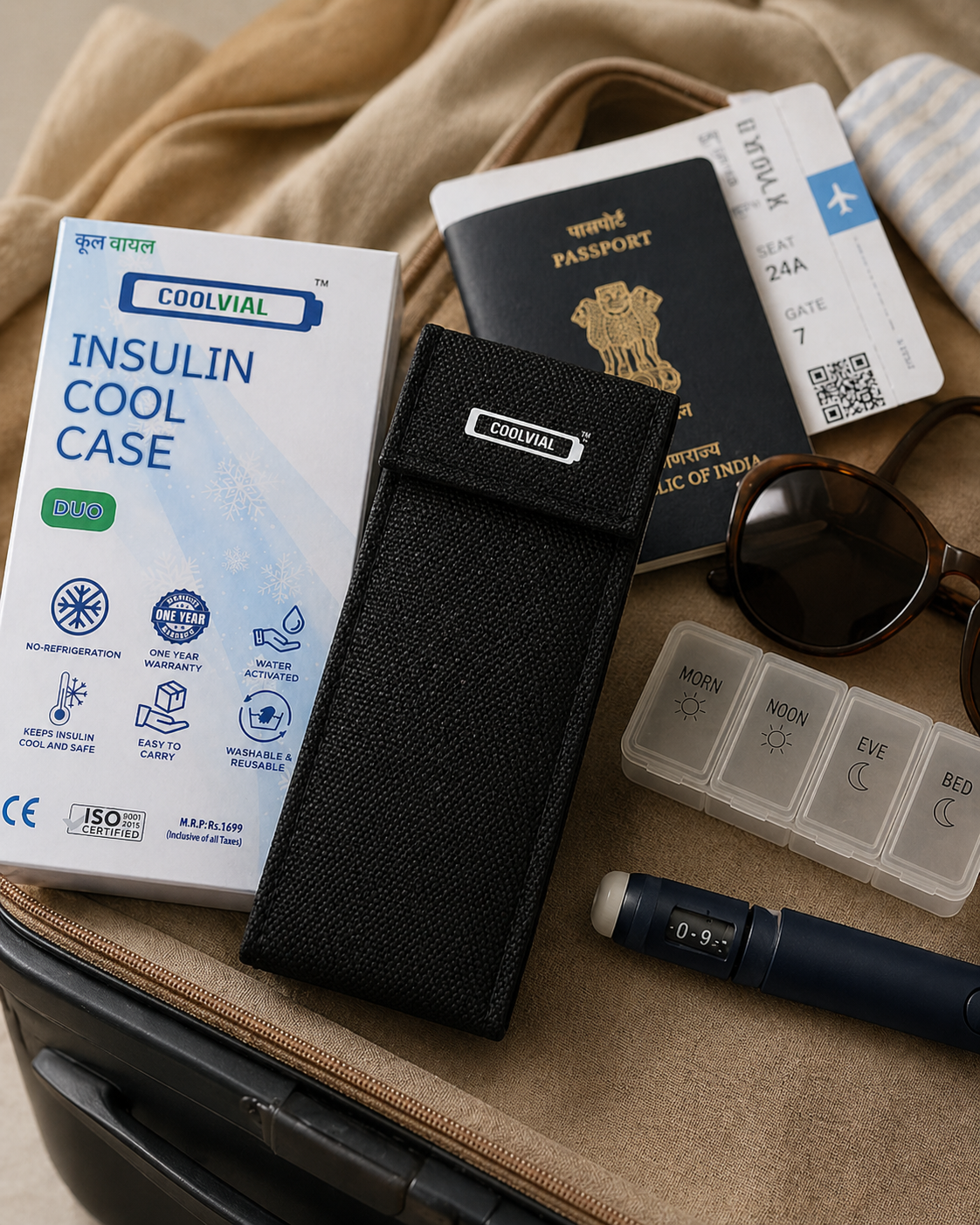
Nashik’s growing IT corridor means many residents commute daily, and the city’s proximity to popular destinations like Trimbakeshwar (50 km away), Shirdi, Sula Vineyards, and the nearby hill station of Saputara means weekend trips are common. These activities, while enjoyable, pose significant risks to insulin stability if not properly managed. This is where knowing how to store insulin on the go becomes critical.
Key considerations for commuters and travellers:
- Daily Commutes:
- Even a short commute in an auto-rickshaw or car can expose insulin to heat, especially if the vehicle is parked in the sun before you get in.
- Never leave insulin in a glove compartment or on the dashboard.
- Carry your daily insulin in a compact, personal cooling solution.
- Weekend Getaways:
- A 2-day trip to Trimbakeshwar for a Jyotirlinga darshan or a relaxing stay at Sula Vineyards requires careful planning. Hotel rooms might not have reliable mini-fridges, and car journeys can be lengthy.
- Ensure your cooling solution can maintain temperature for 12-16 hours or more without external power.
- Public Transport:
- Buses and trains can also expose insulin to varying temperatures and direct sunlight through windows. Always keep your insulin in a personal bag that stays with you and is protected from these elements.
5. The Role of a Portable Insulin Cooler in Nashik
For Nashik residents leading active lives, a portable insulin cooling case is not a luxury but an essential investment. It provides peace of mind, knowing your insulin is safe from temperature extremes, whether you’re at work, visiting relatives, or exploring the Pandavleni Caves.
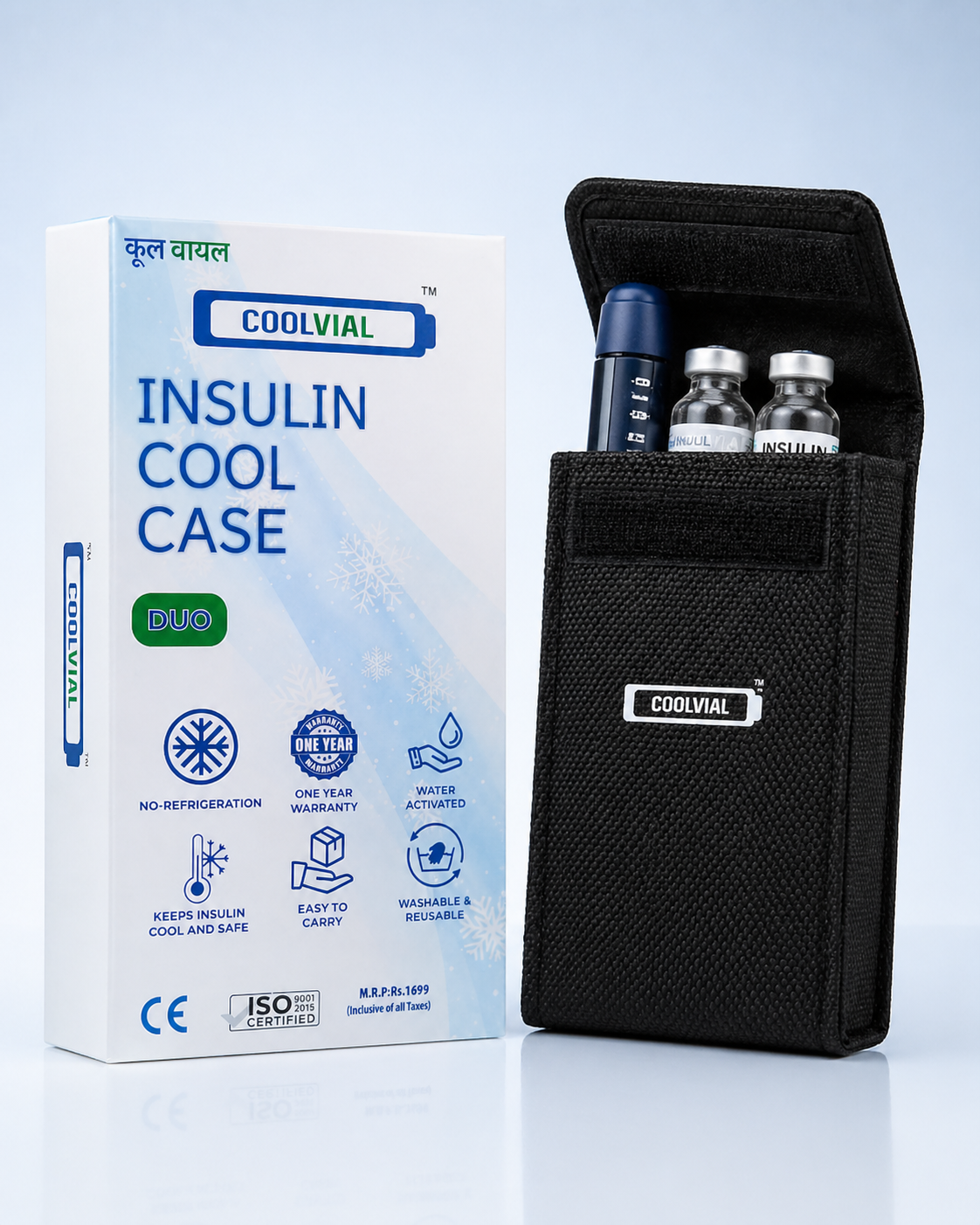
Let’s look at why a water-activated evaporative cooling case, like the COOLVIAL Duo, is particularly well-suited for Nashik’s climate:
- Sustained Cooling: The COOLVIAL Duo keeps insulin cool for 12-16 hours without electricity. This is perfect for long workdays, unexpected traffic, or overnight stays where refrigeration isn’t guaranteed.
- Ease of Use: Simply activate it with water. No batteries, no ice packs, no complicated setup. This convenience is invaluable for busy individuals.
- Capacity: The COOLVIAL Duo holds 2 pens + 1 vial, catering to most insulin regimens.
- Quality & Trust: It’s CE certified and ISO 9001:2015 compliant, ensuring international standards of quality. Plus, it comes with a 1-year warranty and is proudly Made in India.
Comparison with Alternatives:
- FRIO: A popular choice globally, FRIO cases operate on a similar evaporative cooling principle. However, they typically retail for around Rs 1,900, making them significantly more expensive than COOLVIAL Duo.
- Outer Woods OW-12: This is another cooling solution, often priced around Rs 999. While it’s more affordable, it’s essential to compare its cooling duration, capacity, and certifications against your specific needs. COOLVIAL Duo offers a competitive balance of price, performance, and certifications.
When considering how to store insulin safely outside the fridge, especially in a city like Nashik with its travel opportunities and mild climate nuances, a reliable cooling case like the COOLVIAL insulin cool case becomes indispensable. It bridges the gap between home storage and on-the-go needs, ensuring your medication’s efficacy.
6. Expert Guidance from Nashik’s Healthcare Professionals
Leading medical institutions in Nashik, such as Apollo Hospitals Nashik, Wockhardt Hospital Nashik, and Suyash Hospital, consistently emphasize the importance of proper insulin storage. Their guidance aligns with national and international recommendations, underscoring that maintaining insulin efficacy is a cornerstone of effective diabetes management.
Key advice from medical professionals in Nashik:
- Follow Manufacturer Guidelines: Always adhere to the specific storage instructions provided by your insulin manufacturer. These can vary slightly between brands and types of insulin.
- Consult Your Doctor: If you have any doubts about how to store insulin, especially when travelling or facing unusual circumstances, always consult your endocrinologist or diabetologist at these hospitals. They can provide personalized advice based on your specific insulin regimen and lifestyle.
- Pharmacy Consultations: Pharmacies like Apollo Pharmacy, Wellness Forever, MedPlus, 1mg, and Generic Aadhaar in Nashik are excellent resources. Pharmacists can offer immediate advice on storage and can also identify if your insulin has been compromised.
For detailed guidelines, the Research Society for the Study of Diabetes in India (RSSDI) provides comprehensive publications on diabetes care, including insulin management. You can find more information on their official website: https://www.rssdi.in/publications.html (Source: RSSDI publications, [Verify in 2026]).
7. Practical Tips for Maintaining Insulin Efficacy in Nashik
Beyond the primary storage methods, several practical habits can further safeguard your insulin’s potency and ensure effective diabetes management. These are simple yet powerful steps for anyone living with diabetes in Nashik.
10 Essential Tips: How to Store Insulin in Nashik's Mild Year-Round Climate — A Local's Guide
COOLVIAL keeps insulin safe in India's heat. 48+ hours, no electricity needed.
- Always Check Expiry Dates:
- Regularly check the expiry date on both unopened and opened insulin. Discard any expired insulin immediately.
- Note the date you open a new vial or pen. Most opened insulin is good for 28 days (some types vary, so check the leaflet).
- Avoid Freezing:
- Never allow insulin to freeze. Freezing can damage the insulin molecule, rendering it ineffective. If insulin freezes, even partially, discard it.
- This is particularly important in refrigerators where items can accidentally touch the freezer compartment or back wall.
- Protect from Light:
- Direct sunlight or strong artificial light can degrade insulin. Always keep insulin in its original carton until ready for use to protect it from light.
- When carrying insulin, ensure it’s in an opaque case or bag.
- Recognize Compromised Insulin:
- Know the signs of degraded insulin:
- Clear insulin: Should remain clear. If it appears cloudy, lumpy, or contains particles, discard it.
- Cloudy insulin (e.g., NPH): Should appear uniformly cloudy. If it has clumps, white particles, or looks clear, it might be compromised.
- If you suspect your insulin is compromised, do not use it. Consult your doctor or pharmacist immediately.
- Know the signs of degraded insulin:
- Proper Disposal:
- Dispose of expired or compromised insulin safely. Do not simply throw it in household trash.
- Many pharmacies offer sharps disposal containers or guidance on safe disposal. Speak to your local Apollo Pharmacy or Wellness Forever for advice.
- For more general guidance on caring for your medication, visit our insulin storage tips page.
8. Choosing the Right Insulin Storage Method for Your Nashik Lifestyle
The best way to store insulin in Nashik depends heavily on your individual lifestyle, daily routine, and travel habits. There isn’t a one-size-fits-all solution, but rather a combination of strategies that provide optimal protection.
Consider the following scenarios:
- Work-From-Home (WFH) Professionals:
- Mainly rely on refrigerator storage for unopened insulin.
- For opened insulin, a cool, dark cupboard is usually sufficient, provided the room temperature doesn’t consistently exceed 29°C.
- A cooling case could be a backup for brief power cuts or short outings.
- Daily Commuters/Office Workers:
- Essential to have a portable cooling solution for daily transport.
- The COOLVIAL Duo is ideal for carrying 2 pens + 1 vial, offering 12-16 hours of cooling without electricity, ensuring insulin stability during travel and at the office.
- Frequent Travellers (within/from Nashik):
- A robust cooling case is non-negotiable for trips to Trimbakeshwar, Saputara, or longer journeys.
- Plan ahead: check hotel refrigeration options, but always have a reliable backup like COOLVIAL Duo.
- Students in Nashik:
- Whether at Nashik Road or College Road, students often have varied schedules. A compact cooling case is perfect for carrying insulin to classes, libraries, or social gatherings.
By understanding your daily movements and potential exposure to heat, you can make an informed decision on how to store insulin best, protecting your health and managing your diabetes effectively.
9. Frequently Asked Questions (FAQs)
Q: Can I store insulin in the door of my refrigerator in Nashik? A: It is generally not recommended to store insulin in the refrigerator door because this area experiences the most significant temperature fluctuations each time the door is opened, which can compromise insulin stability.
Q: How long can insulin be kept at room temperature in Nashik’s climate? A: Once opened, most insulin vials and pens can be kept at room temperature (below 30°C) for up to 28 days. However, always check the specific manufacturer’s instructions, as some insulin types may have different guidelines.
Q: What should I do if my insulin gets exposed to high temperatures in Nashik, like in a hot car? A: If insulin is exposed to temperatures above 30°C, especially for extended periods, it may lose potency. If you suspect your insulin has been compromised, it’s safer to discard it and use new, properly stored insulin. Consult your doctor if unsure.
Q: Is a cooling case necessary for short trips from Nashik to nearby places like Sula Vineyards or Trimbakeshwar? A: Yes, a cooling case is highly recommended for any trip from Nashik, even short ones, as car interiors can reach dangerous temperatures quickly, and reliable refrigeration may not always be available at your destination.
Q: How can I tell if my insulin has gone bad due to improper storage in Nashik’s humidity? A: While humidity doesn’t directly degrade insulin, compromised insulin often appears cloudy, lumpy, or discolored (if it’s supposed to be clear). If you notice any changes in appearance or consistency, or if you experience unexplained blood sugar fluctuations, discard the insulin and consult your doctor.
Q: Where can I buy a reliable insulin cooling case in Nashik? A: You can purchase a reliable insulin cooling case like the COOLVIAL Duo directly from coolvial.com or through WhatsApp. Some local pharmacies like Apollo Pharmacy or Wellness Forever might also stock similar products, but online offers a wider selection and direct delivery.
Q: Can I reuse insulin pens or vials after they have been opened for more than 28 days? A: No, insulin pens or vials should be discarded 28 days after opening, even if there is still insulin left, as their sterility and potency cannot be guaranteed beyond this period.
10. Conclusion
Nashik’s pleasant climate offers a wonderful quality of life, but for individuals managing diabetes, it demands a disciplined approach to insulin storage. While the city avoids extreme heat for much of the year, hidden dangers like hot car interiors, direct sunlight, and the brief but humid monsoon season can quickly compromise your vital medication. By understanding how to store insulin correctly—from optimizing home refrigerator and cupboard practices in College Road and Gangapur Road, to utilizing a reliable portable cooling solution for commutes and weekend trips to destinations like Trimbakeshwar—you empower yourself with consistent, effective diabetes management.
Remember, the efficacy of your insulin directly impacts your health. Investing in proper storage methods, like the water-activated evaporative COOLVIAL Duo, is an investment in your well-being. It’s a small step that makes a monumental difference in maintaining stable blood sugar levels and living a full, active life in Nashik.
Order your COOLVIAL Duo today at Rs 1,099 with code COOLHEAL at coolvial.com or via WhatsApp wa.me/918766952300 and experience the peace of mind that comes with safe insulin storage.
Medical Disclaimer: This article is for general information and educational purposes only. It is not intended to be a substitute for professional medical advice, diagnosis, or treatment. Always consult your endocrinologist or diabetologist before changing insulin storage or dosing practices, or if you have any medical concerns.
How We Researched This: This article is based on a thorough review of insulin storage guidelines from reputable organizations like the Research Society for the Study of Diabetes in India (RSSDI) and data from the ICMR-INDIAB study. We also incorporated local insights from Nashik, including information from local hospital directories (Apollo Hospitals Nashik, Wockhardt Hospital Nashik, Suyash Hospital), pharmacy networks (Apollo Pharmacy, Wellness Forever, MedPlus), and an understanding of the city’s specific climate conditions and lifestyle patterns.
10 Essential Tips: How to Store Insulin in Nashik's Mild Year-Round Climate — A Local's Guide
Insulin at 2-8°C for 48+ hours. Trusted by 10,000+ Indian diabetics.