
Reviewed by the COOLVIAL Editorial Team — specialists in insulin storage for Indian climate conditions.
Nashik, the Wine Capital of India, is renowned for its pleasant climate, historic temples like Trimbakeshwar, and picturesque landscapes. However, as the monsoon season approaches, bringing approximately 750mm of rainfall between June and September, managing insulin storage becomes a unique challenge. While Nashik’s monsoon is generally moderate compared to coastal cities, its unpredictable humidity spikes and traffic disruptions pose real threats to insulin efficacy. To navigate these challenges effectively, Nashik residents require 7 smart strategies for insulin storage. This guide, based on analysis of insulin storage queries from Nashik diabetics, will help you protect your vital medication from the vagaries of the rainy season, ensuring its potency remains intact.
Table of Contents
- Understanding Nashik’s Monsoon: A Unique Climate Challenge for Insulin
- The Hidden Threat of Humidity: Protecting Insulin Pens and Vials
- Navigating Nashik’s Monsoon Disruption: Pharmacy Access and Essential Stocking
- Weekend Washouts and Travel Plans: Insulin Storage for Nashik’s Getaways
- False Security of Mild Weather: Why Vigilance is Key Even in Nashik
- Local Alerts and Proactive Measures: Following Nashik Civic Advisories
- Essential Insulin Storage Practices During Nashik’s Monsoon
- The COOLVIAL Duo Advantage: Your Monsoon-Ready Insulin Companion
- Beyond Storage: Monsoon Diabetes Management in Nashik
- Frequently Asked Questions (FAQs)
- Conclusion: Stay Prepared, Stay Healthy This Nashik Monsoon
Understanding Nashik’s Monsoon: A Unique Climate Challenge for Insulin
Nashik’s climate is often described as a cool plateau, with temperatures typically ranging from 11°C to 36°C, making it pleasant for most of the year. The monsoon, from June to September, brings an average of about 750mm of rainfall, which is significantly less intense than the heavy downpours experienced in coastal regions like Mumbai. This moderate rainfall, however, doesn’t mean a lack of challenges for insulin users. The primary concerns during the Nashik monsoon for insulin storage are not widespread flooding damage, but rather:
- Disruption to Daily Life: Even moderate rain can lead to significant traffic snarls and waterlogging in specific areas, making essential pharmacy runs difficult.
- Weekend Washouts: Impromptu plans for spiritual trips to Trimbakeshwar (just 50km away) or leisure visits to Sula Vineyards or the nearby hill station of Saputara can be hampered or made riskier due to unpredicted heavy spells.
- Surprise Humidity Spikes: While the overall climate is mild, sudden increases in humidity can still compromise insulin integrity if not properly addressed.
These factors combine to create a distinct set of considerations for insulin users in Nashik. The perceived mildness can lead to a false sense of security, making it even more crucial to be prepared.
Key Characteristics of Nashik’s Monsoon Impact on Diabetics:
- Moderate Rainfall: Less risk of structural damage, but sufficient to cause mobility issues.
- Increased Humidity: Directly affects insulin efficacy and storage conditions.
- Traffic Congestion: Especially in busy areas, hindering access to medical supplies.
- Travel Interruptions: Makes carrying insulin safely for excursions challenging.
- Intermittent Power Cuts: Can impact refrigerator-based storage.
The Hidden Threat of Humidity: Protecting Insulin Pens and Vials
While Nashik doesn’t experience the oppressive, constant humidity of coastal cities, its monsoon period brings significant spikes that can subtly, yet effectively, degrade insulin. Insulin is a protein, and like all proteins, it is sensitive to environmental factors, especially temperature fluctuations and moisture. When insulin pens and vials are exposed to high humidity, several problems can arise:
- Insulin Degradation: High moisture levels, even without extreme heat, can accelerate the breakdown of insulin molecules. This leads to a loss of potency, meaning the insulin won’t work as effectively, potentially causing uncontrolled blood sugar levels despite regular dosing.
- Pen Malfunction: Humidity can affect the mechanical components of insulin pens. Moisture can seep into the device, potentially causing issues with the dosing mechanism, leading to inaccurate doses or complete failure of the pen. This is particularly true for pens that are not completely sealed.
- Vial Contamination: While vials are generally sealed, prolonged exposure to high humidity can compromise the integrity of the rubber stopper over time, increasing the risk of bacterial contamination, especially after multiple uses.
- Damage to Test Strips and Glucometers: Beyond insulin, high humidity can severely impact diabetes testing supplies. Glucose test strips are highly sensitive to moisture; a compromised strip can give inaccurate readings, leading to incorrect insulin adjustments. Glucometers themselves can also suffer electronic damage from prolonged humidity exposure.
According to the Research Society for the Study of Diabetes in India (RSSDI) guidelines, proper storage is paramount to maintain insulin efficacy (Source: RSSDI Publications). Ignoring Nashik’s monsoon humidity, even if it feels “gentler,” is a critical mistake for diabetes management.
Impact of Humidity on Insulin and Supplies:
- Insulin Pens: Reduced shelf life, potential for dosing errors, mechanical failure.
- Insulin Vials: Accelerated degradation, potential for stopper compromise and contamination.
- Glucose Test Strips: Inaccurate readings, leading to poor blood sugar control.
- Glucometers: Electronic malfunction, reduced accuracy, shortened lifespan.
Navigating Nashik’s Monsoon Disruption: Pharmacy Access and Essential Stocking
The moderate monsoon in Nashik, while beautiful, often brings unexpected disruptions to daily life. Traffic chaos is common, particularly in bustling areas like College Road (central Nashik), the upmarket Gangapur Road in the west, and the sprawling Cidco/Nashik Road areas. These routes, vital for commuting and accessing services, can become bottlenecked or even waterlogged during heavy spells, making quick runs to pharmacies like Apollo Pharmacy, Wellness Forever, MedPlus, or even online platforms like 1mg and Generic Aadhaar’s physical outlets, a challenging ordeal.
Imagine needing an urgent insulin refill, only to find yourself stuck in a two-hour traffic jam on Gangapur Road, or discovering waterlogging near your usual MedPlus outlet. This isn’t just an inconvenience; it’s a critical health risk for someone dependent on timely insulin. Therefore, proactive stocking up on insulin and other diabetes essentials becomes non-negotiable during the Nashik monsoon.
Strategies for Ensuring Pharmacy Access and Supply:
- Advance Stocking: Aim to have at least a 2-week to 1-month supply of all your diabetes medications, including insulin, test strips, and lancets, before the monsoon fully sets in or a heavy spell is forecasted.
- Multiple Pharmacy Options: Identify at least two to three pharmacies in different neighborhoods (e.g., one near College Road, one in Indira Nagar, one accessible from Cidco/Nashik Road) that you can reach even if your primary route is blocked.
- Online Pharmacy Preparedness: Have accounts set up with online pharmacies like 1mg. Understand their delivery schedules and potential monsoon delays. Place orders well in advance.
- Doctor’s Prescription: Ensure you have an updated prescription that allows for refills, making the process smoother when you do reach a pharmacy.
- Emergency Contact List: Keep a list of emergency contacts, including your doctor (e.g., at Apollo Hospitals Nashik or Wockhardt Hospital Nashik) and a reliable friend or family member who might be able to assist with pharmacy runs if you are unable to travel.
By planning ahead, Nashik residents can mitigate the impact of monsoon-related travel disruptions and ensure uninterrupted access to their vital diabetes supplies.
Weekend Washouts and Travel Plans: Insulin Storage for Nashik’s Getaways
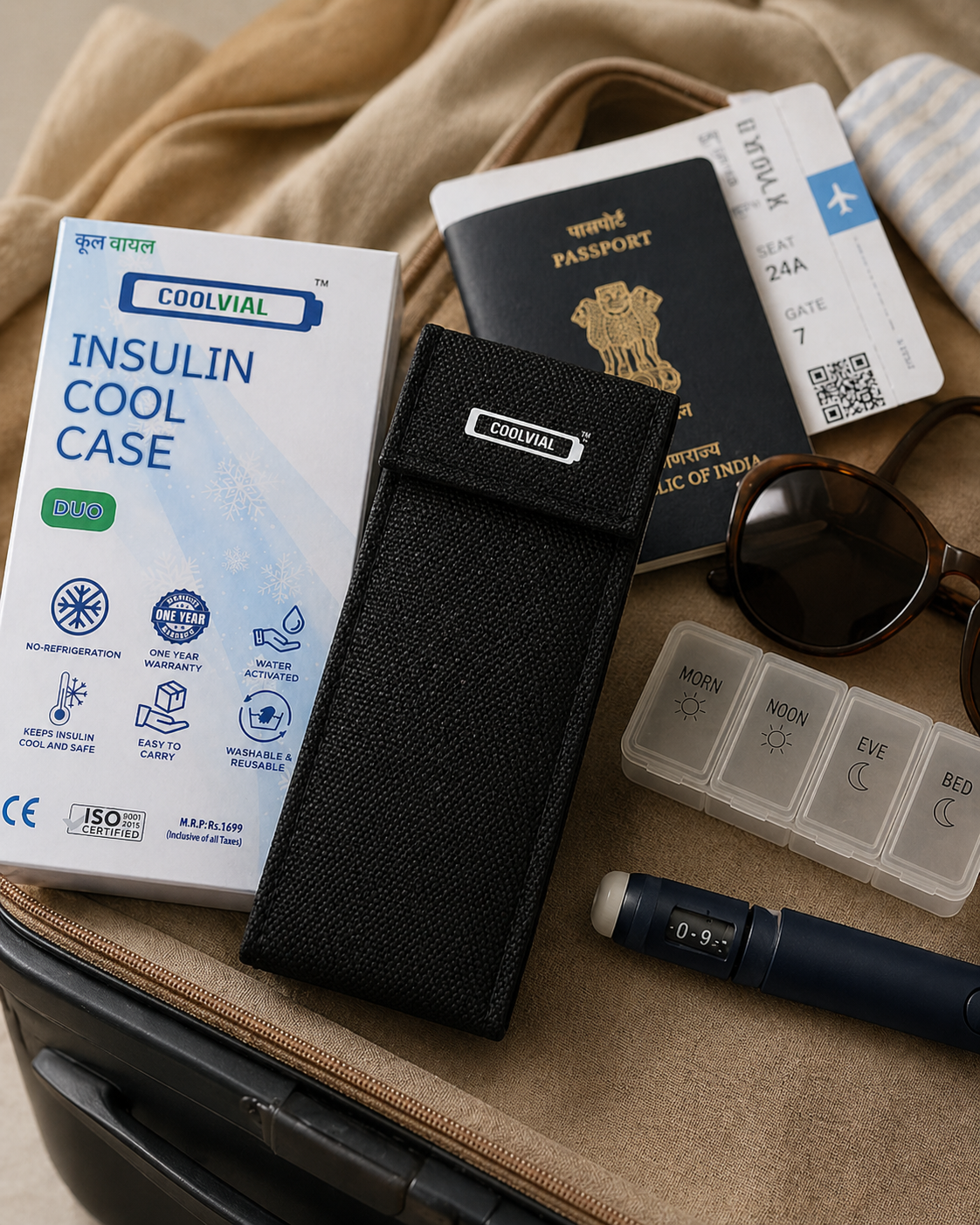
Nashik residents love their weekend getaways. Whether it’s a spiritual journey to the revered Trimbakeshwar Jyotirlinga (about 50 km from Nashik), a relaxing day at Sula Vineyards, exploring the ancient Pandavleni Caves, or a refreshing trip to the nearby hill station of Saputara, these excursions are an integral part of life. However, the Nashik monsoon can turn these pleasant plans into logistical nightmares for insulin users. A sudden downpour or an unexpected increase in humidity can compromise insulin carried in regular bags, making portable, reliable storage absolutely essential.
Conventional wisdom suggests refrigeration for unopened insulin, but for active pens or vials carried during travel, consistent temperature control is crucial. Exposed to ambient temperatures exceeding 25°C, insulin can degrade rapidly. This is where a specialized insulin cooling case becomes invaluable, especially during Nashik’s often unpredictable rainy season.
Tips for Monsoon Travel with Insulin:
- Assess Your Destination: Even short trips to places like Sula Vineyards or Pandavleni Caves require consideration of how long your insulin will be out of refrigeration and exposed to ambient temperatures and humidity.
- Pack Smart: Never pack insulin in checked luggage if flying (though unlikely for Nashik’s local trips). Always carry it in your hand baggage.
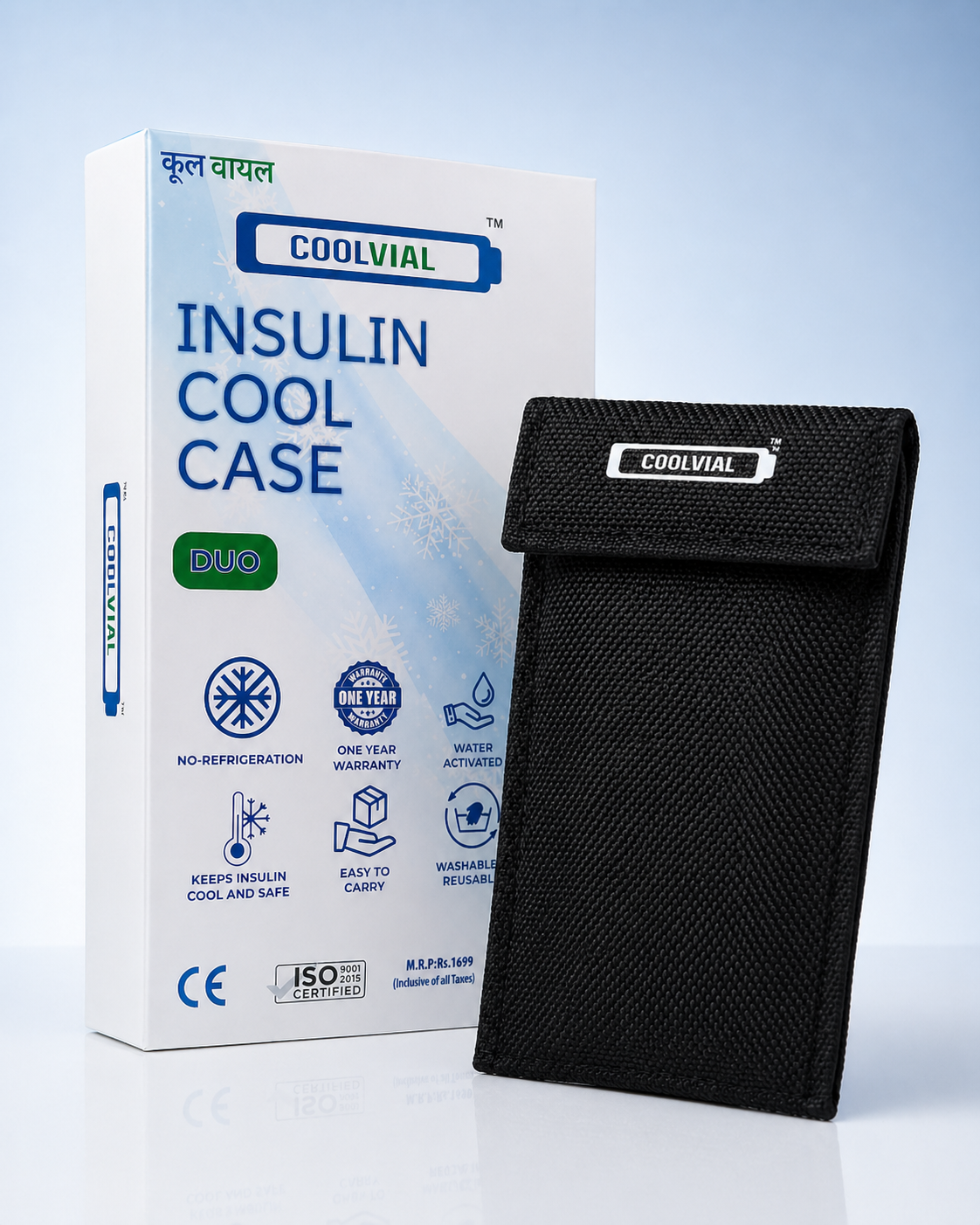
- Use a Reliable Cooling Solution: For any outing lasting more than a few hours, a water-activated evaporative cooling case like the COOLVIAL insulin cool case is highly recommended. These cases keep insulin cool without electricity, making them perfect for road trips or treks.
- Carry Extra Supplies: Always pack more insulin, syringes/pens, and test strips than you anticipate needing for the duration of your trip, in case of delays or unforeseen circumstances.
- Inform Travel Companions: Make sure someone you’re traveling with knows you have diabetes and where your insulin and emergency supplies are stored.
Ensuring your insulin remains at the correct temperature and protected from humidity during these essential Nashik getaways is paramount for maintaining your health and peace of mind.
False Security of Mild Weather: Why Vigilance is Key Even in Nashik
Nashik’s climate is generally mild and pleasant, making it easy to underestimate the impact of the monsoon. Unlike the intense heat of summer or the extreme humidity of coastal areas, Nashik’s rainy season often feels refreshing. This “false security of mild weather” can lead to complacency regarding insulin storage. However, as previously discussed, the monsoon brings its own set of challenges that demand vigilance.
Sudden humidity spikes, even in otherwise moderate temperatures (e.g., 25-30°C), can still be detrimental to insulin. Insulin pens, left on a bedside table or in a regular bag during a humid day, are at risk. Apollo Hospitals Nashik, like many healthcare providers, consistently advises patients on the critical importance of maintaining the cold chain for insulin to preserve its efficacy. Ignoring these advisories based on a perception of “mild” weather is a common and dangerous oversight.
Common Misconceptions and Why They’re Dangerous:
- “Nashik’s monsoon isn’t that bad, my insulin will be fine.”
- Reality: While less intense, the humidity and temperature fluctuations are still sufficient to degrade insulin over time, leading to reduced potency.
- “My pen is usually fine, I don’t need a special case.”
- Reality: Even active pens need protection from ambient heat and humidity, especially during travel or when outside the recommended storage range of 2°C-25°C.
- “I just keep it in the fridge, that’s enough.”
- Reality: Refrigeration is crucial for unopened insulin, but once opened, insulin needs to be kept at room temperature (below 25°C) and protected from direct heat, sunlight, and humidity. Power cuts can also compromise fridge storage.
- “I’ll just buy more if it goes bad.”
- Reality: This is a costly and risky approach, especially given potential pharmacy access issues during monsoon. It’s always better to prevent degradation.
Vigilance means being proactive: regularly checking weather forecasts for humidity levels, having a reliable cooling solution for travel, and understanding that “mild” doesn’t mean “risk-free” when it comes to insulin.
Local Alerts and Proactive Measures: Following Nashik Civic Advisories
Staying informed about local conditions is a crucial aspect of monsoon preparedness for diabetics in Nashik. The Nashik Municipal Corporation (NMC) and other civic bodies regularly issue advisories during peak monsoon weeks, especially concerning heavy rainfall forecasts, potential waterlogging areas, and traffic diversions. These advisories, often communicated through local news channels, radio, and social media, are vital for planning your day, especially if you need to manage your diabetes care.
For instance, if the NMC warns of heavy rainfall expected to cause waterlogging in areas like College Road or Cidco/Nashik Road, it’s a clear signal to postpone non-essential travel, ensure your insulin is secured, and check your emergency supplies. Power cuts are also a common occurrence during the monsoon, and knowing how to manage your insulin without electricity is crucial. For detailed guidance on this, refer to our article, “Power Cut Survival Guide for Diabetics in Nashik — What To Do When the Grid Goes Down”.
Proactive Steps Based on Civic Advisories:
- Monitor Local News: Regularly check Marathi news channels (e.g., ABP Majha, Zee 24 Taas), local newspapers, and the NMC’s official social media handles for real-time updates.
- Identify Vulnerable Areas: Be aware of known waterlogging spots in Nashik, such as certain stretches of College Road, parts of Gangapur Road, and intersections in Cidco/Nashik Road. Plan alternative routes or avoid these areas during heavy rain.
- Prepare for Power Cuts: Have backup solutions for insulin storage ready. This could include a portable cooling case or a plan for temporary storage if your refrigerator loses power for extended periods.
- Communicate with Family/Neighbors: Share relevant advisories with family members and neighbors, especially if they can provide assistance during emergencies.
- Keep Emergency Contacts Handy: Have numbers for emergency services, your doctor, and nearby hospitals like Suyash Hospital readily accessible.
By actively following local advisories, Nashik diabetics can proactively adjust their routines and safeguard their insulin, minimizing risks during the rainy season.
Essential Insulin Storage Practices During Nashik’s Monsoon
Proper insulin storage is a year-round necessity, but the Nashik monsoon introduces specific environmental factors that demand extra attention. Beyond the general guidelines, adapting your storage practices to counter humidity, temperature fluctuations, and potential disruptions is key. Here are essential practices tailored for Nashik’s rainy season:
General Insulin Storage Guidelines (Monsoon-Adapted):
- Unopened Insulin:
- Always store unopened insulin vials and pens in the refrigerator between 2°C and 8°C.
- Avoid placing them in the freezer, as freezing can destroy insulin.
- Keep them away from the refrigerator door to prevent temperature fluctuations from frequent opening.
- Opened Insulin (in use):
- Once opened, insulin can generally be stored at room temperature (below 25°C) for up to 28 days (check specific insulin manufacturer guidelines, as this can vary).
- During Nashik’s monsoon, ‘room temperature’ can often exceed 25°C, especially with humidity. Therefore, it’s crucial to actively manage this.
- Keep it away from direct sunlight, heat sources (like kitchen stoves or electronics), and windows where direct sun might fall.
- Humidity Protection:
- Store insulin pens and vials in airtight containers (e.g., plastic boxes with tight lids) if not using a specialized cooling case, to provide an extra barrier against moisture.
- Consider using small silica gel packets inside these containers, away from direct contact with insulin, to absorb excess humidity.
- Temperature Monitoring:
- Use a simple thermometer to monitor the ambient temperature in your storage area. If it consistently rises above 25°C, even indoors, consider alternative cooling solutions.
- Backup Plan:
- Always have a backup storage plan for power cuts. A reliable, portable cooling solution that doesn’t rely on electricity is ideal for this.
For a comprehensive understanding of year-round insulin storage, refer to our detailed guide: “How to Store Insulin in Nashik’s Mild Year-Round Climate — A Local’s Guide”. Combining these year-round best practices with monsoon-specific adaptations will ensure your insulin remains safe and effective throughout the rainy season.
Nashik Monsoon & Insulin — 7 Smart Storage Strategies During the Rainy Season
COOLVIAL keeps insulin safe in India's heat. 48+ hours, no electricity needed.
The COOLVIAL Duo Advantage: Your Monsoon-Ready Insulin Companion
When it comes to safeguarding your insulin during Nashik’s monsoon, especially with its unpredictable humidity and potential for travel disruptions, a reliable cooling solution is not just a convenience—it’s an absolute necessity. The COOLVIAL Duo is specifically designed to meet these challenges, offering a robust, electricity-free solution for insulin users in India.
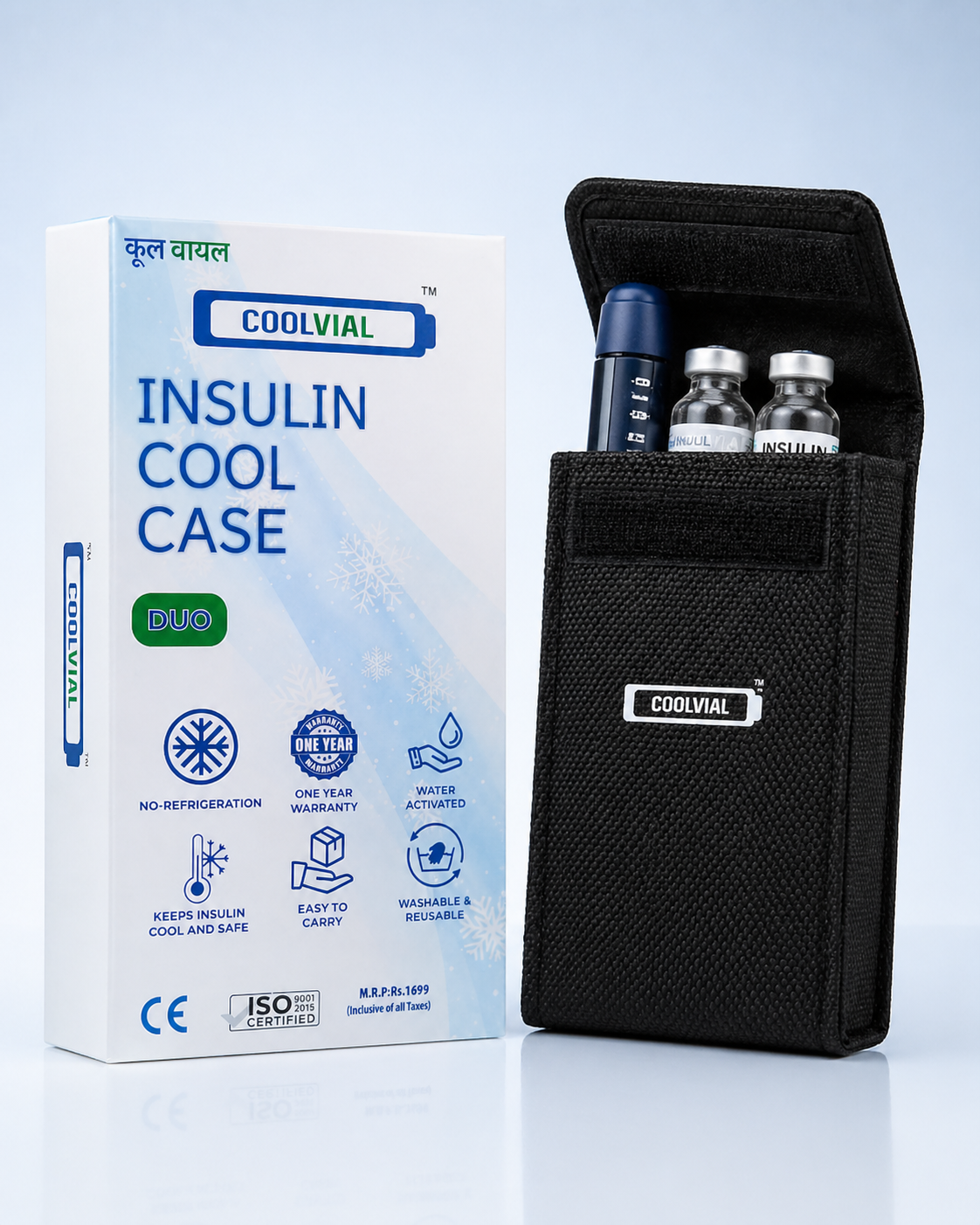
The COOLVIAL Duo stands out by holding 2 insulin pens and 1 vial, providing ample capacity for most users. Its core technology is water-activated evaporative cooling, which means you simply immerse it in water for a few minutes, and it keeps your insulin cool for 12-16 hours, even in ambient temperatures up to 37°C. This makes it perfect for those unexpected traffic jams on Gangapur Road, weekend trips to Trimbakeshwar, or simply ensuring your insulin stays cool during a power cut.
Why COOLVIAL Duo is Ideal for Nashik’s Monsoon:
- Electricity-Free Operation: No need to worry about power cuts or finding charging points during travel. Just water activates its cooling properties.
- Extended Cooling Duration: Provides 12-16 hours of cooling, offering peace of mind for daily commutes, longer outings, or overnight stays.
- Ample Capacity: Designed to hold 2 insulin pens and 1 vial, accommodating various insulin regimens.
- Humidity Protection: Its design implicitly offers a layer of protection against external humidity, keeping your insulin dry while cool.
- Made in India, for India: Developed with the specific climate conditions and lifestyle of Indian diabetics in mind.
- Quality & Affordability: CE certified and ISO 9001:2015 compliant, ensuring high standards. Priced at just Rs 1,099 with code COOLHEAL (MRP Rs 1,699), it offers significant value.
Compared to other popular options, COOLVIAL Duo provides a compelling balance of features and price. For example, a FRIO wallet, another evaporative cooler, often costs around Rs 1,900 for a similar capacity. While there are cheaper options like the Outer Woods OW-12 (around Rs 999), they may offer less cooling duration or capacity. COOLVIAL Duo strikes a perfect balance, delivering premium performance at an accessible price point, making it an indispensable tool for managing nashik monsoon insulin storage effectively.
Investing in a COOLVIAL Duo is a smart decision for any Nashik diabetic looking for reliable, hassle-free insulin storage during the rainy season and beyond.
Beyond Storage: Monsoon Diabetes Management in Nashik
While proper insulin storage is critical, managing diabetes during the Nashik monsoon is a holistic endeavor. The rainy season often brings changes in diet, activity levels, and a higher risk of infections, all of which can impact blood sugar control. Apollo Hospitals Nashik, Wockhardt Hospital Nashik, and Suyash Hospital, among others, emphasize a comprehensive approach to diabetes care year-round, which becomes even more pertinent during the monsoon.
Key Aspects of Holistic Monsoon Diabetes Management:
- Consistent Blood Glucose Monitoring: Increased vigilance with blood sugar checks is crucial. Unstable temperatures and humidity can affect insulin potency, leading to unexpected fluctuations. Monitor more frequently and adjust as per your doctor’s advice.
- Dietary Adjustments: Monsoon often brings cravings for fried snacks and street food. While tempting, these can spike blood sugar. Opt for healthy, home-cooked meals. Ensure proper hygiene when consuming outside food to prevent waterborne illnesses.
- Foot Care: Wet conditions can increase the risk of foot infections, especially for diabetics who may have neuropathy. Wear waterproof, comfortable footwear. Dry your feet thoroughly after exposure to rain and inspect them daily for cuts or sores.
- Hydration: Despite the cooler weather, staying adequately hydrated is important. Drink boiled or filtered water to avoid waterborne diseases.
- Consult Your Doctor: Regularly consult your endocrinologist or diabetologist, especially if you notice unusual blood sugar patterns or have concerns about your insulin storage. They can provide personalized advice and guidance.
- Maintain Activity: While outdoor activities might be limited, find indoor exercises to stay active. Regular physical activity helps in blood sugar management.
For a broader perspective on managing diabetes in the city, our “Complete Diabetes Care Guide for Nashik Residents — 2026 Edition” offers extensive information relevant to Nashik’s unique context. By integrating these practices with smart insulin storage, Nashik residents can ensure their well-being throughout the monsoon.
Frequently Asked Questions (FAQs)
Q: Can Nashik’s monsoon humidity really damage my insulin, even if it’s not extremely hot? A: Yes, Nashik’s monsoon humidity, even in moderate temperatures, can accelerate insulin degradation and affect the reliability of insulin pens and test strips over time.
Q: What is the ideal temperature range for storing insulin that is currently in use? A: Once opened, insulin in use should be stored at room temperature, typically below 25°C, and protected from direct heat, sunlight, and humidity.
Q: How do I ensure I have access to pharmacies during heavy monsoon rainfall in Nashik? A: Stock up on a 2-4 week supply of insulin and other essentials before the monsoon, identify multiple pharmacy options across different Nashik neighborhoods, and be prepared to use online pharmacy services with advance ordering.
Q: Is it safe to carry insulin in my regular bag for a day trip to Trimbakeshwar during the monsoon? A: No, for any trip lasting more than a few hours, it is not safe to carry insulin in a regular bag during the monsoon due to potential exposure to heat, humidity, and temperature fluctuations; a specialized insulin cooling case is recommended.
Q: How often should I check Nashik’s civic advisories during the monsoon for diabetes management? A: It is advisable to monitor local news and Nashik Municipal Corporation advisories regularly during peak monsoon weeks to stay informed about rainfall forecasts, waterlogging, and potential power cuts.
Q: What is the primary benefit of a water-activated cooling case like COOLVIAL Duo for Nashik diabetics? A: The primary benefit is its ability to keep insulin cool for 12-16 hours without electricity, making it ideal for managing insulin during power cuts, travel, or unexpected delays caused by the Nashik monsoon.
Q: What specific parts of Nashik are most affected by traffic and waterlogging during monsoon, impacting pharmacy access? A: Areas like College Road, Gangapur Road, and parts of Cidco/Nashik Road are particularly susceptible to traffic congestion and waterlogging during heavy monsoon spells, which can hinder pharmacy access.
Conclusion: Stay Prepared, Stay Healthy This Nashik Monsoon
The Nashik monsoon, with its moderate rainfall and picturesque charm, brings unique challenges for individuals managing diabetes. The subtle threat of humidity, the disruption to daily routines caused by traffic and waterlogging in areas like College Road and Gangapur Road, and the potential for weekend washouts blocking trips to landmarks like Trimbakeshwar, all underscore the critical need for proactive insulin management. The false sense of security from Nashik’s generally mild climate can be misleading, making vigilance and preparedness your strongest allies.
By adopting the 7 smart strategies outlined in this guide—from understanding Nashik’s unique climate to proactively stocking up and utilizing reliable cooling solutions—you can ensure your insulin remains potent and effective. Remember, your health is paramount, and a little foresight goes a long way in navigating the rainy season successfully. Don’t let the monsoon compromise your diabetes care.
Order COOLVIAL Duo at Rs 1,099 with code COOLHEAL at coolvial.com or via WhatsApp wa.me/918766952300 to secure your insulin this monsoon.
Medical Disclaimer
This article is for general information. Always consult your endocrinologist or diabetologist before changing insulin storage or dosing practices.
Methodology Note
How We Researched This — RSSDI guidelines, ICMR-INDIAB data, local Nashik hospital directories (Apollo Hospitals Nashik, Wockhardt Hospital Nashik, Suyash Hospital), Apollo Pharmacy pharmacy network, and general climate data for Nashik. We also considered common queries and concerns raised by diabetics living in Tier 2 cities with mild climates.
Nashik Monsoon & Insulin — 7 Smart Storage Strategies During the Rainy Season
Insulin at 2-8°C for 48+ hours. Trusted by 10,000+ Indian diabetics.