Reviewed by the COOLVIAL Editorial Team — specialists in insulin storage for Indian climate conditions.
Ranchi, the capital of Jharkhand, is often lauded for its pleasant, salubrious climate. Unlike many Indian cities that grapple with extreme heat, Ranchi typically experiences a mild plateau climate with temperatures ranging comfortably between 10°C and 37°C throughout the year, even offering cool summer nights. This agreeable weather might tempt residents to be less vigilant about insulin storage, but this would be a critical mistake. While the mercury rarely soars to scorching levels, understanding how to store insulin effectively in Ranchi’s unique conditions is paramount for every diabetic. Based on analysis of insulin storage queries from Ranchi diabetics, even a mild 28°C day can lead to insulin spoilage in a car reaching 35°C internally.
Insulin, a life-saving medication for millions, is sensitive to temperature extremes. Exposure to heat, cold, or direct sunlight can degrade its potency, rendering it less effective or even useless. For Ranchi residents, this means carefully navigating daily routines, weekend getaways to places like Netarhat or Hundru Falls, and even short commutes within the city. This guide offers 7 smart, practical ways to ensure your insulin remains potent and safe, tailored specifically for Ranchi’s local environment and lifestyle.
Table of Contents
- Understanding Ranchi’s Climate and Insulin Sensitivity
- Optimal Home Storage Practices for Ranchi Apartments
- Navigating Daily Commutes and Errands with Insulin
- Work-From-Home (WFH) Routines and Refrigerator Habits
- Insulin Storage During Ranchi’s Monsoon Season
- Weekend Getaways and Longer Trips: Essential Cooling Solutions
- Recognizing Spoiled Insulin and When to Seek Medical Advice
1. Understanding Ranchi’s Climate and Insulin Sensitivity
Ranchi’s plateau climate is generally moderate, making it a comfortable place to live. However, “mild” does not mean “risk-free” when it comes to insulin. The average annual temperature is around 23-25°C, which is close to the upper limit for insulin storage outside refrigeration once opened (typically 25-30°C for 28 days). Unopened insulin must always be refrigerated at 2-8°C.
Here’s why Ranchi’s climate still demands vigilance:
- Summer Peaks: While not extreme, summer days can reach 35-37°C. A car parked under the sun can easily exceed 40°C, turning into an oven for your insulin pens.
- Monsoon Humidity: From June to September, Ranchi receives around 1400mm of rainfall. High humidity, even with moderate temperatures, can also impact insulin stability, particularly if storage conditions are not airtight or if there’s frequent temperature fluctuation.
- Cool Summer Nights: While pleasant, these cool downs after a warm day can create condensation if not stored properly, especially if insulin is frequently moved between warmer and cooler environments without adequate protection.
- Local Data: A study on diabetes prevalence in Jharkhand found that urban areas like Ranchi have a significant number of individuals managing diabetes (Source: ICMR-INDIAB study, [Verify in 2026] specific Ranchi data). This underscores the large number of people who need to be aware of proper insulin storage.
| Storage Condition | Recommended Temperature Range | Ranchi-Specific Risk |
|---|---|---|
| Unopened Insulin (Fridge) | 2°C to 8°C | Power cuts, improper fridge settings |
| Opened Insulin (Room Temp) | 15°C to 30°C (up to 28 days) | Summer days (35-37°C), car interiors, monsoon humidity |
| Direct Sunlight | Avoid at all costs | Rapid degradation |
| Freezing | Avoid at all costs | Loss of potency, structural damage to insulin molecules |
2. Optimal Home Storage Practices for Ranchi Apartments
Whether you live in a bustling apartment complex on Main Road/Albert Ekka Chowk or a quieter residential area in Lalpur or Doranda, your home refrigerator is the primary storage for unopened insulin. However, even here, common mistakes can compromise your medication.
To ensure your insulin stays potent at home:
- Refrigerator Placement:
- Store insulin in the main body of the refrigerator, not in the door. The door experiences frequent temperature fluctuations from opening and closing, which can stress the insulin.
- Avoid placing insulin too close to the freezer compartment or the back wall, as these spots can sometimes lead to accidental freezing.
- Use a dedicated, airtight container to protect insulin vials and pens from moisture and food odors.
- Temperature Monitoring:
- Regularly check your refrigerator’s temperature with a thermometer. Aim for a consistent 2-8°C.
- Be mindful of power outages, which are not uncommon in some parts of Ranchi. If a power cut lasts for several hours, check the fridge temperature once power resumes.
- Opened Insulin:
- Once an insulin pen or vial is opened, it can typically be stored at room temperature (15-30°C) for up to 28 days.
- In Ranchi’s hotter months (April-June), when ambient temperatures can exceed 30°C, consider keeping opened insulin in the fridge or a cooling case during the day, bringing it out only for injections. This can extend its shelf life slightly.
- Never store opened insulin in direct sunlight, even indoors. A window facing the afternoon sun in a Main Road apartment can quickly heat up your pen.
3. Navigating Daily Commutes and Errands with Insulin
For Ranchi residents, daily life often involves commuting, whether to hospitals like RIMS (Rajendra Institute of Medical Sciences) or Medica Hospitals on Booty Road, or simply running errands to Apollo Pharmacy or MedPlus. Even short trips can expose insulin to damaging temperatures, especially if you travel by car.
Consider these scenarios and solutions:
7 Smart Ways: How to Store Insulin in Ranchi's Mild Climate — A Local's Guide
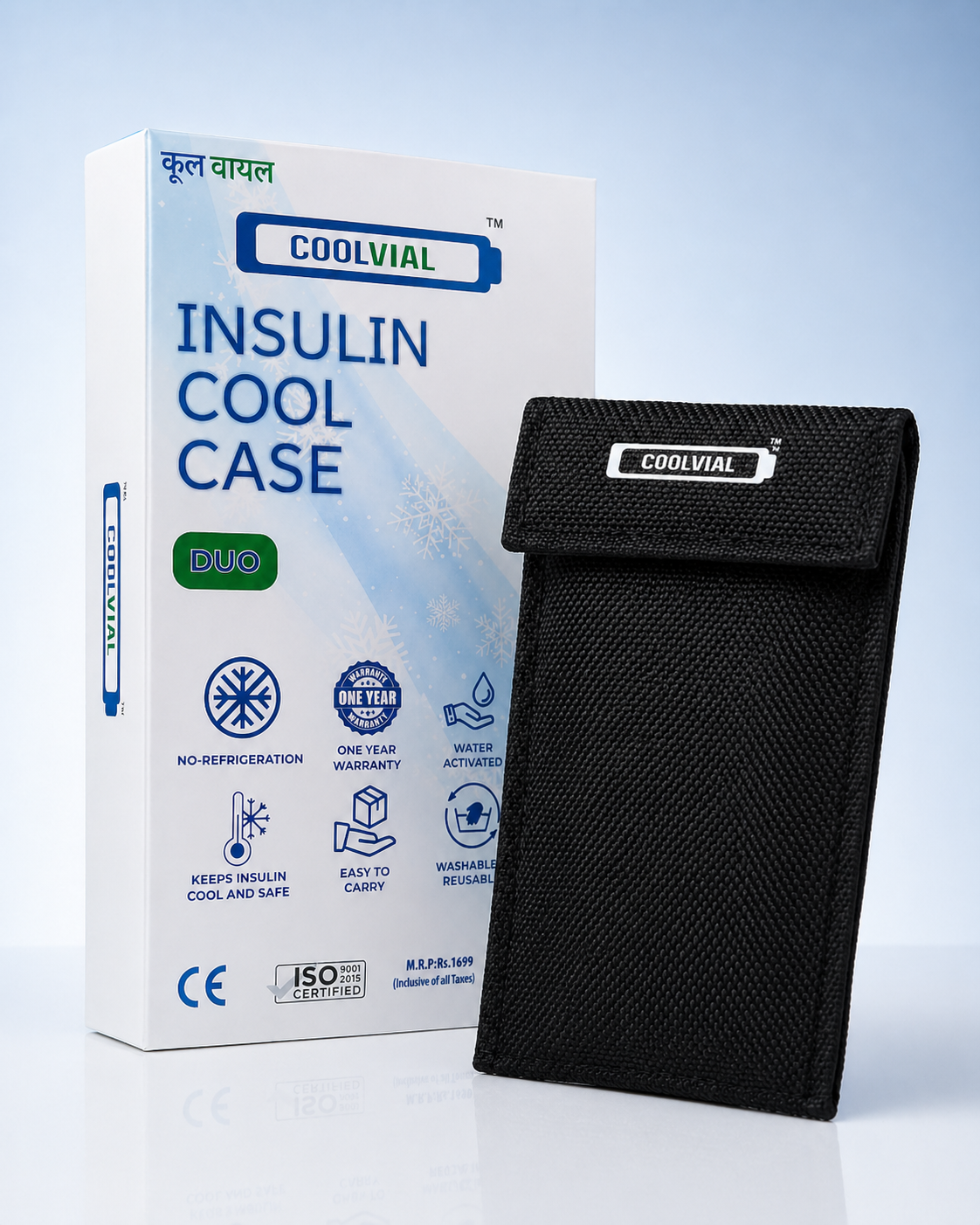
COOLVIAL keeps insulin safe in India's heat. 48+ hours, no electricity needed.
- Car Travel:
- Never leave insulin in a parked car, even for a short time. On a 28°C day, a car’s interior can reach 35°C in minutes, and much higher in direct sun.
- If you must carry insulin in a car, keep it in a COOLVIAL insulin cool case or a similar evaporative cooler, away from direct sunlight, and ideally in the air-conditioned cabin.
- Public Transport (Auto-rickshaws, Buses):
- These modes offer little temperature control. Always carry your insulin in a personal cooling solution.
- Keep your cooling case close to your body or in a bag, protected from direct sun exposure.
- Walking/Cycling:
- For those enjoying Ranchi’s scenic routes, perhaps near Tagore Hill or Rock Garden, remember that even a pleasant breeze doesn’t negate the risk of ambient heat.
- A cooling case is indispensable for maintaining insulin’s efficacy on the go.
Why a Cooling Case is Essential for Daily Use:
| Feature | COOLVIAL Duo (Rs 1,099 with COOLHEAL) | FRIO (Approx. Rs 1,900) | Outer Woods OW-12 (Approx. Rs 999) |
|---|---|---|---|
| Cooling Mechanism | Water-activated evaporative | Water-activated evaporative | Ice pack / Gel pack |
| Keeps Cool | 12-16 hours | Up to 45 hours (varies by model) | 6-8 hours |
| Portability | High, no refrigeration needed | High, no refrigeration needed | Moderate, requires freezer for pack |
| Capacity | 2 pens + 1 vial | Varies, often 1-2 pens | Typically 1 pen |
| Certifications | CE certified, ISO 9001:2015 | Varies by product/region | Varies by product/region |
| Made in India | Yes | No (UK brand) | Yes |
| Price (approx.) | Rs 1,099 | Rs 1,900+ | Rs 999 |
The COOLVIAL Duo, a CE certified and ISO 9001:2015 product, offers a balanced solution for Ranchi residents. It’s affordable, made in India, and provides reliable cooling for 12-16 hours, suitable for most daily activities and even short day trips.
4. Work-From-Home (WFH) Routines and Refrigerator Habits
The rise of work-from-home culture in IT corridors and other sectors has changed daily routines, but insulin storage still requires attention. While you might be near your fridge, complacency can lead to issues.
Consider these WFH insulin storage guidelines:
- Designated Fridge Spot: Even if you’re home all day, maintain a consistent spot in your fridge for unopened insulin. This prevents it from being misplaced or exposed to unnecessary temperature changes.
- Opened Insulin Near Workspace:
- If you’re using an opened pen or vial, keep it in a cool, dark place near your workspace, away from windows, direct sunlight, or heat-emitting electronics.
- In summer, if your room temperature consistently exceeds 30°C, consider using a small personal cooling case or even placing the opened insulin back in the fridge between uses, ensuring it doesn’t freeze.
- Avoid Frequent Fridge-to-Desk Transfers: While it might seem convenient to pull your insulin out for every dose, frequent temperature cycling between fridge and room temperature can be detrimental. Stick to the 28-day rule for opened insulin at room temperature if your ambient conditions allow (below 30°C).
- Awareness of Microclimates: Even within a single room in Lalpur or Kanke Road, temperatures can vary. Areas near windows or unshaded walls can be significantly warmer than the center of the room. Always choose the coolest, darkest spot for your opened insulin.
5. Insulin Storage During Ranchi’s Monsoon Season
Ranchi’s monsoon season, from June to September, brings refreshing rains but also increased humidity. While temperatures might drop slightly, the high moisture content in the air can still pose a threat to insulin. For an in-depth look, refer to our specific guide: Ranchi Monsoon & Insulin — Smart Storage During the Rainy Season.
Key monsoon-specific tips:
- Humidity Control:
- Ensure your insulin is stored in airtight containers, especially if keeping it at room temperature. This protects it from ambient moisture.
- If using an evaporative cooler like COOLVIAL Duo, ensure it’s properly activated with clean water. The evaporation process is less efficient in extremely humid conditions, but it still provides significant cooling.
- Power Fluctuations:
- Monsoons often bring power cuts. Have a backup plan for your refrigerated insulin. A well-insulated cooler with ice packs (not directly touching insulin) can work for short durations.
- Consider the COOLVIAL Duo as a primary solution during monsoon travel or outings, as it doesn’t rely on electricity.
- Water Damage Prevention:
- Keep your insulin and cooling case away from rain or damp surfaces. Accidental water ingress can damage pens or vials.
- Ensure your bags are waterproof when venturing out during heavy rains.
6. Weekend Getaways and Longer Trips: Essential Cooling Solutions
Ranchi residents often enjoy short breaks to nearby attractions like Birsa Zoological Park, Hundru Falls, or the cooler climes of Netarhat. For these 2-day getaways or even longer trips, a reliable insulin cooling solution is not just an option, but a necessity.
Here’s how to manage insulin on your adventures:
- The Power of Evaporative Cooling:
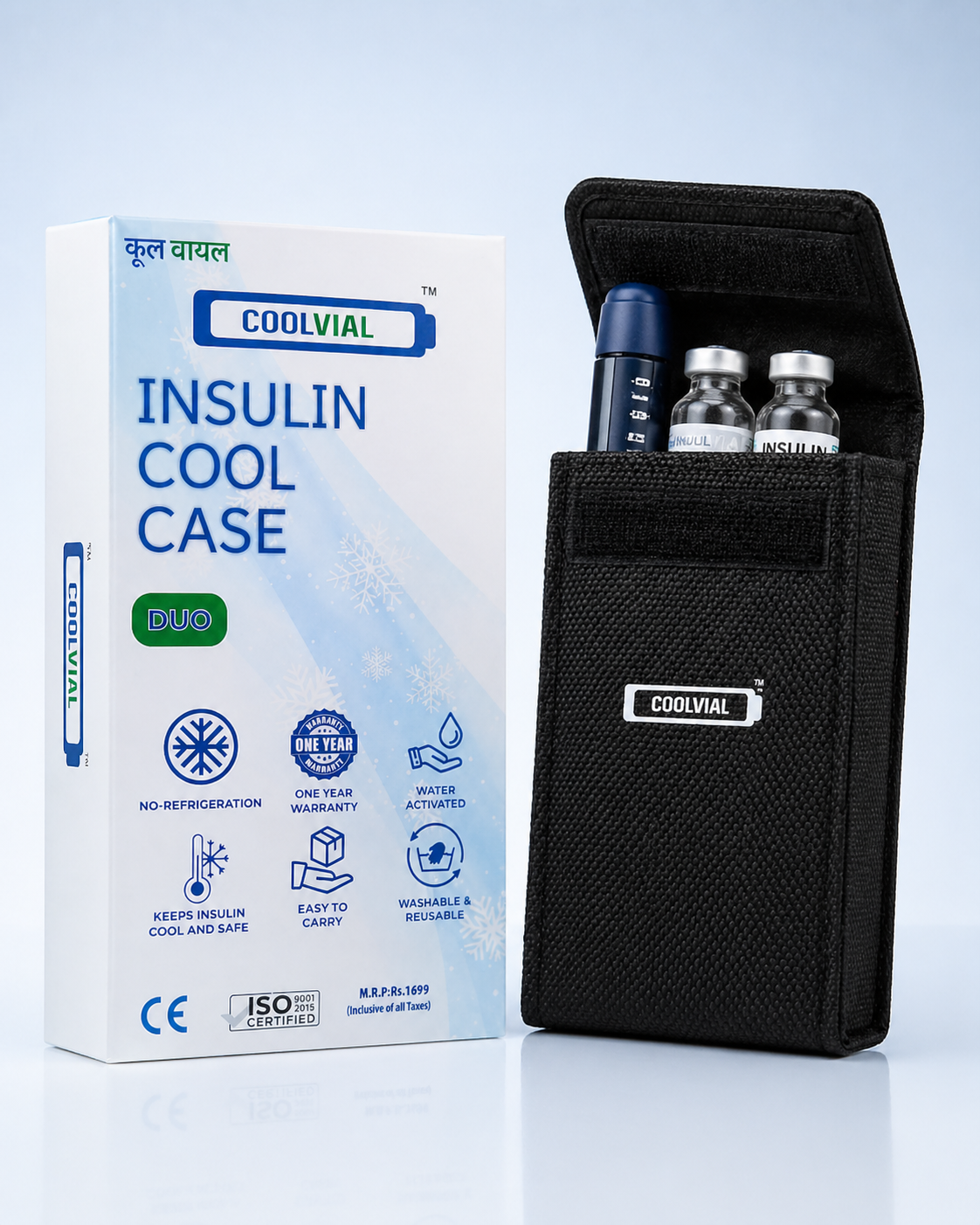
- For trips lasting 12-16 hours or even up to 2 days with re-activation, water-activated evaporative cooling cases like the COOLVIAL Duo are ideal. Simply soak the inner pouch in cold water for a few minutes, and it provides continuous cooling without electricity or ice packs.
- The COOLVIAL Duo, holding 2 pens and 1 vial, is perfectly sized for typical weekend travel needs. It’s a lifesaver when visiting places like Hundru Falls where consistent refrigeration might not be available.
- Planning for Longer Durations:
- For trips beyond 2 days, you’ll need to re-activate your evaporative cooler by re-soaking it. Always carry a small, clean bottle of water for this purpose.
- If traveling by train or bus, keep your cooling case in your hand luggage, not in checked baggage where temperatures can fluctuate wildly.
- Consult Your Doctor:
- Before any extended travel, especially if crossing time zones or going to areas with vastly different climates, consult your endocrinologist at RIMS or Brahmananda Narayana Multispeciality Hospital. They can provide personalized advice on insulin adjustments and storage.
- Emergency Kit:
- Always carry extra insulin, syringes/pens, and alcohol swabs.
- Have a copy of your prescription and a doctor’s note in case of emergencies or security checks, especially at the JSCA Cricket Stadium or other public venues.
For a comprehensive approach to managing your diabetes while exploring, check out our Complete Diabetes Care Guide for Ranchi Residents — 2026 Edition.
7 Smart Ways: How to Store Insulin in Ranchi's Mild Climate — A Local's Guide
Insulin at 2-8°C for 48+ hours. Trusted by 10,000+ Indian diabetics.
7. Recognizing Spoiled Insulin and When to Seek Medical Advice
Even with the best storage practices, it’s crucial for Ranchi residents to know how to identify spoiled insulin. Using degraded insulin can lead to ineffective blood sugar control and serious health consequences.
Signs of spoiled insulin include:
- Appearance Changes:
- Cloudiness or particles: Clear insulin (like rapid-acting and some long-acting types) should remain perfectly clear. If it becomes cloudy, has clumps, or solid particles, discard it.
- Discoloration: Cloudy insulin (like NPH) should be uniformly cloudy. If it becomes clear, discolored, or has particles, discard it.
- Frosting/Crystals: If insulin has been frozen, it might appear “frosted” or have small crystals. Frozen insulin loses its potency.
- Texture Changes:
- If insulin feels gritty or sticky when expelled from the pen/syringe, it might be compromised.
- Loss of Efficacy:
- The most critical sign is unexplained high blood sugar levels despite taking your usual dose. If your blood sugars are consistently high and you suspect your insulin, it’s best to replace it.
When to Seek Medical Advice:
If you suspect your insulin has spoiled or if you experience consistently high blood sugar levels, immediately contact your doctor or diabetologist at RIMS, Medica Hospitals, or Brahmananda Narayana Multispeciality Hospital. Do not adjust your dosage without medical guidance. Pharmacies like Apollo Pharmacy, MedPlus, 1mg, Generic Aadhaar, or Frank Ross can provide new insulin, but a doctor’s consultation is essential for managing your condition.
Frequently Asked Questions (FAQ)
Q: Can I store insulin in the freezer in Ranchi’s summer? A: No, insulin should never be stored in the freezer, regardless of the climate. Freezing can damage the insulin molecules, rendering them ineffective, even if they appear normal after thawing. Unopened insulin should be kept in the refrigerator between 2-8°C.
Q: How long can insulin be left out of the fridge in Ranchi? A: Once opened, most insulin types can be kept at room temperature (15-30°C) for up to 28 days. In Ranchi’s summer, when temperatures can reach 35-37°C, it’s advisable to use a cooling case like COOLVIAL Duo or keep it in the fridge during the hottest parts of the day to maintain its potency within the acceptable range.
Q: Is it safe to carry insulin in my bag during daily commutes in Ranchi? A: Carrying insulin in a regular bag during daily commutes in Ranchi is risky due to potential heat exposure, especially in cars or during peak summer. It is highly recommended to use a specialized insulin cooling case to protect it from temperature fluctuations and direct heat.
Q: Where can I buy a reliable insulin cooling case in Ranchi? A: While some local pharmacies might carry cooling solutions, for CE certified and ISO 9001:2015 compliant products like COOLVIAL Duo, it is best to purchase directly from coolvial.com or through authorized distributors. Many patients in Ranchi also prefer online options like 1mg for convenience.
Q: What if I accidentally left my insulin in a hot car in Ranchi? A: If you accidentally left your insulin in a hot car in Ranchi, it is safest to assume it has been compromised and discard it, even if it looks normal. Insulin exposed to temperatures above its recommended range (typically 30°C for opened vials/pens) loses potency, which can lead to dangerously high blood sugar levels.
Q: Does the monsoon humidity affect insulin storage in Ranchi? A: Yes, monsoon humidity in Ranchi can indirectly affect insulin. While humidity itself doesn’t directly spoil insulin, it can promote condensation if insulin is moved frequently between cool and warm environments, or if packaging isn’t airtight, potentially affecting the pen device or vial integrity. Use airtight containers and consider cooling cases during humid periods.
Q: Can I use a regular ice pack to cool my insulin? A: A regular ice pack can be used, but never allow it to directly touch insulin, as this can cause freezing. Always wrap the insulin in a cloth or place it in a separate compartment within a cooler with ice packs. Evaporative cooling cases like COOLVIAL Duo are generally safer as they maintain a consistent, non-freezing temperature.
Conclusion
Ranchi’s mild climate offers a comfortable lifestyle, but it demands a smart, informed approach to insulin storage. From the pleasant streets of Main Road to the serene landscapes of Netarhat, understanding how to store insulin correctly ensures its potency and, by extension, your well-being. By adhering to proper home refrigeration, utilizing reliable cooling solutions like the COOLVIAL Duo for daily commutes and weekend adventures, and being vigilant during the monsoon season, you can effectively manage your diabetes without letting the weather dictate your health.
Always remember that preventing insulin degradation is key to maintaining stable blood sugar levels. Equip yourself with the right knowledge and tools.
Order your COOLVIAL Duo today at Rs 1,099 with code COOLHEAL at coolvial.com or via WhatsApp wa.me/918766952300 – because your health deserves the best protection, Made in India for Indian conditions.
How We Researched This
This article is based on a comprehensive review of RSSDI (Research Society for the Study of Diabetes in India) guidelines, ICMR-INDIAB (Indian Council of Medical Research – India Diabetes) data, local Ranchi hospital directories including RIMS (Rajendra Institute of Medical Sciences) and Medica Hospitals, and common practices observed at pharmacy networks like Apollo Pharmacy. Local climate data for Ranchi was cross-referenced to provide tailored advice.
Medical Disclaimer
This article is for general information purposes only and does not constitute medical advice. Always consult your endocrinologist or diabetologist before making any changes to your insulin storage or dosing practices.