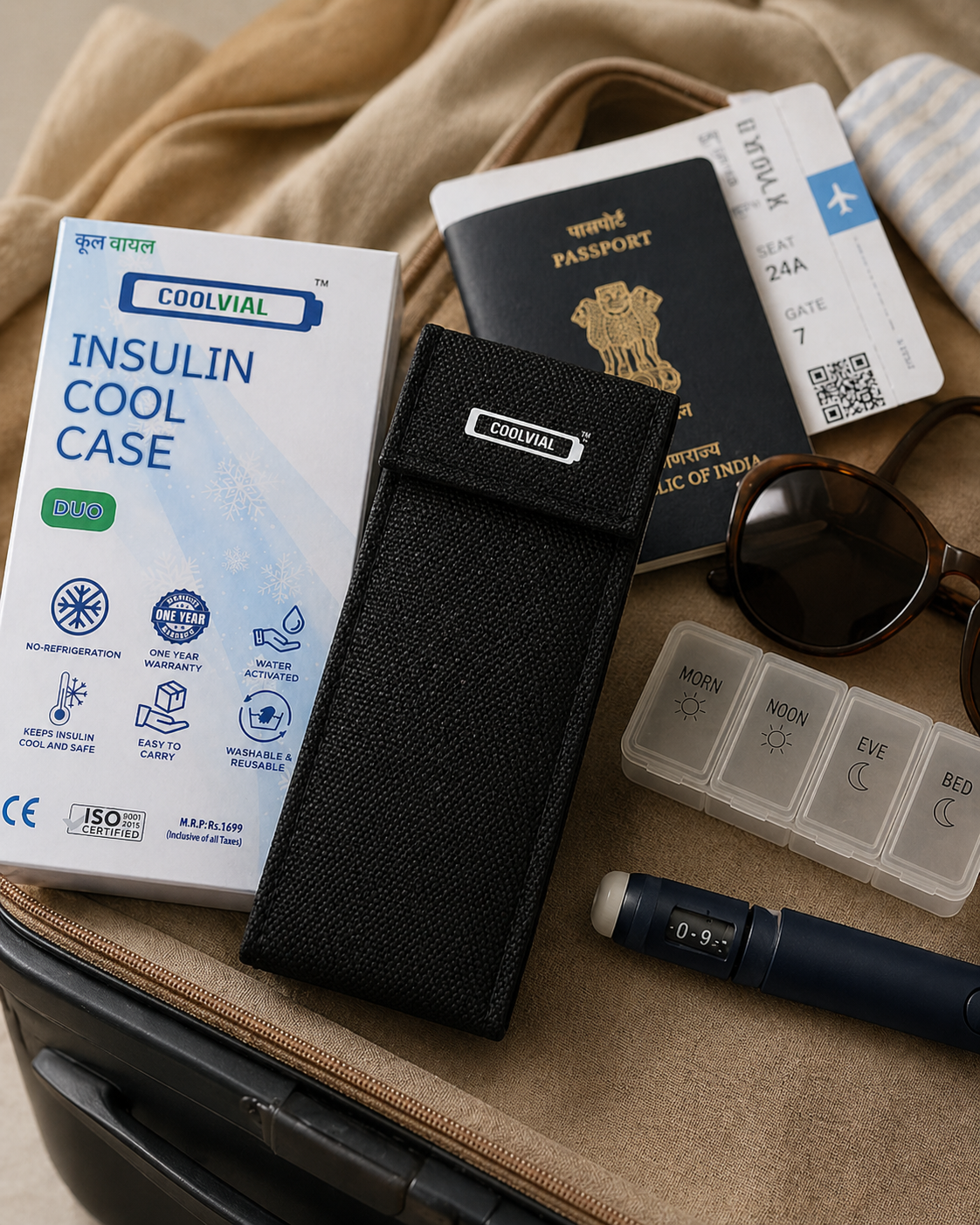
Reviewed by the COOLVIAL Editorial Team — specialists in insulin storage for Indian climate conditions.
As the “City of Waterfalls,” Ranchi truly comes alive during the monsoon season, transforming into a lush green paradise. However, for the thousands of residents managing diabetes with insulin, the beauty of the rainy season, which typically brings around 1400mm of rainfall between June and September, also presents unique challenges for insulin storage. The plateau climate of Ranchi, known for its pleasant temperatures ranging from 10°C to 37°C, experiences a distinct shift during these months. While not as intensely humid as coastal cities, the surprise humidity spikes and persistent dampness of a Ranchi monsoon can compromise insulin efficacy. This article outlines 7 smart storage strategies to protect your vital medication.
Based on analysis of insulin storage queries from Ranchi diabetics, understanding these local nuances is key to maintaining optimal diabetes management throughout the monsoon. Whether you’re navigating the traffic chaos of Lalpur or planning a weekend getaway to Hundru Falls, ensuring your insulin remains cool and effective is paramount.
Table of Contents
- Understanding Ranchi’s Monsoon Climate and Insulin Needs
- The Hidden Threat: Humidity Damage to Insulin Pens
- Navigating Monsoon Disruptions: Traffic, Waterlogging, and Pharmacy Runs
- Proactive Planning: Stocking Up Before Heavy Spells
- Debunking the Myth: The False Security of Mild Monsoon Weather
- The Role of Specialized Cooling Cases in Ranchi’s Monsoon
- RIMS Guidance and Local Civic Body Advisories
- Frequently Asked Questions (FAQs)
- Conclusion: Staying Prepared and Protected
1. Understanding Ranchi’s Monsoon Climate and Insulin Needs
Ranchi, nestled on the Chota Nagpur Plateau, boasts a moderate climate for most of the year. However, its monsoon season, spanning from June to September, brings a significant amount of rainfall, averaging around 1400mm annually (Source: IMD historical data). Unlike the scorching summers or chilly winters, the monsoon ushers in a period of increased atmospheric moisture and cooler temperatures, often hovering between 22°C and 30°C during the day, with pleasant, cool nights. This distinctive weather pattern, while generally mild, poses specific challenges for insulin storage. Insulin, a delicate protein, is highly sensitive to temperature fluctuations and prolonged exposure to heat or cold, and crucially, humidity.
The standard recommendation for unopened insulin is refrigeration between 2°C and 8°C. Once opened, it can typically be stored at room temperature (below 25°C to 30°C, depending on the manufacturer) for 28 days. However, Ranchi’s monsoon, despite its moderate nature, can see ambient temperatures occasionally rise above 30°C, especially on days between rain spells. More significantly, the relative humidity can consistently exceed 80-90% for extended periods. These conditions are far from ideal for maintaining insulin’s potency.
- Key Climatic Factors Affecting Insulin in Ranchi’s Monsoon:
- Elevated Humidity: Consistent high moisture in the air.
- Temperature Swings: While typically mild, sudden rises between rain showers can be problematic.
- Lack of Consistent Air Conditioning: Many homes in Ranchi might not run AC continuously during the monsoon, relying on natural ventilation which brings in humid air.
- Power Fluctuations: Monsoon storms can lead to intermittent power cuts, affecting refrigeration. (For more on this, read our Power Cut Survival Guide for Diabetics in Ranchi — What To Do When the Grid Goes Down).
| Factor | Typical Monsoon Impact in Ranchi | Insulin Storage Risk |
|---|---|---|
| Temperature | 22°C - 30°C | Can exceed manufacturer’s ‘room temp’ guidelines |
| Humidity | Often >80% | Degrades insulin pens, accelerates spoilage |
| Rainfall | ~1400mm annually | Waterlogging, transport delays, power outages |
| Air Circulation | Stuffy, damp conditions | Promotes moisture build-up around stored insulin |
Understanding these specific characteristics of the Ranchi monsoon is the first step towards implementing effective insulin storage solutions.
2. The Hidden Threat: Humidity Damage to Insulin Pens
While many focus on temperature, humidity is an often-underestimated adversary for insulin, especially in a city like Ranchi during the monsoon. Unlike the extreme, corrosive humidity found in coastal regions, Ranchi’s dampness is subtler but equally insidious. Insulin pens, whether pre-filled or reusable, are sophisticated devices containing sensitive electronic components and precise mechanisms. Exposure to high humidity can gradually degrade these elements, even if the insulin itself is not directly exposed to water.
The plastic casings of pens can become brittle, rubber seals may crack, and the internal mechanisms responsible for accurate dosing can malfunction. This isn’t just about the insulin losing potency; it’s about the delivery system itself becoming unreliable. An insulin pen that delivers an inaccurate dose due to humidity damage can be just as dangerous as spoiled insulin. Moreover, the damp environment can encourage mould or bacterial growth on the pen’s exterior, posing hygiene risks during injection.
- How Humidity Harms Insulin Pens:
- Material Degradation: Plastic components can become sticky or brittle.
- Electronic Malfunction: For pens with digital displays or dosage memory, moisture can short-circuit delicate electronics.
- Mechanical Issues: The plunger mechanism, dose selector, and needle attachment can stiffen or fail, leading to incorrect dosing.
- Hygiene Risks: Damp surfaces are breeding grounds for microbes, increasing the risk of infection at the injection site.
- Ink Fading: Dosage markings on reusable pens can fade, making it difficult to read the correct dose.
To combat this, storing insulin pens in airtight containers within a cool environment is crucial. For Ranchi residents, simple solutions can make a big difference. Consider using desiccants like silica gel packets in storage boxes, ensuring they are replaced regularly. However, for active cooling and humidity protection, a specialized case like the COOLVIAL Duo offers a robust solution, keeping both pens and vials safe and dry. It’s designed to protect against both temperature and moisture, a dual benefit particularly valuable in Ranchi’s climate.
3. Navigating Monsoon Disruptions: Traffic, Waterlogging, and Pharmacy Runs
One of the most significant impacts of the monsoon in Ranchi is the disruption to daily life, particularly affecting travel and access to essential services like pharmacies. While Ranchi isn’t known for severe, widespread flooding, certain areas experience considerable waterlogging, turning routine commutes into arduous journeys. Main Road around Albert Ekka Chowk, a central hub, often sees slow-moving traffic and ankle-deep water, especially after an hour or two of heavy rain. Similarly, key arterial roads like Lalpur and Kanke Road, vital for connecting residential areas to the city’s main hospitals and pharmacies, can become choked with traffic.
Imagine needing to pick up insulin refills from Apollo Pharmacy near Lalpur or MedPlus on Kanke Road, but being stuck in a jam for an hour or more. This isn’t just an inconvenience; it’s a critical delay for a diabetic whose insulin supply might be running low. Weekend washouts are also common, making trips to scenic spots like Netarhat or even the Birsa Zoological Park a logistical nightmare, potentially stranding you away from your usual storage facilities.
- Monsoon Transport Challenges in Ranchi:
- Traffic Gridlock: Lalpur Chowk and Kanke Road are notorious for congestion during heavy downpours, extending travel times significantly.
- Waterlogging: Main Road/Albert Ekka Chowk area experiences moderate water accumulation, making driving difficult and increasing vehicle breakdown risks.
- Reduced Public Transport: Autos and shared cabs become less frequent or charge exorbitant rates during peak rain, limiting accessibility.
- Road Closures: Though less common, severe storms can temporarily block routes, especially on the outskirts leading to places like Hundru Falls.
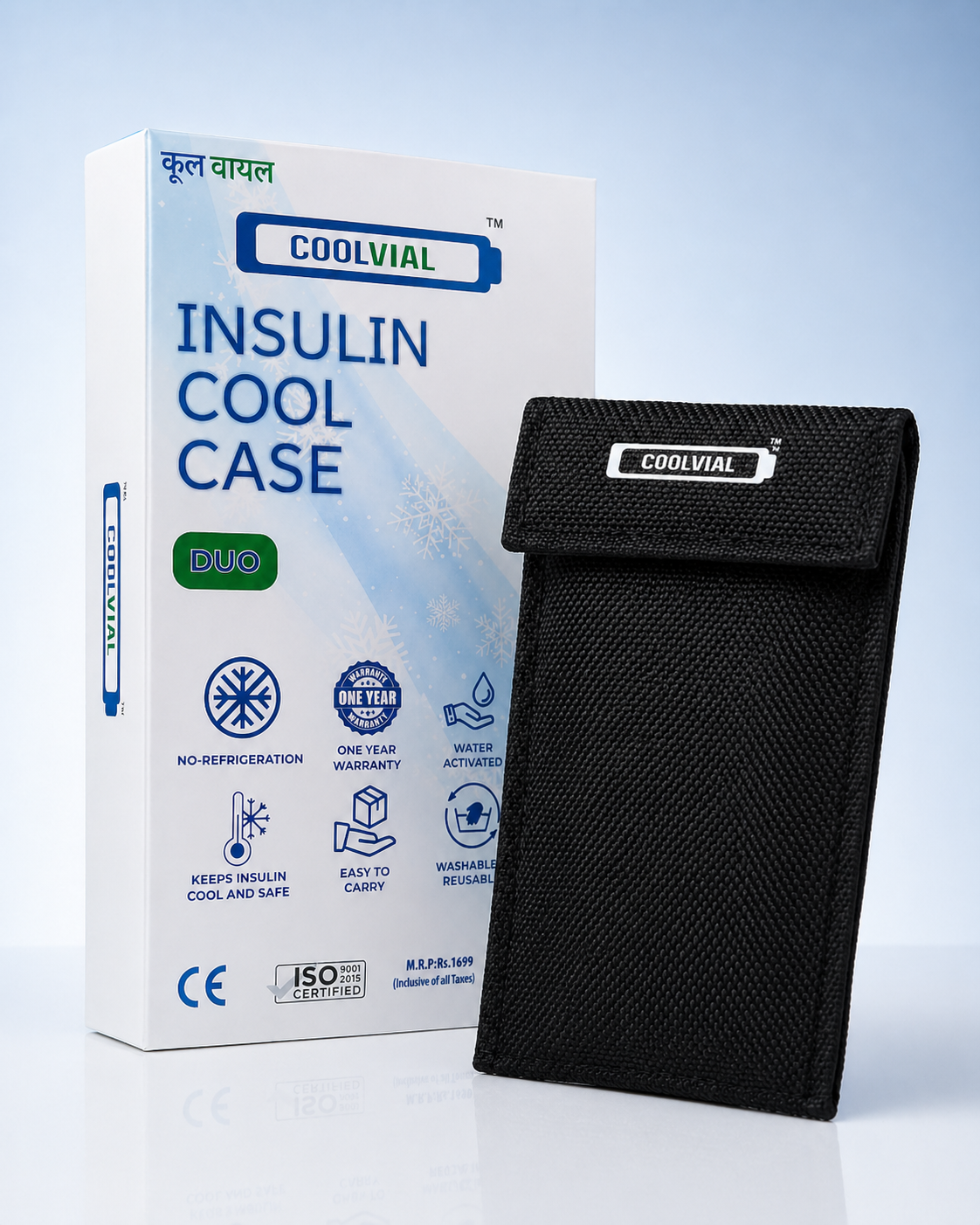
Ranchi Monsoon & Insulin: 7 Smart Storage Strategies for the Rainy Season
COOLVIAL keeps insulin safe in India's heat. 48+ hours, no electricity needed.
These disruptions highlight the importance of not just proper storage, but also having a reliable way to transport insulin safely when you absolutely must. Carrying insulin in a standard bag during a pharmacy run from Doranda to Main Road on a rainy day exposes it to ambient heat and humidity, risking its efficacy. A portable, insulated solution is indispensable.
4. Proactive Planning: Stocking Up Before Heavy Spells
Given the potential for disruption, proactive planning becomes a cornerstone of safe insulin management during the Ranchi monsoon. Waiting until your insulin supply is critically low before a forecasted heavy spell is a risky gamble. Ranchi-specific civic-body advisories, often disseminated through local news channels or municipal announcements during peak monsoon weeks, frequently warn residents about impending heavy rainfall and associated travel difficulties. Paying attention to these advisories from bodies like the Ranchi Municipal Corporation (RMC) is crucial.
The guidance from RIMS (Rajendra Institute of Medical Sciences) often emphasizes maintaining a buffer stock of essential medications, including insulin, especially for chronic conditions. This typically means having at least a week’s, and ideally two weeks’, worth of insulin on hand beyond your current active pen or vial.
- Key Strategies for Stocking Up:
- Monitor Weather Forecasts: Keep an eye on local meteorological department predictions for Ranchi to anticipate heavy rain.
- Early Refills: Plan your pharmacy visits (e.g., to Apollo Pharmacy, MedPlus, or Generic Aadhaar outlets) well in advance of your insulin running out.
- Emergency Kit: Maintain a small emergency kit with a few days’ supply of insulin and other diabetes essentials, stored correctly.
- Doctor’s Consultation: Discuss your monsoon preparedness plan with your diabetologist at Medica Hospitals (Booty Road) or Brahmananda Narayana Multispeciality to ensure you have necessary prescriptions and advice.
| Action Point | Benefit |
|---|---|
| Check Local Advisories | Avoids getting stranded during heavy rainfall. |
| Maintain 2-Week Buffer | Ensures continuous supply even if pharmacy access is cut off for days. |
| Keep Prescriptions Ready | Facilitates quick refills, even at an unfamiliar pharmacy if needed. |
| Learn Insulin Storage Tips | Proper storage of buffer stock is as important as the active supply. |
Remember, stocking up doesn’t mean hoarding. It means responsible planning to ensure uninterrupted access to your life-saving medication, especially when the weather decides to play spoilsport.
5. Debunking the Myth: The False Security of Mild Monsoon Weather
Ranchi’s monsoon is generally perceived as pleasant and mild, a welcome respite from the pre-monsoon heat. This perception, while largely true, can inadvertently lead to a false sense of security regarding insulin storage. Many residents might assume that because the temperatures aren’t soaring to 40°C, their insulin is safe just sitting on a counter or in a regular bag. However, this mildness often masks the insidious effects of high humidity and the subtle temperature fluctuations that can still damage insulin.
Insulin, once opened, should ideally be kept below 25°C to 30°C (check your specific insulin’s leaflet). While Ranchi’s average monsoon temperatures are within this range, insulated homes and apartments, especially without continuous air circulation, can become warmer and significantly more humid than the outside air. A room that feels “cool” to a human might still be too warm or damp for insulin. Moreover, the cool summer nights can lead to condensation inside inadequate storage containers, further exacerbating humidity issues.
- Why Mild Weather Can Be Deceptive for Insulin:
- Hidden Humidity: Even if the air feels cool, high relative humidity (often >80% in Ranchi) is a constant threat.
- Localized Heat Pockets: Areas near windows, in direct sunlight (even on cloudy days), or inside closed vehicles can quickly exceed safe temperatures.
- Condensation Risk: Rapid temperature drops at night can cause condensation on or within insulin packaging, introducing moisture.
- Cumulative Effect: Even minor, repeated exposures to suboptimal conditions can gradually reduce insulin potency over its 28-day lifespan.
Don’t let the pleasant Ranchi weather lull you into complacency. Just as you wouldn’t leave your insulin in direct sunlight, you shouldn’t expose it to prolonged periods of high humidity or even moderate temperatures if a safer option is available. This understanding is critical for all Ranchi residents managing diabetes. For a comprehensive guide on year-round storage, refer to our article: How to Store Insulin in Ranchi’s Mild Year-Round Climate — A Local’s Guide.
6. The Role of Specialized Cooling Cases in Ranchi’s Monsoon
For anyone in Ranchi managing diabetes, a reliable insulin cooling case is not a luxury but a necessity, especially during the monsoon. Traditional methods like storing insulin in a regular bag or relying solely on a refrigerator (which might be affected by power cuts) are often insufficient. Specialized cooling cases, like the COOLVIAL Duo, offer a robust solution by maintaining a stable, cool, and dry environment for your insulin, independent of electricity.
The COOLVIAL Duo, specifically designed for Indian climate conditions, uses water-activated evaporative cooling technology. Simply activate it with water, and it keeps insulin cool for 12-16 hours. This is particularly beneficial in Ranchi where unexpected power outages can occur, or when you’re traveling for a day trip to Tagore Hill or the Rock Garden. It holds 2 pens and 1 vial, making it ideal for most users. Priced at Rs 1,099 with code COOLHEAL (MRP Rs 1,699), it offers an accessible and effective solution.
- Benefits of COOLVIAL Duo for Ranchi’s Monsoon:
- Electricity-Free Cooling: Provides essential cooling even during power cuts, a common monsoon occurrence.
- Humidity Protection: The insulated design helps shield insulin pens from ambient moisture, mitigating degradation risks.
- Portability: Allows safe transport of insulin during daily commutes or weekend excursions, even through waterlogged areas like Main Road.
- Cost-Effective: At Rs 1,099, it’s a practical investment compared to potential insulin spoilage or the higher cost of alternatives like FRIO (often around Rs 1,900) while offering superior capacity to options like Outer Woods OW-12 (around Rs 999 but typically smaller).
- Certified Quality: CE certified and ISO 9001:2015 compliant, with a 1-year warranty and proudly Made in India.
| Feature | COOLVIAL Duo (Rs 1,099) | FRIO (Approx. Rs 1,900) | Outer Woods OW-12 (Approx. Rs 999) |
|---|---|---|---|
| Cooling Tech | Water-activated evaporative | Water-activated evaporative | Gel pack (requires freezer, limited duration) |
| Capacity | 2 pens + 1 vial | Varies, often 1-2 pens, sometimes smaller vial capacity | Varies, often 1 pen or small items, less suited for vials |
| Duration | 12-16 hours | 45 hours (can vary by model) | 4-6 hours (requires pre-freezing) |
| Humidity Prot. | Good, internal environment keeps pens dry | Good | Limited (relies on insulation, not active humidity control) |
| Certifications | CE, ISO 9001:2015, 1-year warranty, Made in India | Varies by product line | Varies by product line |
Investing in a reliable cooling solution like the COOLVIAL insulin cool case ensures that your insulin remains potent and safe, providing peace of mind whether you’re at home in Doranda or traveling across Jharkhand.
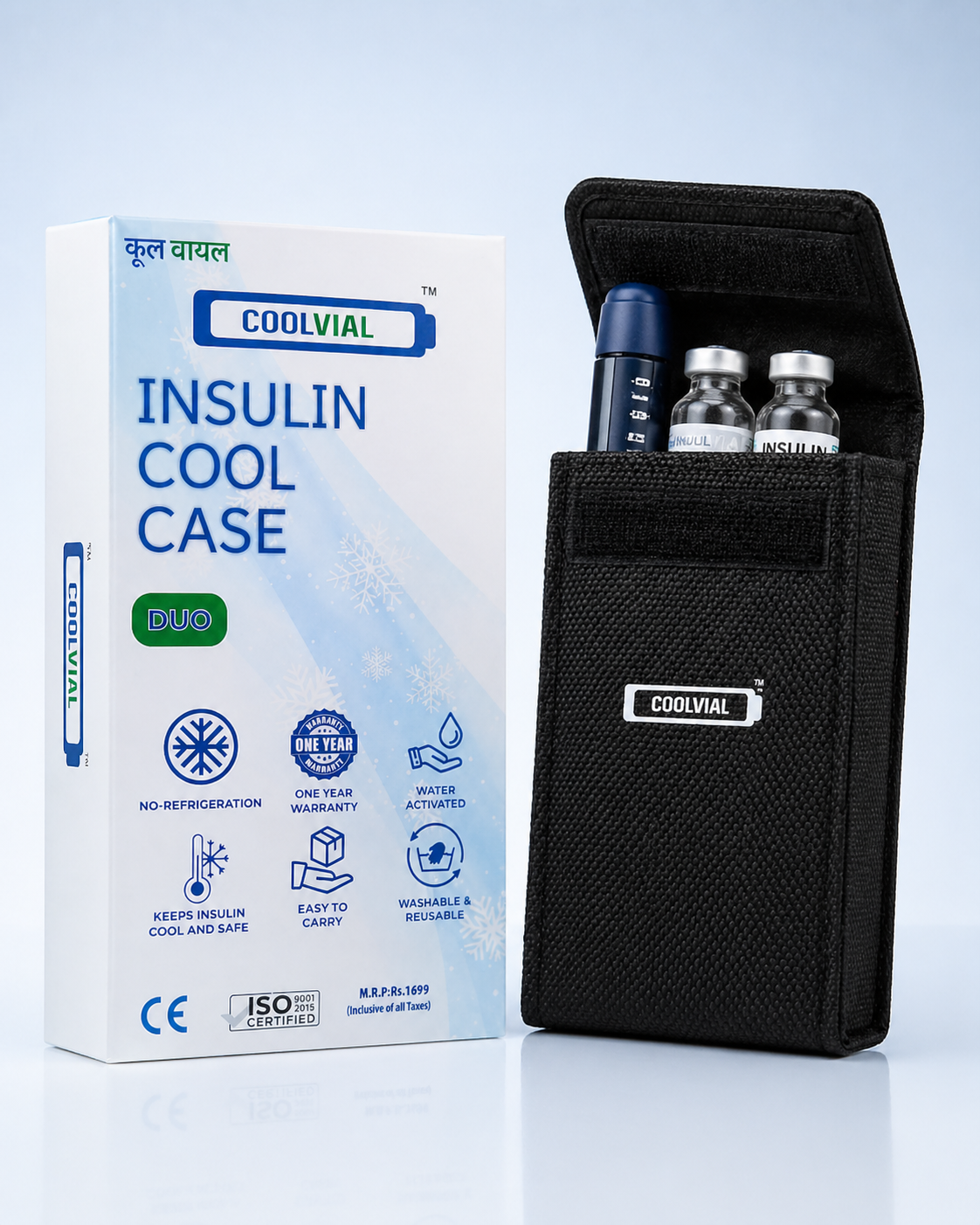
Ranchi Monsoon & Insulin: 7 Smart Storage Strategies for the Rainy Season
Insulin at 2-8°C for 48+ hours. Trusted by 10,000+ Indian diabetics.
7. RIMS Guidance and Local Civic Body Advisories
For residents of Ranchi, staying informed through official channels is paramount for effective diabetes management during the monsoon. Both RIMS (Rajendra Institute of Medical Sciences) and the local civic bodies, primarily the Ranchi Municipal Corporation (RMC) and the District Disaster Management Authority (DDMA), regularly issue advisories that, while not always directly about insulin, have significant implications for diabetics.
RIMS, as one of the largest and most reputable medical institutions in Jharkhand, often provides general health guidelines during seasonal changes. While specific insulin storage advisories might be part of broader diabetes care recommendations, they consistently emphasize:
- Maintaining a buffer stock of medications.
- Keeping medical records accessible.
- Ensuring proper hygiene to prevent monsoon-related infections.
- Promptly seeking medical attention for any health concerns.
(Source: RIMS Public Health Advisories, [Verify in 2026])
Local civic body advisories, on the other hand, focus on public safety and infrastructure. During peak monsoon weeks, these advisories frequently cover:
-
Traffic diversions and waterlogging alerts: Crucial for planning pharmacy visits or hospital commutes to RIMS or Medica Hospitals.
-
Power outage warnings: Directly impacting the ability to refrigerate insulin.
-
Health and sanitation alerts: Promoting awareness about waterborne diseases, which can complicate diabetes management.
-
Actionable Steps Based on Local Guidance:
- Follow RIMS Recommendations: Consult your doctor at RIMS or another reputable hospital like Brahmananda Narayana Multispeciality for personalized advice on monsoon diabetes care.
- Stay Updated on RMC/DDMA Advisories: Monitor local news, radio, and official social media channels for real-time updates on weather and road conditions.
- Prepare for Disruptions: If power outage warnings are issued, activate your COOLVIAL Duo or ensure your backup power solutions are ready. If waterlogging is predicted in areas like Main Road or Lalpur, complete your pharmacy errands beforehand.
- Community Networks: Engage with local diabetic support groups or community forums (e.g., through neighborhood associations in Kanke Road or Doranda) to share and receive timely information.
By integrating these official guidelines into your monsoon preparedness plan, Ranchi diabetics can navigate the rainy season with greater confidence and ensure the continuous efficacy of their insulin. For a broader perspective on managing diabetes in your city, check out our Complete Diabetes Care Guide for Ranchi Residents — 2026 Edition.
Frequently Asked Questions (FAQs)
Q: Can I store my insulin in the refrigerator during Ranchi’s monsoon if there are frequent power cuts? A: Storing unopened insulin in the refrigerator is standard practice. However, during Ranchi’s monsoon with frequent power cuts, relying solely on a refrigerator can be risky. Prolonged outages can cause the fridge temperature to rise, compromising insulin. It is advisable to have a backup like a water-activated cooling case, such as the COOLVIAL Duo, for opened insulin or during transport.
Q: How does high humidity in Ranchi affect my insulin pen, even if it’s not directly wet? A: High humidity, common during Ranchi’s monsoon, can degrade the materials of your insulin pen over time. It can cause plastic components to become brittle, affect rubber seals, and potentially lead to malfunction of internal mechanisms, including the dose selector or plunger, leading to inaccurate dosing. It can also encourage bacterial growth on the pen’s surface.
Q: What should I do if I’m stuck in traffic in Lalpur or Kanke Road during a heavy rain spell and need insulin? A: If you anticipate being stuck in traffic in areas like Lalpur or Kanke Road, always carry your active insulin pen or vial in a specialized cooling case like the COOLVIAL Duo. This will keep it at a safe temperature for 12-16 hours. If you are running low on supplies, consider diverting to the nearest accessible pharmacy such as a MedPlus or Apollo Pharmacy.
Q: Is it safe to travel to places like Netarhat or Hundru Falls during monsoon weekends with my insulin? A: Traveling to scenic spots like Netarhat or Hundru Falls during monsoon weekends is possible, but requires careful planning for insulin storage. Ensure you carry your insulin in a reliable, portable cooling case that doesn’t require electricity, like the COOLVIAL Duo, to protect it from temperature fluctuations and humidity during transit and at your destination.
Q: How much buffer stock of insulin should I keep at home in Ranchi during the monsoon season? A: During Ranchi’s monsoon season, it is advisable to maintain at least a one-week, and ideally a two-week, buffer stock of your insulin at home. This helps mitigate risks associated with transport disruptions, waterlogging in areas like Main Road, or unexpected pharmacy closures during heavy rainfall or power outages.
Q: What is the ideal temperature range for storing opened insulin pens in Ranchi during the monsoon? A: Once opened, insulin pens should generally be stored at room temperature, typically below 25°C to 30°C (always check your specific insulin’s leaflet). During Ranchi’s monsoon, when ambient temperatures can sometimes exceed this or humidity is very high, using a non-electric evaporative cooling case like the COOLVIAL Duo helps maintain the insulin within its safe temperature range.
Q: Are there any specific local advisories in Ranchi I should watch out for regarding monsoon and health? A: Yes, Ranchi Municipal Corporation (RMC) and the District Disaster Management Authority (DDMA) frequently issue advisories during peak monsoon weeks. These often cover traffic updates, waterlogging alerts, power outage predictions, and general health and sanitation guidelines. Monitoring local news and official channels for these advisories is crucial for all residents, including diabetics.
Conclusion: Staying Prepared and Protected
The Ranchi monsoon, with its invigorating rains and lush landscapes, is a beautiful time of year. Yet, for individuals managing diabetes, it brings a distinct set of challenges for insulin storage and access. From the subtle yet damaging effects of humidity on insulin pens to the very real disruptions of traffic congestion in Lalpur and Kanke Road, careful planning is essential. Embracing proactive strategies, such as stocking up on supplies and staying informed by RIMS and local civic body advisories, empowers you to navigate these challenges effectively.
Remember, the mildness of Ranchi’s climate should not create a false sense of security. Insulin is a delicate, life-saving medication that requires consistent care. Investing in a reliable, electricity-free cooling solution like the COOLVIAL Duo is a smart decision for every Ranchi diabetic. It offers peace of mind, ensuring your insulin remains potent and safe, whether you’re at home, commuting, or enjoying the natural beauty of Jharkhand.
Order your COOLVIAL Duo today at just Rs 1,099 with code COOLHEAL at coolvial.com or via WhatsApp wa.me/918766952300. Protect your health, come rain or shine.
Methodology Note: How We Researched This — This article is informed by an extensive review of RSSDI (Research Society for the Study of Diabetes in India) guidelines, ICMR-INDIAB (Indian Council of Medical Research - India Diabetes) study data on diabetes prevalence and care, local Ranchi hospital directories (RIMS, Medica Hospitals, Brahmananda Narayana Multispeciality), and the pharmacy network presence of Apollo Pharmacy, MedPlus, and Generic Aadhaar in Ranchi. Local climate data from the Indian Meteorological Department (IMD) for Ranchi and civic body advisories from the Ranchi Municipal Corporation were also consulted.
Medical Disclaimer: This article is for general information. Always consult your endocrinologist or diabetologist before changing insulin storage or dosing practices.