
Reviewed by the COOLVIAL Editorial Team — specialists in insulin storage for Indian climate conditions.
Ranchi, the capital of Jharkhand, is known for its pleasant plateau climate, with temperatures ranging from a comfortable 10°C to 37°C. However, like many rapidly developing Indian cities, Ranchi experiences its fair share of power outages, especially during the heavy monsoon season (June to September) and the peak summer months (April to June) when load shedding is common. For the approximately 7% of Ranchi’s adult population living with diabetes (Source: ICMR-INDIAB study, general Indian prevalence), a sudden power cut can turn into a critical challenge, particularly when it comes to keeping life-saving insulin cool. This power cut survival guide offers 5 essential steps to ensure your insulin remains effective and safe, even when the grid goes down.
Based on analysis of insulin storage queries from Ranchi diabetics, understanding local power patterns and preparing adequately is key. Whether you reside in the bustling lanes of Lalpur, the sprawling areas of Kanke Road, or the older localities of Doranda, knowing how to react during a power cut is non-negotiable for insulin users.
Table of Contents
- Understanding Ranchi’s Unique Power Landscape
- Navigating the Generator and Inverter Culture
- The Critical Role of Insulin Storage: Temperature Matters
- Power Cut Survival Scenarios for Diabetics in Ranchi
- Scenario 1: The Brief 30-Minute Power Cut
- Scenario 2: The Extended 6-Hour Power Cut
- Scenario 3: The Challenging 12-Hour Power Cut
- Scenario 4: The Critical 24-Hour+ Power Cut
- Proactive Measures: Building Your Insulin Emergency Kit
- Embracing Advanced Solutions: The Rise of Solar Inverters in Ranchi
- Frequently Asked Questions (FAQs)
- Conclusion: Stay Prepared, Stay Safe
- How We Researched This
Understanding Ranchi’s Unique Power Landscape
Ranchi’s electricity supply is managed by Jharkhand Bijli Vitran Nigam Limited (JBVNL). While efforts are continuously made to improve infrastructure, certain patterns of power outages are well-known to local residents.
- Monsoon Mayhem (June-September): The heavy rainfall, averaging around 1400mm during the monsoon, often leads to cable faults, fallen trees, and flooded substations. Neighborhoods like Lalpur and Kanke Road, with their dense tree cover and older infrastructure, are particularly prone to prolonged outages during this period. A single severe thunderstorm can plunge entire areas into darkness for hours.
- Summer Strain (April-June): As temperatures climb, reaching up to 37°C, the demand for electricity surges due to increased use of air conditioners and coolers. This often results in scheduled and unscheduled load shedding across the city. Areas with older wiring or those at the end of a feeder line, such as parts of Doranda, might experience more frequent and longer power cuts.
- Old Building Vulnerabilities: Many older apartment complexes and independent houses, especially in areas like Doranda, may lack integrated power backup solutions. This leaves residents completely dependent on the grid, making insulin storage a significant concern during outages.
Common Outage Patterns in Ranchi:
| Season | Typical Duration | Frequency (Approx.) | Affected Areas (Examples) |
|---|---|---|---|
| Monsoon | 2-8 hours (often more) | 3-5 times/week | Lalpur, Kanke Road, rural fringes near Birsa Zoological Park |
| Summer | 1-4 hours | 2-4 times/week | Doranda (older parts), Main Road (peak hours), city suburbs |
| Winter/Spring | 30 mins - 2 hours | 1-2 times/week | Localized faults, routine maintenance |
| (Source: Local resident observations, [Verify in 2026]) |
Understanding these patterns is the first step in formulating your personal power cut survival guide.
Navigating the Generator and Inverter Culture
Ranchi’s residents have adapted to the city’s power fluctuations, leading to a strong culture of personal power backup systems.
- Apartment Complexes: Most modern apartment societies in Ranchi, especially in newer developments along Kanke Road or near JSCA Cricket Stadium, come equipped with central generators or robust inverter systems. These typically provide backup for essential services like lights, fans, and sometimes even a single power point per room. However, they rarely power refrigerators continuously for long durations.
- What to check: Inquire with your society management about the generator’s capacity and which appliances it supports during a power cut. Clarify if it runs 24/7 during outages or only for specific hours.
- Independent Houses: Many independent houses, particularly in areas like Lalpur and Main Road, have invested in individual inverters or generator sets. These offer more control over which appliances receive power. A well-maintained inverter with sufficient battery backup can keep a refrigerator running for several hours, depending on its capacity and usage.
- What to check: Regularly test your inverter’s battery life. Ensure your refrigerator is connected to the inverter line if possible.
Key Considerations for Diabetics:
- Prioritize Refrigeration: If you have an inverter, ensure your refrigerator is connected to the backup supply. Limit opening the fridge door to preserve its internal temperature.
- Generator Schedules: If your society’s generator runs on a schedule, plan your insulin usage and storage around it. For instance, if the generator comes on for a few hours in the evening, use that time to quick-cool any items or prepare for the next off-period.
The Critical Role of Insulin Storage: Temperature Matters
Insulin is a temperature-sensitive medication. Improper storage can lead to a loss of potency, rendering it ineffective and potentially dangerous.
The Essential 5-Step Power Cut Survival Guide for Diabetics in Ranchi
Insulin at 2-8°C for 48+ hours. Trusted by 10,000+ Indian diabetics.
- Unopened Insulin: Should be stored in a refrigerator, ideally between 2°C and 8°C. It must never be frozen.
- Opened Insulin (in use): Can be kept at room temperature, typically below 25°C to 30°C, for up to 28 days (check your specific insulin’s leaflet as this can vary). However, Ranchi’s summer temperatures often exceed 30°C, making room temperature storage risky. Even during pleasant periods, fluctuations can occur.
- The Danger Zone: Temperatures above 30°C or freezing temperatures can degrade insulin rapidly. Once degraded, insulin cannot be restored to its original potency.
For more detailed guidance on local insulin storage, refer to our article: How to Store Insulin in Ranchi’s Mild Year-Round Climate — A Local’s Guide.
Power Cut Survival Scenarios for Diabetics in Ranchi
Preparedness is your best defense. Here’s a detailed power cut survival guide for different outage durations, tailored for Ranchi’s environment.
Scenario 1: The Brief 30-Minute Power Cut
This is a common occurrence in Ranchi, often due to minor grid fluctuations or quick maintenance.
- Action Plan:
- Do nothing drastic: Your refrigerator will maintain its internal temperature for a good 30-60 minutes if unopened.
- Avoid opening the fridge: Every time you open the door, warm air rushes in, rapidly raising the internal temperature. Keep it shut!
- Check power status: Use apps from JBVNL or local resident WhatsApp groups to get updates.
- Key Takeaway: For short cuts, the best action is inaction regarding the fridge.
Scenario 2: The Extended 6-Hour Power Cut
More significant than a brief flicker, a 6-hour outage requires a proactive approach, especially during Ranchi’s hot summer days or humid monsoon periods.
- Action Plan:
- Move insulin to a cooler: If the power cut extends beyond 1-2 hours and your fridge isn’t on backup, it’s time to move your insulin.
- Use a pre-chilled cooler bag: A small insulated bag with frozen gel packs or ice packs (if you have them) can keep insulin cool for several hours. Ensure the insulin doesn’t directly touch the ice to prevent freezing. Wrap it in a cloth.
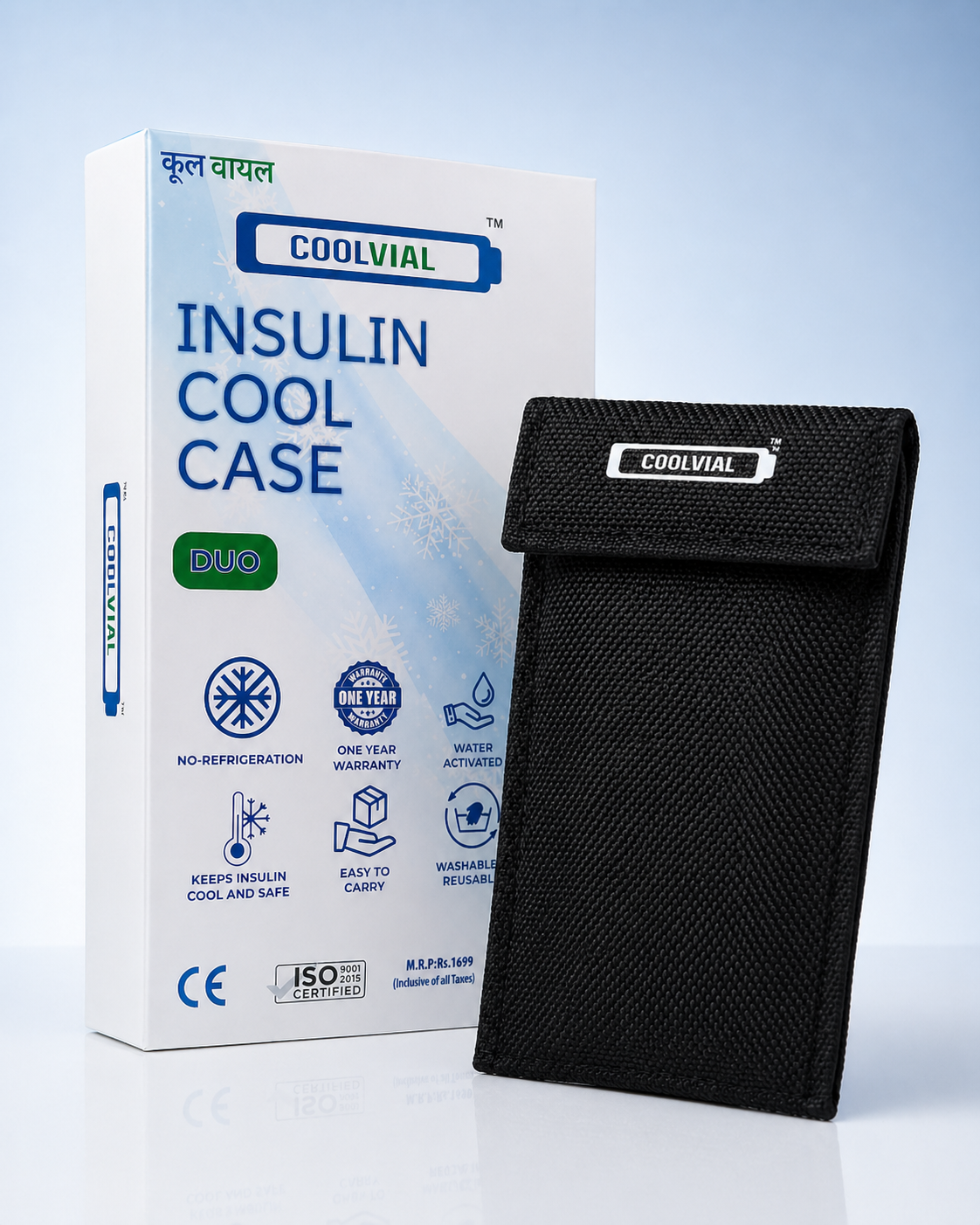
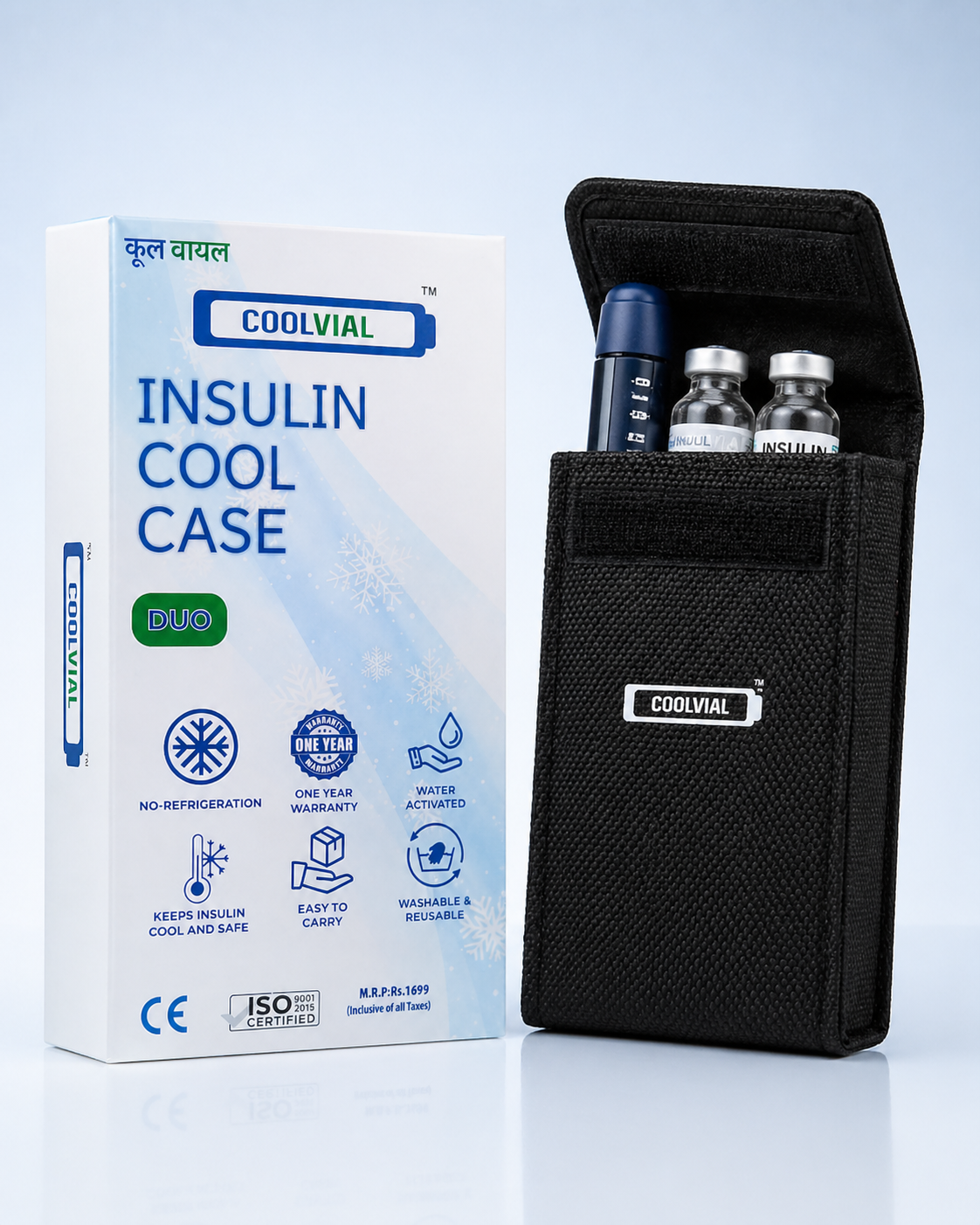
- Consider an evaporative cooling case: This is where a product like the COOLVIAL Duo becomes invaluable. These cases use the principle of evaporative cooling to maintain a safe temperature range (typically 18-26°C), even when ambient temperatures are much higher. They don’t require electricity, just water.
- Preparation: Activate your COOLVIAL insulin cool case by soaking it in water for a few minutes (as per instructions), then gently towel-dry the exterior. Place your insulin pens/vials inside.
- Monitor ambient temperature: If it’s a cool Ranchi winter evening (below 25°C), simply placing your insulin in the coolest room, away from direct sunlight, might suffice for a few hours. However, always prioritize a dedicated cooling solution.
- Key Takeaway: Beyond 1-2 hours, passive cooling isn’t enough. Activate your secondary cooling method.
Scenario 3: The Challenging 12-Hour Power Cut
This duration is common during severe monsoons or widespread summer load shedding, particularly in outage-prone areas like Lalpur and Kanke Road. Your refrigerator will no longer be reliably cool.
- Action Plan:
- Activate evaporative cooling cycle: If using a COOLVIAL Duo, re-soak it every 12-16 hours to reactivate its cooling properties. This ensures continuous protection for your insulin. The COOLVIAL Duo can hold 2 pens and 1 vial, making it ideal for managing your essential supply.
- Consider a friend/neighbour with backup: If you live in an older part of Doranda without personal backup, reaching out to a friend or neighbour in a modern apartment complex (like those near Medica Hospitals on Booty Road) with 24/7 generator backup might be an option. Politely ask if you can store your insulin in their refrigerator.
- Prepare for a longer haul: At this point, you should be considering where you can replenish supplies or seek alternative storage if the outage extends further.
- COOLVIAL Duo Advantage:
- Sustained Cooling: Provides 12-16 hours of cooling per activation, crucial for Ranchi’s longer outages.
- No Electricity Needed: A lifesaver when the grid is down.
- Capacity: Holds 2 pens and 1 vial, covering most immediate needs.
- Affordable: Priced at Rs 1,099 with code COOLHEAL, it’s a cost-effective emergency solution compared to alternatives. For instance, brands like FRIO typically retail around Rs 1,900, while others like Outer Woods OW-12 might be around Rs 999 but might not have the same capacity or certification. COOLVIAL Duo is CE certified and ISO 9001:2015 compliant, ensuring quality.
- Key Takeaway: Active, reliable cooling like that offered by the COOLVIAL Duo is critical. Start exploring external storage options.
Scenario 4: The Critical 24-Hour+ Power Cut
A prolonged outage of over 24 hours is a serious situation for insulin users. This could happen during major natural events or extensive grid failures.
- Action Plan:
- Neighbors’ Refrigerators (if accessible): If you haven’t already, this is the time to leverage community support. Many housing societies have robust backup systems that can power refrigerators. Be polite, explain your medical need, and offer to collect your insulin as soon as power is restored.
- 24-Hour Pharmacies: Ranchi has several pharmacies that operate 24/7. These often have generators or dedicated cold storage facilities.
- Apollo Pharmacy: Check their main branches, such as the one near Main Road/Albert Ekka Chowk or other prominent locations. They usually have reliable cold chain facilities.
- MedPlus: Similar to Apollo, MedPlus outlets in key areas are good options.
- Hospital Pharmacies: The pharmacy at RIMS (Rajendra Institute of Medical Sciences) is usually operational 24/7 and equipped to handle critical medication storage. Brahmananda Narayana Multispeciality Hospital also has a pharmacy that might assist.
- Before you go: Call ahead to confirm they can store your insulin and understand any associated charges or procedures.
- Emergency Insulin Purchase: If your insulin has been compromised, you may need to purchase new vials/pens. Ensure the pharmacy has proper cold storage.
- Consult your doctor: If the power cut is exceptionally long and you’re concerned about your insulin’s viability or your blood sugar levels, contact your endocrinologist or diabetologist.
- Travel to a powered area: If all else fails, consider temporarily relocating to a relative’s or friend’s place in an area with stable power, perhaps outside the immediate outage zone.
- Important Note: Always carry your prescription and a valid ID when visiting pharmacies or hospitals for emergency services. For a comprehensive list of emergency pharmacies, refer to: 24-Hour Pharmacies in Ranchi for Insulin Emergencies — Updated List.
- Key Takeaway: Community, professional medical facilities, and access to fresh insulin are your lifelines during prolonged outages.
The Essential 5-Step Power Cut Survival Guide for Diabetics in Ranchi
Proactive Measures: Building Your Insulin Emergency Kit
A well-prepared emergency kit can make all the difference.
- What to include:
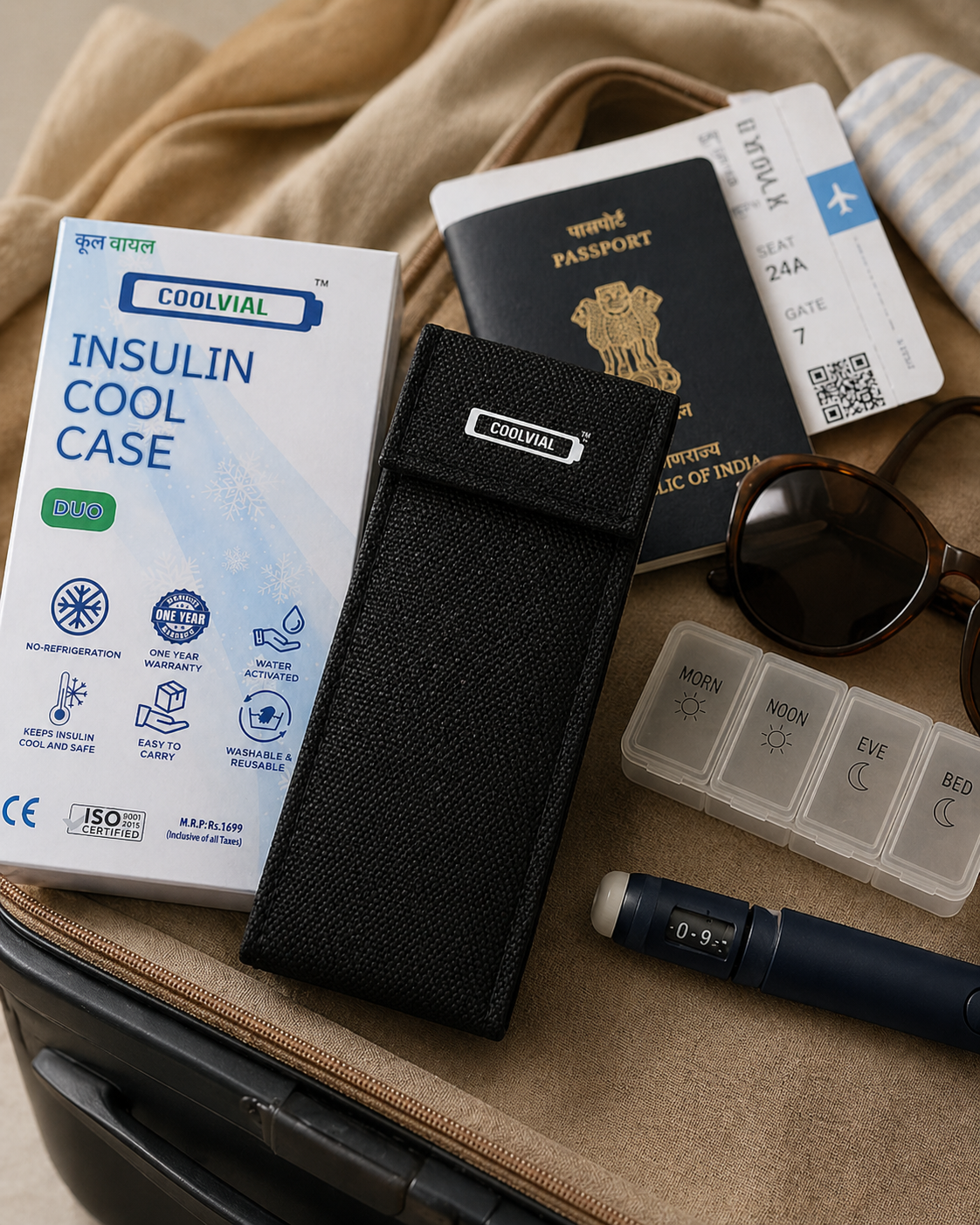
- COOLVIAL Duo: Essential for 12-16 hour cooling without electricity. Ensure it’s ready for activation.
- Extra Insulin Supply: Keep at least a 3-5 day supply of insulin.
- Syringes/Pen Needles: Sufficient quantity for your extra insulin.
- Blood Glucose Meter & Strips: With extra batteries.
- Antiseptic Wipes/Alcohol Swabs: For injection sites.
- Glucagon Emergency Kit: If prescribed, ensure it’s up-to-date.
- Fast-Acting Glucose: Glucose tablets, juice boxes, or hard candies for hypoglycemia.
- Medical ID: Wear a medical alert bracelet/necklace.
- Doctor’s Contact Info: And an emergency contact.
- Prescriptions: Hard copies of your insulin prescriptions.
- Small First-Aid Kit: Basic wound care.
- Storage: Keep this kit in an easily accessible, cool, dry place, away from direct sunlight. Regularly check expiry dates of all medications and supplies.
- Family Communication: Ensure all family members know where the kit is and understand the basic steps for insulin storage during a power cut.
For more comprehensive diabetes management tips relevant to Ranchi, explore our Complete Diabetes Care Guide for Ranchi Residents — 2026 Edition.
Embracing Advanced Solutions: The Rise of Solar Inverters in Ranchi
As Ranchi grows, so does its embrace of sustainable solutions. Solar inverter setups are becoming increasingly popular, especially in the suburbs and independent houses.
- How they work: Solar panels capture sunlight, convert it into electricity, and either feed it into the grid or store it in batteries. During a power cut, the inverter switches to battery power, providing uninterrupted electricity.
- Benefits for Diabetics:
- Reliable Backup: Offers a more consistent and prolonged power backup compared to traditional inverters, often capable of running refrigerators for extended periods.
- Cost-Effective Long Term: Reduces electricity bills and provides energy independence.
- Environmentally Friendly: A sustainable choice for the future.
- Consideration: While the initial investment is higher, the long-term benefits, especially for critical needs like insulin storage, make it a worthwhile consideration for Ranchi residents in independent houses or those building new homes.
Frequently Asked Questions (FAQs)
Q: How long can insulin stay unrefrigerated during a power cut in Ranchi’s climate? A: Unopened insulin should always be refrigerated. Opened insulin can typically be kept at room temperature (below 25-30°C) for up to 28 days, but in Ranchi’s summer, temperatures often exceed this, making evaporative cooling cases or other cold storage essential.
Q: Can I use ice packs directly on insulin pens during a power cut? A: No, direct contact with ice or frozen gel packs can freeze insulin, rendering it ineffective. Always wrap insulin in a cloth or paper towel before placing it near ice packs to maintain a safe, cool temperature without freezing.
Q: What is the best way to store insulin if I live in an old building in Doranda without power backup? A: In an old building in Doranda, your best options are an evaporative cooling case like COOLVIAL Duo, or storing your insulin with a trusted neighbor who has reliable power backup, or at a 24-hour pharmacy or hospital like RIMS.
Q: How often do I need to re-activate my COOLVIAL Duo during a long power cut? A: The COOLVIAL Duo provides 12-16 hours of cooling per activation. For continuous protection during a prolonged power cut, you should re-soak the case in water every 12-16 hours, or as per the product instructions.
Q: Where can I find a 24-hour pharmacy in Ranchi that can store my insulin during an emergency? A: Key 24-hour pharmacies in Ranchi with cold storage facilities typically include major branches of Apollo Pharmacy and MedPlus. Hospital pharmacies, such as the one at RIMS (Rajendra Institute of Medical Sciences), are also reliable options for emergency insulin storage.
Q: Is it safe to use insulin that has been exposed to high temperatures during a power cut? A: If insulin has been exposed to temperatures above its recommended range (e.g., above 30°C for an extended period), its potency may be compromised. It’s crucial to consult your doctor or pharmacist if you suspect your insulin has been damaged. When in doubt, it’s safer to discard and use fresh, properly stored insulin.
Conclusion: Stay Prepared, Stay Safe
Living with diabetes in Ranchi, especially with its unique power challenges, requires a proactive and informed approach to insulin storage. From understanding your local power patterns to investing in reliable cooling solutions like the COOLVIAL Duo, every step you take towards preparedness safeguards your health. Remember, a sudden power cut doesn’t have to be a crisis for your insulin. With the right knowledge and tools, you can navigate these situations confidently.
Order COOLVIAL Duo at Rs 1,099 with code COOLHEAL at coolvial.com or via WhatsApp wa.me/918766952300
Medical Disclaimer
This article is for general information purposes only and does not constitute medical advice. Always consult your endocrinologist or diabetologist before changing insulin storage or dosing practices, or if you have concerns about your insulin’s viability after a power outage.
How We Researched This
This power cut survival guide for Ranchi diabetics was developed based on a comprehensive review of current RSSDI (Research Society for the Study of Diabetes in India) guidelines for insulin storage, data from the ICMR-INDIAB study on diabetes prevalence, local Ranchi hospital directories (RIMS, Medica Hospitals, Brahmananda Narayana Multispeciality), and information on prominent pharmacy networks (Apollo Pharmacy, MedPlus, 1mg, Generic Aadhaar, Frank Ross). We also incorporated insights from local reports on Ranchi’s electricity supply and common outage patterns to provide highly relevant and actionable advice. (Source: RSSDI guidelines, ICMR-INDIAB data, local Ranchi hospital directories, Apollo Pharmacy network, [Verify in 2026] for local power patterns)
The Essential 5-Step Power Cut Survival Guide for Diabetics in Ranchi
48+ hours at 2-8°C. No electricity. CE certified. Free delivery across India.
Order on WhatsApp — ₹1,099🛒 Buy Now — ₹1,099