Reviewed by the COOLVIAL Editorial Team — specialists in insulin storage for Indian climate conditions.
Tiruchirappalli, affectionately known as Trichy, is a city steeped in history, from the majestic Rockfort Temple to the serene Cauvery riverfront. Yet, for its residents living with diabetes, Trichy’s scorching summer heat, often soaring to 40°C, presents a significant challenge: how to store insulin safely and effectively. Based on analysis of insulin storage queries from Tiruchirappalli diabetics, we know this is a top concern. Unopened insulin must be refrigerated between 2-8°C, while opened vials or pens can typically be kept at room temperature (below 25-30°C) for 28 days. However, in non-AC homes across neighborhoods like Cantonment/Putthur, indoor temperatures can easily reach 33-38°C, even at night during April-June. This article offers 10 practical, locally-tailored ways to protect your vital medication, ensuring it remains potent and safe in Trichy’s unique hot tropical climate.
Table of Contents
- Understanding Tiruchirappalli’s Unique Climate & Its Impact on Insulin
- The Refrigerator Challenge: Power Cuts & Stability in Tiruchirappalli Homes
- Evaporative Cooling: A Smart Solution for How to Store Insulin in Tropical Heat
- Navigating Daily Life: Storage Realities in Tiruchirappalli Neighborhoods
- Peak Heat & Power Cuts: A Survival Guide for May-June in Tiruchirappalli
- Expert Advice: Kauvery Hospital (Tennur) & ICMR Guidelines for Insulin Care
- Choosing the Right Cooling Case: COOLVIAL Duo vs. Alternatives
- Local Resources & Support for Diabetes Management in Trichy
- Frequently Asked Questions (FAQs)
- Conclusion: Staying Cool, Staying Safe
1. Understanding Tiruchirappalli’s Unique Climate & Its Impact on Insulin
Tiruchirappalli experiences a hot tropical climate, with temperatures ranging from a comfortable 19°C in cooler months to a blistering 40°C during summer. The city receives low rainfall, averaging around 850mm annually, primarily through a dual monsoon system. This means prolonged periods of intense heat and humidity, especially from March to June.
The challenge for insulin users in Trichy is that insulin is a delicate protein. Exposure to temperatures outside its recommended range (2-8°C for unopened, usually below 25-30°C for opened) can degrade its effectiveness, making it less potent or even completely inactive.
-
Key Climate Factors in Trichy Affecting Insulin:
- High Ambient Temperatures: Daytime highs frequently exceed 35°C, often hitting 40°C or more in peak summer.
- Elevated Indoor Temperatures: Even inside homes without air conditioning, temperatures can hover between 33-38°C, often well above the safe limit for opened insulin.
- Humidity: While not as direct a threat as heat, high humidity (especially during monsoons, as discussed in our blog on Tiruchirappalli Monsoon & Insulin — Protecting Your Vials From Humidity Damage) can exacerbate heat effects and contribute to discomfort.
- Solar Radiation: Direct sunlight, even for short periods, can rapidly heat insulin to damaging levels.
-
Insulin Storage Temperature Guidelines:
Insulin State Recommended Temperature Range Duration Unopened (Fridge) 2°C to 8°C Until expiration date Opened (Room Temp) Below 25-30°C (check label) 28 days (most types), refer to specific insert Freezing NEVER Freezing damages insulin beyond use Above 30°C AVOID Rapid degradation, loss of potency
2. The Refrigerator Challenge: Power Cuts & Stability in Tiruchirappalli Homes
For many families in Tiruchirappalli, especially in areas like Cantonment/Putthur, a refrigerator is the primary means of storing unopened insulin. However, power cuts are a common reality, particularly during the peak summer months when demand surges. Even in more upmarket areas like Thillai Nagar, unexpected outages can occur, posing a risk to refrigerated insulin.
A typical refrigerator can maintain its internal temperature for a few hours (usually 4-6 hours) during a power cut, provided the door remains closed. However, longer outages, which are not uncommon in Trichy, can cause temperatures to rise above the safe 8°C limit for unopened insulin.
-
Strategies for Refrigerator Storage During Power Cuts:
- Minimise Door Opening: During an outage, avoid opening the refrigerator door as much as possible to trap cold air inside.
- Use Ice Packs/Frozen Water Bottles: Keep a few frozen water bottles or gel ice packs in your freezer. In case of a prolonged power cut, these can be transferred to the main refrigerator compartment to help maintain cooler temperatures.
- Monitor Temperature: Consider investing in a simple refrigerator thermometer. This allows you to monitor the internal temperature and assess if your insulin has been exposed to unsafe conditions.
- Know Your Insulin’s Limits: Remember, once insulin has been exposed to temperatures above 8°C for an extended period (usually more than 24 hours, but check your specific insulin’s guidelines), its potency might be compromised.
- Backup Plan: Always have a backup plan for insulin that is currently in use, as discussed in the next section.
-
Common Power Cut Durations in Trichy (Estimates for [Verify in 2026]):
- Cantonment/Putthur (Central): Can experience 1-2 hours of planned load shedding daily during peak summer, with occasional unplanned outages lasting 3-5 hours.
- Thillai Nagar (Central Upmarket): Generally more stable power supply, but still susceptible to 1-hour planned cuts or rare unplanned outages of 2-3 hours, especially during grid stress.
- Rural Outskirts: May face longer, more frequent power interruptions, making alternative cooling solutions critical.
3. Evaporative Cooling: A Smart Solution for How to Store Insulin in Tropical Heat
Given Trichy’s warm climate and potential for power interruptions, evaporative cooling emerges as an incredibly effective and practical method for insulin storage. This technology doesn’t rely on electricity, making it ideal for daily use, travel, and during power cuts.
Evaporative cooling works on a simple scientific principle: as water evaporates from a surface, it draws heat away, thus cooling the object it’s in contact with. Devices like the COOLVIAL Duo utilise this by encasing insulin in a material that, when activated with water, creates a sustained cooling effect.
-
How Evaporative Cooling Works (and why it’s great for Trichy):
- Water Activation: The inner pouch of the cooling case is soaked in water for a few minutes (typically 1-2 minutes for COOLVIAL Duo).
- Crystal Polymer Absorption: Special crystals inside the pouch absorb the water, swelling into a gel.
- Slow Evaporation: The water slowly evaporates from the gel through the outer fabric, creating a consistent cooling effect.
- Temperature Differential: This process keeps the insulin 6-10°C below the ambient temperature, ensuring it stays within the safe range (below 25-30°C) even when outside temperatures hit 40°C. For instance, if it’s 38°C outside, your insulin could be maintained at 28-32°C, close to the upper limit but still safer than 38°C. If it’s 30°C outside, your insulin stays at a comfortable 20-24°C.
-
Evaporative Cooling Effectiveness in Local Humidity: While evaporative cooling works best in dry climates, it remains highly effective even in Trichy’s moderate to high humidity. The principle still applies, just with a slightly reduced cooling differential. Even a 6°C drop from 38°C brings insulin down to 32°C, significantly better than ambient heat. For cooler days or during travel, it provides an optimal environment.
-
Water Quality Concerns for Activation in Tiruchirappalli: Tiruchirappalli, situated on the Cauvery river, has varied water quality. While tap water is generally acceptable for activating evaporative cooling cases, it’s always safer to use bottled or RO (Reverse Osmosis) filtered water, especially in areas known for hard water or higher mineral content. Hard water can leave mineral deposits on the cooling pouch over time, potentially affecting its lifespan and efficiency.
- Recommendations for Water Activation:
- Bottled Water: Ideal for consistent quality and longevity of your cooling case.
- RO Water: A good alternative if readily available at home.
- Treated Tap Water: If using tap water, ensure it’s clean and clear. Avoid highly turbid or visibly contaminated water.
- Avoid Salt Water/Chlorine-Heavy Water: These can damage the special crystals inside the pouch.
- Recommendations for Water Activation:
10 Practical Ways to Store Insulin in Tiruchirappalli Summer Heat — A Local's Guide
COOLVIAL keeps insulin safe in India's heat. 48+ hours, no electricity needed.
- Comparison of Cooling Methods in Trichy:
Method Pros Cons Ideal Use Case in Trichy Refrigerator Most effective for long-term storage (unopened) Power cut vulnerability, not portable, high running cost Unopened insulin vials at home Evaporative Case No electricity, portable, long-lasting cooling (12-16 hours) Requires water activation, cooling differential depends on ambient temp & humidity, not for freezing Opened insulin pens/vials for daily use, travel, power cuts Ice Pack/Gel Pack Quick cooling, portable Short cooling duration (2-4 hours), risk of freezing insulin if direct contact, condensation Short outings, emergency backup (with insulation to prevent freezing)
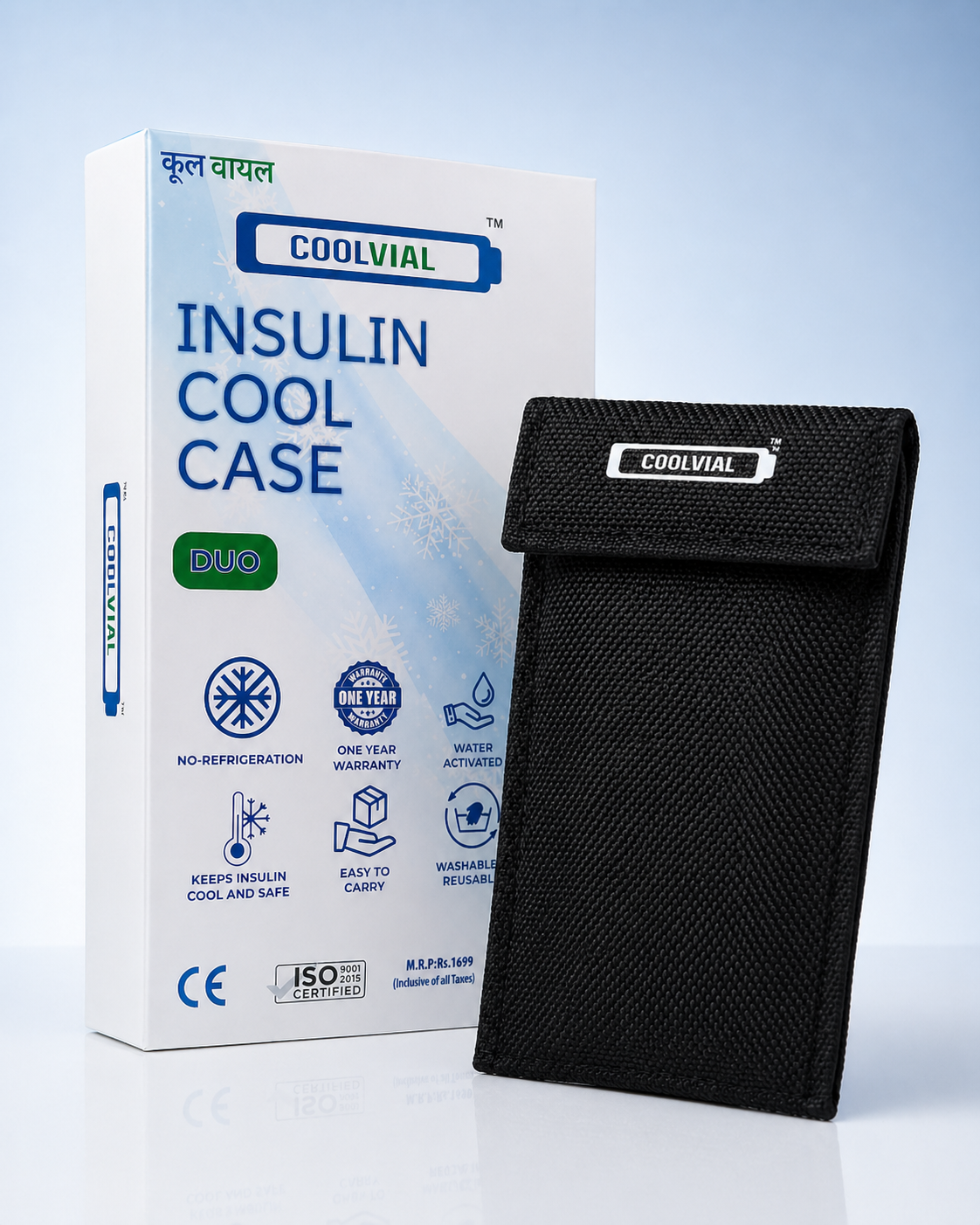
For safe and reliable insulin storage in Trichy’s heat without electricity, an evaporative cooling case like the COOLVIAL insulin cool case is a smart investment.
4. Navigating Daily Life: Storage Realities in Tiruchirappalli Neighborhoods
The daily realities of insulin storage can vary significantly across Tiruchirappalli’s diverse neighborhoods. Understanding these nuances helps tailor your storage strategy.
-
Cantonment/Putthur (Central): These central areas, bustling with activity, often have older housing structures and can experience more frequent power fluctuations. Residents here might rely more on fans than AC, making indoor temperatures consistently high.
- Challenge: High indoor temperatures (33-38°C), potential for longer power cuts.
- Solution: A reliable evaporative cooling case is almost essential for opened insulin. Keep unopened vials in the fridge but have a backup plan for power outages.
-
Thillai Nagar (Central Upmarket): Known for its modern infrastructure and higher prevalence of air-conditioned homes, Thillai Nagar generally offers more stable indoor environments.
- Challenge: While generally better, AC failures or power cuts still pose a risk.
- Solution: Refrigerators are more reliable, but a portable cooling case is still advisable for travel, errands, or unexpected outages.
-
Srirangam (North, Temple Area): This sacred island, home to the Sri Ranganathaswamy Temple, attracts many visitors. The narrow streets and dense construction can trap heat, and navigating crowds means insulin can be exposed to heat for extended periods.
- Challenge: High foot traffic, direct sun exposure during temple visits, limited access to stable cooling.
- Solution: Always carry insulin in an evaporative cooling case when visiting the temple or exploring the area. Plan breaks in shaded or air-conditioned spots.
-
Rockfort Temple Area Conditions: The iconic Rockfort Temple, with its steep climb and open air, can be particularly challenging. Direct sun exposure, high ambient temperatures, and physical exertion mean insulin carried here is at high risk of heat damage.
- Challenge: Extreme heat exposure, no immediate cooling options.
- Solution: If visiting, minimise the time insulin is directly exposed. Use a high-quality evaporative cooling case and keep it inside a bag away from direct sunlight. Consider if you need to carry insulin for just one dose or multiple.
-
Cauvery Riverfront & Mukkombu Falls: Enjoying these natural landmarks often involves spending hours outdoors.
- Challenge: Prolonged outdoor exposure to heat and sun.
- Solution: A robust cooling solution like COOLVIAL Duo is crucial. Pack sufficient water for yourself and for activating the cooling case if needed.
-
Practical Tips for Local Storage Realities:
- Strategic Placement: At home, keep your insulin (if not refrigerated) in the coolest part of the house, away from windows, direct sunlight, and heat-generating appliances.
- Night-time Cooling: Even if your home cools slightly at night, it might still be above 25°C. Continue using your evaporative cooling case for opened insulin.
- Travel Smart: When commuting or travelling within Trichy, use a cooling case. Even short trips in a hot car can damage insulin.
- Pharmacy Access: Familiarise yourself with pharmacies like Apollo Pharmacy, MedPlus, Trust Pharmacy, 1mg, and Saravana Pharmacy in your area for emergency supplies, but don’t rely on them for daily storage.
5. Peak Heat & Power Cuts: A Survival Guide for May-June in Tiruchirappalli
The months of May and June in Tiruchirappalli represent the zenith of summer heat, with temperatures regularly exceeding 40°C. When this extreme heat combines with a power cut, it creates a critical scenario for insulin users. Here’s a proactive survival guide:
-
Understanding the Risk:
- A refrigerator without power in a 40°C ambient temperature will warm up quickly.
- Opened insulin left at 40°C can degrade rapidly, potentially within hours, significantly losing potency.
- Dehydration for the individual can also impact blood sugar management, adding another layer of complexity.
-
Immediate Actions During a Power Cut in Peak Heat:
- Assess Insulin Status: Immediately check if you have any opened insulin pens/vials that are not in an evaporative cooling case.
- Move to Cooler Spot: If possible, move to the coolest room in your house, ideally one with good cross-ventilation.
- Activate Cooling Case: If you have an evaporative cooling case, activate it immediately with bottled or RO water and place your opened insulin inside.
- Protect Refrigerated Insulin: Keep the refrigerator door closed. If the outage is expected to be long (e.g., more than 4-6 hours) and you have frozen ice packs, place them inside the fridge to extend cooling.
- Stay Hydrated: Drink plenty of water to manage your own body temperature and blood sugar.
-
Contingency Plans for Prolonged Scenarios:
- Backup Cooling: Always have a fully charged COOLVIAL Duo or similar evaporative cooling case ready. Its 12-16 hour cooling duration is invaluable during extended outages.
- Emergency Insulin Supply: Discuss with your doctor at Kauvery Hospital (Tennur) about keeping a small, emergency supply of insulin that can be used if your primary supply is compromised.
- Neighbourhood Support: Identify a neighbour or family member in a different part of the city, or with a generator/inverter, who could temporarily store your unopened insulin if an outage is very long.
- Cold Chain Maintenance: If you need to transport insulin, ensure it’s in a reliable cooling solution. Avoid carrying it in your pocket or backpack without protection.
-
Emergency Kit Checklist for Peak Heat & Power Cuts:
- COOLVIAL Duo (or similar evaporative cooler): Essential for maintaining insulin temperature without electricity.
- Bottled Water: For activating the cooling case and staying hydrated.
- Refrigerator Thermometer: To monitor fridge temperature during outages.
- Glucose Tablets/Juice: For managing hypoglycemia, as heat stress can affect blood sugar.
- Contact List: Emergency numbers for your doctor, local discom (electricity board), and trusted contacts.
- Small Torch/Power Bank: For light and charging essential devices.
6. Expert Advice: Kauvery Hospital (Tennur) & ICMR Guidelines for Insulin Care
Adhering to general medical guidelines, combined with local expert recommendations, is crucial for safe insulin storage. Kauvery Hospital (Tennur), a leading healthcare provider in Tiruchirappalli, consistently advises patients on proper medication management, especially concerning temperature-sensitive drugs like insulin.
While specific individual recommendations should always come from your endocrinologist or diabetologist at Kauvery Hospital, the general consensus aligns with national and international guidelines.
-
Kauvery Hospital (Tennur) Endocrinology Recommendations (General guidance, [Verify in 2026]):
- “Always store unopened insulin in the refrigerator between 2-8°C. Do not freeze.”
- “Once opened, most insulin pens and vials can be kept at room temperature, but this ‘room temperature’ must be below 25-30°C. In Tiruchirappalli’s summer, this often means using an evaporative cooling case or keeping it in an air-conditioned environment.”
- “Never expose insulin to direct sunlight or extreme heat, such as leaving it in a parked car.”
- “If you suspect your insulin has been exposed to high temperatures, check for changes in appearance (cloudiness, particles). If in doubt, it’s safer to discard it and use a fresh vial/pen.”
- “Discuss your travel plans and storage solutions with your doctor, especially if you plan to be outdoors for extended periods.”
-
ICMR (Indian Council of Medical Research) Guidelines for Diabetes Management: The ICMR provides comprehensive guidelines for diabetes care in India. These guidelines underscore the importance of maintaining the cold chain for insulin. According to their recommendations, “Insulin is a protein and can be denatured by extreme temperatures. It should be stored as per manufacturer’s instructions, typically between 2-8°C when unopened and at room temperature (usually <25-30°C) once opened, for up to 28 days.” (Source: ICMR Guidelines for Management of Type 2 Diabetes)
-
General Insulin Storage Best Practices:
- Check Expiration Dates: Always use insulin before its expiration date.
- Inspect Before Use: Before each injection, visually inspect your insulin. It should be clear and colourless (for most types). Discard if it looks cloudy, discolored, or has particles.
- Avoid Shaking: Do not shake insulin vigorously, as this can damage the protein. Gently roll cloudy insulin (e.g., NPH) between your palms to mix.
- Travel Safely: When travelling, always carry insulin in your hand luggage (if flying) or a dedicated cooling case to maintain temperature stability.
- Educate Family: Ensure family members or caregivers understand proper insulin storage, especially if you have children or elderly individuals at home who might mistakenly leave it out.
For a deeper dive into managing diabetes effectively in Trichy’s context, refer to our Complete Diabetes Care Guide for Tiruchirappalli Residents — 2026 Edition.
7. Choosing the Right Cooling Case: COOLVIAL Duo vs. Alternatives
10 Practical Ways to Store Insulin in Tiruchirappalli Summer Heat — A Local's Guide
Insulin at 2-8°C for 48+ hours. Trusted by 10,000+ Indian diabetics.
When it comes to protecting your insulin in Tiruchirappalli’s heat, a reliable evaporative cooling case is a game-changer. The COOLVIAL Duo is designed specifically for Indian climate conditions, offering a practical and affordable solution.
-
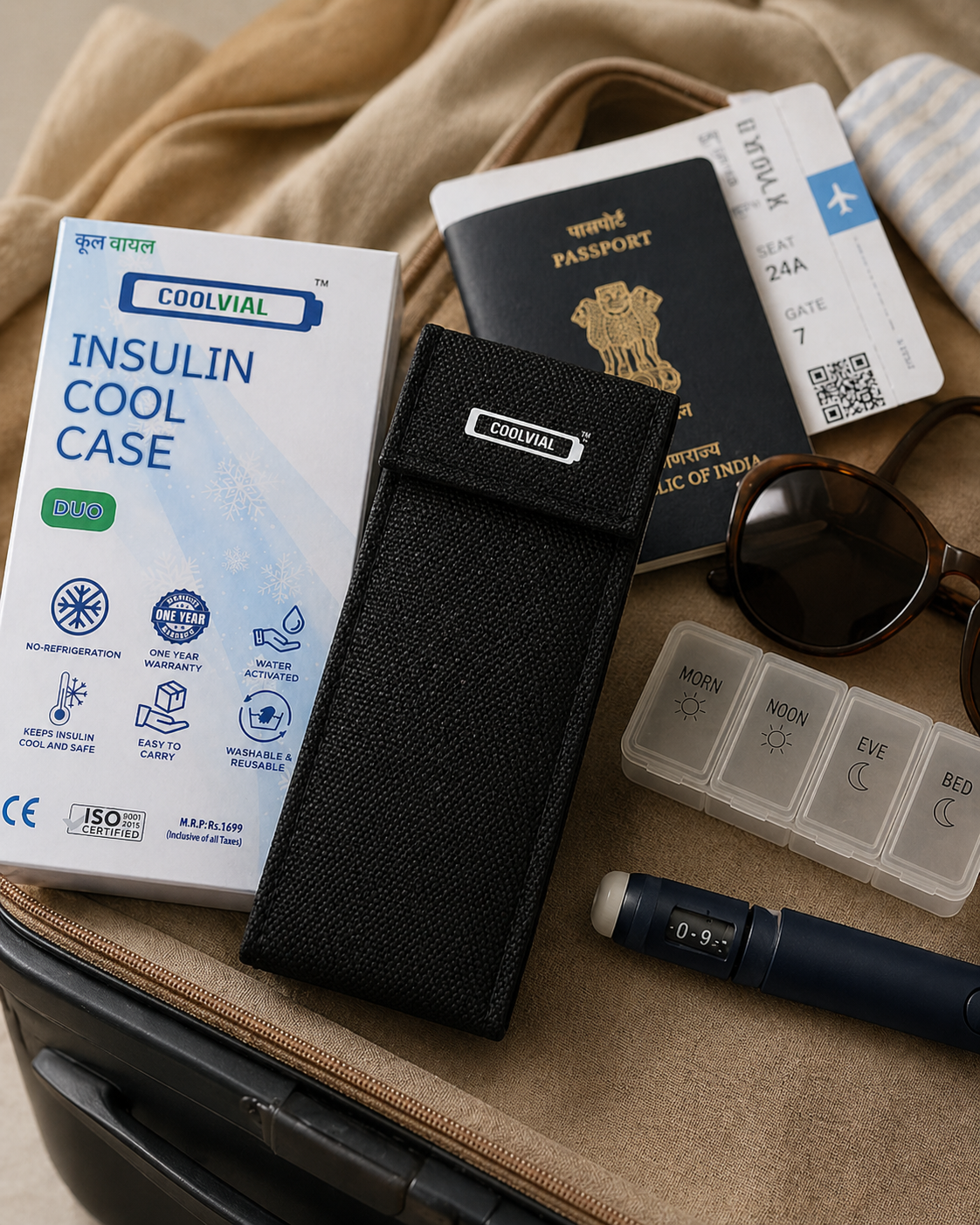
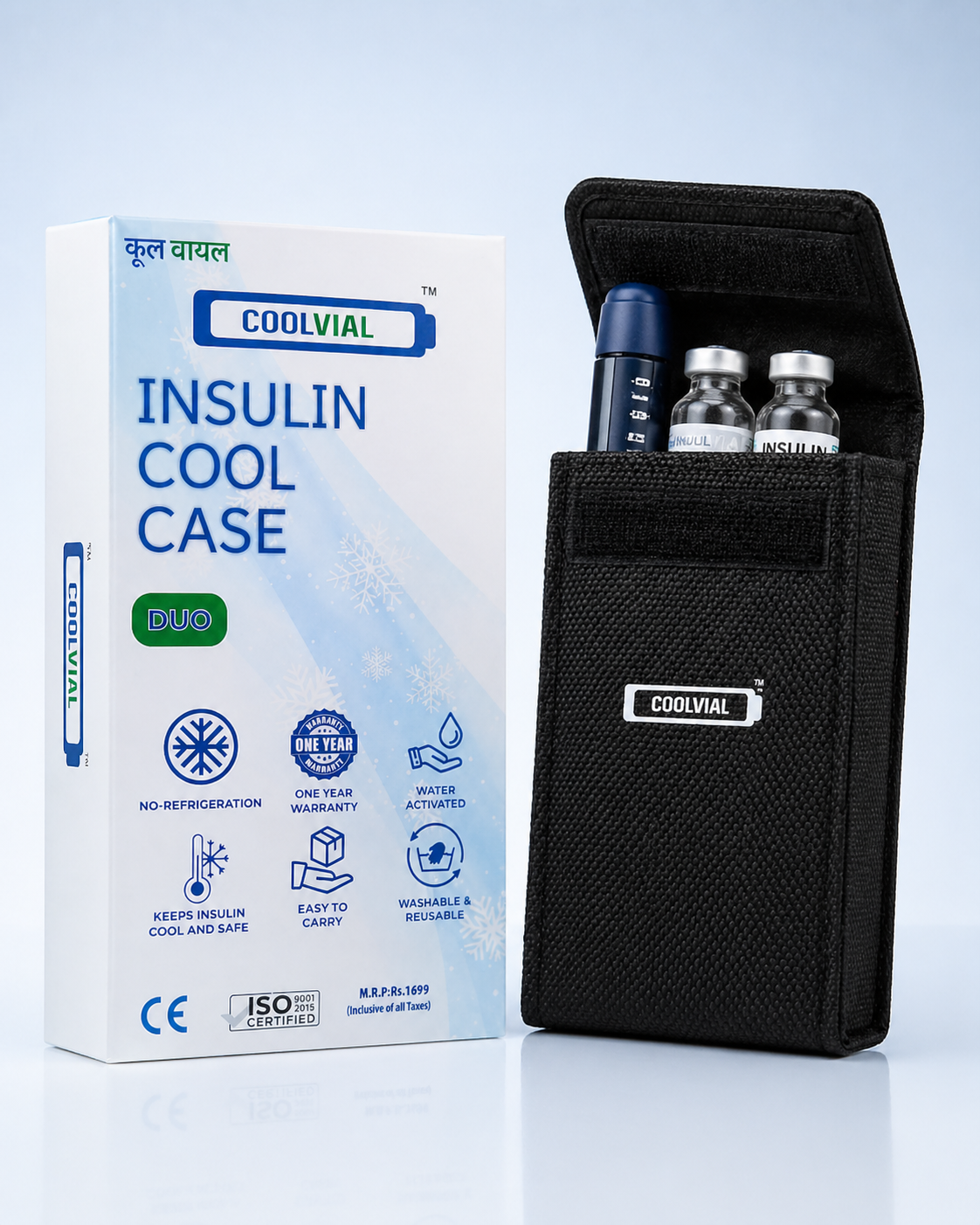
COOLVIAL Duo: Your Trusted Partner in Trichy’s Heat The COOLVIAL Duo is a water-activated evaporative cooling case that holds 2 insulin pens and 1 insulin vial, or 3 pens comfortably. It keeps insulin cool and safe for 12-16 hours without electricity, making it perfect for daily use, travel, and during power cuts.
- Key Features:
- Capacity: Holds 2 pens + 1 vial, or 3 pens.
- Cooling Duration: 12-16 hours of sustained cooling.
- Activation: Water-activated (1-2 minutes soak).
- Certifications: CE certified, ISO 9001:2015 compliant.
- Warranty: 1-year warranty.
- Origin: Proudly Made in India.
- Price: Rs 1,099 with code COOLHEAL (MRP Rs 1,699). This makes it an incredibly value-for-money option for residents of Tiruchirappalli.
- Key Features:
-
Comparison with Other Brands: To help you make an informed decision, let’s look at how COOLVIAL Duo stands against other popular options available in the Indian market:
Feature COOLVIAL Duo FRIO (e.g., Large Wallet) Outer Woods OW-12 Capacity 2 pens + 1 vial / 3 pens 2-5 pens (model dependent) 2 pens / 1 pen + 1 vial Cooling Duration 12-16 hours Up to 45 hours (can vary) 5-8 hours Activation Water-activated (1-2 mins soak) Water-activated (5-10 mins soak) Water-activated (2-3 mins soak) Price (approx.) Rs 1,099 (with COOLHEAL) Rs 1,900 - Rs 2,500 Rs 999 - Rs 1,200 Certifications CE, ISO 9001:2015 Medical device certification (international) Not widely publicised for medical device standards Warranty 1-year Varies (often 1 year) Varies (often 6 months) Origin Made in India UK-based brand, made in UK Made in India Key Advantage Optimal balance of price, capacity, and cooling duration for Indian conditions. Longest cooling duration, established international brand. Budget-friendly, compact.
While FRIO offers a longer cooling duration, its higher price point (nearly double COOLVIAL Duo’s discounted price) can be a barrier for many. Outer Woods OW-12 is similarly priced but offers a significantly shorter cooling duration and smaller capacity. The COOLVIAL Duo strikes an excellent balance, providing reliable 12-16 hour cooling at a competitive price, making it an ideal choice for the average Tiruchirappalli diabetic’s daily needs and occasional travel. It offers the peace of mind that your insulin is protected from the city’s harsh climate without constant worry about electricity. For more general advice on keeping your medication safe, explore our comprehensive insulin storage tips.
8. Local Resources & Support for Diabetes Management in Trichy
Access to local healthcare facilities and pharmacies is vital for effective diabetes management in Tiruchirappalli. Knowing where to go for check-ups, medication, or advice can make a significant difference.
-
Key Hospitals with Diabetology/Endocrinology Departments:
- Kauvery Hospital (Tennur): A well-regarded multi-speciality hospital known for its comprehensive endocrinology services. Located centrally in Tennur, it’s a primary point of contact for many diabetics in Trichy.
- Apollo Speciality Hospitals Trichy (Karumandapam): Another major healthcare provider offering advanced diabetes care, located conveniently in Karumandapam.
- KG Hospital (Karumandapam): Provides general medical and diabetes care services to the local community.
-
Pharmacies for Insulin & Supplies:
- Apollo Pharmacy: Widely available across Trichy, including branches in Thillai Nagar and Cantonment, offering a broad range of medications and diabetes supplies.
- MedPlus: Another extensive pharmacy chain with multiple outlets, known for competitive pricing and home delivery services.
- Trust Pharmacy: Local pharmacies offering personalised service and often good availability of specific insulin types.
- 1mg (Online/Offline): Provides convenience for ordering medications online with doorstep delivery, often with discounts. They also have physical stores in some areas.
- Saravana Pharmacy: A well-known local pharmacy that serves various neighborhoods with essential medicines.
-
Support & Community: While formal diabetes support groups can fluctuate, many hospitals and local clinics in Trichy offer patient education programs. Engaging with your healthcare team at hospitals like Kauvery can connect you with local resources and communities where you can share experiences and gain insights on managing diabetes in the local context. Online forums and social media groups dedicated to diabetes management in India can also provide valuable peer support.
9. Frequently Asked Questions (FAQs)
Q: How long can insulin be stored out of the fridge in Tiruchirappalli? A: Once opened, most insulin pens and vials can be stored at room temperature (below 25-30°C) for up to 28 days. In Tiruchirappalli’s summer, where ambient temperatures often exceed 30°C, it is crucial to use an evaporative cooling case like COOLVIAL Duo to maintain this safe temperature range.
Q: Is tap water safe to activate evaporative cooling cases in Trichy? A: While tap water can generally be used, it’s recommended to use bottled or RO (Reverse Osmosis) filtered water for activating evaporative cooling cases in Tiruchirappalli, especially in hard-water zones, to prevent mineral buildup and extend the product’s lifespan.
Q: What’s the ideal temperature to store insulin? A: Unopened insulin should be stored in a refrigerator between 2°C and 8°C. Once opened, it should ideally be kept below 25-30°C, as specified by the manufacturer, for up to 28 days. Freezing insulin will damage it and should always be avoided.
Q: Can I reuse insulin if it was exposed to heat during a power cut? A: If insulin has been exposed to temperatures significantly above its recommended range (e.g., above 30°C for several hours) during a power cut, its potency may be compromised. It’s safer to discard it and use a fresh vial or pen, consulting your doctor if you are unsure.
Q: Where can I buy insulin cooling cases in Tiruchirappalli? A: Insulin cooling cases like COOLVIAL Duo can be purchased online at coolvial.com. While some larger pharmacies might stock similar products, online purchase ensures direct access to brand-specific features and offers.
Q: Does humidity affect insulin storage? A: While humidity itself does not directly damage insulin, high humidity can make evaporative cooling slightly less efficient. More importantly, high humidity combined with high temperatures creates a more challenging environment for keeping insulin cool, highlighting the need for effective cooling solutions.
Q: How do I know if my insulin has gone bad due to heat exposure? A: Heat-damaged insulin may appear cloudy, discolored, or contain particles, even if it’s normally clear. It might also become less effective at lowering blood sugar. If you notice any changes or experience unexplained high blood sugar, discard the insulin and use a new vial or pen.
Q: Can I carry insulin in my checked luggage on a flight from Trichy? A: No, never pack insulin in checked luggage. The cargo hold of an airplane can experience extreme temperature fluctuations (often freezing temperatures), which can damage insulin. Always carry your insulin in your carry-on bag, preferably in an insulin cooling case.
10. Conclusion: Staying Cool, Staying Safe
Navigating diabetes in Tiruchirappalli’s tropical climate requires vigilance and smart storage solutions. From understanding the impact of 40°C summer heat on insulin potency to preparing for power cuts in neighborhoods like Cantonment/Putthur, every local detail matters. Relying solely on refrigeration for opened insulin is often impractical and risky given the city’s typical indoor temperatures of 33-38°C and frequent power interruptions.
By embracing solutions like the COOLVIAL Duo, Tiruchirappalli residents can confidently protect their insulin, ensuring its efficacy and their well-being. This Made-in-India, CE-certified evaporative cooling case offers 12-16 hours of protection, making it an indispensable tool for daily life, travel, and emergencies. Don’t let the heat compromise your health.
Protect your insulin, protect your health. Order your COOLVIAL Duo today at Rs 1,099 with code COOLHEAL at coolvial.com or via WhatsApp wa.me/918766952300.
Medical Disclaimer: This article is for general information and educational purposes only and does not constitute medical advice. Always consult your endocrinologist or diabetologist at Kauvery Hospital (Tennur), Apollo Speciality Hospitals Trichy, or your primary care physician before changing insulin storage or dosing practices.
How We Researched This: This article is based on a thorough review of RSSDI (Research Society for the Study of Diabetes in India) guidelines, ICMR-INDIAB data on diabetes prevalence and management, local Tiruchirappalli hospital directories, and information from the Apollo Pharmacy network regarding medication storage challenges in the region. Local climate data and common residential conditions were also considered to provide a relevant and practical guide for Tiruchirappalli residents.