
Reviewed by the COOLVIAL Editorial Team — specialists in insulin storage for Indian climate conditions.
The majestic Rockfort Temple stands tall, overseeing the vibrant city of Tiruchirappalli, a city blessed by the perennial Cauvery river. However, when the monsoon arrives, this beauty also brings with it significant challenges, especially for those managing diabetes. For residents of Tiruchirappalli, protecting insulin during the monsoon is not just about keeping it cool; it’s crucially about shielding it from the pervasive humidity that can compromise its efficacy and even lead to mould. With over 10% of India’s population living with diabetes (Source: ICMR-INDIAB, 2015-20), understanding how to properly store this life-saving medication during the wet season is paramount.
Based on analysis of insulin storage queries from Tiruchirappalli diabetics, this guide offers 10 essential tips to navigate the unique climatic challenges of the Tiruchirappalli monsoon. The city experiences a hot tropical climate, with temperatures ranging from 19-40°C and an average annual rainfall of around 850mm, spread across a dual monsoon pattern. This means prolonged periods of high humidity, even when rainfall isn’t torrential. This article will equip you with practical strategies to protect your insulin vials and pens from humidity damage, mould, and the logistical hurdles the monsoon can create.
Table of Contents
- Tiruchirappalli’s Monsoon Climate & Insulin Vulnerabilities
- The Silent Threat: Humidity Damage to Insulin Pens and Packaging
- Mould Risk in Tiruchirappalli Homes: Apartments vs. Ground Floor
- Navigating Flooding and Waterlogging in Tiruchirappalli’s Monsoon Hotspots
- Transport Disruptions and Pharmacy Access Challenges
- The Hidden Danger: Humid Fridge Air Contamination
- Practical Solutions for Monsoon Insulin Protection in Tiruchirappalli
- Monsoon Preparedness Checklist for Diabetics in Tiruchirappalli
- Emergency Insulin Sourcing in Tiruchirappalli
- Frequently Asked Questions (FAQs)
- Conclusion
1. Tiruchirappalli’s Monsoon Climate & Insulin Vulnerabilities
Tiruchirappalli, nestled on the banks of the Cauvery, experiences a distinctive dual monsoon system. The Northeast Monsoon (October to December) brings the majority of the city’s annual rainfall, while the Southwest Monsoon (June to September) contributes less directly but still raises humidity levels significantly. Even during periods of lower rainfall, the air remains heavy with moisture, often exceeding 80-90% relative humidity. This persistent dampness, combined with ambient temperatures that rarely dip below 25°C even in the monsoon, creates an ideal environment for insulin degradation if not stored correctly.
Insulin, a protein, is highly sensitive to both temperature extremes and humidity. Exposure to high humidity can accelerate the breakdown of its molecular structure, reducing its potency and effectiveness.
- Key Climatic Factors in Tiruchirappalli Monsoon:
- Hot Tropical Temperatures: Average temperatures during monsoon can range from 25°C to 35°C, demanding constant cooling solutions.
- High Relative Humidity: Frequently above 80%, this is the primary threat to insulin packaging and even the medication itself.
- Dual Monsoon Pattern: While the Northeast Monsoon is heavier, both seasons contribute to prolonged periods of dampness.
- Cauvery River Proximity: Increases local humidity and can contribute to waterlogging risks during heavy rains.
You might have already learned about managing insulin in the summer heat. For a comprehensive guide on year-round diabetes care, consider reading our article: Complete Diabetes Care Guide for Tiruchirappalli Residents — 2026 Edition.
2. The Silent Threat: Humidity Damage to Insulin Pens and Packaging
The subtle damage caused by humidity often goes unnoticed until it’s too late. While direct water exposure is an obvious threat, the insidious creep of moisture in the air can gradually degrade insulin pens and their packaging.
- How Humidity Harms Insulin and Its Packaging:
- Cardboard Packaging Deterioration:
- Weakening: Cardboard boxes, especially for insulin vials and pens, absorb moisture, become soggy, and lose structural integrity. This makes them prone to tearing and crushing.
- Labelling Issues: Labels can peel, blur, or become unreadable, making it difficult to identify insulin types or expiry dates.
- Insulin Pen Mechanism Corrosion:
- Metal Components: The delicate metal springs and gears within reusable insulin pens can corrode over time due to persistent humidity, leading to dose inaccuracies or complete mechanical failure.
- Rubber Seals: Rubber plungers and seals can swell or degrade, affecting the pen’s ability to deliver insulin smoothly and accurately.
- Direct Insulin Contamination (Rare but Possible):
- While vials and pens are sealed, prolonged exposure to extreme humidity combined with temperature fluctuations can theoretically compromise seals, leading to moisture ingress and reduced potency.
- Even without direct contamination, the heat and humidity together accelerate insulin degradation, making it less effective.
- Cardboard Packaging Deterioration:
It’s crucial to understand that even if your insulin looks fine, its potency could be compromised. This is why proactive protection is essential, especially during the Tiruchirappalli monsoon.
3. Mould Risk in Tiruchirappalli Homes: Apartments vs. Ground Floor
The high humidity and warm temperatures of Tiruchirappalli create a perfect breeding ground for mould, particularly during the monsoon. This isn’t just an aesthetic problem; mould spores can pose health risks and directly threaten your insulin supply.
-
Mould Hotspots in Tiruchirappalli Homes:
- Ground-Floor Homes: These are significantly more susceptible to mould growth. Proximity to damp soil, poor ventilation, and potential water seepage from the ground or walls make them high-risk zones. Residents in areas like Cantonment/Putthur or Srirangam, particularly in older, ground-level constructions, should be extra vigilant.
- Apartments: While generally better protected from ground moisture, apartments in Thillai Nagar or Karumandapam can still suffer from mould, especially in poorly ventilated bathrooms, kitchens, and wardrobes. Condensation on walls, especially those facing the outside, also contributes.
- Common Mould Growth Areas:
- Behind furniture pushed against exterior walls.
- Inside closed cupboards and wardrobes.
- Under sinks and in damp corners.
- On books, clothes, and cardboard boxes—including insulin packaging.
-
Preventing Mould Damage to Insulin:
- Elevate Storage: Never store insulin boxes directly on the floor, especially on ground floors. Use shelves or elevated platforms.
- Airtight Containers: Store your insulin pens and vials (still in their original packaging) inside airtight plastic containers. Brands like Tupperware, Cello, or Borosil are widely available in Tiruchirappalli at stores like Saravana Pharmacy or even local supermarkets.
- Silica Gel Packs: Place several silica gel packets inside your airtight containers with the insulin. These desiccants absorb moisture effectively. You can easily find silica gel sachets at general stores, stationery shops, or online retailers like 1mg in Tiruchirappalli. Many electronic stores also sell larger reusable dehumidifier packets.
- Ventilation: Ensure good airflow in your home. Open windows and use exhaust fans whenever possible, especially in kitchens and bathrooms.
- Dehumidifiers: For severe humidity, consider investing in a small room dehumidifier, especially for the room where you store your medical supplies.
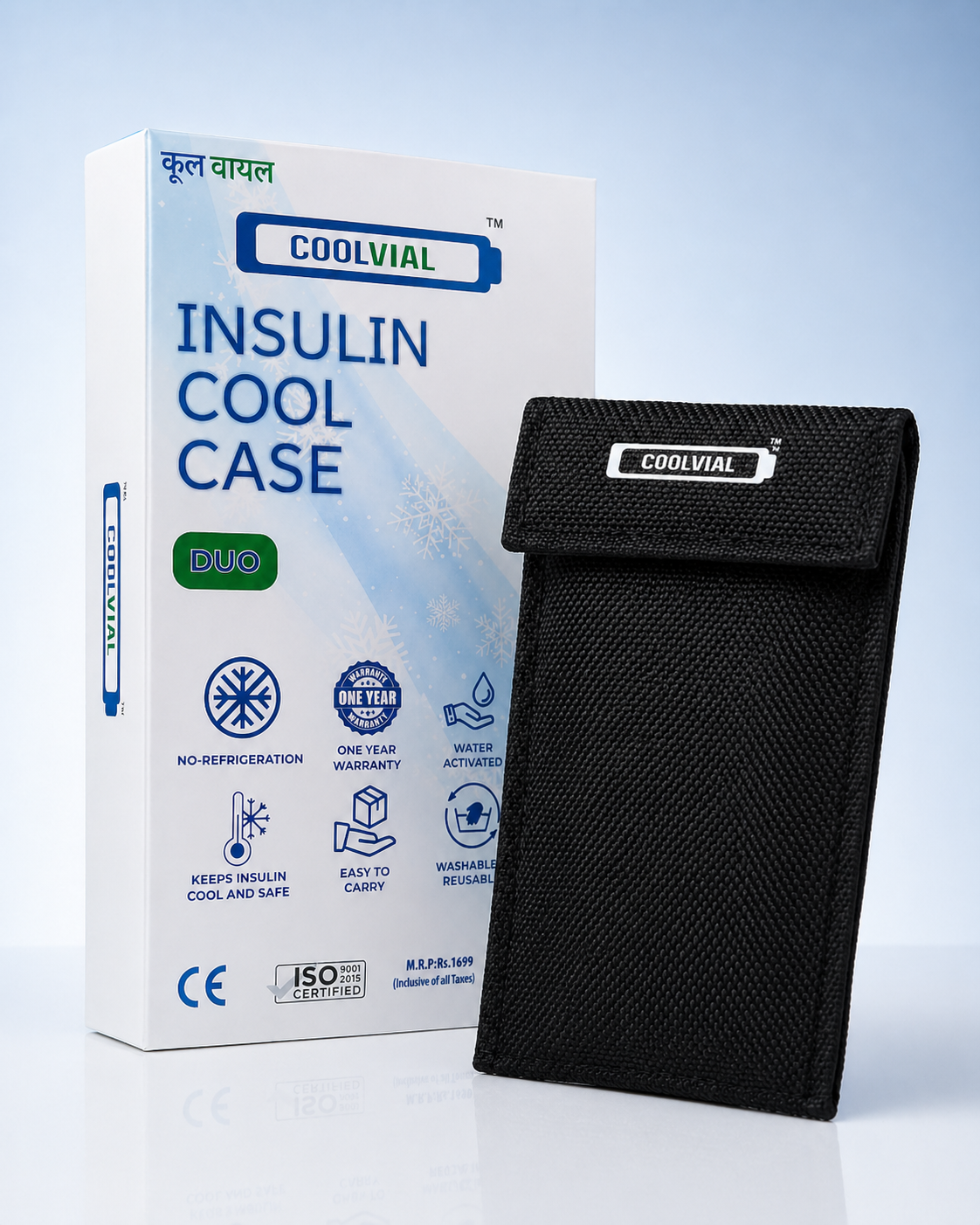
10 Essential Tips: Tiruchirappalli Monsoon & Insulin — Protecting Your Vials From Humidity Damage
48+ hours at 2-8°C. No electricity. CE certified. Free delivery across India.
Order on WhatsApp — ₹1,099🛒 Buy Now — ₹1,0994. Navigating Flooding and Waterlogging in Tiruchirappalli’s Monsoon Hotspots
While Tiruchirappalli’s average rainfall is around 850mm, heavy monsoon spells, particularly from the Northeast Monsoon, can lead to localized flooding and waterlogging. The Cauvery river, while a lifeline, can overflow its banks during intense downpours, affecting low-lying areas.
-
Waterlogging Hotspots in Tiruchirappalli:
- Cantonment/Putthur (central): Known for older infrastructure, these central areas can experience significant waterlogging on roads, making travel difficult.
- Srirangam (north, temple area): Proximity to the Cauvery river and lower elevation makes Srirangam vulnerable to moderate flooding if the river swells. Roads leading to the Sri Ranganathaswamy Temple and Jambukeshwar Temple can be affected.
- Thillai Nagar (central upmarket): While generally well-planned, some inner roads can still see water accumulation during heavy rains.
- Karumandapam: Similar to Cantonment, parts of Karumandapam, near Apollo Speciality Hospitals Trichy, can face waterlogging.
-
What to do if your home or building floods:
- Immediate Relocation of Insulin: If there’s any risk of water entering your home, immediately move all insulin supplies, blood glucose meters, test strips, and other medications to a higher, dry location. Ideally, place them in a waterproof bag within an elevated cupboard.
- Waterproof Storage: Store your insulin in robust, waterproof containers, not just airtight ones. A small, hard-shell case designed for electronics can work well.
- Emergency Bag: Always have a pre-packed emergency bag ready with at least a week’s supply of insulin, syringes/pens, test strips, glucose tablets, and other essential medications. This bag should be easily grabbed in case of emergency evacuation.
- Know Your Evacuation Route: Be aware of safe routes out of your neighborhood that are less prone to waterlogging.
For those unexpected power cuts during the monsoon, which can affect refrigeration, our guide on Power Cut Survival Guide for Diabetics in Tiruchirappalli — What To Do When the Grid Goes Down offers crucial advice.
5. Transport Disruptions and Pharmacy Access Challenges
The heavy rains and waterlogging in Tiruchirappalli can severely disrupt local transport, making it challenging to reach pharmacies or receive home deliveries. This is a critical concern for diabetics who rely on regular insulin refills.
-
Impact of Monsoon on Pharmacy Access:
- Road Closures: Waterlogged roads in areas like Cantonment/Putthur can become impassable for vehicles, affecting both personal travel and delivery services.
- Public Transport Delays: Buses and auto-rickshaws face significant delays, making scheduled pharmacy visits difficult.
- Delivery Service Delays: Online pharmacy services like 1mg, while convenient, can experience substantial delays or even cancellations in Tiruchirappalli during peak monsoon disruptions. Trust Pharmacy, a local favorite, might also face challenges in last-mile delivery.
- Limited Stock: Pharmacies like Apollo Pharmacy, MedPlus, and Saravana Pharmacy generally maintain good stock, but severe disruptions could potentially affect their supply chain for a short period.
-
Strategies for Ensuring Pharmacy Access:
- Stock Up Proactively: Before the monsoon intensifies, ensure you have at least a 2-4 week supply of insulin and other diabetes medications. Do not wait until your current supply is almost exhausted.
- Multiple Pharmacy Options: Identify several pharmacies in different neighborhoods that you can potentially reach. Keep a list of contact numbers for Apollo Pharmacy (many branches), MedPlus, Trust Pharmacy, and Saravana Pharmacy.
- Emergency Contact: Have a reliable friend or family member who can assist with medication pick-ups if you are unable to travel.
- Use a Reliable Cooling Case: If you do need to travel to a pharmacy, ensure your insulin is protected from both heat and humidity. A product like the COOLVIAL Duo is ideal for this. It keeps insulin cool for 12-16 hours without electricity, providing peace of mind during unexpected delays. Unlike traditional ice packs which can sweat and introduce moisture, water-activated evaporative cooling cases offer a dry, consistent cooling environment.
6. The Hidden Danger: Humid Fridge Air Contamination
While refrigeration is essential for un-opened insulin, the air inside your refrigerator in Tiruchirappalli can become surprisingly humid during the monsoon. This seemingly safe environment can still pose risks to your insulin.
-
How Humid Fridge Air Affects Insulin:
- Condensation: When you open your fridge, warm, humid room air rushes in. As this air cools, moisture condenses, leading to droplets on interior surfaces and even on insulin packaging.
- Packaging Damage: Repeated exposure to condensation can cause cardboard insulin boxes to become soggy, degrade labels, and even foster mould growth on the exterior.
- Temperature Fluctuations: Frequent opening of the fridge in a hot, humid environment leads to significant temperature swings inside, which can stress insulin.
- Direct Moisture on Pens/Vials: If insulin pens or vials are not properly sealed in an airtight container within the fridge, direct moisture contact can occur, accelerating degradation or compromising the device.
-
Best Practices for Refrigerator Storage During Monsoon:
- Airtight Containers are Key: Always store your unopened insulin vials and pens inside an additional airtight, food-grade plastic container within the refrigerator. This creates a micro-environment that shields them from fridge humidity and temperature swings.
- Avoid Door Storage: The refrigerator door is the warmest and most temperature-variable part of the fridge. Store insulin on a middle shelf, away from the back wall (where it can sometimes freeze) and the door.
- Regular Checks: Periodically check your insulin packaging for any signs of moisture, mould, or damage.
- Clean Fridge: Ensure your refrigerator is clean and dry to minimize mould spores.
Remember, once an insulin pen or vial is in use, it typically doesn’t require refrigeration and can be kept at room temperature (below 30°C for most insulin types) for 28 days. However, Tiruchirappalli’s monsoon temperatures often exceed 30°C, making a cooling solution critical even for in-use insulin. For more specific guidance, refer to our article on How to Store Insulin in Tiruchirappalli Summer Heat — A Local’s Guide.
7. Practical Solutions for Monsoon Insulin Protection in Tiruchirappalli
With the unique challenges of the Tiruchirappalli monsoon, a multi-pronged approach to insulin storage is necessary. Combining smart storage habits with reliable tools can make all the difference.
- Essential Monsoon Insulin Protection Strategies:
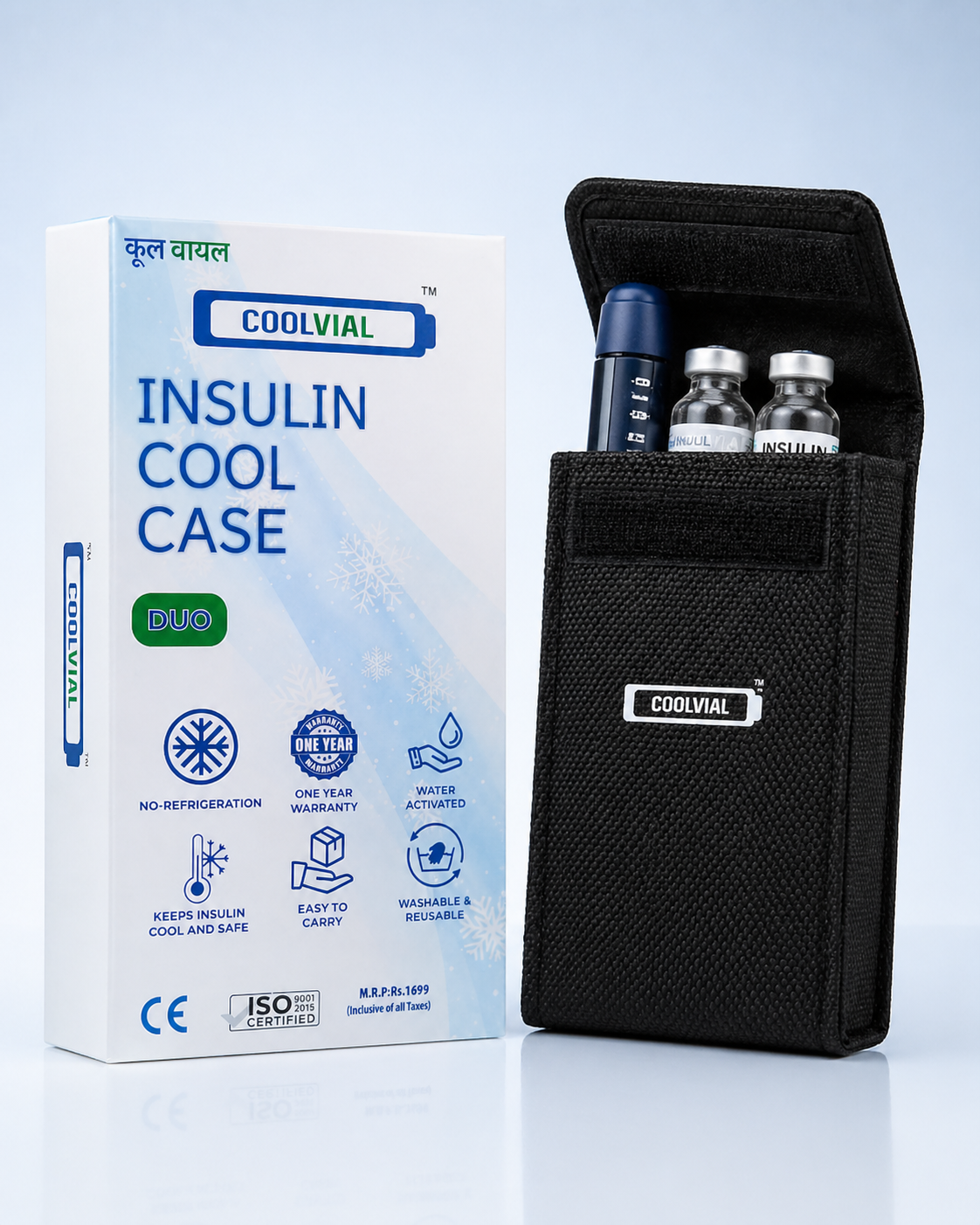
1.  **Invest in a Reliable Cooling Case:** For in-use insulin, or any insulin you carry outside, a water-activated evaporative cooling case like the COOLVIAL Duo is indispensable.
    *   **COOLVIAL Duo Advantage:** It holds 2 pens and 1 vial, keeping insulin cool for 12-16 hours without electricity. Its evaporative cooling mechanism keeps insulin dry, unlike ice packs which can cause condensation. At Rs 1,099 with code COOLHEAL (MRP Rs 1,699), it's an affordable and effective solution, especially compared to international brands like FRIO (which can cost upwards of Rs 1,900) or other Indian alternatives like Outer Woods OW-12 (around Rs 999, but check specific features). The COOLVIAL Duo is CE certified and ISO 9001:2015 compliant, ensuring quality. Being Made in India, it's designed for our local conditions.
2.  **Airtight Containers with Desiccants:** As mentioned earlier, this is your first line of defense against humidity for both refrigerated and room-temperature insulin.
    *   **Local Sourcing:** Find good quality airtight containers at stores like Saravana Pharmacy or even local hypermarkets in Thillai Nagar. Silica gel packets can be bought from electronic shops, stationery stores, or online via 1mg.
3.  **Designated Dry Storage Area:** Identify the driest, coolest cupboard in your home, preferably not on an exterior wall or ground floor. Use this as your primary storage for backup insulin and supplies.
4.  **Regular Inspection:** Make it a habit to inspect your insulin pens, vials, and packaging daily for any signs of moisture, discoloration, cloudiness, or mould. If you notice any changes, discard the insulin and replace it.
Our mission at COOLVIAL is to empower diabetics with safe and reliable insulin storage. Explore more insulin storage tips tailored for the Indian climate.
8. Monsoon Preparedness Checklist for Diabetics in Tiruchirappalli
A proactive approach is your best defense against the monsoon’s challenges. Use this checklist to ensure you’re fully prepared.
- Pre-Monsoon Checklist:
- Insulin Stock: Ensure you have at least a 2-4 week supply of all insulin types, syringes, pen needles, and test strips. Do this well before the monsoon rains become heavy.
- Emergency Insulin Storage:
- Acquire a COOLVIAL Duo or similar water-activated cooling case for travel and power cuts.
- Purchase several airtight plastic containers for insulin storage.
- Stock up on silica gel packets to place inside containers.
- Emergency Kit:
- Prepare a waterproof, grab-and-go bag containing at least a 7-day supply of insulin, blood glucose meter, test strips, lancets, glucose tablets/gel, and other essential medications.
- Include a small first-aid kit, flashlight, power bank, and important contact numbers (doctor, emergency services, family).
- Pharmacy & Doctor Contacts:
- Have a list of multiple local pharmacies (e.g., Apollo Pharmacy, MedPlus, Trust Pharmacy, Saravana Pharmacy) with their phone numbers and addresses.
- Keep your endocrinologist’s or diabetologist’s contact information readily accessible. For instance, if you visit Kauvery Hospital (Tennur) or Apollo Speciality Hospitals Trichy, ensure you have their emergency contact details.
- Home Protection:
- Check for any leaks in your roof or windows and repair them.
- Ensure proper drainage around your home to prevent waterlogging.
- Identify dry, elevated spots within your home for emergency storage.
- Knowledge & Communication:
- Inform family members or housemates about proper insulin storage and emergency procedures.
- Stay updated on local weather forecasts and flood warnings for Tiruchirappalli.
9. Emergency Insulin Sourcing in Tiruchirappalli
Despite the best preparations, emergencies can happen. Knowing where to source replacement insulin quickly in Tiruchirappalli is vital.
- Emergency Insulin Sources:
- Hospital Emergency Pharmacies:
- Kauvery Hospital (Tennur): Their 24/7 emergency pharmacy is a reliable option for immediate insulin needs, especially if your regular supply is compromised or destroyed.
- Apollo Speciality Hospitals Trichy (Karumandapam): Another major hospital with emergency pharmacy services.
- KG Hospital (Karumandapam): Also offers emergency services that may include pharmacy access.
- Major Pharmacy Chains:
- Apollo Pharmacy: With numerous branches across Tiruchirappalli (e.g., in Thillai Nagar, Cantonment), they often have good stock and longer operating hours.
- MedPlus: Another widespread chain.
- Saravana Pharmacy: A well-known local option.
- Online Pharmacies (for less urgent needs):
- 1mg: While delivery might be slow during heavy monsoon, it can be an option if physical access is impossible and you have a small buffer supply.
- Doctor’s Assistance:
- If you face a severe shortage or loss, immediately contact your endocrinologist or diabetologist. They might be able to arrange for emergency supplies or provide guidance on where to obtain them.
- Hospital Emergency Pharmacies:
Always carry your prescription or a doctor’s note, especially when trying to procure insulin from a new pharmacy in an emergency.
Frequently Asked Questions (FAQs)
Q: Can I use insulin if its packaging has mould on it but the vial/pen looks fine? A: No, it is strongly advised not to use insulin if its outer packaging shows signs of mould. Mould spores can potentially compromise the integrity of the vial or pen seal, and the conditions that allowed mould to grow indicate excessive humidity which degrades insulin.
Q: How long can insulin be stored outside the refrigerator in Tiruchirappalli’s monsoon? A: Most in-use insulin vials or pens can be stored at room temperature (below 30°C) for up to 28 days. However, Tiruchirappalli monsoon temperatures frequently exceed 30°C, making a cooling solution like the COOLVIAL Duo essential to maintain efficacy.
Q: What should I do if my insulin gets wet during heavy rains or flooding? A: If your insulin vials or pens get directly wet, they should be discarded immediately, even if they appear undamaged. Water ingress can compromise sterility and potency. Seek immediate replacement from a reliable source like Kauvery Hospital’s emergency pharmacy.
Q: Are ice packs a good alternative to an evaporative cooling case during the monsoon? A: While ice packs provide cooling, they often create condensation as they melt, introducing moisture that can damage insulin packaging and potentially the pens themselves. Water-activated evaporative cooling cases like COOLVIAL Duo provide dry cooling, making them superior for humid conditions.
Q: Where can I find silica gel packets in Tiruchirappalli? A: Silica gel packets are widely available in Tiruchirappalli. You can typically find them at electronic stores (e.g., for camera gear), stationery shops, some larger supermarkets, or through online platforms like 1mg for delivery.
Q: Does high humidity affect my blood glucose meter or test strips? A: Yes, high humidity can significantly impact the accuracy of blood glucose meters and test strips. Always store your meter and strips in their original, tightly closed containers with any desiccant provided. Avoid exposing them to direct moisture.
Q: Can I keep insulin in a thermos flask with ice for cooling? A: A thermos flask with ice can keep insulin cool, but it carries the same risk of condensation as ice packs, leading to moisture exposure. If using this method, ensure insulin is sealed in a truly waterproof container before placing it in the flask to prevent moisture contact.
Conclusion
Navigating diabetes during the Tiruchirappalli monsoon requires vigilance and proactive planning. The city’s hot tropical climate and dual monsoon bring unique challenges, from pervasive humidity and mould risks in homes to transport disruptions affecting vital pharmacy access. By understanding these local conditions and implementing the 10 essential tips outlined in this guide, you can significantly protect your insulin supply from humidity damage, maintain its efficacy, and ensure uninterrupted diabetes management.
Remember to stock up proactively, secure your insulin in airtight, moisture-free environments, and always have an emergency plan. A reliable cooling case like the COOLVIAL Duo is an invaluable asset, providing consistent, dry cooling for up to 12-16 hours without electricity, specifically designed for Indian conditions. Stay safe, stay prepared, and keep your health a priority through Tiruchirappalli’s beautiful yet challenging monsoon season.
Order COOLVIAL Duo at Rs 1,099 with code COOLHEAL at coolvial.com or via WhatsApp wa.me/918766952300
How We Researched This: This article is based on a thorough review of RSSDI (Research Society for the Study of Diabetes in India) guidelines for insulin storage, data from the ICMR-INDIAB study on diabetes prevalence, local Tiruchirappalli hospital directories (including Kauvery Hospital, Apollo Speciality Hospitals Trichy, KG Hospital), and information regarding the Apollo Pharmacy network and other local pharmacies. Local climate data for Tiruchirappalli was also considered to provide accurate context.
Medical Disclaimer: This article is for general information. Always consult your endocrinologist or diabetologist before changing insulin storage or dosing practices.
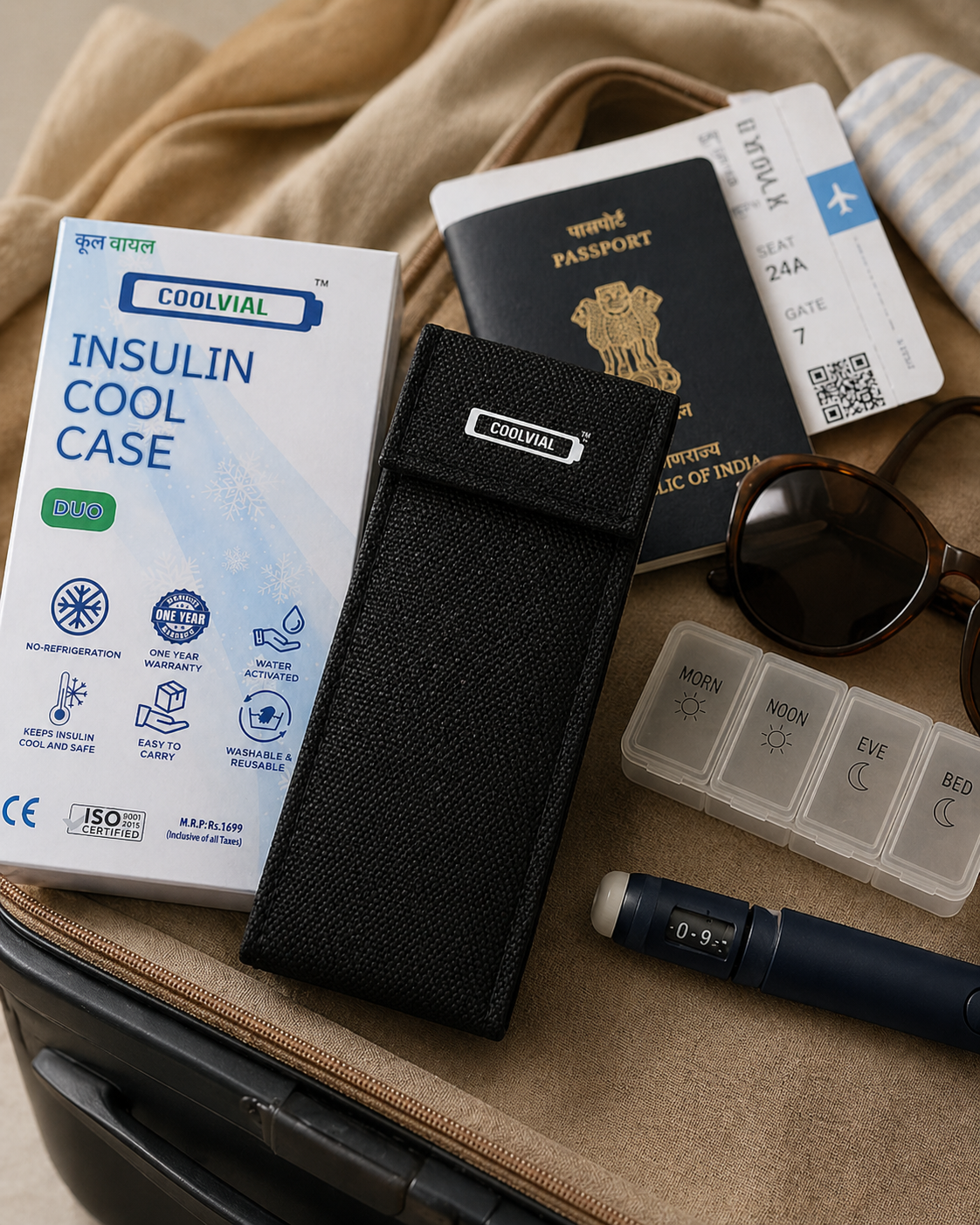
10 Essential Tips: Tiruchirappalli Monsoon & Insulin — Protecting Your Vials From Humidity Damage
COOLVIAL keeps insulin safe in India's heat. 48+ hours, no electricity needed.