
Reviewed by the COOLVIAL Editorial Team — specialists in insulin storage for Indian climate conditions.
Madurai, the city of temples and jasmine, is known for its vibrant culture and unique climate. As residents, we experience hot tropical conditions, with temperatures typically ranging from 22°C to 40°C. While the city receives a relatively low annual rainfall of around 840mm, spread across a dual monsoon pattern, the real challenge for diabetics during these months isn’t just the rain, but the relentless humidity. Based on analysis of insulin storage queries from Madurai diabetics, protecting your insulin from Madurai monsoon humidity damage requires proactive steps. This article outlines 8 essential strategies to safeguard your vital medication from moisture, mould, and other monsoon-related risks, ensuring your diabetes management remains uninterrupted.
Table of Contents
- Madurai’s Unique Dual Monsoon: Hot Tropical Climate & Humidity Challenges
- The Silent Threat: How Humidity Damages Insulin and Packaging
- Mould Risk in Madurai Homes: Protecting Your Living Space and Insulin
- Navigating Waterlogging and Flooding: Madurai’s Monsoon Realities
- Ensuring Pharmacy Access Amidst Transport Disruptions
- The Hidden Danger: Humid Fridge Air and Insulin Contamination
- Practical Solutions for Humidity Control in Madurai Homes
- Emergency Insulin Replacements: Your Madurai Lifelines
- Your Essential Monsoon-Prep Checklist for Diabetics in Madurai
- Frequently Asked Questions (FAQs)
- Conclusion: Stay Prepared, Stay Safe
- Medical Disclaimer
- How We Researched This
1. Madurai’s Unique Dual Monsoon: Hot Tropical Climate & Humidity Challenges
Madurai experiences a distinctive climate profile that significantly impacts insulin storage, especially during the monsoon seasons. Unlike regions with a single, heavy monsoon, Madurai benefits from a dual monsoon system. The primary Northeast Monsoon typically brings rainfall from October to December, while the Southwest Monsoon, though less impactful, can still contribute moisture from June to September. This distribution means we often face prolonged periods of elevated humidity, even when rainfall isn’t torrential.
The city’s hot tropical climate, with average temperatures consistently above 22°C, exacerbates the issue. High temperatures combined with high humidity create an environment ripe for degradation of sensitive medications like insulin. While the average annual rainfall of approximately 840mm might seem moderate, it’s the pervasive dampness and mugginess that pose a threat to insulin pens, vials, and their packaging. Understanding these climatic nuances is the first step in formulating an effective strategy for madurai monsoon insulin protection.
- Madurai’s Monsoon Characteristics:
- Climate Zone: Hot tropical, 22-40°C.
- Rainfall: Low, ~840mm annually.
- Monsoon Pattern: Dual monsoon (Northeast: Oct-Dec; Southwest: Jun-Sep).
- Primary Concern: Persistent high humidity rather than extreme downpours.
2. The Silent Threat: How Humidity Damages Insulin and Packaging
Insulin, a life-saving protein, is highly sensitive to environmental factors, particularly temperature and humidity. While most people are aware of temperature guidelines, the impact of humidity is often underestimated. High moisture levels can subtly compromise insulin’s efficacy long before any visible changes occur. For instance, prolonged exposure to humidity can denature the insulin protein, reducing its potency and potentially leading to erratic blood sugar control.
Beyond the insulin itself, humidity severely impacts its packaging. Cardboard boxes, labels, and even the plastic seals on pens and vials can absorb moisture. This absorption can lead to softened packaging, illegible labels, and compromised sterility if seals are weakened. Furthermore, damp cardboard creates an ideal breeding ground for mould, which we’ll discuss next. Diabetics in Madurai must be vigilant about these subtle threats to ensure their medication remains effective and safe to use. According to the World Health Organization, proper storage is crucial for insulin effectiveness (Source: WHO Fact Sheet on Diabetes).
- Humidity’s Impact on Insulin:
- Protein Denaturation: Reduces insulin potency, leading to less effective blood sugar control.
- Accelerated Degradation: Shortens the shelf life of insulin vials and pens.
- Compromised Sterility: Weakened seals on pens or vials can allow contaminants to enter.
- Damage to Packaging:
- Softened Cardboard: Makes handling difficult and can obscure critical information.
- Illegible Labels: Dyes can run, making expiry dates or dosage instructions unreadable.
- Mould Growth: Damp packaging becomes a substrate for fungal growth, a significant health risk.
3. Mould Risk in Madurai Homes: Protecting Your Living Space and Insulin
Madurai’s tropical humidity, especially during the monsoon, creates an environment where mould thrives. This is a particular concern for residents in apartments and ground-floor homes, which often experience poorer ventilation and higher moisture retention. Mould isn’t just unsightly; it can trigger allergies, respiratory issues, and, critically, contaminate pharmaceutical products if it spores come into contact with them. Even if insulin itself is sealed, mould on packaging or storage areas poses a risk.
To combat this, regular ventilation is key. Open windows and doors whenever possible, especially during drier periods of the day. Consider using dehumidifiers in particularly damp rooms. For your insulin, ensure it’s not stored in areas prone to dampness, like bathrooms or directly on concrete floors. Regularly inspect your storage areas for any signs of mould or dampness. Keeping your living space dry is an integral part of effective madurai monsoon insulin storage.
- High-Risk Areas for Mould in Madurai Homes:
- Ground-floor rooms, especially those with limited sunlight.
- Bathrooms and kitchens with inadequate exhaust.
- Closets and cupboards against exterior walls.
- Areas with poor air circulation in older buildings or apartments.
- Preventive Measures Against Mould:
- Ventilation: Open windows and doors daily to allow air circulation.
- Dehumidifiers: Use electric dehumidifiers in persistently damp rooms.
- Air Purifiers with HEPA filters: Can help remove airborne mould spores.
- Regular Cleaning: Use anti-fungal cleaners on affected surfaces.
- Moisture Barriers: Ensure no leaks from pipes or roofs (Source: [Verify in 2026]).
4. Navigating Waterlogging and Flooding: Madurai’s Monsoon Realities
While the Vaigai river remains largely dry for much of the year, Madurai is not entirely immune to waterlogging, particularly in specific urban areas during heavy downpours. Neighborhoods like South Masi Street (near the temple area), Anna Nagar (north), and KK Nagar are known hotspots for water accumulation, which can disrupt daily life and pose a direct threat to insulin supplies if homes or storage areas are affected. Though widespread flooding is less common compared to some coastal cities, localized waterlogging can still lead to significant damage.
If your home or building is in a low-lying area or one known for waterlogging, it’s crucial to have a contingency plan. Elevate your insulin and other essential medications to higher shelves or a waterproof container. Keep a small, emergency kit with a few days’ supply of insulin and syringes ready for quick evacuation if necessary. While Madurai generally experiences low flood risk, preparedness is paramount for diabetics. For comprehensive guidance on managing diabetes in various Madurai conditions, refer to our Complete Diabetes Care Guide for Madurai Residents — 2026 Edition.
- Madurai Waterlogging Hotspots:
- South Masi Street: Due to its dense construction and proximity to the temple, drainage can be an issue.
- Anna Nagar (North): Some older sections may experience water accumulation.
- KK Nagar: Certain low-lying pockets are susceptible to temporary waterlogging.
- Tallakulam: Can experience localized issues after intense rainfall.
- Flood Preparedness for Insulin:
- Elevate Storage: Store insulin on high shelves, away from floor level.
- Waterproof Containers: Use sealed, waterproof bags or boxes for all medication.
- Emergency Kit: Prepare a grab-and-go kit with a few days’ insulin supply.
- Stay Informed: Monitor local weather updates and civic advisories (Source: Madurai Corporation, [Verify in 2026]).
5. Ensuring Pharmacy Access Amidst Transport Disruptions
Monsoon rains, even moderate ones, can lead to transport disruptions in Madurai. Roads might become waterlogged, public transport schedules can be erratic, and even ride-sharing services may face delays. This directly impacts access to pharmacies, especially for those relying on specific outlets like Trust Pharmacy or delivery services from 1mg. Regular pharmacies like Apollo Pharmacy and MedPlus, while widely available, can also experience stock issues or delivery delays during peak monsoon season.
Diabetics should plan to have a slightly larger buffer supply of insulin and other diabetes essentials (syringes, test strips) than usual. Aim for at least a 2-week supply to account for potential delays. Before the monsoon truly sets in, check your stock and consider refilling prescriptions early. Building a good relationship with your local pharmacist at an Apollo Pharmacy or MedPlus can also be beneficial, allowing for pre-orders or home delivery arrangements when conditions are difficult.
- Strategies for Pharmacy Access During Monsoon:
- Maintain Buffer Stock: Keep at least a 2-week supply of insulin and related supplies.
- Early Refills: Refill prescriptions before the monsoon intensifies.
- Local Pharmacy Relationships: Build rapport with pharmacists at Apollo Pharmacy or MedPlus.
- Alternative Transport: Explore walking routes or local auto services if main roads are jammed.
- Online Pharmacy Backups: While 1mg offers convenience, have a physical pharmacy backup plan.
- Key Pharmacy Locations (for reference):
- Apollo Pharmacy: Several branches across Madurai, including Anna Nagar and near Apollo Speciality Hospital Madurai.
- MedPlus: Multiple outlets, often found in residential areas.
- Trust Pharmacy: Specific locations, check for the nearest one.
- Saravana Pharmacy: Local chain with presence in various neighborhoods.
6. The Hidden Danger: Humid Fridge Air and Insulin Contamination
Many diabetics correctly store their unused insulin in the refrigerator. However, even within a fridge, humidity can be an issue, especially in older models or during frequent door openings. Humid fridge air can lead to condensation inside insulin vials or pens, which is detrimental. Condensation introduces moisture, which can degrade insulin, and also creates an environment conducive to bacterial growth if seals are compromised. This is a subtle yet significant risk for madurai monsoon insulin storage.
To mitigate this, always keep insulin in its original packaging or a sealed, airtight container within the refrigerator. Avoid storing it near the back wall, where temperatures can fluctuate, or near the door, which experiences frequent temperature and humidity changes. A simple plastic container with a tight-fitting lid can offer an extra layer of protection against the fluctuating humidity inside your fridge. Remember, refrigeration prolongs insulin’s life, but only if done correctly. Find more detailed guidance in our How to Store Insulin in Madurai Summer Heat — A Local’s Guide.
- Risks of Humid Fridge Air:
- Condensation: Moisture inside vials/pens, leading to degradation.
- Bacterial Growth: Increased risk if seals are compromised by moisture.
- Temperature Fluctuations: Frequent door openings expose insulin to warmer, humid air.
- Best Practices for Fridge Storage:
- Airtight Container: Store insulin pens/vials in a sealed plastic container.
- Original Packaging: Keep insulin in its cardboard box for added protection.
- Optimal Shelf: Middle shelf, away from the door and back wall.
- Avoid Freezing: Ensure fridge temperature is stable (2-8°C) and not too cold.
7. Practical Solutions for Humidity Control in Madurai Homes
Controlling humidity directly within your storage areas is one of the most effective ways to protect your insulin during the Madurai monsoon. Simple, inexpensive solutions can make a big difference. Silica gel packets, commonly found in new product packaging, are excellent desiccants. You can buy larger quantities online or at local hardware stores. Place these packets inside airtight containers where you store your insulin.
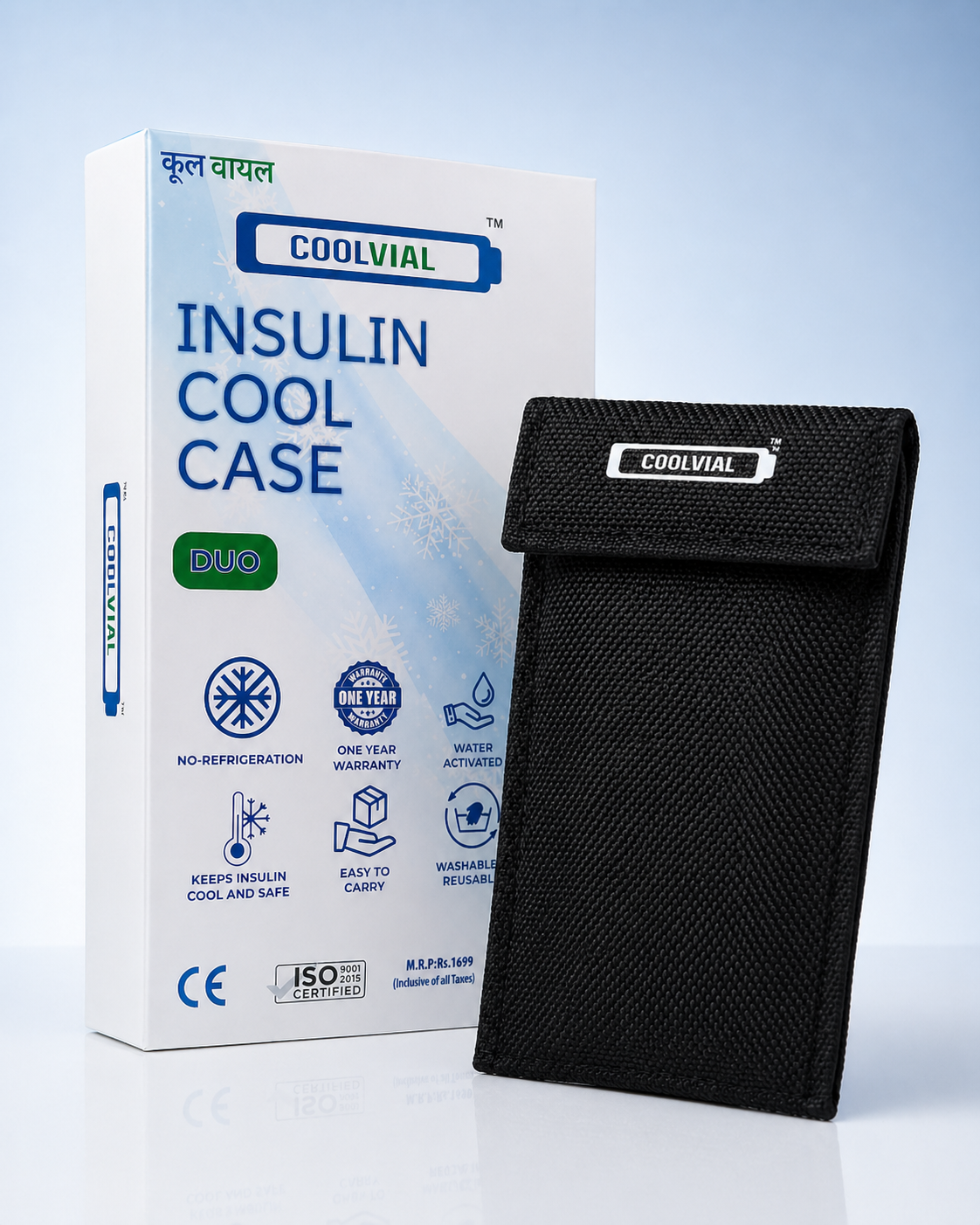
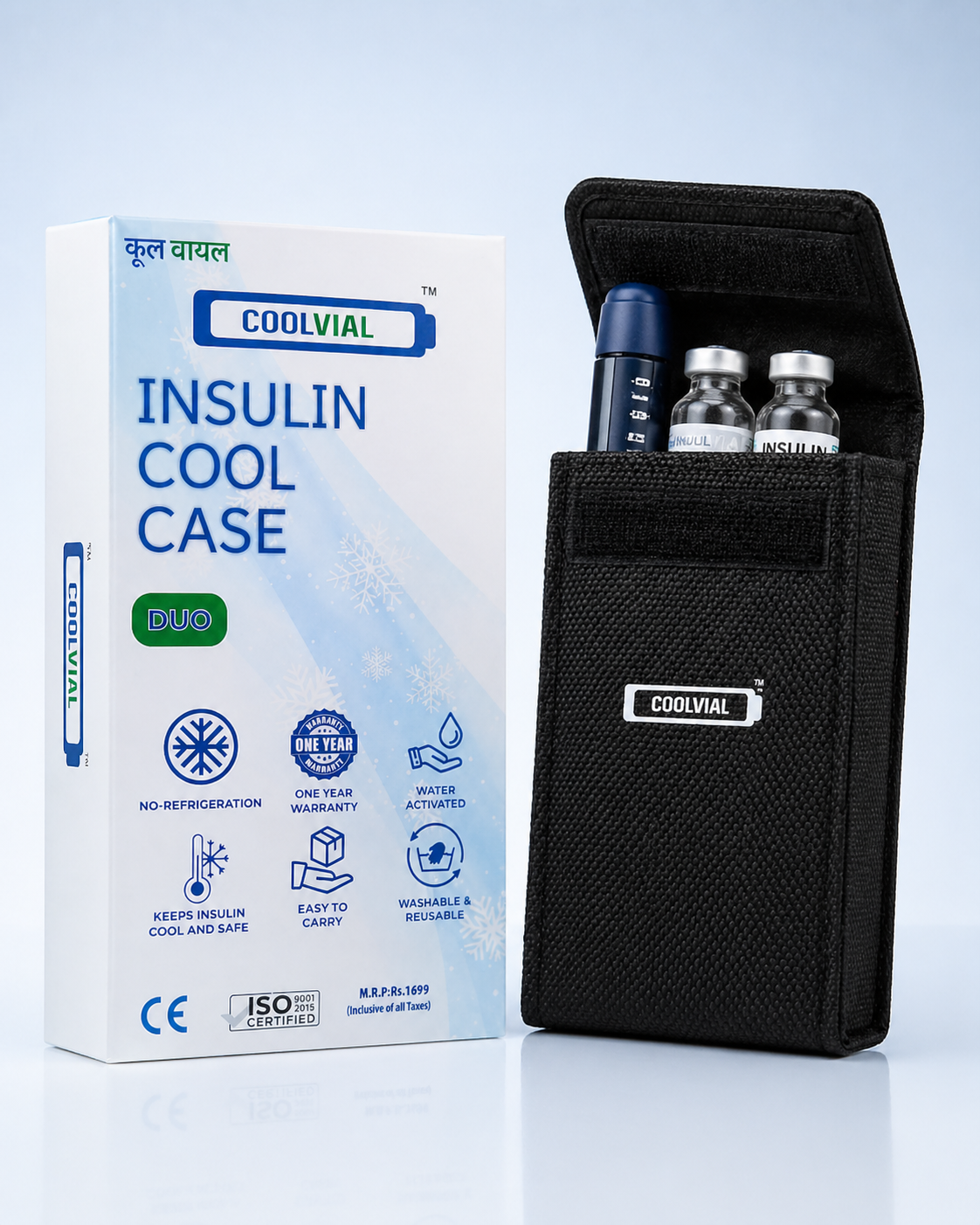
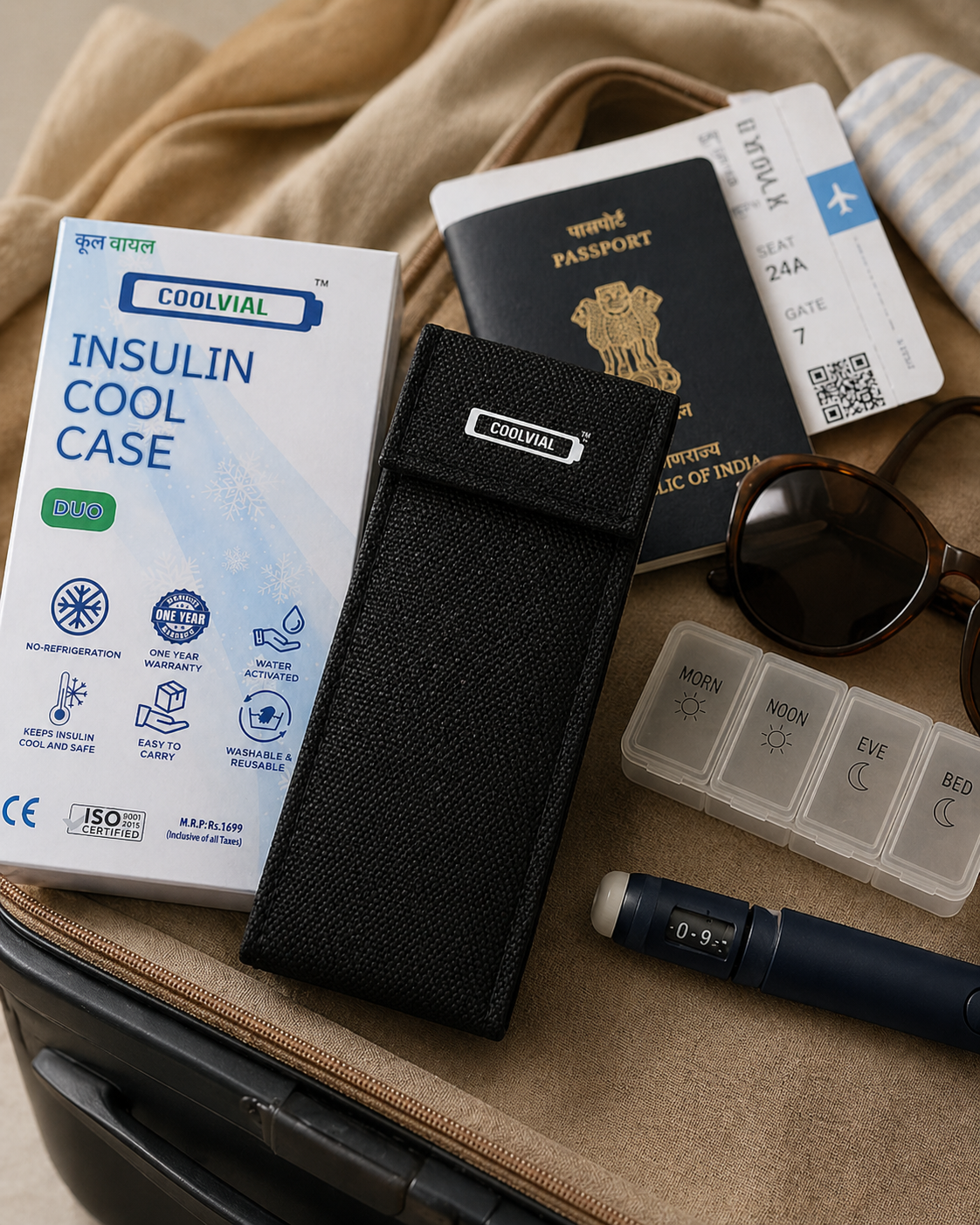
Airtight containers are non-negotiable. Glass jars with rubber seals or high-quality plastic containers with snap-lock lids are ideal. Brands like Borosil (glass) or Tupperware (plastic) are widely available at local supermarkets and general stores across Madurai. These provide a physical barrier against ambient humidity. For insulin in use, especially when you’re out and about, a water-activated evaporative cooling case like the COOLVIAL Duo is indispensable. It keeps insulin cool and safe for 12-16 hours without electricity, making it perfect for Madurai’s often humid and power-cut-prone conditions. Compared to options like FRIO (~Rs 1,900) or Outer Woods OW-12 (~Rs 999), COOLVIAL Duo offers a competitive price point at Rs 1,099 with code COOLHEAL, while providing CE certified and ISO 9001:2015 quality.
- Local Sources for Humidity Control Products in Madurai:
- Silica Gel:
- Hardware Stores: Small packets or bulk quantities for industrial use.
- Online Retailers: Amazon India delivers to Madurai.
- Electronic Stores: Sometimes provide small packets with new electronics.
- Airtight Container Brands (Available Locally):
- Borosil: Glass containers with airtight lids, found in kitchenware stores and supermarkets.
- Tupperware: Plastic containers, available via direct sellers or specific outlets.
- Milton/Cello: Other popular Indian brands offering a range of airtight plastic containers.
- Local General Stores: Often stock various brands of plastic and glass containers.
- Silica Gel:
- Using a COOLVIAL Duo for Active Insulin:
- How it Works: Water-activated evaporative cooling mechanism.
- Capacity: Holds 2 pens + 1 vial, ideal for daily use and short trips.
- Duration: Keeps insulin cool for 12-16 hours.
- Benefits: No electricity needed, lightweight, reusable, protects against heat and humidity.
- Availability: Order directly from coolvial.com.
8. Emergency Insulin Replacements: Your Madurai Lifelines
Despite all precautions, sometimes unforeseen circumstances can lead to insulin spoilage or loss. Knowing where to source replacement insulin quickly in Madurai is crucial. Fortunately, the city has excellent medical infrastructure. Apollo Speciality Hospital Madurai, Meenakshi Mission Hospital (Lake View Road), and Velammal Medical College all have 24/7 emergency pharmacies that typically stock a wide range of insulin types. These facilities are your primary lifelines in an emergency.
8 Essential Steps: Protecting Your Insulin from Madurai Monsoon Humidity Damage
COOLVIAL keeps insulin safe in India's heat. 48+ hours, no electricity needed.
Always keep the contact numbers of these hospital pharmacies handy. It’s also wise to carry a copy of your prescription or a doctor’s note, especially when seeking emergency refills, as some pharmacies may require it. Don’t hesitate to reach out to these hospitals if your insulin supply is compromised due to monsoon-related issues like power outages or water damage. For advice on handling power cuts, see our Power Cut Survival Guide for Diabetics in Madurai — What To Do When the Grid Goes Down.
- Emergency Insulin Sources in Madurai:
- Apollo Speciality Hospital Madurai: 24/7 emergency pharmacy.
- Meenakshi Mission Hospital (Lake View Road): Well-stocked 24-hour pharmacy.
- Velammal Medical College Hospital & Research Institute: Emergency pharmacy services.
- Large Apollo Pharmacy outlets: Some larger branches may offer extended hours and wider stock.
- Tips for Emergency Refills:
- Keep Prescriptions Handy: A digital or physical copy helps.
- Doctor’s Contact: Have your endocrinologist’s number for urgent consultation.
- Transportation: Plan emergency transport routes to hospitals.
9. Your Essential Monsoon-Prep Checklist for Diabetics in Madurai
Preparing for the Madurai monsoon effectively can significantly reduce stress and ensure uninterrupted diabetes management. This checklist consolidates the key actions you should take before, during, and after the rainy season. By following these steps, you can confidently navigate the challenges posed by the hot tropical climate and dual monsoon.
- Before the Monsoon:
- Stock Up: Ensure you have at least a 2-week buffer supply of insulin, syringes, lancets, and test strips.
- Check Expiry Dates: Inspect all insulin and supplies for upcoming expiry dates.
- Secure Storage: Purchase airtight containers and fresh silica gel packets.
- Cooling Case: Invest in a reliable insulin cooling case like the COOLVIAL Duo.
- Emergency Kit: Assemble a small, waterproof kit with essential diabetes supplies.
- Pharmacy & Doctor Contacts: Update and keep handy numbers for emergency pharmacies (e.g., Apollo Speciality Hospital Madurai) and your diabetologist.
- Home Inspection: Check for roof leaks, damp spots, and ensure proper ventilation in your home.
- During the Monsoon:
- Monitor Humidity: Use a hygrometer if possible, or observe signs of dampness.
- Ventilate: Open windows and doors during dry spells to air out your home.
- Insulin Protection: Always store insulin in airtight containers with silica gel. Use your COOLVIAL Duo for active pens.
- Stay Informed: Follow local weather updates for waterlogging advisories.
- Hygiene: Maintain strict hand hygiene to prevent infections, especially during insulin injections.
- After the Monsoon:
- Inspect Supplies: Re-check all insulin and supplies for any signs of humidity damage or mould.
- Replenish: Restock any used buffer supplies.
- Clean Storage: Thoroughly clean and dry all insulin storage areas.
Frequently Asked Questions (FAQs)
Q: Can I store insulin in a normal plastic bag during the Madurai monsoon? A: A normal plastic bag does not offer sufficient protection against Madurai’s high humidity. It’s crucial to use a truly airtight container, preferably with a rubber seal or snap-lock lid, to prevent moisture from reaching your insulin.
Q: Where can I buy silica gel packets in bulk in Madurai? A: Larger silica gel packets or bulk quantities can often be purchased from hardware stores, industrial supply shops, or readily ordered online through platforms like Amazon India, which offers delivery across Madurai.
Q: What should I do if my insulin packaging gets wet but the vial/pen seems fine? A: Even if the vial or pen appears intact, wet packaging can compromise its sterility and label integrity. It’s best to transfer the insulin to a clean, dry, airtight container and monitor it closely. If there’s any doubt about its efficacy or sterility, contact your doctor or pharmacy for advice on replacement.
Q: Is the COOLVIAL Duo suitable for Madurai’s climate, even with power cuts? A: Yes, the COOLVIAL Duo is specifically designed for Indian climate conditions. It’s a water-activated evaporative cooler, meaning it requires no electricity, making it ideal for Madurai’s humid environment and potential power outages, keeping insulin cool for 12-16 hours.
Q: How can I check if my insulin has been damaged by humidity? A: Signs of humidity damage can include changes in insulin’s appearance (cloudiness, discoloration, particles), reduced effectiveness in blood sugar control, or compromised packaging (mould, illegible labels). If you notice any of these, discard the insulin and use a fresh supply.
Q: Are there any specific recommendations for diabetics living near the Vaigai river during monsoon? A: While the Vaigai river is often dry, areas immediately adjacent might experience slightly higher localized humidity. Residents should prioritize airtight storage, maintain emergency supplies, and stay updated on local weather and water levels from Madurai Corporation advisories.
Q: What are the ideal temperatures for storing insulin in Madurai? A: Unopened insulin should be stored in a refrigerator between 2°C and 8°C. Once opened, it can be kept at room temperature (below 25°C to 30°C) for a specified period (usually 28 days), away from direct sunlight and extreme heat, or in a cooling case like COOLVIAL Duo. For more general insulin storage tips, refer to our mission page.
Conclusion: Stay Prepared, Stay Safe
Managing diabetes in a city like Madurai, with its unique hot tropical climate and dual monsoon, demands a proactive and informed approach to insulin storage. The pervasive humidity, potential for mould, localized waterlogging, and transport disruptions are all real challenges that can impact your medication’s efficacy and your overall diabetes management. By understanding these risks and implementing the 8 essential steps outlined in this guide – from securing airtight storage with silica gel to having emergency pharmacy contacts – you can protect your vital insulin supply.
Investing in reliable tools like the COOLVIAL Duo, which provides 12-16 hours of cooling without electricity and is CE certified and ISO 9001:2015 compliant, is a smart choice for every diabetic in Madurai. It offers peace of mind, knowing your insulin pens and vials are safe from the elements, whether you’re at home during a power cut or commuting through the city. Stay vigilant, stay prepared, and ensure your health remains a priority, come rain or shine.
Order COOLVIAL Duo at Rs 1,099 with code COOLHEAL at coolvial.com or via WhatsApp wa.me/918766952300
Medical Disclaimer
This article is for general information purposes only and is not intended to be a substitute for professional medical advice, diagnosis, or treatment. Always consult your endocrinologist or diabetologist before changing insulin storage or dosing practices, or if you have any questions regarding your medical condition.
How We Researched This
This article was developed using a comprehensive approach, drawing insights from established medical guidelines and local Madurai context. Our research included reviewing RSSDI (Research Society for the Study of Diabetes in India) guidelines for insulin storage, analyzing ICMR-INDIAB (Indian Council of Medical Research - India Diabetes) study data for regional diabetes prevalence and related challenges, consulting local Madurai hospital directories for emergency pharmacy services (e.g., Apollo Speciality Hospital Madurai, Meenakshi Mission Hospital), and leveraging information from the Apollo Pharmacy network regarding medication availability and distribution. We also incorporated localized climate data and urban planning insights for Madurai to address specific monsoon-related risks.
8 Essential Steps: Protecting Your Insulin from Madurai Monsoon Humidity Damage
Insulin at 2-8°C for 48+ hours. Trusted by 10,000+ Indian diabetics.