
Reviewed by the COOLVIAL Editorial Team — specialists in insulin storage for Indian climate conditions.
The vibrant city of Meerut, a bustling hub in Uttar Pradesh, transforms dramatically during its annual monsoon season, which typically spans from July to September. While the rains bring much-needed respite from the scorching summer heat, they also usher in a unique set of challenges, particularly for residents managing diabetes. For those relying on insulin, the high humidity, potential waterlogging, and increased risk of power disruptions during the Meerut monsoon can directly compromise the efficacy and safety of their crucial medication. In fact, studies suggest that improper insulin storage due to environmental factors can lead to a significant 15-20% reduction in potency, posing a serious health risk.
This comprehensive guide, based on analysis of insulin storage queries from Meerut diabetics, will equip you with 7 essential strategies to protect your insulin vials and pens from the damaging effects of humidity, mould, and other monsoon-related hazards. We’ll delve into local specifics, from waterlogging hotspots like Sadar Bazaar to emergency pharmacy access at Anand Hospital (Sastri Nagar), ensuring your diabetes management remains uninterrupted and safe, even amidst the heaviest downpours.
Table of Contents
- Understanding Meerut’s Monsoon Climate and Its Impact on Insulin
- The Silent Threat: Humidity Damage to Insulin Pens and Packaging
- Combating Mould and Contamination Risks in Meerut Homes
- Navigating Waterlogging and Flooding: Protecting Your Insulin from Disaster
- Ensuring Uninterrupted Access: Pharmacy Challenges During Monsoon
- Smart Storage Solutions: Silica Gel, Airtight Containers, and Cooling Cases
- Your Essential Meerut Monsoon Insulin Preparedness Checklist
- Frequently Asked Questions (FAQ)
- Conclusion and Call to Action
- Medical Disclaimer
- Methodology Note
1. Understanding Meerut’s Monsoon Climate and Its Impact on Insulin
Meerut experiences a distinct climate pattern throughout the year. While summers are typically hot, ranging from 22°C to a searing 44°C, and winters bring cold temperatures between 6°C and 22°C often accompanied by dense fog, it’s the monsoon season (July to September) that presents a unique set of challenges for insulin storage. During these months, the city grapples with high humidity levels, often exceeding 80-90%, combined with moderate temperatures.
This combination of warmth and extreme moisture creates an ideal environment for insulin degradation. Insulin, a protein, is highly sensitive to temperature fluctuations and humidity. Exposure to heat can cause it to lose potency, while excessive moisture can compromise the integrity of its packaging, leading to contamination or reduced effectiveness.
- Meerut’s Monsoon Climate Profile:
- Months: Primarily July to September.
- Temperature Range: Generally 25°C to 35°C during the day.
- Humidity Levels: Frequently above 80%, often reaching 95-100% during heavy rainfall.
- Precipitation: Moderate to heavy rainfall, leading to localized waterlogging.
Understanding these climatic nuances is the first step in devising robust protection strategies for your insulin. For a broader overview of managing diabetes in the region, refer to our Complete Diabetes Care Guide for Meerut Residents — 2026 Edition.
2. The Silent Threat: Humidity Damage to Insulin Pens and Packaging
The insidious nature of humidity often goes unnoticed until it’s too late. During the Meerut monsoon, the air is saturated with moisture, which can silently wreak havoc on your insulin supplies.
-
Impact on Insulin Pens:
- Mechanism Malfunction: High humidity can cause internal components of insulin pens, especially the dosing mechanism, to corrode or become sticky. This can lead to inaccurate dosing, making it difficult to administer the correct amount of insulin.
- Seal Degradation: The rubber seals and plastic components in pens can degrade, potentially allowing moisture or contaminants to enter the insulin reservoir.
- Cloudiness/Precipitation: While less common than with vials, prolonged exposure to high humidity can indirectly affect the insulin solution, potentially causing it to become cloudy or form precipitates, indicating degradation.
-
Damage to Cardboard Packaging:
- Structural Weakness: Cardboard boxes, which typically house insulin vials and pens, absorb moisture rapidly. This weakens their structure, making them prone to tearing and crushing.
- Legibility Issues: Labels on packaging can become smudged or peel off, obscuring crucial information like expiry dates, dosage, and brand names.
- Mould Growth: Damp cardboard is a prime breeding ground for mould, which can then spread to the insulin pens or vials themselves, even if they are sealed.
-
What to Look For:
- Puffy or soft packaging: A clear sign of moisture absorption.
- Discoloured spots on cardboard: Indicating mould growth.
- Difficulty operating pen plunger: Could be a sign of internal humidity damage.
- Unusual smell from packaging: Another indicator of mould or bacterial growth.
If you observe any of these signs, it’s safer to discard the insulin, even if the vial or pen itself appears intact, as the integrity of the medication may be compromised.
3. Combating Mould and Contamination Risks in Meerut Homes
Meerut’s monsoon, with its persistent humidity, creates an ideal breeding ground for mould and mildew, especially in poorly ventilated areas. This is a significant concern for residents, particularly those living in ground-floor homes or older apartments in areas like Sadar Bazaar or the Begum Bridge area, where dampness can be pervasive. Mould spores are everywhere, but they only flourish when moisture levels are consistently high.
-
Mould Risks to Insulin:
- External Contamination: Mould can grow on the exterior of insulin vials, pens, or their packaging. While sealed, spores can still settle on surfaces, posing a risk during handling and preparation for injection.
- Compromised Sterility: If packaging is damaged or seals are weakened by humidity, mould spores or bacteria could potentially enter the insulin, leading to contamination and rendering it unsafe for use.
- Allergenic Reactions: Inhaling mould spores can trigger allergic reactions or respiratory issues, which can be particularly concerning for individuals already managing a chronic condition like diabetes.
-
Strategies to Mitigate Mould in Meerut Homes:
- Improve Ventilation: Open windows and doors whenever possible to allow for air circulation, especially after rainfall. Use exhaust fans in kitchens and bathrooms.
- Use Dehumidifiers: Consider investing in a dehumidifier for rooms where insulin is stored or where dampness is a persistent issue. This can significantly reduce ambient humidity.
- Regular Cleaning: Clean damp surfaces with a mould-killing solution (e.g., diluted bleach or white vinegar) regularly. Pay attention to corners, behind furniture, and inside cupboards.
- Check for Leaks: Inspect walls, ceilings, and plumbing for any leaks or water seepage, which are primary sources of moisture. Address these immediately.
- Elevate Storage: Avoid storing insulin directly on the floor or against outer walls, which are often cooler and more prone to dampness. Use shelves or cupboards.
7 Essential Strategies: Protecting Your Insulin from Meerut Monsoon Damage
48+ hours at 2-8°C. No electricity. CE certified. Free delivery across India.
Order on WhatsApp — ₹1,099🛒 Buy Now — ₹1,099-
Humid-Fridge-Air Contamination Risks:
- Even inside refrigerators, humidity can be a problem. If your fridge isn’t well-sealed or is frequently opened in a humid environment, moisture can condense inside.
- Condensation on Vials: Condensation can form on insulin vials or pens, promoting external mould growth or damaging labels.
- Cross-Contamination: Storing insulin alongside uncovered foods can expose it to foodborne bacteria or odours, potentially affecting its integrity if packaging is compromised.
To counter this, always store insulin in an airtight container within the refrigerator. This acts as a secondary barrier against humidity and potential contaminants.
4. Navigating Waterlogging and Flooding: Protecting Your Insulin from Disaster
The Meerut monsoon, while not typically associated with large-scale riverine flooding from the Kali River or Ganga (which are occasional and localized), certainly brings its share of urban waterlogging. Certain areas in Meerut are particularly prone to becoming submerged during heavy downpours, leading to significant disruption and potential damage to homes and property.
-
Meerut’s Waterlogging Hotspots:
- Sadar Bazaar: Known for its bustling markets, Sadar Bazaar often experiences severe waterlogging, making roads impassable for vehicles and pedestrians.
- Sastri Nagar/Civil Lines: These residential and administrative areas can also see significant water accumulation, disrupting daily life.
- Shastri Nagar: Another key residential zone where drainage systems can be overwhelmed, leading to waterlogged streets and residential compounds.
- Begum Bridge Area: A major thoroughfare that frequently experiences waterlogging, impacting connectivity.
-
What to Do If Your Home or Building Floods:
- Prioritize Safety: Your personal safety and the safety of your family come first.
- Elevate Valuables: If water levels begin to rise, immediately move all insulin supplies, medical records, and other essential medications to the highest possible point in your home – upper shelves, cupboards, or even upper floors if available.
- Waterproof Storage: Store insulin in waterproof bags or containers (e.g., zip-lock bags inside a hard plastic box) even before a flood warning. This provides a crucial layer of protection.
- Emergency Kit: Have a grab-and-go emergency kit that includes at least a week’s supply of insulin, syringes/pens, alcohol swabs, and your blood glucose meter. This kit should be easily accessible and ready to be taken if evacuation becomes necessary.
- Assess Damage: If your insulin comes into direct contact with floodwaters, it must be considered contaminated and unsafe for use, even if the packaging appears intact. Floodwaters contain numerous pathogens and chemicals.
- Seek Replacement: If your insulin supply is destroyed or compromised, contact Anand Hospital (Sastri Nagar)‘s emergency pharmacy. They are a reliable source for replacement insulin in urgent situations. Subharti Medical College and Saket Hospital (Mawana Road) also have pharmacies that might be able to assist.
This is where a reliable, portable insulin cooling case becomes indispensable. Imagine needing to evacuate quickly or being stuck in a waterlogged area. A device like the COOLVIAL Duo, which keeps insulin cool for 12-16 hours without electricity, can be a lifesaver, ensuring your medication stays safe and potent even when other systems fail. It’s a crucial component of any robust monsoon preparedness plan for diabetics in Meerut.
5. Ensuring Uninterrupted Access: Pharmacy Challenges During Monsoon
Beyond the direct threat of humidity and flooding to your stored insulin, the Meerut monsoon also poses significant challenges to accessing fresh supplies. Transport disruptions, power cuts, and reduced staff availability can severely impact pharmacy operations and delivery services.
-
Transport Disruptions and Pharmacy Access:
- Waterlogged Roads: Waterlogging in areas like Sadar Bazaar, Sastri Nagar, and the Begum Bridge area makes driving or even walking difficult, if not impossible. This can prevent you from reaching your regular pharmacy.
- Public Transport Delays: Buses and auto-rickshaws face severe delays or cancellations, further isolating residents from essential services.
- Delivery Service Impact: Online pharmacy platforms like 1mg and MedPlus, while convenient, can experience significant delays in Meerut during heavy monsoon periods. Generic Aadhaar, known for its affordable options, might also face logistical hurdles in reaching customers in waterlogged or remote areas. Apollo Pharmacy, with its widespread network, might still operate, but expect longer wait times.
-
Strategies for Ensuring Pharmacy Access:
- Stock Up Proactively: Do not wait until your insulin stock is low. Aim to have at least a 2-3 week buffer supply of insulin and other diabetes essentials (syringes, lancets, test strips) before the monsoon season begins in July.
- Know Emergency Pharmacies: Keep a list of emergency pharmacies open 24/7 or those located in less flood-prone areas. Anand Hospital (Sastri Nagar) has an emergency pharmacy that is often a reliable option. Subharti Medical College and Saket Hospital (Mawana Road) are also important contacts.
- Local Trust Pharmacy Options: Familiarize yourself with smaller, local Trust Pharmacy outlets in your immediate neighbourhood. They might be more accessible on foot during localized disruptions.
- Communication: Keep your doctor’s contact details handy. In case of severe shortages or inability to reach a pharmacy, they might be able to guide you or provide an emergency prescription.
- Backup Plan for Delivery: If you rely heavily on online deliveries, have a backup plan. This could involve asking a neighbour or family member with a two-wheeler to pick up supplies if roads are partially clear, or having a small emergency fund for a private taxi if absolutely necessary.
-
Important Pharmacy Contacts in Meerut (Verify in 2026):
- Anand Hospital (Sastri Nagar): Emergency Pharmacy
- Subharti Medical College: Pharmacy Services
- Saket Hospital (Mawana Road): Pharmacy Services
- Apollo Pharmacy: Multiple locations across Meerut
- MedPlus: Various outlets
- 1mg / Generic Aadhaar: Online delivery, but note potential monsoon delays.
Timely access to insulin is non-negotiable for diabetes management. Planning ahead for pharmacy access is as crucial as protecting your stored medication.
6. Smart Storage Solutions: Silica Gel, Airtight Containers, and Cooling Cases
With the unique challenges posed by the Meerut monsoon, traditional storage methods often fall short. It’s time to adopt smart, multi-layered solutions to ensure your insulin remains potent and safe.
-
Harnessing the Power of Desiccants (Silica Gel):
- What it is: Silica gel packets contain silicon dioxide, a highly porous material that absorbs moisture from the air, effectively reducing humidity in enclosed spaces.
- Where to Source in Meerut: You can easily find silica gel packets at:
- Electronics stores: Often sold for camera gear or electronics storage.
- Hardware shops: Look for packets used in toolboxes or storage containers.
- Online retailers: Platforms like Amazon India or Flipkart offer bulk packs.
- Local stationery/general stores: Sometimes available in smaller quantities.
- How to Use: Place a few packets inside your airtight insulin storage containers or even inside your refrigerator’s vegetable crisper drawer (away from direct contact with food). Replace them when they turn colour (if they are indicating type) or feel saturated. Many varieties are reusable – they can be recharged by baking them in a low oven.
-
Airtight Containers: Your First Line of Defence:
- Why they’re crucial: Airtight containers create a physical barrier against external humidity, dust, and potential contaminants. They prevent moisture from reaching your insulin pens and vials, and their cardboard packaging.
- Brands Available Locally in Meerut:
- Tupperware: Widely available at Tupperware outlets or through local distributors.
- Borosil: Glass containers with airtight lids, available at major departmental stores and kitchenware shops.
- Cello: Affordable plastic airtight containers, commonly found in supermarkets and general stores across Meerut.
- Local Plasticware Shops: Many independent shops in Sadar Bazaar or Civil Lines offer various sizes of airtight plastic containers.
- Usage Tip: Store your insulin (in its original packaging) inside these airtight containers. For extra protection, add a silica gel packet inside the container.
-
The Indispensable Role of Insulin Cooling Cases:
- While refrigeration is ideal for unopened insulin, opened vials and pens often need to be kept at room temperature (below 30°C for most) and away from direct heat and light. The Meerut monsoon can make maintaining these conditions challenging, especially during power cuts or when travelling.
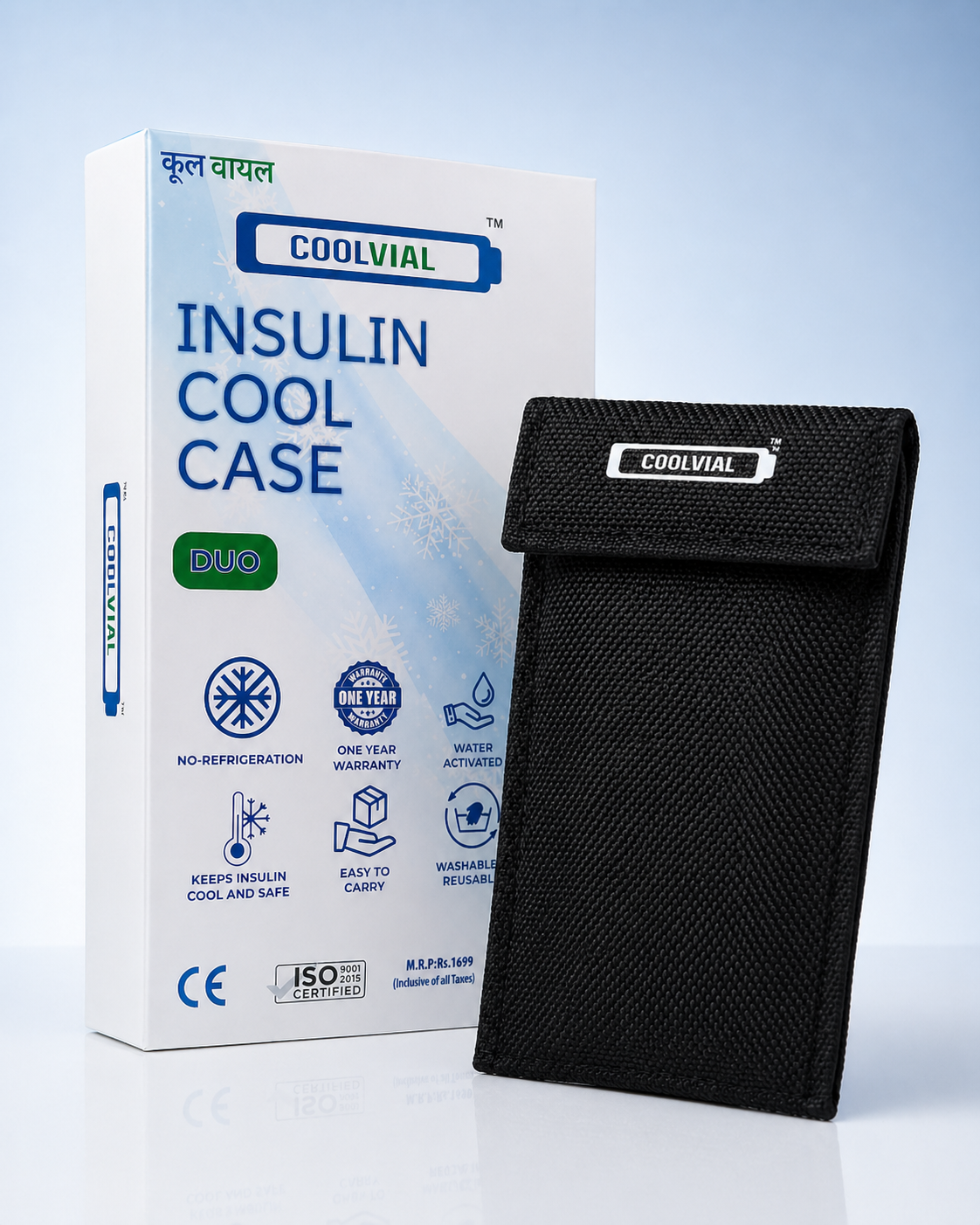
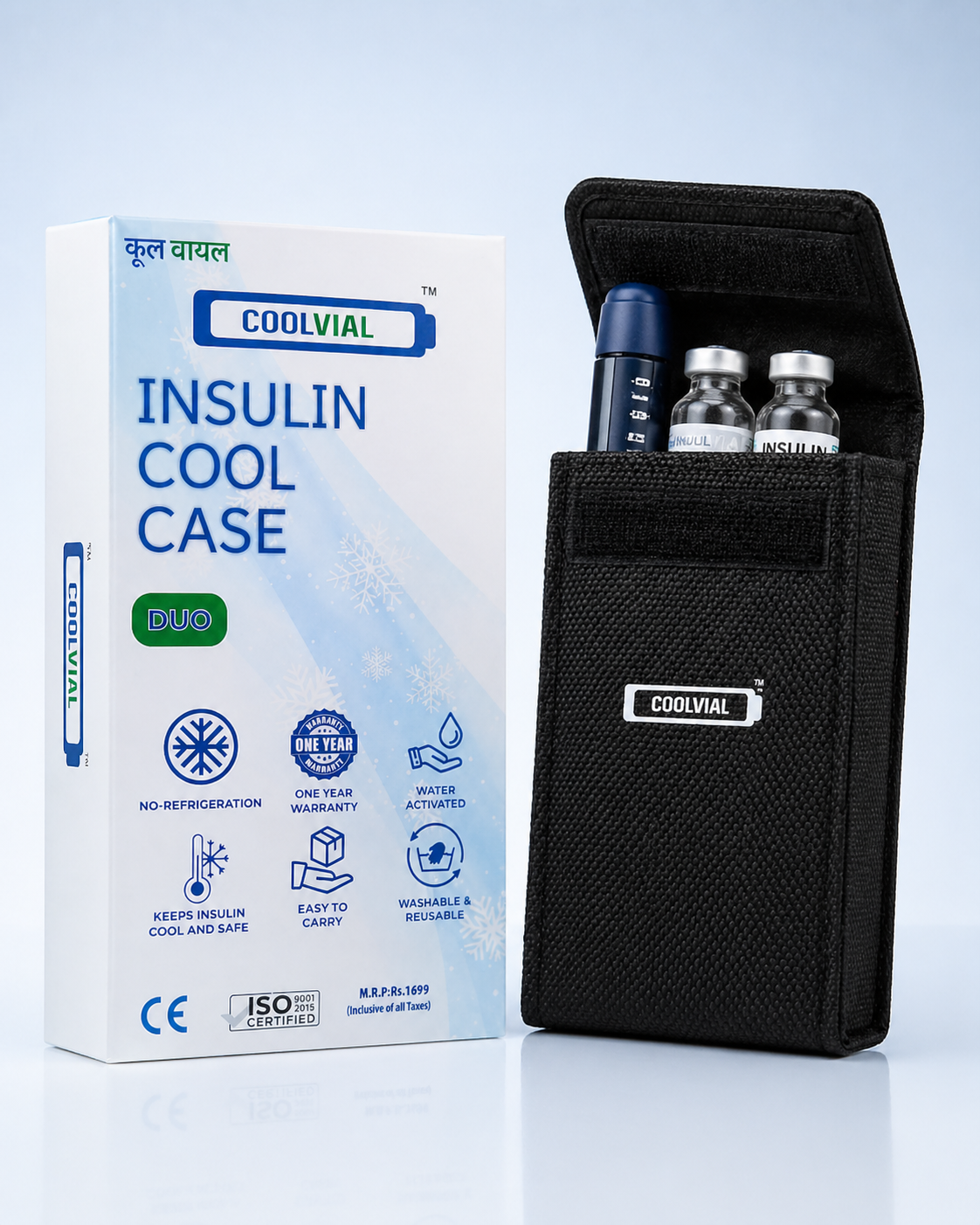
- How they work: Evaporative cooling cases, like the COOLVIAL Duo, use a simple water-activated technology. You just soak the inner pouch in water for a few minutes, and the evaporation process keeps your insulin cool for extended periods.
- Benefits during Meerut Monsoon:
- Power Outage Protection: Critical during the frequent power cuts that accompany monsoon storms. Protects insulin when your refrigerator is off. For more tips on managing power cuts, see our Power Cut Survival Guide for Diabetics in Meerut.
- Humidity Shield: The multi-layered design offers an additional barrier against external humidity, protecting pens and vials.
- Portability: Allows you to carry your insulin safely when navigating waterlogged streets or during unexpected travel.
- Consistent Temperature: Ensures your insulin stays within the safe temperature range (typically 18-26°C) even when ambient temperatures and humidity fluctuate wildly.
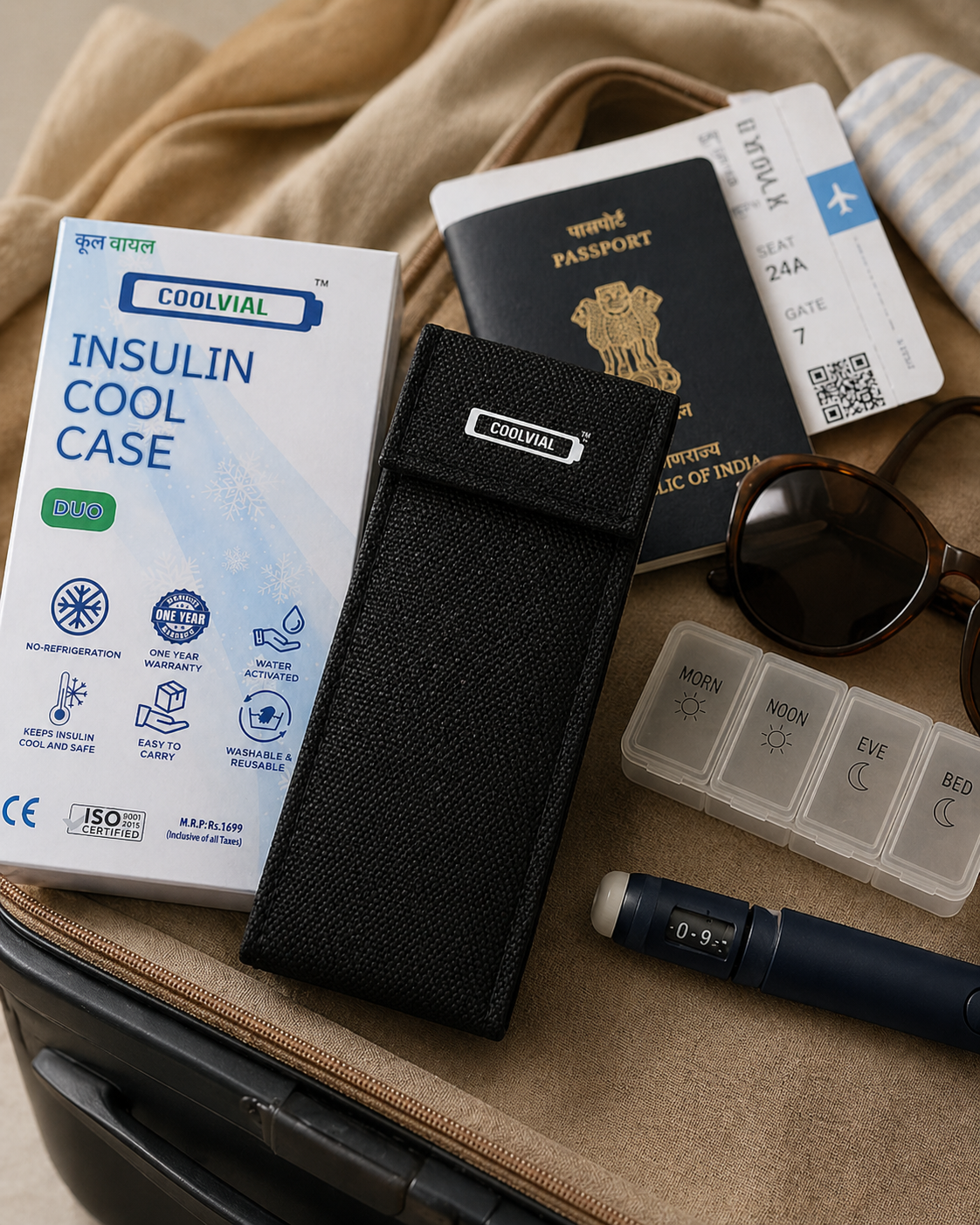
COOLVIAL Duo: Your Monsoon Ally The COOLVIAL Duo is specifically designed for the Indian climate, offering a reliable solution for insulin storage without electricity. It holds 2 insulin pens and 1 vial, keeping them cool for 12-16 hours. Priced at just Rs 1,099 with code COOLHEAL (MRP Rs 1,699), it’s a cost-effective alternative to options like FRIO (which can cost around Rs 1,900) or other basic insulated bags like Outer Woods OW-12 (around Rs 999, but may offer less consistent cooling). Being CE certified and ISO 9001:2015 compliant, along with a 1-year warranty and being Made in India, gives you peace of mind. It’s an investment in your health and peace of mind during the unpredictable Meerut monsoon. For more general insulin storage tips, visit our insulin storage tips page.
7. Your Essential Meerut Monsoon Insulin Preparedness Checklist
A proactive approach is your best defence against the monsoon’s challenges. Use this checklist to ensure you’re fully prepared to protect your insulin and maintain optimal diabetes management.
-
Insulin and Supplies:
- Buffer Stock: Ensure you have at least a 2-3 week extra supply of insulin, syringes/pens, lancets, and test strips.
- Prescription Copies: Keep digital and physical copies of your insulin prescriptions.
- Emergency Contacts: Have your doctor’s, endocrinologist’s, and emergency pharmacy numbers readily available.
-
Storage Solutions:
- Airtight Containers: Purchase several sizes of airtight plastic or glass containers for insulin storage.
- Silica Gel Packets: Stock up on reusable silica gel packets to absorb moisture.
- Waterproof Bags: Keep sturdy zip-lock bags or small dry bags for immediate water protection.
- COOLVIAL Duo: Invest in a water-activated evaporative cooling case like the COOLVIAL insulin cool case for power cuts and travel.
-
Home Environment:
- Check for Leaks: Inspect your roof, windows, and plumbing for any potential leaks.
- Improve Ventilation: Ensure proper airflow, especially in areas where insulin is stored.
- Dehumidifier: Consider placing a dehumidifier in damp rooms.
- Elevated Storage: Designate high, dry shelves for all medical supplies.
- Fridge Maintenance: Ensure your refrigerator is clean, functioning optimally, and free from excessive internal humidity. Store insulin in an additional airtight container inside.
-
Emergency Preparedness:
- Go-Bag: Prepare an emergency bag with essential medications, a week’s insulin supply, a blood glucose meter, and a COOLVIAL Duo.
- Power Bank: Keep a fully charged power bank for your phone and blood glucose meter if it’s USB-chargeable.
- Local Pharmacy Map: Know the locations of nearby pharmacies, especially emergency services at Anand Hospital (Sastri Nagar).
- Stay Informed: Monitor local weather forecasts and flood warnings for Meerut.
-
Health and Monitoring:
- Regular Check-ups: Ensure your diabetes management plan is up-to-date with your doctor.
- Monitor Blood Glucose: Be extra vigilant with blood glucose monitoring during monsoon, as stress or changes in routine can affect levels.
- Hydration: Even in humid weather, staying adequately hydrated is important.
By diligently following this checklist, Meerut residents with diabetes can significantly reduce the risks associated with the monsoon, ensuring their insulin remains effective and their health protected. For guidance on storing insulin during Meerut’s hotter months, our How to Store Insulin in Meerut Summer Heat — A Local’s Guide offers valuable insights.
Frequently Asked Questions (FAQ)
Q: Can I use insulin that has been exposed to high humidity but not direct water? A: If insulin packaging shows signs of humidity damage (e.g., soggy cardboard, mould), or if the pen/vial itself appears compromised (e.g., cloudiness, particles), it is safer to discard it as its potency or sterility may be affected.
Q: How do I know if my insulin has gone bad due to humidity or heat? A: Signs of degraded insulin include changes in appearance (cloudiness, discoloration, solid particles), a change in texture, or a decrease in its effectiveness in lowering blood glucose levels.
Q: Where can I buy silica gel packets in Meerut? A: Silica gel packets can be purchased at electronics stores, hardware shops, or through online retailers like Amazon India and Flipkart, and sometimes at local general stores in Meerut.
Q: What should I do if my area in Meerut gets waterlogged and I can’t reach a pharmacy? A: If waterlogged, rely on your pre-prepared emergency insulin stock. If depleted, contact the emergency pharmacy at Anand Hospital (Sastri Nagar) or other nearby hospitals, or reach out to your doctor for guidance.
Q: Is it safe to store insulin in my refrigerator during the Meerut monsoon, considering potential power cuts? A: Yes, unopened insulin should be stored in the refrigerator (2-8°C). During power cuts, a reliable cooling case like COOLVIAL Duo can maintain temperature for 12-16 hours, bridging the gap until power returns or you can access a working fridge.
Q: How long can insulin be safely stored at room temperature during monsoon? A: Opened insulin vials and pens are generally safe at room temperature (below 30°C) for 28 days. However, during the Meerut monsoon, ambient temperatures can sometimes exceed this, and high humidity can further compromise its stability, making a cooling case or careful monitoring essential.
Q: Can I reuse silica gel packets? A: Many types of silica gel packets are reusable; they can be reactivated by baking them in a low-temperature oven until their colour returns to original (if they are indicating type) or they feel dry.
Q: What is the ideal temperature range for storing insulin during the monsoon? A: Unopened insulin should be kept refrigerated at 2-8°C. Once opened, most insulins can be stored at room temperature, ideally between 18-26°C, but always check the specific manufacturer guidelines, which often state “below 30°C.”
Conclusion
The Meerut monsoon, with its unique blend of high humidity, moderate temperatures, and potential for waterlogging and power disruptions, presents a formidable challenge for individuals managing diabetes. Protecting your insulin from degradation, contamination, and inaccessibility is not just about convenience; it’s about safeguarding your health and ensuring consistent blood glucose control.
By adopting the 7 essential strategies outlined in this guide—understanding the climate, shielding against humidity and mould, preparing for floods, securing pharmacy access, and utilizing smart storage solutions like silica gel, airtight containers, and especially a reliable cooling case like the COOLVIAL Duo—you can navigate the monsoon season with confidence.
Don’t let the rains compromise your diabetes management. Be proactive, be prepared, and empower yourself with the right tools.
Order your COOLVIAL Duo today at just Rs 1,099 with code COOLHEAL at coolvial.com or via WhatsApp wa.me/918766952300 to ensure your insulin stays safe and effective, come rain or shine.
Medical Disclaimer
This article is for general informational purposes only and does not constitute medical advice. Always consult your endocrinologist or diabetologist before making any changes to your insulin storage, dosing practices, or diabetes management plan.
Methodology Note
How We Researched This — This article is based on a comprehensive review of RSSDI (Research Society for the Study of Diabetes in India) guidelines for insulin storage, ICMR-INDIAB (Indian Council of Medical Research - India Diabetes) data on diabetes prevalence and management in India (Source: https://icmr.gov.in/guidelines_diabetes.html), local Meerut hospital directories, and information gathered from the Apollo Pharmacy network regarding common challenges faced by diabetics in the region. Local climate data and anecdotal observations regarding waterlogging hotspots in Meerut were also incorporated to provide a highly localized and practical guide.
7 Essential Strategies: Protecting Your Insulin from Meerut Monsoon Damage
COOLVIAL keeps insulin safe in India's heat. 48+ hours, no electricity needed.