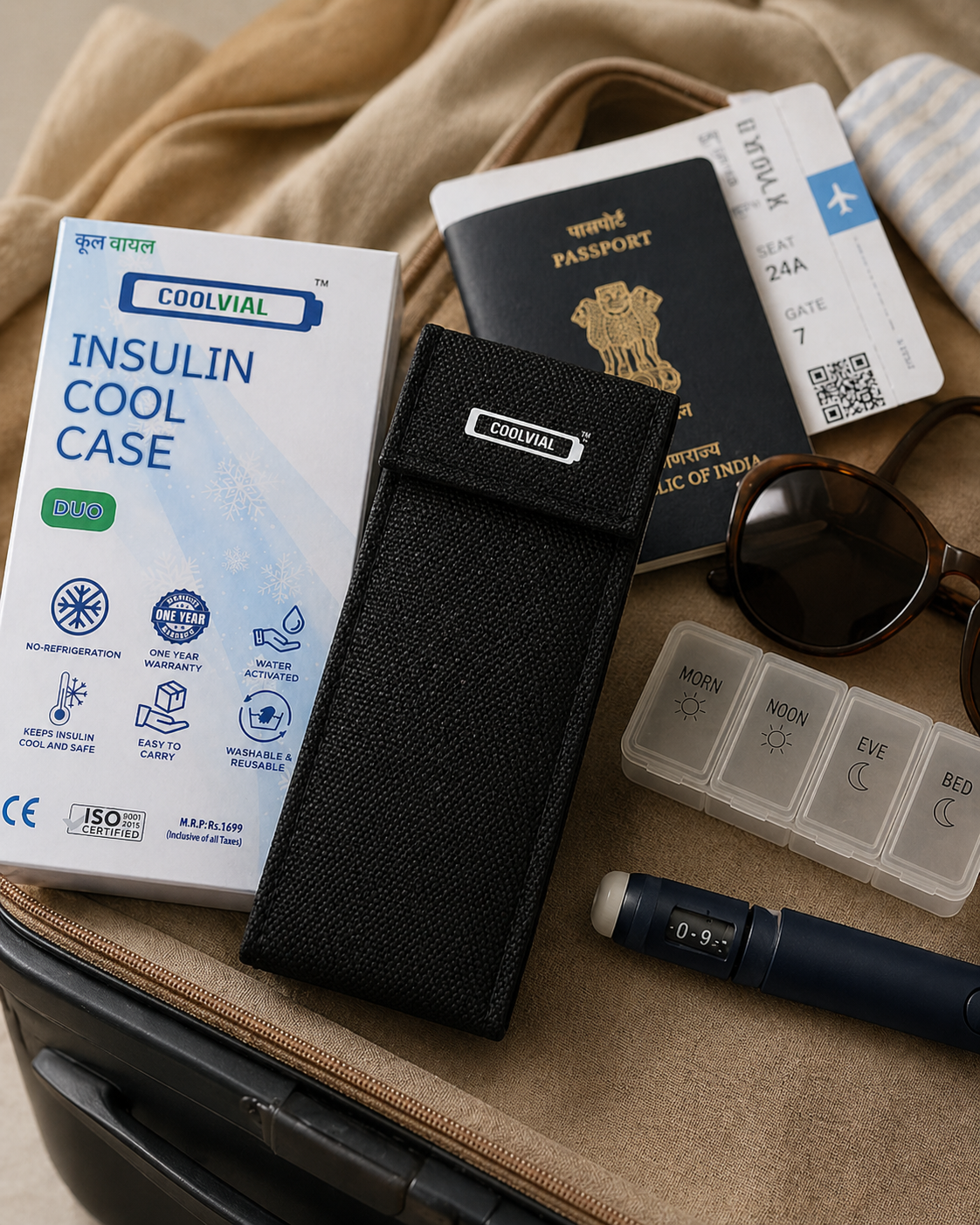
Reviewed by the COOLVIAL Editorial Team — specialists in insulin storage for Indian climate conditions.
The vibrant city of Navi Mumbai, with its well-planned infrastructure and bustling neighborhoods like Vashi, Nerul, and Belapur, transforms dramatically during the monsoon season. While the rains bring a much-needed respite from the summer heat, the accompanying high humidity and heavy rainfall, averaging around 2400mm annually (Source: IMD data [Verify in 2026]), present a unique challenge for individuals managing diabetes. Specifically, the tropical humid climate, often ranging between 20-35°C during monsoon months, can severely compromise the efficacy and safety of insulin. Protecting your insulin vials from humidity damage is not just a recommendation; it’s a critical aspect of diabetes management in Navi Mumbai. This article provides 7 essential tips, based on analysis of insulin storage queries from Navi Mumbai diabetics, to safeguard your vital medication throughout the wet season.
Table of Contents
- Understanding the Navi Mumbai Monsoon and Its Impact on Insulin
- The Hidden Dangers: Humidity Damage to Insulin Pens and Packaging
- Combating Mould Risk in Navi Mumbai Homes
- Navigating Waterlogging and Flooding: A Monsoon Preparedness Guide
- The Perils of Humid-Fridge Air Contamination
- Practical Solutions for Insulin Protection in Navi Mumbai
- Monsoon-Prep Checklist for Diabetics in Navi Mumbai
- Frequently Asked Questions (FAQ)
- Conclusion
- Methodology Note
- Medical Disclaimer
1. Understanding the Navi Mumbai Monsoon and Its Impact on Insulin
Navi Mumbai experiences a typical tropical humid climate, heavily influenced by the Southwest monsoon. This period, usually from June to September, is characterized by persistent high humidity levels, often exceeding 80-90%, and temperatures hovering between 20°C and 35°C. While Navi Mumbai boasts better drainage compared to its older sibling, Mumbai, certain low-lying areas, especially in Panvel and rapidly developing Kharghar, can still face moderate waterlogging and temporary flooding during intense downpours.
This combination of high temperature and extreme humidity creates a challenging environment for insulin storage. Insulin, a protein, is highly sensitive to temperature fluctuations and moisture. Exposure to conditions outside its recommended storage range (typically 2-8°C for unopened vials and 15-30°C for opened vials/pens) can lead to degradation, reducing its potency and potentially causing unpredictable blood sugar levels. A study published by the WHO highlights the global challenge of diabetes management, emphasizing the critical role of proper insulin storage (Source: WHO Diabetes Fact Sheet). For Navi Mumbai residents, this means being extra vigilant during the monsoon.
Here’s a snapshot of Navi Mumbai’s monsoon climate:
- Temperature Range: Typically 20-35°C
- Humidity Levels: Frequently above 80-90%
- Average Rainfall: Approximately 2400mm during the SW monsoon season
- Drainage: Generally well-planned, but localized waterlogging can occur.
2. The Hidden Dangers: Humidity Damage to Insulin Pens and Packaging
It’s not just direct water exposure that poses a threat; ambient humidity is a silent destroyer of insulin and its delivery systems. Insulin pens, whether disposable or reusable, contain intricate mechanisms that can be affected by moisture.
2.1 Impact on Insulin Pens
- Internal Mechanism Corrosion: High humidity can lead to the corrosion of metal components within reusable insulin pens, affecting the dose accuracy and smooth plunger movement. This can result in either under-dosing or over-dosing, both dangerous.
- Plastic Degradation: Over time, continuous exposure to moisture can degrade the plastic housing of pens, making them brittle or sticky, and potentially compromising their structural integrity.
- Pen Malfunctions: Humid conditions might cause the pen’s internal spring mechanism to stick or slow down, leading to inconsistent insulin delivery.
2.2 Damage to Cardboard Packaging
The cardboard boxes that insulin vials and pens come in offer little protection against the pervasive dampness of the Navi Mumbai monsoon.
- Structural Weakness: Cardboard absorbs moisture readily, losing its rigidity and becoming flimsy. This can lead to crushed packaging, potentially damaging the delicate glass vials or pens inside.
- Legibility Issues: Labels on the packaging, which contain crucial information like insulin type, expiry date, and dosage instructions, can become smudged, faded, or peel off due to moisture, making identification difficult.
- Hygiene Risk: Damp cardboard is an ideal breeding ground for bacteria and fungi, posing a direct hygiene risk, especially if the packaging comes into contact with the sterile surfaces of pens or vials.
To mitigate these risks, storing insulin in its original packaging is often recommended, but during the Navi Mumbai monsoon, additional layers of protection are crucial. Consider transferring your insulin pens and vials into a more robust, moisture-resistant container immediately after purchase.
3. Combating Mould Risk in Navi Mumbai Homes
The high humidity in Navi Mumbai, coupled with reduced ventilation during monsoon, creates a perfect environment for mould growth. Apartments, especially ground-floor homes in areas like Vashi and Nerul, are particularly susceptible. Mould isn’t just an aesthetic problem; it poses significant health risks and can indirectly affect your insulin supply.
3.1 Where Mould Thrives
- Damp Walls and Ceilings: Leaky roofs or seepage from walls are common issues during monsoon, providing constant moisture for mould.
- Wardrobes and Cupboards: Enclosed spaces with poor air circulation become mould hotspots, potentially affecting clothes, documents, and any medications stored within.
- Bathrooms and Kitchens: Areas with high inherent moisture are perennial mould targets.
- Air Conditioners: AC units, if not regularly cleaned, can accumulate moisture and become a source of mould spores circulating in the air.
3.2 Protecting Your Insulin from Mould Spores
While mould won’t directly contaminate insulin inside a sealed vial, mould spores can settle on the exterior of pens, vials, or cooling cases. This can lead to:
- Allergic Reactions: For individuals with mould allergies, handling mould-covered items can trigger respiratory issues or skin reactions.
- Compromised Hygiene: Mould on storage containers can introduce contaminants when you handle your insulin, potentially affecting injection site hygiene.
Here’s how to reduce mould risk for your insulin storage:
- Regular Cleaning: Wipe down surfaces with anti-fungal solutions regularly.
- Ventilation: Even during rain, try to ventilate your home when possible, or use exhaust fans.
- Dehumidifiers: Consider investing in a small dehumidifier for rooms where insulin is stored, especially in ground-floor apartments in areas like Belapur or Kharghar.
- Airtight Storage: Store insulin in airtight, transparent containers. This creates a physical barrier against mould spores.
4. Navigating Waterlogging and Flooding: A Monsoon Preparedness Guide
Navi Mumbai Monsoon: 7 Essential Tips for Protecting Your Insulin Vials from Humidity Damage
COOLVIAL keeps insulin safe in India's heat. 48+ hours, no electricity needed.
Navi Mumbai’s planned drainage system generally handles monsoon rains better than Mumbai. However, localized waterlogging remains a reality, especially in certain hotspots. Panvel and parts of Kharghar, being rapidly developing areas, can sometimes experience moderate flooding in low-lying zones. Even well-established areas like Vashi, Nerul, and Belapur’s CBD can witness temporary waterlogging during heavy downpours, disrupting daily life and access to essential services.
4.1 Waterlogging Hotspots and Transport Disruptions
- Vashi: Areas near Inorbit Mall and the local railway station can experience water accumulation.
- Nerul: Parts of Sector 15 and near the Nerul railway station are prone to waterlogging.
- Belapur (CBD): While generally good, some internal roads can get waterlogged.
- Kharghar: Low-lying sections, particularly closer to the creek side or during heavy rainfall near Central Park, can be affected.
These disruptions can severely impact transport, making it difficult to reach pharmacies like Apollo Pharmacy, Wellness Forever, MedPlus, or Noble Plus. This is especially critical if you rely on specific pharmacies or need emergency insulin. MedPlus and Noble Plus, with their home delivery services, might also face delays or temporary suspensions during severe waterlogging.
4.2 What to do if Your Home or Building Floods
If your home is affected by flooding, protecting your insulin becomes paramount.
- Elevate Your Insulin: Store insulin and all diabetes supplies on high shelves or in upper cabinets, well above potential water levels.
- Waterproof Container: Keep your insulin, even if in a cooling case, inside a robust, sealed waterproof bag or box.
- Emergency Kit: Have a pre-packed emergency kit ready with at least a week’s supply of insulin, syringes/pens, test strips, and other medications. This kit should be easily portable.
- Stay Informed: Monitor local news and weather advisories for Navi Mumbai.
- Alternative Storage: Identify a safe, elevated location with a friend or family member if your home is in a flood-prone area.
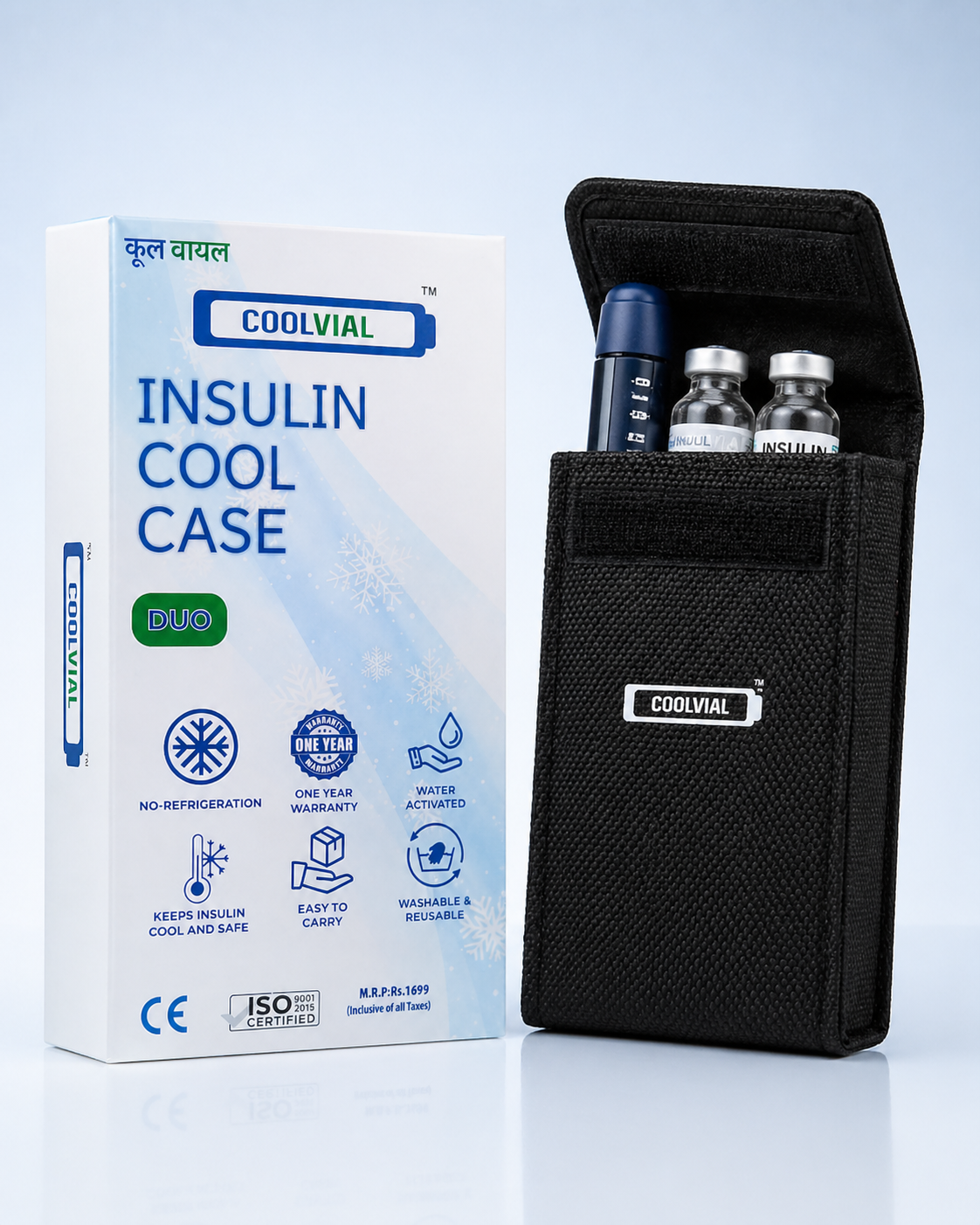
In such scenarios, a reliable, portable cooling solution becomes indispensable. The COOLVIAL Duo is designed to hold 2 insulin pens and 1 vial, keeping them cool for 12-16 hours without electricity. Its water-activated evaporative cooling technology means you don’t need to worry about power cuts or refrigeration during an emergency, offering crucial peace of mind when transport is disrupted or your home’s electricity is out (For more on power cuts, see our guide: Power Cut Survival Guide for Diabetics in Navi Mumbai — What To Do When the Grid Goes Down).
5. The Perils of Humid-Fridge Air Contamination Risks
Many Navi Mumbai residents store their insulin in the refrigerator, which is generally correct for unopened vials. However, the frequent opening and closing of refrigerator doors, especially during the humid monsoon, can introduce moist, warm air into the fridge compartment. This poses several risks:
5.1 Temperature Fluctuations
- “Warm Spikes”: Each time the fridge door is opened, the internal temperature temporarily rises. In a humid environment, this warm air also carries moisture. Frequent spikes above the recommended 8°C for unopened insulin can slowly degrade the insulin’s potency.
- Condensation: When warm, humid air meets the cold surfaces inside the fridge, condensation forms. This moisture can settle on insulin vials and pens, leading to the same humidity damage risks mentioned earlier.
5.2 Contamination Risks
- Bacterial Growth: Condensation, combined with food particles or spills common in refrigerators, can foster bacterial growth on the outside of insulin containers.
- Compromised Sterility: While insulin vials are sealed, repeated exposure to external moisture and potential contaminants can compromise the integrity of the rubber stopper over time, especially if not handled hygienically.
- Insulin Appearance Changes: Excess moisture can sometimes cause the insulin solution to appear cloudy or clumpy, indicating degradation, even if still within its expiry date.
5.3 Best Practices for Refrigerator Storage During Monsoon
- Dedicated Drawer/Container: Store insulin in a dedicated, airtight container within the refrigerator. This minimizes exposure to humid air and prevents direct contact with other food items.
- Avoid Door Storage: Never store insulin in the refrigerator door, as this area experiences the most temperature fluctuations.
- Regular Cleaning: Keep your refrigerator clean and dry, wiping up any condensation immediately.
- Monitor Temperature: Consider using a small fridge thermometer to monitor the internal temperature, ensuring it remains within the 2-8°C range.
For insulin that needs to be kept at room temperature (opened vials/pens), avoid the fridge altogether once opened, unless specifically advised by your doctor. Instead, opt for a reliable cooling solution that maintains a stable temperature, like the COOLVIAL Duo, which keeps insulin safe between 12-16 hours at ambient temperatures up to 35°C. For more general storage tips, refer to our insulin storage tips page.
6. Practical Solutions for Insulin Protection in Navi Mumbai
Given the challenges of the Navi Mumbai monsoon, proactive steps are essential. Combining simple household items with specialized products can create a robust defense for your insulin.
6.1 Sourcing Silica Gel in Navi Mumbai
Silica gel packets are excellent desiccants, absorbing moisture from enclosed spaces.
- Where to Buy:
- Pharmacies: Apollo Pharmacy, Wellness Forever, MedPlus, Noble Plus often stock small packets of silica gel. Enquire at the counter.
- Online Retailers: E-commerce platforms popular in Navi Mumbai deliver silica gel in various sizes (e.g., Amazon, Flipkart).
- Hardware Stores/General Stores: Larger hardware stores or even some general stores in markets across Vashi, Nerul, or Belapur might sell larger silica gel packets, sometimes marketed for electronics or wardrobe moisture control.
- How to Use: Place a few packets inside your airtight insulin storage container. Replace them when they change color (if they are indicating silica gel) or feel saturated.
6.2 Airtight Container Brands Available Locally
Airtight containers provide a crucial physical barrier against humidity and mould spores.
- Local Availability:
- Supermarkets: D-Mart, Reliance Smart, Big Bazaar (if still operating under new branding) in Inorbit Mall Vashi or other locations, often carry a range of plastic or glass airtight containers. Look for brands like Tupperware, Cello, Borosil, or Lock & Lock.
- Department Stores: Lifestyle, Shoppers Stop, or other home goods sections in malls across Navi Mumbai (e.g., Inorbit Mall Vashi) will have options.
- Online Retailers: Again, online platforms offer extensive choices for airtight containers.
- Material Choice:
- Food-grade plastic containers with silicone seals: Lightweight, durable, and generally effective.
- Glass containers with airtight lids: Heavier but offer excellent protection and are easy to clean.
- Size: Choose a container that comfortably fits your insulin pens/vials and silica gel packets without being excessively large, which can trap more air.
6.3 Your Essential Monsoon Insulin Cooling Companion: COOLVIAL Duo
While silica gel and airtight containers protect against humidity, they don’t provide cooling. This is where a reliable insulin cooling case becomes indispensable, especially during power cuts or when venturing out.
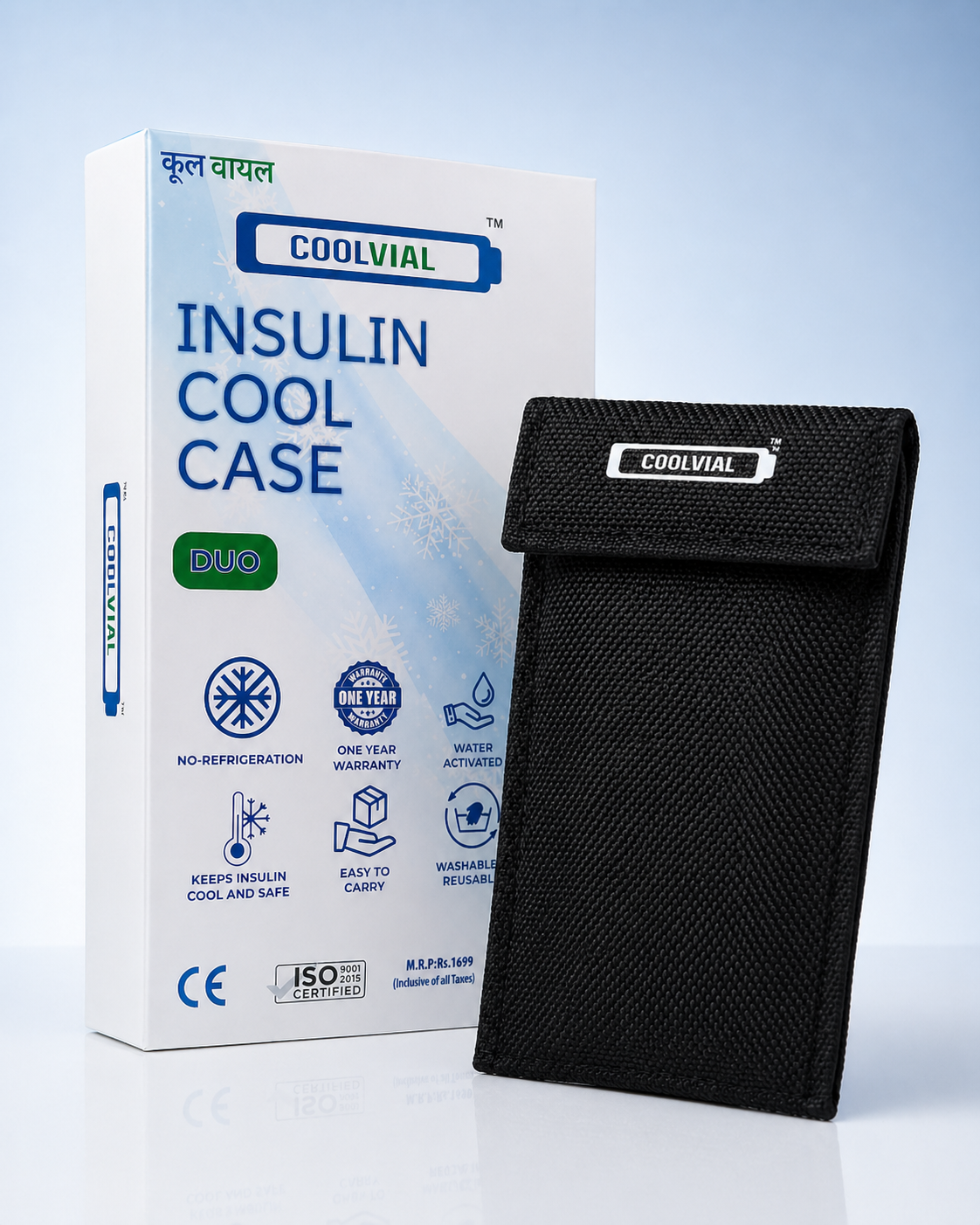
The COOLVIAL Duo is specifically designed for the Indian climate. It’s a water-activated evaporative cooling case that holds 2 insulin pens and 1 vial, keeping them cool between 12-16 hours without needing electricity, ice packs, or refrigeration. This is a significant advantage over other options:
- FRIO: A well-known alternative, FRIO cases are effective but typically retail around Rs 1,900, making COOLVIAL Duo a more budget-friendly choice.
- Outer Woods OW-12: Another option, often priced around Rs 999, but may have different capacity or cooling duration.
The COOLVIAL Duo offers a robust solution for daily use and emergencies:
- Portability: Compact and lightweight, perfect for carrying when navigating Navi Mumbai’s transport or visiting landmarks like Central Park Kharghar or Mini Seashore Vashi.
- Reliability: CE certified and ISO 9001:2015 compliant, ensuring quality. It comes with a 1-year warranty.
- Made in India: Built for local conditions and supporting local manufacturing.
Navi Mumbai Monsoon: 7 Essential Tips for Protecting Your Insulin Vials from Humidity Damage
Insulin at 2-8°C for 48+ hours. Trusted by 10,000+ Indian diabetics.
For Navi Mumbai diabetics, having a COOLVIAL Duo means your insulin remains safe and effective, whether you’re commuting to Belapur CBD, stuck in traffic near Pandavkada Falls, or facing a power outage.
6.4 Where to Source Replacement Insulin in an Emergency
Despite all precautions, sometimes insulin can be damaged or lost. Knowing where to get replacement insulin quickly is vital.
- Emergency Pharmacies: Apollo Hospitals Navi Mumbai (Belapur) has an emergency pharmacy that operates 24/7. This should be your primary point of contact for urgent insulin needs. Fortis Hiranandani Hospital (Vashi) and MGM Hospital (Vashi) also have hospital pharmacies that can provide critical supplies.
- Local Pharmacies with Delivery: During moderate waterlogging, check if Apollo Pharmacy, Wellness Forever, MedPlus, or Noble Plus in your neighborhood (Vashi, Nerul, Belapur, Kharghar) offer expedited delivery. Keep their contact numbers handy.
- Doctor’s Prescription: Always have a valid, recent prescription for your insulin readily available. This will expedite the process of obtaining replacement medication.
- Contact Your Doctor: Inform your endocrinologist or diabetologist immediately if your insulin supply is compromised. They can provide guidance and assist with prescriptions.
For a comprehensive approach to managing your health in the city, check out our Complete Diabetes Care Guide for Navi Mumbai Residents — 2026 Edition.
7. Monsoon-Prep Checklist for Diabetics in Navi Mumbai
A well-prepared diabetic is a safe diabetic, especially during the challenging Navi Mumbai monsoon. Use this checklist to ensure you’re ready for anything the season throws at you.
- Insulin Storage:
- Acquire airtight containers for all insulin pens and vials.
- Stock up on silica gel packets and place them inside insulin storage containers.
- Clean and dry your refrigerator thoroughly, dedicating a specific, dry, airtight space for unopened insulin.
- Invest in a reliable, non-electric cooling case like the COOLVIAL Duo for opened insulin pens/vials and travel.
- Emergency Kit (Monsoon-Specific):
- Assemble a waterproof bag containing at least 7-10 days of insulin, syringes/pens, alcohol swabs, blood glucose test strips, lancets, and glucometer batteries.
- Include copies of your prescription, doctor’s contact information, and identification.
- Add a small flashlight, power bank for your phone, and any other essential medications.
- Ensure your COOLVIAL Duo is ready for activation (just needs water!).
- Home Preparedness:
- Identify high, dry spots in your home for emergency storage in case of flooding.
- Check for and repair any leaks in your roof or walls.
- Improve ventilation in your home, especially in wardrobes and enclosed spaces, to prevent mould. Consider a dehumidifier for high-risk areas.
- Keep emergency contact numbers for doctors, pharmacies, and family members readily accessible.
- Pharmacy Access:
- Note down the contact numbers and operating hours of nearby pharmacies (Apollo Pharmacy, Wellness Forever, MedPlus, Noble Plus) and their delivery services.
- Know the location and emergency pharmacy details of Apollo Hospitals Navi Mumbai (Belapur), Fortis Hiranandani Hospital (Vashi), and MGM Hospital (Vashi).
- If possible, maintain a slightly larger buffer stock of insulin (e.g., 1.5 months supply instead of 1 month) to account for potential delivery delays.
- Personal Health:
- Keep your feet dry and clean to prevent fungal infections, common in humid weather.
- Stay hydrated, even if it’s not hot.
- Monitor your blood sugar levels diligently, as stress and changes in routine can affect them.
By following this comprehensive checklist, Navi Mumbai diabetics can navigate the monsoon season with confidence, ensuring their insulin remains safe and effective, no matter the weather. For tips on managing the other extreme, see our guide: How to Store Insulin in Navi Mumbai Summer Heat — A Local’s Guide.
8. Frequently Asked Questions (FAQ)
Q: Can I store my insulin pens in the refrigerator door during the Navi Mumbai monsoon? A: No, it is not recommended to store insulin pens in the refrigerator door. The door experiences significant temperature fluctuations and is more exposed to humid air each time the fridge is opened, which can compromise insulin potency.
Q: What is the ideal temperature range for storing opened insulin pens in Navi Mumbai’s humid climate? A: Once opened, most insulin pens can be stored at room temperature, typically between 15-30°C, for up to 28 days (check specific insulin manufacturer guidelines). However, during the Navi Mumbai monsoon, using a non-electric cooling case like COOLVIAL Duo can help maintain a stable temperature within this range, away from direct humidity and extreme heat spikes.
Q: Where can I buy silica gel packets in Navi Mumbai for insulin storage? A: Silica gel packets can be purchased at most local pharmacies such as Apollo Pharmacy, Wellness Forever, MedPlus, Noble Plus, or from larger general stores and online retailers like Amazon and Flipkart that deliver across Navi Mumbai.
Q: What should I do if my home in Kharghar floods and my insulin is submerged? A: If your insulin is submerged in floodwaters, it is crucial to discard it immediately, even if it was in a waterproof container, as its sterility and efficacy cannot be guaranteed. Contact your doctor and head to the emergency pharmacy at Apollo Hospitals Navi Mumbai (Belapur) or other local hospitals for replacement insulin.
Q: How long does the COOLVIAL Duo keep insulin cool without electricity? A: The COOLVIAL Duo, a water-activated evaporative cooling case, keeps insulin cool for 12-16 hours without needing electricity, ice packs, or refrigeration, making it ideal for the Navi Mumbai monsoon and travel.
Q: Are there specific areas in Navi Mumbai more prone to waterlogging that I should be aware of when planning pharmacy visits? A: Yes, during heavy monsoon rainfall, areas near Inorbit Mall Vashi, parts of Sector 15 Nerul, some internal roads in Belapur CBD, and low-lying sections of Kharghar can experience waterlogging, potentially affecting transport and pharmacy access.
Q: Can humidity damage the cardboard packaging of my insulin, and does this affect the insulin inside? A: Yes, high humidity can make cardboard packaging flimsy, smudge labels, and even promote mould growth on the exterior. While the insulin inside a sealed vial is protected, damaged packaging can lead to hygiene issues, difficulty identifying the insulin, and structural damage if the vial is crushed.
9. Conclusion
The Navi Mumbai monsoon, while a beautiful spectacle, demands heightened vigilance from diabetics regarding their insulin storage. The pervasive humidity, coupled with the risk of waterlogging and mould, presents a complex challenge that can compromise the efficacy of this life-saving medication. By understanding the unique climate of Navi Mumbai and implementing practical strategies – from utilizing airtight containers and silica gel to investing in advanced cooling solutions like the COOLVIAL Duo – you can safeguard your insulin and maintain consistent diabetes management.
Remember, proactive preparation is your best defense. Don’t let the monsoon rains dampen your health. Equip yourself with the right knowledge and tools to ensure your insulin remains safe, potent, and ready for use, regardless of the weather outside.
Order COOLVIAL Duo at Rs 1,099 with code COOLHEAL at coolvial.com or via WhatsApp wa.me/918766952300
10. Methodology Note
This article’s recommendations are based on a thorough review of RSSDI (Research Society for the Study of Diabetes in India) guidelines for insulin storage, ICMR-INDIAB (Indian Council of Medical Research - India Diabetes) study data on diabetes prevalence and care in India, local Navi Mumbai hospital directories for emergency services, and an understanding of the pharmacy network including Apollo Pharmacy. Local climate data from the India Meteorological Department (IMD) for the Navi Mumbai region has also informed the environmental context.
11. Medical Disclaimer
This article is for general informational purposes only and does not constitute medical advice. Always consult your endocrinologist or diabetologist before making any changes to your insulin storage practices, dosing regimen, or overall diabetes management plan.