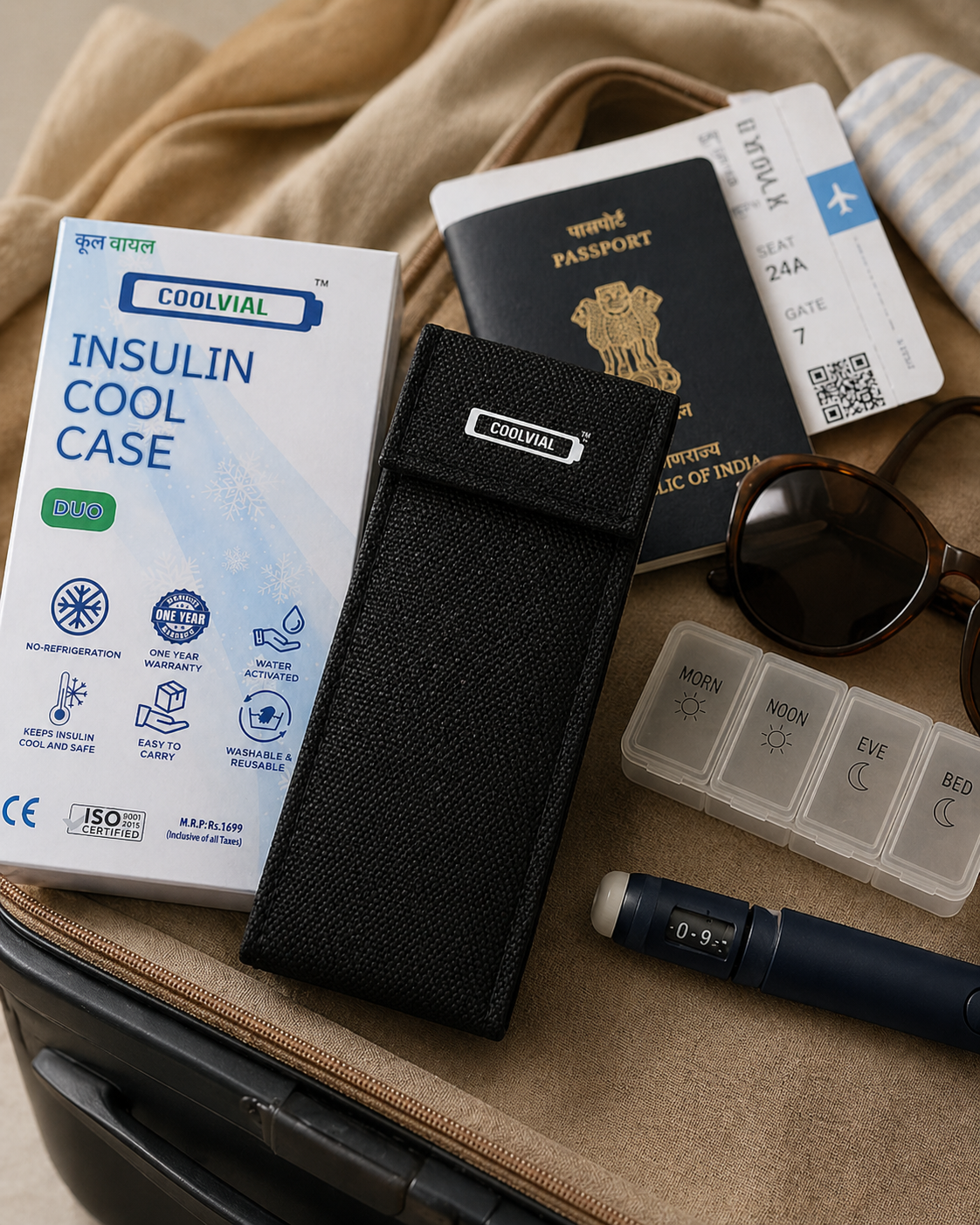
Reviewed by the COOLVIAL Editorial Team — specialists in insulin storage for Indian climate conditions.
Mumbai, the city that never sleeps, often faces unexpected power outages, especially during the relentless monsoon season from June to September, or amidst the peak summer load shedding of April-June. For the estimated 2.7 million people living with diabetes in Mumbai (Source: ICMR-INDIAB study), a sudden loss of electricity isn’t just an inconvenience; it can be a critical challenge for insulin storage. Insulin, a life-saving medication, is highly sensitive to temperature fluctuations and must be kept cool, typically between 2°C and 8°C when unopened, and at room temperature (below 25-30°C) once opened. What happens when your refrigerator stops working for hours, or even days? This comprehensive power cut survival guide offers 5 essential steps for diabetics in Mumbai to navigate these situations, ensuring your insulin remains potent and safe. Based on analysis of insulin storage queries from Mumbai diabetics, we understand the unique local challenges and provide practical, city-specific solutions.
Table of Contents
- Understanding Mumbai’s Power Landscape: Outages, Inverters, and Solar Solutions
- Insulin Storage Essentials During Normal Conditions
- Immediate Action Plan: Your Power Cut Survival Guide for Diabetics
- Leveraging Community & Infrastructure in Mumbai
- Accessing Emergency Insulin & Supplies in Mumbai
- The Role of Portable Insulin Cooling Cases: Your Essential Companion
- Proactive Preparedness: Building Your Ultimate Power Cut Survival Guide
- Special Considerations for Mumbai’s Climate and Insulin
- Frequently Asked Questions (FAQ)
- Conclusion
- How We Researched This
- Medical Disclaimer
Understanding Mumbai’s Power Landscape: Outages, Inverters, and Solar Solutions
Mumbai’s electricity supply, primarily managed by providers like Adani Electricity and BEST, is generally robust but not immune to disruptions. Knowing your local power patterns is the first step in any effective power cut survival guide. Here’s what Mumbai residents, especially diabetics, need to be aware of:
- Monsoon Outages: The heavy Southwest monsoon (June-September) often brings torrential rains (averaging ~2400mm annually) and strong winds, leading to widespread power cuts. Areas like the Bandra-Andheri belt and further afield in Thane-Navi Mumbai are particularly susceptible due to older infrastructure or proximity to green zones.
- Peak Summer Load Shedding: Between April and June, when temperatures can soar above 35°C and humidity hovers around 70-90%, the increased demand for air conditioning can lead to planned or unplanned load shedding. This is especially critical for insulin, which degrades rapidly in heat.
- Old Building Areas: Neighborhoods in parts of Powai-Vikhroli, South Mumbai (Colaba/Marine Drive), and Dadar, with older buildings, often lack modern power backup systems. Residents here are more vulnerable to prolonged outages.
- Generator and Inverter Culture: Many housing societies, particularly in newer developments in Powai-Vikhroli and the Bandra-Andheri belt, invest in shared generators or individual apartment inverters. Understanding your building’s backup capacity is crucial.
- Apartment vs. Independent House Realities: Apartment dwellers in high-rises might benefit from society-level generators for common areas, but individual flat power might still be affected. Independent house owners have more control over installing personal inverters or solar solutions.
- Solar Inverter Setups: Increasingly popular in Mumbai’s suburbs, particularly Thane and Navi Mumbai, solar inverter setups offer a sustainable and reliable backup, reducing dependence on the grid. They’re a smart long-term investment for insulin safety.
- Outage-Prone Pin Codes: While specific pin codes are dynamic, historically, areas with older infrastructure or near construction zones can experience more frequent disruptions. [Verify in 2026] for current local discom outage reporting.
Knowing these local nuances allows you to tailor your preparedness plan. Mumbai’s climate, with its year-round temperatures between 20-35°C, means that even a short power cut can quickly push indoor temperatures beyond the safe range for insulin if not properly managed.
Insulin Storage Essentials During Normal Conditions
Before we delve into crisis management, a quick refresher on ideal insulin storage is vital. Understanding these basics forms the foundation of any robust power cut survival guide.
- Unopened Insulin:
- Store in a refrigerator at temperatures between 2°C and 8°C.
- Do NOT freeze insulin. Freezing can damage its protein structure, rendering it ineffective.
- Check expiry dates regularly.
- Always keep it in its original carton to protect from light.
- Opened Insulin (in use):
- Can be kept at room temperature (typically below 25°C to 30°C) for up to 28 days (duration may vary by brand, always check package insert).
- Avoid direct sunlight or extreme heat.
- Do NOT refrigerate insulin pens or vials that are in active use if they are designed for room temperature storage after opening. Repeated temperature changes can impact efficacy.
- Key Storage Principles:
- Consistency is Key: Maintain a stable temperature as much as possible.
- Visual Inspection: Always check insulin for discoloration, cloudiness, or particles before use. If it looks different, do not use it.
- Travel Preparedness: When travelling within Mumbai or beyond, use an insulated cooling case to maintain temperature. For more detailed guidance, refer to our insulin storage tips.
Immediate Action Plan: Your Power Cut Survival Guide for Diabetics
When the lights go out, panic is not an option. A calm, systematic approach is crucial. Here are 5 essential steps, broken down by outage duration, forming the core of your power cut survival guide.
Scenario 1: The Brief 30-Minute Interruption
Short power cuts are common in Mumbai. Your primary goal is to maintain the internal temperature of your refrigerator.
- Immediate Actions:
- Do Not Open the Refrigerator Door: Every time you open the door, warm air rushes in, raising the internal temperature. A closed refrigerator can keep food and insulin cold for up to 4 hours.
- Check for Updates: Use your phone to check with your local discom (e.g., Adani Electricity or BEST) for outage information and estimated restoration times.
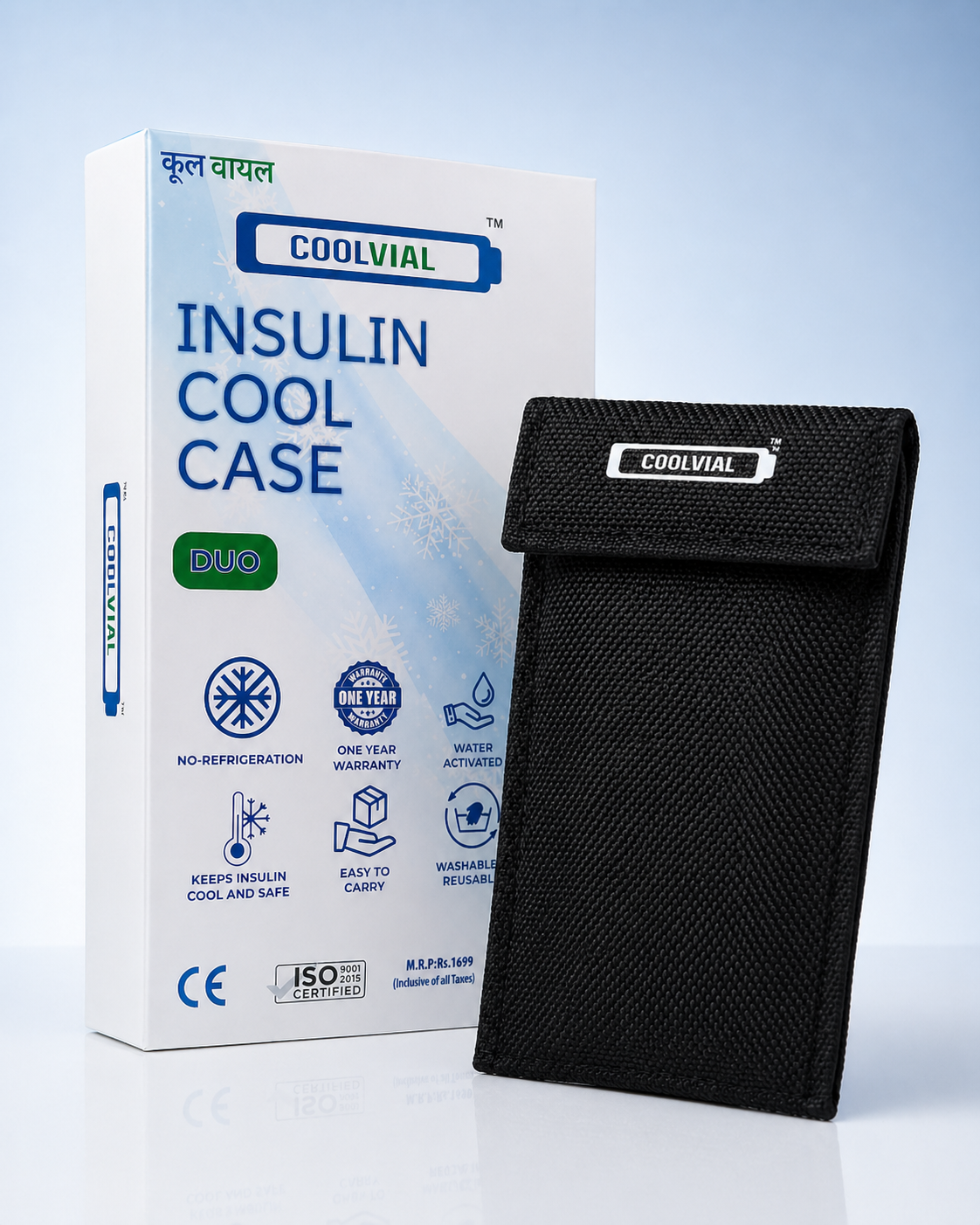
- Prepare Your Cooling Case: If you anticipate the cut might extend, get your evaporative insulin cooling case ready. For example, a COOLVIAL Duo can be activated by simply immersing it in water.
- Monitor Insulin: For insulin currently in use and kept at room temperature (below 25-30°C), ensure it’s away from direct heat sources like windows or appliances that retain heat.
- Stay Calm: Most short cuts resolve quickly.
Scenario 2: The Mid-Length 6-Hour Outage
A 6-hour cut is significant enough to warrant moving refrigerated insulin to a more controlled environment.
- Key Steps:
- Activate Your Portable Cooler: This is where a water-activated evaporative cooler like the COOLVIAL Duo becomes indispensable. Simply immerse the inner pouch in cold water for 5-10 minutes, allowing the cooling crystals to absorb the water and form a gel. Wring out excess water, and place your insulin pens and vials inside.
- Transfer Insulin: Carefully move your refrigerated insulin pens and vials into the activated cooling case. A COOLVIAL Duo can hold 2 pens and 1 vial, keeping them cool at 18-26°C for 12-16 hours, even in Mumbai’s ambient temperatures of 20-35°C.
- Minimize Refrigerator Opening: Continue to keep the refrigerator door closed to preserve any remaining coolness for other items.
- Conserve Phone Battery: Limit non-essential phone usage to stay updated and for emergency calls.
- Stay Hydrated: Mumbai’s humidity and heat can lead to dehydration, especially for diabetics.
5 Essential Steps: Your Power Cut Survival Guide for Diabetics in Mumbai
Scenario 3: The Challenging 12-Hour Cut
When a power cut extends to 12 hours or more, your evaporative cooling case will likely need reactivation, and you’ll need to consider other options.
- Extended Cooling Protocol:
- Re-activate Your COOLVIAL Duo: After 12-16 hours, the cooling effect of your evaporative case will diminish. Re-immerse the pouch in cold water for a few minutes to reactivate the cooling cycle. This allows for continuous cooling for multiple cycles.
- Monitor Internal Temperature: If possible, use a small thermometer inside your cooling case to ensure the insulin is maintained within the safe temperature range (18-26°C for most evaporative coolers).
- Consider Alternatives: If you don’t have an evaporative cooler, or as a backup, explore insulated lunch bags with frozen gel packs (if you have access to a freezer at a neighbour’s place with power). However, ensure insulin doesn’t directly touch the frozen packs to prevent freezing.
- Check with Neighbours/Housing Society: In many Mumbai housing societies, especially in areas like Powai-Vikhroli or Bandra-Andheri, some residents or the society office might have generator backup or large inverters. Inquire if they can temporarily store your insulin in their refrigerators.
- Review Insulin Labels: Double-check the specific storage instructions for your brand of insulin. Some newer formulations might have slightly more lenient room temperature storage guidelines.
Compared to other options, a COOLVIAL Duo (Rs 1,099 with code COOLHEAL) provides a cost-effective and reliable solution. While FRIO cases are similar and effective, they typically retail for around Rs 1,900. Simpler insulated pouches like Outer Woods OW-12 (around Rs 999) might offer less consistent cooling for extended periods in Mumbai’s high humidity. The CE certification and ISO 9001:2015 standards of COOLVIAL Duo offer an added layer of assurance for quality and safety.
Scenario 4: The Extended 24-Hour+ Disruption
A power cut lasting over 24 hours demands more extensive measures and activating your emergency contacts. This is where your comprehensive power cut survival guide truly comes into play.
- Contingency Plans:
- Neighbours’ Refrigerators: This is often the first and most practical option. Reach out to neighbours in your building or locality (e.g., Marine Drive, Bandra-Andheri belt, Powai-Vikhroli) who might have power backup (inverters, generators, or even solar setups) and can offer temporary fridge space.
- 24-Hour Pharmacies: Mumbai has several 24-hour pharmacies that can store insulin for emergencies. Apollo Pharmacy and Wellness Forever are strong candidates. MedPlus and Noble Chemist are other reliable options. Check our updated list of 24-Hour Pharmacies in Mumbai for Insulin Emergencies — Updated List for detailed information. Always call ahead to confirm their services.
- Hospital Pharmacies: Major hospitals in Mumbai, such as Lilavati Hospital (Bandra), PD Hinduja Hospital (Mahim), and Kokilaben Dhirubhai Ambani Hospital (Andheri), have 24/7 pharmacies that can store insulin or provide emergency supplies. They are equipped with industrial-grade refrigeration.
- Local Clinic/Doctor: Your diabetologist or local clinic might have backup power and be able to assist with short-term storage or advice.
- Replenish Supplies (if necessary): If your insulin has been exposed to unsafe temperatures for too long, it’s safer to acquire new supplies if feasible. This is a last resort but crucial for your health.
- Stay Connected: Keep a power bank charged for your phone. Communicate with family and friends about your situation.
Leveraging Community & Infrastructure in Mumbai
Mumbai’s strength lies in its community spirit. Don’t underestimate the power of local support during a crisis.
- Community Options:
- Housing Society Management: Inform your society’s managing committee about your specific need for insulin refrigeration. They might have a common refrigerator with backup power or can facilitate access to one.
- Neighbourhood WhatsApp Groups: These groups are invaluable for sharing information and seeking help during power cuts. Many Mumbaikars are willing to offer assistance.
- Local Businesses with Generators: Small businesses like cafes, grocery stores, or clinics might have generator backup and could offer temporary storage for a short period. Always ask politely and offer to pay if appropriate.
- Infrastructure Support:
- Community Centers/Libraries: Some public facilities might have backup power, especially in larger neighborhoods like Bandra, Juhu, or Thane. [Verify in 2026] for specific locations and services.
- Hotels: Larger hotels, particularly in business districts like BKC or tourist areas like Marine Drive, usually have robust power backup systems. In extreme emergencies, they might offer temporary refrigeration.
Remember, clear and polite communication is key when seeking help from others.
Accessing Emergency Insulin & Supplies in Mumbai
Knowing where to get emergency insulin and supplies is a critical component of any power cut survival guide. Mumbai’s extensive network of pharmacies and hospitals is a lifeline.
- Key Pharmacy Chains (24-hour options highlighted):
- Apollo Pharmacy: Several branches across Mumbai, including South Mumbai, Bandra-Andheri belt, and Thane-Navi Mumbai, operate 24/7 and are equipped to store temperature-sensitive medications.
- Wellness Forever: Another growing chain with 24-hour outlets in key locations, often having cold chain facilities.
- MedPlus & Noble Chemist: While not all branches are 24-hour, they are reliable for regular supplies and can be contacted during business hours.
- Trust Chemists: A local favourite, offering good service and often competitive pricing.
- Hospital Pharmacies (24-hour):
- Lilavati Hospital (Bandra): A prominent hospital with a well-stocked 24-hour pharmacy, ideal for those in the Bandra-Andheri belt.
- PD Hinduja Hospital (Mahim): Another major institution offering round-the-clock pharmacy services.
- Kokilaben Dhirubhai Ambani Hospital (Andheri): A modern facility with a 24/7 pharmacy, particularly accessible for residents of Andheri and Powai.
- Important Tips:
- Carry Prescriptions: Always have your insulin prescription, or a clear photo of it, readily available.
- Know Your Dose: Be clear about the type and dosage of insulin you need.
- Emergency Fund: Keep a small emergency fund in cash, as card machines might not work during prolonged power cuts.
For a broader understanding of managing your diabetes in the city, refer to our Complete Diabetes Care Guide for Mumbai Residents — 2026 Edition.
The Role of Portable Insulin Cooling Cases: Your Essential Companion
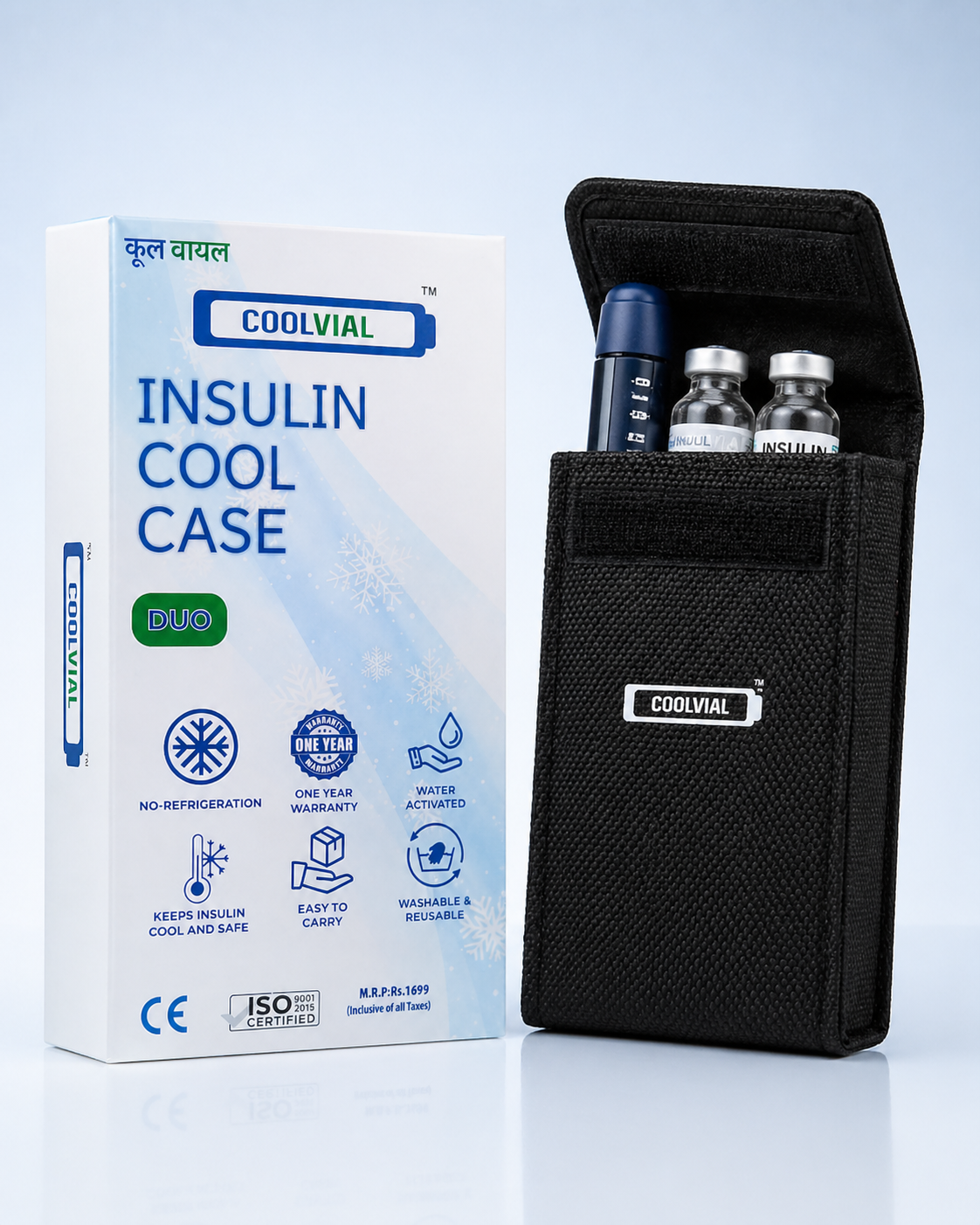
In Mumbai’s challenging climate, a portable insulin cooling case is not just a convenience; it’s an essential part of your power cut survival guide. The COOLVIAL Duo is specifically designed for these very scenarios.
5 Essential Steps: Your Power Cut Survival Guide for Diabetics in Mumbai
48+ hours at 2-8°C. No electricity. CE certified. Free delivery across India.
Order on WhatsApp — ₹1,099🛒 Buy Now — ₹1,099- Why an Evaporative Cooler?
- No Electricity Needed: Unlike mini-fridges or battery-powered coolers, evaporative cases like COOLVIAL Duo work simply with water, making them ideal during power outages.
- Consistent Cooling: They use the principle of evaporative cooling to maintain insulin at a safe temperature (typically 18-26°C), even when ambient temperatures are high (up to 35-40°C).
- Portability: Lightweight and compact, they are easy to carry, whether you’re moving to a neighbour’s house or visiting a pharmacy.
- COOLVIAL Duo Benefits:
- Capacity: Holds 2 insulin pens and 1 vial, catering to common diabetic needs.
- Duration: Keeps insulin cool for 12-16 hours per activation cycle.
- Simple Activation: Just immerse the inner pouch in water for 5-10 minutes.
- Quality & Affordability: CE certified and ISO 9001:2015 compliant, ensuring high standards. At Rs 1,099 with code COOLHEAL (MRP Rs 1,699), it offers excellent value.
- Made in India: Designed for Indian climate conditions.
- Warranty: Comes with a 1-year warranty for peace of mind.
- Comparison with Competitors:
- FRIO: A well-known global brand, FRIO cases work on a similar evaporative principle. They are highly effective but generally more expensive, with comparable models retailing around Rs 1,900.
- Outer Woods OW-12: Offers basic insulation with gel packs, priced around Rs 999. While cheaper, it may not provide the sustained and consistent cooling of an evaporative case, especially in high humidity, and requires pre-frozen gel packs, which are useless during a power cut.
- COOLVIAL Duo strikes a balance between performance, quality, and affordability, making it a superior choice for Mumbai’s conditions where reliable cooling without electricity is paramount. For more information, explore the COOLVIAL insulin cool case.
Proactive Preparedness: Building Your Ultimate Power Cut Survival Guide
The best defence against a power cut emergency is proactive planning. A robust power cut survival guide goes beyond immediate reactions.
- Emergency Kit Essentials:
- COOLVIAL Duo: Always keep it clean, dry, and ready for activation.
- Backup Insulin: If your doctor approves, maintain a small emergency supply of insulin that can withstand slightly higher temperatures for a shorter duration, or a fresh, unopened vial in your fridge.
- Thermometer: A small, reliable thermometer for your cooling case or fridge.
- Power Bank: A fully charged power bank for your mobile phone.
- Flashlight/Lantern: With extra batteries.
- Cash: For emergency purchases when digital payments fail.
- Contact List: Printed list of emergency contacts (family, doctor, nearest 24-hour pharmacies, hospital emergency numbers).
- Medical ID: Wear a medical ID bracelet or carry a card indicating you have diabetes.
- Communication Strategy:
- Know Your Discom: Save the customer care number of your local electricity provider (e.g., Adani Electricity, BEST) for quick outage reporting and updates.
- Inform Family/Friends: Ensure your immediate family and a trusted friend know about your insulin storage needs and your emergency plan.
- Regular Drills: Periodically review your emergency plan. Practice activating your cooling case. This might sound excessive, but preparedness saves lives.
- Travel Preparedness: Even if you’re not planning a major trip, understanding general medical preparedness is useful. The Directorate General of Civil Aviation (DGCA) outlines medical requirements for air travel, which include guidelines for carrying essential medications like insulin. (Source: DGCA Medical Requirements)
Special Considerations for Mumbai’s Climate and Insulin
Mumbai’s unique climate, characterized by high temperatures (20-35°C year-round) and extremely high humidity (70-90%), presents distinct challenges for insulin storage. This makes a localized power cut survival guide even more crucial.
- Humidity’s Impact: High humidity can affect the functionality of some cooling devices and even compromise packaging. Evaporative coolers like COOLVIAL Duo are designed to perform well even in humid conditions, but their efficiency can be marginally affected compared to dry climates.
- Monsoon Flooding: Regular flooding in low-lying areas (e.g., parts of Dadar, Worli, Thane) during monsoon can cut off access to pharmacies and hospitals. Plan alternative routes and identify backup contacts further afield.
- Heat Degradation: Insulin degrades faster at higher temperatures. Even if a power cut is short, the ambient heat can quickly warm up your fridge’s interior and your room, potentially impacting insulin efficacy if not protected.
- Ventilation: During a power cut, ensure your home is as well-ventilated as possible to keep indoor temperatures from soaring. Open windows and doors (if safe) to create cross-ventilation.
- Hydration and Blood Sugar: Beyond insulin storage, remember to manage your blood sugar carefully during power cuts. Stress, changes in routine, and potential difficulty in preparing meals can affect glucose levels. Stay hydrated.
For more in-depth advice on managing insulin in the city’s heat, read our How to Store Insulin in Mumbai Summer Heat — A Local’s Guide.
Frequently Asked Questions (FAQ)
Q: How long can insulin stay outside the fridge during a power cut? A: Unopened insulin should ideally remain refrigerated (2-8°C). However, most insulin can safely remain at room temperature (below 25-30°C) for up to 28 days once opened and in use. During a power cut, if the ambient temperature exceeds 30°C, transfer refrigerated insulin to an evaporative cooler like COOLVIAL Duo as soon as possible.
Q: Can I use ice packs or frozen gel packs to keep insulin cool? A: Yes, but with caution. Insulin must not freeze, as this destroys its potency. If using ice packs or frozen gel packs, ensure there is a thick layer of insulation (e.g., cloth, newspaper) between the insulin and the frozen pack to prevent direct contact. An evaporative cooling case provides more stable and controlled cooling.
Q: Where can I get emergency insulin in Mumbai during a prolonged power cut? A: During prolonged power cuts, you can contact 24-hour pharmacies like Apollo Pharmacy or Wellness Forever, or hospital pharmacies at major facilities such as Lilavati Hospital (Bandra), PD Hinduja Hospital (Mahim), or Kokilaben Dhirubhai Ambani Hospital (Andheri) for emergency supplies or temporary storage. Always call ahead to confirm availability and services.
Q: My housing society has a generator. Can I rely on it for my fridge? A: It depends on the society’s generator capacity and wiring. Many society generators power common areas and essential services, but not necessarily individual apartment refrigerators. Inquire with your society management about the specific backup for residential units. Even with a generator, a personal cooling case like COOLVIAL Duo provides an independent layer of safety.
Q: How often do I need to reactivate my COOLVIAL Duo during a long power cut? A: The COOLVIAL Duo keeps insulin cool for 12-16 hours per activation cycle. During a long power cut, you should re-immerse the inner pouch in cold water for a few minutes every 12-16 hours, or as soon as you notice the cooling effect diminishing, to maintain optimal temperature.
Q: What if I accidentally use insulin that was exposed to extreme heat? A: If insulin has been exposed to temperatures significantly above its recommended range (e.g., over 30°C for an extended period), its effectiveness may be compromised, leading to higher blood sugar levels. It’s best to discard such insulin and use new, properly stored insulin. Always visually inspect insulin for changes in color or consistency before use.
Q: Is it safe to carry insulin in my bag during a power cut if I’m going to a neighbour’s place? A: For short distances, your insulin pen or vial can be carried in your regular bag. However, for transfers that take more than 15-30 minutes, or if the ambient temperature is very high, it is always safer to transport insulin in a dedicated insulated carrier or an activated evaporative cooling case like the COOLVIAL Duo to protect it from heat.
Conclusion
Living with diabetes in Mumbai requires an added layer of preparedness, especially when it comes to managing insulin during power cuts. From the sudden monsoon outages in the Bandra-Andheri belt to the peak summer load shedding in Powai-Vikhroli, the city’s unique power patterns demand a proactive approach. By understanding your local environment, planning for various outage durations, leveraging community support, and investing in reliable tools like the COOLVIAL Duo, you can ensure your life-saving medication remains safe and effective. Don’t let a power cut compromise your health. Be prepared, stay informed, and always have a backup plan. Your peace of mind, and ultimately your well-being, is worth it.
Order COOLVIAL Duo at Rs 1,099 with code COOLHEAL at coolvial.com or via WhatsApp wa.me/918766952300.
How We Researched This
This article was developed based on extensive research and analysis to provide accurate and Mumbai-specific guidance. Our methodology included referencing RSSDI (Research Society for the Study of Diabetes in India) guidelines for insulin storage, reviewing ICMR-INDIAB (Indian Council of Medical Research - India Diabetes) study data for local prevalence and climate impact, consulting local Mumbai hospital directories for emergency contacts, and mapping the Apollo Pharmacy network for accessibility. We also incorporated insights from common insulin storage queries received from diabetic individuals living in Mumbai to address their most pressing concerns.
Medical Disclaimer
This article is for general information purposes only and is not a substitute for professional medical advice, diagnosis, or treatment. Always consult your endocrinologist or diabetologist before changing insulin storage or dosing practices, or if you have any medical questions or concerns regarding your diabetes management.